
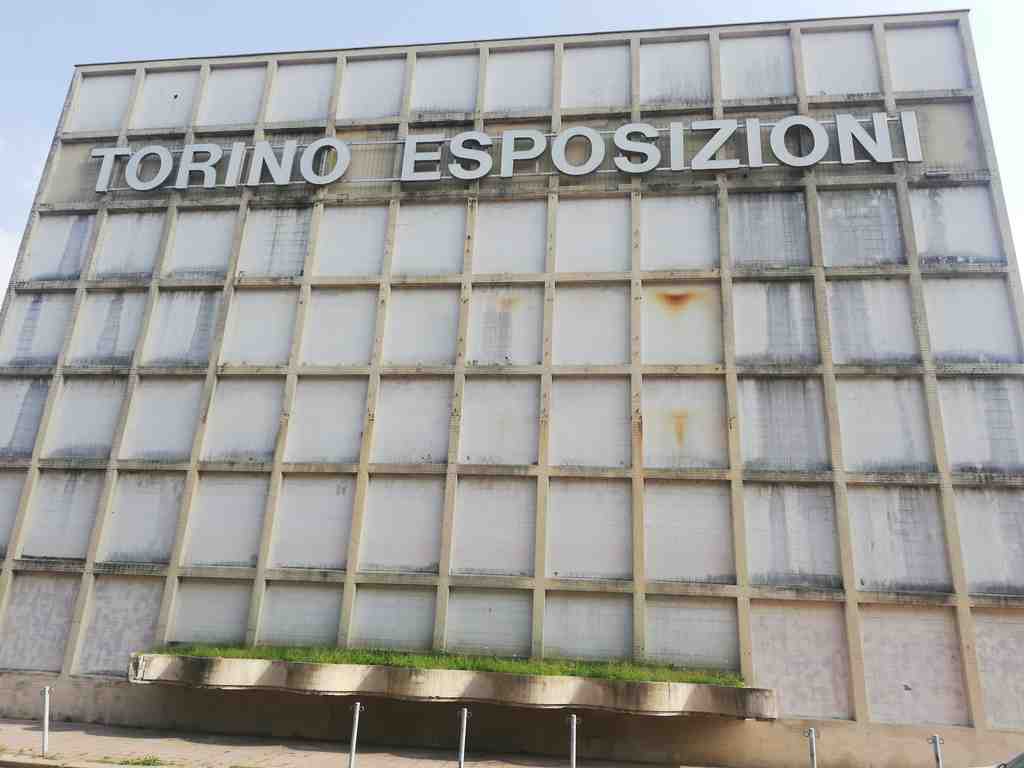
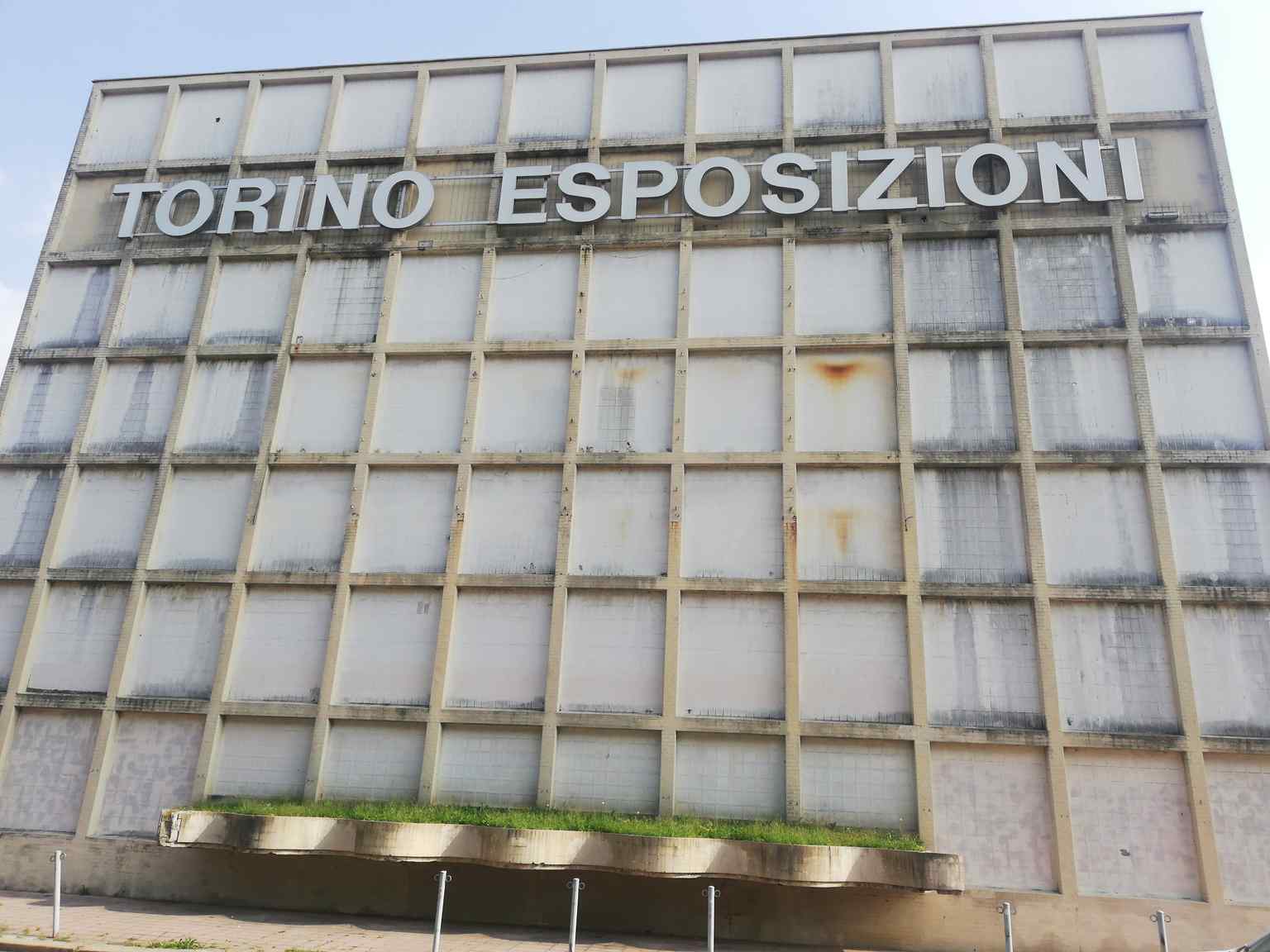
We just stepped out of the charming illusions of the Medieval Village, and now, we stand before something entirely different. Before you is a massive pale concrete facade shaped into a strict rectangular grid, proudly displaying the words TORINO ESPOSIZIONI in large letters near the top. This monumental complex is the ultimate twentieth-century culmination of Turin's urban expansion. We have seen this city evolve from an aristocratic fortress into a vibrant, modern canvas of ideas, and this building is a perfect testament to that journey.
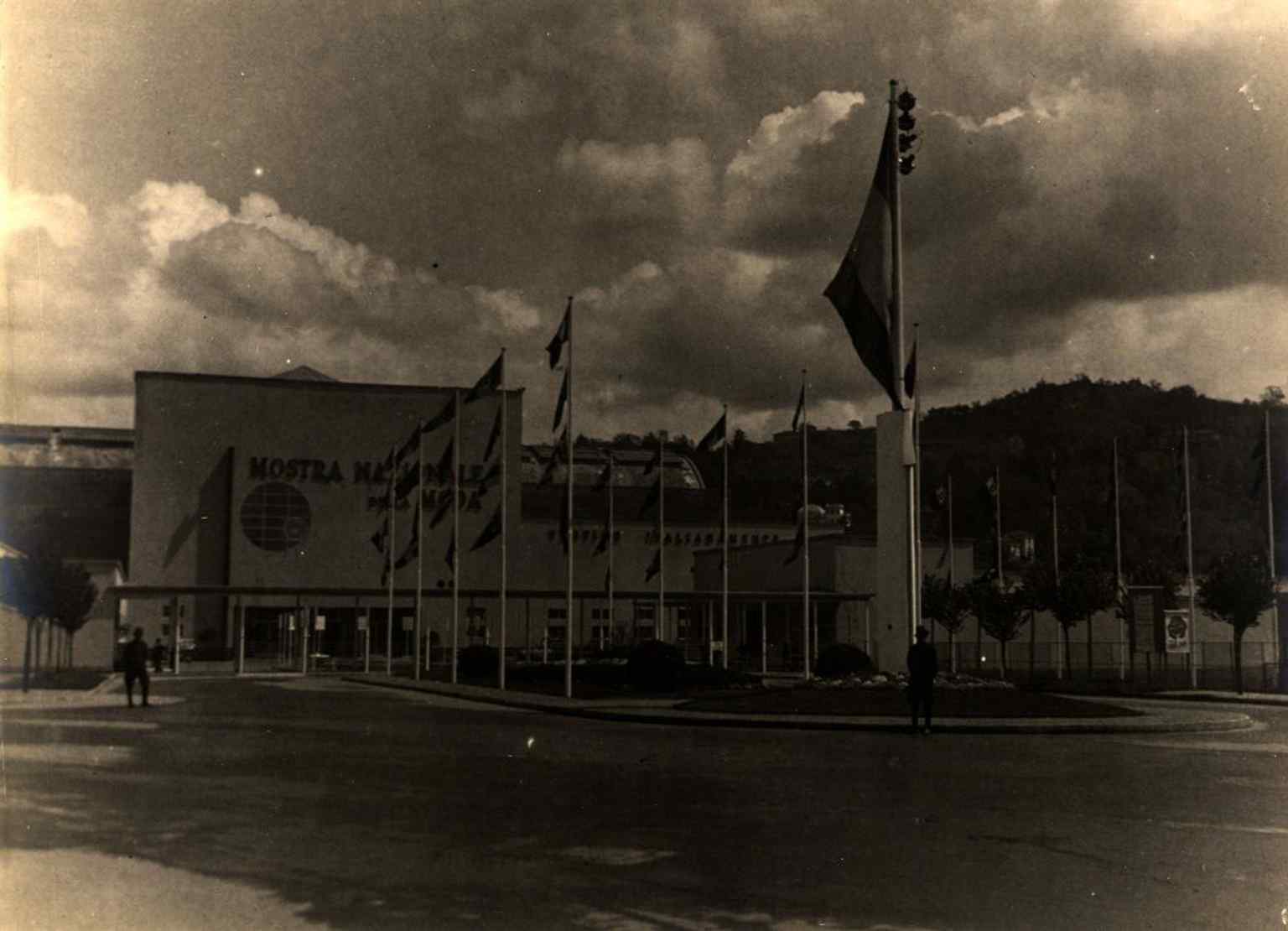
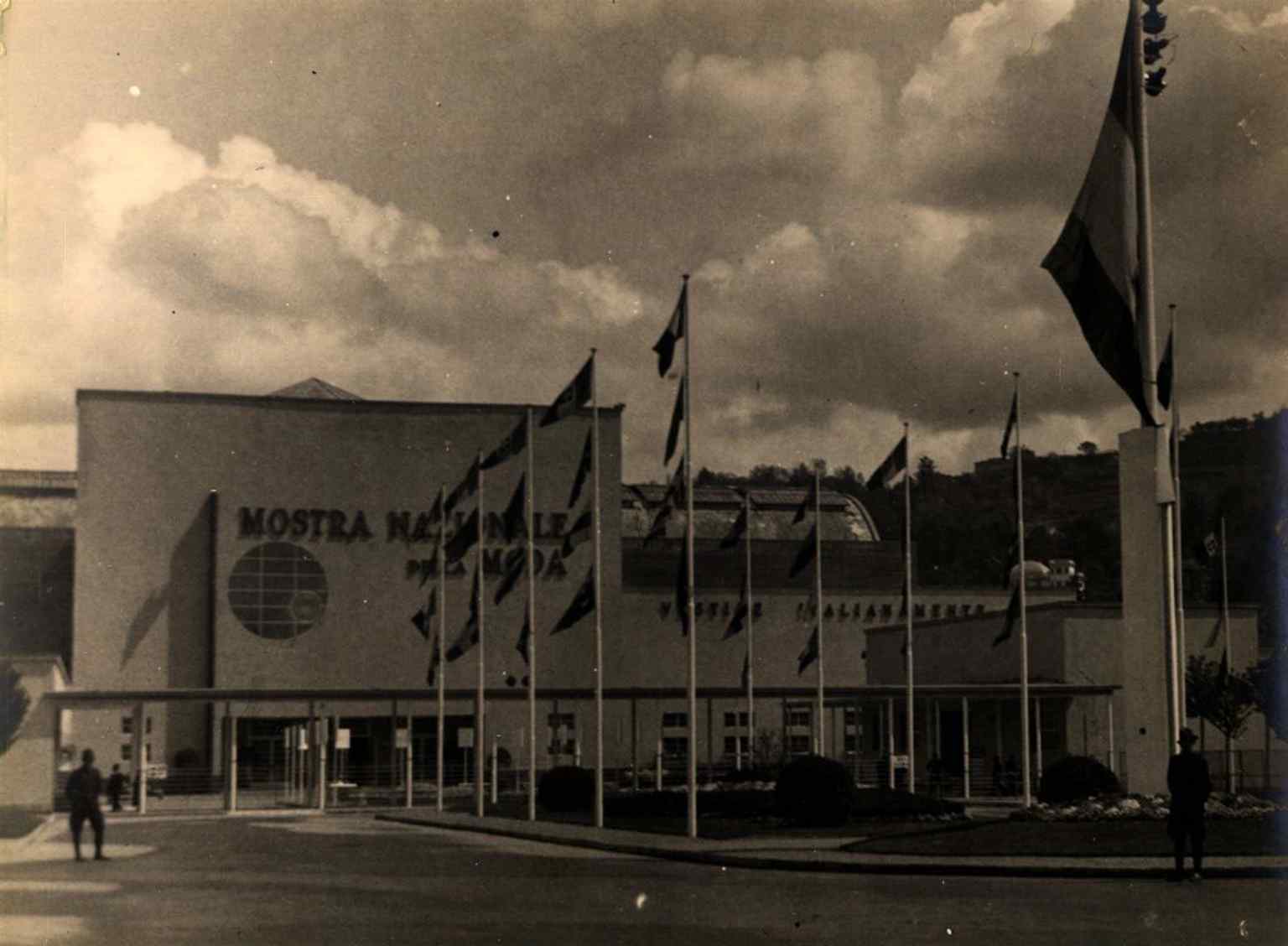
It began in the nineteen thirties as the Palace of Fashion, designed by architect Ettore Sottsass Senior. He built it in the Rationalist style, an architectural movement that stripped away heavy historical decorations in favor of clean lines, simple geometric shapes, and pure function. It was meant to showcase Italian design to the world, but destiny had other plans. In nineteen forty-three, the complex was heavily bombed. Its vast concrete underground spaces even served as makeshift air-raid shelters for terrified families.
But Turin is a city that rebuilds. In the late nineteen forties, the brilliant engineer Pier Luigi Nervi was brought in to resurrect the ruins. He used an innovative material called ferrocemento, a type of reinforced concrete that allowed for incredibly thin, strong, and flexible structures. Working day and night, Nervi vaulted a massive new roof over the main hall in record time. The people of Turin called it the Miracle of Nervi. Seeing this immense structure rise from the ashes gave the wounded city a profound sense of hope and renewal. As Turin's industry boomed, the complex needed even more space. But with the beautiful park right here, they could not build outward. The solution came in nineteen fifty-nine from engineer Riccardo Morandi, resulting in a final, successful piece of architectural ambition. He designed a colossal hypogeum, a massive underground pavilion hidden directly beneath the park's lawns, connected by a long subterranean gallery.
For decades, these walls housed the future. Millions of people flocked here for the International Auto Show, marveling at the first mass-produced refrigerators, and later, the very first Turin Book Fair. It even hosted ice hockey during the two thousand six Winter Olympics. Soon, this historic space will begin its next chapter as the city's spectacular new Central Library. San Salvario and the Valentino have always been a canvas for Turin's grandest visions, holding everything from royal castles to this beautiful temple of progress. If you plan to visit the exhibitions or the future library, keep in mind the complex is closed on Mondays, open ten to six Tuesday through Thursday, ten to eight on Fridays and Saturdays, and ten to seven on Sundays. Thank you for walking with me today, and I hope you carry a piece of Turin's enduring spirit with you wherever you go.






