
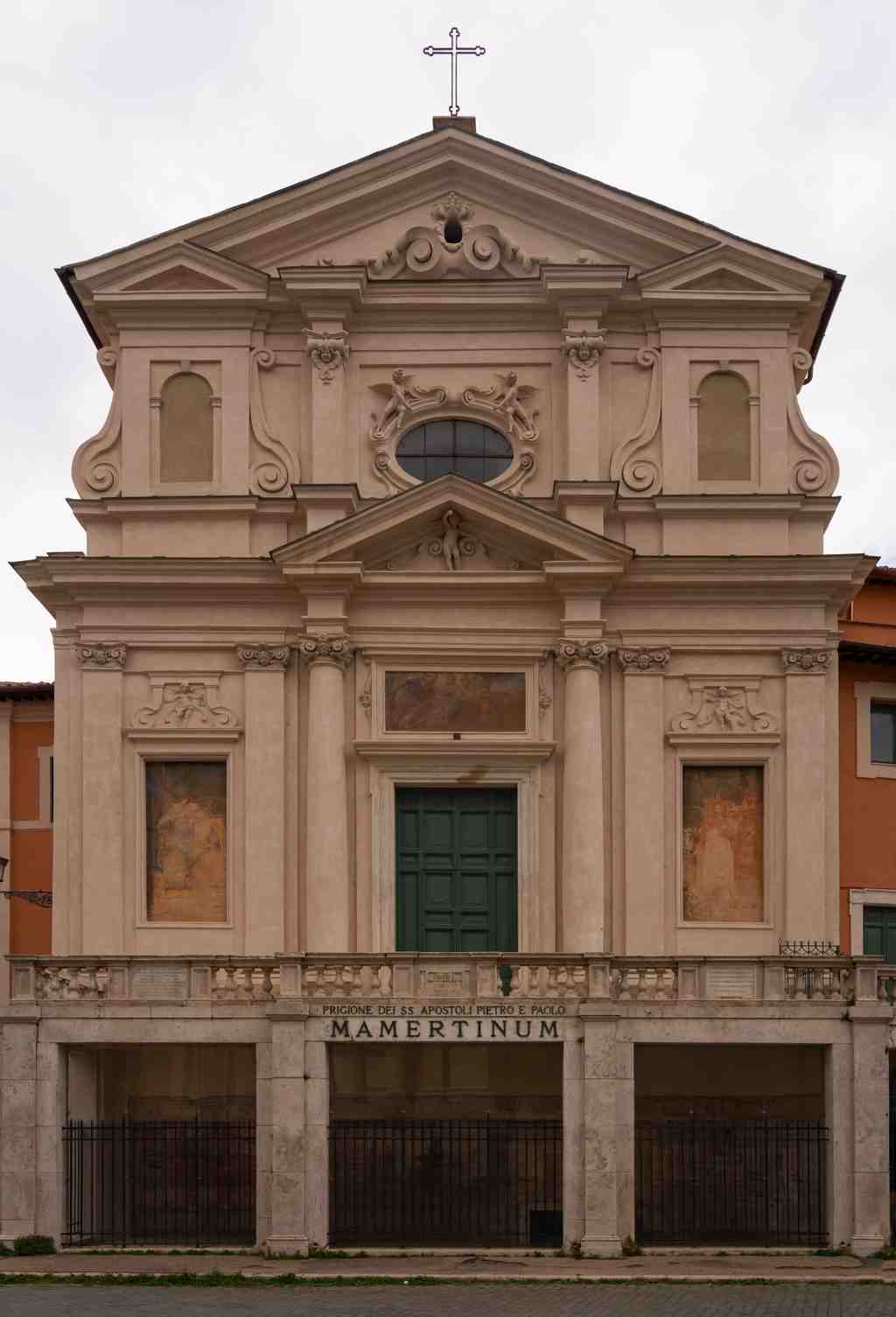
Originally constructed as a cistern, it later became a holding cell for short periods before executions. Some unfortunate souls, like the co-conspirators of Catiline in 63 BC, found themselves here. They faced their doom in the era of Cicero, who used the prison to hastily execute several conspirators without much of a trial. Talk about swift justice!
The prison sits beneath the modern church of San Giuseppe dei Falegnami, giving it quite a makeover from its grim past. Once, prisoners were lowered into the lower dungeon, almost like they were taking an express elevator to despair. This lower level, the oubliette, was neither roomy nor comfy, and it wasn't intended for long stays.
The term "Tullianum" might trace back to Roman kings Tullus Hostilius or Servius Tullius, or even from an old Latin term referring to a "jet of water" due to its origins as a cistern. And "Mamertine"? That's a medieval nod possibly linked to Mars, the Roman god of war.
Notably, Sejanus, an infamous Roman prefect, met his gruesome end here, along with others who tangled with the Republic’s law. Conditions weren’t the best; imagine being held just before your ultimate demise. It wasn’t about long-term incarceration but short-lived detention before judgment day.
Now, take a moment to reflect on the ironies of history as you stand here. The place once echoed with the groans of prisoners but now stands silent below the hustle and bustle of modern Rome. And remember, if anyone questions how much you know about Roman history now, you can simply say, "I learned it in prison!"
Interested in knowing more about the name and origin, use or the christian significance




