AudaTours logoAudaTours

Stop 15 of 16

Dante's Tomb

Dante's Tomb
Dante's Tomb
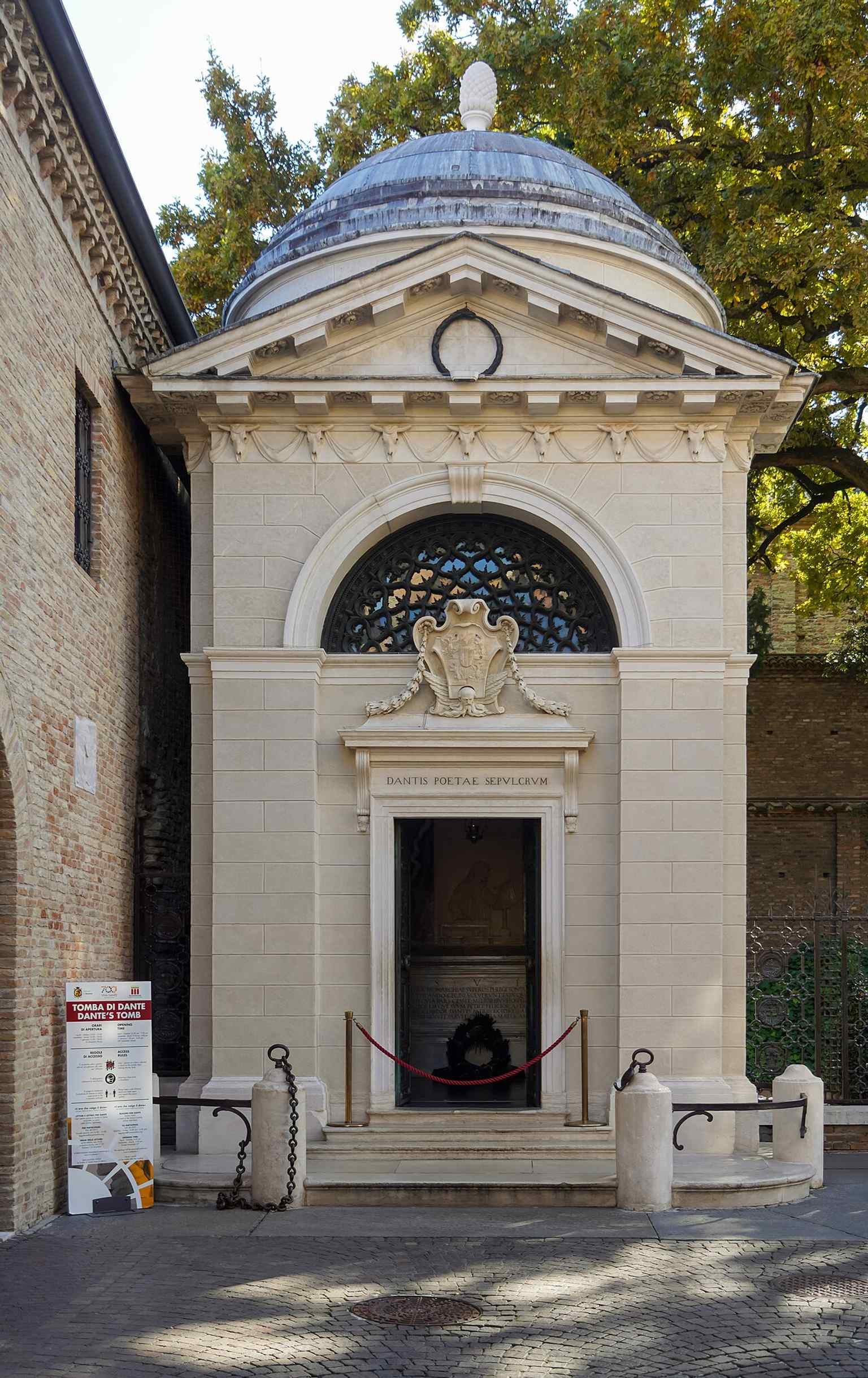
Dante's TombPhoto: ThePhotografer, Wikimedia Commons, CC BY-SA 4.0. Cropped & resized.

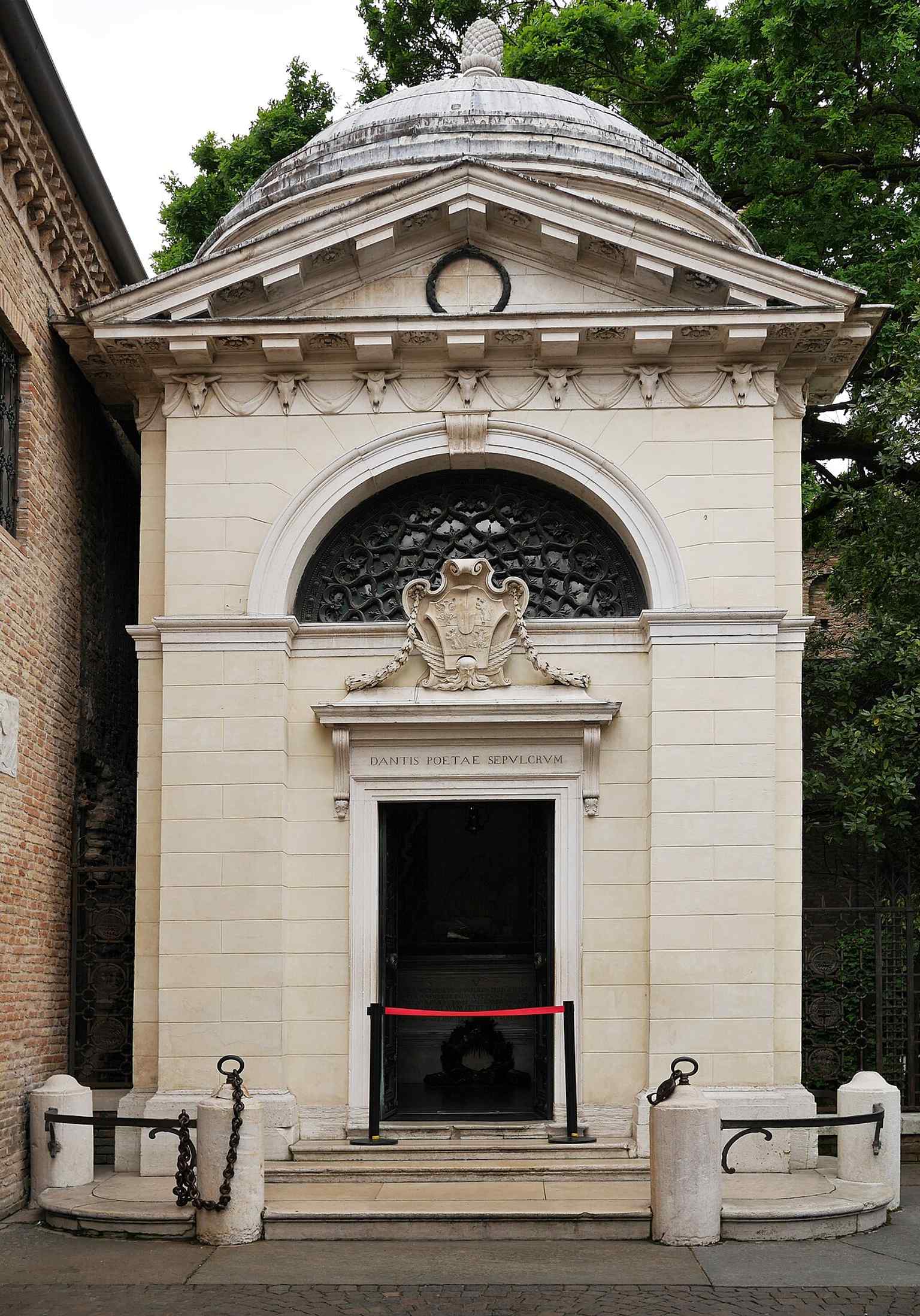
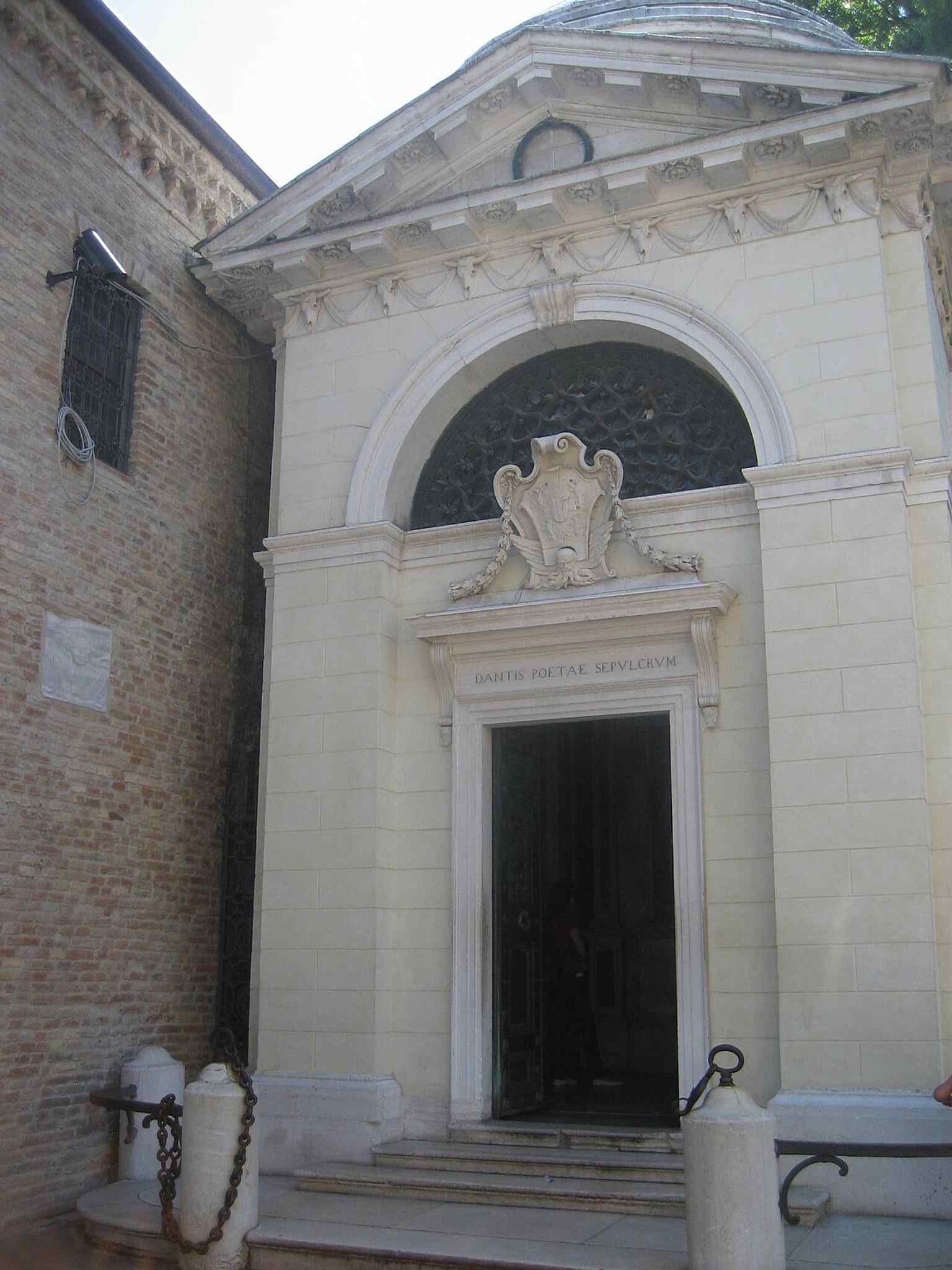
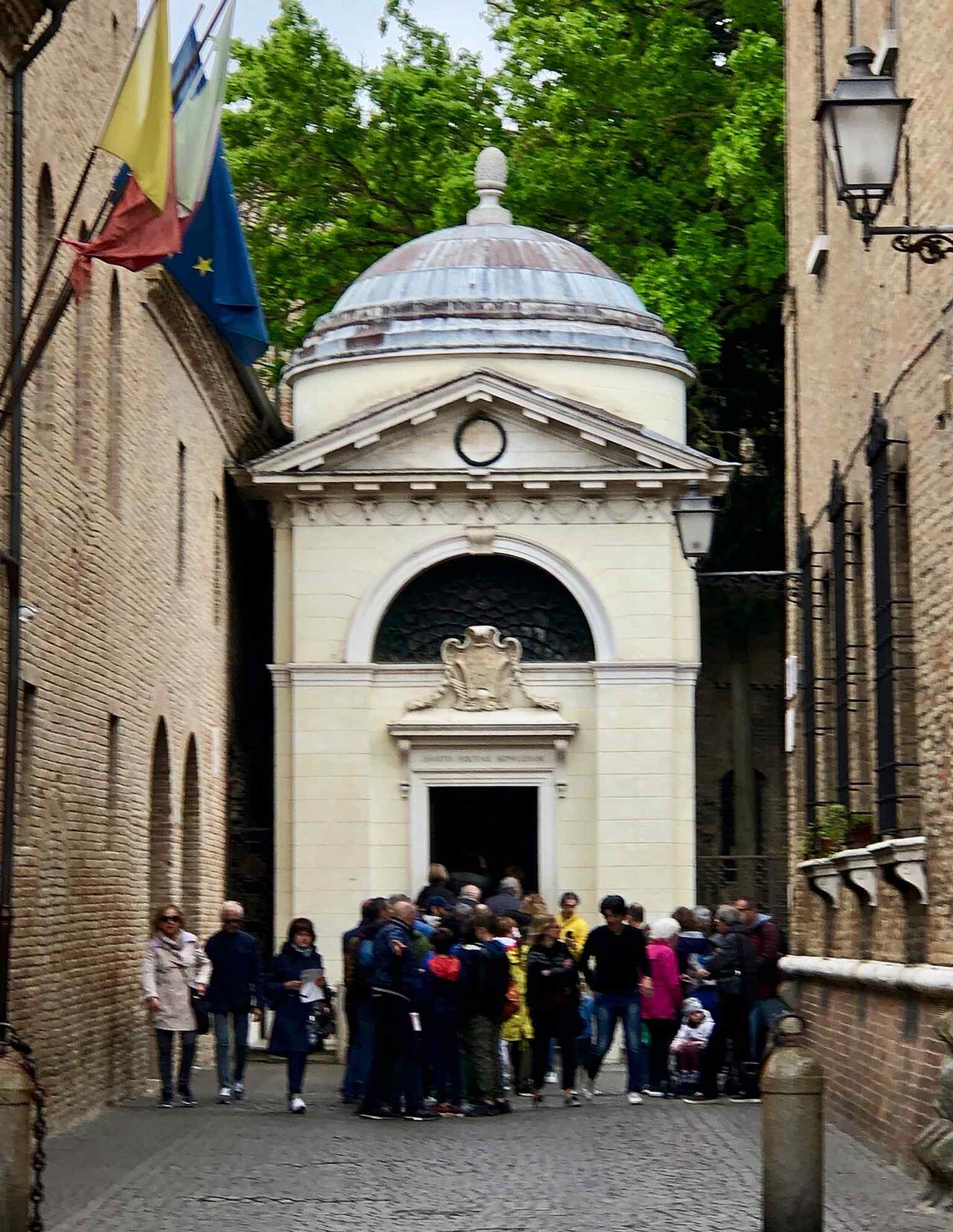
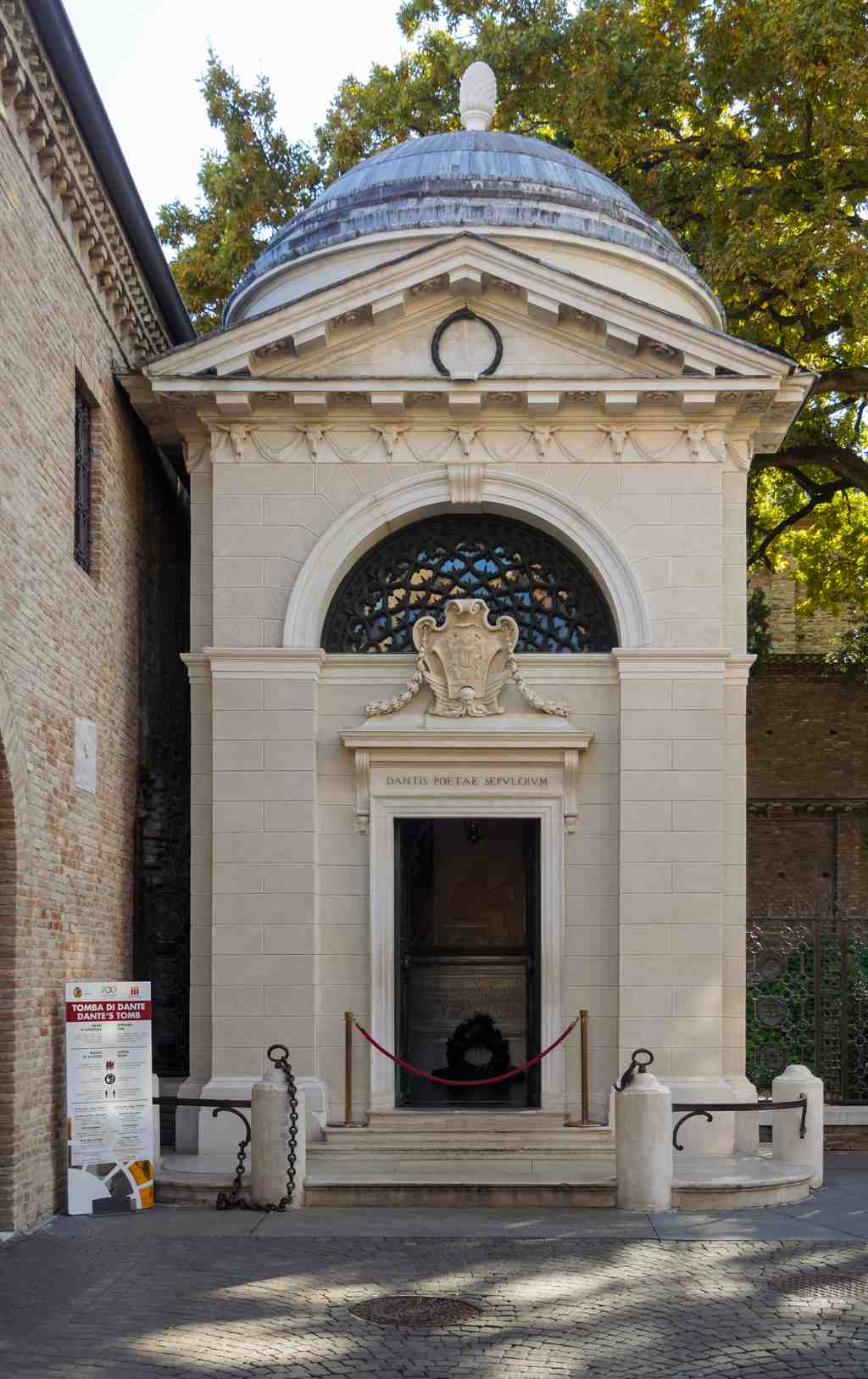
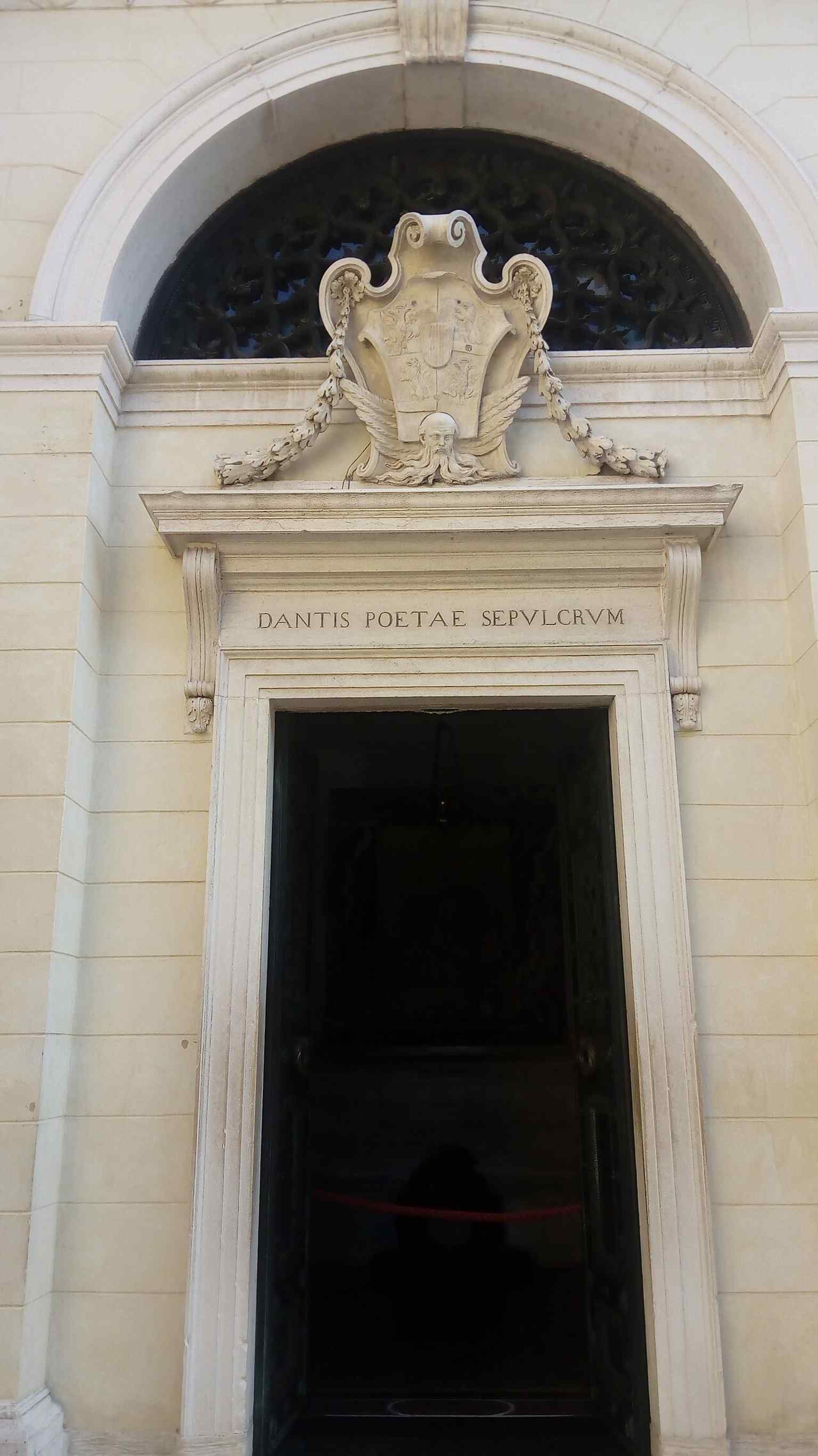
On your right, look for a small pale stone temple with a square front, a simple doorway, and a little dome topped by a pinecone.

For so modest a building, it holds an extraordinary gravity. Dante Alighieri spent the last years of his life in Ravenna and died here in thirteen twenty-one, far from Florence, the city that exiled him. This quiet shrine is Ravenna’s answer to that wound: not grand, not theatrical, simply steadfast.

Ravenna has a habit of building memory in layers, almost lifting one age above another, and this spot belongs to that habit. Long before this neoclassical tomb appeared, chronicles remembered a small oratory with a portico here, tied to nearby San Francesco. So even Dante’s grave stands inside older sacred ground, where one devotion settled gently over another.

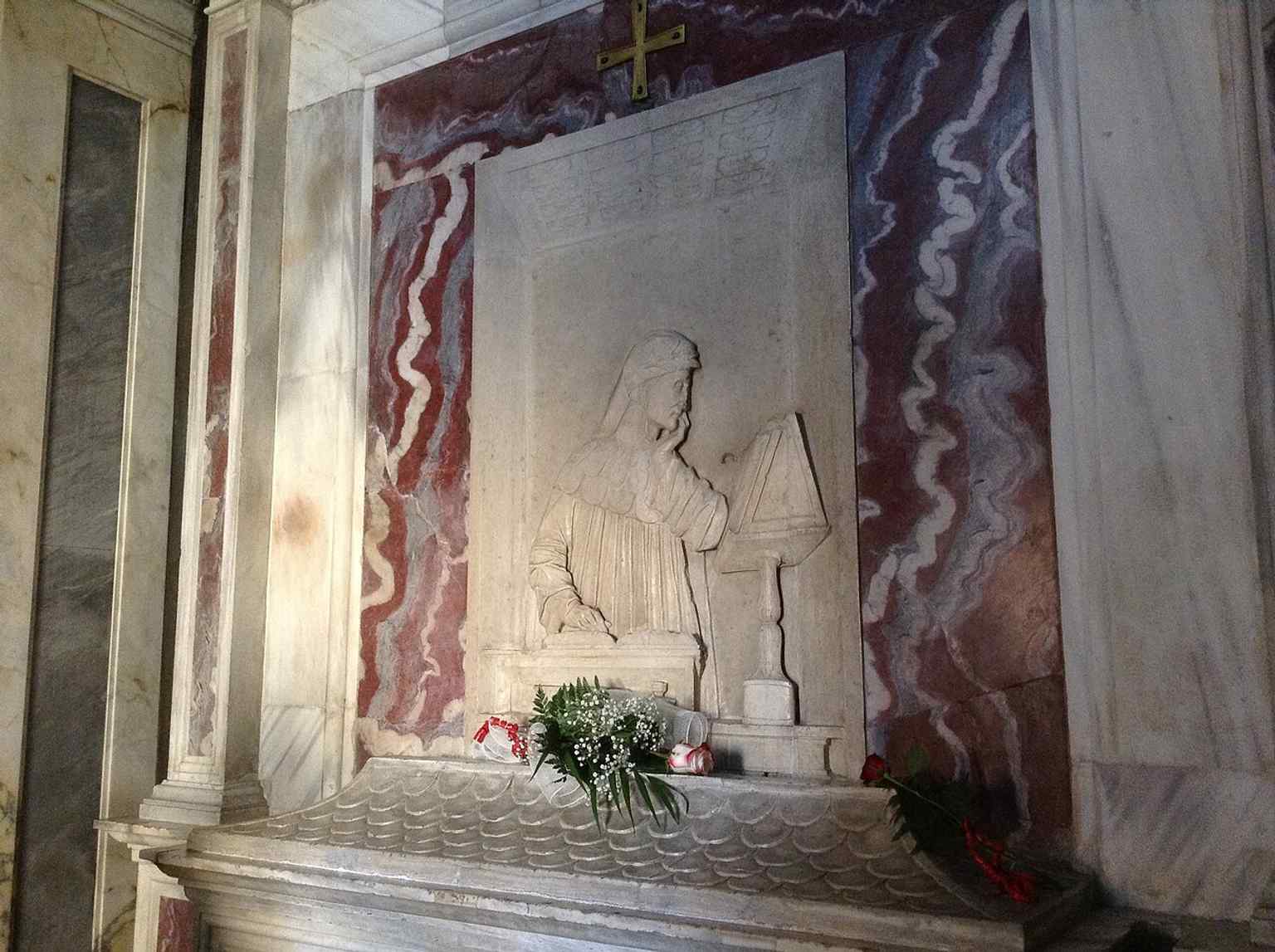
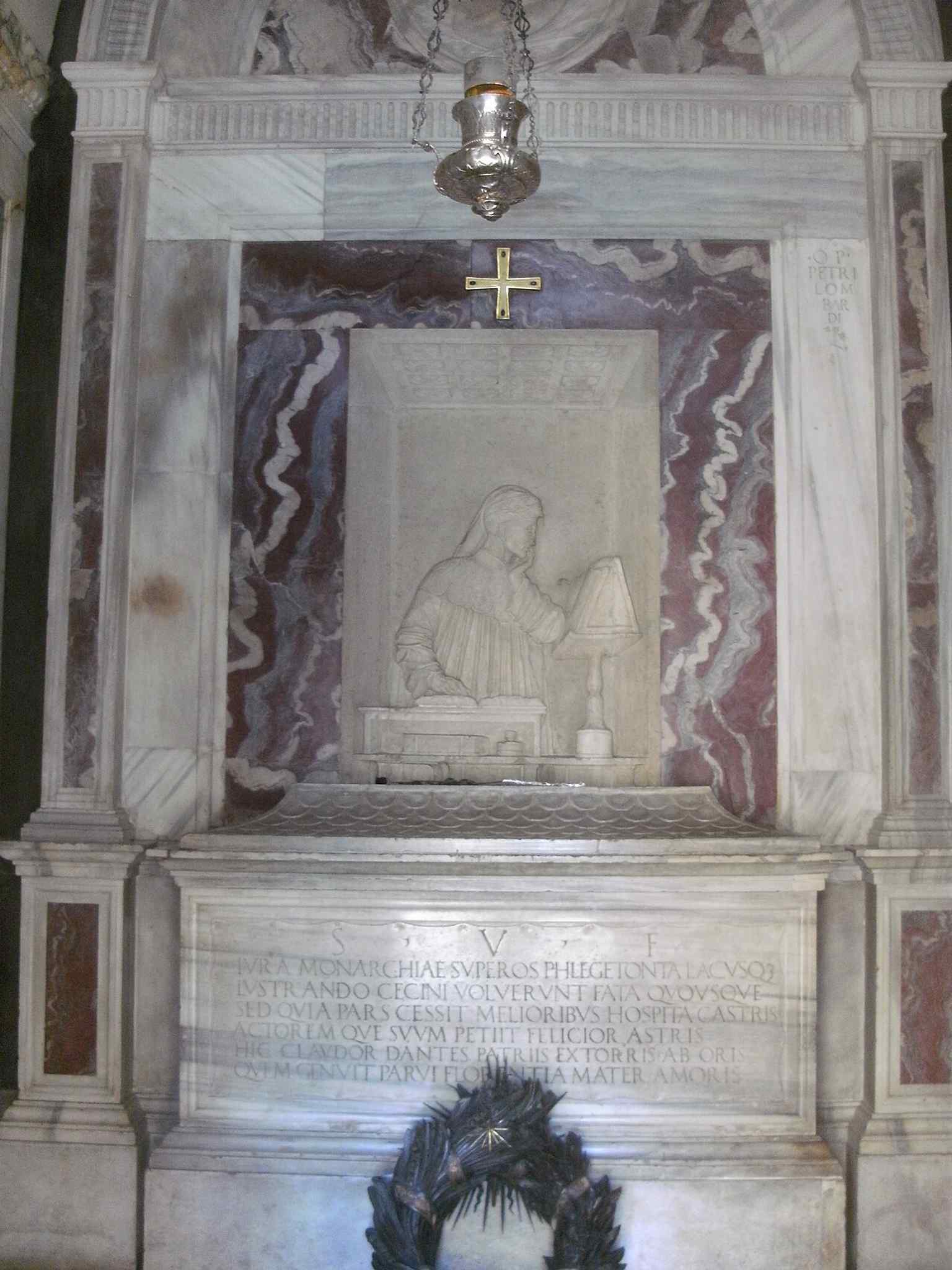
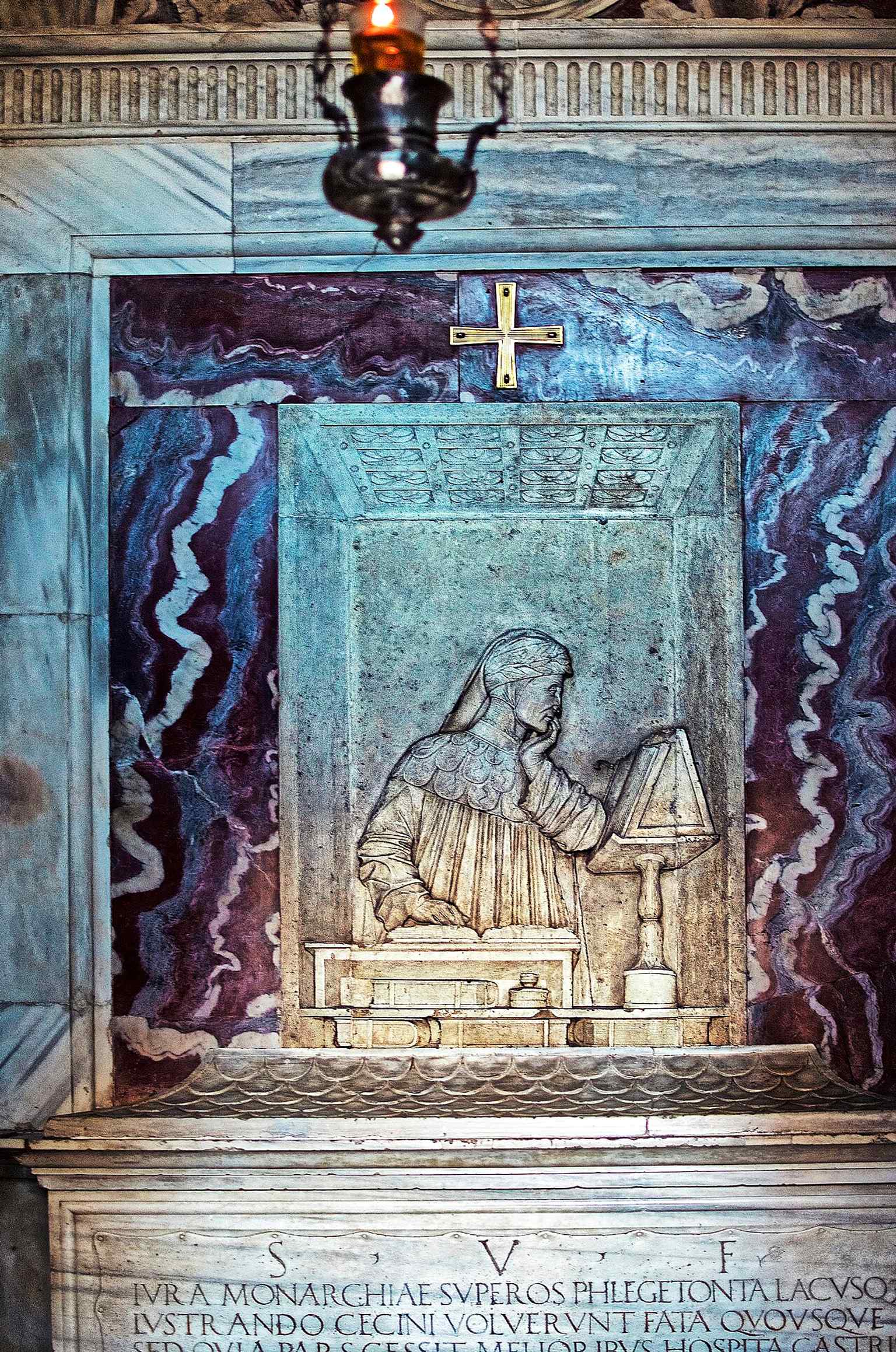
Tradition says Dante died in the habit of the Franciscan friars and asked for burial beside their convent. His first resting place lay near the Quadrarco di Braccioforte, the little garden area beside the tomb, wrapped in a local legend about the “strong arm” of Christ as guarantor of a vow. In time, Ravenna did what Ravenna so often does: it preserved, adapted, and carried the memory forward. In fourteen eighty-three, the Venetian podestà Bernardo Bembo restored the burial and asked the sculptor Pietro Lombardo to create the beautiful relief of Dante in thought before a lectern. Then, in seventeen eighty to seventeen eighty-one, Camillo Morigia gave the poet the shrine you see now, a restrained neoclassical sacello, or small memorial chapel, built over the older tomb.

But Dante did not rest here without drama. Florence asked repeatedly for his bones. In fifteen nineteen, Pope Leo the Tenth finally granted permission, and Michelangelo himself received the task of designing a grand tomb in Florence. The Florentine delegation arrived, opened the sarcophagus, and found nothing. The Franciscan friars had quietly cut through the wall from the cloister side and removed the remains first.

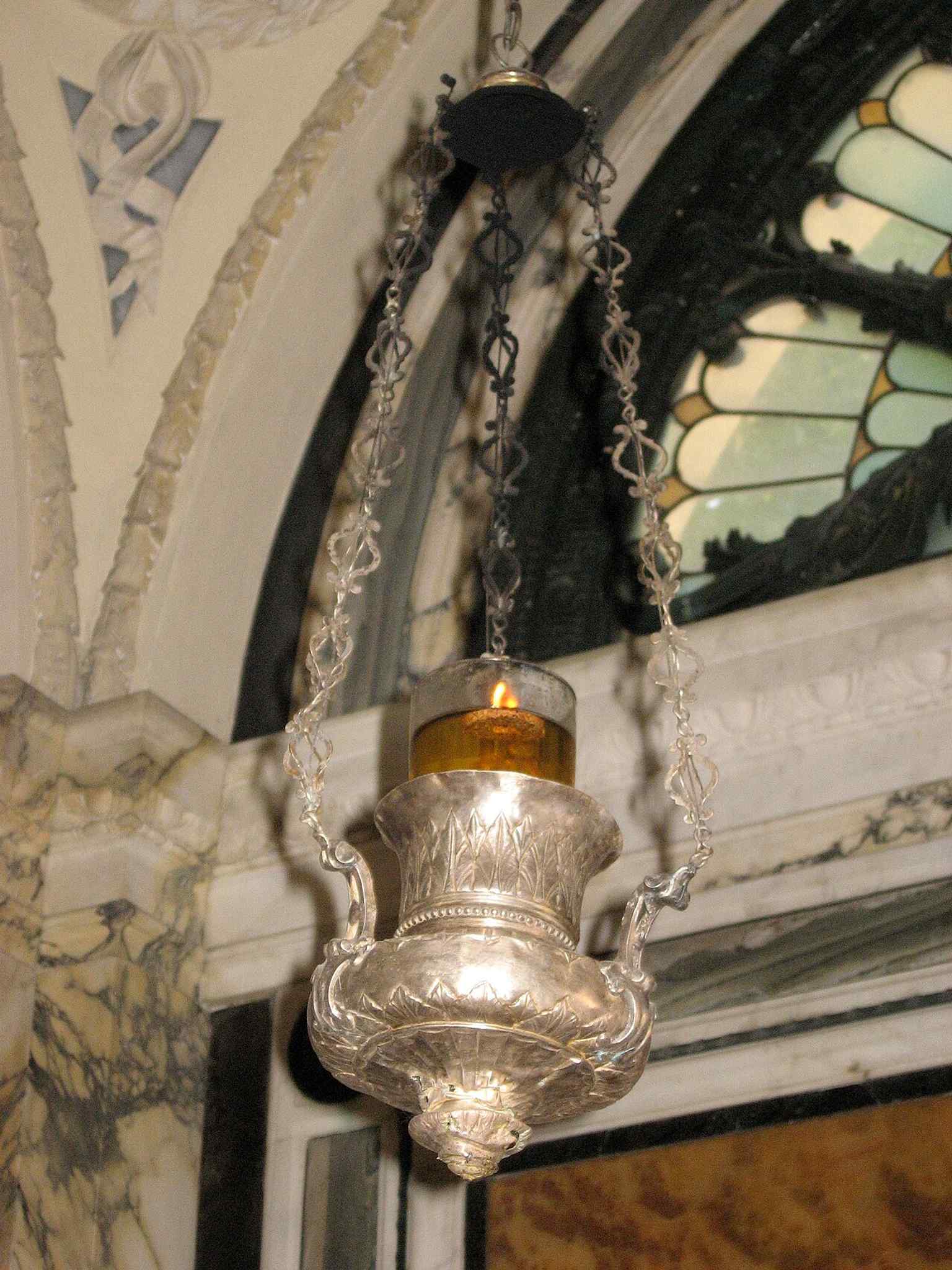
The bones disappeared again in eighteen ten, when Napoleon’s government closed the convent. The friars hid them in a wall nearby and left the city. For decades, visitors honoured an empty tomb. Then, in eighteen sixty-five, a workman accidentally found the casket. A schoolboy, Anastasio Matteucci, read the inscription and understood what it was, saving it from being mistaken for ordinary remains. If you like, glance at the historic image in the app; it hints at how that discovery turned this place into a national pilgrimage. Inside, a lamp burns continually above the tomb, fed each year with olive oil sent from the Tuscan hills by Florence. It is a beautiful arrangement: the city that banished Dante now helps keep vigil, while Ravenna remains the guardian. If you fancy it, the before-and-after image is worth a look; the tomb scarcely changes, but the forecourt around it has been carefully shaped into the quiet space you see now. And that may be the final secret of Ravenna. Again and again, history cast things out here or tried to carry them away, and still this city kept them: faiths, fragments, images, and, at last, an exile who became its chosen dead. If you want to go inside later, the tomb is generally open every day from ten in the morning until six in the evening.
An 1865 historic view of the tomb area, tying the site to the rediscovery of Dante’s remains and 19th-century memory.
An 1865 historic view of the tomb area, tying the site to the rediscovery of Dante’s remains and 19th-century memory.Photo: Frank Dillon, Wikimedia Commons, Public domain. Cropped & resized.
The main neoclassical façade of Dante’s Tomb, with its simple entrance and official dignity at the heart of Ravenna’s Dantesque zone.
The main neoclassical façade of Dante’s Tomb, with its simple entrance and official dignity at the heart of Ravenna’s Dantesque zone.Photo: ThePhotografer, Wikimedia Commons, CC BY-SA 4.0. Cropped & resized.
A broader exterior view that shows the tomb in its urban setting, helping explain why the site became a protected “zone of silence.”
A broader exterior view that shows the tomb in its urban setting, helping explain why the site became a protected “zone of silence.”Photo: Petar Milošević, Wikimedia Commons, CC BY-SA 4.0. Cropped & resized.
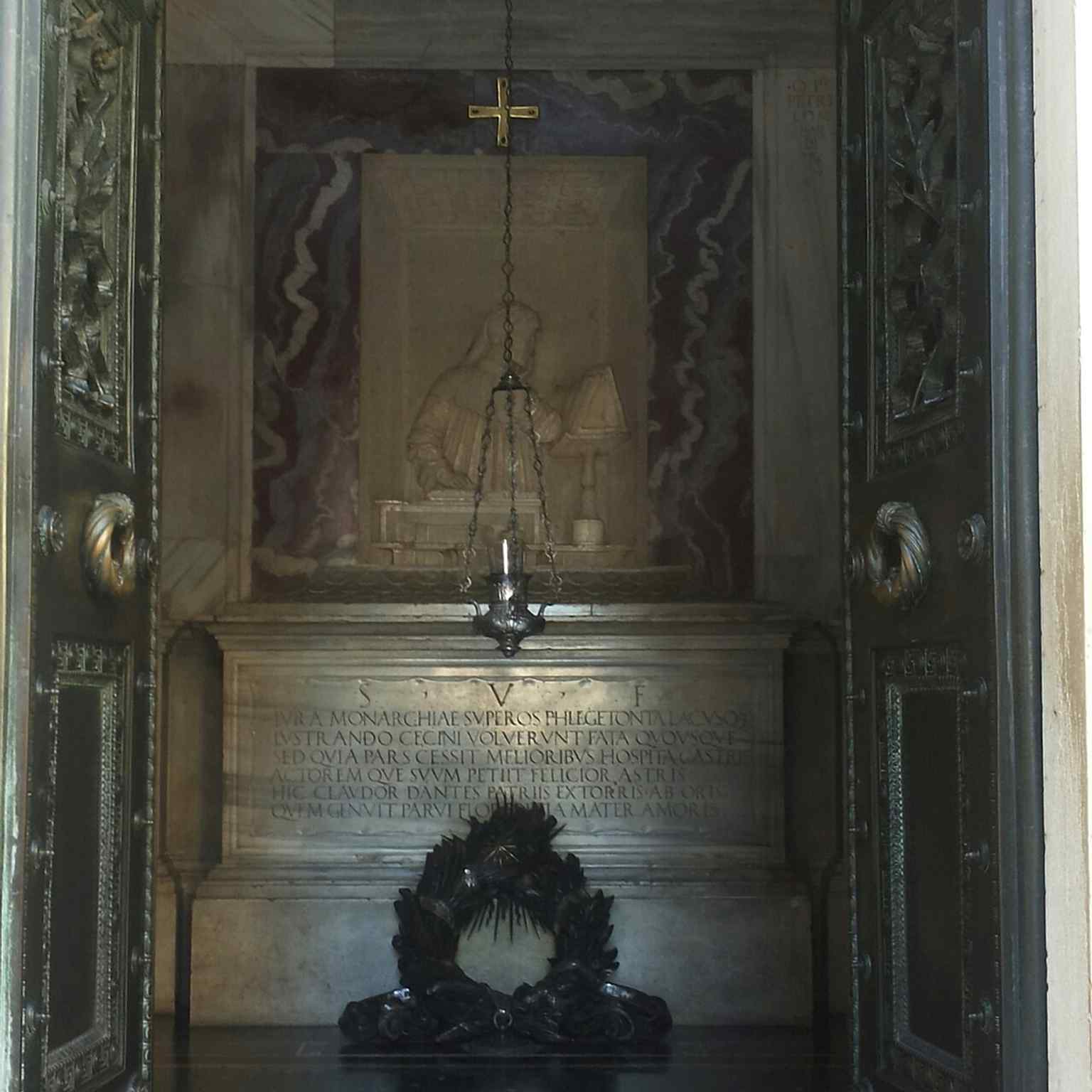
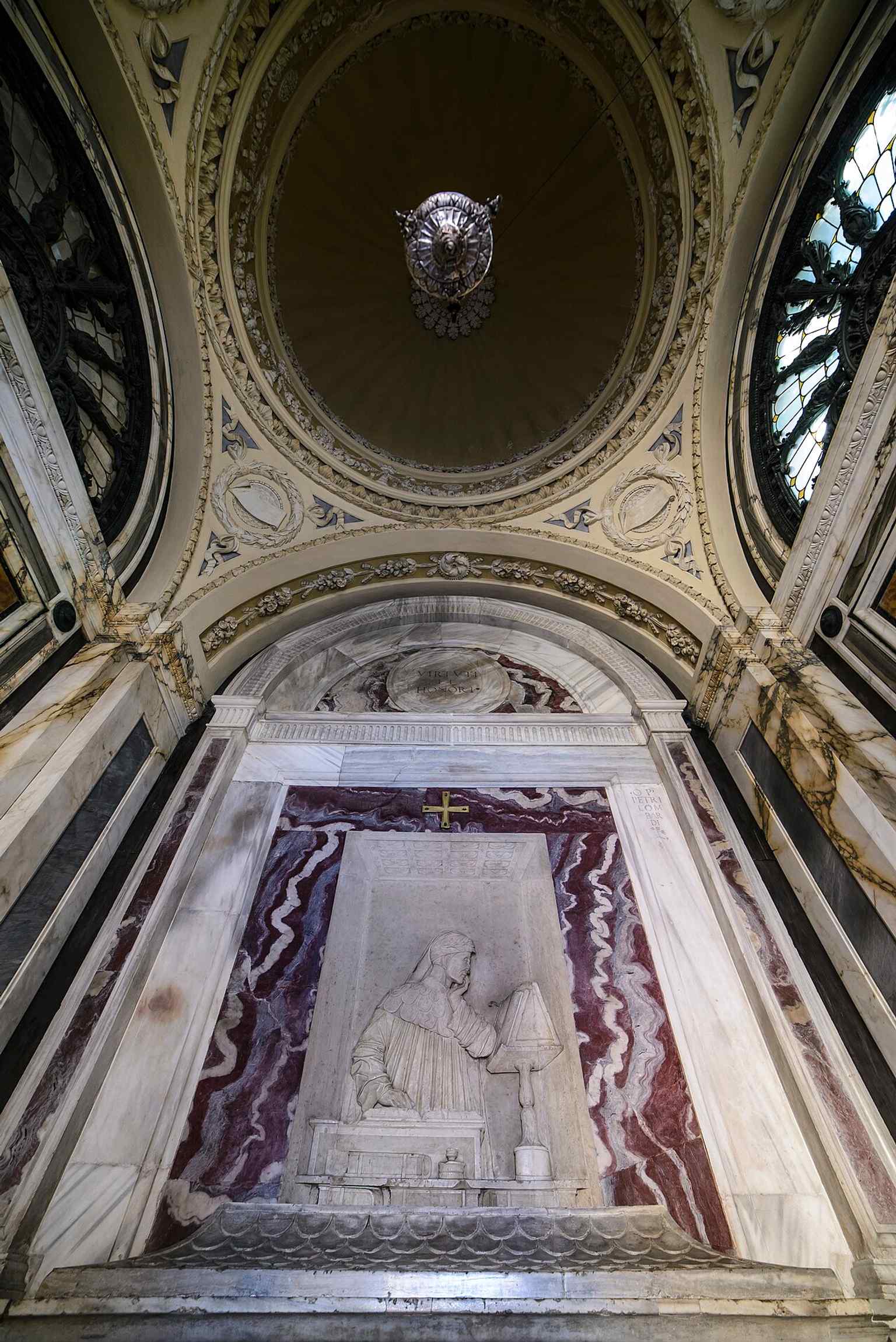
The Pietro Lombardo bas-relief of Dante in thought before a lectern, one of the tomb’s most important Renaissance additions.
The Pietro Lombardo bas-relief of Dante in thought before a lectern, one of the tomb’s most important Renaissance additions.Photo: This illustration was made by louis-garden. Please credit this : louis-garden An email to Louis-garden or a message here would be appreciated too. More pictures (not free) at My Photos Site, Wikimedia Commons, CC BY-SA 3.0. Cropped & resized.
The sarcophagus with Latin epitaph, linking the modern mausoleum to the older burial traditions of Ravenna.
The sarcophagus with Latin epitaph, linking the modern mausoleum to the older burial traditions of Ravenna.Photo: Dr. Wilfred Krause, Wikimedia Commons, CC BY-SA 3.0. Cropped & resized.
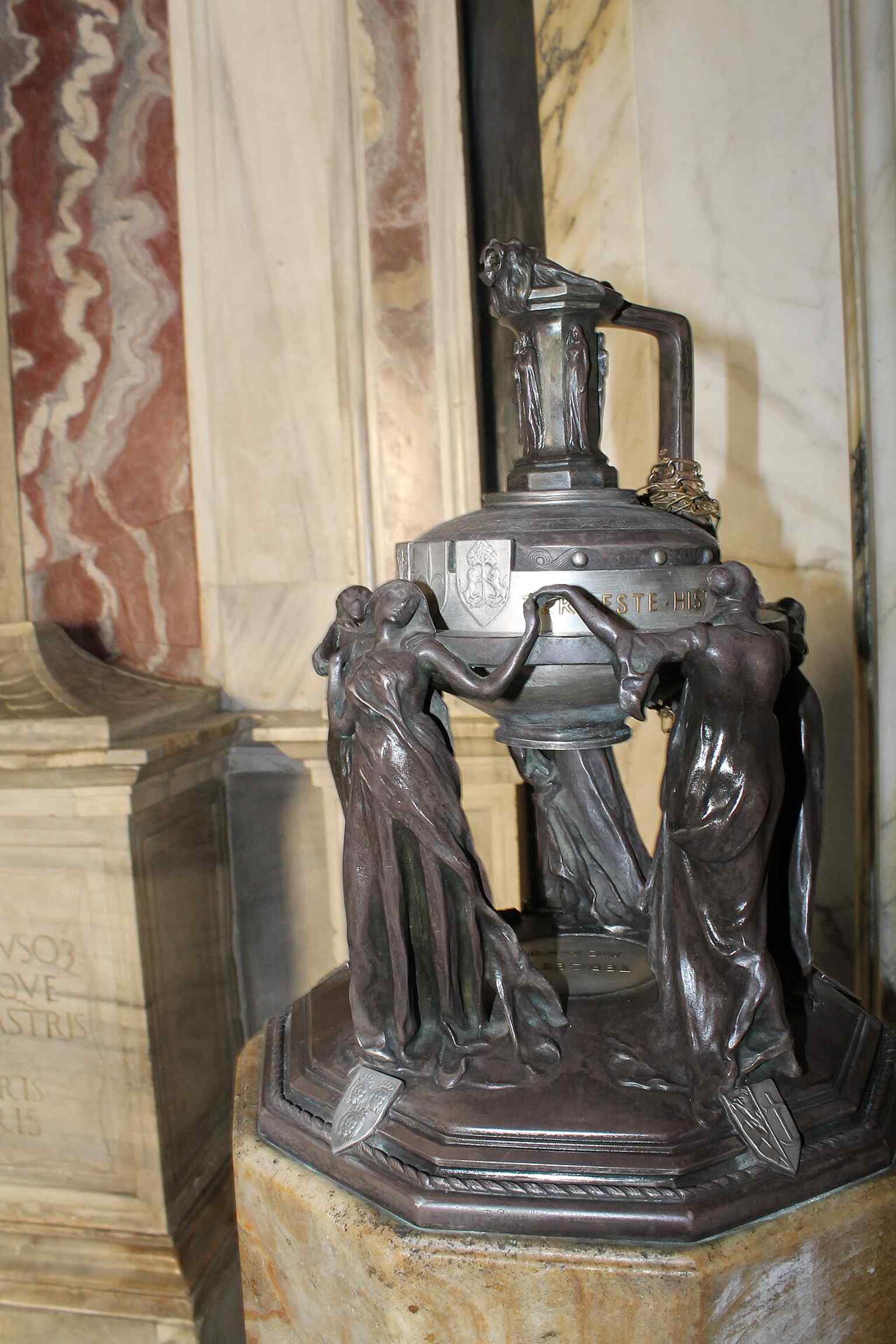
The perpetual oil lamp inside the chapel, lit with olive oil from Tuscany in a long-running memorial tradition.
The perpetual oil lamp inside the chapel, lit with olive oil from Tuscany in a long-running memorial tradition.Photo: User:Husky, Wikimedia Commons, CC BY 3.0. Cropped & resized.
The reserve of oil offered by Florence, a reminder that even Dante’s tomb is sustained by a yearly civic ritual.
The reserve of oil offered by Florence, a reminder that even Dante’s tomb is sustained by a yearly civic ritual.Photo: This illustration was made by louis-garden. Please credit this : louis-garden An email to Louis-garden or a message here would be appreciated too. More pictures (not free) at My Photos Site, Wikimedia Commons, CC BY-SA 3.0. Cropped & resized.
An interior view of the marble-lined chapel, where the tomb is presented as both sacred memorial and national monument.
An interior view of the marble-lined chapel, where the tomb is presented as both sacred memorial and national monument.Photo: Incola, Wikimedia Commons, CC BY-SA 3.0. Cropped & resized.
A close detail from inside the tomb, showing the kind of votive offerings and decorative elements that surround the sarcophagus.
A close detail from inside the tomb, showing the kind of votive offerings and decorative elements that surround the sarcophagus.Photo: Alessandro Gennari, Wikimedia Commons, CC BY-SA 3.0. Cropped & resized.
A full interior shot of the mausoleum, emphasizing the intimate, chapel-like space around Dante’s burial.
A full interior shot of the mausoleum, emphasizing the intimate, chapel-like space around Dante’s burial.Photo: Clic80, Wikimedia Commons, CC BY-SA 3.0. Cropped & resized.
The Dante zone and tomb in a wider historic context, illustrating the quiet garden and protected setting around the monument.
The Dante zone and tomb in a wider historic context, illustrating the quiet garden and protected setting around the monument.Photo: Athena1969, Wikimedia Commons, CC BY-SA 3.0. Cropped & resized.
The altar with Dante’s effigy, showing how the tomb continues to be a place of civic devotion and commemoration.
The altar with Dante’s effigy, showing how the tomb continues to be a place of civic devotion and commemoration.Photo: Caba2011, Wikimedia Commons, CC BY-SA 4.0. Cropped & resized.
arrow_back Back to Ravenna Audio Tour: Mosaics, Monarchs, and Miracles Unveiled
Loved by travellers

Thousands of tours started.
Plenty of opinions.

4.8 across the App Store and Google Play. Here's a few we keep coming back to.

starstarstarstarstar
This was a solid way to get to know Brighton without feeling like a tourist. The narration had depth and context, but didn't overdo it.
Christoph
Christoph
Brighton Tour
starstarstarstarstar
Started this tour with a croissant in one hand and zero expectations. The app just vibes with you, no pressure, just you, your headphones, and some cool stories.
download Get the app

Pop your headphones in.
Step outside.

Free to download. Tours in every city. Start in 60 seconds — no account, no card.

Download on the App StoreGet it on Google Play
starstarstarstarstar_half
4.8
AudaTours app icon
headphones
~ 4 min until your first tour starts
public
1,000+ cities worldwide
all_inclusive
AudaTours
Unlimited

Every tour. Every city. One subscription.

3096 tours2272 cities138 countries50+ languages