
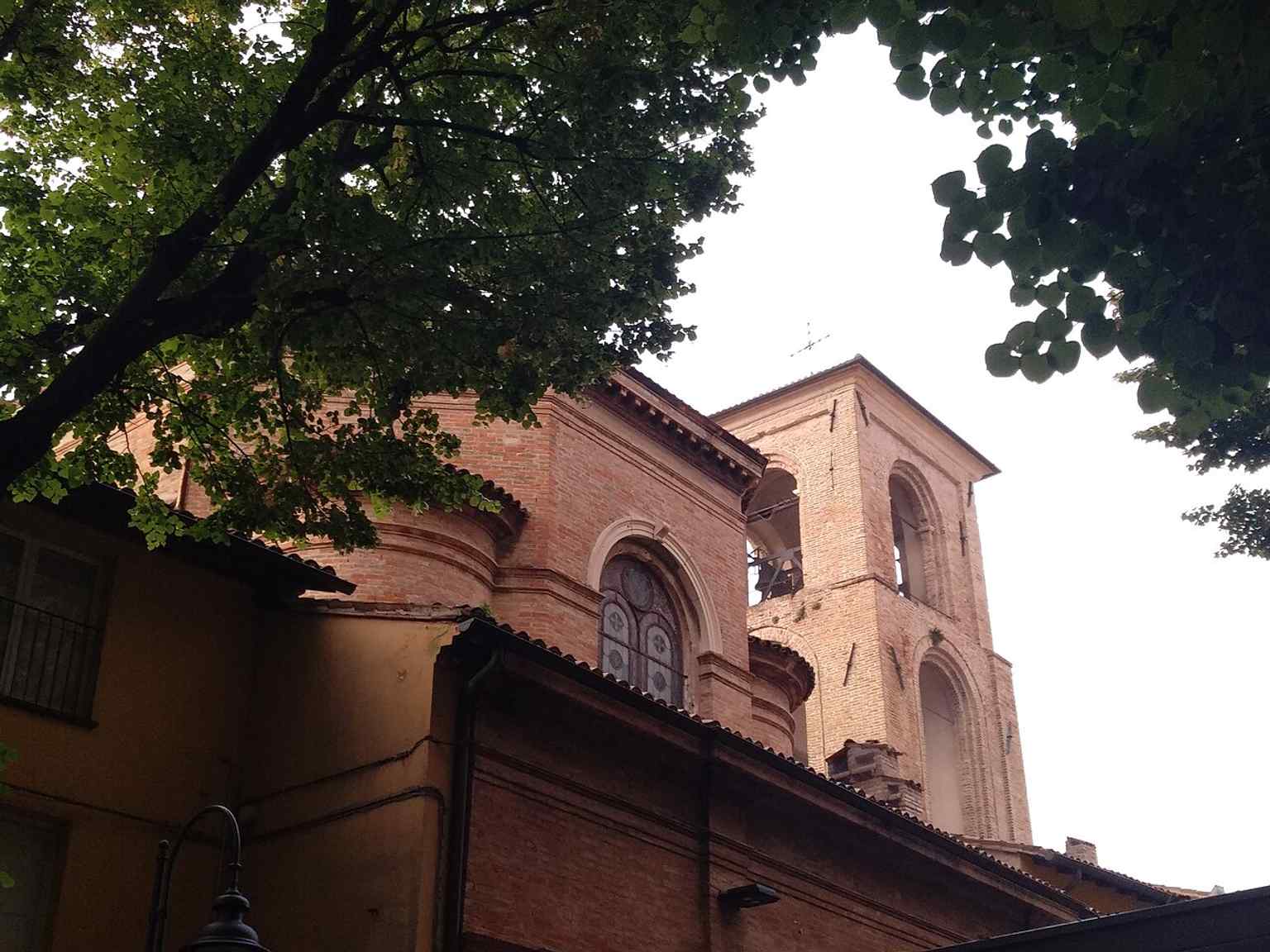
On your right, the cathedral is easy to recognize by its warm brick Romanesque façade, its broad triangular front, and the round window set above the entrance.
This church asks you to imagine not one building, but several lives stacked inside the same sacred ground. The façade you see dates from between twelve eighty-two and thirteen twelve, but the story starts much earlier, with two early Christian churches below the present floor: one from the fourth century, and another from the later sixth, raised after the first one fell during the Gothic wars.
This is where faith, loss, and recovery become something you can almost measure in layers. Worship ended, began again, and left its mark in mosaic. Art vanished, names changed, whole parts of the church were remade, yet the memory of the place held on. Sacred memory, here, survived even when objects did not.
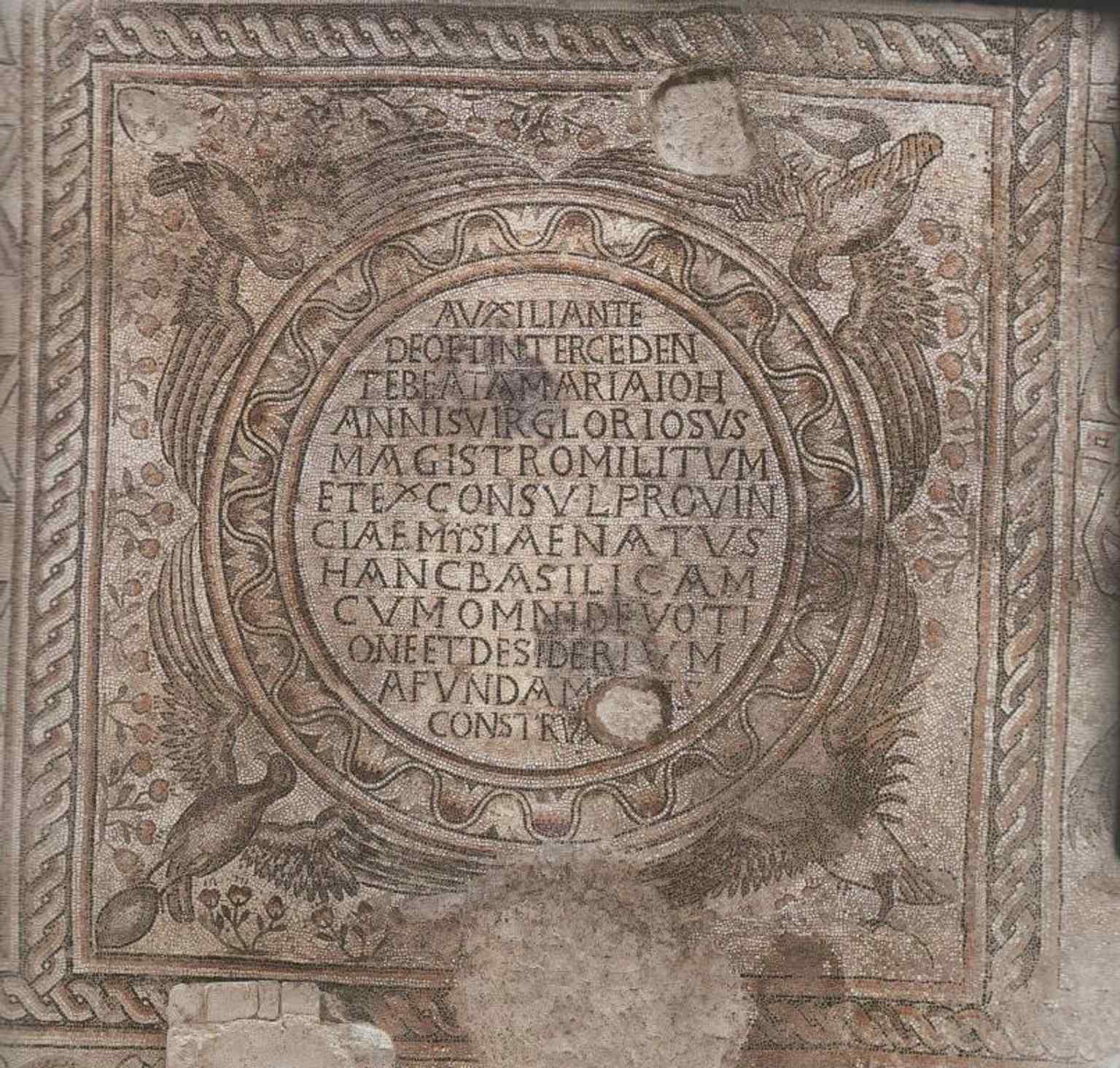
Most visitors never hear the small clue that surfaced long before the famous modern excavations. In sixteen eleven, the scholar Sebastiano Macci recorded that workers digging a grave inside the cathedral struck a decorated pavement of astonishing beauty... and then realized there was another mosaic level deeper still. Imagine that moment: a burial opening the door to a much older life of prayer.
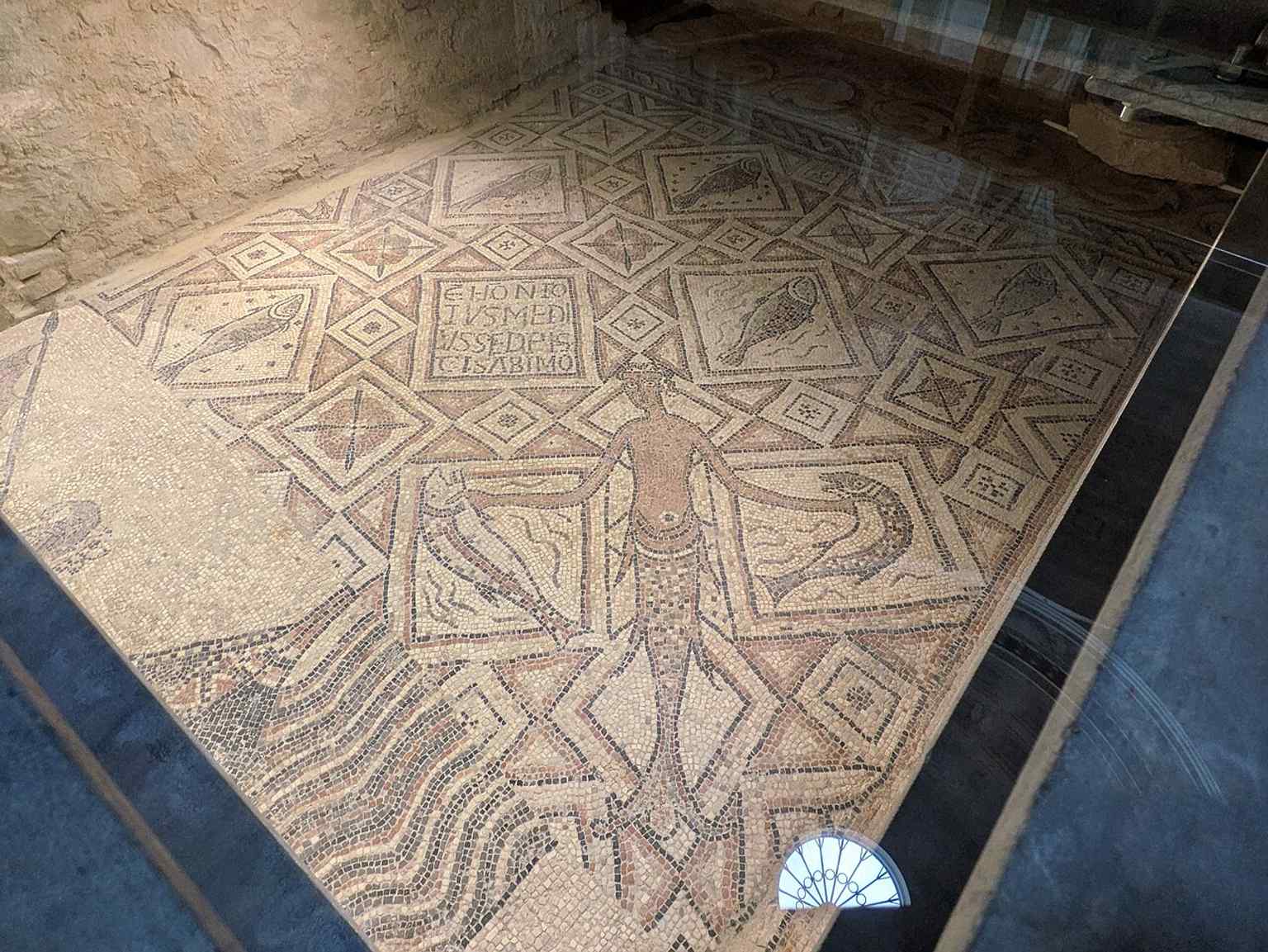
If you glance at your screen, the mosaic image gives you a sense of what lies below the present church floor. When the mosaics came back into view in the nineteenth century, money ran short, and people covered much of them again to protect them. Even now, only the upper mosaic layer is visible through openings, and one of its strangest scenes tells episodes from the Trojan War, woven into a church floor alongside Christian images. Pesaro rarely keeps its stories in tidy boxes.
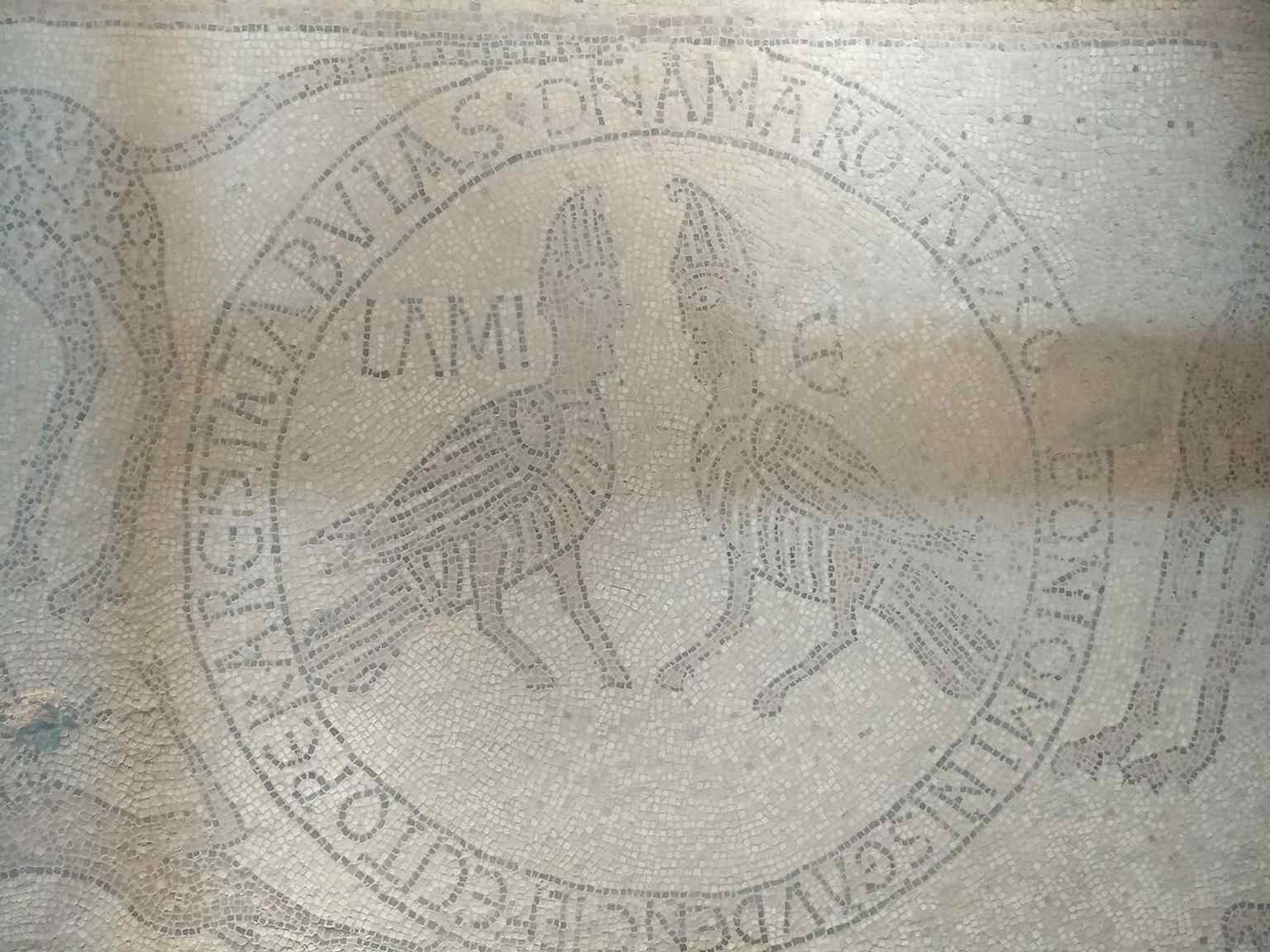
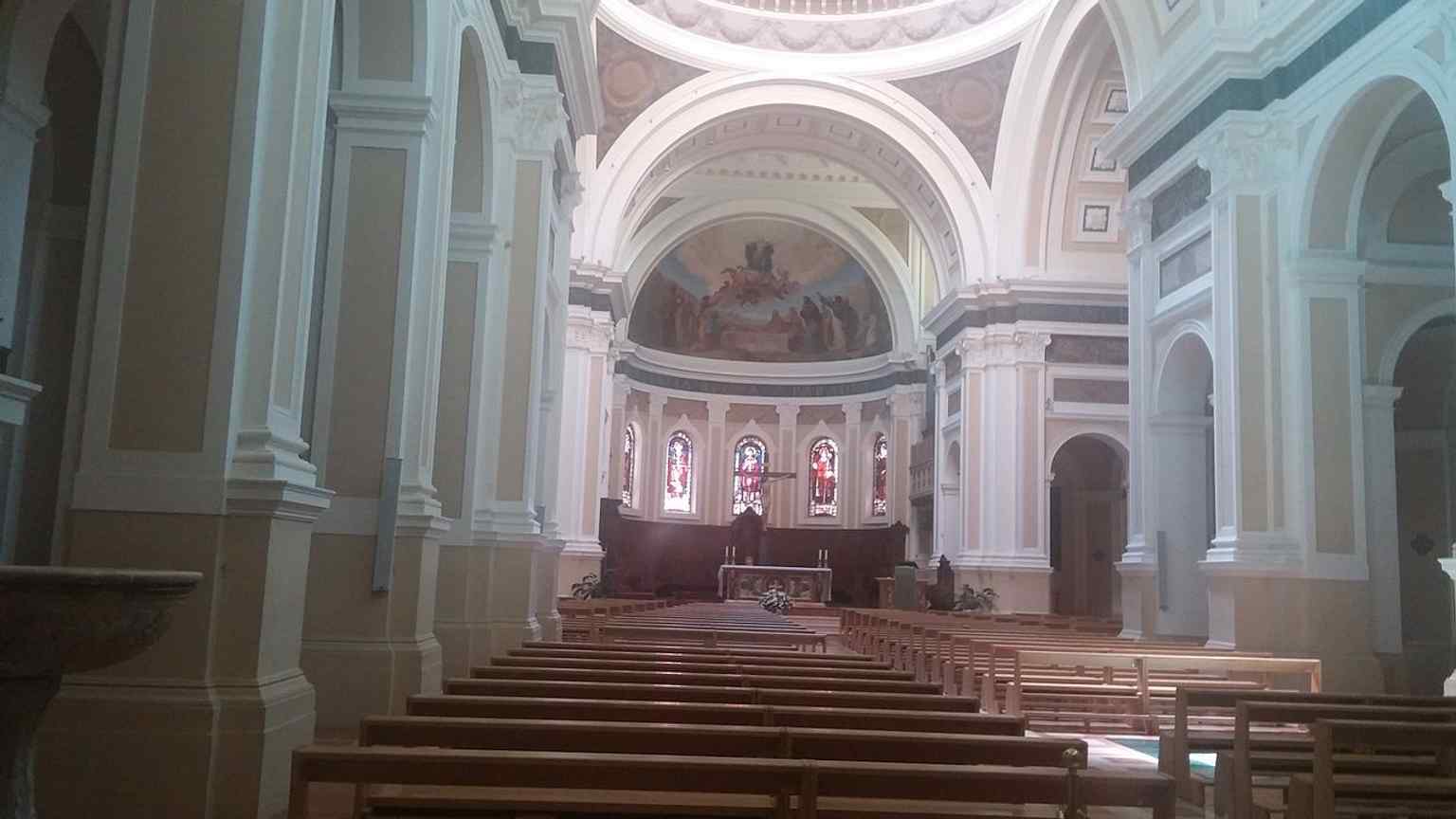
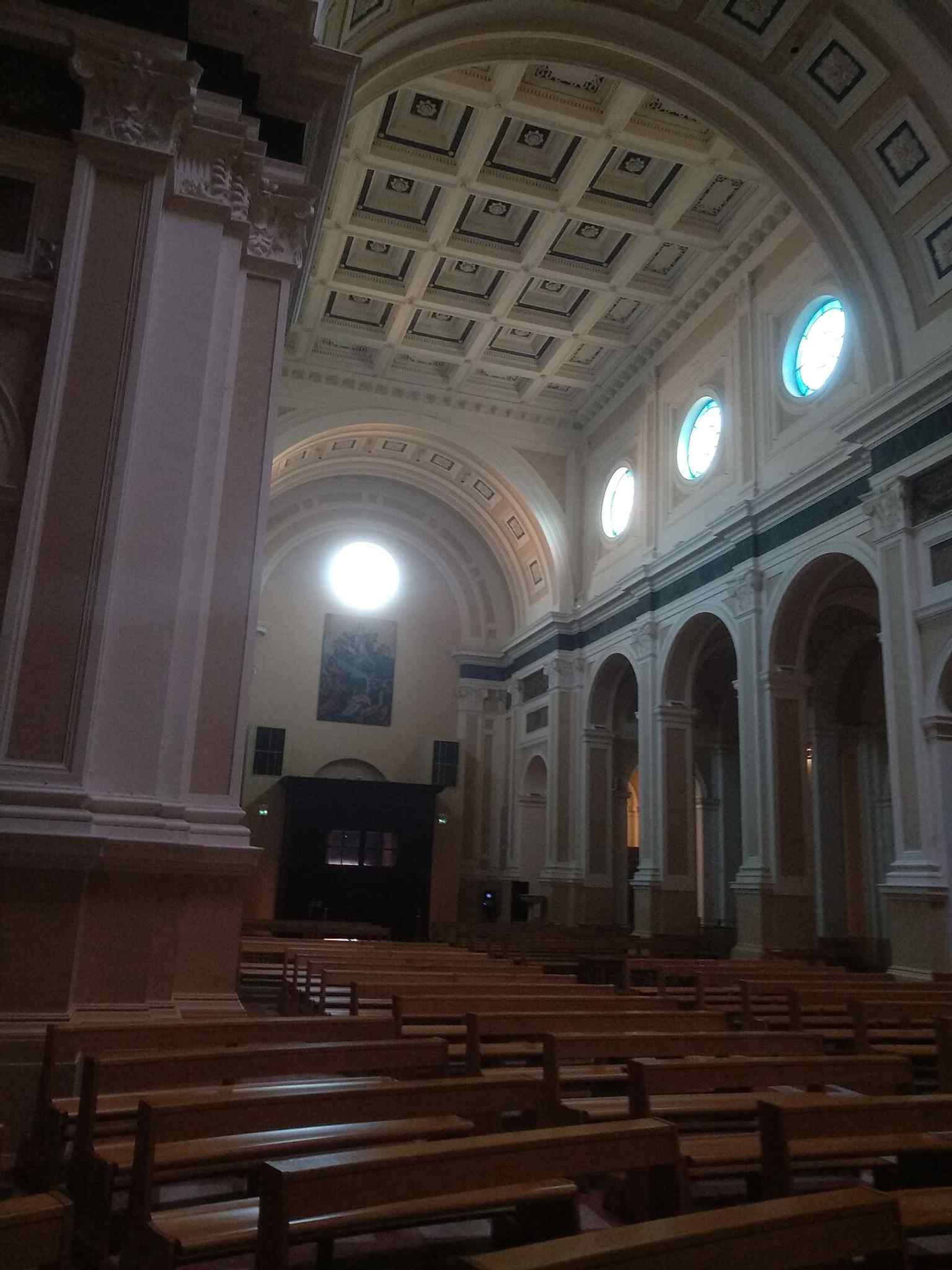
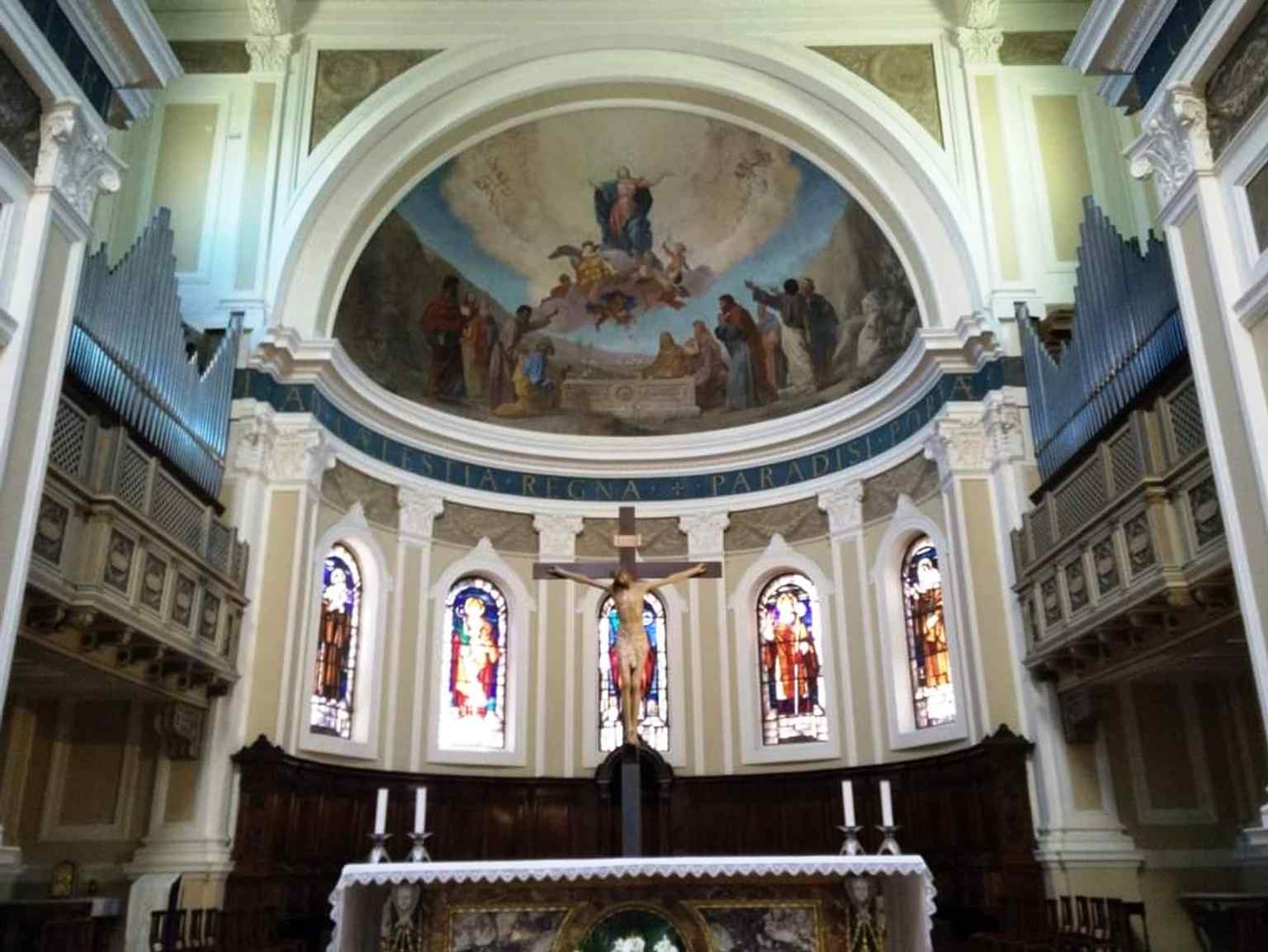
The cathedral became the bishop’s seat in the seventh century, when the relics of Pesaro’s patron, San Terenzio, came here. Later, the Malatesta and the Sforza enriched it. Then came reinvention: a Baroque rebuilding swept away the old apse, bell tower, baptistery, and porticoed forecourt, and in sixteen sixty-three the church took the title Santa Maria Assunta. Around the turn of the nineteenth and twentieth centuries, Giovanni Battista Carducci and Luigi Galli gave the interior its present neoclassical form, the calm, ordered space you can see in the app image.
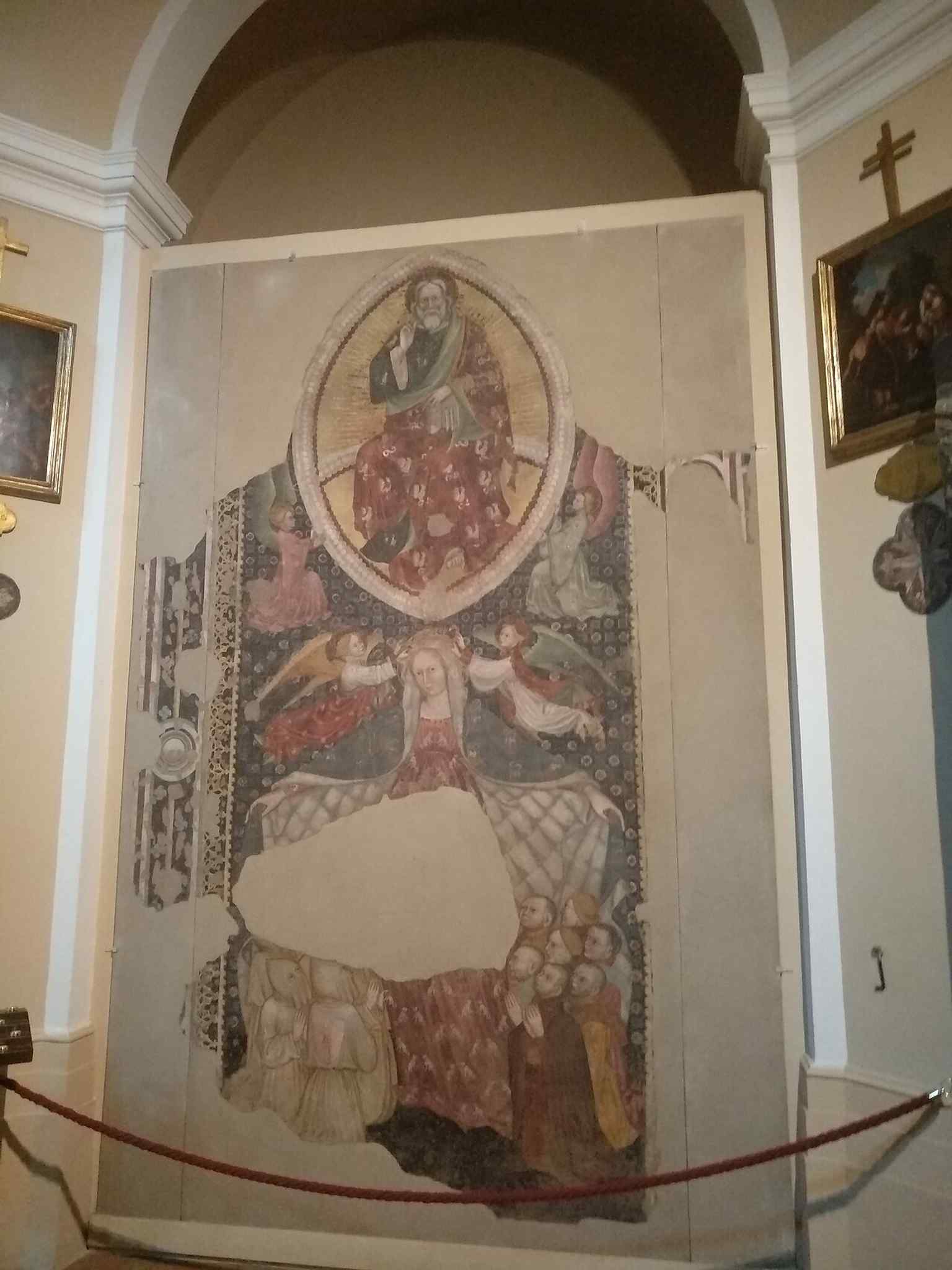
But absence matters here too. During the Napoleonic seizures in seventeen ninety-six, officials sent seven artworks from this cathedral to France. Only three found their way back. The most painful loss was Caravaggio’s Annunciation, painted for this very church and now kept in Nancy.
You feel, around this building, not only what remains, but what never returned.
And then there is Serafina Sforza, born Sveva da Montefeltro. Her husband, Alessandro Sforza, forced her into the convent of the Poor Clares, a cloistered Franciscan order. She became an abbess, and tradition says her body remained incorrupt after death. Since eighteen ten, her remains have rested here, binding dynasty, suffering, and devotion into one very human presence.
When you’re ready, the Diocesan Museum is about a one-minute walk away, and if you want to come back inside later, the cathedral generally opens from seven fifteen to noon and from three to seven fifteen on weekdays, with longer continuous hours on weekends.





.jpg)


.jpg)
