
To spot Palazzo Sampieri and its famous frescoes, look for a stately residence along Strada Maggiore with elegant, reserved windows-your clue is its slightly imposing façade, which seems to guard centuries of secrets between its walls.
Now, get ready for a true slice of Bologna’s creative magic-this palace is more than just bricks and mortar, it’s home to the last big family art adventure by the Carracci cousins: Annibale, Agostino, and Ludovico. Imagine the year is somewhere around 1593-no smartphones, but plenty of drama! Young Astorre Sampieri, fresh from his abbot duties and eager to impress, wants his house in Strada Maggiore to be the fanciest on the block. And what better way than to invite the Carracci, the rockstars of the art world at the time? These cousins had already done wonders at Palazzo Fava and Palazzo Magnani, sprinkling myth and color around Bologna. But here, they wanted something different-no endless friezes circling under the ceiling this time, nope! Instead, each of three rooms in Palazzo Sampieri would get its own masterpiece painted onto its ceiling, each one a thrilling vision, painted as if looking up into a sky of gods and heroes.
Why stray from tradition? Maybe the rooms were too low for those classic long bands of painting. Maybe Astorre liked to do things his own way. Either way, the cousins took a risk-none of them had really tried this super-dramatic technique before, where the scene on the ceiling would leap out at you as if the world above was alive. But boy, they were ready to give it a go.
Their biggest inspiration: Pellegrino Tibaldi’s daring, illusionistic ceilings at nearby Palazzo Poggi. Imagine the Carracci cousins sneaking over to study how Tibaldi’s gods tumbled across ceilings like acrobats. They borrowed from grand Venetian masters like Veronese and Tintoretto too-Bologna had never seen anything quite so bold!
Step inside with your mind’s eye: the rooms are glowing with the brilliant colors and swirling, muscled heroes beloved in Renaissance art. You’ll see mighty Hercules-muscles for days, of course-claiming the sky with the gods, battling monsters, and defeating cunning foes. Hercules, back then, wasn’t just a big guy with a club; he stood for virtue beating out vice-exactly the message every self-respecting nobleman wanted on his ceiling, reminding guests to mind their manners...or at least not steal any celestial cattle.
Look up: Ludovico’s "Apotheosis of Hercules" glows within a golden, octagonal frame, Hercules muscling his way up toward Jupiter on his eagle, greeted by a celestial light. If you look closely, you’d see the lion skin, trophies, and sprinkles of glowing constellations-Leo! Lyra! Hercules wasn’t just getting muscles, he was getting immortality. And right below, maybe you’d spot the much more earthly Cerere, torches ablaze, searching for her lost daughter Proserpina. The whole room seems to flicker as if you can feel the heat from those painted flames.
Next room: Annibale’s Hercules, at the edge of a stone, stretches out to follow a flying lady Virtue, who sweeps away clouds-she’s like history’s ultimate motivational coach, carving a skyward path just for him. If you could read Latin, you’d see a line from Horace, hinting only the virtuous get a shortcut to glory.
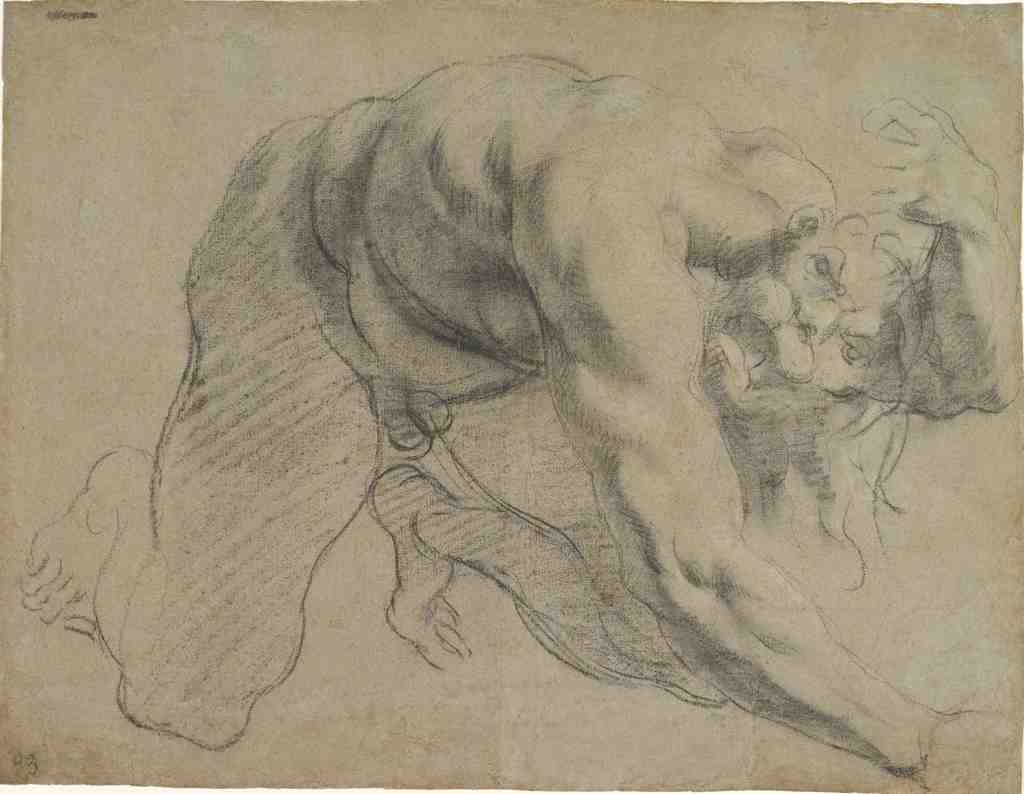
On the fireplace: Enceladus, the giant, is flung down and trapped under a mountain-a warning to anyone thinking of giving the gods a hard time! This big, brooding figure, all muscle and fury, inspired centuries of artists. You can almost hear the mountain rumbling as he’s punished for his rebellion.
Agostino’s room is next, where Hercules teams up (sort of) with Atlas to hold the sky. It’s a dramatic scene, drawn from legends and ancient poetry, a symbol of working hard and seeking knowledge-think of it as a Renaissance version of group work!
The fun didn’t stop with the Carracci-decades later, Guercino, another local superstar, was called in to add even more Herculean feats to two more rooms. The palace became a gallery of muscle, myth, and Latin wisdom.
Now, here’s a quirky twist-unlike most mythological cycles, the stories don’t really follow a sequence. The scenes stand alone, connected by the idea of virtue and warning against bad choices, and, curiously, the usual "Twelve Labors of Hercules" are nowhere to be seen!
For years, the secrets of who drew what and why slipped through scholars’ fingers, like a grand family game of art detective. Today, the masterpieces that once crowned the fireplaces now travel the world-some in Milan’s Pinacoteca di Brera, others scattered afar.
Picture it all: warm candlelight flickering, Astorre Sampieri proudly giving tours ("Mind the ceiling paint!") and a roomful of guests craning their necks, jaws dropping as giants tumble, gods soar, and heroes triumph just above their heads. Welcome to Palazzo Sampieri, where art history’s greatest family signed off with a bang-no club required!
For further insights on the description, iconographic meaning or the preparatory drawings, feel free to navigate to the chat section below and inquire.




