
Ah, you've reached the final stop: Madras Presidency! Buckle up, because we're about to embark on a journey through time, with a few chuckles along the way!
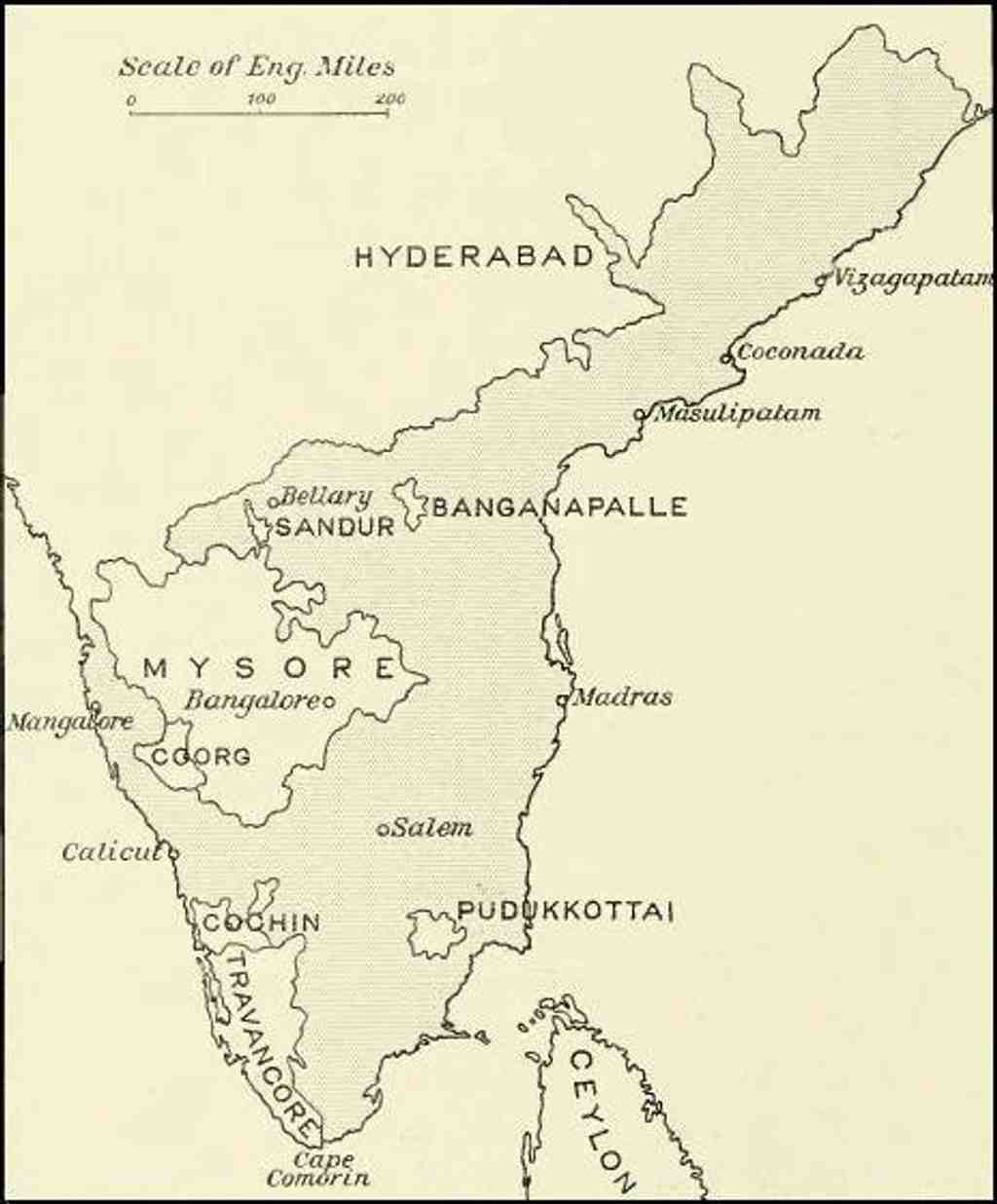
The Madras Presidency, or the Presidency of Fort St. George if you’re feeling formal, was like the head honcho of British India for a while. At its peak, it stretched across a vast swath of southern India. Think of it like the VIP section of a concert, but for an entire region! This area included today's Andhra Pradesh, Tamil Nadu, and parts of Kerala, Karnataka, Odisha, and Telangana. Madras, our very own Chennai, was the winter capital, while Ooty got the cool gig as the summer capital. Talk about a seasonal job!
Way back in 1639, the English East India Company, in a shopping spree of sorts, bought the village of Madraspatnam. A year later, they set up the Agency of Fort St George, which eventually evolved into the Madras Presidency. It had more status changes than a social media user. First, it became a Presidency in 1652, demoted back to an Agency in 1655, and then proudly reinstated as a Presidency in 1684.
Notable personalities like Elihu Yale (yes, the Yale you’re thinking of) became president of this region. By 1785, the Madras Presidency got a more permanent upgrade under Pitt's India Act and was led by a Governor - far more distinguished than a mere President, don’t you think?
Madras’ governance was more intricate than any soap opera plot. Judicial, legislative, and executive power vested in the Governor, ably supported by a Council. This Council saw several changes and reforms over the years, notably in 1861, 1909, 1919, and 1935. By 1908, the place was sliced into twenty-two districts, each managed by a District Collector. It was like slicing up a giant administrative pie!
Fast forward to 1917’s Montagu-Chelmsford Reforms, and Madras got itself a "Dyarchy" system where the Governor shared power with a Prime Minister. This was quite the precursor to democratic governance.
The Madras Presidency also played a key role in India’s independence movement, turning out some of the nation’s most significant freedom fighters. By 1950, Madras transformed yet again, this time into Madras State, a proud part of the newly-formed Republic of India.
Historically, we can trace settlements here back to the Stone Age, with dolmens and all. Moving forward in time, Madras saw the rule of the Pandya dynasty around 230 BC, followed by the Cholas, then the brief but mysterious Kalabhras, and eventually the Pallavas, whose reign saw a cultural zenith. Post the intriguing Vijayanagar Empire era, Madras became a bustling hub for European trading companies.
So there you are-Madras Presidency, a roller-coaster of history with no shortage of drama and development. I hope this historical tour wasn't too over-powering! Now you know why they say Chennai isn't just a place; it's a legacy. Enjoy the rest of your day, and remember: history is best served with a pinch of humor!
Wondering about the origins, geography or the demographics? Feel free to discuss it further in the chat section below.


