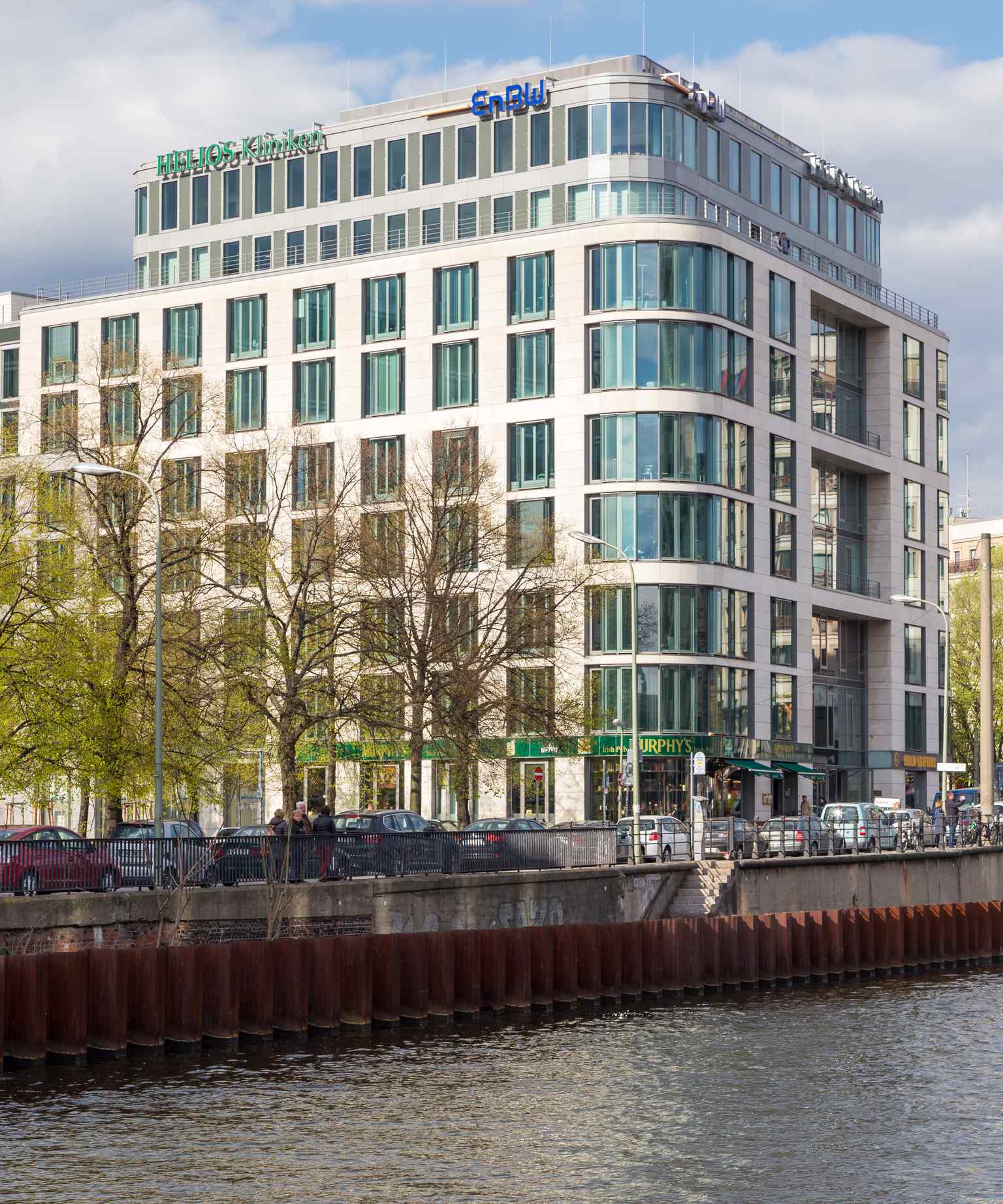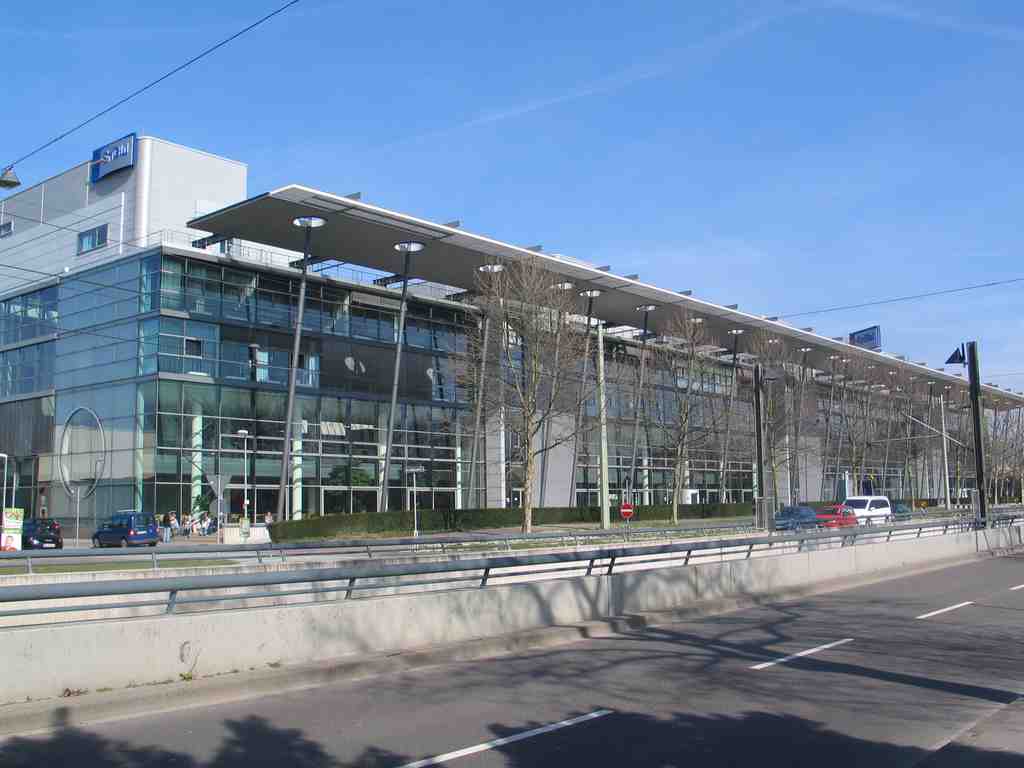
On your left stands a sprawling, modern corporate fortress characterized by a sweeping glass facade, a flat overhanging roof supported by slender angled pillars, and a crisp blue logo perched on the upper corner.
We have reached the end of our walk. Over the course of our journey, you have seen this district shed its skin, evolving from rigid tradition and old-school dogma into a landscape of creative problem-solving and technological disruption. There is no better monument to that final evolution than the headquarters of EnBW, the third-largest energy company in Germany.
This massive entity is the result of decades of intense energy consolidation. Back in the late nineteen eighties, the European energy market was opening up to competition. To survive this market liberalization, the major regional utility companies in southwestern Germany realized they had to fuse together. It took years of complex political wrangling, stubborn executives, and boardroom chess before the regional giants finally merged, eventually taking the name EnBW.
Of course, a modern titan does not rise without a little drama. Take the early two thousands, when EnBW leadership decided they wanted direct access to Siberian natural gas. Rather than engaging in standard corporate negotiations, they hired a lobbyist named Andrej Bykow. EnBW wired Bykow hundreds of millions of euros, which he allegedly funneled into a Moscow-based charity called the St. Nicholas Foundation. The foundation used the money of German electricity customers to build Russian Orthodox churches and fund orchestras. The convoluted logic, supposedly, was that sparking a Christian rebirth in Russia would secure the political connections needed to lock down the gas rights. Unsurprisingly, the gas deals never materialized. EnBW was left trying to explain to regulators how they had essentially funded a Russian religious slush fund with absolutely nothing to show for it.
The real disruption hit in two thousand eleven, when the Fukushima disaster fundamentally changed German energy policy. The government ordered an immediate shutdown of older nuclear reactors. EnBW, heavily reliant on nuclear power, watched its profits crater. Things grew increasingly tense when an anonymous whistleblower at their Philippsburg nuclear plant sent a dense six-page letter to the government. The letter alleged that management was ignoring safety protocols to cut costs on an offline reactor, even failing to report a broken cooling pump used for highly radioactive spent fuel rods.
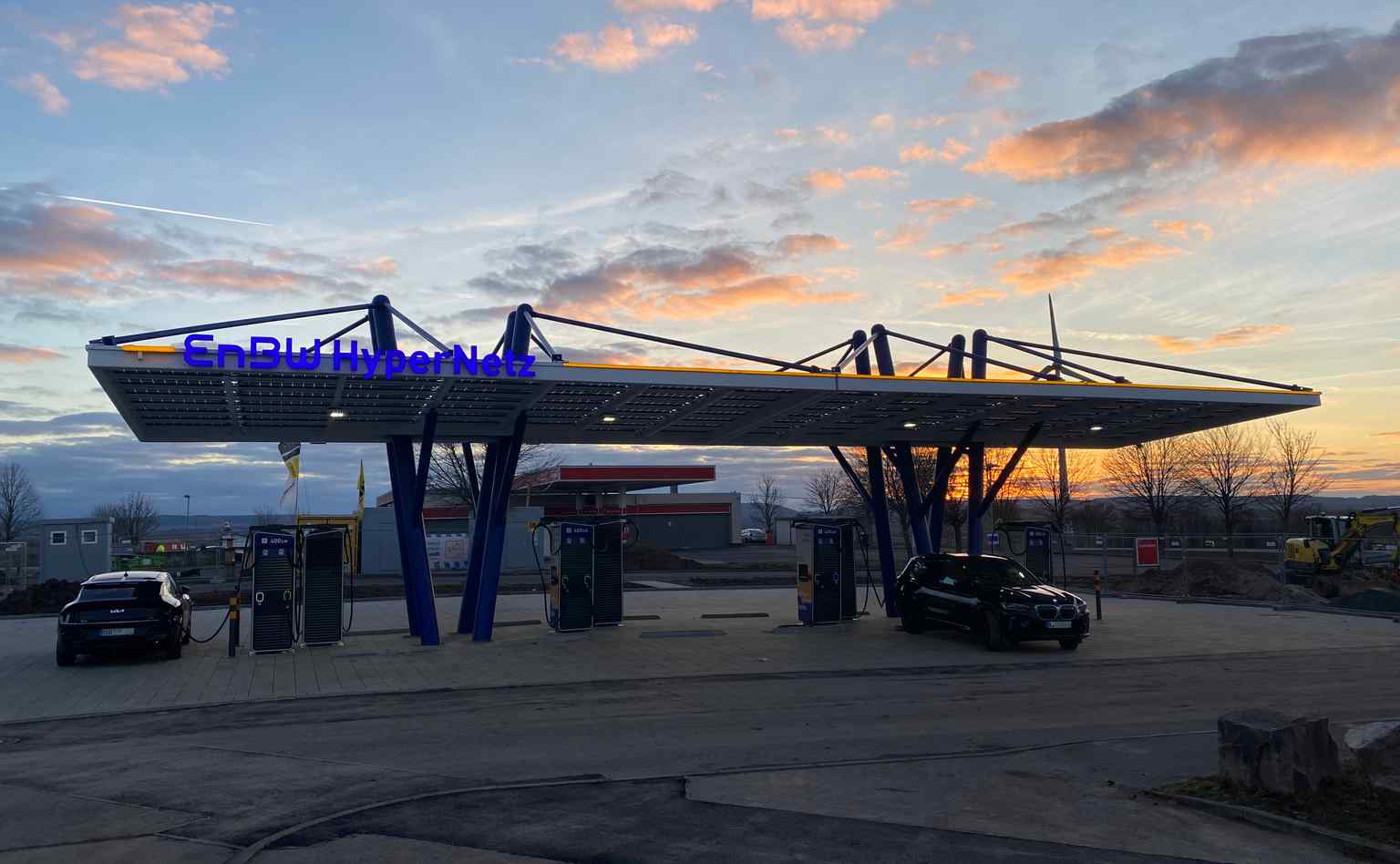
The company had to adapt or die. Take a look at your screen. That is Frank Mastiaux, appointed as chief executive in two thousand twelve to spearhead a massive strategic shift. He completely overhauled the company, pledging to push renewable energy to forty percent of their grid. They built massive offshore wind farms in the Baltic Sea. They even took that old Philippsburg nuclear site, demolished the iconic cooling towers, and began turning the remnants of the atomic age into one of Germany's largest flexible battery storage hubs. Check your app one more time. Today, they are also building out a massive, nationwide fast-charging infrastructure for electric vehicles, like the charging park you see here.
This modern corporate powerhouse represents the final stage of the neighborhood's transformation. It took an industrial past, consolidated it, and re-engineered it for an innovative future. If you want to peek inside the lobby, the building is open to the public Monday through Friday from eleven fifteen in the morning to one fifteen in the afternoon, and closed on weekends.