
The story begins almost a century ago, in the wild and crackling early days of radio. Back in the early 1920s, radios were still rare and mysterious - people would gather around sets the size of small refrigerators, thrilled by the voices that magically crossed the airwaves. Germany was busy building a network of radio stations, but here in the Rhineland and Ruhr, there was a twist: Allied troops occupied the area after World War I and, believe it or not, they wouldn’t allow German-language broadcasts! So, the very first broadcasts for this region had to sneak in from Münster, further north. Picture a scientist hunched over an enormous transmitter, probably hoping nobody spilled coffee on the equipment!
In September 1924, the local station Westdeutsche Funkstunde AG (WEFAG) began regular broadcasts. Their debut was a bit humble - imagine a four-man orchestra and a pile of scratchy records as their musical arsenal. Yet, the signal, bouncing through 410 meters of open air, reached farther than anyone expected. Thousands of listeners tuned in, some eagerly, some secretly - the “black listeners” who hadn’t yet purchased a radio license. You might say it was like the early days of pirate streaming, but with more brass bands.
When the occupation relaxed, the station expanded fast - new transmitters in Dortmund and Elberfeld, and the decision to move their HQ to Cologne in 1927. That’s right; if you think moving house is hard, try relocating a whole radio network! With a bit of help from Cologne’s mayor, the now famous Konrad Adenauer, the station became Westdeutsche Rundfunk AG (WERAG). And with bigger transmitters came bigger ambitions: a glossy magazine (move over, TV Guide!), and the first live sports broadcast, where the reporter actually left the studio - a revolutionary move for 1925! Picture the excitement as the voices of live reporters spilled from radios for the first time, rowing races and all.
But the 1930s brought a darker chapter. When the Nazis seized power, radio rapidly became a weapon of propaganda. Managers who didn’t toe the party line were fired - or worse. Programs were tightly controlled, staff purged, and the Cologne station was merged into “Reichssender Köln,” devoted to the new regime’s messaging.
By June 1943, Allied bombs rained down on Cologne, and the station was destroyed overnight. Yet, radio wasn’t silenced for long. Just three years after World War II ended, work started on a new broadcasting house at Wallrafplatz, using stones and rubble from a wrecked hotel. Maybe that’s why parts of the early building creaked in protest on windy days!
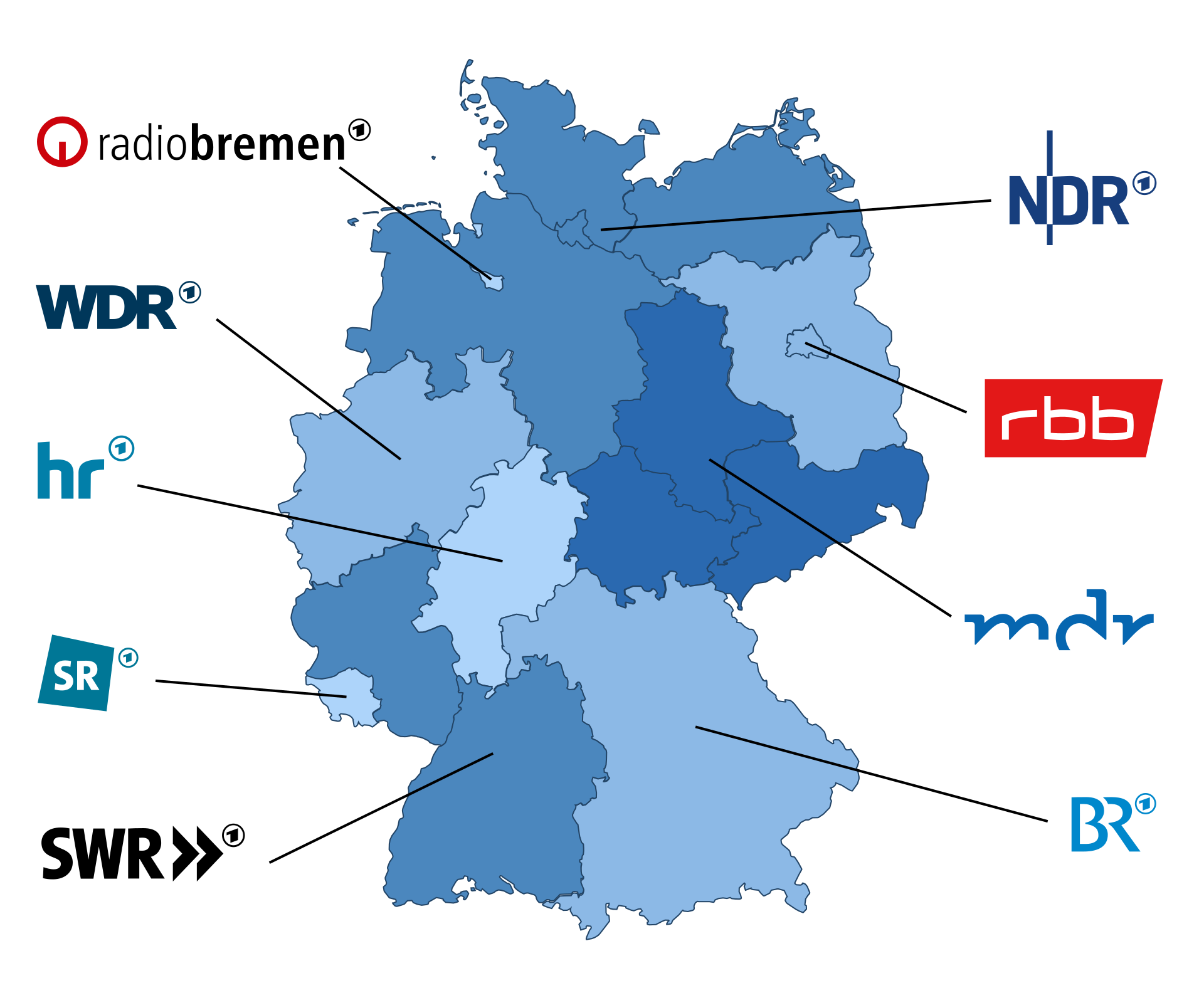
As Germany raced into the Television Age, the post-war years saw a tug-of-war between Cologne and Hamburg for control over radio content. North versus West. “Why should Hamburg decide what Rhinelanders want to hear?” the folks in Cologne argued. The solution? In 1956, WDR was born as the region’s own public broadcaster, with its HQ right here, ready to start inventing new formats.
Did you know that the very first TV broadcast from this building went out on Christmas Day 1952? The estimated audience was just 200 viewers in the Cologne area, so if you missed it, you weren’t alone!
WDR didn’t just follow the times - it shaped them. It was instrumental in launching color TV in Germany, testing wild, futuristic gadgets in its “color TV laboratory.” WDR reporters covered everything from sports to Karneval, providing early experiments with on-site broadcasts and electronic slow motion. In the 1980s, it introduced Videotext, the grandparent of internet news tickers, and in the 1990s, it birthed the legendary radio station 1Live, with rock, pop, and the energy of youth.
These days, WDR produces not only radio and TV, but also internet and streaming content, from classic music on WDR 3, to news, to local hits and global sounds on stations like COSMO. And if you’re the kind of person who likes to complain about what they watch on TV, never fear - there's a whole council that listens to your program complaints! Probably with strong coffee and stronger opinions.
All of this is funded by the “Rundfunkbeitrag” - the household license fee every German resident pays, making the WDR not just a broadcaster, but a neighbor for every listener and viewer in the region. A bit like that uncle who always has an opinion, a story to share, and a song up his sleeve.
So the next time you hear a Cologne-accented news report, a heart-touching radio play, or that famous “Sendung mit der Maus” jingle, remember: it probably started right here. And if you’re lucky, maybe you’ll even spot a TV celebrity rushing inside, late for the next big broadcast.
For a more comprehensive understanding of the questions of law, programs or the financing, engage with me in the chat section below.




