
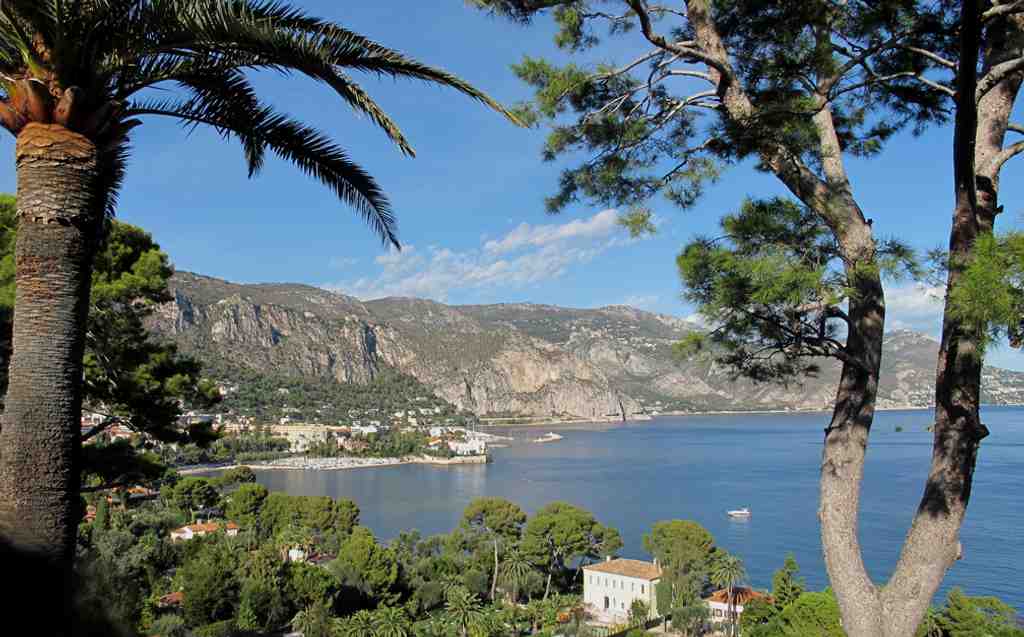
To find the Pays Niçois, or Nice country, stand still and look out over the sparkling blue water framed by tall palm trees and the thick trunks of pine trees. Ahead, you’ll spot a wide bay hugging the shoreline, with cliffs rising up in the distance. White villas and red rooftops peek through a blanket of green. The landscape is wild and bright, mountains standing like silent guardians above the Mediterranean sea. Just let your eyes follow the curve of the coast, and you’ll see it-the very heart of the Nice country.
Close your eyes for a moment and imagine the scent of pine needles in the air, mixed with a salty sea breeze. This is more than a view-it’s a crossroads of history and nature where the Alps meet the Mediterranean. The Pays Niçois, as locals say, has always belonged to both the mountains and the sea.
Long ago, this land was not even part of France. It wasn’t until 1860 that Nice country joined France, after centuries held by the powerful House of Savoy. Before that, the region belonged to medieval counts and even passed hands between kingdoms. Imagine the stories tangled beneath every olive tree and tucked behind each stone wall-noble families plotting their next move, French troops marching along the Var River, hopes and fears echoing through the valleys.
During the Renaissance, mapmakers struggled to define the Nice country. It was a place too wild, too mysterious, sometimes even left off early maps of Europe. But while the scholars and explorers scratched their heads, fishermen’s songs carried over the sea, and villagers danced late into the night, never worrying about borders.
Now, when you stand here and look out from this spot, you are gazing at the same horizon described by Roman writers and Renaissance humanists, a place that drew travelers with its beauty and shaped destinies with its stubborn character. Even with modern roads and trains, the Nice country keeps much of its ancient spirit-fierce independence, joy in simple celebrations, and a love for this strange, glorious meeting of sea and stone.
Breathe in this view-it’s a living postcard, and you’re part of its story now.




