
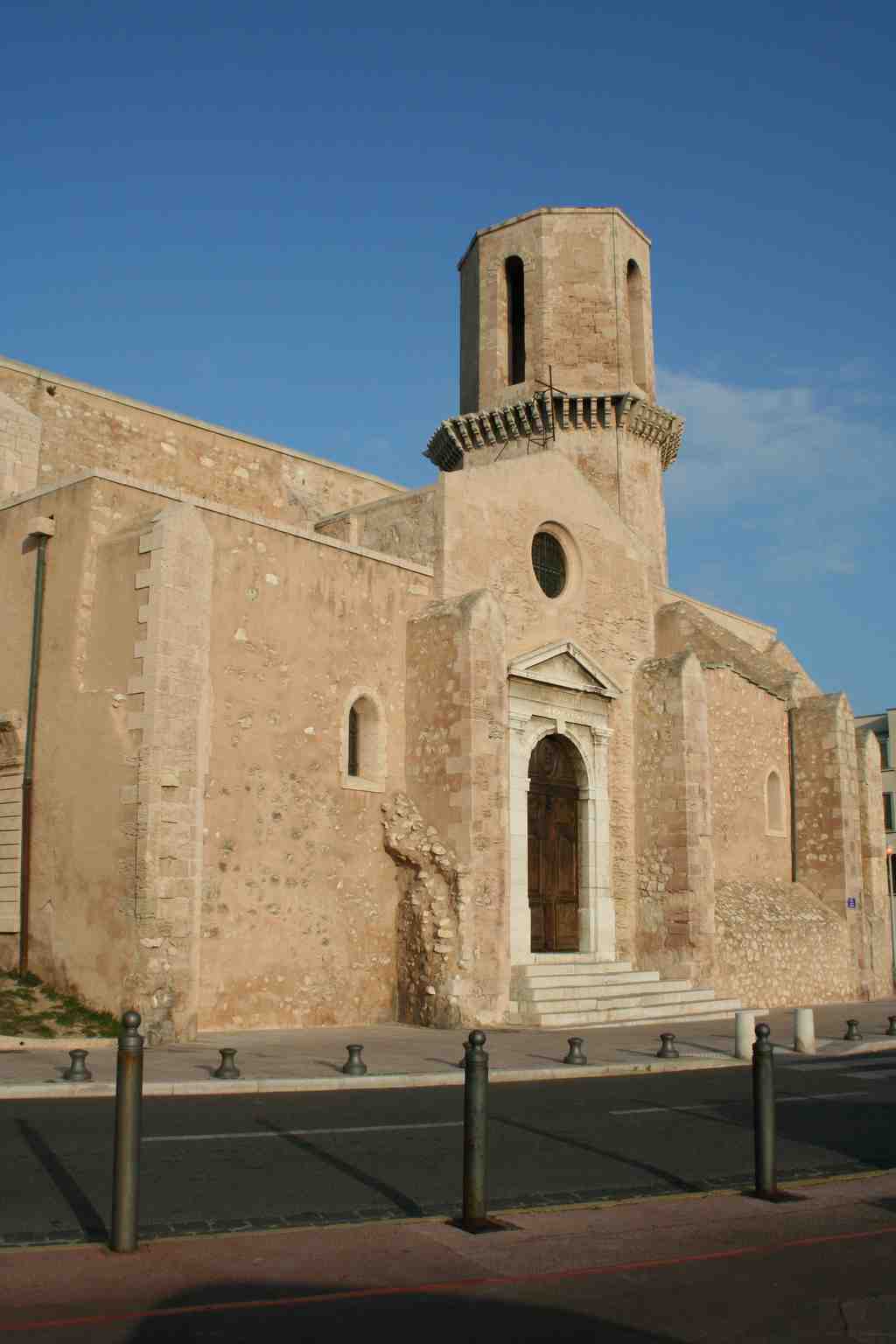
To spot Esplanade de la Tourette, stand by the stubby octagonal tower poking over sandy-colored stone walls-just ahead of you, across the street, is the open plaza with a view toward the port.
Now, pause for a moment and imagine Marseille in the early 1700s-a city alive with voices, but also, in 1720, stricken by the deadliest plague. Here on the Esplanade de la Tourette, where you stand today, the sun shines brightly, but three centuries ago, it was the site of real courage and grim determination. Picture the Chevalier Roze, a city hero, rolling up his sleeves when others ran: faced with a city overrun by tragedy, Roze gathered 150 soldiers and prisoners, and together they braved streets thick with fear to clear away the victims of the plague. They even knocked open old stone bastions nearby to create makeshift tombs-a necessary, if somber, solution to keep the city alive. Imagine the silence broken only by the shouts of orders and the scrape of stone. As if that weren’t dramatic enough, in 1830, tragedy struck again-this time sudden and loud-as a young sergeant named Joseph Bitterlin was executed here at sunrise, following an accidental shooting of his colonel. For years, the Esplanade also hosted a statue of Roze himself, keeping watch like a silent guardian, before it was shuffled off and finally brought home again in 2017. So next time you cross this grand, open space, remember: you’re walking across a stage where drama, bravery, and a few shivers were once very real.




