
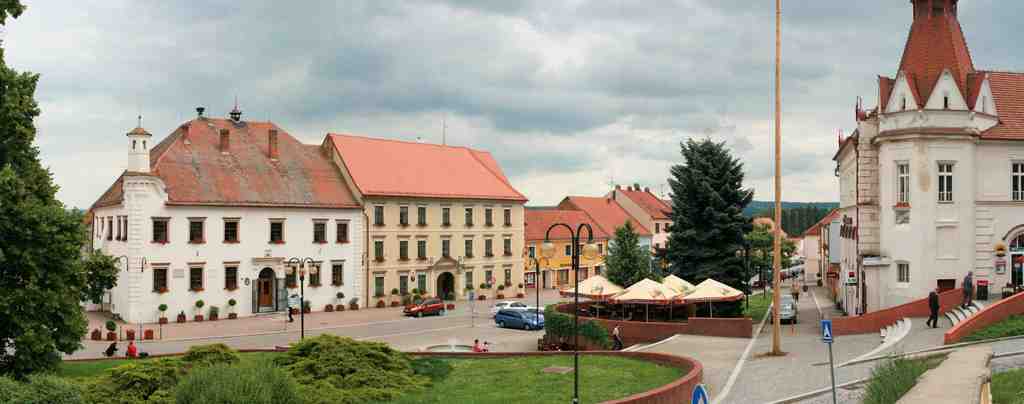
You are standing in Palackého náměstí, an elongated, gently sloping public space anchored by a white historic building with a red pitched roof and a small corner turret, sitting beside a beige structure featuring a central stone archway.
This wide stretch is the main artery of Slavkov. It is a long, funnel-shaped plaza that flows southward, framed by former manor houses, a town hall, and the sweeping presence of the castle. But the layout you see today is the result of some pretty aggressive aristocratic remodeling.
Back in the Middle Ages, this was just the Lower Square. There was an Upper Square too, sitting a bit further north with an old Gothic church. Then the Kounic family took over the town. They had some serious ambition.
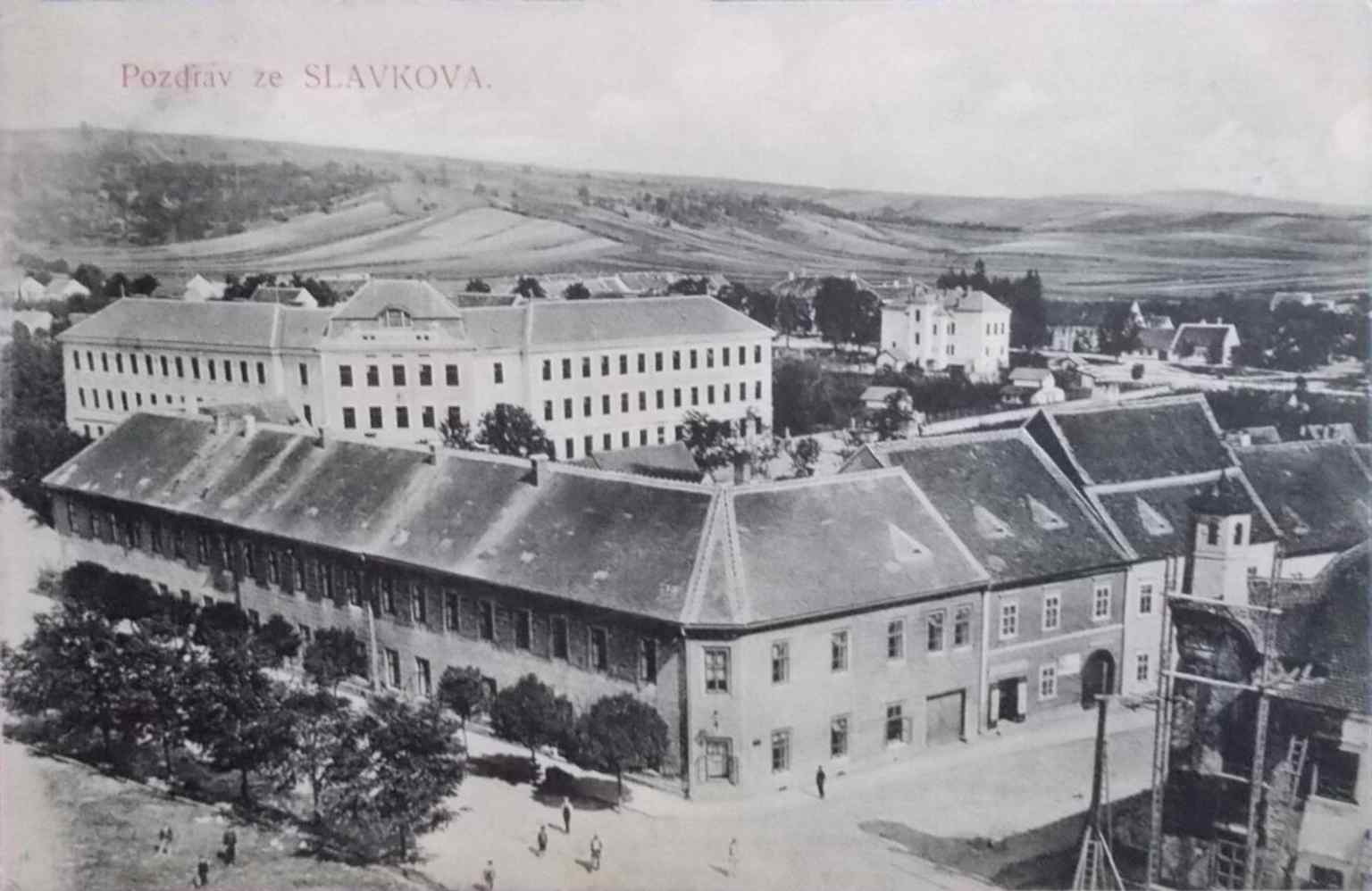
Dominik Ondřej of Kounic took a trip to France in the late seventeenth century, saw the palace of Versailles, and decided he needed a piece of that action right here. He started transforming the family residence into a massive Baroque castle. But he was also a practical guy. Inspired by his travels to London and The Hague, he opened a huge textile manufactory right on this square in 1703. Instead of relying on scattered local weavers, he brought two hundred workers into one complex, attempting to build a centralized industry for the whole monarchy. The grand expansion plan eventually fizzled out, but for a while, this square was a powerhouse of early mass production.
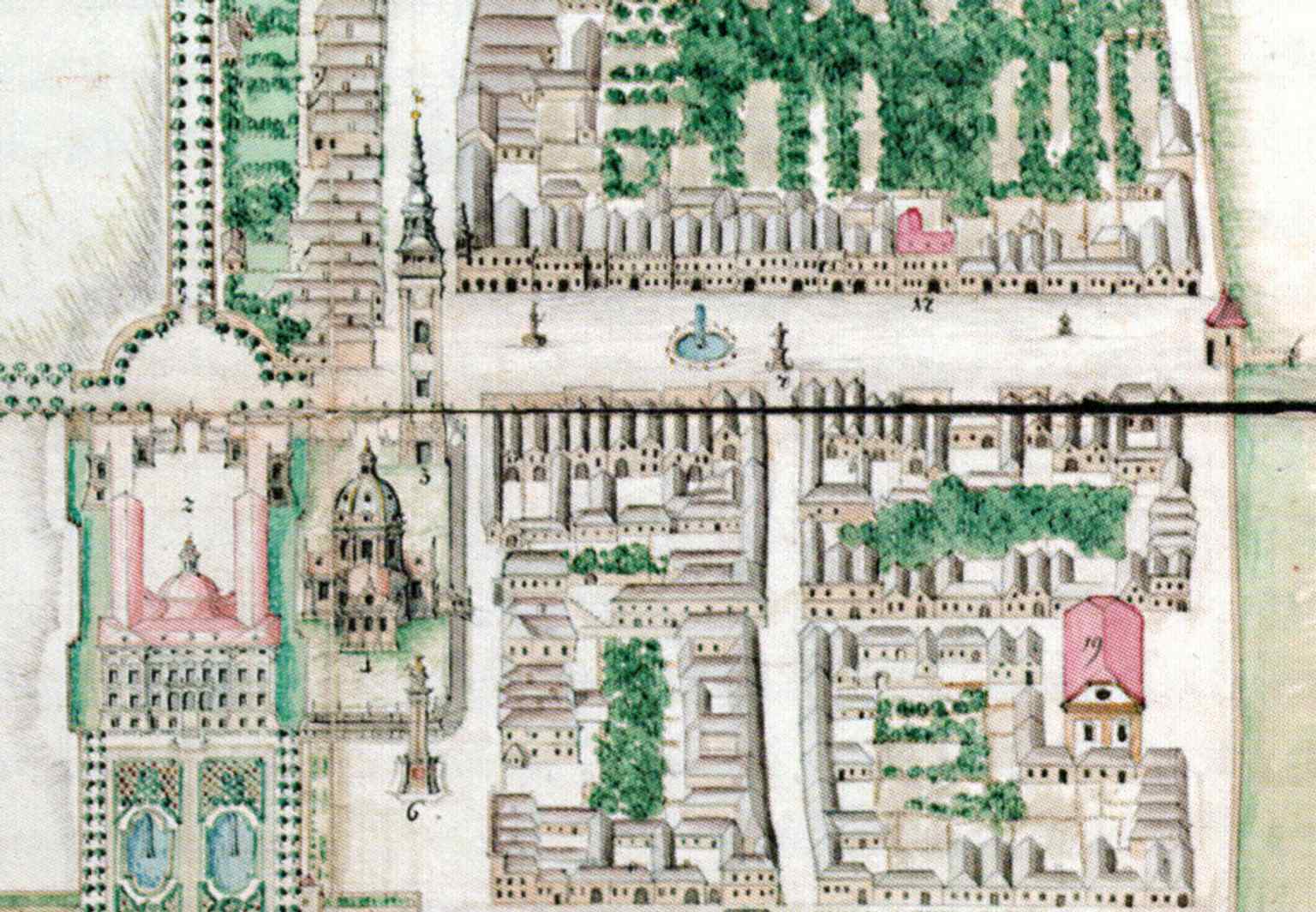
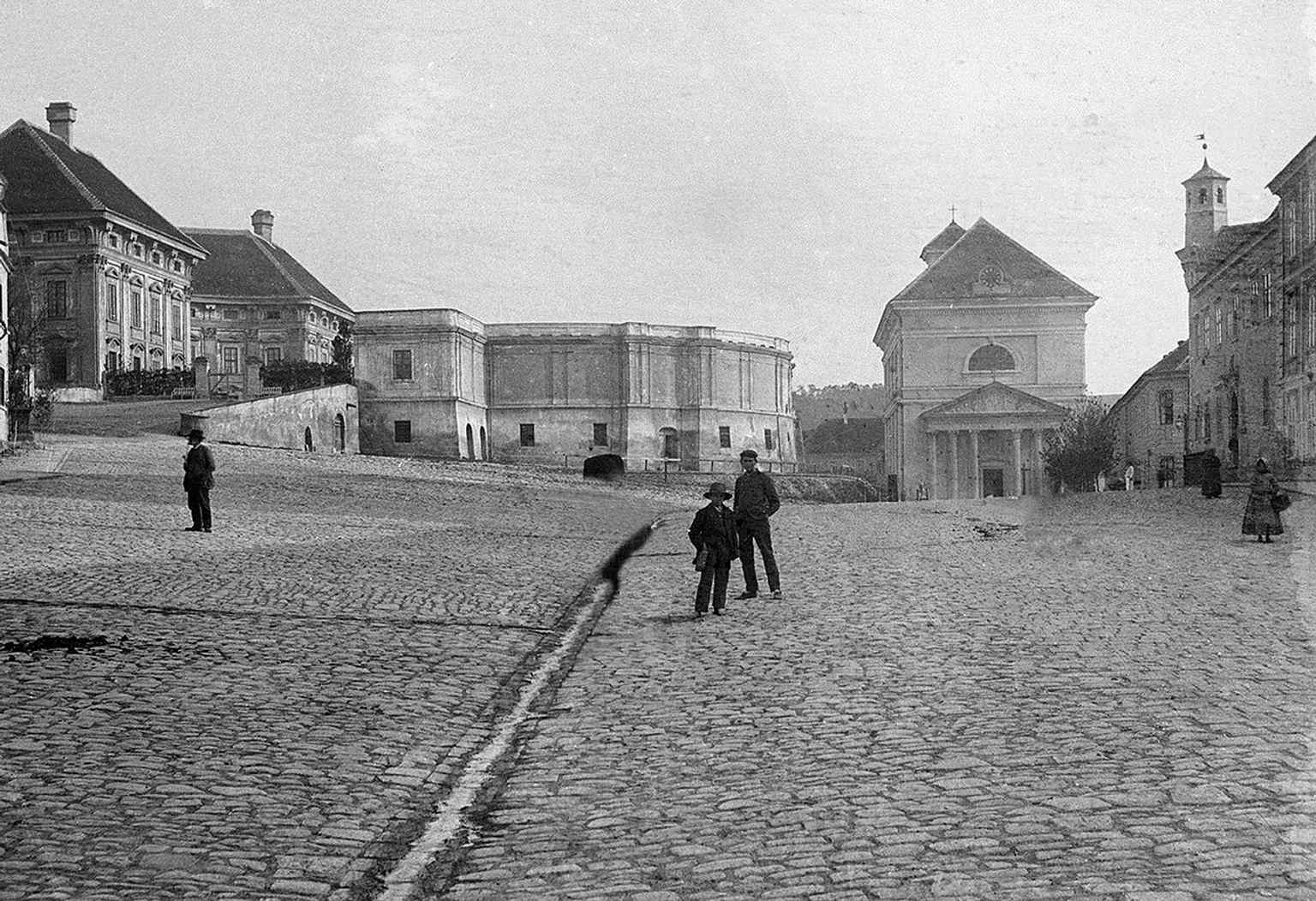
His descendants took the remodeling even further. They wanted a perfect, uninterrupted view from the castle. So, they simply got rid of the old Upper Square entirely. They knocked down the decaying Gothic church, tore down the old town watchtower, and dumped several meters of dirt over the whole area to create a parterre... a highly manicured, geometrically patterned garden space for the castle grounds. You can take a glance at the 1730 urban plan on your screen to see the sheer scale of the transformation they mapped out for these streets.
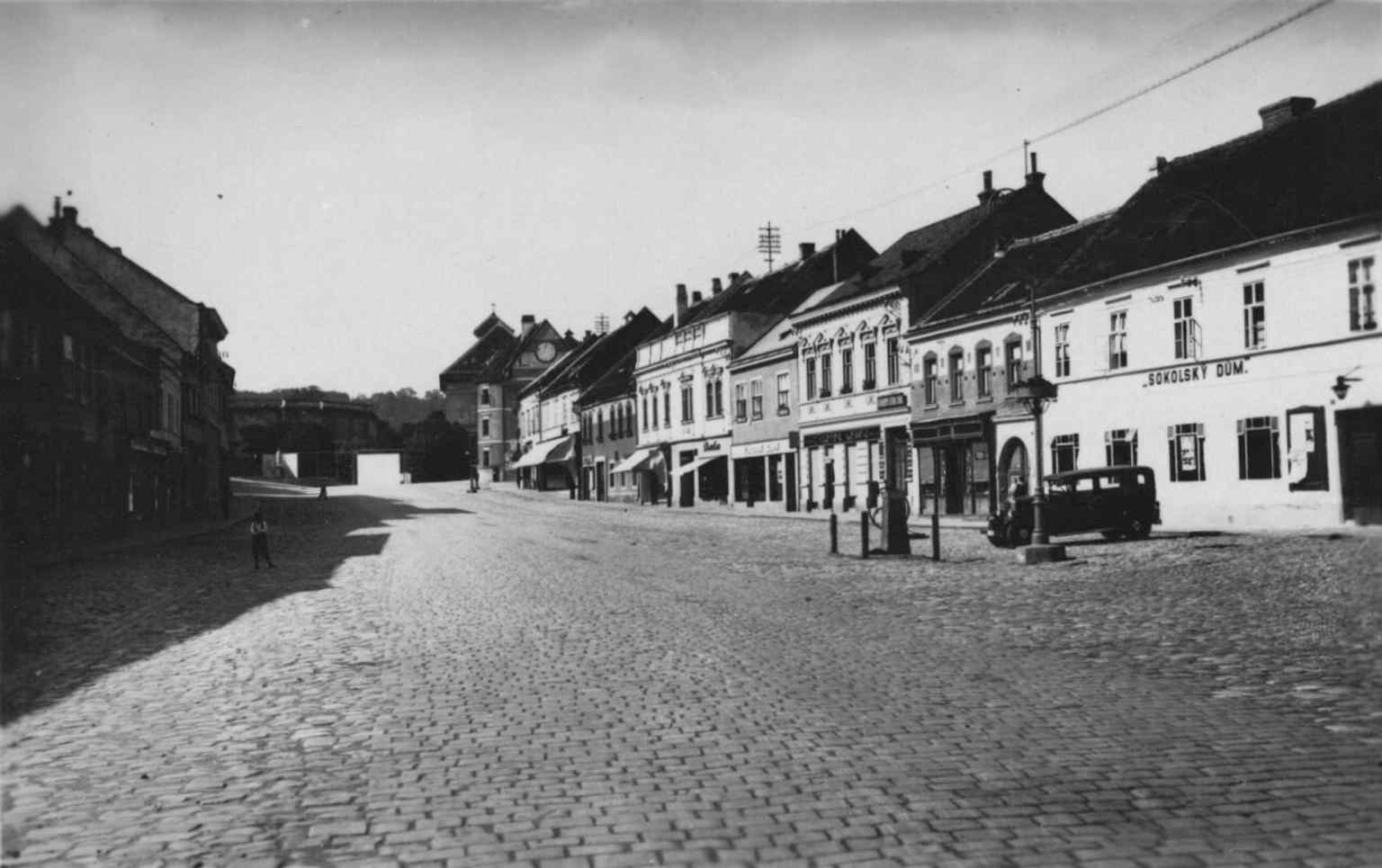
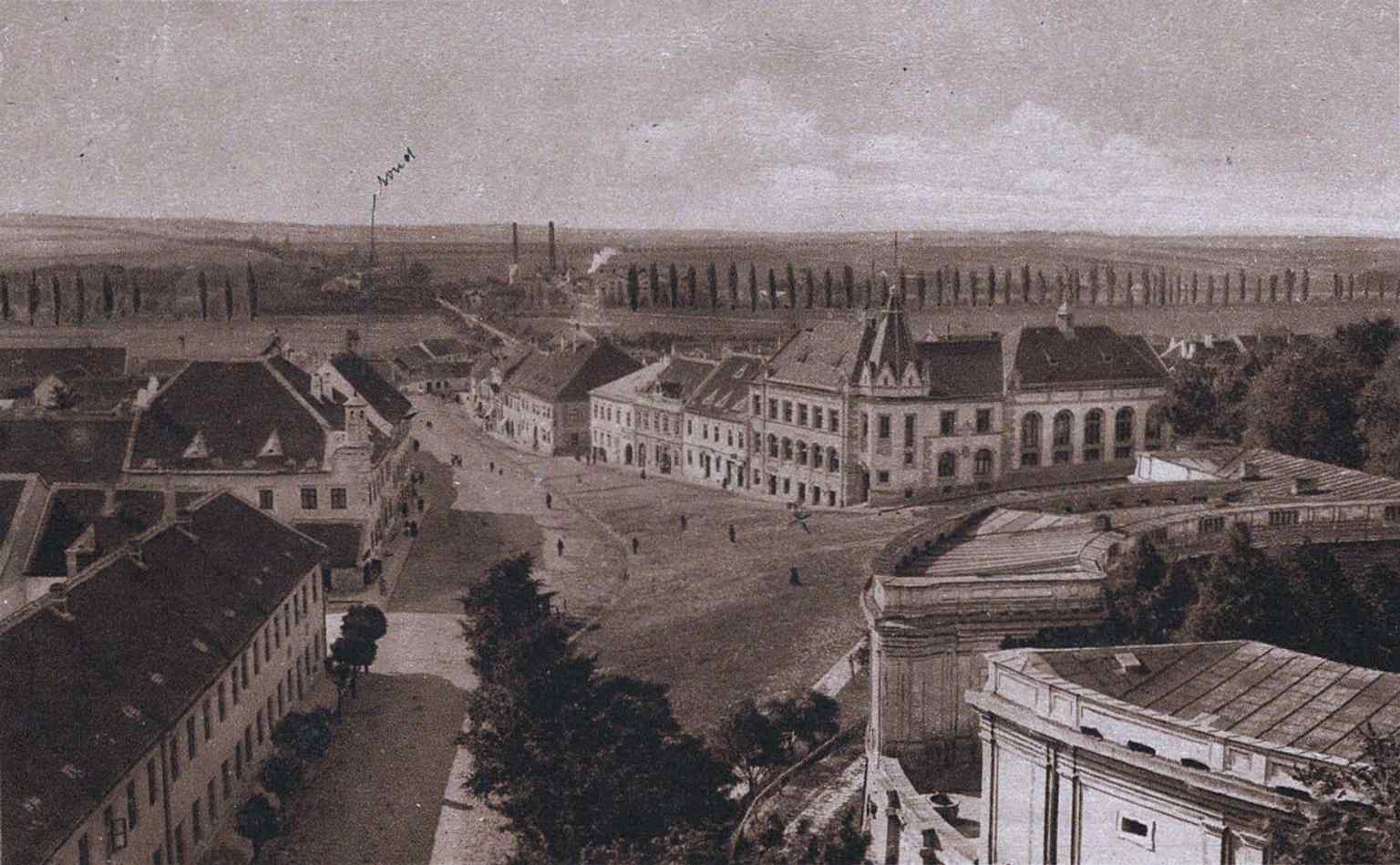
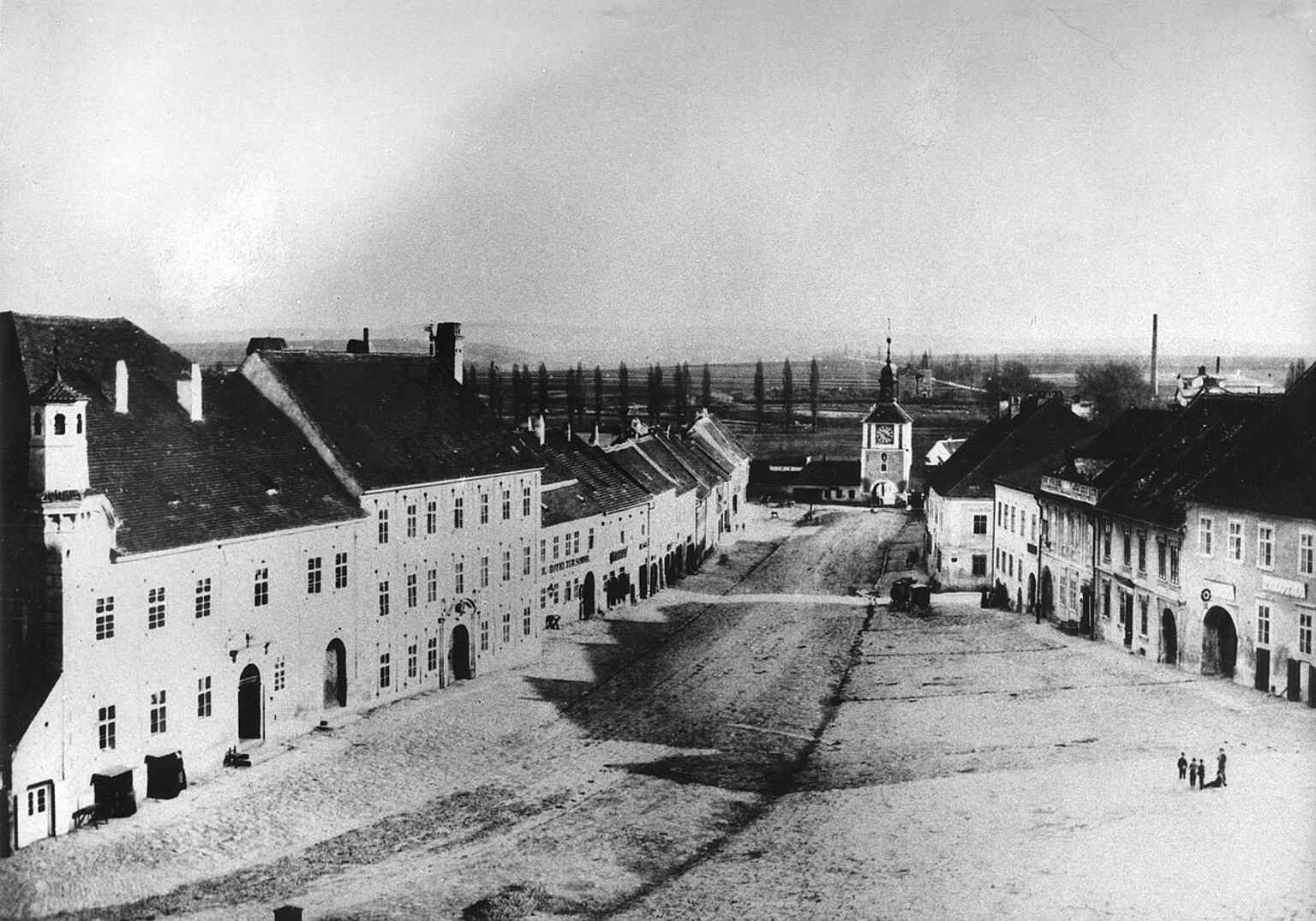
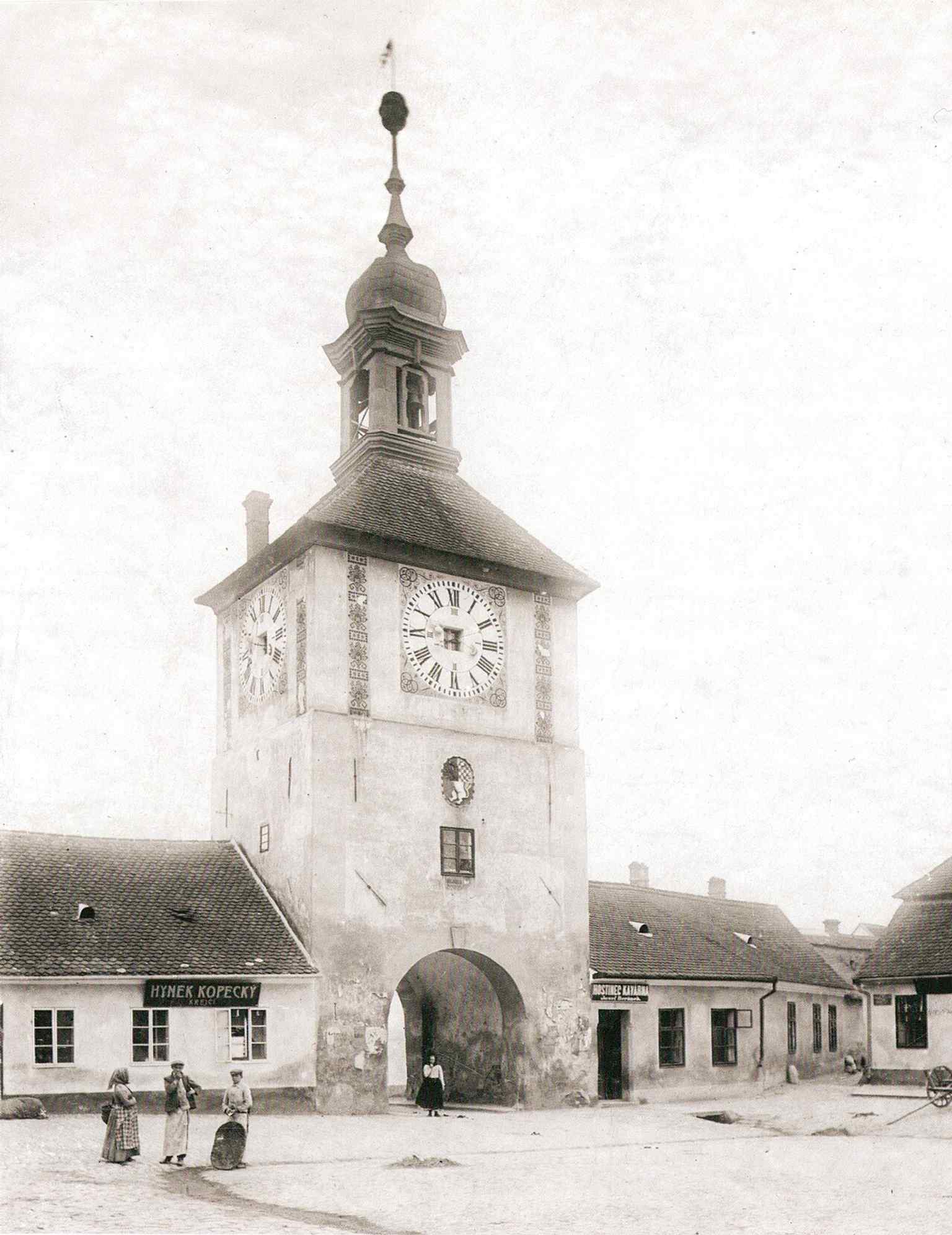
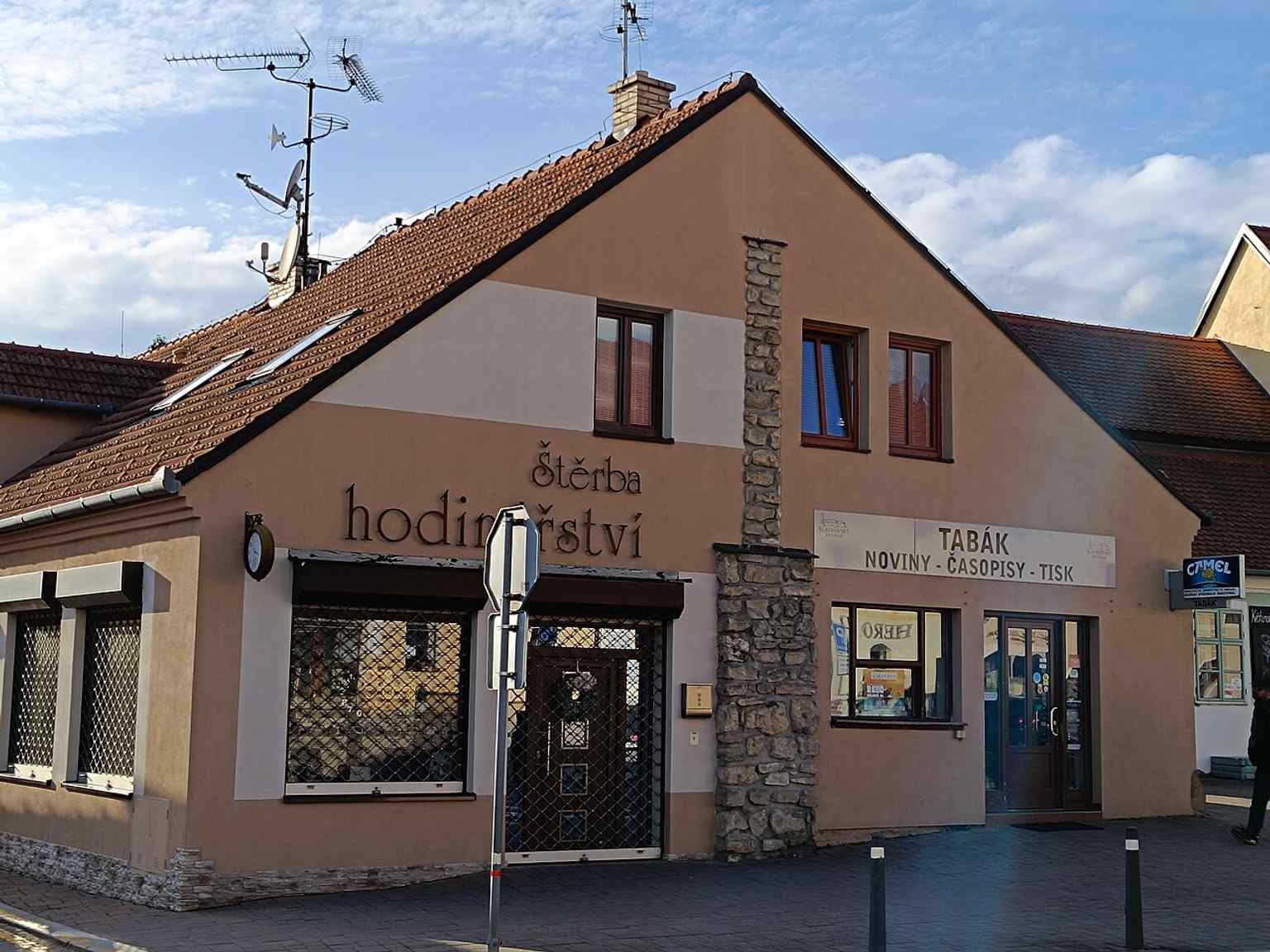
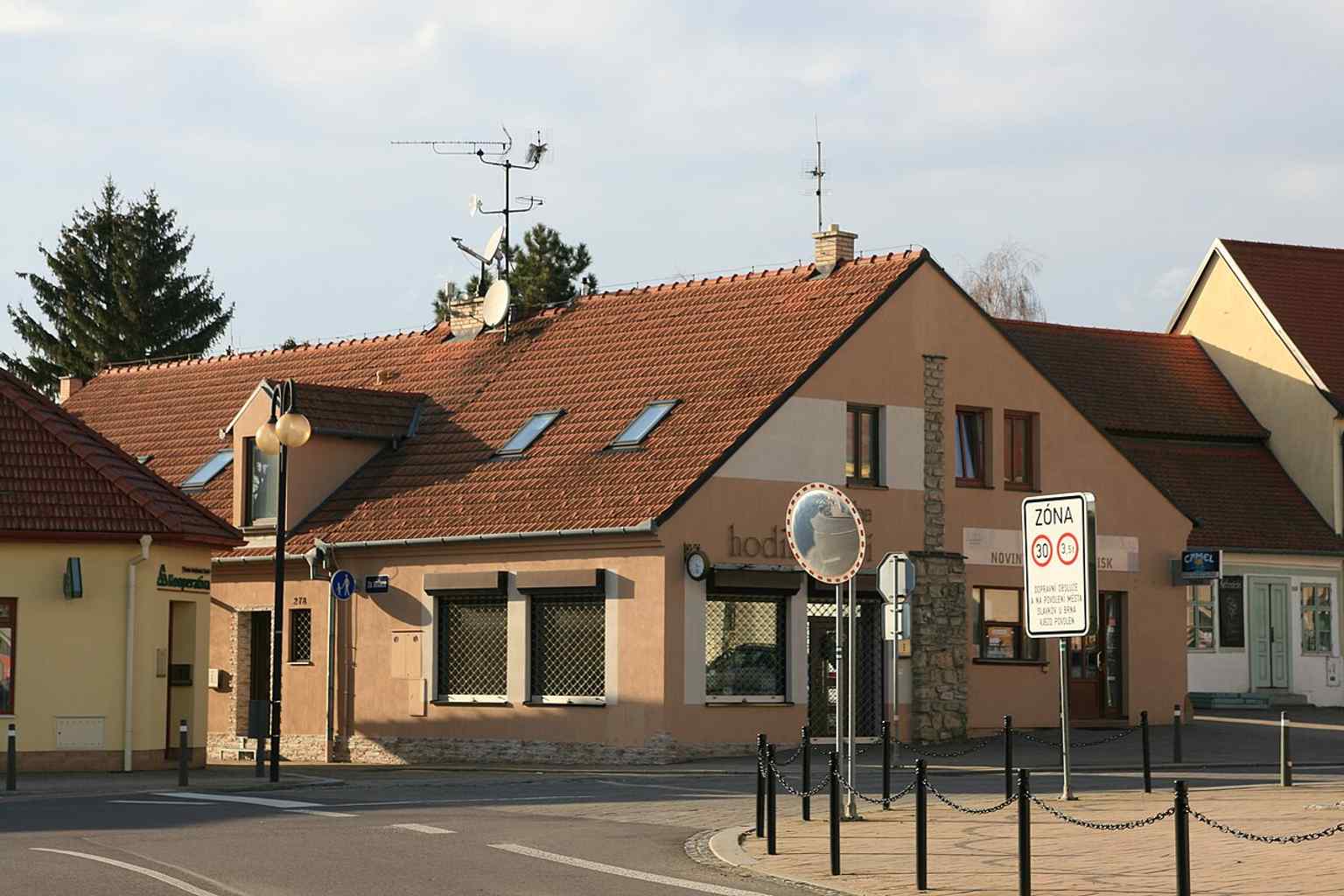
When they demolished the old tower in 1770, they needed a new place for the town clock. They moved the clock faces down to the medieval gate that guarded the narrow southern end of this square, which naturally became known as the Clock Gate. If you want to see exactly how dramatically this south end changed, you can pull up the before and after image on your screen. That towering gate was the last piece of the old city fortifications to fall, finally torn down in 1903 to let the modern town breathe and expand.
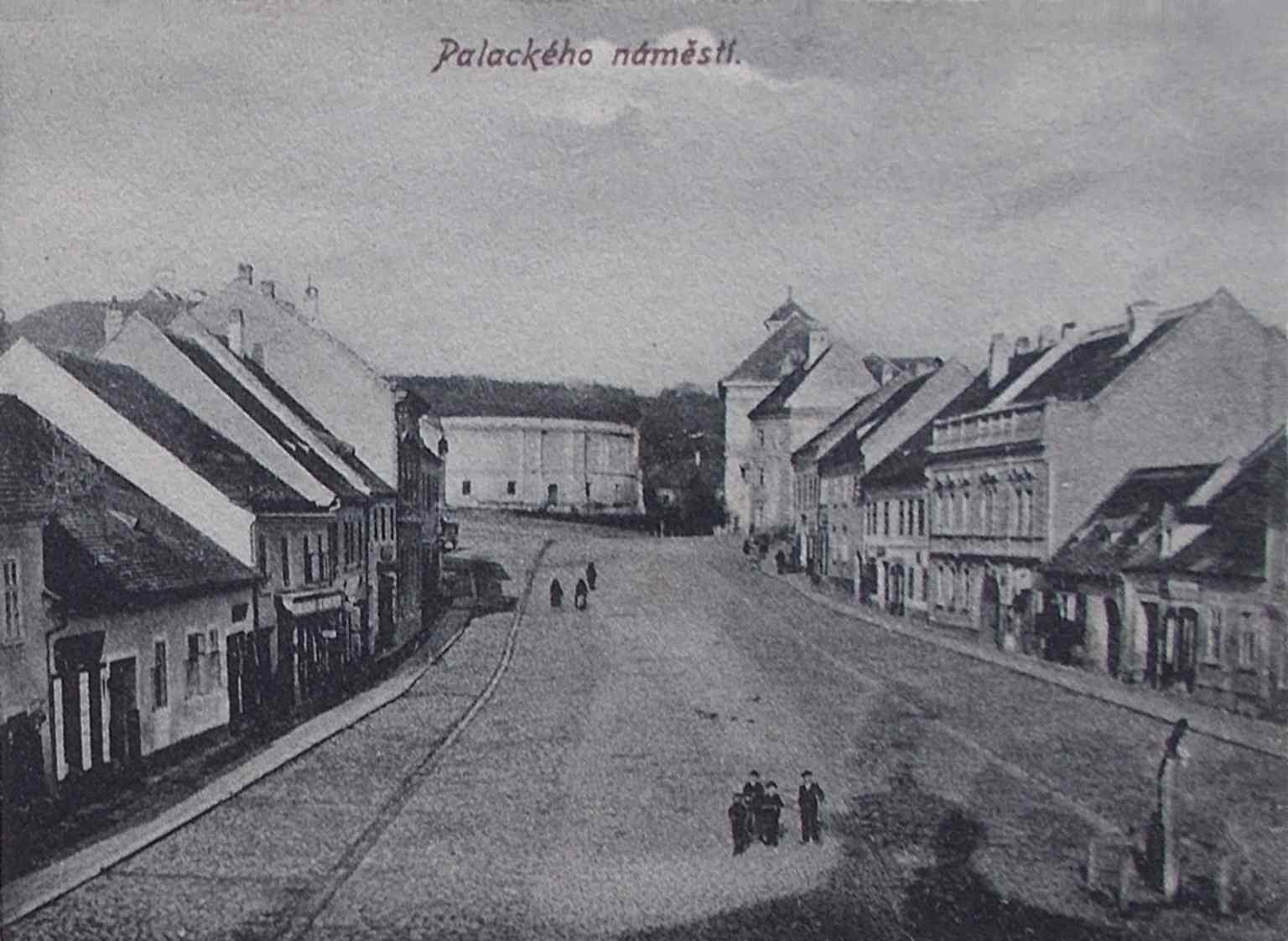
As for the name of the square, Palackého náměstí, it honors František Palacký, a towering nineteenth-century Czech historian and politician. The funny thing is, the guy never actually set foot in this town. But he wrote a letter in 1864 explaining the complex linguistic history connecting the town's Czech name, Slavkov, and its famous German name, Austerlitz. The locals were so appreciative that they eventually named their brilliantly redesigned main square right after him.
The result of all that history is a space that feels surprisingly grand for a small town. Take your time enjoying the view, and when you are ready, we can head to the next stop.






.jpg)
.jpg)