
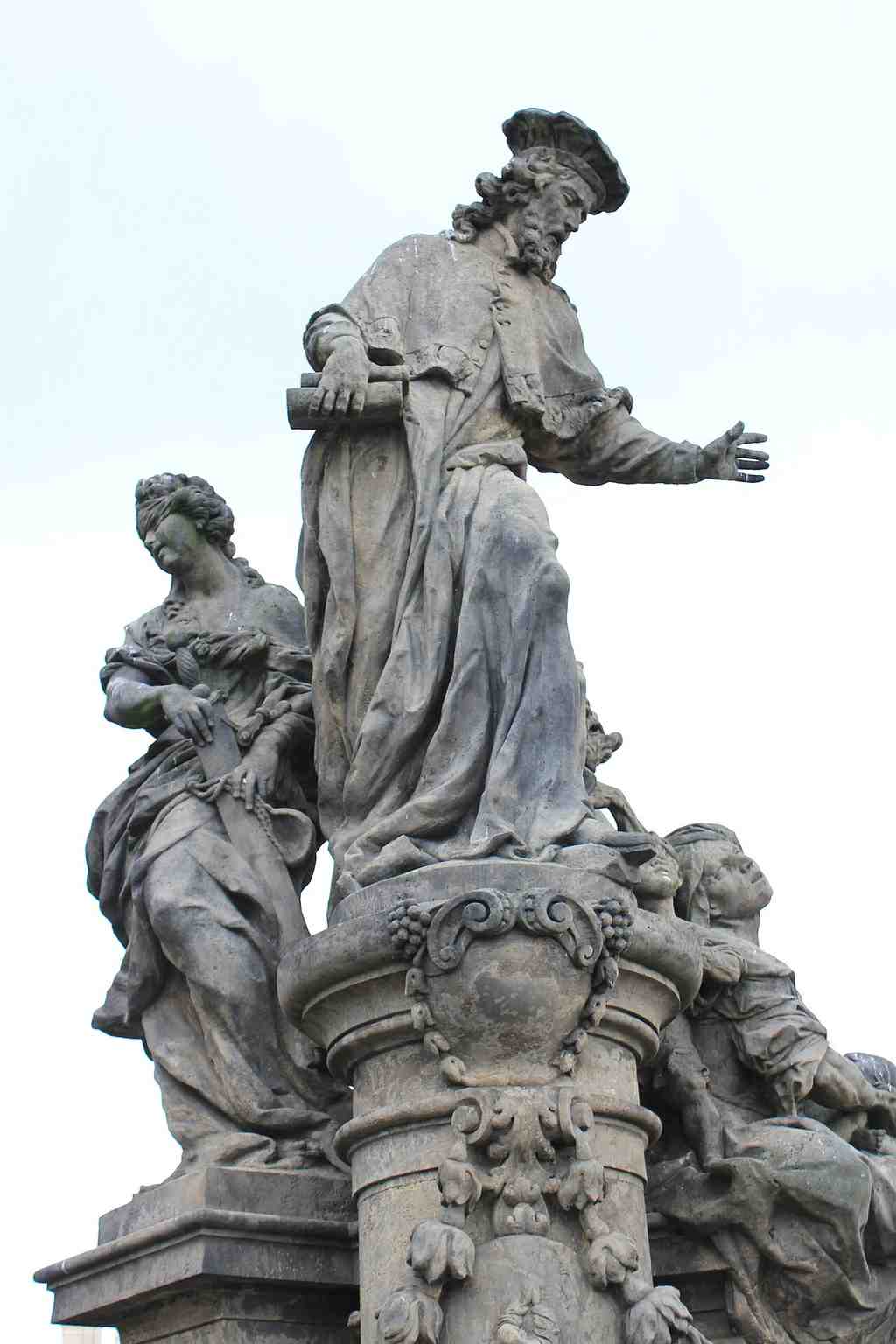
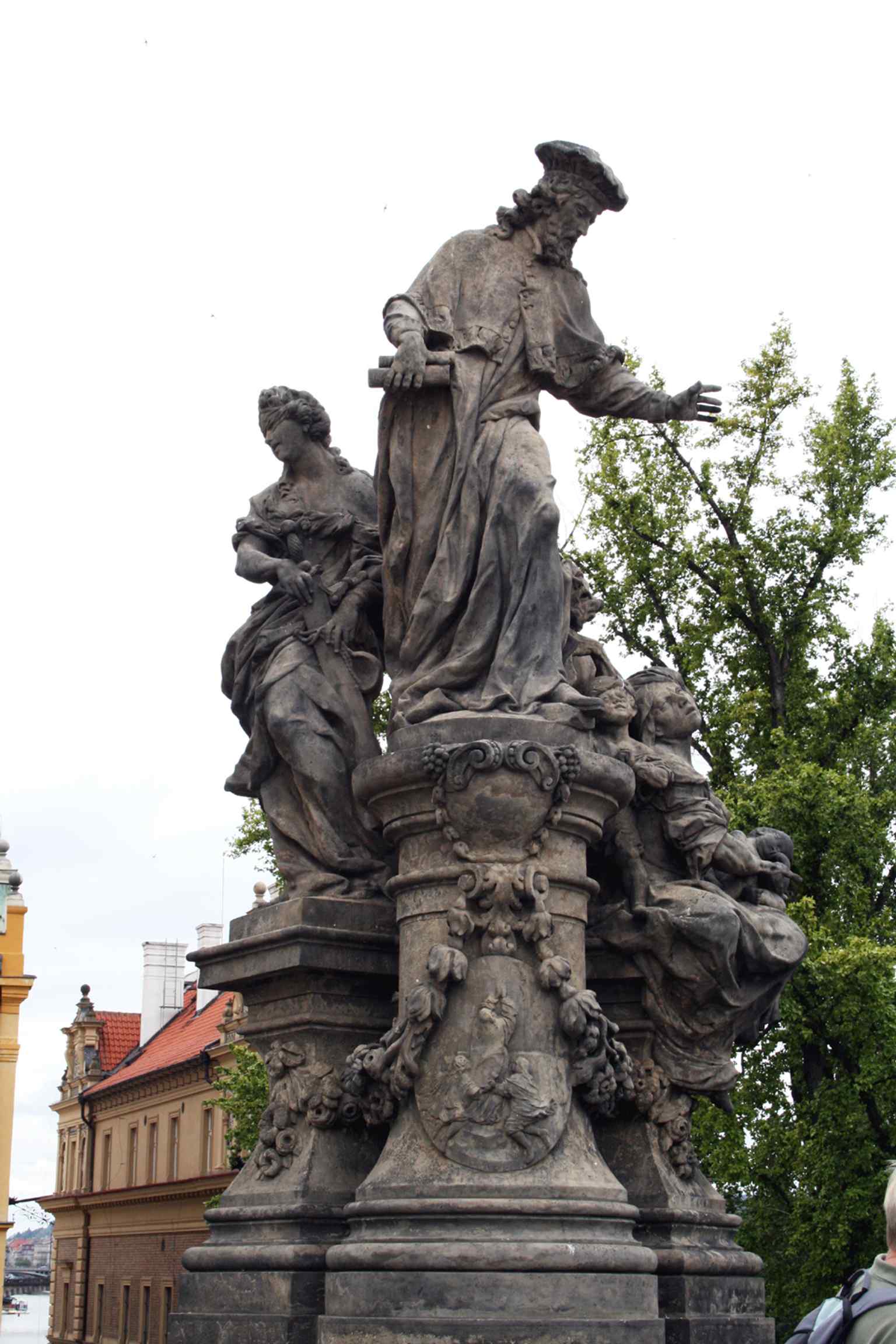
You are looking at a dark, weathered sandstone monument featuring a central figure in flowing robes atop a thick cylindrical pedestal, surrounded by a group of smaller, expressive figures at his feet. This is Saint Ivo of Kermartin, the patron saint of lawyers, commissioned in seventeen eleven by the Faculty of Law at Charles University.
To create this grand display, they hired a young newcomer from Salzburg named Matthias Braun. The university paid twelve hundred guilders for the work. That was a massive sum equal to about two years of wages for a skilled laborer at the time, or roughly one hundred thousand dollars today. No pressure for the new guy, right? But Braun delivered. This piece sparked what locals called Braun mania, allowing him to open the largest sculpture workshop in Prague.
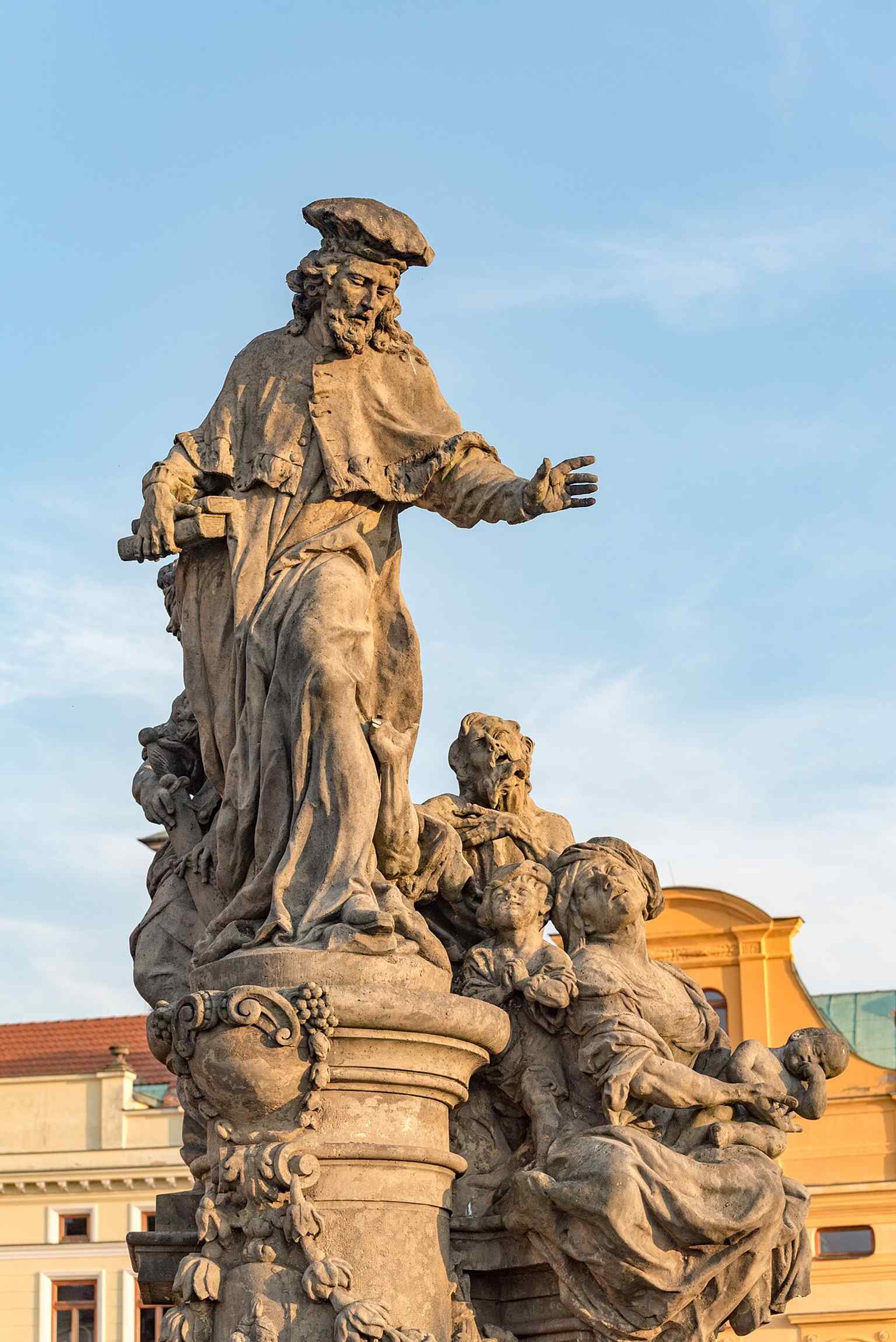
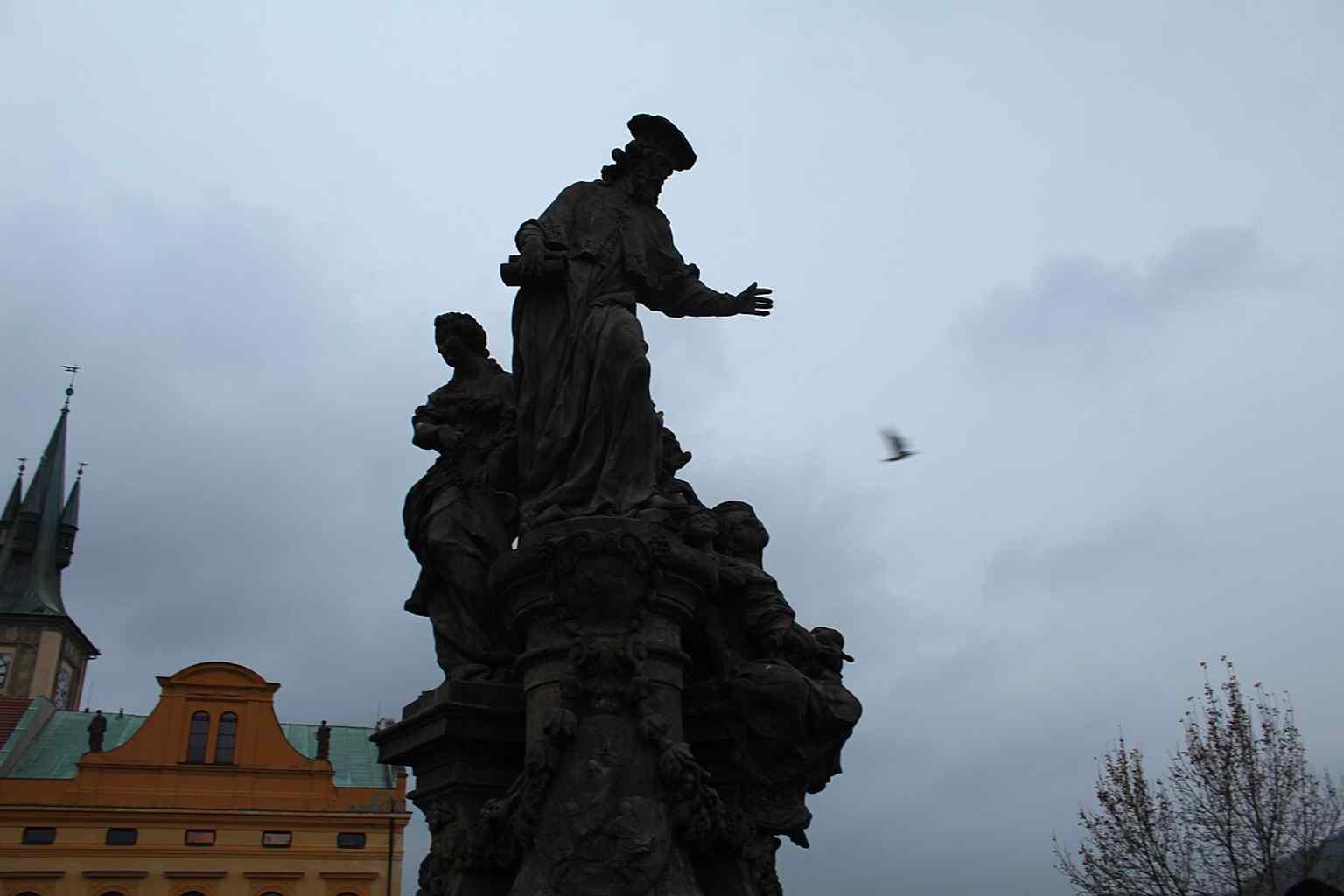
Take a close look behind Saint Ivo. Can you spot the blindfolded figure of Justice holding her sword and scales? It is a brilliant piece of staging. Ivo was a thirteenth-century Breton priest who became a judge in an ecclesiastical court, which was a special legal tribunal run by the church. Braun dressed him in a contemporary judge's robe and cap. But notice his posture. Ivo is physically turning his back on the rigid symbol of blind Justice, leaning down instead to minister to the weeping widow, a child, and an old man below. He prioritizes compassion over strict legality.
You can clearly see this dynamic composition if you check the third photo in your app. Ivo was famous for his clever mercy. Once, two extortionists left money with a widow, stating it could only be returned if both men were present. Later, one man tricked her into handing it over alone. The second man then sued her for the missing funds. Ivo simply ruled that the second man would not get a single penny until his missing partner appeared in court alongside him, instantly exposing their fraud.
But creating masterpieces takes a toll. As Braun grew older, he contracted tuberculosis. The grueling physical labor of carving heavy stone became impossible for him. Yet, he refused to stop creating. He transitioned into a designer, making small clay models for his assistants to carve, stepping in only at the very end to chisel the delicate, expressive details of the faces and hands.
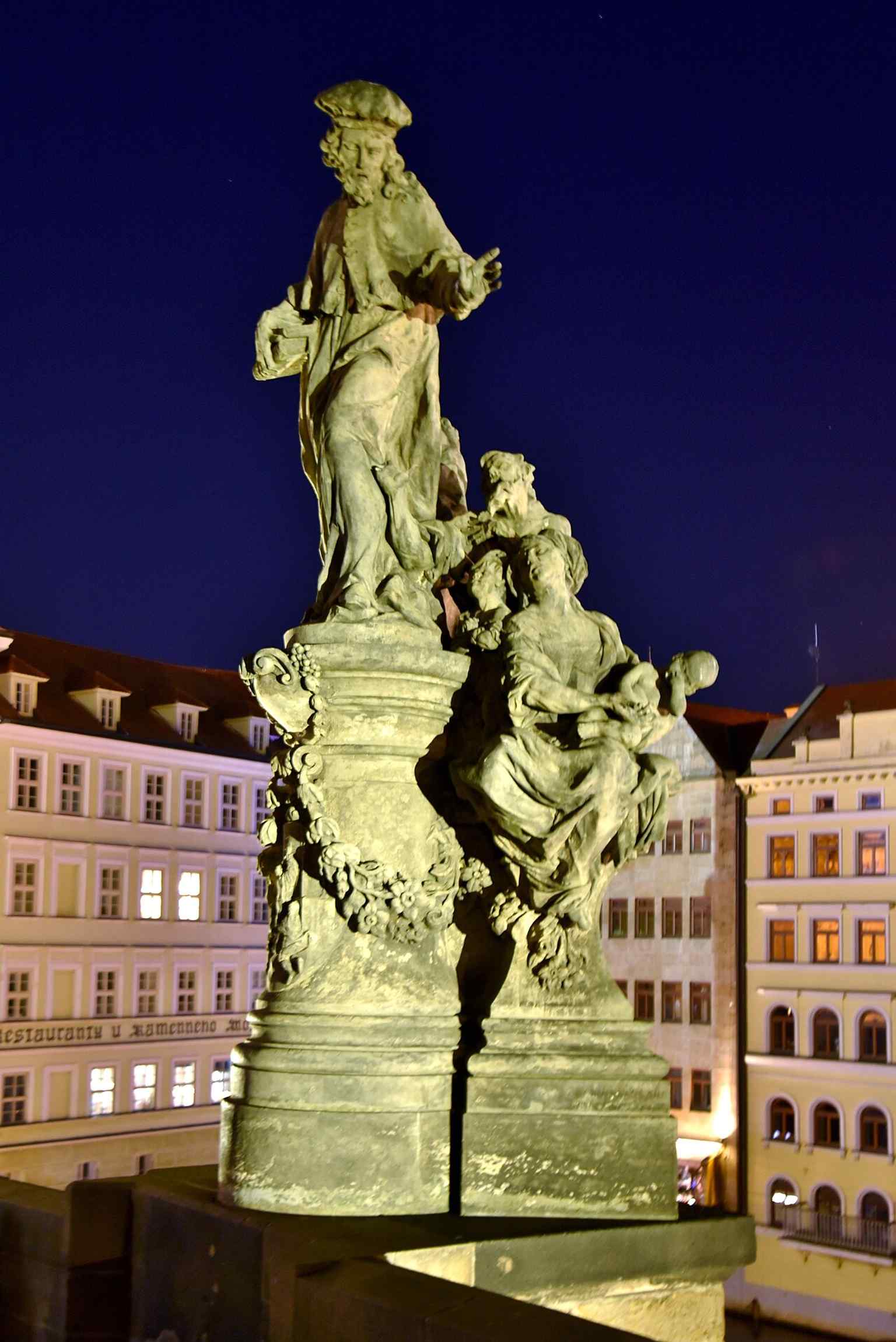
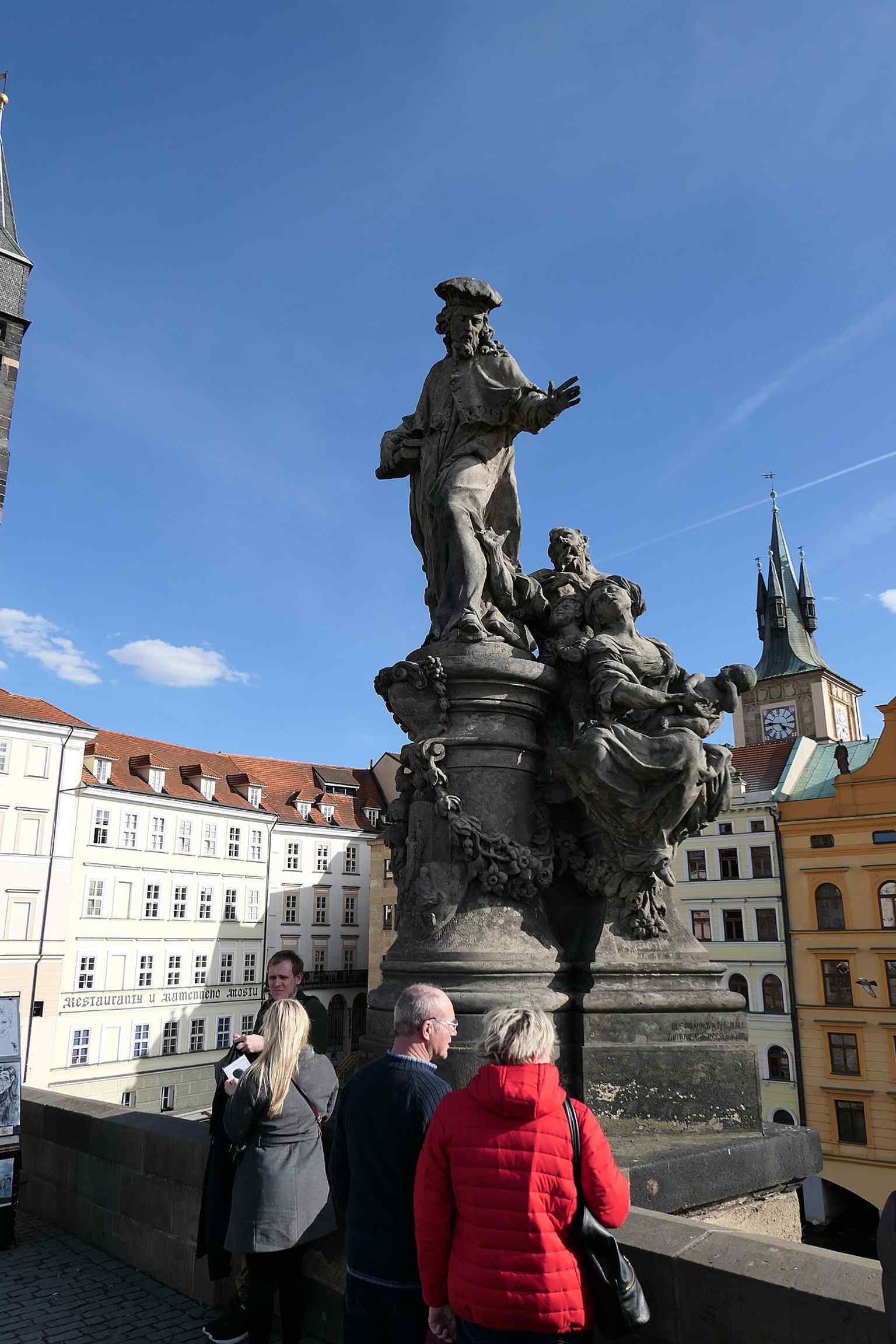
The sandstone itself eventually needed a similar kind of protection. The weathering effects of the river wore down the original stone over the centuries. In nineteen oh eight, the masterpiece was moved safely indoors to a museum, and replaced here by a faithful copy. It ensures that the legacy of a brilliant sculptor, and a remarkably compassionate judge, remains standing right where it belongs.
Let us keep walking to the next statue group by a different master, as we step over to the Statuen von Madonna und Saint Bernard, Charles Bridge.






.jpg)


