

Nicosia Audio Tour: Echoes of Cultures and Timeless Landmarks
A bullet once pierced the walls above Ledra Street and echoes of revolution still ripple beneath the glass footbridges of Eleftheria Square. Nicosia’s heart beats with secrets both ancient and ever-changing. This self-guided audio tour invites you to walk the city’s iconic avenues and shadowy backstreets, uncovering vivid stories that most visitors rush past. Unlock hidden corners, unveil political twists, and see the capital as you never imagined. What shocking confrontation unfolded just steps from the House of Representatives? Why do certain stones in the square’s new design remain untouched despite years of debate? Which unsolved mystery still haunts the narrowest alley off Ledra Street? Move through barriers both visible and invisible. Feel the weight of history, the thrill of rebellion, the quiet pulse of everyday lives as modern Nicosia flourishes around you. Ready to see what the city’s walls have never shared before? Press play and begin.
Tour preview
About this tour
- scheduleDuration 40–60 minsGo at your own pace
- straighten4.4 km walking routeFollow the guided path
- location_on
- wifi_offWorks offlineDownload once, use anywhere
- all_inclusiveLifetime accessReplay anytime, forever
- location_onStarts at Solomos Square
Stops on this tour
To spot Solomos Square, just look for the big, modern bus station with rows of shiny blue buses under a tall, glass bus canopy-that’s your landmark right at the bustling…Read moreShow less
To spot Solomos Square, just look for the big, modern bus station with rows of shiny blue buses under a tall, glass bus canopy-that’s your landmark right at the bustling intersection in the heart of the city! Welcome to Solomos Square, where the pulse of Nicosia can be measured by the hum of engines, the shuffle of feet, and the occasional frustrated sigh of someone who just missed their bus by two seconds. If this place feels busy, that’s because it is-over 50,000 people cross paths here daily, making it the unofficial “beating heart” of the city. Picture this spot just a decade ago-it was given a total makeover in 2010, courtesy of former Mayor Eleni Mavrou. Out went the old, in came wider spaces and clearer routes, ready to handle rushing students, workers, and the odd tourist who’s boarded the wrong bus but discovered the adventure of public transport. But Solomos Square isn’t just about buses-although there are a LOT of them. In 2022, the city’s bus network got a digital facelift, adding free Wi-Fi, a fresh app, and spiffy new routes that put other cities to shame. Suddenly, the monopoly was gone: five new hubs joined Solomos, but none can claim its lively chaos. This is also where you’ll catch the InterCity Buses, connecting you to every major corner of Cyprus. I like to think of it as Nicosia’s magic portal-hop on a bus, and who knows where you’ll end up!
Open dedicated page →To spot the House of Representatives, look ahead for a formal, official building that stands with a dignified presence, often with flags or symbols marking its important role-keep…Read moreShow less
To spot the House of Representatives, look ahead for a formal, official building that stands with a dignified presence, often with flags or symbols marking its important role-keep your eyes out for any government emblems glowingly displayed towards the entrance. Now, let’s step into the beating heart of Cyprus’s democracy, right where history continues to unfold. You’re standing outside the House of Representatives, the guardian of the people’s voice and the scene of so many whispers, debates, and moments when the future of the country seemed to balance on a single vote. Imagine the air charged with the buzz of political conversations, shoes shuffling up the marble steps, and the low murmur as lawmakers greet each other before stepping inside. This is no ordinary parliament building. It’s unique not just in Cyprus, but in all the European Union-because it belongs to the only fully presidential system in the EU. Here, the House is both a symbol and a stage for big decisions, tough debates, and quite a few passionate speeches (would you believe some of them can rival an opera?). Every five years, members from different communities-Greek Cypriots, and, at least in theory, Turkish Cypriots, along with observers representing Armenians, Maronites, and Latins-are elected right here in this very institution. Well, they should be. Since 1964, the seats for Turkish Cypriot members have stood empty, silent reminders of the island’s enduring challenges. Those vacant chairs are almost like ghosts in the room, waiting for a time when unity finds its way back. Let’s go back in time to when this story began. It was July 1960, and Cyprus was freshly independent, buzzing with excitement and hope. The first parliamentary elections were held, and the new Republic had a system meant to give everyone a say: 35 seats for Greek Cypriots and 15 for Turkish Cypriots. But, like a dish where the ingredients don’t quite blend, the constitution had some complicated rules: for some laws to pass-especially ones about taxes and towns-both communities had to agree. Now, imagine two families in a house having to agree on every pizza topping or TV show, and you’ll get the picture. Tensions soon brewed, and by December 1963, the Turkish Cypriot representatives withdrew from the House. Since then, their seats have remained empty, as if waiting for old friends who haven’t come home yet. Despite all this, the House did what any determined Cypriot would do-adapt! In 1985, they decided there just weren’t enough hands for all the laws and committees, especially with Cyprus taking part in more international organizations. So, with a bit of legislative magic, the seats rose from 50 to 80: 56 for Greek Cypriots, and another 24 still set aside for their Turkish Cypriot neighbors, keeping the door open for reunification. It’s a bit like setting out an extra plate at dinner, always hoping that one day every seat will be filled. Elections are a national event here, a bit like an island-wide festival-but with a touch less dancing (or maybe just more polite foot-tapping). The vote is held every five years, on the second Sunday before the old term ends. And if the House decides to call it quits early, it can dissolve itself, choosing the date for new elections and the first meeting of the next group of lawmakers. But once that big decision is made, it can’t do much else but wait for its successors, unless-like in those political thrillers-something urgent and unexpected happens. Of course, this institution isn’t just about rules and numbers. Over the years, the House became a lifeline for a wounded nation-drafting laws to help families uprooted by conflict, supporting those searching for missing loved ones, and finding ways to rebuild after tough times. Through it all, the voices inside shaped not only policy, but the very rhythm of daily life in Cyprus. It’s not all stiff suits and stern faces, either. The President of the House-always a Greek Cypriot-keeps order with a firm hand and the occasional smile. The Vice President’s seat is reserved for a Turkish Cypriot, even though it’s been empty for decades, and in their absence, the eldest community member takes over. Over the years, the role has passed from dignitary to dignitary, each one leaving their mark on this living institution. So, as you stand in front of the House of Representatives, you’re not just looking at a government building-you’re peering into the past, present, and hopes for a more united future. And remember: every law debated here, every empty seat, every echo in those chambers, tells a story about Cyprus’s courage, resilience, and its stubborn dream of bringing every voice together under one roof. Eager to learn more about the elections, composition or the last election results? Simply drop your inquiries in the chat section and I'll provide the details you need.
Open dedicated page →


Show 11 more stopsShow fewer stopsexpand_moreexpand_less
 4
4Nicosia Old General Hospital
Buy tour to unlock all 18 tracksTake a look around you! Right here, not so long ago, stood the Nicosia Old General Hospital - and let me assure you, if these trees could talk, they’d have a few stories to tell!…Read moreShow less
Take a look around you! Right here, not so long ago, stood the Nicosia Old General Hospital - and let me assure you, if these trees could talk, they’d have a few stories to tell! Picture things back in the late 1930s: this patch of land was chosen by the British colonial administration to build a grand new hospital. The year was 1936 - folks were wearing hats, jazz was swinging, and the world was on the edge of some pretty scary times. When the hospital opened in 1939, Governor Richard Palmer himself cut the ribbon. He probably didn’t realize that a few months later, World War II would break out, and suddenly this peaceful hospital in Cyprus would find itself treating soldiers shipped here for recovery, far away from the bombs and bullets of the front lines. Though Cyprus mostly escaped the chaos - apart from the odd German bomber making an unwelcome appearance overhead - the hospital became something of a sanctuary. Now, here’s a fun architectural twist: This was not just any hospital. Designed by Polyvios Michaelides, it was one of the first buildings in Cyprus to show off the Bauhaus style from Germany. So if you were here back then, you’d see sharp angles, clean lines, modern designs - the kind of place even art magazines in Paris were talking about! Talk about being the trendiest patient on the ward. Time rolled on and medicine advanced, but the old hospital started feeling its age. By 2006, it was clear the poor building needed some rest of its own, and a shiny new hospital opened in the suburb of Latsia. After 67 years and millions of patients, the emergency room closed one last time - you can almost hear the echo of those final footsteps down the hall. And then, the drama! Some wanted to save this old Bauhaus beauty; others wanted to use the land for a shiny new Cyprus Museum. Protesters and politicians argued, but in the end, the bulldozers won in June 2010. Today, only memories remain… and maybe the odd ghostly cough late at night. Or was that just the wind?
Open dedicated page →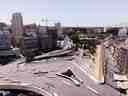 7
7Eleftheria Square
Buy tour to unlock all 18 tracksIf you look to your right and just in front of you, you’ll spot Eleftheria Square as a futuristic, flowing grey landscape-almost like a giant modern sculpture-set at the foot of…Read moreShow less
If you look to your right and just in front of you, you’ll spot Eleftheria Square as a futuristic, flowing grey landscape-almost like a giant modern sculpture-set at the foot of the old Venetian walls, with sleek walkways, sharp angles, and geometric patterns spreading out like the spokes of a star. Now, pause for a moment and soak it all in-because you’re standing on the beating heart of Nicosia, Liberty Square! Picture this: it’s not just any old square, but a symbol of connection and transformation for the city. Back in the late 1800s, before all these swooping curves and space-age benches, imagine nothing but a chunky wooden bridge creaking under the wheels of carriages, set up by the British. For those first Cypriots leaving the fortified city, this was their bridge out to modern life-though I doubt they had any idea one day their humble crossing would be turned into one of Zaha Hadid’s architectural wonders (talk about a glow-up!). And look around you-the bold, futuristic design you see is the result of a global competition in 2005, when world-famous architect Zaha Hadid swept up first prize with her radical ideas. Picture architects from all corners, shuffling blueprints and fighting over who gets to make a square in the middle of history. Hadid envisioned more than just a plaza: she wanted to unite the old city’s mighty Venetian walls and the bustling modern streets in one grand sweep-almost as if stretching out an arm to bring unity to a city split by the world’s last divided capital. Liberty Square lives up to its name! It’s seen history’s most electric celebrations and protests, from Cyprus joining the European Union to the roar of political rallies, quirky sporting events, and once, even the Occupy Buffer Zone movement in 2011-hundreds gathered right where you stand, voices bouncing off these smooth concrete lines. But it hasn’t always been smooth sailing. When they started building the new square, workers stumbled on ancient archaeological finds-the past refusing to be paved over so easily! Plans had to be changed, delays stretched for years, and let’s just say the words “traffic jam” probably became every local’s favorite complaint. And even once the square finally opened, it stirred up a lively debate. Some people scratched their heads about the modern design, saying, “Where am I supposed to find shade under these skinny cypress trees?” Well, you’ve got to admit, for a place that was once all concrete and cars, it’s now a model Cypriot garden-blending history, ecology, and wild architecture in one quirky mix. Turns out, the critics weren’t the only voices; the square now holds awards for its design, and became a star project for Hadid’s team (and she’s got quite the list of legendary buildings!). So look around, listen to the echoes of the past and present colliding, and imagine how many memories-loud, joyful, chaotic, or tense-have unfolded right here. Today, it’s all yours to explore… just watch your step, and try not to get lost in those wild geometric pathways! Fascinated by the overview, cultural importance or the modern era? Let's chat about it
Open dedicated page →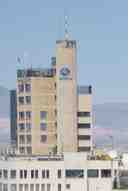 8
8Shacolas Tower Museum and Observatory
Buy tour to unlock all 18 tracksTo spot the Shacolas Tower, just look for the tallest beige high-rise with the bold blue and yellow “NKS SHACOLAS” signs near the top-it's hard to miss and stands out above…Read moreShow less
To spot the Shacolas Tower, just look for the tallest beige high-rise with the bold blue and yellow “NKS SHACOLAS” signs near the top-it's hard to miss and stands out above everything around it! Now, picture this: it’s 1959 in Nicosia, and a brand-new tower is shooting up into the sky, so tall that people tilt their heads back until their hats fall off just trying to see the top. This was Shacolas Tower-though back then it went by Manglis Tower, named after its builder, Costas Manglis. It became the pride of Cyprus, the highest point in Nicosia for nearly 20 years, like a lighthouse guiding dreamers and visionaries. Down below, the first five floors are now buzzing with the latest fashions at H&M, but once, the upper floors were command central for the General Engineering and Hellenic Mining Company. But here’s where the magic happens: zip up to the 11th floor and you’re in the Shacolas Observatory. You’ll find telescopes, binoculars and, if you listen closely, the whispers of old Nicosia told through multilingual recordings. Photographs and stories show the city as it was, while the modern city bustles below. It’s a mix of nostalgia and progress, with a view that stretches all the way to the mountains. Whether you’re a curious explorer or a secret spy (don’t worry, your secret’s safe with me), the Shacolas Tower is your ticket to seeing Nicosia from a whole new perspective.
Open dedicated page →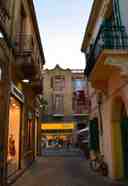 9
9Ledra Street
Buy tour to unlock all 18 tracksTo spot Ledra Street, look ahead for a narrow pedestrian lane lined with elegant old stone buildings and colorful shopfronts, leading toward a slightly faded yellow building with…Read moreShow less
To spot Ledra Street, look ahead for a narrow pedestrian lane lined with elegant old stone buildings and colorful shopfronts, leading toward a slightly faded yellow building with a distinctive KFC sign overhead. Welcome to Ledra Street, the beating heart of Nicosia! Stand still for a moment and take in the chatter echoing between these honey-colored walls and the vibrant mix of shoppers who stroll past. It’s hard to believe this friendly thoroughfare was once one of the world’s most famous streets for the wrong reasons-a place split right down the middle. Let’s zoom back over a thousand years, when this spot was named after the ancient kingdom of Ledra, founded in 1050 BC. Back then, if you wanted to cross from one end to the other, your biggest worry was probably the Mediterranean sun, not passports and politics! But times changed. Through the centuries, Ledra Street transformed into Nicosia’s main shopping avenue-a lively bazaar where elegant hats, trays of Turkish delight, and the latest gossip were all available at bargain prices. But the story takes a twist. In the late 1950s, this fashionable street picked up a spine-chilling nickname-The Murder Mile-because it saw daring attacks during troubled times between nationalist fighters and British soldiers. Suddenly, Ledra Street wasn’t just for shopping; it became a battleground. Tension buzzed in the air, and people hurried along its cobbles looking over their shoulders. And then, in the 1960s, things got even tougher. Cyprus itself was splitting between Greek- and Turkish-Cypriots. If you look closely toward the end of the street, you’re peering at what once was a solid barricade-a blockade so tight it divided families, friends, and, well, anyone who fancied a stroll. Soldiers stood watch, and for thirty-four long years, Ledra Street was chopped in two by the infamous Green Line, patrolled first by British troops and then by the United Nations. Imagine peeking past sandbags and boarded-up windows, with the silence only broken by the regular tramp of boots. For decades, life on Ledra Street was like living on the edge of two worlds, so close you could shout "hello!" across to the other side, but so far you might as well have been in another country. But here comes the mystery-why was it called Ledra? Well, you’re standing in the heart of what once was mighty Ledra’s capital-a name that’s lived on through centuries of chaos and calm, reminding everyone that even the busiest places carry echoes of ancient kings. By the 1990s, the only thing crossing the barricade was the odd cat or the wind-and perhaps a few daring dreams. The southern part of the street became a pedestrian paradise, drawing shoppers and hopeful families hunting for a slice of normal life. And then-after years of negotiation, drama, and enough headlines to fill a library-something amazing happened. On a bright morning in April 2008, after thirty-four years, the barricade was taken down. Officials gathered, ribbons were snipped, and to mark this historic moment, a bunch of balloons floated into the sky. Suddenly, curious Cypriots from both sides flooded through, peering into shop windows and wondering where the border had gone. Of course, the day wasn’t without drama-Turkish guards and Cypriot police had a bit of a stare-down, but the UN sorted things out with a wave and maybe a raised eyebrow. Now, folks cross from north to south with nothing but a quick check of IDs and a friendly wave. Ledra Street today isn’t just a shopping street; it’s a symbol of hope and unity. Over the years, it’s been the stage for art installations, peace marches, and even an "Elephants for Peace" festival-yes, you heard that right, a parade of over 600 elephant-inspired artworks, right where soldiers once watched each other suspiciously. What a twist, huh? So as you stand here, soaking in the laughter and the buzz, remember that these cobblestones have felt both boots and ballet shoes, war and weddings. Every step you take is a part of the long story of Ledra Street-the street that refused to stay divided. And now, if you’re lucky, the only thing you’ll need to cross is the temptation to buy just one more souvenir. Want to explore the location, activism or the economy in more depth? Join me in the chat section for a detailed discussion.
Open dedicated page →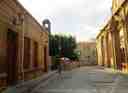 10
10Faneromeni Square
Buy tour to unlock all 18 tracksLook ahead for a grand stone church with arched doorways and columns on your right, surrounded by old neoclassical buildings-it’s right at the center of the open square in front…Read moreShow less
Look ahead for a grand stone church with arched doorways and columns on your right, surrounded by old neoclassical buildings-it’s right at the center of the open square in front of you. Welcome to Faneromeni Square-where the stones are old enough to have heard more secrets than your phone! Picture yourself hundreds of years ago, standing inside the sturdy Venetian city walls. You’d see Nicosia’s heart beating right in this very spot, with Faneromeni Church towering ahead, its mixture of Neoclassical, Byzantine, and Medieval Latin touches gleaming under the sun. Built in 1872 atop an ancient nunnery, this church is dedicated to Holy Mary and is the largest of its kind within these ancient walls. Right beside, the Faneromeni School-founded in 1857-was actually the first all-girls school in Cyprus. Imagine girls stepping out of the stone buildings, giggling and learning together, at a time when education for women was a radical idea! On your left by the church, discover the Marble Mausoleum, quietly honoring four clerics who paid the ultimate price in 1821 when a revolt inspired by the Greek War of Independence swept the island. Around the square, notice the blend of Greek and local Cypriot designs-the buildings are so elegant that even the pigeons seem impressed. Today, this square is a lively crossroads for artists, musicians, and rebels. Some people say if you listen carefully, you can still hear the echo of passionate debates and songs late into the night. So, from revolution to rock bands, Faneromeni Square always finds a way to keep the city’s heart beating just a little faster!
Open dedicated page →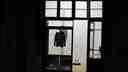 11
11the Office
Buy tour to unlock all 18 tracksRight in front of you, you’ll spot a large window framed by dark wood, giving you a peek inside at a minimalist, brightly lit room with a lone black jacket hanging mysteriously…Read moreShow less
Right in front of you, you’ll spot a large window framed by dark wood, giving you a peek inside at a minimalist, brightly lit room with a lone black jacket hanging mysteriously against a plain white wall-just look for the inviting glow in an otherwise shadowy street. Welcome to The Office gallery, right at the edge of history and creativity! Picture this: you’re standing on the very seam of Europe’s last divided capital, with the legendary Green Line nearby-a line that stirs up as much curiosity as it does art. Now, step up and imagine hearing the distant echo of footsteps bouncing inside the gallery’s old walls. Not so quiet anymore, huh? Founded back in 2009 by the bold Greek Anastasios Gkekas, The Office is anything but ordinary. It set out to shake up the Nicosia art scene, and you can almost feel the buzz of provocative ideas still hanging in the air. Inside, artists have turned the odd geography of this half-and-half town into a playground for creativity. The Office has showcased over twenty exhibitions-and we’re not talking dusty, safe paintings. Some artists are local, some from far-flung corners of Europe and beyond; their work sometimes whispers with tension and political undertones, sometimes shouts with wild imagination. In 2015, the gallery didn’t just open its doors to visitors-it opened them to the world, participating in Art Brussels. There, word spread fast about its show called “Proof against the obtainment of new artwork” by Robert Montgomery and Dimitris Merantzas. Let’s just say that title alone could make your eyebrows do a little dance. But back to Nicosia-here, the gallery brings together work that’s as varied as the visitors. One group show was cheekily titled “To Express the Feelings of a Chair When We Sit on it.” No, you’re not sitting on one of those chairs right now, but if you listen closely, maybe you can hear one creak with philosophical delight. There’s been everything from playful explorations to dark, edgy installations: imagine quirky “investment opportunities,” haunting photographs, and even screenings that made the old rooms feel like time warps. In winter, exhibitions like “IN GIRUM IMUS NOCTE ET CONSUMIMUR IGNI” light up the night with mystery and debate-try saying that title five times fast! So whether you’re an art lover or just stumbling in for something new, The Office gallery is a crossroads of bold imagination and the living history of Nicosia. Every creak, every echo, every splash of color here reminds you: art is alive and well, even at the edge of a divided world.
Open dedicated page →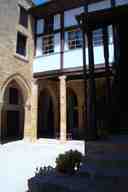 14
14The House of Hadjigeorgakis Kornesios - Ethnological Museum
Buy tour to unlock all 18 tracksTo spot the Hadjigeorgakis Kornesios Mansion, look for a two-storey building made of golden sandstone, with arched doorways and a wooden staircase leading to a shaded courtyard…Read moreShow less
To spot the Hadjigeorgakis Kornesios Mansion, look for a two-storey building made of golden sandstone, with arched doorways and a wooden staircase leading to a shaded courtyard lined with sturdy columns. Now, take a moment to step back in time-imagine the year is 1793, the air is heavy with the scent of damp stone and blooming jasmine from the central garden, the soft trickle of the fountain mingling with the hum of old Nicosia. This was the home of Hadjigeorgakis Kornesios, the Sultan’s trusted interpreter-and possibly the most envied man in town! With his fancy Ottoman title as “dragoman,” he was the ultimate VIP, wielding enough power and wealth to make even the local cats jealous. But what goes up, must come down-right here, among these walls of sturdy stone, Kornesios’ life shifted from splendor to suspense. Some jealous rivals whispered, plotted, and ultimately managed to have him sent far away to Constantinople-now Istanbul-where, in 1809, he lost not just his job but his head as well. Talk about office politics! Back when the house was bustling, servants clattered about downstairs, carrying trays through the kitchen and the private bathhouse, while guests climbed these very stairs for lavish receptions. Look for the owner’s monogram above the entrance-a secret signature of days gone by. The official reception room at the end of the east wing is decked out with carved woods and gilded decorations, ready for the grandest gatherings. If those walls could talk, I bet they’d brag a little! Decades later, in 1960, this mansion dodged demolition, thanks to some heroic fans and a public campaign. They turned it into the Cyprus Ethnological Museum, celebrating all the stories packed into each block of sandstone. The place even won the Europa Nostra prize for cultural heritage in 1988, and you can still feel its proud history. So, as you stand in the cool shadow of these arches, just imagine the footsteps, secrets, and parties that echo in every corner. Welcome to the heart of old Nicosia!
Open dedicated page →
Frequently asked questions
How do I start the tour?
After purchase, download the AudaTours app and enter your redemption code. The tour will be ready to start immediately - just tap play and follow the GPS-guided route.
Do I need internet during the tour?
No! Download the tour before you start and enjoy it fully offline. Only the chat feature requires internet. We recommend downloading on WiFi to save mobile data.
Is this a guided group tour?
No - this is a self-guided audio tour. You explore independently at your own pace, with audio narration playing through your phone. No tour guide, no group, no schedule.
How long does the tour take?
Most tours take 60–90 minutes to complete, but you control the pace entirely. Pause, skip stops, or take breaks whenever you want.
What if I can't finish the tour today?
No problem! Tours have lifetime access. Pause and resume whenever you like - tomorrow, next week, or next year. Your progress is saved.
What languages are available?
All tours are available in 50+ languages. Select your preferred language when redeeming your code. Note: language cannot be changed after tour generation.
Where do I access the tour after purchase?
Download the free AudaTours app from the App Store or Google Play. Enter your redemption code (sent via email) and the tour will appear in your library, ready to download and start.
If you don't enjoy the tour, we'll refund your purchase. Contact us at [email protected]
Checkout securely with 


