
Wycieczka audio po Nowym Jorku: Odporność i refleksja w Dzielnicy Finansowej
Pod strzelistą iglicą Liberty Tower i cichymi basenami Miejsca Pamięci 11 Września, Dzielnica Finansowa Manhattanu kryje historie walki o władzę, tajnych układów i oszałamiającej odwagi, które ukształtowały świat. Ta samodzielna wycieczka audio otwiera ulice, które większość podróżnych widzi, ale nigdy tak naprawdę nie poznaje, dostarczając poufnych opowieści i mało znanych zakątków we własnym tempie. Jaka zakodowana wiadomość sparaliżowała Wall Street w jedno popołudnie? Który zaginiony punkt orientacyjny wywołał niegdyś ogólnomiejskie powstanie w kilka minut? Kto niósł najcenniejszą kartkę papieru, jaką kiedykolwiek zgubiono wśród tych wieżowców? Przejdź z cieni tragedii na szczyty ambicji, śledząc opowieści o stracie, przetrwaniu i transformacji. Każdy krok odkrywa warstwy pod stalą i kamieniem miasta, ukazując bijące serce Manhattanu poprzez dramat, lojalność i nadzieję. Rozpocznij swoją podróż już teraz i odkryj, co historia ukrywa tuż za rogiem.
Podgląd trasy
O tej trasie
- scheduleCzas trwania 30–50 minsIdź we własnym tempie
- straighten0.5 km trasy pieszejPodążaj wyznaczoną trasą
- location_onLokalizacjaNowy Jork, Stany Zjednoczone
- wifi_offDziała offlinePobierz raz, korzystaj gdziekolwiek
- all_inclusiveDożywotni dostępOdtwarzaj ponownie w dowolnym momencie
- location_onStart przy Liberty Tower
Przystanki na tej trasie
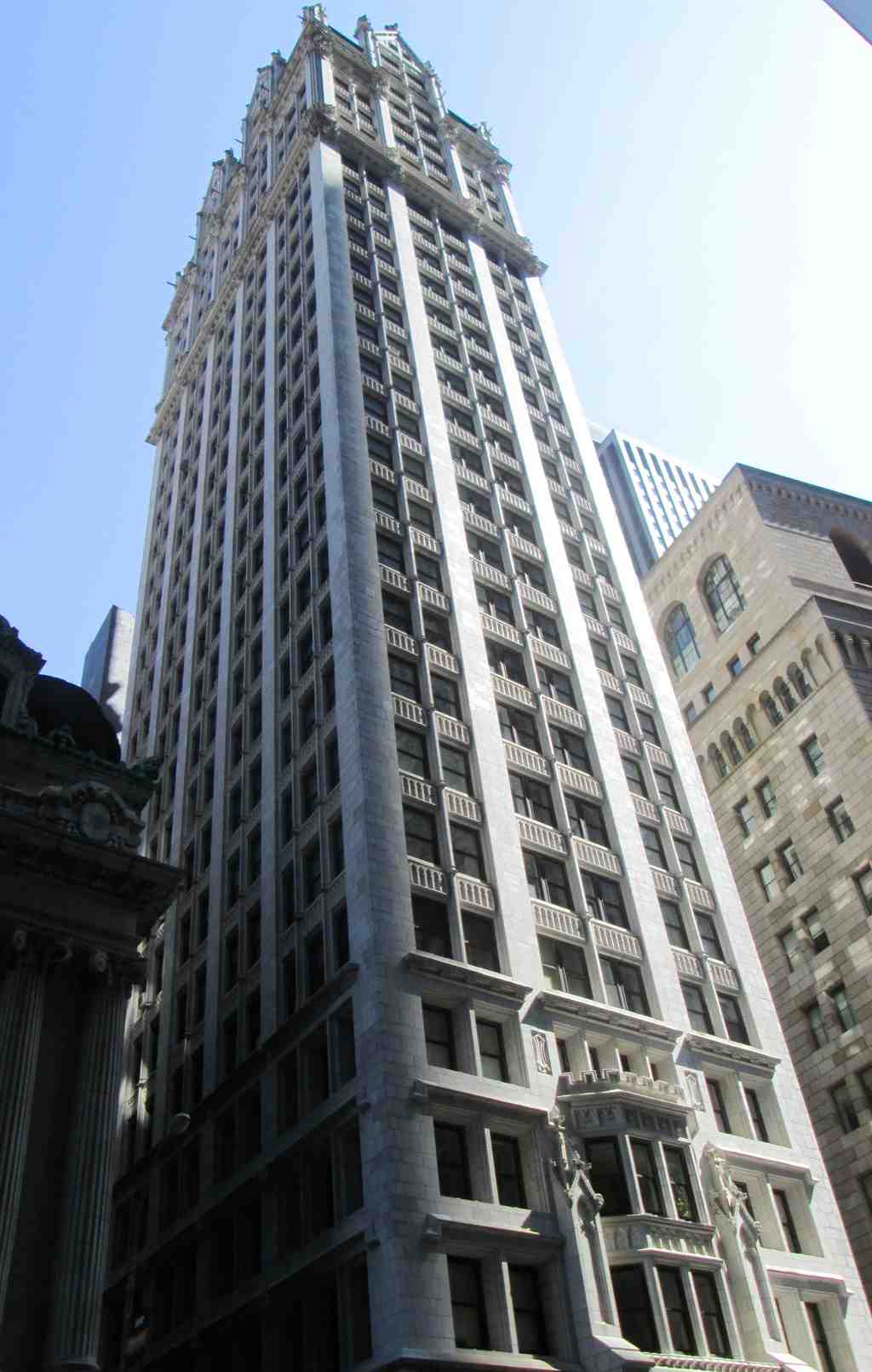
To spot Liberty Tower, look for a tall, slender white building with ornate, castle-like decoration and pointed roof features, rising sharply above the narrow streets at the corner…Czytaj więcejPokaż mniej
To spot Liberty Tower, look for a tall, slender white building with ornate, castle-like decoration and pointed roof features, rising sharply above the narrow streets at the corner of Liberty Street and Nassau Street. As you stand here outside the Liberty Tower, you can almost feel the layers of history pressing in from all sides. The narrow streets of Manhattan’s Financial District are dwarfed by this 33-story giant, once known as the Sinclair Oil Building, now gleaming with a white terracotta facade that’s richly decorated with fanciful creatures. If you look closely, you may spot gargoyles, birds, and even alligators peering down at the city below-remnants of a time when architects loved to surprise and delight, and when the skyline was more about artistry than sheer height. It’s 1909. Horse-drawn carts still rattle along Liberty Street. Men in fedoras shout the latest headlines from street corners. Into this bustling world, Henry Ives Cobb, a determined architect familiar with Gothic grandeur and the new steel skeletons of skyscrapers, brings his vision to life. The Liberty Tower grows on an odd-shaped plot where the influential New York Evening Post once stood, its very ground whispering stories of journalists, editors, and the city’s daily drama. Cobb’s design is ambitious: three distinct sections-like the column of an ancient temple-rise from a solid stone base through a tall, elegant shaft to an ornate crown. When finished, it’s the slimmest tower in the world, with an almost unbelievable floor area ratio of 30 to 1. People flock here just to marvel at how this narrow pillar doesn’t topple. To anchor the building, workers sink caissons so deep-94 feet into the earth-that, at the time, only one building in New York goes deeper. Early tenants sense the building’s promise. In a small law office on the second floor sits a young Franklin Delano Roosevelt, future president of the United States, dreaming of what’s possible. Other floors bustle with insurance agents, lawyers, and the hum of America’s growing economy. But behind the scenes, developers struggle-defaults, foreclosures, transfers of ownership follow each other in rapid succession, the whole thing teetering on the edge like the city itself during these turbulent years. The Roaring Twenties arrive, and so do bigger players. Sinclair Oil buys up the whole building, splashes its name across the doors, and soon the tower’s offices are the backdrop to secrets and scandals. Here, deals are struck that tie into the infamous Teapot Dome affair, one of the greatest political scandals of its age. Even spies operate here for a time; in 1917, German agents use an office in this tower as they hatch plots to shape the world outside, their activities lurking in the shadows just above the crowded sidewalks. Decades roll by. Oil barons and real estate magnates come and go. After World War II, the Sinclair name fades, and the tower quietly waits for its next chapter. By the late 1970s, the Financial District is changing, emptying out at night, and suddenly an architect named Joseph Pell Lombardi sees potential where others see only problems. He transforms its offices into apartments-the first big office-to-residence conversion south of Canal Street-and breathes new life into Liberty Tower just as the city’s fortunes wane and rise again. This building has survived more than a century of change, from newspaper presses to presidential ambitions, from wartime spies to scandal, and even the shattering events of September 11, 2001, when damage threatened its bones but not its spirit. Today, as you look up at its lace-like terracotta and copper roof, know that you are gazing at a survivor-one that continues to adapt and endure, just like New York itself. Ready to delve deeper into the site, architecture or the critical reception? Join me in the chat section for an enriching discussion.
Otwórz dedykowaną stronę →

Najczęściej zadawane pytania
Jak rozpocząć trasę?
Po zakupie pobierz aplikację AudaTours i wpisz kod realizacji. Trasa będzie gotowa do natychmiastowego rozpoczęcia – po prostu dotknij \"Play\" i podążaj trasą z nawigacją GPS.
Czy potrzebuję internetu podczas trasy?
Nie! Pobierz trasę przed rozpoczęciem i korzystaj z niej w pełni offline. Jedynie funkcja czatu wymaga internetu. Zalecamy pobieranie przez WiFi, aby oszczędzać dane mobilne.
Czy to wycieczka grupowa z przewodnikiem?
Nie – to samodzielny audioprzewodnik. Zwiedzasz niezależnie, we własnym tempie, z narracją audio odtwarzaną przez telefon. Bez przewodnika, bez grupy, bez harmonogramu.
Ile trwa trasa?
Większość tras zajmuje 60–90 minut, ale to Ty kontrolujesz tempo. Wstrzymuj, pomijaj przystanki lub rób przerwy, kiedy chcesz.
Co jeśli nie zdążę ukończyć trasy dzisiaj?
Żaden problem! Trasy mają dożywotni dostęp. Wstrzymaj i wznów, kiedy chcesz – jutro, za tydzień lub za rok. Twój postęp jest zapisywany.
W jakich językach są dostępne trasy?
Wszystkie trasy są dostępne w ponad 50 językach. Wybierz preferowany język podczas realizacji kodu. Uwaga: języka nie można zmienić po wygenerowaniu trasy.
Gdzie znajdę trasę po zakupie?
Pobierz darmową aplikację AudaTours z App Store lub Google Play. Wpisz kod realizacji (wysłany e-mailem), a trasa pojawi się w Twojej bibliotece, gotowa do pobrania i rozpoczęcia.
Jeśli trasa Ci się nie spodoba, zwrócimy Ci pieniądze. Skontaktuj się z nami pod adresem [email protected]
Bezpieczna płatność przez 


