
Wycieczka audio po Nowym Jorku: Niezłomność i refleksja w Dzielnicy Finansowej
W cieniu Liberty Tower, gdzie szklane giganty wyrastają z ulic starszych niż sam naród, tajemnice kryją się pod każdym chodnikiem i kamieniem. Ta wycieczka audio z samodzielnym zwiedzaniem odkrywa ukrytą historię Dzielnicy Finansowej, odsłaniając boczne uliczki i opowieści pomijane przez pędzące tłumy. Pozwól, by szeptane legendy i pogrzebane prawdy zmieniły twoją podróż w przygodę, którą znają tylko wtajemniczeni mieszkańcy miasta. Jaka katastrofa przy Narodowym Miejscu Pamięci 11 Września wciąż kształtuje decyzje podejmowane w najwyższych biurach powyżej? Który buntowniczy akt wywołał panikę w salach konferencyjnych i odbija się echem w starych alejkach? I dlaczego zwykła przerwa na lunch wywołała skandal, który niemal doprowadził do upadku fortuny? Poczuj puls Nowego Jorku, gdy kroki prowadzą od uświęconych basenów pamięci do wieżowców, które przetrwały bitwy i zdrady. Każdy zakręt przynosi śmiałe odkrycia i niezapomniane dramaty. Czy jesteś gotowy przejść się tam, gdzie legendy nigdy nie śpią? Rozpocznij opowieść pod strzelistymi wieżami.
Podgląd trasy
O tej trasie
- scheduleCzas trwania 30–50 minsIdź we własnym tempie
- straighten0.5 km trasy pieszejPodążaj wyznaczoną trasą
- location_onLokalizacjaNowy Jork, Stany Zjednoczone
- wifi_offDziała offlinePobierz raz, korzystaj gdziekolwiek
- all_inclusiveDożywotni dostępOdtwarzaj ponownie w dowolnym momencie
- location_onStart przy Liberty Tower
Przystanki na tej trasie
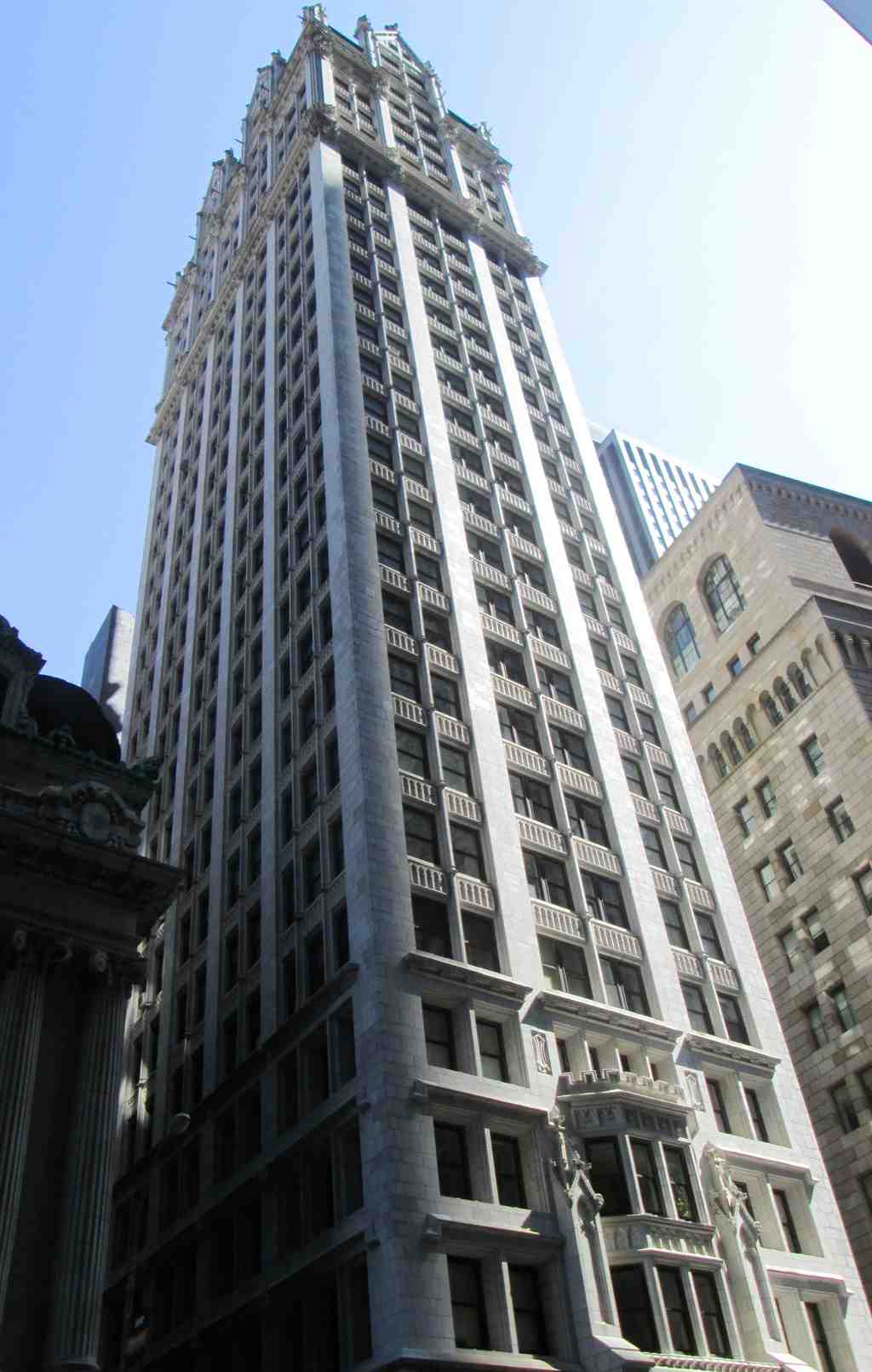
If you look upwards toward Nassau and Liberty Streets, you’ll spot a slender, bright white tower covered in intricate terracotta details-gargoyles, birds, and fanciful creatures…Czytaj więcejPokaż mniej
If you look upwards toward Nassau and Liberty Streets, you’ll spot a slender, bright white tower covered in intricate terracotta details-gargoyles, birds, and fanciful creatures guarding a Gothic crown high above the clustered Financial District. Here you are, right at the foot of the Liberty Tower. It rises like a storybook castle, squeezed into a tiny plot but stretching a dizzying 33 stories above these bustling streets, its white terracotta gleaming in the sun-no matter how crowded the city feels, this building dares you to look up and catch its ambitious personality. Imagine the year is 1910: suffocating with excitement and the steam of progress, Manhattan is booming. Henry Ives Cobb, an architect with wild ideas from Chicago and Paris, is hired to craft something bold, something that almost pokes the clouds-he chooses English Gothic. Not for a cathedral, but for an unapologetic office tower, clad from foot to rooftop in terracotta. Over 3,000 blocks of it, filled with quirks and characters carved into the walls. You could search for hours spotting alligators and creatures peering down at you! What made the Liberty Tower extraordinary wasn’t just its lacework of ornament but its insane proportions. The floor area ratio was over 30 to 1, making it the slimmest skyscraper in the world when it was finished. The whole thing rises on a plot of land that’s just 5,200 square feet. Its foundations sink down a remarkable 94 feet, built into soggy, treacherous ground with caissons so deep they were second only in the entire city. It was a gamble. The construction even triggered a series of mortgages, defaults, and legal struggles-nearly leaving the building unfinished before tenants even moved in. Inside, the marble lobby was once covered with lively murals-a tribute to the ambitions and fleeting youth of New York, and even the legendary William Cullen Bryant, whose “China Tower” newspaper office stood here before all this steel and terracotta. The tenants of Liberty Tower were fittingly ambitious: one of the first was the law office of Franklin D. Roosevelt, practicing here in his pre-presidential days, along with major insurance companies, brokers, and, rather secretly, German spies during the feverish days leading up to World War I. Then came Sinclair Oil, snapping up the entire building right after WWI. The place was buzzing with negotiations, and even the notorious Teapot Dome scandal was cooked up here-oil deals, bribery-a juicy slice of American history, played out in these narrow offices. When oil moved uptown, so did Sinclair, and the Rockefeller family took over before passing it through a carousel of owners. By the late 1970s, things were gloomy. The neighborhood was half-abandoned, and Liberty Tower stood almost empty-almost ready for a big sleep. Instead, Joseph Pell Lombardi stepped in, betting everything, with just $25,000 down, that New Yorkers would soon crave city living again. He stripped away the dusty cubicles and reimagined the place for homes, making this the Financial District’s first major office-to-residential conversion. It wasn’t easy-moving day for new residents meant raw, unfinished spaces and kitchens and bathrooms yet to be built. Still, the building sparked a trend, inviting life back into this part of the city. Of course, Liberty Tower has endured more than its share of trouble: battered by the collapse of the World Trade Center nearby in 2001, followed by years of costly repairs-residents pitched in to restore thousands of terracotta sculptures on its ornate exterior. But time and again it’s survived, returned, and now stands tall, crowned and proud, as both a city landmark and a symbol of rebirth-one that hides wild stories and wild creatures in plain sight, still keeping watch from its Gothic perch. As the traffic rushes by, pause and let your mind fill those old offices with the ambitions, secrets, and dramas of a century of New Yorkers. Fascinated by the site, architecture or the critical reception? Let's chat about it
Otwórz dedykowaną stronę →
Najczęściej zadawane pytania
Jak rozpocząć trasę?
Po zakupie pobierz aplikację AudaTours i wpisz kod realizacji. Trasa będzie gotowa do natychmiastowego rozpoczęcia – po prostu dotknij \"Play\" i podążaj trasą z nawigacją GPS.
Czy potrzebuję internetu podczas trasy?
Nie! Pobierz trasę przed rozpoczęciem i korzystaj z niej w pełni offline. Jedynie funkcja czatu wymaga internetu. Zalecamy pobieranie przez WiFi, aby oszczędzać dane mobilne.
Czy to wycieczka grupowa z przewodnikiem?
Nie – to samodzielny audioprzewodnik. Zwiedzasz niezależnie, we własnym tempie, z narracją audio odtwarzaną przez telefon. Bez przewodnika, bez grupy, bez harmonogramu.
Ile trwa trasa?
Większość tras zajmuje 60–90 minut, ale to Ty kontrolujesz tempo. Wstrzymuj, pomijaj przystanki lub rób przerwy, kiedy chcesz.
Co jeśli nie zdążę ukończyć trasy dzisiaj?
Żaden problem! Trasy mają dożywotni dostęp. Wstrzymaj i wznów, kiedy chcesz – jutro, za tydzień lub za rok. Twój postęp jest zapisywany.
W jakich językach są dostępne trasy?
Wszystkie trasy są dostępne w ponad 50 językach. Wybierz preferowany język podczas realizacji kodu. Uwaga: języka nie można zmienić po wygenerowaniu trasy.
Gdzie znajdę trasę po zakupie?
Pobierz darmową aplikację AudaTours z App Store lub Google Play. Wpisz kod realizacji (wysłany e-mailem), a trasa pojawi się w Twojej bibliotece, gotowa do pobrania i rozpoczęcia.
Jeśli trasa Ci się nie spodoba, zwrócimy Ci pieniądze. Skontaktuj się z nami pod adresem [email protected]
Bezpieczna płatność przez 


