
Wycieczka audio po Nowym Jorku: Niezłomność i pamięć w Dzielnicy Finansowej
Pojedyncza stalowa belka wznosi się ponad panoramę miasta, szepcząc o rozbitym szkle i cichych bohaterach. Dzielnica Finansowa Nowego Jorku kryje pod lśniącymi wieżowcami i tętniącymi życiem ulicami wieki zmagań i niezłomności. Włącz audioprzewodnik do samodzielnego zwiedzania, który ożywi sekrety Wall Street. Wędruj tam, gdzie powstawały i przepadały fortuny, gdzie historia toczy się tuż pod twoimi stopami, czekając na odkrycie. Jaki tajny kod ukryto na szczycie Liberty Tower po tragedii? Jaki niewyjaśniony artefakt leży pod Narodowym Miejscem Pamięci i Muzeum 11 Września, wprawiając w zakłopotanie nawet ekspertów? Dlaczego tajemniczy osobisty spór w małej pobliskiej uliczce na zawsze zmienił światowe finanse? Przemierzaj kaniony ze szkła i kamienia. Przeżyj na nowo epickie bitwy, echa protestów i nocne wyznania, które rozgrywają się tam, gdzie stoisz. Poczuj, jak puls miasta przyspiesza pod twoimi krokami, a jego ukryte historie odsłaniają się na każdym zakręcie. Naciśnij odtwarzanie i odkryj nieznane serce Nowego Jorku.
Podgląd trasy
O tej trasie
- scheduleCzas trwania 30–50 minsIdź we własnym tempie
- straighten0.5 km trasy pieszejPodążaj wyznaczoną trasą
- location_onLokalizacjaNowy Jork, Stany Zjednoczone
- wifi_offDziała offlinePobierz raz, korzystaj gdziekolwiek
- all_inclusiveDożywotni dostępOdtwarzaj ponownie w dowolnym momencie
- location_onStart przy Liberty Tower
Przystanki na tej trasie
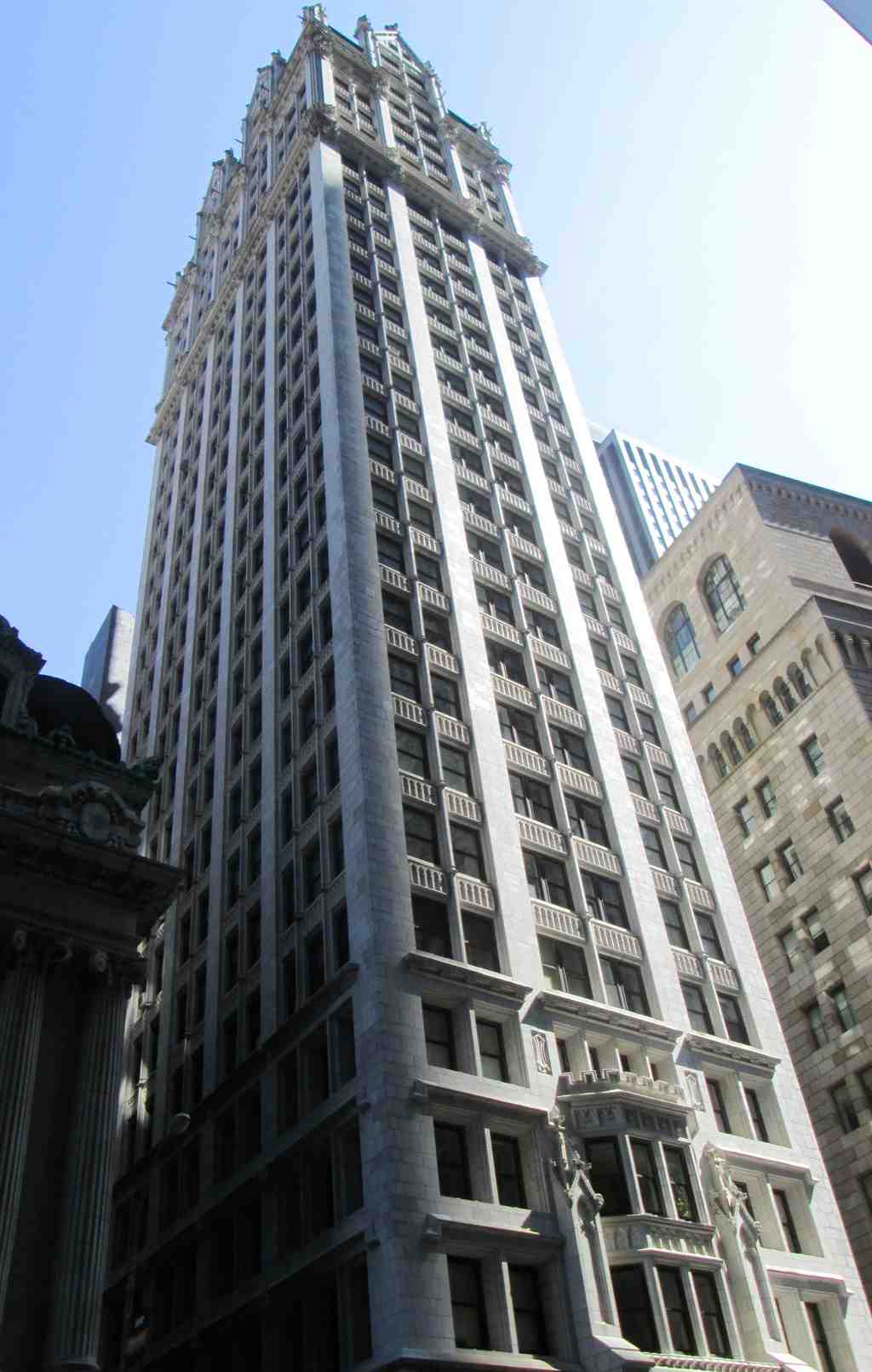
Look up and ahead for a strikingly slender, bright white tower adorned with intricate Gothic details, rising above you near the corner of Liberty Street and Nassau Street. As you…Czytaj więcejPokaż mniej
Look up and ahead for a strikingly slender, bright white tower adorned with intricate Gothic details, rising above you near the corner of Liberty Street and Nassau Street. As you stand here, pausing in the shadows at the feet of the Liberty Tower, let your eyes trace its narrow frame all the way up-a proud column of white terracotta thrusting skyward, its pinnacles and ornate gargoyles watching the city below. Imagine the echo of hammers and the clang of steel from more than a century ago, when in 1909 the streets here bustled with horse carts, early automobiles, and restless, boot-clad workers. This building, now serene in its elegance, rose unexpectedly from a wedge-shaped site that once housed the headquarters of the New York Evening Post, known then as the Bryant Building, named for poet and journalist William Cullen Bryant. Liberty Tower was a vision spawned by a group of St. Louis investors, who hired Henry Ives Cobb, a distinguished architect, to design an office building like no other-tall, impossibly slender, and clad in a skin of creamy, white terracotta alive with birds, alligators, and mythic creatures. Imagine Cobb himself, inspired by Gothic cathedrals, determined to craft a tower filled with drama: a solid base, a soaring shaft, and turrets that crown the top. In 1910, it was said to be the world’s tallest building for such a small footprint-a feat that made seasoned New York developers gasp in surprise. The building's foundation, sunk deeper than almost any other in the city, rested on an elaborate maze of caissons plunging through quicksand to the lasting bedrock far below your feet. It was in these offices, lit by the glow of gas lamps and the hum of early electricity, that a young Franklin Delano Roosevelt began his law career, unaware that destiny was already stirring outside on Nassau Street. Tenants came and went-lawyers, surety companies, ambitious financiers-but just when the tower should have celebrated prosperity, a string of financial crises haunted its halls. Developers defaulted, loans were called in, and court cases passed through its marble entrance, while the city outside wrestled with its own growing pains. For a time, this was the Sinclair Oil Building, its new owner Harry Sinclair striking deals in boardrooms high above the rumble of the street-some deals innocent, others shrouded in the secrets that led to national scandal: the infamous Teapot Dome. The tower’s walls even became a backdrop for international intrigue, as German spies quietly rented offices here in 1917, hoping to sway the tides of war, until the mysterious Zimmermann Telegram was intercepted and exposed, tilting America toward the battlefields of World War I. Years passed. Ownership changed hands repeatedly. By the late 1970s, the once-glamorous skyscraper fell silent, nearly forgotten and two-thirds empty while the Financial District’s fortunes ebbed. Then, a new chapter: Joseph Pell Lombardi, a visionary architect, saw beauty where others saw only faded grandeur. He rescued the tower and, brick by brick, room by room, began a bold transformation-from offices to homes. In a neighborhood once ruled by commerce, Liberty Tower became one of downtown’s first residential high-rises. Its 86 co-op apartments drew artists and urban pioneers alike, the city’s pulse beating a little stronger in these historic walls. Still, hardship lingered. When the World Trade Center collapsed just blocks away on September 11, 2001, the Liberty Tower suffered wounds: shattered terracotta, leaking water, and silent, hidden steel rusting beneath its skin. Residents banded together once more, investing millions to restore its sparkle and keep its old magic alive. Now look up again, and consider this: the Liberty Tower is not just a building, it is the sum of a thousand stories-each one whispered in the rush of the wind high above Liberty Street, each one a testament to the resilience of this extraordinary city. Fascinated by the site, architecture or the critical reception? Let's chat about it
Otwórz dedykowaną stronę →
Najczęściej zadawane pytania
Jak rozpocząć trasę?
Po zakupie pobierz aplikację AudaTours i wpisz kod realizacji. Trasa będzie gotowa do natychmiastowego rozpoczęcia – po prostu dotknij \"Play\" i podążaj trasą z nawigacją GPS.
Czy potrzebuję internetu podczas trasy?
Nie! Pobierz trasę przed rozpoczęciem i korzystaj z niej w pełni offline. Jedynie funkcja czatu wymaga internetu. Zalecamy pobieranie przez WiFi, aby oszczędzać dane mobilne.
Czy to wycieczka grupowa z przewodnikiem?
Nie – to samodzielny audioprzewodnik. Zwiedzasz niezależnie, we własnym tempie, z narracją audio odtwarzaną przez telefon. Bez przewodnika, bez grupy, bez harmonogramu.
Ile trwa trasa?
Większość tras zajmuje 60–90 minut, ale to Ty kontrolujesz tempo. Wstrzymuj, pomijaj przystanki lub rób przerwy, kiedy chcesz.
Co jeśli nie zdążę ukończyć trasy dzisiaj?
Żaden problem! Trasy mają dożywotni dostęp. Wstrzymaj i wznów, kiedy chcesz – jutro, za tydzień lub za rok. Twój postęp jest zapisywany.
W jakich językach są dostępne trasy?
Wszystkie trasy są dostępne w ponad 50 językach. Wybierz preferowany język podczas realizacji kodu. Uwaga: języka nie można zmienić po wygenerowaniu trasy.
Gdzie znajdę trasę po zakupie?
Pobierz darmową aplikację AudaTours z App Store lub Google Play. Wpisz kod realizacji (wysłany e-mailem), a trasa pojawi się w Twojej bibliotece, gotowa do pobrania i rozpoczęcia.
Jeśli trasa Ci się nie spodoba, zwrócimy Ci pieniądze. Skontaktuj się z nami pod adresem [email protected]
Bezpieczna płatność przez 


