

Wycieczka audio po Decatur: Mosty rzeczne, echa opery i historyczne perełki
Krwistoczerwony odcisk dłoni na ścianach Starego Banku Stanowego (Old State Bank) świadczy o niepokojach ukrytych za spokojnymi ulicami Decatur. Ta wycieczka audio z przewodnikiem odsłania kurtynę, prowadząc w głąb historii i zakamarków, które przeoczają nawet wieloletni mieszkańcy. Jaka tajna wiadomość wstrzymała naród na schodach domu Rhea–McEntire? Kto przemycał zakazany ładunek przez mgliste zakola portu w Decatur? Dlaczego jedna noc w zapomnianym salonie pozostawiła blizny, które kształtowały politykę miasta przez dziesięciolecia? Krocząc od wielkich kolumn do zacienionych brzegów rzeki, poczuj puls potyczek, intryg i szeptanych układów pod stopami. Każdy przystanek otwiera dramatyczny rozdział – od starć wojny secesyjnej i szeptów rebeliantów po zaginione fortuny – ukazując Decatur w naglącym, kinowym szczególe. Jeśli myślałeś, że Decatur jest ciche, naciśnij odtwarzanie i pozwól, by jego nieopowiedziane historie wciągnęły cię w opowieść. Sekrety miasta czekają tuż za rogiem.
Podgląd trasy
O tej trasie
- scheduleCzas trwania 30–50 minsIdź we własnym tempie
- straighten4.2 km trasy pieszejPodążaj wyznaczoną trasą
- location_onLokalizacjaDecatur, Stany Zjednoczone
- wifi_offDziała offlinePobierz raz, korzystaj gdziekolwiek
- all_inclusiveDożywotni dostępOdtwarzaj ponownie w dowolnym momencie
- location_onStart przy Teatr Princess
Przystanki na tej trasie
Look for a big, square, three-story building with a grand archway entrance and a mix of tan and red brick-it's right on the corner ahead, standing out from the smaller buildings…Czytaj więcejPokaż mniej
Look for a big, square, three-story building with a grand archway entrance and a mix of tan and red brick-it's right on the corner ahead, standing out from the smaller buildings around it. You’re now face-to-face with the magnificent Cotaco Opera House, Alabama’s very first opera house, built when Decatur was the largest city in North Alabama. Imagine it’s 1889: the streets are dusty, horses clop by, and there’s a feverish excitement in the air-a brand-new theater is about to open! Back then, Decatur wasn’t just a sleepy Southern town, but a bustling hub outgrowing Huntsville. The city craved music, art, and a grand stage for laughter and drama, so the Cotaco Opera House Company swooped in and built this beauty right where you're standing, stretching all the way from Johnston Street down to 1st Avenue. This wasn’t just a building, it was a symbol-showcasing Decatur’s ambition and its love for the arts. The opera house wore many hats over time, later becoming known as the Masonic Building, sheltering secret meetings and big dreams. Now, as the wind whistles down the street, picture the crowds of elegantly dressed locals, ready for a night out-maybe even a bit anxious to bump into the mayor or see the latest star. The Cotaco Opera House hasn’t just witnessed history, it’s hosted it, right here in downtown Decatur.
Otwórz dedykowaną stronę →In front of you, you'll see a row of charming old brick and stucco buildings, lining both sides of the street with big windows and fancy roof shapes, just look for the old-timey…Czytaj więcejPokaż mniej
In front of you, you'll see a row of charming old brick and stucco buildings, lining both sides of the street with big windows and fancy roof shapes, just look for the old-timey storefronts on your left as you stroll down Bank Street. Picture this street nearly 200 years ago, when Decatur was the proud choice over Huntsville for the northern branch of the state bank-quite the underdog story! This spot quickly became the buzzing center of the town, as riverboats, wagons, and trains all rumbled together right here, bringing travelers, traders, and a whole lot of noise. That busy crossroads made Bank Street so important, but also a bit of a magnet for chaos. During the Civil War, Decatur was almost destroyed-yet, despite the explosions and fires, a few stubborn buildings managed to survive (although not on this street, with its... less lucky history). Just when things were being rebuilt after the war, a fire in 1877 wiped out most of Bank Street. When rebuilding began, they swapped wood for brick, bringing in the fancy Italianate, Victorian, and Commercial-style architecture you see today. Here, the houses remained cozy and modest, with a dash of Victorian and a sprinkle of Craftsman, echoing the simple warmth of the people who built them. Thanks to all its twists and turns, Bank Street was listed on the National Register of Historic Places, so every brick tells a tale-some even with a little scorch mark or two!
Otwórz dedykowaną stronę →


Pokaż jeszcze 7 przystankówPokaż mniej przystankówexpand_moreexpand_less
You’re looking for a grand brick building with five massive stone columns out front-just glance ahead for those towering limestone pillars, they’re hard to miss against the bright…Czytaj więcejPokaż mniej
You’re looking for a grand brick building with five massive stone columns out front-just glance ahead for those towering limestone pillars, they’re hard to miss against the bright Alabama sky. So, right in front of you stands the Old State Bank, a true survivor with more plot twists than a soap opera. Its story starts way back in 1833, when the doors first swung open for business. Picture this spot bustling with folks in old-timey clothes, coins clinking, and maybe a few mustaches you’d envy today. The design is straight out of Thomas Jefferson’s brain, borrowing styles from Roman temples-you know, just your average bank trying to look like it could host a meeting of Greek gods. The columns alone weigh up to 150 tons, and rumor has it, they’re stubborn enough to outlast a tornado. But, alas, banking dreams went sour and debts heaped up, so the franchise was yanked! This mighty building was left empty-until the 1860s, when the Civil War came storming through Decatur. As bullets flew outside, the Old State Bank became a Union headquarters and a hospital. Imagine wounded soldiers being rushed inside, footsteps echoing off marble floors, all while the chaos of battle thundered just yards away. Miraculously, it survived, while most of Decatur did not. Later, it served up another round of banking in the 1880s, then became someone’s home, office, and, eventually, a preservation project. Through careful restorations and a 175th birthday bash in 2008, this place has seen more costume changes than your favorite movie star. So take a moment and let the story of resilience soak in-the Old State Bank isn’t just a building, it’s the heart of Decatur’s wild adventures across the centuries!
Otwórz dedykowaną stronę →To spot the Dancy-Polk House, just look for a grand, white, two-story house with a double balcony and a row of classic columns on the porch, nestled right behind a white picket…Czytaj więcejPokaż mniej
To spot the Dancy-Polk House, just look for a grand, white, two-story house with a double balcony and a row of classic columns on the porch, nestled right behind a white picket fence and plenty of green bushes right in front of you. Now, while you stand in front of this elegant slice of Southern history, picture the year 1829: the paint is fresh, the wood is crisp, and the only thing louder than the cicadas are the stories whispered in the halls. Colonel William Francis Dancy, an ambitious settler from Virginia, built this house in the Georgian style he loved-the very same one that now stands as Decatur’s oldest surviving building! Imagine the hush and nervous bustle as the Civil War rumbled by; only this house and three others managed to dodge the flames and chaos that swept through. The Dancy-Polk House could easily have disappeared from history if luck hadn’t been on its side. Even old Colonel Dancy skipped town for Louisiana, but his stately columns still greet everyone who passes. This house stands with heroic pride, quietly soaking in everything from war to weddings, earning a spot on the Alabama Register of Landmarks and Heritage in 1978, then catching national attention in 1980. Not bad for a home that’s really seen it all-except maybe a modern vacuum cleaner.
Otwórz dedykowaną stronę →Right ahead, you’ll see two homes-one with a deep porch shaded by low trees, and the other standing taller with cheerful red awnings and a wide, welcoming front porch; this is…Czytaj więcejPokaż mniej
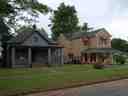
Right ahead, you’ll see two homes-one with a deep porch shaded by low trees, and the other standing taller with cheerful red awnings and a wide, welcoming front porch; this is right within the heart of the East Old Town Historic District. Imagine wandering these blocks over a century ago-horse-drawn carriages would rumble past, while neighbors exchanged the latest news from their stoops. The district stretches from NW Church Street to NW Wilson Street and fills 30 whole acres with 37 proud, old buildings. Each house here has its own personality, whether sporting the proud columns of Greek Revival style or the craftsman’s touch of sturdy bungalows. As you stroll by, picture yourself admiring the handiwork of builders who took pride in every hand-carved banister and every artfully sloping roof. The funny thing is, some houses seem serious and stately, while others look like they’re ready for a porch party on a Saturday night. That’s the magic-layer upon layer of stories packed into these cozy lots, ties to families and eras long gone. And yet, as you admire these porches and lawns, you’re walking the very same paths they did, sharing in their everyday joys and the occasional minor drama-like the time Mr. Jenkins lost his hat and insisted a possum stole it!
Otwórz dedykowaną stronę →Take a good look at the stately Rhea-McEntire House in front of you. Picture it: the year is somewhere before 1836, and the walls are so new you can practically smell the…Czytaj więcejPokaż mniej
Take a good look at the stately Rhea-McEntire House in front of you. Picture it: the year is somewhere before 1836, and the walls are so new you can practically smell the fresh-cut wood. The Tennessee River sparkles just to your side, and if you listen closely, you might still catch whispers of secret meetings and clinking glasses echoing from long ago. During the Civil War, the house played musical chairs with both Union and Confederate generals using it as their headquarters. Now, local legend claims the mighty Battle of Shiloh was masterminded right here. But, as much as the house likes to brag, official records tell us otherwise - General Johnston actually ran his war plans across the railroad tracks at the McCartney Hotel, not this lovely mansion. Sorry, house, not every story makes the history books! Still, the drama around here was very real. Unlike many homes in Decatur flattened for battlefield visibility, this mansion survived because it sat inside the ring of defenses built by Union soldiers in 1864. While cannons thundered in the distance, homes beyond the Union lines vanished, but the Burleson House - as it was called then - stood tall and proud. Dr. Aaron Adair Burleson, the railroad man turned Confederate doctor, lived here during the war. This house has worn many hats: Union and Confederate HQ, a railroad president’s home, a stopover for travelers as a boarding house, and even Morgan County’s temporary courthouse. Over the years, it welcomed everyone from Illinois Union vets to Southern families. If only these grand columns could talk! Finally, in 1937, the Historic American Buildings Survey came to capture this grand old survivor in large-format photos. If you get a chill up your spine here, don’t worry - maybe it’s the breeze off the river... or just the home’s way of holding tight to its wild, wonderful past.
Otwórz dedykowaną stronę →Right in front of you, you’ll spot tall silver storage silos and cranes jutting up beside the calm waters of the Tennessee River-just follow the riverside and look for those giant…Czytaj więcejPokaż mniej
Right in front of you, you’ll spot tall silver storage silos and cranes jutting up beside the calm waters of the Tennessee River-just follow the riverside and look for those giant metal cylinders! Welcome to the beating heart of Decatur’s industrial scene: the Port of Decatur! Since 1971, this busy spot has been where barges, trains, and trucks play a high-stakes game of cargo shuffle, switching grain, sand, asphalt, and steel piping almost faster than you can say “intermodal transfer.” Imagine the constant hum and clang of machinery as cranes load and unload giant bulk cargo--while railcars and trucks rumble in and out, practically waving at the passing river barges. With twelve acres of open storage and room for all sorts of industrial goods, the port even dabbled in poultry feed when Golden Kist started sending in feed by the ton. If you catch a whiff of strange smells, just blame the fertilizer or maybe coal. Most goods come in, but oddly, most barges leave empty, since it’s faster to send products out via trains or highways. Still, the port sits connected to two major railroads and highways, making it sort of the ultimate team player in the shipping world. Imagine loading your barge here-the trip to New Orleans takes two weeks, so bring snacks!
Otwórz dedykowaną stronę →Straight ahead, you’ll see a towering black metal bridge with a tall central section that looks like it could rise up out of the river at any moment-it’s hard to miss with its…Czytaj więcejPokaż mniej
Straight ahead, you’ll see a towering black metal bridge with a tall central section that looks like it could rise up out of the river at any moment-it’s hard to miss with its dramatic ironwork stretching right across the water. Now, pause for a second and imagine yourself not in today’s modern Decatur, but way back in the 1850s. Back then, the only way across this wide, rushing river might’ve involved a bumpy ride on a train ferry, creaking with every wave. Then, the age of iron beasts arrived-a railroad bridge rose right here, forever changing how people and goods moved between Morgan and Limestone Counties. This bridge didn’t just shorten journeys, it knitted together entire regions, letting trains thunder straight from tiny Sheffield to Chattanooga, and even from Birmingham to Nashville. Even today, the mighty Norfolk Southern runs the show, but you might spot trains from CSX rolling through as well-talk about sharing the track! The bridge isn’t just for show; it’s vital for the Port of Decatur, helping local industries ship their stuff far and wide. Next time a train rattles across or that lift section creaks upward for a river barge squeezing by, give a wave-you’re staring at a link that’s kept Alabama on the move for over 160 years. And all that without a single train whistle telling jokes.
Otwórz dedykowaną stronę →





Najczęściej zadawane pytania
Jak rozpocząć trasę?
Po zakupie pobierz aplikację AudaTours i wpisz kod realizacji. Trasa będzie gotowa do natychmiastowego rozpoczęcia – po prostu dotknij \"Play\" i podążaj trasą z nawigacją GPS.
Czy potrzebuję internetu podczas trasy?
Nie! Pobierz trasę przed rozpoczęciem i korzystaj z niej w pełni offline. Jedynie funkcja czatu wymaga internetu. Zalecamy pobieranie przez WiFi, aby oszczędzać dane mobilne.
Czy to wycieczka grupowa z przewodnikiem?
Nie – to samodzielny audioprzewodnik. Zwiedzasz niezależnie, we własnym tempie, z narracją audio odtwarzaną przez telefon. Bez przewodnika, bez grupy, bez harmonogramu.
Ile trwa trasa?
Większość tras zajmuje 60–90 minut, ale to Ty kontrolujesz tempo. Wstrzymuj, pomijaj przystanki lub rób przerwy, kiedy chcesz.
Co jeśli nie zdążę ukończyć trasy dzisiaj?
Żaden problem! Trasy mają dożywotni dostęp. Wstrzymaj i wznów, kiedy chcesz – jutro, za tydzień lub za rok. Twój postęp jest zapisywany.
W jakich językach są dostępne trasy?
Wszystkie trasy są dostępne w ponad 50 językach. Wybierz preferowany język podczas realizacji kodu. Uwaga: języka nie można zmienić po wygenerowaniu trasy.
Gdzie znajdę trasę po zakupie?
Pobierz darmową aplikację AudaTours z App Store lub Google Play. Wpisz kod realizacji (wysłany e-mailem), a trasa pojawi się w Twojej bibliotece, gotowa do pobrania i rozpoczęcia.
Jeśli trasa Ci się nie spodoba, zwrócimy Ci pieniądze. Skontaktuj się z nami pod adresem [email protected]
Bezpieczna płatność przez 


