
50+ języków

 Bradford · Wielka Brytania
 Audioprzewodniki po Bradford
Odkryj Bradford z samodzielnymi pieszymi audioprzewodnikami
headphones
1 tras
pin_drop
20 zabytków
translate
Najważniejsze zabytki
Bradford, które każdy zna.
Zabytki z każdego przewodnika — i trasy, które powiedzą Ci to, czego przewodniki nie mówią.
Kilka słów o Bradford
The wool capital of the world, and the world's first UNESCO City of Film
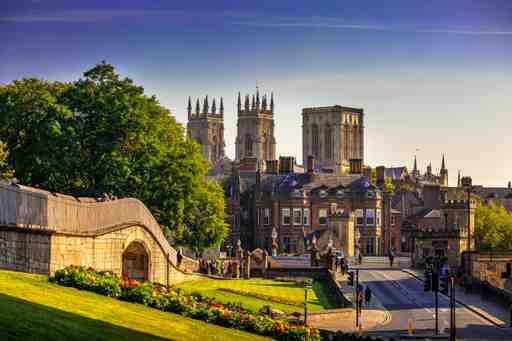
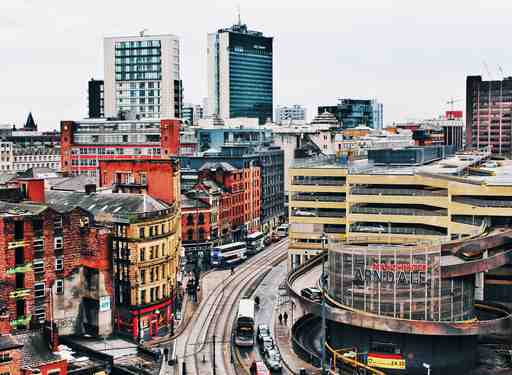
Bradford was producing around two-thirds of the United Kingdom's woollen textiles by the mid-19th century, a fact so improbable it requires context. In 1800 it was a small market town. By 1850 it had 70 mills and 100,000 inhabitants, having transformed itself faster than almost any city in Britain through access to local coal, soft water, and the ambitions of the mill owners who built the Wool Exchange on Market Street in 1867. The Wool Exchange, now occupied by a Waterstones bookshop, is one of the finest Victorian commercial buildings in the north of England, with an interior that still reads clearly as a space designed for serious trade.
Little Germany, a neighborhood of streets between Hall Ings and East Parade, takes its name from the German-Jewish merchants who arrived in the 1850s to deal in Bradford's textiles.
They built more than 50 warehouses and commercial buildings in Italianate and Flemish Revival styles that together form one of the most architecturally coherent Victorian commercial quarters in England. The whole area is listed, largely intact, and largely overlooked by visitors who have not been told to look for it.
Bradford
Bradford FAQ
Before you walk.
Każda trasa po Bradford, w Twoim języku.
Wszystkie 50+ języków w cenie każdej rezerwacji.
🇬🇧 English🇫🇷 Français🇪🇸 Español🇩🇪 Deutsch🇮🇹 Italiano🇯🇵 日本語🇨🇳 中文🇰🇷 한국어+ 41 więcej
star AudaTours Unlimited
Odwiedzasz więcej niż jedno miasto? Subskrybuj.
Odblokuj wszystkie trasy w Bradford — i tysiące więcej na całym świecie. Anuluj w dowolnym momencie.
$4.99/tydzień · Anuluj w dowolnym momencie

Więcej w Wielka Brytania
Odkryj Wielka Brytania arrow_forwardInne miasta do zwiedzenia w Wielka Brytania.

Uwielbiany przez podróżników na całym świecieTysiące rozpoczętych tras.
Tysiące rozpoczętych tras.
Mnóstwo opinii.
4.8 w App Store i Google Play. Oto kilka, do których wracamy.
starstarstarstarstar
Ta trasa była świetnym sposobem na poznanie miasta. Historie były ciekawe, bez przesadnego scenariusza, i uwielbiałam możliwość zwiedzania we własnym tempie.

Jess
Trasa po Tbilisistarstarstarstarstar
To był solidny sposób na poznanie Brighton bez poczucia bycia turystą. Narracja miała głębię i kontekst, ale nie przesadzała.

Christoph
Trasa po Brightonstarstarstarstarstar
Zacząłem tę trasę z croissantem w jednej ręce i zerowymi oczekiwaniami. Aplikacja po prostu idzie z Tobą, bez presji, tylko Ty, Twoje słuchawki i fajne historie.

download Pobierz aplikację Słuchawki w uszach.


Słuchawki w uszach.
Wyjdź na zewnątrz.
Darmowe pobieranie. Trasy w każdym mieście. Zacznij w 60 sekund — bez konta, bez karty.

headphones
~ 4 min do startu pierwszej trasy
public
1000+ miast na świecie
all_inclusive
AudaTours
Unlimited
Każda trasa. Każde miasto. Jedna subskrypcja.
3096 tras2272 miast138 krajów50+ języków
$39 /rok
all_inclusive Odkryj Bez Limitu