
Wycieczka audio po Tunisie: Podróż przez duchowe serce Tunisu
Pod złotym słońcem Tunisu starożytne minarety przebijają niebo, które od wieków jest świadkiem intryg sułtanów i mrocznych rebelii. Poza gwarnym zgiełkiem Medyny kryje się miasto ukształtowane przez walkę o władzę i tajemnice – jeśli tylko wiesz, gdzie patrzeć. Ta wycieczka audio z przewodnikiem prowadzi prosto do serca Tunisu, odkrywając opowieści ukryte za wspaniałymi fasadami i w cichych zakątkach. Usłyszysz historie, których nie znajdziesz w przewodnikach, odkrywając warstwy zagubione w czasie. Który władca planował odłączenie się od imperium w ogrodach Meczetu Kasbah? Jaka ukryta wiadomość jest wyryta pod pasami grobowca Youssefa Deya? Dlaczego osmańscy władcy wybrali jedną małą uliczkę, by odmienić ją za pomocą wystawnego marmuru i kolorowych kafelków? Przechodź przez kamienne łuki i zacienione dziedzińce, podczas gdy dawne dynastie ożywają wokół ciebie. Krok po kroku obserwuj, jak Tunis zmienia się z olśniewającego targowiska w polityczną szachownicę – żywe miasto nieustannie wymyślane na nowo przez dramaty i oddanie. Rozpocznij swoją podróż już teraz i pozwól, by prawdziwe tajemnice Tunisu odsłaniały się na każdym kroku.
Podgląd trasy
O tej trasie
- scheduleCzas trwania 30–50 minsIdź we własnym tempie
- straighten2.4 km trasy pieszejPodążaj wyznaczoną trasą
- location_on
- wifi_offDziała offlinePobierz raz, korzystaj gdziekolwiek
- all_inclusiveDożywotni dostępOdtwarzaj ponownie w dowolnym momencie
- location_onStart przy Meczet Ksar
Przystanki na tej trasie
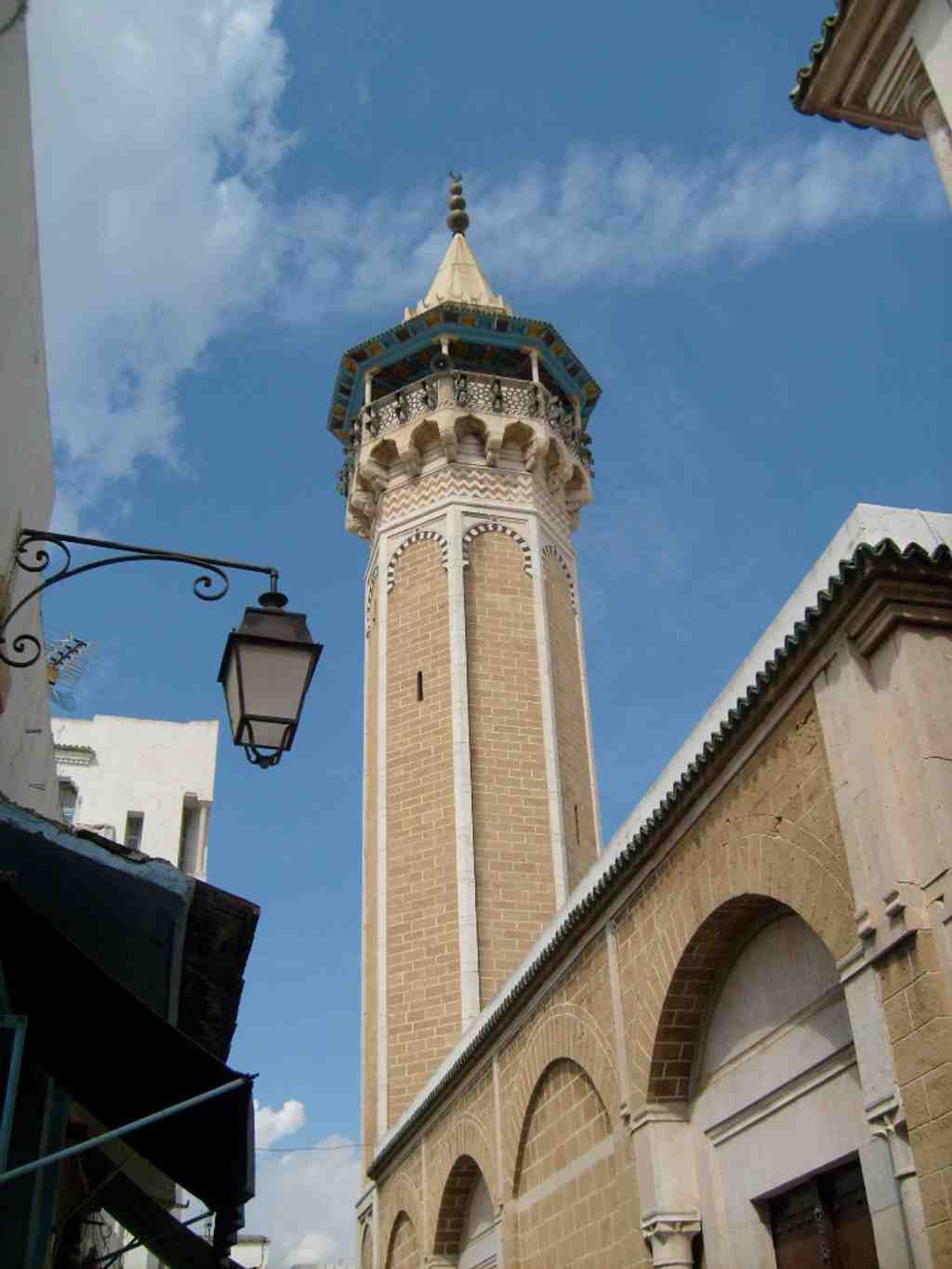
To spot the Ksar Mosque, look ahead for a tall, sandy-colored minaret decorated with a mosaic design and arched windows, rising above a row of large stone arches right where the…Czytaj więcejPokaż mniej
To spot the Ksar Mosque, look ahead for a tall, sandy-colored minaret decorated with a mosaic design and arched windows, rising above a row of large stone arches right where the street bends. Welcome to the first stop on our tour, the legendary Ksar Mosque! If you listen closely, you might almost hear the footsteps of travelers from nearly 1,000 years ago crossing these old stones. Picture Tunis back in the early 1100s-a bustling marketplace, merchants calling out their wares, and the desert wind swirling dust through narrow alleys. Right here, Ahmad ibn 'Abd al-'Aziz, the powerful leader of the Banu Khurasan, decided this was the perfect spot to build not just a mosque, but his very own palace too. Imagine strolling out of your home and popping next door to pray-talk about a convenient commute! And if you think “Ksar” sounds fancy, it’s because it literally means “palace” in Arabic. Generations passed, and in 1598, there was a twist-Ottoman rulers strutted into town in their grand coats and claimed the mosque for the Hanafi school of law. They were big fans of upgrades, so no surprise that the Ksar Mosque has had more facelifts than a movie star, with restorations happening through the centuries. The minaret, which now peers over you like a stone guardian, was rebuilt in the 17th century, covered lovingly with marble and Moorish tiles. Very snazzy for its time! Take a look at the arches on the eastern side-see those sweeping curves and horseshoe shapes? That’s the Fatimid style, designed to catch your eye. If you could step inside, you’d find yourself in a bright courtyard, surrounded by elegant columns. The prayer hall is topped by arches so graceful they almost feel like ancient music frozen in stone. And at the far end stands a mighty mihrab-a prayer niche so grand, you’d think it had a secret tunnel straight to the heavens. So as you stand here, give a little nod to the centuries of history and the many hands that shaped this beautiful place. Who knows, maybe you’ll spot a hint of those ancient palace walls winking at you from the shadows!
Otwórz dedykowaną stronę →Straight ahead, you’ll spot the Kasbah Mosque by its elegant square minaret rising above the greenery, with pale stone walls covered in intricate, diamond-patterned…Czytaj więcejPokaż mniej
Straight ahead, you’ll spot the Kasbah Mosque by its elegant square minaret rising above the greenery, with pale stone walls covered in intricate, diamond-patterned decorations-just look up above the garden-like trees and you can’t miss it! Alright, picture this: It’s the year 1230, and you’re standing in the heart of the Medina’s Kasbah district, where government secrets and royal plans swirl in the air-seriously, you might expect to see a sultan pace by at any moment! The man behind this remarkable mosque was Abu Zakariya Yahya, a ruler with ambition bigger than his beard. Just after boldly declaring his independence from the mighty Almohads, he decided that if you’re founding a Hafsid dynasty, you’d better have a mosque fit for a king-or at least for Friday prayers that would leave the neighbors gawking. Back then, the Kasbah bristled with government buildings, palace walls, and the relentless bustle of courtiers. Abu Zakariya wanted something that would announce his new power: enter master architect Ali ibn Muhammad ibn Qasim, whose crew set to work right here. Now imagine the clink of chisels on stone as they shaped the first great Friday mosque after the celebrated Al-Zaytuna. The minaret-yep, that regal column you’re eyeing-was finished in 1233 and though it resembles the famous Kasbah Mosque in Marrakesh, it’s uniquely Tunisian in its stonework. In the earliest days, whispers and prayers in the mosque were reserved for rulers and their officials-after all, why crowd your lovely new building with commoners when there’s royal business to do? But as power shifted and centuries passed, the mosque’s doors flung open to all for Friday prayers. Step (just in your imagination!) inside: marble columns, horseshoe arches, and a prayer hall deeper than it is wide-quite a rare sight for the time. Look up in your mind’s eye at the dome above the mihrab, a veritable stalactite cave of sculpted muqarnas. This decorative flourish was so unusual in Tunisia that it was almost like the Hafsids showing off their global taste. Time marched on and by 1584, the Ottomans did a little redecorating: out went the old wooden minbar, in came a sturdy stone one, echoing with each sermon. Today, the style of this minaret stretches its influence across Tunisia-think of it as the trendsetter of Tunisian skylines. So while you stand here, remember: you’re on sacred and historical ground, where every stone tells a tale of power, ingenuity, and a little architectural one-upmanship!
Otwórz dedykowaną stronę →
Pokaż jeszcze 5 przystankówPokaż mniej przystankówexpand_moreexpand_less
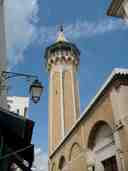
To spot the Hammouda Pacha Mosque, just look for the tall, octagon-shaped minaret with a pointy top and green tiles standing above the archways, right along Sidi Ben Arous…Czytaj więcejPokaż mniej
To spot the Hammouda Pacha Mosque, just look for the tall, octagon-shaped minaret with a pointy top and green tiles standing above the archways, right along Sidi Ben Arous street. Now, let’s take you back to the 1600s, when the Medina was buzzing with market sounds and the smell of spices filled the air. Picture a bold leader named Hammouda Bey, strutting through these very streets-not in sneakers, of course, but some pretty fancy shoes for his time. He decided the city needed something special, something awe-inspiring. So, in 1655, he built this mosque, making it only the second mosque in Tunis for the Hanafi community. It quickly became a shining star of Turkish architecture, breaking away from local styles with its dramatic octagonal minaret-imagine drawing eight perfect sides by hand, over 350 years ago! The mosque’s prayer hall is rectangular and filled with sunlight for serene moments of peace. Some say, when the muezzin calls out from that minaret, it echoes with the pride of Hammouda Bey himself. Close your eyes for a second-hear the prayers, feel the cool stone, and maybe try to picture just how grand it felt to walk into a mosque that changed the city skyline. All that, and you don’t even need to be a time traveler… just a good walker!
Otwórz dedykowaną stronę →To spot the Or Thora Synagogue, look ahead for a large, plain off-white building with a simple rectangular shape and a rounded dome on its roof, standing quietly next to a…Czytaj więcejPokaż mniej
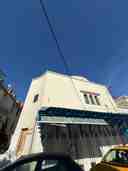
To spot the Or Thora Synagogue, look ahead for a large, plain off-white building with a simple rectangular shape and a rounded dome on its roof, standing quietly next to a cobblestone courtyard. Now, imagine yourself standing here almost a hundred years ago in the lively old city of Hara. It’s the early 1930s: the street is full of bustling footsteps, voices echoing in Hebrew and Arabic, while the sweet smell of bread drifts from nearby homes. Here rises the Or Thora Synagogue, proudly designed by Aimé Krief and Jean Sebag, its courtyard humming as neighbors gather before prayers. The building you see may seem simple, but oh, if these walls could talk! In 1957, even President Habib Bourguiba paid a visit, and I like to think the synagogue straightened its walls just a bit for such an important guest! But as time swept on and the world trembled through wars, sadness fell heavy here. In 1967, during the turmoil of the Six-Day War, many Jewish families left Tunis, their hearts heavy with memories-so many left that the joyous prayers inside faded to silence. The Torah scrolls were burned in a tragic moment, and the doors closed to daily worship. Yet, hope lingers! Today, you stand in front of a place waiting for a new chapter. Locals are working passionately to turn this former synagogue into a museum-a keeper of stories and a guardian of memory. So if you feel a whisper of history on the breeze, you’re not alone; the Or Thora is still dreaming of brighter days!
Otwórz dedykowaną stronę →To spot the Sidi Mahrez Mosque, just look for the cluster of smooth, white domes rising above the surrounding buildings like giant scoops of vanilla ice cream right in front of…Czytaj więcejPokaż mniej
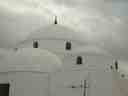
To spot the Sidi Mahrez Mosque, just look for the cluster of smooth, white domes rising above the surrounding buildings like giant scoops of vanilla ice cream right in front of you. Now, let the story unfold! Close your eyes for a second and imagine you’re standing in Tunis in the late 1600s, the air tinged with spices from the nearby souks. Suddenly, you see Mohamed Bey El Mouradi, son of a mighty ruler, gazing over this very spot. He decides to create something lasting-a grand mosque to honor Sidi Mahrez, the spiritual protector of the city. Now picture workers carefully placing shimmering tiles imported all the way from Iznik, Turkey, covering the mosque’s prayer wall and mighty pillars in a burst of color that would make even a peacock blush. The mosque’s design takes inspiration from the dazzling Sultan Ahmed II Mosque in Istanbul, and with its central dome surrounded by smaller ones at each corner, it’s like a puzzle of perfect geometry. But the real magic isn’t just in the stones or tiles-it’s in the centuries of stories that echo here. Over time, faithful visitors have whispered prayers, children raced past these white walls, and the community has seen joy, sorrow, and a whole lot of history. And, as a cherry on top, in the 1960s, the mosque had a makeover-proving that even 300-year-old buildings enjoy a little freshening up!
Otwórz dedykowaną stronę →To spot the Soubhan Allah Mosque, just look for the bright turquoise arched door and window framed by pale stone and whitewashed walls right in front of you-it’s hard to…Czytaj więcejPokaż mniej
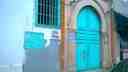
To spot the Soubhan Allah Mosque, just look for the bright turquoise arched door and window framed by pale stone and whitewashed walls right in front of you-it’s hard to miss! Now, take a deep breath and imagine stepping back to the year 1624. As you stand here, you might catch the scent of spices drifting from nearby market stalls, mixed with the salty breeze of the Mediterranean. The Soubhan Allah Mosque was born out of longing and hope-built by Andalusians who had fled Spain, their hearts heavy with memories but eager for a new beginning in Tunis. Imagine the clatter of tools as these newcomers, still learning their way around winding streets, shaped stone and wood with hands remembering distant hills and orange trees. With every tap of the hammer, there was a sense of nervous excitement-would their traditions survive here? As the first call to prayer echoed from this spot, the Andalusians’ voices joined those of Tunis, weaving stories of courage and faith into the city itself. The mosque's turquoise doors weren’t just painted to stand out-they were a secret handshake, a splash of brightness against uncertainty, a reminder that even far from home, you can still find refuge, laughter, and the feeling of wonder that you'll make it, even in a brand new world.
Otwórz dedykowaną stronę →
Najczęściej zadawane pytania
Jak rozpocząć trasę?
Po zakupie pobierz aplikację AudaTours i wpisz kod realizacji. Trasa będzie gotowa do natychmiastowego rozpoczęcia – po prostu dotknij \"Play\" i podążaj trasą z nawigacją GPS.
Czy potrzebuję internetu podczas trasy?
Nie! Pobierz trasę przed rozpoczęciem i korzystaj z niej w pełni offline. Jedynie funkcja czatu wymaga internetu. Zalecamy pobieranie przez WiFi, aby oszczędzać dane mobilne.
Czy to wycieczka grupowa z przewodnikiem?
Nie – to samodzielny audioprzewodnik. Zwiedzasz niezależnie, we własnym tempie, z narracją audio odtwarzaną przez telefon. Bez przewodnika, bez grupy, bez harmonogramu.
Ile trwa trasa?
Większość tras zajmuje 60–90 minut, ale to Ty kontrolujesz tempo. Wstrzymuj, pomijaj przystanki lub rób przerwy, kiedy chcesz.
Co jeśli nie zdążę ukończyć trasy dzisiaj?
Żaden problem! Trasy mają dożywotni dostęp. Wstrzymaj i wznów, kiedy chcesz – jutro, za tydzień lub za rok. Twój postęp jest zapisywany.
W jakich językach są dostępne trasy?
Wszystkie trasy są dostępne w ponad 50 językach. Wybierz preferowany język podczas realizacji kodu. Uwaga: języka nie można zmienić po wygenerowaniu trasy.
Gdzie znajdę trasę po zakupie?
Pobierz darmową aplikację AudaTours z App Store lub Google Play. Wpisz kod realizacji (wysłany e-mailem), a trasa pojawi się w Twojej bibliotece, gotowa do pobrania i rozpoczęcia.
Jeśli trasa Ci się nie spodoba, zwrócimy Ci pieniądze. Skontaktuj się z nami pod adresem [email protected]
Bezpieczna płatność przez 


