
50+ języków

 Oldenburg · Niemcy
 Audioprzewodniki po Oldenburg
Odkryj Oldenburg z samodzielnymi pieszymi audioprzewodnikami
headphones
4 tras
pin_drop
20 zabytków
translate
Najważniejsze zabytki
Oldenburg, które każdy zna.
Zabytki z każdego przewodnika — i trasy, które powiedzą Ci to, czego przewodniki nie mówią.
Kilka słów o Oldenburg
A market town that has been growing steadily since 1108.
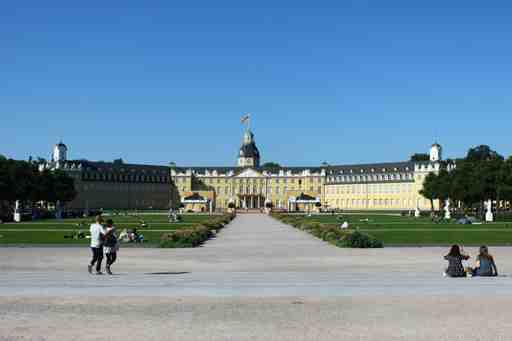
Oldenburg was first documented in 1108, when Count Elimar I held a ford on the Hunte River and the settlement that grew around it took his name. The counts of Oldenburg became kings of Denmark, then Norway, then Sweden, then Greece, across various dynastic complications over six centuries. The town itself, meanwhile, grew into a compact capital of a small state and accumulated the civic buildings that role requires: the Schloss, now a regional museum with a particularly good art collection, and the Staatstheater on Theaterwall, operating since 1833.
The Kramermarkt, the city's annual autumn fair, dates to the seventeenth century and runs for ten days in October.
The Schlossgarten, the formal garden behind the palace, is open year-round and is used by locals with a frequency that suggests they think of it as their own garden, which in some sense it is. St Lamberti Church, its tower visible from across the low flat country that surrounds Oldenburg, is the seat of the regional Lutheran church. The surrounding landscape is dairy country: eighty percent grassland, flat, and producing milk that goes into the northern German butter and cheese supply.
Oldenburg
Oldenburg FAQ
Before you walk.
Każda trasa po Oldenburg, w Twoim języku.
Wszystkie 50+ języków w cenie każdej rezerwacji.
🇬🇧 English🇫🇷 Français🇪🇸 Español🇩🇪 Deutsch🇮🇹 Italiano🇯🇵 日本語🇨🇳 中文🇰🇷 한국어+ 41 więcej
star AudaTours Unlimited
Odwiedzasz więcej niż jedno miasto? Subskrybuj.
Odblokuj wszystkie trasy w Oldenburg — i tysiące więcej na całym świecie. Anuluj w dowolnym momencie.
$4.99/tydzień · Anuluj w dowolnym momencie

Więcej w Niemcy
Odkryj Niemcy arrow_forwardInne miasta do zwiedzenia w Niemcy.


Uwielbiany przez podróżników na całym świecieTysiące rozpoczętych tras.
Tysiące rozpoczętych tras.
Mnóstwo opinii.
4.8 w App Store i Google Play. Oto kilka, do których wracamy.
starstarstarstarstar
Ta trasa była świetnym sposobem na poznanie miasta. Historie były ciekawe, bez przesadnego scenariusza, i uwielbiałam możliwość zwiedzania we własnym tempie.

Jess
Trasa po Tbilisistarstarstarstarstar
To był solidny sposób na poznanie Brighton bez poczucia bycia turystą. Narracja miała głębię i kontekst, ale nie przesadzała.

Christoph
Trasa po Brightonstarstarstarstarstar
Zacząłem tę trasę z croissantem w jednej ręce i zerowymi oczekiwaniami. Aplikacja po prostu idzie z Tobą, bez presji, tylko Ty, Twoje słuchawki i fajne historie.

download Pobierz aplikację Słuchawki w uszach.


Słuchawki w uszach.
Wyjdź na zewnątrz.
Darmowe pobieranie. Trasy w każdym mieście. Zacznij w 60 sekund — bez konta, bez karty.

headphones
~ 4 min do startu pierwszej trasy
public
1000+ miast na świecie
all_inclusive
AudaTours
Unlimited
Każda trasa. Każde miasto. Jedna subskrypcja.
3096 tras2272 miast138 krajów50+ języków
$39 /rok
all_inclusive Odkryj Bez Limitu