
Wycieczka audio po Nikozji: Podróż przez ponadczasowe cuda Nikozji
Pod spalonymi słońcem ulicami Nikozji, tuż poza zasięgiem wzroku, tętnią wieki walk o władzę i tajnych sojuszy. Ta wycieczka audio z przewodnikiem zaprasza do odkrycia historii ukrytych na widoku — od zapadających w pamięć łuków katedr po rynki zdobione mozaikami — jednocześnie omijając tłumy, aby doświadczyć miasta tak, jak niewielu to robi. Kto próbował zamknąć biskupów w meczecie Selimiye, wywołując zamieszki, które niemal spaliły serce Nikozji? Jakie dziwne rzeźby zwierząt wciąż czuwają nad Bedestenem, a ich znaczenie dawno zapomniano? Dlaczego ludzie ustawiali się kiedyś w kolejce do meczetu Haydar Paszy, mając nadzieję na pożyczenie szczęścia ze starożytnego grobowca? Wędruj od rozbrzmiewających echem kopuł do pachnących dziedzińców, śledząc wzloty i upadki królestw poprzez rzeźbione herby i zniszczone minarety. Każdy krok odsłania dramaty, zapomniane skandale i wirujące tajemnice wplecione w kamień i cień. Zrób pierwszy krok już teraz — i zobacz, jak głęboko sięgają korzenie legend Nikozji.
Podgląd trasy
O tej trasie
- scheduleCzas trwania 40–60 minsIdź we własnym tempie
- straighten2.7 km trasy pieszejPodążaj wyznaczoną trasą
- location_on
- wifi_offDziała offlinePobierz raz, korzystaj gdziekolwiek
- all_inclusiveDożywotni dostępOdtwarzaj ponownie w dowolnym momencie
- location_onStart przy Bedesten, Nikozja
Przystanki na tej trasie
To spot the Bedesten, look for a grand, stone building with a mix of arching Gothic windows, a large domed roof above, and a striking, ornately decorated entrance that faces the…Czytaj więcejPokaż mniej
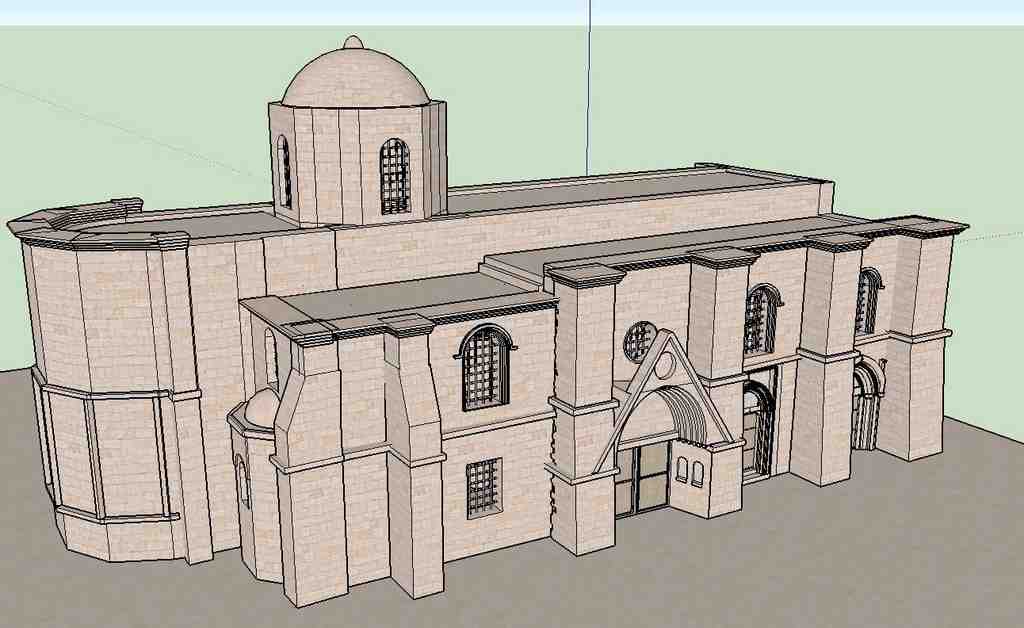
To spot the Bedesten, look for a grand, stone building with a mix of arching Gothic windows, a large domed roof above, and a striking, ornately decorated entrance that faces the arches in front of the Selimiye Mosque. Welcome to the Bedesten, one of Nicosia’s most mysterious and storied landmarks! Take a deep breath and let your imagination wander as you stand before these ancient stones. If these walls could talk, they’d probably say, “What took you so long?” Picture yourself here more than a thousand years ago, on a quiet morning, the air filled with the gentle ringing of church bells. The Bedesten began its journey as a humble Byzantine church in the sixth century, tucked into what would become Nicosia’s bustling heart. Back then, people came here to pray, to gather, and to catch up on all the latest sixth-century gossip-mostly about who had the shiniest sandals. With time, the church expanded, stones stacking up through the centuries, each layer whispering its own secrets. The story doesn’t stop there-far from it. Imagine the colorful banners of the Lusignan kings fluttering in the Mediterranean breeze as English monks arrived, bringing with them tales from distant lands. Some say these monks built a new Latin church right here after the fall of Acre, dedicating it to Saint Nicholas-a saint who, rumor has it, was the original gift-giver long before Santa Claus cornered the market. Not everyone agrees on this version (those medieval historians, always ready for a good debate), but the magic of the Bedesten lies in its many possibilities. Much like your favorite dinner recipe, the Bedesten has a bit of everything thrown into the mix. Over the centuries, got a little Gothic flavor added by the Lusignans, a sprinkle of Renaissance from the Venetians, and even a garnish of French and Spanish touches-just look at the mix of arches, domes, and animal statuettes above the entrance. If architecture could throw a party, this place would be the guest of honor. The best-dressed part? The north facade, where you're standing now, showing off coats of arms from old noble families and intricate stonework that’s more stylish than any Instagram filter. During Venetian rule, the air buzzed with even more excitement as the Bedesten became the home of the Orthodox metropolitan bishop and was dedicated to Mary as Panagia Hodegetria. Under the Ottomans, the story took another twist. Instead of hushed prayers, you’d hear the lively calls of market sellers. The Bedesten was transformed into a bustling covered market-the medieval version of your local shopping mall (just with more camel deliveries and fewer neon signs). Imagine the scents: rich spices, fresh textiles, and maybe a whiff of flour-because, yes, it later became a flour depot, storing grains straight from Kythrea. You could almost taste the bread baking in someone’s nearby oven. But the Bedesten’s life hasn’t always been easy. Fires, earthquakes, neglect, and even attempted buy-outs from eager British officials kept this landmark on its toes-like a character in a dramatic soap opera set in stone. In the 1930s, medieval tombstones from another mosque were brought in, adding a ghostly touch to the already mysterious atmosphere. I wonder if any of the ghosts ever swapped stone-based puns in the middle of the night. In recent years, the Bedesten was lovingly restored, cleaned, and straightened out by an international team, so it could breathe easier as a cultural center for the whole community. Weekly Sufi dancers whirl here, their movements a living link to centuries of tradition. Sometimes, the Bedesten even hosts a jazz festival-now, that’s what I call mixing ancient vibes with a modern groove. So as you stand outside this remarkable building, take a moment to look at the details: the carved coats of arms, the playful gargoyles, the sturdy arches that have seen generations come and go. Every stone here has a story, and you, my friend, are now part of it.
Otwórz dedykowaną stronę →To spot the Haydar Pasha Mosque, just look ahead for a striking stone building with tall, pointed Gothic arches and a single, slim minaret rising from its right side-it almost…Czytaj więcejPokaż mniej
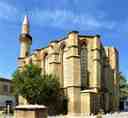
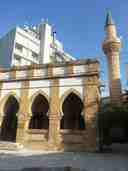
To spot the Haydar Pasha Mosque, just look ahead for a striking stone building with tall, pointed Gothic arches and a single, slim minaret rising from its right side-it almost looks like a castle with a wizard’s tower! Alright, take a good look at this awe-inspiring structure, because you’re standing in front of Nicosia’s next Gothic superstar! Imagine yourself in the 14th century: horses clopping by, traders chatting in dozens of languages, and right here, St. Catherine’s Church standing tall and proud, its great portal adorned with dramatic carvings and mysterious creatures. If you peek at the west door, you might spot the marble lintel with a rose tucked between two dragons-legend has it those dragons used to guard secrets even braver knights didn’t dare uncover. Fast forward to 1570, the Ottomans arrive, and with the swoosh of a scimitar and maybe a slightly loud conversion ceremony, this grand church becomes a mosque. Suddenly, voices rise in the call to prayer from that soaring minaret-today, it’s still belting out the Adhan and is the tallest minaret here after Ayia Sophia’s. The neighborhood elite-the “Lords”-used to flock here, giving it the nickname "Mosque of the Lords." Can you imagine the silk and velvet robes brushing by as they hurry in? There’s a spot near the right side, shrouded in its own quiet mystery, where St. Catherine’s tomb was believed to lie-once a favourite for Greek Cypriots lighting oil lamps, hoping for a bit of luck or a miracle. The outside is fierce but step inside now and you’ll sense cool air swirling around ribbed Gothic arches, and-if you look closely-faint colors hiding where the old paintings used to be. Every stone here whispers of history: weddings, prayers, secrets, and maybe the odd local cat seeking shelter on a rainy day. Today, under the watchful gaze of dragons and gargoyles, art exhibitions fill its halls, but the echo of centuries-church and mosque alike-lingers in every shadow and every ray of light that slips through those monumental windows.
Otwórz dedykowaną stronę →
Pokaż jeszcze 11 przystankówPokaż mniej przystankówexpand_moreexpand_less
To spot Laleli Mosque, look for its tall, pointed minaret peeking out from behind a high garden wall surrounded by swaying palm trees-just ahead of you, where the sunlight hits…Czytaj więcejPokaż mniej
To spot Laleli Mosque, look for its tall, pointed minaret peeking out from behind a high garden wall surrounded by swaying palm trees-just ahead of you, where the sunlight hits the sign that reads “Laleli Camii.” You’ve arrived at the dreamy Laleli Mosque, often called “the Mosque with Tulips”-and no, I’m afraid you won’t find a field of tulips here, but if you listen closely, you might just hear the rustling of palm fronds above you, hiding stories from centuries past. Close your eyes for a second. Imagine the 19th-century streets filled with the voices of children, the quiet presence of teachers, and the footsteps of worshippers, all beneath this Mediterranean sky. Long, long ago, before prayers echoed from these walls, this place was a small medieval chapel. The Ottomans turned it into a mosque, but back then, it didn’t even have a minaret-just a humble building tucked behind these high protective walls. Now here’s where the story gets interesting! One day, a powerful man named Ali Ruhi Efendi, the governor of Cyprus, decided the mosque needed a little bling, so in 1827 he funded the building’s transformation-adding a new ceiling, a narthex, and yes, finally, a minaret. The best part? The minaret used to shine with tulip designs, which gave this place its flowery name. But don’t let this tranquil garden fool you-things haven’t always been so peaceful or well-kept. Picture a tiny primary school right next door, bursting at the seams with 80 squirmy students, elbows clashing and chalk dust swirling through the air. When it rained, the ceiling might leak, and the neighbors pleaded for help. So, a clever builder named Nikolaki Kalla swooped in to save the day, adding an arch to make space for more kids. Sadly, the old school building eventually disappeared, but some of its memories linger, including a marble inscription now sitting in a museum. If you peek at the mosque’s plain rectangle structure, you’ll see it holds treasures: a painted mihrab adorned with flowers, a wooden women’s section up some creaky steps, and a fountain outside where Ali Ruhi Efendi’s mother is still honored in stone. Over the years, the mosque has seen repairs, new owners, and even a minaret swap! The old carved minaret was removed for safety in the late seventies, replaced with today’s much safer, if slightly less stylish, tower. So, breathe in the scent of the palm trees, listen for the splash of water in the courtyard fountain, and enjoy this little oasis filled with stories, flowers, and echoes of both prayers and playground games. What do you think-should we start a tulip garden to match the name?
Otwórz dedykowaną stronę →To spot Kumarcilar Han, look for a modest, golden-stone building with scalloped arch-like shapes along its roof, lattice windows, and a central arched doorway right in front of…Czytaj więcejPokaż mniej
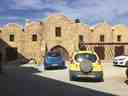
To spot Kumarcilar Han, look for a modest, golden-stone building with scalloped arch-like shapes along its roof, lattice windows, and a central arched doorway right in front of you. Welcome to Kumarcilar Han, or as some call it, the Gambler’s Inn - though don’t worry, the only thing you might risk here these days is your diet with all the delicious treats inside! Imagine yourself centuries ago: the air is thick with the smell of hay and spices, travelers shuffle through the old wooden door, leading their weary animals to the stables on the ground floor, while merchants and musicians chat and barter in a mix of languages above. Back then, this two-story caravansarai wasn’t just a stopover; it was a whole world. The upstairs rooms sheltered visitors, and downstairs, you’d find everything from horses to mysterious cargo. Some say its grand door once belonged to a forgotten Latin building, and nobody can quite agree on where its quirky name came from - was it for Ottoman soldiers or for gamblers who loved a flutter? Through the centuries, this place was battered by time, nearly collapsing more than once, until finally, lively restoration turned it into the vibrant spot you see now. Today, the echo of musicians and marketplace chatter is replaced by the buzz of cafés and small shops, but if you listen closely, you might just hear a hint of the old storytellers and wandering minstrels who gave Kumarcilar Han its character. Who knew a “small inn” could be so packed with secrets?
Otwórz dedykowaną stronę →To spot the Büyük Han as you walk, just look for a grand, square-shaped stone building with two floors of elegant arches, wrapped around a large open courtyard-and straight ahead,…Czytaj więcejPokaż mniej
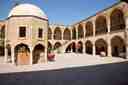
To spot the Büyük Han as you walk, just look for a grand, square-shaped stone building with two floors of elegant arches, wrapped around a large open courtyard-and straight ahead, you’ll see a small octagonal domed structure right at the center. Now that you’re standing in front of the biggest inn Cyprus has ever seen, let me take you on a little time-travel adventure. Close your eyes for a second and imagine-it's 1572. The air is buzzing with the sound of camels, luggage thumping onto cobblestones, merchants shouting greetings all around you. This bustling hub was freshly built by the Ottomans, just a year after they swiped the island from the Venetians. They called it the “New Inn” at first, but with time (and a bit of rivalry from a “smaller inn” across the way), it was crowned the “Great Inn”-Büyük Han. The courtyard here, echoing under your feet, has hosted weary travelers, secret dealers, pashas, and everyday dreamers for centuries. Can you picture traders from ancient Alanya unloading silks and spices after a week-long trek? Or maybe the first Ottoman governor himself, Muzaffer Pasha, striding through the eastern doors to inspect this brand-new caravansarai? Although there’s a little mystery about who actually finished the place-maybe Muzaffer, maybe Sinan Pasha, or perhaps a clever architect from Constantinople named Bostan-one thing’s certain: the place was built for adventure and trade. If you peek around, you’ll see 68 rooms all told, with arched colonnades like a grand chessboard wrapping the courtyard. Downstairs rooms once overflowed with merchants’ wares while upstairs, tired travelers caught some sleep. There’s even a room for every mood-commerce, rest, and probably a bit of kitchen gossip too. Take a whiff-if the breeze is right, you might even pick up the scent of baklava or strong Turkish coffee from the courtyard cafes. And speaking of drama, did you know these walls once held more than silk and spices? When the British swept in, they turned Büyük Han into the island’s first city prison! Imagine the echoes of boots and jangling keys, replacing the hum of trade. Later, after the prisoners left, these rooms sheltered poor families-sometimes whole lives unfolding in single rooms. There’s a tiny mosque in the middle-looks a bit like a stony spaceship-which once echoed with prayers and, possibly, a little snoring from shepherds napping nearby. Some say a nobleman, or even Muzaffer Pasha himself, lies in the lonely grave just beside the mosque. Mystery or myth? Take your pick. In the 1990s, Büyük Han was given a second chance at life-restored so well you can almost hear the old horses neighing in gratitude. Now it’s an artsy beehive: the cafes and shops here are all run by folks who make everything themselves. Handcrafted Cypriot treasures and homemade treats fill every nook, and the atmosphere buzzes with creativity. Tenants are so passionate, there are actual rule-checkers roaming around to make sure everything on sale is truly handmade! So as you stroll inside, run your fingers over the stone and imagine the stories living in every crack-this isn’t just an inn, it’s the heartbeat of old Nicosia-and boy, if these walls could talk, I bet they’d ask for a cup of strong coffee and a slapstick joke! Exploring the realm of the architecture, current use or the gallery? Feel free to consult the chat section for additional information.
Otwórz dedykowaną stronę →To spot the İplik Pazarı Mosque, look for the building with three large arched windows and a tall, slender minaret with a distinctive stone cap rising above the courtyard, just…Czytaj więcejPokaż mniej
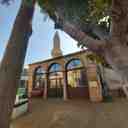
To spot the İplik Pazarı Mosque, look for the building with three large arched windows and a tall, slender minaret with a distinctive stone cap rising above the courtyard, just behind the trees in front of you. You’re now standing in front of the İplik Pazarı Mosque, and trust me, you’re in for a treat with this one-no strings attached! Picture this bustling street in the 1800s, filled with the lively sounds of thread makers twisting and weaving, their stalls circling the mosque, creating a colorful, noisy bazaar. In fact, that's exactly how this mosque got its name: “İplik Pazarı” literally means “Thread Market.” But instead of wandering through mountains of thread, you get to marvel at an architectural gem built right in their midst. Now look up at the minaret-notice anything special? That pointed stone cap is one of the rarest sights in all of Cyprus! It’s a solid little hat that’s older than the rest of the mosque, built way back by Hacı Ahmed Ağa, a big boss and last of the old school governors here in the early 19th century. In 1826, this spot saw its very first mosque thanks to him, and just inside, an old inscription still whispers his name from the walls. Fast forward to 1898, and the mosque was bursting at its seams-so along came Muhammed Sadık Bey, a man with a mission and, quite possibly, impressive mustache-twirling skills. He decided it was time for an upgrade, expanding the mosque to welcome even more worshippers. The place kept its humble, practical spirit: a simple shape, a handful of arches out front, and stones cut just right-well, mostly right, except for the bits patched together with whatever rubble was handy. If you snuck inside, you’d see delicate wooden carvings on the minbar and tucked away staircases heading to the women’s prayer area. Look down at the yard-notice that quirky hexagonal fountain? It used to bubble proudly until time, and a rising ground level left its taps buried under the current surface. And just next door? Shopkeepers once stumbled on two forgotten tombstones, hinting at a secret cemetery lost to the ages. This mosque may seem modest, but it is absolutely packed with stories-threads woven together over two centuries, just waiting for you to unravel them.
Otwórz dedykowaną stronę →In front of you, you'll spot the Sarayönü Mosque by its sandy-yellow stone arches and the tall, slender minaret standing proudly beside the building-a look for the five pointed…Czytaj więcejPokaż mniej
In front of you, you'll spot the Sarayönü Mosque by its sandy-yellow stone arches and the tall, slender minaret standing proudly beside the building-a look for the five pointed Moorish arches facing the street and you’ll know you’ve found the right place! Now, while you’re catching your breath in the shade of this elegant mosque, let me whisk you back in time-no magic carpet required. Imagine this spot bustling with knights and nobles, for long before prayers echoed here, the ground belonged to a Carmelite church in the age of the Lusignans and Venetians. There were domes and gravestones, some fit for a King of Jerusalem and a Duke of Normandy, all surrounded by whispers of old secrets. In 1571, the Ottomans stomped in and rolled out their tents right in this square, bringing change on the wind. Their soldiers needed a place to pray, so the church turned into a mosque, with an exterior straight out of a fairy tale-Gothic arches outside, Ottoman flair inside. It was even called “Orduönü Mescidi,” the little mosque in front of the army camp, a name with a real sense of military efficiency! Over time, the mosque was rebuilt, possibly once by a “Kıncı Ali Pasha” and then again by another “Ali Pasha.” We might not know exactly which Ali Pasha did what-but let’s face it, with two of them, it was bound to get confusing at family reunions. The mosque gained a simple, powerful look, with sharp stone arches and a sturdy minaret that still stands detached from the main building. For a twist of the extraordinary, a sarcophagus with Greek writing-meant for ancient heroes-was once used for ablution water! Then, an earthquake in 1900 shook things up, quite literally, and the current mosque sprang to life, its design sprinkled with memories of Andalusia, thanks to a British architect. Over the years, it even served as a marriage office-just imagine couples saying “I do” under horseshoe arches! After plenty of bouncing between functions, you now stand before a mosque with tales to tell, full of history, mystery, and even a dash of architectural confusion!
Otwórz dedykowaną stronę →To spot the Arab Ahmet Mosque, look for a striking building with pale stone walls, topped by a large white dome and several smaller domes near a tall, slim minaret peeking up…Czytaj więcejPokaż mniej
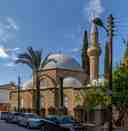
To spot the Arab Ahmet Mosque, look for a striking building with pale stone walls, topped by a large white dome and several smaller domes near a tall, slim minaret peeking up above the palm trees and fence on your right. Now that you’re here, let your imagination travel back a few centuries as you stand in the shade of these cypress and palm trees. You’re right in front of the Arab Ahmet Mosque, named after a legendary Ottoman commander from the 1571 conquest-picture old boots thumping along dusty streets, the air buzzing with anticipation. Built in the late 16th century, it’s a true survivor, but it got a serious makeover in 1845-hey, even mosques need a little spa day! Notice the grand central dome; it’s unique in Cyprus, the only one of its kind, boldly wearing its Turkish architectural style with pride. You might feel a cool breeze as you step closer to the mosque’s porch, shaded by three smaller domes. Everything here feels solid, sturdy-even a bit mysterious in its quiet simplicity. If these stones could talk, you’d hear stories of both sultans and stonemasons, conspiracies over chess games, and prayers whispered at dawn. Don’t miss the peaceful garden: it’s not just a place to sit, but a resting ground for important people from long ago, their tombs shaded by the old trees. Here’s a twist-beneath your feet once stood a medieval church, long gone but not forgotten. Take a closer look around; you’ll see old stones, beaten by time, scattered near the mosque and in nearby houses. One chunk from an ancient doorframe even has a pair of carved lions still locked in battle! Now here comes the detective work: hidden in the garden and corners of the mosque, you’ll spot inscribed gravestones, some 14th-century relics with mysterious names like Gaspar Mavroceni and Hugh de Mimars, their names lost to the centuries. Imagine the sound of chisel on marble, as craftsmen shaped these stones for people who would never guess you’d be standing here, centuries later, trying to crack their secrets. So, wherever you look, you’re caught in a conversation between empires, families, and faiths-there’s more than just echoes in the air here!
Otwórz dedykowaną stronę →To spot the Notre Dame de Tyre, look for a tall, medieval stone church with a pointed bell tower poking out above a high golden wall just ahead of you, standing quietly among…Czytaj więcejPokaż mniej
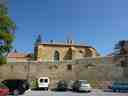
To spot the Notre Dame de Tyre, look for a tall, medieval stone church with a pointed bell tower poking out above a high golden wall just ahead of you, standing quietly among parked cars and swaying palm trees. Welcome to the mysterious Notre Dame de Tyre! Imagine: the year is 1308. The earth begins to tremble and stones tumble from the walls of this grand old abbey, as King Henry II of Jerusalem hurries to repair it after a fierce earthquake. Originally built in the 13th century as a safe haven when Jerusalem fell, the abbey soon echoed with the gentle whispers of nuns-many of them Armenian-who filled these gothic halls with prayer. Centuries swept by, and, like a scene from a dramatic film, Ottoman soldiers arrived in 1570. With a flourish, they handed the keys of the Paphos Gate, the church, and the surrounding neighborhood to the Armenians, as a gift from Sultan Selim II. The area quickly became a lively Armenian heart of Nicosia, overflowing with laughter from nearby schools, the Armenian Club, and even a kindergarten that’s been here since 1902! Picture little kids chasing rolling marbles across the cobblestones, their giggles ringing in the Cypriot sun. But wait-every hero has its troubles. During the city’s division in 1963, the church found itself cut off, lonely and neglected, with stones crumbling and history fading. For years it stood battered, until in 2007, the UNDP arrived, like Indiana Jones with a toolkit instead of a whip, and started repairs. By 2013, the church was shining again-and it even won the prestigious EU Prize for Cultural Heritage in 2015! So, take a deep breath and look up: through wars, earthquakes, and silence, Notre Dame de Tyre stands tall-a survivor with more stories than your favorite grandma. Keep your eyes peeled-who knows what secrets these stones might still be keeping?
Otwórz dedykowaną stronę →Look straight ahead for a small, stone building with a pointed arch at the entrance and a tall, thin minaret-its creamy yellow walls and sharp minaret make it easy to spot on the…Czytaj więcejPokaż mniej
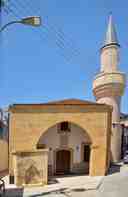
Look straight ahead for a small, stone building with a pointed arch at the entrance and a tall, thin minaret-its creamy yellow walls and sharp minaret make it easy to spot on the curve of the street. Welcome to the Dükkanlar Önü Mosque, where the stones have more tales than a rumor-loving street vendor. Imagine the hustle of an old Venetian inn, its arches echoing with the footsteps of travelers centuries ago-yes, this place probably hosted more business deals than the local market! Later, the Ottomans turned it into a mosque, wrapping the old Gothic engravings in a new cloak of faith and community. But this wasn’t an easy journey. The minaret once soared sky-high before it was taken down in the 1950s for safety, and then, in 1962, tragedy struck-the mosque partially collapsed, shaking the neighborhood and causing a storm of criticism. Newspapers weren’t kind; they said this was a building with “no artistic significance,” but you and I know better. Today, listen for the whispers of history floating through the pointed arch: the laughter of Italian merchants, the prayers of Ottoman citizens, the clang of renovations in the air. Plans for restoration mean the story isn’t over yet-this old inn still has plenty more chapters to tell, if you care to listen. And don’t worry-the only thing falling down today might be your jaw at just how much one small building can experience!
Otwórz dedykowaną stronę →
Najczęściej zadawane pytania
Jak rozpocząć trasę?
Po zakupie pobierz aplikację AudaTours i wpisz kod realizacji. Trasa będzie gotowa do natychmiastowego rozpoczęcia – po prostu dotknij \"Play\" i podążaj trasą z nawigacją GPS.
Czy potrzebuję internetu podczas trasy?
Nie! Pobierz trasę przed rozpoczęciem i korzystaj z niej w pełni offline. Jedynie funkcja czatu wymaga internetu. Zalecamy pobieranie przez WiFi, aby oszczędzać dane mobilne.
Czy to wycieczka grupowa z przewodnikiem?
Nie – to samodzielny audioprzewodnik. Zwiedzasz niezależnie, we własnym tempie, z narracją audio odtwarzaną przez telefon. Bez przewodnika, bez grupy, bez harmonogramu.
Ile trwa trasa?
Większość tras zajmuje 60–90 minut, ale to Ty kontrolujesz tempo. Wstrzymuj, pomijaj przystanki lub rób przerwy, kiedy chcesz.
Co jeśli nie zdążę ukończyć trasy dzisiaj?
Żaden problem! Trasy mają dożywotni dostęp. Wstrzymaj i wznów, kiedy chcesz – jutro, za tydzień lub za rok. Twój postęp jest zapisywany.
W jakich językach są dostępne trasy?
Wszystkie trasy są dostępne w ponad 50 językach. Wybierz preferowany język podczas realizacji kodu. Uwaga: języka nie można zmienić po wygenerowaniu trasy.
Gdzie znajdę trasę po zakupie?
Pobierz darmową aplikację AudaTours z App Store lub Google Play. Wpisz kod realizacji (wysłany e-mailem), a trasa pojawi się w Twojej bibliotece, gotowa do pobrania i rozpoczęcia.
Jeśli trasa Ci się nie spodoba, zwrócimy Ci pieniądze. Skontaktuj się z nami pod adresem [email protected]
Bezpieczna płatność przez 


