
Wycieczka audio po Townsville: Szlak Dziedzictwa i Kultury
Pod tropikalnym słońcem Townsville, sekrety dziedzictwa migoczą tuż poza zasięgiem wzroku – opowieści o legendach wraków, chaosie gorączki złota i podwodnych cudach czekają tam, gdzie najmniej się ich spodziewasz. Ta wycieczka audio z przewodnikiem odsłania kurtynę najśmielszych historii miasta i najbardziej intrygujących miejsc, prowadząc Cię przez jego tętniące życiem serce ku odkryciom, które większość turystów pomija. Jaka katastrofa pozostawiła hotel Tattersalls w ruinie, by zapoczątkować jego skandaliczne odrodzenie? Dlaczego Muzeum Tropikalnego Queensland przechowuje relikty z jednej z najbardziej pechowych podróży w historii? Jaka ukryta technologia w Reef HQ na zawsze zmieniła sposób, w jaki ludzie łączą się ze światowymi rafami? Przemierzaj nadrzeczne promenady i podziwiaj historyczne fasady, gdy szepty o politycznych rywalizacjach, zapomnianych uroczystościach i przełomach naukowych przenoszą się od zabytku do zabytku. Poruszaj się pośród żywej historii i poczuj puls awanturniczego ducha Townsville na każdym kroku. Ciekawość wzywa. Rozpocznij swoją podróż tam, gdzie światło słoneczne dotyka sekretów czekających na odkrycie.
Podgląd trasy
O tej trasie
- scheduleCzas trwania 40–60 minsIdź we własnym tempie
- straighten1.8 km trasy pieszejPodążaj wyznaczoną trasą
- location_onLokalizacjaTownsville, Australia
- wifi_offDziała offlinePobierz raz, korzystaj gdziekolwiek
- all_inclusiveDożywotni dostępOdtwarzaj ponownie w dowolnym momencie
- location_onStart przy Reef HQ
Przystanki na tej trasie
lock_open 3 darmowych podglądów · 11 odblokuj po zakupie
As you approach Reef HQ, keep an eye out for a large, cylindrical building with a distinctive curved blue top and the words "reefHQ" prominently displayed on the facade. The…Czytaj więcejPokaż mniej
As you approach Reef HQ, keep an eye out for a large, cylindrical building with a distinctive curved blue top and the words "reefHQ" prominently displayed on the facade. The building proudly sports an emblem depicting marine life. The surrounding area features some tropical landscaping, and you can also spot banners and flags next to the entrance. Now, let me tell you about this fascinating place with a splash of fun: Reef HQ is the world's largest living coral reef aquarium! It’s like a slice of the Great Barrier Reef transported right here to Townsville, Queensland. Imagine 130 species of coral, 120 species of fish, and a cornucopia of other marine critters like sea stars, sea cucumbers, and snails all cohabitating in a gigantic aquarium. It’s an underwater city bustling with life! Opened on June 14, 1987, it was originally called the Great Barrier Reef Aquarium but got its snazzy new name "ReefHQ" in 1999. Here's a bit of cool history - it was the brainchild of Dr. Graeme Kelleher, who aimed to bring the marvels of the marine world onto land where everyone can enjoy and learn to protect it. Although Reef HQ closed in 2021 for a significant makeover, the excitement is still building: a new aquarium is set to open in 2026. For now, the aquatic residents have found new homes in other aquariums. Reef HQ isn’t just any aquarium; it has unique features like a Coral Reef Exhibit and a Predator Exhibit. Plus, it boasts an interactive children's section, a cafe, and even a gift shop. One particularly interesting tidbit is its pneumatic wave machine, which creates water motion just like in the wild! And, yes, it opens to the natural weather, soaking in sunlight, moonlight, and even rain, mimicking a real reef. So, gear up to dive into the wonders of the underwater world (figuratively, of course!) even though the building is currently in a state of transformation. It’s a fantastic testament to how humans can connect with and protect marine life without ever getting wet!
Otwórz dedykowaną stronę →Ah, you've made it to the Museum of Tropical Queensland! As you approach, look for a modern building with clean lines and a mix of slate-blue and green panels. The prominent…Czytaj więcejPokaż mniej
Ah, you've made it to the Museum of Tropical Queensland! As you approach, look for a modern building with clean lines and a mix of slate-blue and green panels. The prominent feature you'll notice is the large, flat roof that extends outward supported by long, white poles. You'll see the name boldly inscribed on the top part of the building - it’s hard to miss! And the city center directions on a street sign to the right can also help confirm you’re in the right place. Now, let's delve into the fun stuff! The Queensland Museum Tropics, previously known as the Museum of Tropical Queensland, serves as a time capsule for North Queensland. Here, the exhibits weave fascinating tales of the World Heritage rainforests, the colorful reefs, and the ill-fated voyage of HMS Pandora, the ship once dispatched to capture the Bounty mutineers. Can you imagine life in the tropics from prehistoric times to the present day? This museum invites you to explore it all. Opened in 1987 along the picturesque Ross Creek, Townsville's CBD was the perfect setting for this regional treasure. Initially dubbed the "Queensland Museum, North Queensland Branch", it adopted the name "Museum of Tropical Queensland" in 1990, reflecting its mission to celebrate the cultural and natural heritage of this vibrant region. Thanks to extraordinary community efforts, including support from the Pandora Foundation, the museum's current building was unveiled in 2000. Notably, a life-sized replica of the bow of the Pandora takes pride of place as a tribute to one of Australia’s most significant shipwrecks. The museum’s galleries also host comprehensive coral, biodiversity, maritime, and cultural collections, making them an educational trove for our maritime-loving compatriots. Within these walls, you'll discover over 8,000 maritime archaeology artifacts from legendary shipwrecks such as the HMS Pandora, Foam, Scottish Prince, HMCS Mermaid, and SS Yongala, among others. Dr. Maddy McAllister and her team are particularly keen on piecing together the mysteries of unidentified shipwrecks, using clues found in copper alloy artifacts and archival material. But that’s not all! This museum honors Queensland's rich First Nations heritage with extensive collections that tell powerful stories of Aboriginal and Torres Strait Islander cultures, spanning centuries. With over 22,000 objects from Queensland, plus 28,000 more from beyond, the museum is a bastion of history and innovation. So wander inside, explore, and let the vibrant tapestry of North Queensland's past and present envelop you in its spellbinding narrative!
Otwórz dedykowaną stronę →As you approach stop number 5, look to your left and you'll spot Tattersalls Hotel. It's quite a distinctive building with its two-story structure and ornate wrought iron…Czytaj więcejPokaż mniej
As you approach stop number 5, look to your left and you'll spot Tattersalls Hotel. It's quite a distinctive building with its two-story structure and ornate wrought iron balconies running along both levels. The façade is painted a cream color with accents in green, giving it a charming yet grand look. There's a sign that proudly declares it as "Tattersalls Hotel Est. 1865" right at the top of the building. This grand old dame of a hotel, Tattersalls Hotel, is a heritage-listed historical spot at 87 Flinders Street, Townsville CBD. It’s also known as Molly Malone's Irish Pub. Imagine this: back in the wild days of the 1860s, this place was at the heart of the action when Townsville was just developing. In 1864, John Melton Black and Robert Towns had the brilliant idea to establish a port at the mouth of Ross Creek. Townsville sprang up rapidly, becoming a bustling hub with wharves, stores, and yep, lots of hotels like this one! The site here was first developed as the "Townsville Boarding House, Cleveland Bay" in 1865 by Hermann de Zoet & Company. The original hotel was a modest timber building but was unfortunately flattened by a cyclone in 1867. Not one to give up, Alexander Mollison rebuilt it quickly, reopening it with a grand ball! However, funds ran out, and the hotel changed hands a few times. James Evans bought it and rebranded it as Tattersall’s, naming it after the famous sporting clubs in Britain due to his love of horse racing. By April 1868, Tattersalls was expanding, in part due to the gold rush bringing more people to town. Evans even added an "American Bowling Saloon" to liven things up. So, in its heyday, Tattersalls wasn’t just a hotel, it was practically the social and entertainment hub of Wickham Street. Today, Tattersalls stands as a testament to the enduring spirit of Townsville, reflecting a mix of Australian history and good old-fashioned pub charm. Here's to hoping it never sees another cyclone! Cheers!
Otwórz dedykowaną stronę →

Pokaż jeszcze 11 przystankówPokaż mniej przystankówexpand_moreexpand_less
Look to your left as you approach the roundabout, and you'll spot the elegant Queensland Building sitting proud on the corner. This beautiful heritage-listed building is hard to…Czytaj więcejPokaż mniej
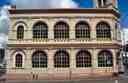
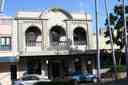
Look to your left as you approach the roundabout, and you'll spot the elegant Queensland Building sitting proud on the corner. This beautiful heritage-listed building is hard to miss with its cream-colored facade and arched windows. It’s a three-story structure with a charming and classic look that stands out against the more modern buildings surrounding it. Notice the intricate detailing at the top of the arches, and the lush greenery peeking out from the balconies and ground level, adding a touch of nature to this historic gem. Now, let’s dive into its story! The Queensland Building at 104-106 Flinders Street is a piece of Townsville's rich heritage, designed by Mark Cooper Day and constructed from 1890 to around 1971 by John Petrie & Son. Originally known as the North Queensland Insurance Building, it was added to the Queensland Heritage Register on 21 October 1992. This building was erected as the headquarters for Burns, Philp & Co. Ltd’s subsidiary insurance company. These folks were major players in the commercial world, setting up shop in Townsville, which was established in 1864 by John Melton Black and Robert Towns. Thanks to its strategic location and improvements to its port, Townsville quickly became a bustling hub of international and coastal trade. James Burns, who moved to Townsville in 1872, went on to create an empire with Robert Philp. Their company, Burns Philp and Company Limited, became so influential that it practically formed the backbone of North Queensland's trade. And get this: their shipping business was so vast that the North Queensland Insurance Company, created in 1886, was born primarily to handle their own maritime interests. Our current star, the Queensland Building, was constructed on land purchased by the company's founders near the busy Burns Philp wharves. Designed by Sydney-based architect Mark Cooper Day and brought to life by Brisbane builders John Petrie and Son, it was a masterpiece that showcased exceptional craftsmanship. So, as you stand before this historic building, imagine the bustling hive of activity it once housed - from the resident company secretary to public offices and strong rooms filled with important documents. It's a perfect example of how Townsville's legacy is cemented in the walls of its buildings. Now, onward to our next exciting stop!
Otwórz dedykowaną stronę →As you stroll down Flinders Street, keep an eye out on your right-hand side. Look for a grand two-story building with a distinctive sandy and peach-colored facade and large arched…Czytaj więcejPokaż mniej
As you stroll down Flinders Street, keep an eye out on your right-hand side. Look for a grand two-story building with a distinctive sandy and peach-colored facade and large arched windows that dominate both floors. It appears almost like a scene from an old, elegant movie set. The Burns Philp Building, located at 108-124 Flinders Street, is more than just a pretty face! This heritage-listed office building, designed by McCredie Brothers and constructed by G.S. Gordon in 1895, was added to the Queensland Heritage Register on 27 August 1993. In its heyday, this imposing masonry structure served as the headquarters and warehouse for Burns, Philp & Company Ltd, one of North Queensland's most thriving trading enterprises. The story begins with James Burns, who launched a general retail business here in 1872. Robert Philp, who later became a twice-serving Queensland Premier, joined forces with Burns in 1876. While Burns eventually moved back to Sydney due to health issues, Philp remained to oversee the enterprise's Townsville operations. Their company flourished, focusing on the importation and wholesale of general merchandise, and had its fingers in many pies, including shipping, insurance, and even exploration. By the late 19th century, they were a force to be reckoned with both locally and throughout North Queensland, aiding in the development of trade, communications, and more. Interesting fact: Burns Philp & Company Ltd owned an entire fleet of small trading vessels and were trailblazers, establishing networks throughout North Queensland, New Guinea, and the South Pacific. Talk about making waves! Although the structure saw various modifications over the years, including extensions and the unfortunate event of a fire that gutted the warehouse interior, it remains a testament to the company's significant historical impact. The building was finally sold off in 1977, but it continues to stand proudly, sharing stories of its illustrious past. So, when you look up at those high, arching windows, imagine the bustling activity of yesteryear-shipments arriving, goods being traded, and the spirit of enterprise thriving within these walls. Enjoy the grandeur of the Burns Philp Building!
Otwórz dedykowaną stronę →As you're approaching the roundabout, look left and you'll find the Bank of New South Wales building. It stands out with its two-story high, cream-colored façade, adorned with…Czytaj więcejPokaż mniej
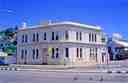
As you're approaching the roundabout, look left and you'll find the Bank of New South Wales building. It stands out with its two-story high, cream-colored façade, adorned with large arched windows and ornate cornices. The building has a striking arch above the central entrance and you’ll see "BANK OF NEW SOUTH WALES" engraved at the top. Spotting this beauty should be easy with its classic architectural style and its significant presence on the street corner. Now, let me tell you a fun story about this landmark! The Bank of New South Wales Building, built in 1887, is a heritage-listed marvel right here in the heart of Townsville. Known also as the Australian Meat Industry Employees Union (Queensland Branch), it’s like this fine old dame that's seen quite a lot in her days. Back then, the cost for constructing this grand structure was a whopping £7,500, which was quite a fortune. The collaboration turned architectural party was led by Denis Kelleher, with design work possibly by Sydney's John Smedley and supervised by Townsville’s WM Eyre. Interestingly, the Bank of New South Wales was one of the first banks in Townsville, immensely boosted by Sydney businessman Robert Towns. His investments and partnerships spurred the need for bank branches in new North Queensland settlements, including Townsville. The initial bank building was plagued by heat and mosquitoes, driving the need for a new, more suitable location. So, this new site on Flinders Street was purchased, and after several years and some hiccups in designs and locations, the grand Bank of New South Wales building you see here was finally born in 1887. It served not just as a bank, but also provided a cool, breezy escape from the town's heat-a perfect sanctuary for finance and comfort. Isn’t it amazing how even buildings have tales to tell? Now, let's continue our tour and discover more of Townsville's treasures!
Otwórz dedykowaną stronę →Hey there, adventurer! You're now looking at the Atkinson & Powell Building. To help you spot it, look for a charming two-story building with a beautifully ornate facade. You…Czytaj więcejPokaż mniej
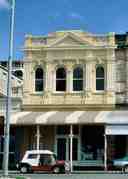
Hey there, adventurer! You're now looking at the Atkinson & Powell Building. To help you spot it, look for a charming two-story building with a beautifully ornate facade. You should see three large arched windows on the second floor, flanked by columns, and a decorative balustrade on top. The front entrance on the ground floor is set between two display windows, and the entire façade is cream-colored with intricate detailing. Now, let’s dive into the history! The Atkinson & Powell Building is a heritage-listed former pharmacy located right here at 181-183 Flinders Street. This architectural gem was designed by Willoughby Powell and built back in 1887. Interestingly, it was initially created to house chemists Atkinson & Powell. The architect’s brother, a partner in the firm, must have received the family discount on design! Townsville, founded in 1864, grew rapidly as the port started welcoming international ships by 1873. By the mid-1880s, Townsville was buzzing with construction, giving way to buildings made of stone, masonry, or metal, like this one. Willoughby Powell’s only known work in North Queensland, this building originally boasted a large frontline shop and a back surgery room. Upstairs was a warehouse accessed by an outside stair and a small lift. Talk about a multi-purpose building! The structure has seen various tenants throughout the years, from dentists and watchmakers to restaurants and offices. Its versatility kept it lively, earning it the nickname Matchbox Theatre for a spell! A fun fact: a drawing of the completed building found its way into the Christmas issue of the Townsville Herald in 1887. Clearly, this place has been turning heads for quite some time! Enjoy taking in the details and imagine the stories these walls could tell!
Otwórz dedykowaną stronę →Stanton House has an interesting history. It’s located at 197-203 Flinders Street and was built between 1885 and the 1930s. Also known as Hof's Building, it was added to the…Czytaj więcejPokaż mniej
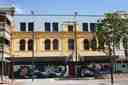
Stanton House has an interesting history. It’s located at 197-203 Flinders Street and was built between 1885 and the 1930s. Also known as Hof's Building, it was added to the Queensland Heritage Register on 21 October 1992. The building was constructed in 1885 for John Frederick Hof, a man with an adventurous spirit who came to Queensland via the goldfields of Victoria. Townsville itself has a vibrant history, established in 1864 and quickly becoming a significant port by 1873. John Hof contributed to this bustling town by purchasing land and replacing old timber shops with this sturdy structure we see today, utilizing bricks from his own Brunswick Brick and Tile Works. Originally, the premise housed various shops and offices, including a notable piano showroom with live demonstrations. Ah, those were the days when even buying a piano came with a show! Through the years, tenants ranged from insurance companies to the Main Roads Commissioner. In 1933, the building was named after George Henry Stanton, the first Bishop of North Queensland, when it became the Diocesan Registry. Despite several changes in ownership, it continues to be used for commercial purposes. Even today, the charm of its original architecture is visible. So, if you’re ever in the mood for a stroll down memory lane, Stanton House has stories aplenty to tell. Enjoy your tour!
Otwórz dedykowaną stronę →As you walk along, look to your left. You'll soon see a distinctive building with a cream facade that features three prominent arched windows on the upper floor, creating a kind…Czytaj więcejPokaż mniej
As you walk along, look to your left. You'll soon see a distinctive building with a cream facade that features three prominent arched windows on the upper floor, creating a kind of Mediterranean-style charm. This is your stop - the Howard Smith Company Building. But don't worry, it won’t sail away! Let's get a glimpse into its fascinating history. The Howard Smith Company Building is a heritage-listed treasure located at 224 Flinders Street in Townsville CBD. It was masterfully designed by the dynamic duo, Charles Dalton Lynch and Walter Hunt, and built between 1910 and 1911 by Hanson & Sons. Over time, it became known by various names - Paterson Reid & Bruce Ltd Building and Agora House among them. In October 1992, it rightfully earned its place on the Queensland Heritage Register. This two-storey commercial gem was initially created as the new offices for the Townsville branch of the substantial Australian coastal shipping company, the Howard Smith Company Ltd. Captain William Howard Smith founded the firm back in the early 1850s in Melbourne. It extended its reach to Central Queensland by 1870 and to Townsville in 1882, making notable economic contributions through trade and shipping. By the 1890s, a Townsville branch had been established, initially leasing a single-storey brick building on Flinders Street before constructing this very building in 1910-11, which they moved into in March 1911. It was lauded for its progressive construction techniques, notably its innovative waterproofing of its concrete roof! Flash forward to 1969, the building changed hands and continued to evolve. In 1979, its ground floor was transformed into shop spaces, and the name Agora House emerged. A charming residential apartment now occupies the upper floor. So, next time you pass by, tip your hat to this resilient beauty that has stood tall for over a century, adapting and thriving in the heart of Townsville!
Otwórz dedykowaną stronę →As you walk along Flinders Street, keep an eye to your right! You're looking for a three-storey building that stands out with its creamy facade and the bold "WILLMETT" at the very…Czytaj więcejPokaż mniej
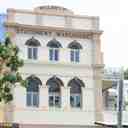
As you walk along Flinders Street, keep an eye to your right! You're looking for a three-storey building that stands out with its creamy facade and the bold "WILLMETT" at the very top. Below that, you’ll see “STATIONERY WAREHOUSE” clearly marked across the first floor, helping you spot this historic gem. Now let's dive into its fascinating history in a fun way! Welcome to the T. Willmetts & Sons Printery, a place where the clackety-clack of printing presses once filled the air! This heritage-listed former printing house, designed by Waggepetersen & Bevan, was built in stages between 1883 and 1886 for the ever-thankful Thankful Willmett-a man whose name seemed pre-destined for gratitude! Originally constructed as Willmett’s stationery shop and printing house, this three-storey masonry marvel became a hub of activity and innovation. Imagine the hustle and bustle as paper, books, and music sheets flowed through its doors, keeping the town’s literary culture alive and kicking. Why, in 1883, this building even hosted Townsville’s first telephone call-now that’s a call you'd want to answer! Despite a fiery setback in 1885 which destroyed much of the shop, Willmett's resilience shone through as the printery survived and continued to thrive. By 1886, the current structure we see today was standing tall, incorporating not just a printery but also warehouse space, offices, and a retail shop. This wasn't just any printery. From account books to cookbooks, including the bestseller "Mrs. Maclurcan's Cookery Book," this place had it all. It was a family affair, too, with Willmett’s offspring joining the business over the years, expanding its reach and keeping the presses running well into the 20th century. So, tip your hat to this remarkable testament to Townsville’s commercial and cultural history. It’s more than just bricks and mortar; it’s a story of innovation, resilience, and family enterprise.
Otwórz dedykowaną stronę →Alright, adventurer, look left and you can't miss it. Towering before you is the Townsville State Government Offices, a grand two-storey brick building with a hipped…Czytaj więcejPokaż mniej
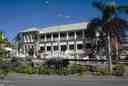
Alright, adventurer, look left and you can't miss it. Towering before you is the Townsville State Government Offices, a grand two-storey brick building with a hipped corrugated-iron roof. Its facade is truly eye-catching, with two projecting end bays flanking elegantly round-arched windows and door openings. In between these bays, there's a two-storey colonnade flanked by open verandahs. And right in the center is a magnificent bifurcated staircase leading up to the entrance, inviting you to imagine stepping into the past. This beauty was designed by the office of the Queensland Government Architect under Andrew Baxter Leven and was built between 1935 and 1937. It was part of a Queensland Government employment scheme during the Great Depression, intended to keep folks busy and skilled while creating something lasting. The building housed various government departments, from the Lands Department to the Department of Agriculture and even visiting ministers. Being constructed during a time of economic fervor, this building echoes resilience and community spirit. Its classic revival architectural style, with prominent keystones, eaves, and round-arched openings, has that certain flair that makes you appreciate the finer things in life. In terms of location, you're standing in a historically rich part of Townsville, near the early settlement sites. Fun little fact: these verandahs and balconies were specifically designed to keep the building well-ventilated, giving it a level of both function and style! And hey, if you squint your eyes and look closely, maybe you’ll spot some of the present-day tenants - like the Australian Red Cross. Talk about community spirit woven into its very bricks!
Otwórz dedykowaną stronę →Alright, adventurer! As you walk down Wickham Street, keep an eye to your left and look for an impressive red-brick building with a rounded central entrance and majestic columns.…Czytaj więcejPokaż mniej
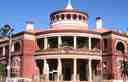
Alright, adventurer! As you walk down Wickham Street, keep an eye to your left and look for an impressive red-brick building with a rounded central entrance and majestic columns. That's the Townsville Customs House standing proud and magnificent, almost as if it's auditioning for a role in a historical drama! The Customs House is a heritage-listed former customs house here in the Townsville CBD. Designed by George David Payne and built between 1900 and 1902 by Crawford & Cameron, this building has seen more than a century of history. It was officially added to the Queensland Heritage Register on February 7, 2005. This wasn't the first customs house in Townsville-in fact, it’s the fourth! Back in the mid-1860s, pastoralist John Melton Black and his Sydney business partner, Robert Towns, established Townsville as a port to service Woodstock Station. They needed a functional and impressive customs house to manage the growing trade and bustle of a burgeoning town. This current building, designed in 1899/1900, replaced earlier, more modest structures. Initially, the custom services were housed in a cramped three-room wooden structure that later expanded to meet the growing needs of the town. Over time, Townsville grew significantly, thanks to the discovery of gold at Cape River and Ravenswood, and thus the Customs Service flourished as well, eventually requiring more grand and substantial accommodations like the one you see today. The Customs House features a stunning facade and beautiful detailing, reflecting the prosperity and the pivotal role Townsville played as a port and administrative center. It was strategically located next to the harbour entrance on Ross Creek, ideal for overseeing the incoming and outgoing goods and people. So, while you marvel at its grand architecture, imagine the bustling port town in its heyday, with goods, ships, and people constantly on the move. Oh, if these walls could talk! Shall we move on to the next stop? 🏛️
Otwórz dedykowaną stronę →You're almost at the end of our tour, my friend! Up on your left, you'll see the beautiful Anzac Memorial Park. It's easy to spot with its wide, green lawns dotted with trees…Czytaj więcejPokaż mniej
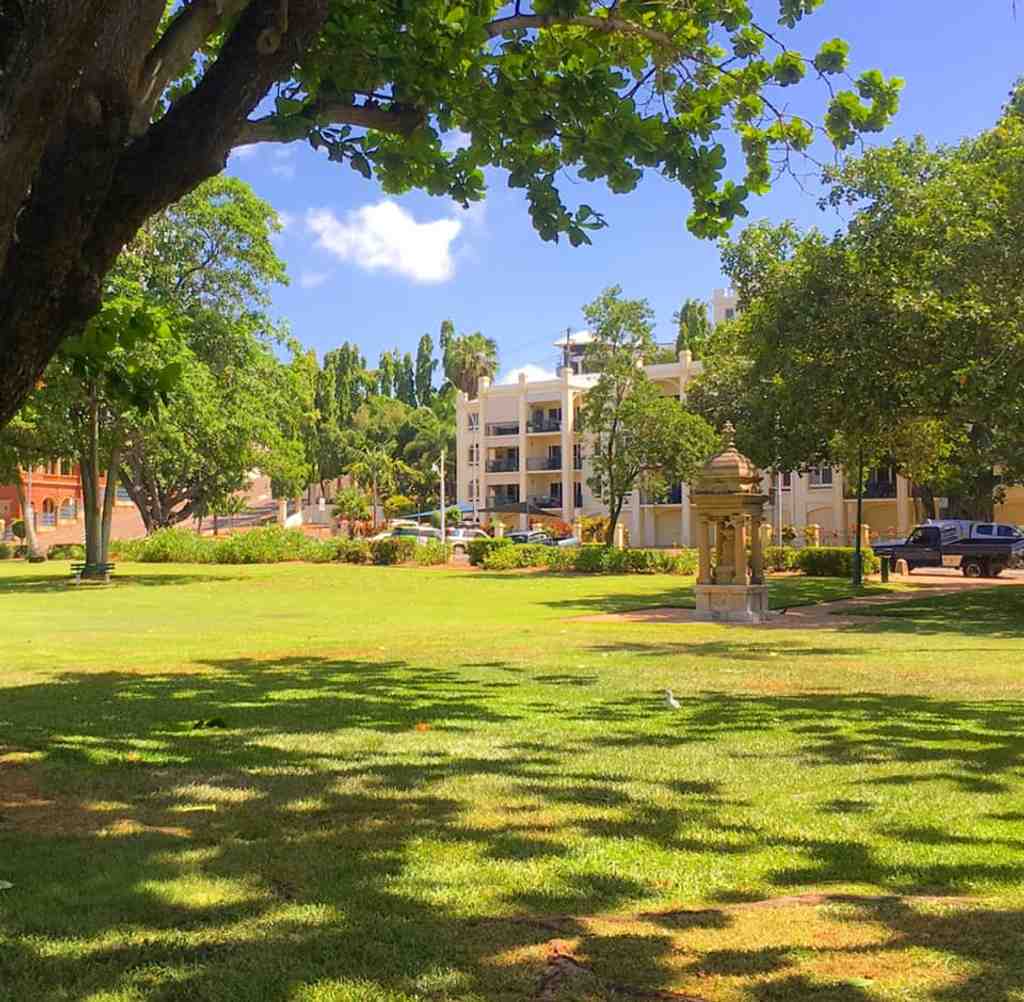
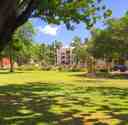
You're almost at the end of our tour, my friend! Up on your left, you'll see the beautiful Anzac Memorial Park. It's easy to spot with its wide, green lawns dotted with trees providing lovely shade. Right in front of you should be a splendid, ornamental fountain structure, which adds a touch of history and charm to the park. Let's dive into the story behind this serene place! Anzac Memorial Park is a heritage-listed memorial and park located at The Strand in Townsville CBD. Originally known as The Strand Park, it was built in 1912 and was added to the Queensland Heritage Register on 21 October 1992. Imagine this: it's the early 1860s, and the foreshore along The Strand is developing rapidly as a recreational hotspot. By 1901, the area between King and Howitt Streets was designated a reserve for public use. Fast forward to June 1912, and this slice of paradise became a permanent park extending from King Street to Cleveland Street, all thanks to the persistent efforts of John Henry Tyack, a former mayor of Townsville. In those early days, the affluent built their grand homes here, three hotels popped up, and it became a favored spot for moonlit promenades. Public demand led to further enhancements, like planting cedar, cocoa, and betel nut trees. By the late 1880s, The Strand had become a beloved promenade, especially on cool nights when the breeze from Magnetic Island swept through. One early feature was an ornamental fountain and bird-bath, established around 1905, and a drinking fountain in memory of former Mayor William Joseph Castling in 1908. Ambitions for a grand park and a charming bandstand bore fruit through funds raised by John Tyack. This bandstand, designed by Arthur Beckford Polin, added a touch of elegance to the park, complete with intricate cast ironwork from Brisbane. So as you stroll through Anzac Memorial Park, take a moment to soak in the history that shaped this picturesque spot. Enjoy the tranquility, the lush greenery, and think of the decades of community joy and memory that this park represents. Ah, history and nature - what a glorious combination!
Otwórz dedykowaną stronę →
Najczęściej zadawane pytania
Jak rozpocząć trasę?
Po zakupie pobierz aplikację AudaTours i wpisz kod realizacji. Trasa będzie gotowa do natychmiastowego rozpoczęcia – po prostu dotknij \"Play\" i podążaj trasą z nawigacją GPS.
Czy potrzebuję internetu podczas trasy?
Nie! Pobierz trasę przed rozpoczęciem i korzystaj z niej w pełni offline. Jedynie funkcja czatu wymaga internetu. Zalecamy pobieranie przez WiFi, aby oszczędzać dane mobilne.
Czy to wycieczka grupowa z przewodnikiem?
Nie – to samodzielny audioprzewodnik. Zwiedzasz niezależnie, we własnym tempie, z narracją audio odtwarzaną przez telefon. Bez przewodnika, bez grupy, bez harmonogramu.
Ile trwa trasa?
Większość tras zajmuje 60–90 minut, ale to Ty kontrolujesz tempo. Wstrzymuj, pomijaj przystanki lub rób przerwy, kiedy chcesz.
Co jeśli nie zdążę ukończyć trasy dzisiaj?
Żaden problem! Trasy mają dożywotni dostęp. Wstrzymaj i wznów, kiedy chcesz – jutro, za tydzień lub za rok. Twój postęp jest zapisywany.
W jakich językach są dostępne trasy?
Wszystkie trasy są dostępne w ponad 50 językach. Wybierz preferowany język podczas realizacji kodu. Uwaga: języka nie można zmienić po wygenerowaniu trasy.
Gdzie znajdę trasę po zakupie?
Pobierz darmową aplikację AudaTours z App Store lub Google Play. Wpisz kod realizacji (wysłany e-mailem), a trasa pojawi się w Twojej bibliotece, gotowa do pobrania i rozpoczęcia.
Jeśli trasa Ci się nie spodoba, zwrócimy Ci pieniądze. Skontaktuj się z nami pod adresem [email protected]
Bezpieczna płatność przez 




