
50+ talen

 Bradford · Verenigd Koninkrijk
 Bradford audiotours
Ontdek Bradford met audiowandeltours met eigen gids
headphones
1 tours
pin_drop
20 bezienswaardigheden
translate
Topbezienswaardigheden
Het Bradford dat iedereen kent.
De bezienswaardigheden in elke reisgids – en de tours die je vertellen wat reisgidsen weglaten.
Een paar woorden over Bradford
The wool capital of the world, and the world's first UNESCO City of Film
Bradford was producing around two-thirds of the United Kingdom's woollen textiles by the mid-19th century, a fact so improbable it requires context. In 1800 it was a small market town. By 1850 it had 70 mills and 100,000 inhabitants, having transformed itself faster than almost any city in Britain through access to local coal, soft water, and the ambitions of the mill owners who built the Wool Exchange on Market Street in 1867. The Wool Exchange, now occupied by a Waterstones bookshop, is one of the finest Victorian commercial buildings in the north of England, with an interior that still reads clearly as a space designed for serious trade.
Little Germany, a neighborhood of streets between Hall Ings and East Parade, takes its name from the German-Jewish merchants who arrived in the 1850s to deal in Bradford's textiles.
They built more than 50 warehouses and commercial buildings in Italianate and Flemish Revival styles that together form one of the most architecturally coherent Victorian commercial quarters in England. The whole area is listed, largely intact, and largely overlooked by visitors who have not been told to look for it.
Bradford
Bradford FAQ
Before you walk.
Elke Bradford-tour, in jouw taal.
Alle 50+ talen, inbegrepen bij elke boeking.
🇬🇧 English🇫🇷 Français🇪🇸 Español🇩🇪 Deutsch🇮🇹 Italiano🇯🇵 日本語🇨🇳 中文🇰🇷 한국어+ 41 meer
star AudaTours Unlimited
Bezoek je meer dan één stad? Abonneer je.
Ontgrendel alle Bradford-tours – plus duizenden meer wereldwijd. Op elk moment opzeggen.
$4.99/week · Op elk moment opzeggen

Meer in Verenigd Koninkrijk
Ontdek Verenigd Koninkrijk arrow_forwardAndere steden om doorheen te lopen in Verenigd Koninkrijk.
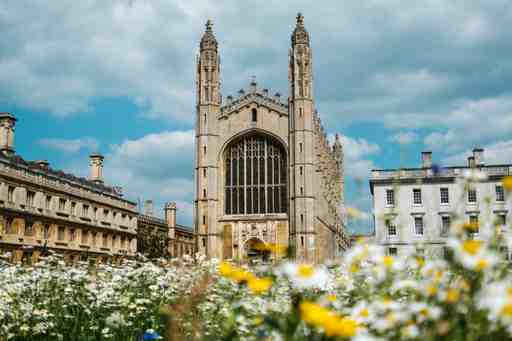

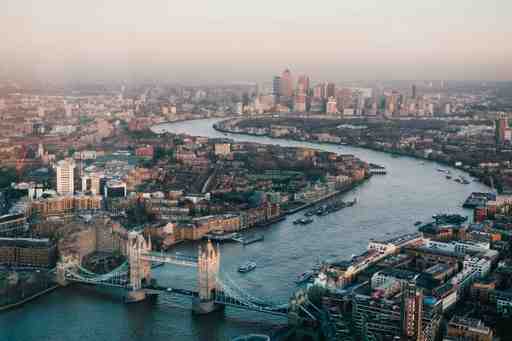
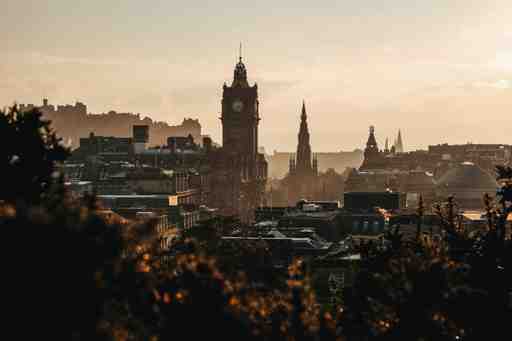
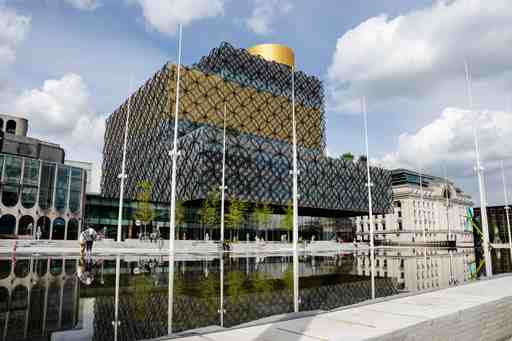
Geliefd bij reizigers wereldwijdDuizenden tours gestart.
Duizenden tours gestart.
Genoeg meningen.
4.8 in de App Store en Google Play. Hier zijn er een paar die we blijven teruglezen.
starstarstarstarstar
Deze tour was een geweldige manier om de stad te zien. De verhalen waren interessant zonder te gekunsteld aan te voelen, en ik vond het heerlijk om op mijn eigen tempo te verkennen.

Jess
Tbilisi-tourstarstarstarstarstar
Dit was een prima manier om Brighton te leren kennen zonder je als toerist te voelen. De vertelling had diepgang en context, maar overdreef het niet.

Christoph
Brighton-tourstarstarstarstarstar
Begon deze tour met een croissant in de ene hand en nul verwachtingen. De app gaat gewoon mee met je, geen druk, gewoon jij, je koptelefoon en gave verhalen.

John
Marseille-tourdownload Download de app Koptelefoon in.


Koptelefoon in.
Stap naar buiten.
Gratis te downloaden. Tours in elke stad. Start in 60 seconden – geen account, geen creditcard.

headphones
~ 4 min tot je eerste tour begint
public
1.000+ steden wereldwijd
all_inclusive
AudaTours
Unlimited
Elke tour. Elke stad. Eén abonnement.
3096 tours2272 steden138 landen50+ talen
$39 /jaar
all_inclusive Onbeperkt verkennen