
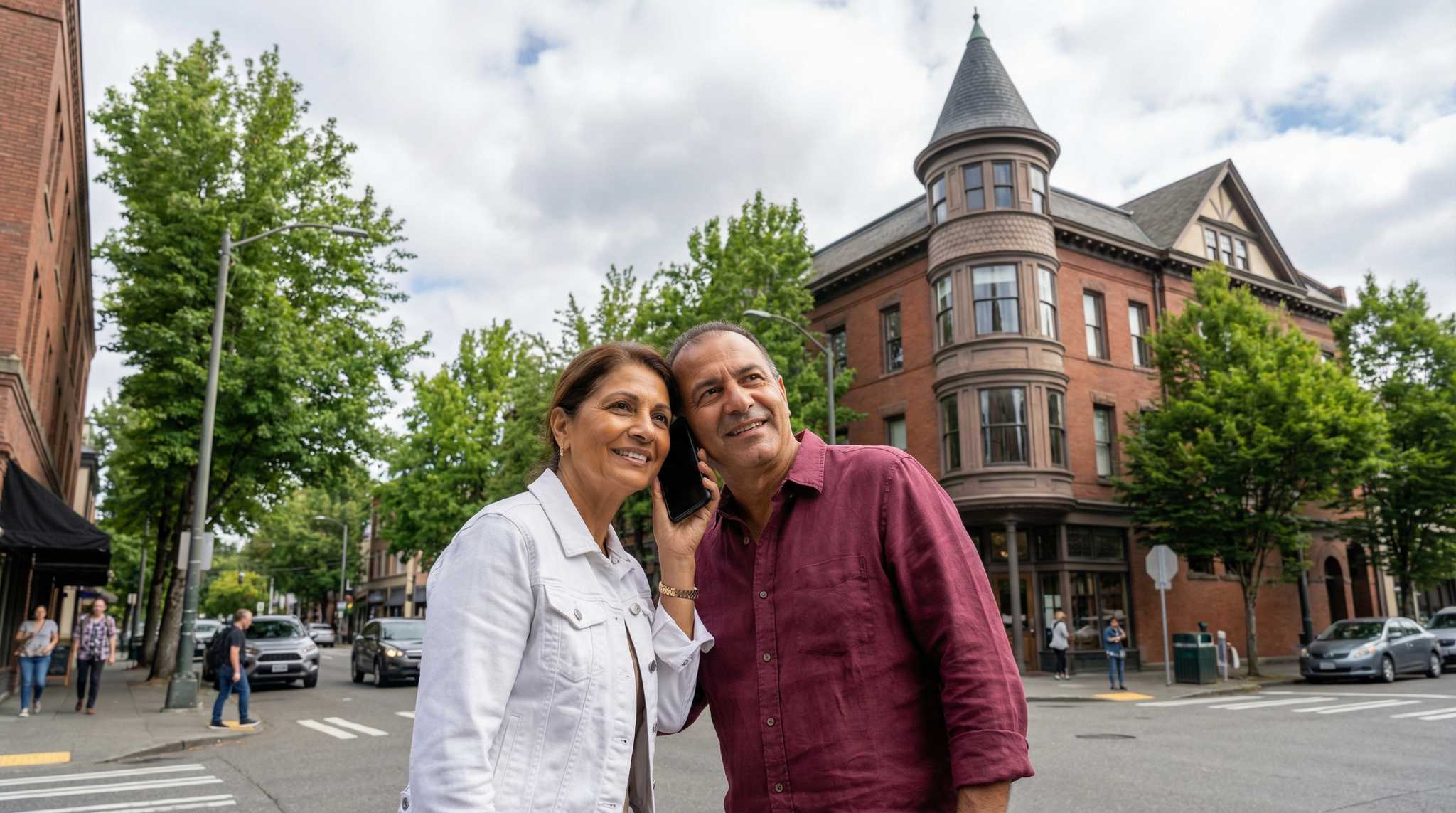
Seattle Audiotour: Verhalen, Slokjes en Geesten van het Internationale District
Een eeuwenoud bakstenen theater weerklonk ooit met het gebrul van taiko-trommels en geheime middernachtelijke judowedstrijden – nu bewaken de stille muren verloren verhalen van rebellie en veerkracht in Seattle's Internationale District. Deze zelfgeleide audiotour ontsluit verborgen hoekjes waar bamboescheuten beton trotseren, badhuisstoom nog steeds aan de herinnering kleeft, en alledaagse legendes net onder je voeten blijven hangen. Welk schandaal leidde tot de abrupte sluiting van het Nippon Kan Theater in oorlogstijd? Waarom blijft een mysterieuze koffer onaangeroerd in de kelder van het Panama Hotel? En wie claimt de eer voor de dikste daikon in de Danny Woo Tuin? Beweeg door smalle steegjes en tuinen op de heuvel, en volg de gedurfde hoop, politieke gevechten en eigenaardige momenten die generaties hebben gevormd. Ervaar Seattle als een stad van overleving en gefluister – waar elke stap herschrijft wat je dacht te weten. Begin je reis waar de wortels het diepst liggen. Het verhaal wacht in elke beschaduwde baksteen.
Tourvoorbeeld
Over deze tour
- scheduleDuur 50–70 minsGa op je eigen tempo
- straighten2.0 km wandelrouteVolg het geleide pad
- location_onLocatieSeattle, Verenigde Staten
- wifi_offWerkt offlineEén keer downloaden, overal gebruiken
- all_inclusiveLevenslange toegangOp elk moment opnieuw afspelen, voor altijd
- location_onStart bij Nippon Kan Theatre
Stops op deze tour
To spot the Nippon Kan Theatre, just look for a large, brick, four-story building peeking through the shade of leafy trees right on the corner of S. Washington Street-if you spot…Meer lezenToon minder
To spot the Nippon Kan Theatre, just look for a large, brick, four-story building peeking through the shade of leafy trees right on the corner of S. Washington Street-if you spot big windows and an arched entrance, you’re in the right place! Alright, settle in and imagine you’re stepping back in time-just outside this sturdy brick building, the year is 1910, and Seattle’s Japantown is buzzing with excitement. Picture crowds gathering here, some in crisp suits and others in traditional kimonos, all eager to see the grand opening of the Nippon Kan Theatre. The scent of fresh ink drifts from the Asahi News press nearby, and the air is thick with anticipation (and maybe a bit of sake). This place wasn’t just any old theater. A group of visionary Japanese businessmen pooled their money and dreams, creating a lively hub for new immigrants. Back then, folks would climb these steps to catch vaudeville acts, martial arts demonstrations, familiar tunes from home, and even movies from faraway Japan. These nights were far from boring-if you listened closely, you’d hear laughter, shouts from a feisty judo match, and the thump of a taiko drum echoing up the stairwell. In the quiet corners, the aroma of noodles and rice wafted from the rooms above-yes, there was even a hotel up there! But it wasn’t all fun and games. During World War II, tragedy struck-this bustling place fell silent. In 1942, Japanese Americans were uprooted and sent to internment camps, and the doors here slammed shut. The theater stood silent, memories lingering like old posters on the wall. For decades, it stood as a ghost of happier times, boarded up and forgotten by many. That is, until the 1980s, when a couple with a passion for history lovingly restored the theater, rescuing it from the shadows. They even uncovered an old, colorful curtain covered in Japanese advertisements. Now, that historic curtain hangs down the street, safe and sound, in the Wing Luke Museum. As of 2024, this place is celebrated every year on May 23-officially Nippon Kan Theatre Day. You can almost hear the applause and laughter echoing out onto the street, a reminder that the heartbeat of this community still echoes in these walls. So, next time you pass, give a little bow-this is where Seattle’s Japanese stories began and where they’re still remembered, brick by brick.
Open eigen pagina →Look up the hillside on your right-you’ll see wooden fences, handmade trellises, and small plots of green plants climbing between the city’s tall buildings; that’s the Danny Woo…Meer lezenToon minder
Look up the hillside on your right-you’ll see wooden fences, handmade trellises, and small plots of green plants climbing between the city’s tall buildings; that’s the Danny Woo International District Community Garden right before you. Take a deep breath here-smell that? Earthy, fresh, almost spicy with a hint of green onions on a summer day. Welcome to a secret slice of Seattle where cabbages, Asian greens, and plums have outlasted traffic noise, skyscrapers, and even a few stubborn raccoons. This garden isn’t just a patch of dirt wedged between apartments; it’s like stepping right into an urban fairy tale, where every bed tells a different story. Let’s go back in time to 1975. Picture the hillside you’re standing on-once more blackberry wilderness than peaceful oasis, tangled up with brambles taller than most grandmas. The International District was struggling, hit hard by roaring highways and new construction that chewed through neighborhoods. Community leaders looked over this wild patch and dreamed: “What if we turned this jungle into a place where people can put down roots?” Enter Danny Woo, a generous landowner and restaurateur, who handed the land over to the community. But, before beans or bok choy, volunteers spent more than ten thousand hours just hacking through the blackberries, wielding garden tools like heroic swords. Soon, little plots blossomed out of the chaos-tiny edible rescue missions against the city’s concrete creep. There are 101 individual allotments here and, not to be outdone by the plots, 77 fruit trees watching over everyone. What makes this place magical isn’t just the food or the flowers: it’s who tends them. The garden is reserved mostly for elderly residents and low-income folks from the neighborhood-some well into their 90s! Many live in single-room homes nearby, and for them, these plots are a lifeline-a chance to stretch, to laugh, and to dig up sweet potatoes instead of old memories. Walk around and you might overhear Cantonese, Korean, Vietnamese, or the gentle chatter of gardeners joking about whose bitter melon grew the longest this year. But wait-there’s more happening here than just veggies! Up on top of the hillside, you’ll find a special section designed so that even gardeners who can’t bend low or who use wheelchairs can still dig in the dirt. Every piece, from the concrete stairs to the clever tool shed, has been updated over the years to make it a true community space. There are benches to rest on, places to wash your harvest, and-since 2014-a garden kitchen where the aroma of stir-frying garlic sometimes drifts on the breeze. And guess what? The garden isn’t only for seasoned gardeners. Over 265 local students come for the Seed-to-Plate program, where kids spill more seeds than secrets, learning to grow their own food from scratch and why broccoli is basically a tiny tree disguised as dinner. Volunteers-more than 300 per year-pitch in alongside the regular gardeners, making sure every sprout has a fighting chance and no weed gets too cocky. Still, underneath the laughter and the rustle of bean vines, the garden was born from a need for hope and belonging. It started as an answer to broken communities, with businesses and neighbors coming together when things seemed dark, to dig, sweat, and plant something that would last longer than any office building. Over the years, city land has been added, new paths created, and new cultures woven in. So as you stand here, imagine the quiet hum of a summer morning-the clink of trowels, the call of someone showing off a perfect eggplant-and know that the Danny Woo International District Community Garden is more than just a pretty hillside. It’s a living, growing symbol, built by real people with dirt under their fingernails, stubborn hope in their hearts, and the shared belief that a simple green space can transform an entire city block. And who knows-we might finally solve the mystery someday of who really grew the largest daikon.
Open eigen pagina →Look for a sturdy brick building with tall windows and a red-trimmed door-right in front of you, the sign says “Panama Hotel & Tea House.” Step a little closer-I promise the…Meer lezenToon minder
Look for a sturdy brick building with tall windows and a red-trimmed door-right in front of you, the sign says “Panama Hotel & Tea House.” Step a little closer-I promise the ghosts here are friendly! Welcome to the Panama Hotel! If you listen closely, you might almost hear the click-clack of luggage wheels and the soft murmur of travelers from over a century ago. Built in 1910 by Sabro Ozasa-the very first Japanese-American architect in Seattle-this hotel wasn’t just a place to rest your head, it was the beating heart of Seattle’s Japantown, or Nihonmachi. Imagine the early 1900s: the smell of rice and tea drifting from the restaurants, families chattering on their way up to cozy sleeping quarters, and the hustle from businesses setting up shop right inside these very walls. But the real heart, the real warmth, was in the sento, or bathhouse, deep within this building. Back then, most homes in Japantown didn’t have baths, so the Hashidate-Yu, one of Seattle’s four Japanese bathhouses, became the steamy center of community life. Steam curling through the air, laughter echoing against the tiles, men on one side, women and giggling children on the other-everyone gathered to wash away the day’s troubles and share stories. Can you picture the fog on a cold Seattle night rising off the bathhouse water? Now, let’s fast-forward to a darker chapter: World War II. With Executive Order 9066, Japanese Americans were forced from their homes and sent to internment camps. Imagine the heartbreak-families with only hours to pack, desperately stuffing their most precious belongings into trunks and suitcases. The Panama Hotel became a safe harbor for these memories, its basement filling up with boxes and suitcases-hundreds of them-left carefully behind by families who hoped, against all odds, to come back. But most never did, their belongings still resting quietly in the basement below you. Don’t worry, you don’t need a key to this mystery; you can peer through a glass panel installed by Jan Johnson, the hotel’s devoted third owner, and see the silent reminders-letters, trunks, everyday treasures-waiting in the half-light below the floorboards. After the war, much of Japantown faded, but the Panama Hotel endured, lovingly restored to trace the steps of those lost years. It’s not just a hotel; it’s a living tribute. Its story inspired the best-selling novel “Hotel on the Corner of Bitter and Sweet,” and today, it’s recognized as a National Historic Landmark and a National Treasure. Next time you sip tea here, you can picture directors hard at work documenting the hotel’s long saga for “The Panama Hotel Legacy.” In a single spot, you can breathe in more than a century of community, culture, and perseverance-along with just a whiff of jasmine tea. The old sento downstairs is the last of its kind in the United States, quietly echoing with the laughter and whispers of a community that never truly left. Exploring the realm of the seattle's "japantown" (nihonmachi), japanese bathhouses (sento) or the film? Feel free to consult the chat section for additional information.
Open eigen pagina →
Toon 14 stops meerToon minder stopsexpand_moreexpand_less
To spot Itsumono, just look for a striking sign with a bold red and white fox-like mask staring right back at you-trust me, it’s hard to miss! Alright, you’ve landed at one of…Meer lezenToon minder
To spot Itsumono, just look for a striking sign with a bold red and white fox-like mask staring right back at you-trust me, it’s hard to miss! Alright, you’ve landed at one of the coolest corners of Japantown-Itsumono! Imagine the warm buzz of friends laughing over plates of Japanese comfort food-then throw in a dash of surprise, because this isn’t your old-school sushi spot. Here, adventurous flavors rule the night: you might find a velvety Scotch egg hiding under a golden crust, or juicy tonkatsu taking a dip in a smoky tikka masala curry. If you listen closely, you can almost hear the crunch and sizzle of oysters coming fresh out of the kitchen. The story of Itsumono is one of reinvention-the heart and soul of the International District. Owners Mike Vu and Hisato Kawaminami took over a space that once housed Kaname Izakaya, adding their own twist and a whole lot of playfulness. In fact, their bold flavors snagged them a spot on The New York Times’ list of Seattle’s very best restaurants. Not bad for a place that dares to mix tradition with just the right pinch of rebellion, right? So, whether you’re here for the food or for the vibe, just remember: at Itsumono, expect the unexpected-and come hungry!
Open eigen pagina →To spot the International District/Chinatown station, just look ahead for a big open-air concrete structure beneath the street, with green railings zigzagging up the staircases…Meer lezenToon minder
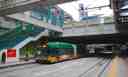
To spot the International District/Chinatown station, just look ahead for a big open-air concrete structure beneath the street, with green railings zigzagging up the staircases and rows of buses pulling under a wide bridge-if you see those green-and-yellow buses and modern glass blocks, you’ve found it! Welcome to the beating heart of Seattle’s International District transit hub! Take a deep breath and let the cool tunnel air waft over you-doesn’t it feel like the city’s very own subway cave? Wait long enough and you’ll catch the tremble of a train, the distant chime of the next arrival, or maybe just the echoing footsteps of fellow travelers rushing to catch their next ride. The story of this place is one of bold dreams, tricky politics, and, well, quite a bit of digging. Over a hundred years ago, this area was a muddy tide flat, slowly transforming as Seattle grew, and immigrants from China, Japan, and the Philippines began building their new lives along these blocks. Back then, trains chugged to gleaming new stations-King Street Station in 1906 and Union Station in 1911-carrying hopes, luggage, and crates of fresh produce. But folks had bigger plans! In 1911, a city engineer named Virgil Bogue drew up a grand vision: an elevated rapid transit swooping from King Street, through Chinatown, onward to Rainier Valley. Sounds flashy, right? But Seattleites gave it a big thumbs down at the polls-guess no one wanted flying trains quite yet. Fast forward to the dreams of a subway in the 1950s, the bold “Forward Thrust” plans of the late 1960s, and several other attempts that, well, just never left the station. Each time, Seattle’s dreamers and doers planned for tunnels and portals, for connecting the city’s far corners, but politics turned more than one blueprint into scrap paper. Meanwhile, the International District kept humming, welcoming new faces and flavors as Asian Americans from across the Pacific shaped the neighborhood into a lively crossroads-the “International District” name stuck, a nod to the melting pot that lived, ate, and traveled here. Finally, in the wild neon glow of the 1980s, progress picked up. Seattle decided to go underground-literally-and built this very bus tunnel below your feet. Twin tunnel machines, like mechanical moles, started digging in 1987 right from this spot, gnawing north through the city’s underbelly. By 1990, the International District station opened, ready for its very first-get this-electric buses that switched to trolley mode at the end of the tunnel, just to keep things spicy. But the story doesn’t end there! All around you, the architecture blends Asian motifs-red columns, green tiles, and cozy wooden seats inspired by Japanese homes. Look down: the brick plaza with animal symbols is a nod to the Chinese zodiac, but done in Coast Salish style-a beautiful blend of cultures. There are stories hidden everywhere: steel origami “chasing” each other along the wall, poems by Asian railroad laborers, and even children’s clay tiles with legends from far-flung lands. When Seattle wheeled out its new Link light rail, this station was ready. After a grand renovation in the early 2000s, light rail finally rolled in with a celebratory whoosh in 2009. Gone were the days of bus fumes filling the tunnel-now it was sleek trains and the promise of zipping off to SeaTac, the university, or someday even Bellevue and Redmond. If you listen closely, you might imagine the departure bells or the laughter of families reuniting after a long trip, echoing through these halls. Today, this plaza is more than an entrance; it’s a community stage, a shortcut to Uwajimaya, Lumen Field, and the busy world outside. The whole thing is getting ready, yet again, for a new chapter: soon, a new train line will branch off, and this will be the place where Seattle’s north-south and east-west paths cross, a veritable transit “X marks the spot.” So whether you’re hopping a train, catching a bus, or just pausing for a moment, imagine the ghosts of old dreamers, tired workers, and hopeful newcomers all moving through the same space-this is where Seattle comes together, and where its journey keeps rolling on.
Open eigen pagina →To spot Union Station, look for a large, brick building with a tall, triangular roofline, a round clock right at the top, and a row of flagpoles out front on the corner of S.…Meer lezenToon minder
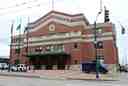
To spot Union Station, look for a large, brick building with a tall, triangular roofline, a round clock right at the top, and a row of flagpoles out front on the corner of S. Jackson Street and 4th Avenue S. Now, let’s step back in time! Picture this spot on a bustling morning in 1911. The Union Station opens, and the sound of steam locomotives and chattering passengers fills the air. This wasn’t just any old building-it was the new gateway to the great North, built especially for the Union Pacific Railroad and the Milwaukee Road. Back then, this place went by the formal name “Oregon and Washington Station.” I know, not nearly as catchy-like calling your dog “Canine Mammal” instead of Buddy! The massive brick walls around you once echoed with the footsteps of excited travelers, anxious military men heading to war, and kids waving tickets bigger than their dreams. But things changed quickly. Trains died down, and by 1971, the last passenger train pulled away, leaving Union Station eerily quiet. For nearly 30 years, the station was like your uncle’s attic-mostly empty except for a few odd things, including an antique store in the Great Hall. Ever imagine buying a lamp where crowds once hurried off to new adventures? But every good station deserves a comeback! In the 1990s, Union Station got a second chance-thanks to a major renovation helped along by Paul Allen, Microsoft’s co-founder, and the imagination of developers. The transformation was stunning, winning awards, and turning the station into Sound Transit’s ultra-cool headquarters. These days, the grand hall is as likely to see wedding cake crumbs as train tickets. Not just the main building, the “Union Station” name now includes a ring of modern office buildings nearby-built after the original, standing almost like its younger brothers. Rumor has it, these buildings are earthquake-proof, protected by a secret underground band of rubber. It might not be superhero stuff, but it’s pretty close! By the way, if you want to catch a train now, that happens next door at King Street Station. Under your feet, the International District/Chinatown light rail station links the neighborhood, always buzzing with buses and tracks below street level. And as if it wasn’t busy enough, Union Station itself might soon get a new chapter as a future light rail stop. Oh, and quick trivia-if you watched “The Man in the High Castle,” you’ve already seen this place dressed up as a Japanese Imperial train station. Not bad for a building that came back to life after half a century of naps!
Open eigen pagina →Look ahead for a cluster of modern, glassy buildings-one with slanted sides that gleam gold and green in the sunlight, and a taller, red-brick office block with lots of windows…Meer lezenToon minder
Look ahead for a cluster of modern, glassy buildings-one with slanted sides that gleam gold and green in the sunlight, and a taller, red-brick office block with lots of windows right beside it. Welcome to the Opus Center! At first glance, it might just seem like another corporate plaza, but don’t let those sleek lines fool you-these buildings are having their own architectural adventure. Picture this: it’s the turn of the millennium and engineers are scratching their heads, confronting a wild challenge. Why? Because part of Opus Center sits right on top of the underground Chinatown transit tunnel, like a giant balancing act! To make the magic happen, part of the structure actually hangs over columns built back in 1985-columns that just didn’t match the dreams of the new century. I’d call that building with a twist, wouldn't you? And here’s a little Seattle trivia to spice things up: before Amazon grew too big for its boots, this place was their lair until 2011. Picture the echoes of hurried footsteps and whispered big ideas-maybe someone even planned the next big package delivery revolution right where you’re standing. Because the tunnel below made things tricky, the four buildings here act like they’re holding hands-in fact, engineers built all of them as one seismic unit, joined together with a special rubbery membrane, just in case the ground decides to hiccup! So, next time you spot a normal office block, remember: some buildings are quietly living on the edge... or, in this case, over a tunnel!
Open eigen pagina →Look straight ahead for a giant, brightly colored archway painted with red pillars and tiled with orange roofs-spanning directly over South King Street-it’s almost impossible to…Meer lezenToon minder
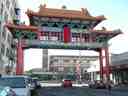
Look straight ahead for a giant, brightly colored archway painted with red pillars and tiled with orange roofs-spanning directly over South King Street-it’s almost impossible to miss! Welcome to the Historic Chinatown Gate! Imagine: you're walking down South King Street and suddenly, above you rises a gate so grand and vibrant it seems to buzz with life. This beauty stands 45 feet tall, covered in nearly 8,000 shimmering ceramic tiles brought all the way from southern China. Now, take a deep breath-can you smell the hint of rain on steel and stone? Over a decade ago, workers bustled here, piecing together the enormous steel frame and fitting every tile, each click and clang echoing through the street. The architects, Paul Wu and Ming Zhang, wanted to build more than just an entrance; they built a symbol of pride for Seattle’s Chinatown community, a colorful welcome mat that says, “You’re here!” But, here’s the twist-construction wasn’t easy. For years, the Historic Chinatown Gate Foundation fought to raise half a million dollars and to turn visions into reality. Finally, in 2008, the archway opened with a grand ceremony; imagine drums beating, laughter rising, and city officials snapping photos. There were dreams for a second shimmering gate at the other end of the district, but for now, this one stands guard-a story in steel, tile, and a little bit of stubborn hope.
Open eigen pagina →Look for a cozy little shop with a bright green sign that reads “Seattle Best Tea” above a glass door, flanked by colorful menu posters and a glowing neon “OPEN” sign-right here…Meer lezenToon minder
Look for a cozy little shop with a bright green sign that reads “Seattle Best Tea” above a glass door, flanked by colorful menu posters and a glowing neon “OPEN” sign-right here on S King Street. Alright, take a deep breath through your nose-can you smell it? There’s a gentle hint of roasted oolong and sweet milk tea swirling in the air, promising the comfort of a warm drink on a chilly Seattle day, or maybe an ice-cold boba on a summer stroll. Welcome to Seattle Best Tea, the heartbeat of Taiwanese tea culture in the International District-where every cup is brewed with a dash of tradition and a sprinkle of family love. Now, let’s step back in time for a second. The year is 1996, and Lydia Lin and Joe Hsu have just moved to Seattle from Taiwan. They’re wandering the city, tea lovers searching for even a whiff of their favorite brews, only to discover a terrible truth: Nobody in Seattle seems to know their high-mountain oolongs from their elbow. So what do they do? They roll up their sleeves and open the original Seattle Best Tea right here on bustling S King Street. It smells just as inviting back then, and if you close your eyes, you might just hear the distant clink of cups and the cheerful gossip of neighborhood regulars, eager to try a fresh new taste from across the Pacific. At first, the menu is all about loose-leaf teas: the grassy bite of green tea, the mellow calm of jasmine, the romantic mystery of white tea-but the popularity truly bubbles over in 2008, when bubble tea, or boba, first hits the menu. Pearls popping in sweet milky tea become an instant hit, making the shop a beacon for students, workers, and the eternally thirsty. Imagine the anticipation of waiting for your first sip, wondering which daring flavor to try. Maybe a smoky, heavy oolong milk tea, one of Seattle’s absolute favorites, or a playful fruit-milk concoction that’s almost more dessert than drink. And for those who want a cold treat instead? Seattle Best Tea even dabbles in tea-flavored ice cream! But this is no ordinary beverage joint; this little tea shop is woven into the fabric of the community. Lydia’s story becomes so iconic that the Wing Luke Museum features her in an exhibition called “What’s in Your Cup? Community-Brewed Culture,” inviting everyone to taste just how tea can bring strangers together. The shop is buzzing during the annual Night Market, and when the University District holds its Food Walk, Seattle Best Tea is there, serving up cups full of joy. Even as time presses forward and rumors of light rail construction threaten their original location, Seattle Best Tea never backs down, opening a second shop in the University District in 2023. Through the years, this friendly oasis earns rave reviews: Eater Seattle calls it one of the friendliest places to learn about leaves, Seattle Times recommends it for the perfect cup of tea, and bubble tea connoisseurs consistently rank it number one. So next time you take a sip here, remember-you’re not just tasting tea. You’re enjoying a story of resilience, community, and a little bit of magic, all from this unassuming spot on S King Street. You know what they say: drinking tea shortens the distance between people-and maybe, if you hang around long enough, you’ll see that in action right here.
Open eigen pagina →To spot A+ Hong Kong Kitchen, look for a creative sign just ahead with a giant “A+” made from a spoon and fork, paired with bold orange Chinese characters-it's the kind of logo…Meer lezenToon minder
To spot A+ Hong Kong Kitchen, look for a creative sign just ahead with a giant “A+” made from a spoon and fork, paired with bold orange Chinese characters-it's the kind of logo that instantly makes you hungry! Alright, as you stand here in front of A+ Hong Kong Kitchen, let me set the scene. Imagine yourself stepping right off the busy Seattle street into a world where Hong Kong’s bustling flavors come to life. The aroma drifting through the door is a wild dance of curry, sizzling pork, and warm, buttery pineapple buns. This isn’t just any noodle spot-it’s a little corner of Hong Kong, planted right inside Seattle’s Chinatown-International District. The chef behind the curtain here is Hoi Ning Chim, a true master of the kitchen, who makes sure every bowl of rice, every steaming congee, and every plate of springy noodles earns that “A+” in the name. Trust me, you can practically feel the energy of late-night Hong Kong snacks pulsing through every dish. And word gets around! The folks at Seattle Metropolitan called nearly every single dish here “fabulous” (which is pretty much like your grandma calling your report card “very impressive”). This place has landed on list after list-the best lunches, the top Chinese take-out in Washington, and even the must-try spot in the entire International District! Can you picture it? Crowds waiting, all anxious for their plate of pork chops and spaghetti, or a sweet, cloud-like tea sandwich dripping with condensed milk and butter. Hungry yet? People walk out of here grinning, taste buds tingling, sometimes even laughing about how they can’t believe a simple rice roll could taste so good. And there’s a bit of a mystery here, too: with so many awards, how does Hoi Ning Chim do it? Some say it’s a sprinkle of Hong Kong magic, others claim it’s just the right amount of condensed milk. Either way, just standing here, you’re already part of this delicious story. So, ready for your own bite of the legend?
Open eigen pagina →To find Oasis Tea Zone, look for a long, low building with big glass windows showing off colorful neon “OASIS” signs inside, with stonework at the base along the…Meer lezenToon minder
To find Oasis Tea Zone, look for a long, low building with big glass windows showing off colorful neon “OASIS” signs inside, with stonework at the base along the sidewalk. Alright, take a deep breath and catch a whiff of sweet tea and fresh popcorn chicken-you've just landed outside the legendary Oasis Tea Zone! Born right here in Seattle’s International District around 2001, this isn’t just any boba spot-it’s a local piece of family history brewed strong and sweet by the Liu family. Imagine this: it’s the early 2000s, and the spot you’re standing by is bustling with the last shoppers of the old Uwajimaya grocery, soon to be transformed into a warm, neon-lit escape filled with board games, pinball, and the constant hum of laughter. I-Miun Liu, one of the community’s youngest entrepreneurs, poured his heart into this place. The early days weren’t always easy-bubbles burst, milk tea spilled, and for a while, profits didn’t fill many cups. But slowly, the irresistible combos of chrysanthemum, taro, and mango milk teas, not to mention those otherworldly “snow” and “slush” drinks, started winning hearts. Locals lined up for popcorn chicken and Nutella wontons (yes, you heard that right-Nutella!), their cravings mingling with the click of pinball flippers. As the years went by, Oasis Tea Zone kept evolving. Picture the cafe partnering in 2014 to build that friendly parklet you might spot nearby-a cheerful patch with seating and fun, where you could sip your milk tea while soaking up the city vibes. Soon, Oasis spilled out into the University District and Edmonds, popping up at street fairs and even Seattle’s first-ever boba festival, where their mango lemonade with mango popping boba drew a crowd that stretched around the block. Awards didn’t stop rolling in either: from “Favorite Bubble Tea Café” to making top lists of Seattle’s best boba shops year after year. The C-ID location became the go-to for a late-night sugar and tapioca fix, earning a rep as the “premiere” hangout where friendships bubble as easily as the tea. Students, families, and boba-lovers of all stripes keep this corner bright with the clink of cups, the pop of boba, and the steady background groove of good company. So before you step inside, imagine all the flavors and memories swirling right here; Oasis Tea Zone isn’t just where you get a drink-it’s where Seattle comes to play, recharge, and, if you’re lucky, snag that last piece of cherry chèvre cake.
Open eigen pagina →To spot Hing Hay Park, look ahead for a striking pavilion with ornate orange-tiled roofs sitting on bright red columns-right in the heart of the square, with benches and open…Meer lezenToon minder
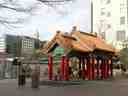
To spot Hing Hay Park, look ahead for a striking pavilion with ornate orange-tiled roofs sitting on bright red columns-right in the heart of the square, with benches and open spaces all around. Welcome to Hing Hay Park-the joyful heart of Seattle’s Chinatown-International District! If parks had personalities, this one would be the welcoming neighbor who insists you stay for tea, play a game of chess, or join an impromptu tai chi session. It’s a place where community spirit is practically built into the bricks and beams. Let’s travel back to the early 1970s, when the land here was about as vibrant as a soggy fortune cookie-home only to the condemned concrete of the Specie Bank of Seattle, which had stood crumbling since 1911. But local leaders had a vision: with a little luck (and a lot of paperwork), maybe this unloved corner could become a haven for relaxation, culture, and togetherness. The transformation wasn’t magic-it was Forward Thrust! This might sound like a superhero, but it was really a bond initiative that handed over the funds to buy out the old buildings. The park’s first plans were a far cry from today-a humble “International District Mini Park,” designed by creative visionaries at Sakuma, James, and Peterson. The city dreamed up a space easy to maintain (because, let’s face it, city budgets cared more for pigeons than park pavilions back then). Enter Ruby Chow-a local firebrand who could out-charm a dragon-and the Mayor of Taipei, visiting from across the Pacific. Over friendly, heartfelt conversations, Chow convinced the mayor this little park should be more than just a patch of grass. So he reached into his own pockets (I hope they were big ones!), donating the brickwork, pavilion, and that delightful tiled-roof bulletin board where you’ll still find community news and an outdated district map. Picture Seattle’s skies, usually dripping with rain, suddenly buzzing with the hammering and laughter of Taiwanese builders sent over just for this project. By 1975, their carefully crafted pavilion stood proudly-a gift from one city to another-a red, green, and orange gem at the crossroads. Now, take in your surroundings-the original heart of the park is right at the corner of King Street and Maynard Avenue, filled with benches and stone chess tables, where players often battle more fiercely than sumo wrestlers at a buffet. The little bulletin board sits, oddly diagonal in the southeast corner. That’s on purpose. According to feng shui, setting it parallel would block the flow of qi-and we wouldn’t want to meddle with any invisible dragon energy now, would we? And that colorful mural? Look over at the Bush-Asia Center’s wall. Artist John Woo painted it in 1977-there’s a fierce dragon, scenes of railroad workers (a nod to the people who actually built the region, though rarely thanked in the history books), the Kingdome, and the iconic King Street Station clock tower. Local stories, big dreams, all swirling together in one grand sweep of brushstrokes. The park honors its heroes too. There’s a solemn cenotaph in memory of ten Chinese-American veterans lost in World War II. Each Memorial Day, families gather, memories rise, and American Legion Cathay Post No. 186 holds a respectful ceremony amidst the laughter and life. With time, the park grew-from a cozy quarter-block nook to a spacious 0.64-acre haven, after the city scooped up the old post office next door in 2007. A new generation of designers, including teams from both Seattle and Beijing, dreamed up a bigger vision: terraced landscaping like rice paddies, new seating, and a dramatic red gateway. In 2018, Studio Fifty50 installed a 70-foot-long red metal archway-a modern edge to the classic vibe. When it went up, there was a big community celebration and just a bit of local drama: the gateway and lighting delayed the opening by months. But hey, you can’t rush perfection (or electricians, apparently). Today, Hing Hay Park thrums with life year-round. In summer, tai chi classes unfold slowly under the morning sun, and music drifts from spontaneous concerts and Dragon Fest celebrations. The place is famous enough to appear in a Blue Scholars hip-hop song and even shows up in a video game, though the digital version is flashier than real life. There’s always something happening, whether it’s a fierce chess match, a friendship blossoming, or the simple magic of sitting on a bench under that leafy canopy. So, as you stand here, surrounded by red columns and orange tiles, you’re not just looking at a park-you’re stepping into 50 years of stories, unity, and a dash of cross-Pacific friendship. Hang out, grab a snack, strike a pose-who knows, maybe you’ll end up in the next mural or song!
Open eigen pagina →Straight ahead, look for a tucked-away entrance with faded green walls and a pair of battered double doors, marked by dark, square windows and a sense of deep, silent history-this…Meer lezenToon minder
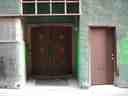
Straight ahead, look for a tucked-away entrance with faded green walls and a pair of battered double doors, marked by dark, square windows and a sense of deep, silent history-this is where the infamous Wah Mee gambling club once hid beneath the street. Let’s go back in time together, right here in this quiet alley of the International District. It’s February 1983 and, though now it’s calm, the air then was thick with secrets, whispers, and excitement just out of sight. This building is the Louisa Hotel, built in 1909-a place that saw decades of comings and goings, hopes and heartbreaks, and, sometimes, just plain bad luck. By the time the 1980s rolled around, its basement was home to the Wah Mee Club, once known as “Beautiful China.” It had gone from a bustling hotspot, where people of all backgrounds came for dancing, gambling, and laughter, to a dingy, secretive spot, full of shadows and tales best told behind closed doors. Imagine you’re a regular back then, squeezing past two sets of locked doors into the Wah Mee, where the only way in was to be recognized by the watchful security behind those thick glass blocks-one clear window so he could peek out and check who was coming. The place buzzed with the clink of dominoes and shouts over card games. People came hoping for good fortune… but on February 18, 1983, fate had other plans. Very late that night, three young men-Willie Mak, Benjamin Ng, and Tony Ng (no relation)-walked in. They were known around the club. That’s why, as they were buzzed inside, nobody expected trouble. Suddenly, the friendly faces were replaced by the cold threat of drawn guns. The club regulars-all Cantonese, many longtime immigrants, some successful restaurant owners-were ordered to the ground. One by one, they were tied up with rope, hands and feet bound. Even as fear crept in, one old man, Wai Yok Chin, tried to charm his way out: “No need to tie so tight, I’m just an old man!” Little did they know, he’d be the only one to survive and eventually tell their story. In the shadows, the gunmen methodically robbed each person, the silence thick, broken by muffled cries, and finally-gunfire, sudden and lethal. Wai Yok Chin was shot, but against all odds, survived. As he staggered outside, bloodied but alive, three would-be new patrons buzzed at the door, only to be met by horror. Thirteen out of fourteen people were lost that night, shot execution style, making it the deadliest mass murder in Washington State history. The aftermath gripped Seattle in shock and sadness; the doors were padlocked, and the Wah Mee Club was closed forever. Police found no signs of resistance-everyone had recognized their attackers. The single survivor, Chin, faced threats to his life, yet found the strength to testify in court. The three killers were eventually caught: Mak and Benjamin Ng would spend the rest of their lives in prison, while Tony Ng, after years on the FBI’s Most Wanted list, was caught in Canada and later served 28 years before being deported to Hong Kong. But the story of this spot doesn’t end in darkness. After the tragedy and a terrible fire in 2013 that gutted much of the building, the Louisa Hotel was rebuilt, rising anew in 2019 with apartments and new shops along the street. Buddhist monks came to bless the place, hoping to bring peace to its turbulent history. So as you stand in this alley, look at those aging doors and imagine all the chapters written here-from Blue Heaven’s roaring 1920s, through times of legend and heartbreak in Chinatown, to a community determined not just to remember its scars but to carry on and restore life anew. This is no ordinary spot on the map; it’s a window into the heart of Seattle’s past, pulsing with stories, loss, and resilience. And if you listen closely as you move along, you just might still hear a whisper of the Wah Mee’s secrets in the wind. Wondering about the background, massacre or the victims? Feel free to discuss it further in the chat section below.
Open eigen pagina →Look for a big, playful logo with the words “World Pizza” swirling around a globe - you can’t miss it, right in front of you! Alright, you pizza adventurer, welcome to World…Meer lezenToon minder
Look for a big, playful logo with the words “World Pizza” swirling around a globe - you can’t miss it, right in front of you! Alright, you pizza adventurer, welcome to World Pizza! Take a sniff - can you smell that combo of roasted garlic, toasty bread, and fresh basil in the air? This isn’t your average slice stop. World Pizza is a real original, founded by two brothers, Aaron Crosleycone and Adam Cone, who first set up shop in Belltown in the 1990s. Imagine Seattle’s grunge era: flannel everywhere, and these guys are rolling out pizzas for the hungry crowd. Years later, in 2011, they moved right here to Seattle’s Chinatown-International District, and the neighborhood’s never been the same since. Picture stepping inside: there’s a cheerful orange couch calling your name, and funky retro light fixtures hanging overhead, giving the whole place a comfy, slightly ‘worn-in’ groovy vibe. World Pizza isn’t just a name - it’s an invitation to explore the globe of flavors, all on a vegetarian canvas. Where else can you find potato and gorgonzola on a slice? Or vegetarian pepperoni that’s so tasty you might forget it’s not the real thing? There’s even a basil-walnut-pesto slice that once made it onto a “best of Seattle” list. Picky eaters and vegans don’t need to worry, either: everyone’s welcome here. Now for a bit of local legend. Not only have famous folks like Amanda Knox grabbed a bite here, but World Pizza also turned heads when they introduced a reusable pizza box that you could buy - and got a free slice with the deal. I mean, pizza and saving the earth? That’s a superpower right there. They’ve also battled it out with delivery apps, and joined the joyful clang and chaos of the summer Dragon Fest, dishing out slices at the neighborhood’s biggest parties. World Pizza is a local favorite - the kind of place where you feel like you’re part of a bigger community, not just another customer. So if you’re craving something clever, delicious, and just a bit groovy, you know you’ve come to the right stop. Now, are you hungry yet?
Open eigen pagina →To spot Jade Garden Restaurant, just look for the round green sign with bright yellow Chinese characters and the name "Jade Garden Restaurant" in big bold letters-it’s easy to…Meer lezenToon minder
To spot Jade Garden Restaurant, just look for the round green sign with bright yellow Chinese characters and the name "Jade Garden Restaurant" in big bold letters-it’s easy to spot if you’re standing right out front! Now, imagine the sizzling clatter of steamers and the gentle hum of hungry people inside. Welcome to Jade Garden Restaurant, the heart and soul of dim sum in Seattle’s International District! This place isn’t just about food, oh no. Picture yourself biting into a warm, pillowy pork bun or dunking a dumpling into a splash of soy sauce, the air thick with the scents of fresh prawns, hot and sour soup, and those Lunar New Year cakes stuffed with goodies like sausage, taro, and dried shrimp. It’s run by Eric Chan, who gave the place a fresh makeover in 2019, so the lively murals you see are as colorful as the feast inside. Now, here’s a twist: during the pandemic, Jade Garden switched to take-out like a culinary superhero, but even the mighty can face tough times-vandals tried to dim their sparkle in 2020, but the restaurant stood strong for its community. And it’s not just me who loves it: locals and foodies can’t get enough, and it’s scored top lists for the best leftovers and dim sum in Seattle. If walls could talk, Jade Garden’s would share stories of celebration, resilience, and a whole lot of dumpling joy. Hungry yet?
Open eigen pagina →You’re looking for a big, red-brick building on the corner with plenty of black-trimmed windows and large storefront glass-just across the intersection, where tree branches nearly…Meer lezenToon minder
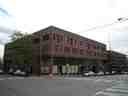
You’re looking for a big, red-brick building on the corner with plenty of black-trimmed windows and large storefront glass-just across the intersection, where tree branches nearly brush against the walls. Welcome to the Wing Luke Museum, the soul of Asian Pacific American history in Seattle! Take a deep breath and picture yourself in the bustling Chinatown-International District, where the hum of the past mingles with everyday life. It all began back in the 1960s when Wing Luke, Seattle’s first Asian American city council member, realized this neighborhood needed a vault for its stories-somewhere people could remember where they came from, even as the world spun forward. After his tragic death in a plane crash in 1965, friends picked up his torch and opened this museum in a snug little storefront-imagine just a handful of rooms packed full of memory and hope. But dreams, just like people, tend to grow. Pretty soon, the Wing Luke Museum needed more space to fit all the voices and artifacts gathering dust in its heart. In 1987, it moved to a bigger spot, and by 2008, it graduated to this grand corner in the historic East Kong Yick Building, built all the way back in 1910 with money pooled from Chinese immigrants. If the walls could talk, you’d hear Chinese, Japanese, and Filipino languages echoing through the old Freeman Hotel upstairs, and laughter drifting up from alleyway apartments. Today, the museum is more than just a collection of items behind glass. It hosts over 18,000 treasures-photographs, keepsakes, documents, family stories, and an entire old grocery store, Yick Fung Co., preserved right here. You can even step inside the former meeting room of the Gee How Oak Tin Association, peek into recreated kitchens, and wander through rooms where new arrivals once dreamed of better tomorrows. Walking through the museum feels a bit like opening a book with pages from dozens of cultures-Chinese, Filipino, Vietnamese, Japanese, and more. Over 26 ethnic groups have their say here, telling tales through objects and voices. The magic comes from the community: every exhibit is designed hand-in-hand with local groups and families, who help decide which stories matter and which secrets should finally see daylight. That way, nothing feels stiff or distant-all the exhibits beat with the pulse of real life. This approach won the museum national awards and inspired its unforgettable exhibit about Bruce Lee, who somehow managed to break boards and stereotypes at the same time. Sometimes the museum’s own story feels like a drama-full of triumphs but also shadows. In 2023, late at night, someone smashed nine museum windows in a shocking, racially motivated crime. The sound must’ve echoed through Canton Alley. But the community rallied, painting a new mural over the broken panes, turning pain into beauty. More recently, the museum made headlines when half its staff walked out in protest against an exhibit they felt didn’t represent everyone’s truth-a reminder that this place isn’t just about preserving the past, but grappling with the present, too. As you stand here, remember: these bricks have held shopkeepers’ dreams, travelers’ worries, children’s games, and the raw energy of people forging new lives. The Wing doesn’t just store history-it’s like a living, breathing nerve center for memory, community, and the tricky business of understanding each other. So, ready to step in and let these stories sweep you off your feet? Just watch your head; you never know when a flying kung-fu kick might come your way-Bruce Lee’s legacy lives here, after all!
Open eigen pagina →To spot the Statue of Sun Yat-sen, just look for a bronze figure standing tall on a black pedestal with golden writing, right in front of the large red-brick building marked with…Meer lezenToon minder
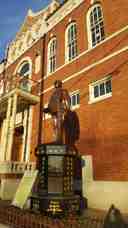
To spot the Statue of Sun Yat-sen, just look for a bronze figure standing tall on a black pedestal with golden writing, right in front of the large red-brick building marked with Chinese characters. Imagine you’re standing in front of this statue in 2018, when the neighborhood was buzzing with excitement, cameras flashing, and people whispering tales of transformation. Here, just in front of the Chong Wa Benevolent Association, a new figure rose up-Sun Yat-sen, the man known as the “Father of Modern China.” There’s a sense of pride in the air, as if every brick of this building is clapping for him. Sun Yat-sen had a dream big enough to shake the world: he wanted to bring peace, loyalty, and harmony to all. Now, his bronze statue stands in Seattle’s International District, his coat swinging as if caught by the wind, ready to step into history-or maybe just get to the next dim sum before it’s gone. If you listen closely, you might almost hear the echoes of Revolution and hope, mixing with the everyday chatter, dumpling steam, and the city’s heartbeat. It’s a reminder that even on a small street, world-changing dreams can take root, and anyone-yes, anyone-can make history.
Open eigen pagina →





Veelgestelde vragen
Hoe begin ik de tour?
Download na aankoop de AudaTours-app en voer je inwisselcode in. De tour is direct klaar om te starten – tik gewoon op afspelen en volg de GPS-geleide route.
Heb ik internet nodig tijdens de tour?
Nee! Download de tour voordat je begint en geniet er volledig offline van. Alleen de chatfunctie vereist internet. We raden aan om te downloaden via wifi om mobiele data te besparen.
Is dit een groepsrondleiding met gids?
Nee - dit is een audiotour met eigen gids. Je verkent zelfstandig op je eigen tempo, met audiovertelling via je telefoon. Geen tourguide, geen groep, geen schema.
Hoe lang duurt de tour?
De meeste tours duren 60-90 minuten, maar jij bepaalt het tempo volledig. Pauzeer, sla stops over of neem pauzes wanneer je wilt.
Wat als ik de tour vandaag niet kan afmaken?
Geen probleem! Tours hebben levenslange toegang. Pauzeer en hervat wanneer je wilt – morgen, volgende week of volgend jaar. Je voortgang wordt opgeslagen.
Welke talen zijn beschikbaar?
Alle tours zijn beschikbaar in meer dan 50 talen. Selecteer je voorkeurstaal bij het inwisselen van je code. Let op: de taal kan niet worden gewijzigd na het genereren van de tour.
Waar vind ik de tour na aankoop?
Download de gratis AudaTours-app uit de App Store of Google Play. Voer je inwisselcode in (verzonden per e-mail) en de tour verschijnt in je bibliotheek, klaar om te downloaden en te starten.
Als je niet tevreden bent met de tour, betalen we je aankoop terug. Neem contact met ons op via [email protected]
Veilig afrekenen met 


