AudaTours logoAudaTours

Harrogate Audiotour: Harrogate Tijdloze Wandtapijt Tour

Audiogids15 stops

Onder het zachte geroezemoes van Harrogate ligt een wirwar van geheimen, van verdwenen auteurs tot schitterende soirees en heimelijk oorlogsdrama. Deze zelfgeleide audiotour nodigt je uit om verder te dwalen dan de ansichtkaarttaferelen en in het hart van de meest intrigerende verhalen van de stad, waardoor je hoekjes ontdekt die de meeste bezoekers simpelweg over het hoofd zien. Waarom verborg de wereldberoemde Agatha Christie zich in het Old Swan Hotel onder een valse naam terwijl detectives het hele land afzochten? Welk verdwenen meesterwerk verdween ooit uit de Mercer Art Gallery, om pas een halve wereld verderop weer op te duiken? Wie werd gekroond tot 'Koningin van de Bron' te midden van zwavelgeurende menigten – en welk schandaal ontvouwde zich achter de koepels en zuilen van de Royal Pump Room? Beweeg je door zonovergoten straten en sierlijke gevels, en stap in verhalen die resoneren met luxe, ondeugd en nieuwsgierigheid. Elke hoek brengt nieuw drama; elk gebouw herbergt een wild geheim dat wacht op ontdekking. Klaar om je te laten meeslepen door de verborgen geschiedenis van Harrogate? Begin je reis waar de waarheid vreemder is dan fictie.

Tourvoorbeeld

map

Over deze tour

  • schedule
    Duur 40–60 minsGa op je eigen tempo
  • straighten
    3.5 km wandelrouteVolg het geleide pad
  • location_on
  • wifi_off
    Werkt offlineEén keer downloaden, overal gebruiken
  • all_inclusive
    Levenslange toegangOp elk moment opnieuw afspelen, voor altijd
  • location_on
    Start bij Old Swan Hotel

Stops op deze tour

  1. To spot the Old Swan Hotel, just look for a grand, historic building with an elegant sign featuring a graceful swan-its entrance is usually bustling right at the edge of…Meer lezenToon minder

    To spot the Old Swan Hotel, just look for a grand, historic building with an elegant sign featuring a graceful swan-its entrance is usually bustling right at the edge of town. Welcome to the legendary Old Swan Hotel, a place where mystery and history walk hand in hand-and sometimes grab a cup of tea together. Imagine yourself here in the late 1700s: carriages rumble by on dusty roads and guests bustle into the old Swan Inn, seeking shelter and perhaps a cure in Harrogate's famous mineral waters. By the nineteenth century, things had taken a luxurious twist-the hotel was transformed into “The Hydro,” a stylish spa retreat where visitors tried out Turkish baths and sipped, well… probably not great-tasting but supposedly magical spa water. The Hydro was ahead of its time-a real trendsetter. Just imagine: it was the very first building in Harrogate to have electric lighting. Deep below the elegant ballrooms, a vertical steam engine powered up a DC generator to keep the lights glowing and the laundry tumbling. Now picture this: eggs and milk arriving fresh every morning from the hotel’s own farm just up the road on Penny Pot Lane. But things took a dramatic turn in 1939 when, with only 48 hours’ notice, the Old Swan was taken over by the Ministry of Aircraft Production. Staff scrambled to lay cables through the restaurant and across the town, as secret wartime plans unfolded in these very walls. The tension reached a peak in 1943, when enemy aircraft attacked-luckily, only a nearby house was lost. But the real show-stopper? In December 1926, bestselling author Agatha Christie vanished and checked in under a false name. The world-police, fans, even other famous writers-searched frantically, and speculation ran wild. Here, in these very halls, Christie hid in plain sight until a keen-eared banjo player noticed her. Finally, after many twists worthy of her own novels, the mystery ended right here. Today, the Old Swan stands as both a beautiful hotel and a living piece of Harrogate’s story-still buzzing with secrets, spa tales, and maybe an odd ghost or two.

    Open eigen pagina →
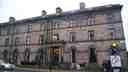
  2. Look ahead for a grand old stone building with a handsome Italian Renaissance façade, round-arched windows, and a striking central entrance flanked by columns-there it is, the…Meer lezenToon minder

    Look ahead for a grand old stone building with a handsome Italian Renaissance façade, round-arched windows, and a striking central entrance flanked by columns-there it is, the Mercer Art Gallery! Now, picture yourself right here, heart thumping as if you’re about to step into a time machine, because the Mercer is more than just a building-it’s a living scrapbook of Harrogate’s wild, wonderful history. Once upon a time, before this place was filled with paintings and sculpture, it was built as the Promenade Rooms, thanks to a group of clever doctors who thought, “If patients stay longer for the entertainment, perhaps they’ll pay for an extra appointment or two!” I suppose that’s what you’d call multitasking-Victorian style. Over the years, the building put on many hats: Victoria Reading Rooms, a library, Assembly Rooms, a theatre, and even the Old Town Hall. Imagine Oscar Wilde and Lily Langtree gracing the stage right where you stand, in a lively theatre run by the Harrogate Amateur Minstrels! It flourished with drama and music until the grander Grand Opera House opened up the street, turning this landmark into a bit of an all-purpose community building-a spa department, a council office, even a housing benefits office. Not very glamorous, unless you’re passionately in love with spreadsheets. But the real artistic magic began in 1991, though it wasn’t exactly a smooth debut. The Old Town Hall, now the Mercer Art Gallery, was in rough shape-a hole in the ceiling big enough for a dramatic exit and false walls hiding gorgeous Victorian plasterwork. Before you could say “abracadabra,” a fundraising banquet was held in the dilapidated space, and somehow, the efforts raised £110,000 from the community. Terence and Gavin Mercer, sons of well-known watercolourist Sidney Agnew Mercer, added another £50,000 in honour of their father, and with the help of the local council, the place was transformed-think of it as Cinderella, only with more paint fumes and far fewer pumpkins. Inside, beneath the Corinthian portico and fanlit entrance, you’ll now find two grand galleries-the main one with echoes of the old assembly rooms, and the north gallery, where themed exhibitions change like the British weather. Only a fraction of the gallery’s jaw-dropping two thousand works can be shown at once, so what you see today could be completely different next time you visit. You might spot drawings by Eva Leigh, pencil portraits by David Remfry featuring people and their beloved dogs, or perhaps works from abstract legends like Patrick Heron and Gillian Ayres. The Mercer's walls have displayed everything from Turner’s Yorkshire landscapes to Martin Creed's room full of over a thousand bouncing balls. Yes, really-a thousand balls! Clean-up afterwards must’ve taken longer than painting the Forth Bridge. The Mercer doesn’t only put on a good show, it helps other local spots shine too, loaning artworks to places like the Royal Hall and even sending paintings as far as Miami (rumor is the sculptures prefer the sunshine). The collection includes treasures by big names such as William Powell Frith, John Atkinson Grimshaw, and fresh perspectives from contemporary artists-plus the historic Kent Collection of antiquities. Not to mention the super sleuth story of the missing marble statue, “Warrior with Wounded Youth,” which mysteriously vanished, cropped up in London, and then popped up for sale in Miami. Maybe keep an eye out for it hiding behind a palm tree… Let’s not forget the Friends of the Mercer Gallery, formed in 1992 when the gallery’s future needed a helping hand. Led for thirty years by Judith Thomas, this tireless group helped raise money, enthusiasm, and artistic ambition. Without them, and the support of the community, the gallery might have faded into memory instead of becoming one of Yorkshire’s top stops for art lovers and curious wanderers alike. So, as you stand by the Mercer Art Gallery, you’re surrounded by layers of creativity-old stone, new art, echoes of actors and authors, and the heartbeat of Harrogate itself. Next time you stride past its grand Corinthian portico, just remember: this place has seen it all, survived leaks and floods, galas and ghosts of artists past, and keeps its doors open wide for discovery. Now, shall we step inside-or shall I put on my best Oscar Wilde impression out here while you gaze at the façade?

    Open eigen pagina →
  3. To spot the Royal Pump Room, look ahead for a small, elegant stone building with a domed copper roof and a darker, glassy annexe beside it, just across the street from a bed of…Meer lezenToon minder

    To spot the Royal Pump Room, look ahead for a small, elegant stone building with a domed copper roof and a darker, glassy annexe beside it, just across the street from a bed of colorful flowers and in front of the Valley Gardens. Now, close your eyes for a second and imagine yourself stepping back in time to the bustling streets of Victorian Harrogate. This beautiful octagonal building in front of you, designed by Isaac Thomas Shutt, was once the heartbeat of the town-a place where people flocked from around Britain and even Europe, hoping for a taste of the magical waters found right beneath your feet. Just listen-if you were here in the late 1800s, you’d hear the clinking of glass, the chatter of people in elegant costumes, and maybe-if you’re lucky-a strain of string music from a little orchestra gathered inside the rotunda. This spot wasn’t just about fashion or fun-it was all about the water. But not just any water: strong sulphur water, bubbling up from the Old Sulphur Well. If you’re wrinkling your nose already, don’t worry. Most first-timers did! The smell was, let’s say, a little eggy-good for the health, not so great for the nostrils. In the grand days, you’d find Harrogate’s visitors lining up here as early as 7am, glass in hand, ready to gulp down the local cure for ailments like gout and lumbago-before breakfast, of course, just in case you wanted your eggs with a whiff of something extra. Back in the early 1800s, Betty Lupton, known as “The Queen of the Well,” served water here from the original well on this site, greeting guests for nearly sixty years! Every spring, someone like Betty would be crowned-yes, literally crowned-the new “Queen of the Well.” Imagine the excitement and pageantry of that! By 1842, this grand building opened, meant to serve 150 people at once. Though some important locals grumbled about the design, it soon became the place to see and be seen. Picture the original copper roof shining under the Yorkshire sun and guests gossiping near those beautiful Corinthian columns. The fun didn’t stop with a drink-you could walk straight over to the Royal Baths for a hot mineral soak or a mud treatment. There were even wheeled mahogany bathtubs and bath chairs-imagine being pushed through town like a Victorian superstar, the wind in your hair… or at least your hat. During the museum’s heyday, it wasn’t just local folks filling their glasses here. The Russian Tsarina Alexandra paid a visit. Charles Dickens stopped by in 1858 and called Harrogate “the queerest place, with the strangest people in it.” I guess sulphur water brings out the oddballs and celebrities alike! Fashionistas, too: the museum now even showcases period costumes and has hosted Downton Abbey dresses, perfect for anyone dreaming of high-society drama. Business boomed and boomed-by 1925, a staggering 259,000 visitors came to Harrogate just for the waters, though numbers dipped after the First World War and never quite recovered. As tastes changed and new medicines came along, the crowds thinned out. In the 1950s, instead of water pumpers, the building housed curious children and eager visitors as a museum. Over the years, the Pump Room has been renovated, including its distinctive copper roof and even its old tap-yes, you can still see it (but trust me, drinking is not recommended unless you want to meet your ancestors a bit early!). Inside today, you’ll find a treasure trove of Harrogate curiosities. Peep down into the basement and you’ll spot the ancient stone wellhead with a tented roof-protecting the marble basin where the old well once bubbled up. There’s a 19th-century bath chair, glass “torpedo” bottles that once zipped across the country, and original rooms recreated with salvaged spa fixtures. If you’re a fan of Indiana Jones, you’ll be happy to know there’s even an impressive collection of Ancient Egyptian and Greek artefacts, from a sarcophagus to a mask of Anubis, all collected by adventurers from Harrogate itself. These days, instead of the roar of fashionable crowds, you might hear the gentle laughter of schoolchildren on field trips or the excited whispers of families exploring the past. And if you ever spot someone looking curious outside, they might just be thinking about all the secrets hiding beneath Harrogate’s streets-like the hidden wells and countless stories waiting to be told. So, next time you’re near this grand copper-roofed treasure, take a deep breath-just not too deep-and remember, you’re standing where royalty, writers, and thousands of hopeful health-hunters once gathered, all searching for a bit of magic in a glass. If only water could talk, right?

    Open eigen pagina →
Toon 12 stops meerToon minder stopsexpand_moreexpand_less
  1. To spot the White Hart Hotel, look for a grand stone building with bold golden letters spelling “WHITE HART HOTEL” across the front and a white stag statue perched right above the…Meer lezenToon minder

    To spot the White Hart Hotel, look for a grand stone building with bold golden letters spelling “WHITE HART HOTEL” across the front and a white stag statue perched right above the entrance-if you’re on Cold Bath Road, you can’t miss it! You’re now standing before the grand old White Hart Hotel, but don’t let those fancy golden letters and elegant columns fool you-this place has seen just about everything over its 250-year history. Picture yourself here in 1765, when the York Courant newspaper was bustling with gossip and mystery. The hot news? Someone at the White Hart had misplaced a dappled grey mare and was desperate enough to offer a reward for her safe return, right here in Low Harrogate. I bet the horse just wanted a spa day, like everyone else coming to town! Back in those early days, the White Hart was the go-to spot for visitors hoping to “take the waters” at the nearby sulphur wells. Imagine the tangy smell of sulphur in the air and carriages clattering up outside, dropping off fancy folks with big hopes for good health. People came from all around to bathe in Harrogate’s famous cold water at the bottom of what is now Cold Bath Road. If you were thirsty for excitement-and maybe a bargain-the White Hart was your place! By the late 1700s, the building was bubbling with life as a venue for lively property auctions and as a welcome coaching stop for weary travellers. Now, here’s a fun bit: the open land to the south of the hotel, called “the Stray,” wasn’t always so neat. It was once practically a swamp! By the end of King William IV’s reign, poor drainage had turned it into a giant pond. Coaches would arrive, splashing through puddles with ducks and geese exploding in all directions. That must have been a sight-a proper comedy show for the locals, I imagine! The arrival of the Victorian age brought even more excitement. Harrogate became a hotspot for the health-obsessed and the wealthy, thanks to hydrotherapy and the brand-new railway-lucky for the White Hart, which sat right on the path to both. Business boomed, and in 1846, the old White Hart was replaced by the majestic building you see now, thanks to architect George Townsend Andrews. Even the strict Professor Nikolaus Pevsner, a famous architecture critic, called it “the best building in Harrogate,” though he assured us it wasn’t flashy. Well, except the white stag-he does like to stand out! Fast-forward to the 20th century, and the White Hart was still at the centre of things. Picture the 1936 Jarrow Crusade arriving out front, greeted warmly by townsfolk gathered right where you stand. Just a few years later, with the outbreak of World War II, this place was taken over by the government-first the Air Ministry, then the Ministry of Works-its elegant halls echoing with the sound of official business instead of clinking glasses. After the war, there was even talk of turning the White Hart into an art school or a hospital extension for rheumatism research. But life had other plans. It became the NHS’s one and only conference centre for years, before finally returning to its roots as a hotel in the late 1980s. Now, the White Hart is a stylish hotel and conference centre again, with a popular restaurant, tearooms, a pub for the locals called The Fat Badger, and much more. The air today is just scented with good food, coffee, and laughter. Who knows what stories you might add to the White Hart’s long, lively history? Interested in a deeper dive into the victorian redevelopment, 20th century or the present day? Join me in the chat section for an insightful conversation.

    Open eigen pagina →
  2. To spot the Royal Hall, look for an elegant, grand stone building just ahead with a row of arched windows and a green glass-and-iron canopy, flanked by corner towers topped with…Meer lezenToon minder

    To spot the Royal Hall, look for an elegant, grand stone building just ahead with a row of arched windows and a green glass-and-iron canopy, flanked by corner towers topped with little domes-you can’t miss its theatrical style! Right in front of you stands the sparkling gem of Harrogate, the Royal Hall-though, if we’d been here in 1903, we would have been welcoming you to “the Kursaal!” Picture this: in the early 1900s, jazz bands and tangled mustaches were in fashion, and Harrogate’s spa visitors wanted somewhere dazzling to gather. With steam rising from the former Cheltenham Pump Room nearby, local hero Samson Fox-an inventor with a knack for grand gestures-led the charge to build this opulent hall. Imagine the sound of horses and carriages clattering outside as eager guests streamed inside for concerts, fancy galas, and a night of sparkling chandeliers. The Kursaal was supposed to be the toast of the continent, modeled on the swanky Belgian Kursall-but, as it turns out, “Cure Halls” were a bit too European for British tastes. As the dark clouds of World War I rolled in, patriotism was in, and so the Kursaal was rebranded with a stately new title: the Royal Hall. Fast-forward to the mid-20th century and-plot twist!-the grand theatre swapped plays for film reels to survive, becoming a cinema and helping Harrogate grow into a buzzing event destination. By the 1990s, however, the Royal Hall was looking rather worse for wear-think faded frills and a leaky ceiling-until the community raced to the rescue! £10.7 million later and bucketloads of paint, it reopened with the flourish of royal approval from none other than Prince Charles in 2008. Since then, it’s been the main stage for everything from toe-tapping Gilbert and Sullivan musicals, to the only UK appearance by J.K. Rowling as Robert Galbraith. Close your eyes and you might almost hear a swell of music echoing through the cupolas as an audience bursts into applause. The Royal Hall isn’t just a local landmark; it’s Harrogate’s beating heart of entertainment, restored and sparkling for new generations to enjoy. So, step right up-who knows what show is waiting inside tonight?

    Open eigen pagina →
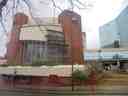
  3. To spot the Harrogate Convention Centre, look straight ahead for a modern red-brick and white circular building, with big glass windows and a staircase leading up to the…Meer lezenToon minder

    To spot the Harrogate Convention Centre, look straight ahead for a modern red-brick and white circular building, with big glass windows and a staircase leading up to the entrance. Now, imagine stepping into this bustling heart of Harrogate-home to serious business and serious fun! The Convention Centre isn’t just any bland building; it’s a magnet, pulling in voices, laughter, applause, and probably a few nervous coughs before those big presentations. If you stood here back in 1982, you might have heard the echoes of cheers and pop music during the Eurovision Song Contest! Since then, this place has seen it all: from political debates at party conferences to the whir of exhibition setups and the clink of hotel crockery. When the pandemic hit in 2020, this space transformed overnight into the NHS Nightingale Hospital-imagine the hum of activity as hundreds of beds arrived, and the sense of hope and urgency. Through decades of renovations and redirected foot traffic, from directors Simon Kent to Paula Lorimer, it remains a cornerstone of Harrogate’s spirit-always ready to welcome the next wave of creative thinkers, performers, or even world-saving medical staff. So, whether you’re here for a conference or secretly hoping for a Eurovision encore, this building is never short of stories… as long as you don’t mind a little bit of construction noise now and again!

    Open eigen pagina →
  4. Look ahead for a striking red-brick building with large arched windows and an ornate black canopy bearing the name "Harrogate Theatre" in bold letters right above the…Meer lezenToon minder

    Look ahead for a striking red-brick building with large arched windows and an ornate black canopy bearing the name "Harrogate Theatre" in bold letters right above the entrance-it's impossible to miss on this bustling street. Now, imagine you’re hit by a gust of excitement as you stand before these story-filled doors. You’re at Harrogate Theatre, a place where magic and history practically tangle in the air, and if you listen carefully, you might just hear the echo of an audience gasping in delight. Harrogate Theatre has stood here since 1900, when it first opened with a spectacular charity night for the brave soldiers fighting far away in the Boer War. The very next show was a pantomime-Dick Whittington-because every theatre needs a cat and a good laugh to warm its bones. Designed by Frank Tugwell, who must've had a flair for the dramatic, this place wasn’t just a “stand-and-deliver” kind of hall: it’s a proper “hemp house," with old ropes and pulleys still used to whisk curtains and scenery in and out, like a backstage ballet you’ll never see. And here’s a quirky twist-actors and crew sneak in through the grand front doors, no secret stage door here! Imagine famous faces like Sarah Bernhardt or Charlie Chaplin brushing shoulders with the crowd on their way in. If you look up, you’ll spot a brown plaque listing the showbiz legends who once graced this stage-everyone from Ben Kingsley to Eddie Izzard. The foyer still holds its original glamour, including a plaster frieze by Frances Darlington, which honestly deserves its own round of applause. Backstage, the theatre once had its own woodworking and set-building crew who could turn “just an idea” into a magical set overnight. And the magic doesn’t stop for grownups-Harrogate Theatre runs buzzing, creative programs for kids and teens, where future actors, singers, and writers first learn to shine, sometimes just across the street at HIVE. So while you’re out here, picture the laughter, the gasp after a twist, and the hush before the curtain goes up. That’s the real spirit of Harrogate Theatre-where every show starts with a promise, and you never quite know what wonders will happen next.

    Open eigen pagina →
  5. Look to your left for a grand dark stone church with a tall, square tower rising above the trees-if you see that towering presence and lots of arched windows, you’ve found St…Meer lezenToon minder

    Look to your left for a grand dark stone church with a tall, square tower rising above the trees-if you see that towering presence and lots of arched windows, you’ve found St Peter’s Church. Alright, traveler, time to peel back the pages of history! Imagine it’s the 1870s and this very spot is alive with the sound of hammers and saws. St Peter’s wasn’t always here-folks in Harrogate had to chip in their own money to build it after it split from Christ Church. Picture the excitement on the day the first stone was laid. Designed by Mr. Hirst of Bristol, this church soon began to soar upwards in what’s called the decorated style-think elaborate arches, five soaring bays for the nave, wide aisles, and a magnificent chancel ending in a perfectly rounded apse. What a sight it must have been as each section took shape! The drama wasn’t all in the construction-oh no. At the western end, a proud tower soon carried a spire (imagine the wind howling around it on a stormy night). Over time, St Peter’s became home to many, each vicar adding his own chapter to the story. The very first, Reverend Foote, started in 1870 and set a tone of hope-sometimes he must have wondered if the building would ever be finished before Sunday came around! And don’t forget the bells! Eight glorious bells, cast by John Taylor of Loughborough, that once managed to get the church in a bit of trouble for ringing a little too joyfully. Yes, St Peter’s made history as the first in the UK to get an official “quiet down” from the law for noise pollution. Imagine that-a church too enthusiastic for its own good! Inside, you might catch the sweet swell of the pipe organ, which has been tweaked and tuned by more craftsmen than you’d find in a musical soap opera. Each note today carries echoes of voices past-weddings, christenings, and perhaps a funeral or two, all adding their layers to the walls. So as you stand here, you’re not just looking at stone-you’re looking at a living piece of Harrogate’s heart! Now, shall we ring onwards to our next stop?

    Open eigen pagina →
  6. Look for a tall, pale stone obelisk rising high above Prospect Square, its smooth sides broken only by laurel wreath carvings at the top and large bronze plaques at the base,…Meer lezenToon minder

    Look for a tall, pale stone obelisk rising high above Prospect Square, its smooth sides broken only by laurel wreath carvings at the top and large bronze plaques at the base, standing proudly surrounded by bollards, flags, and flowerbeds. Welcome to Harrogate War Memorial-although if you ask the locals, they might call it the Harrogate Cenotaph! But don’t let anyone fool you: according to the experts, this isn’t a cenotaph at all, since there’s no tomb beneath, only memories stretching skyward-all 23 metres of them, nearly as tall as a double decker bus standing on end. You’re standing right where, over a century ago, 10,000 people gathered for a ceremony so grand, even the skies couldn't decide whether to laugh or cry. Just imagine: “weeping skies with spells of bright sunshine,” thunder rumbling in the distance, and a parade of uniforms, flags, and music as Harrogate remembered its own. Let’s step back in time to 1923. After World War I, towns up and down Britain rushed to build monuments, but Harrogate’s was one of the last to be finished-typical, isn’t it? Must’ve been all that Yorkshire tea during the planning meetings. Winning the design contest was Ernest Prestwich, who wowed the council with a plan described as simple yet powerful. But there was one little problem: money, or the lack of it. The original estimate was £5,000, but by the end the bill was £12,000, which in today’s currency would buy you a small castle-or maybe just a Harrogate hotel room during flower show season. The first stone was laid with much pomp by Major Edward Wood, while the townsfolk looked on proudly. Then, over a year later, the day finally arrived: September 1st, 1923. Picture soldiers straight-backed in their best uniforms, Navy, Army and Royal Air Force-each corner of that pedestal guarded fiercely by representatives, as if Britannia herself had called them to duty. The band of the 5th Battalion West Yorkshire Regiment played, somber choirs filled the air with "The Supreme Sacrifice,” and then-just as the buglers played the 'Last Post'-a heavy rain fell, as if the skies themselves shed tears for the fallen. If you look closer, you’ll see the stories carved in stone: on the north, “1914, the Call to Arms,” a bareheaded soldier poised over a trench, bugle at his lips, bayonets bristling as his mates steel themselves for what lies ahead. On the south side, “1918, Britannia with the Flag of Victory,” Union Flag draped heroically, sword raised, the dove of peace hovering above a jumble of weary soldiers. Each mural comes alive with tension-the hopes and heartbreaks of an age that shaped Harrogate forever. Look at the two big bronze plaques-these aren’t just names. They belong to 1,163 men and women, each with a story. Some were soldiers from the Yorkshire Regiment, others served on far-away seas. Among them are a nurse, a munitions worker, a YMCA volunteer, and a member of Queen Mary’s Army Auxiliary Corps. The youngest, heartbreakingly, just fifteen years old. Over three hundred have no known graves. But here, in sight of the Harrogate streets they once walked, they are named, remembered, saluted. In 1948, two more plaques were added for those lost in the Second World War, including Auxiliary Territorial Service workers. Around the plinth, you’ll notice individual plaques-heroes and Victoria Cross recipients like Donald Simpson Bell and Charles Hull, names to be whispered with pride and maybe a touch of awe. Here’s a quirky bit for you: the original unveiling was filmed-500 feet of local history, put away for “posterity.” It was Harrogate’s first local film, stored at the Free Library for future generations. If only TikTok had existed then! Time has not dimmed the meaning of this place. In 2023, the town held a centenary celebration, with the “Last Post” trumpeted once more. Old soldiers, like 99-year-old Sheila Pantin-one of the first British servicewomen to enter a concentration camp-helped launch the day. The local Civic Society spent five painstaking years piecing together the life stories of each of the 1,163 on the plaques. Their research even made national news, and the story of this monument continues, woven into both memory and modern history. So, as you stand here, let your eyes travel up the tall, pale stone, past the laurel wreaths, the carved coats of arms, the Swords of Sacrifice, and the Wordless Wounds of War. Take a quiet moment-can you hear the echoes of choirs, thunder, and bugles lingering? This isn’t a cenotaph, but a statement of memory-a story told in stone and bronze, for you to carry forward as you walk Harrogate’s streets. And if you ever need some motivation to finish something, just remember: even a mighty obelisk took a bit longer than expected! Interested in knowing more about the description, legacy or the centenary

    Open eigen pagina →
  7. To spot the West Park United Reformed Church, just look for the towering spire of grey stone rising high above the trees straight ahead-it’s hard to miss, with its pointed Gothic…Meer lezenToon minder

    To spot the West Park United Reformed Church, just look for the towering spire of grey stone rising high above the trees straight ahead-it’s hard to miss, with its pointed Gothic arches and grand entrance facing the wide green of The Stray. Alright, you’ve arrived at a place built for both worship and a little bit of wonder! Imagine the year is 1861 and this plot of land is all alive with excitement-a crowd of well-dressed ladies and gentlemen, Harrogate locals, and curious spa visitors are standing behind a low fence and Gothic gates, all gathered in the summer air for a momentous occasion. Suddenly, a silver trowel flashes in the sunlight as Sir Francis Crossley, a local VIP, lays the foundation stone. Underneath it, a time capsule-bottle and all-clinks into place with a satisfying thud, hiding away coins, newspapers, and secrets for future generations. There’s the sound of hymn-singing and the clip-clop of carriages on the wide avenue. You can almost feel the buzz-after all, this is the “front door” to the new Victoria Park development, designed to impress both Yorkshire’s elite and the throngs flocking in on the brand-new railway. The West Park Congregational Church, as it was called then, rose up in monumental fashion: a grand spire 130 feet tall, turning heads in Low Harrogate, designed by the celebrated duo Lockwood & Mawson. If you squint up at the tower, you might spot the gargoyles perched above-look closer at the capitals and you’ll see chicks in their nests, an unexpected bit of humor amongst the lofty stonework. The south wall is a real showstopper too, with twelve stone faces staring out over the grass-Oliver Cromwell, John Bunyan, John Milton, and Isaac Watts, among others, all carved here to keep the congregation company. Local gossip even wondered if a Roman Catholic artist was behind the mysterious faces-talk about religious unity in a different way! Life at West Park was never dull. Its first minister, the beloved Reverend John Henry Gavin, was known for his warmth and lively spirit-sadly, his story ended far too soon, when he succumbed to tuberculosis at just 38. His funeral was so large, it seemed everyone in town turned up to pay their respects. A black memorial slab still remembers him, just inside the church. His wife’s life had its dramas too-after his passing, she stayed strong, opening a boarding school and later running guesthouses across Harrogate. Imagine a bustling Victorian Sunday when the church burst to life with 700 spa visitors and townsfolk, every seat filled-pews were extra wide, just in case someone with a particularly extravagant dress, or perhaps just a healthy Yorkshire appetite, sat down! The original interior glittered under two massive brass chandeliers, casting warm light over the crowd as Reverend Thomas Raffles delivered a “powerful sermon” and the collection plates filled with shiny coins and whispered hopes. And speaking of powerful things, the pipe organ here is legendary: the original was installed by Booth of Wakefield in 1869, at a whopping £350-a fortune back then. Over the years, new organs took its place; the one inside now was brought from Northampton in the 1990s and still shakes the walls when played. If you listen carefully on a Sunday, you might just hear the ring of the single bell cast in 1812, first heard at the old James Street chapel, now rung above your head. Over time, West Park Church has kept up with the times-its schoolrooms once echoed with the laughter of 200 children, and now the West Park Hall upstairs hosts everything from badminton matches to dramatic plays. Visitors like Tsarina Alexandra of Russia once worshipped here, and during the UCI Road World Championships, the finish line was right at the church’s front door! The church even turned into a press hub for the world’s cycling reporters. Even in quieter moments, the church’s Stray View Coffee Shop has supported dozens of charities and welcomed locals for a cuppa and a chat. The congregation here continues a long tradition of hospitality, support, and just a touch of Yorkshire stubbornness-no matter the century! So, as you stand in front of this grand old church, imagine the echoes of its past-the triumphant cheers, solemn prayers, the clatter of coins, organ music swelling through the air, and the footsteps of generations marching through its doors. Welcome to a real Harrogate icon, where every stone has a story just waiting to be told. Intrigued by the building, ministers or the recent events? Explore further by joining me in the chat section below.

    Open eigen pagina →
  8. Just ahead on your left, you’ll spot Belvedere House, the tall and stately stone building with grand bay windows, a decorative roofline, and a fancy arched porch that seems to…Meer lezenToon minder

    Just ahead on your left, you’ll spot Belvedere House, the tall and stately stone building with grand bay windows, a decorative roofline, and a fancy arched porch that seems to invite you into another era. Now, take a deep breath and let’s travel back to the 1860s, when Belvedere House was brand new and smelling of fresh stone and adventure. Imagine John Smith, the proud owner, strutting through the halls as builders Perkin and Backhouse whispered about the grandeur of their design-gritstone walls, dramatic cornices, and that unmistakable Dutch gable on top like a crown! But here’s a twist: Smith’s time here was short. After his passing, the house welcomed new residents, each bringing their own splash of character to these very rooms. In 1920, the building’s spirit shifted-it transformed into a youth hostel run by the YMCA. Suddenly, the echoing halls filled with laughter, clanging tin plates, and boots thudding up the grand staircase. Later, it became an art school, where paint splatters and whispered secrets drifted through the grand windows. Even today, as offices, its walls seem to remember those lively days. Belvedere House may look solid and still, but if you listen closely, you might just hear a mischievous sketch artist or the murmur of adventurous young travelers passing through. And don’t forget to admire that quirky four-storey belvedere tower on the left-after all, every grand old house needs a bit of flair!

    Open eigen pagina →
  9. To spot the Jubilee Memorial, just look ahead for a tall, elegant spire rising above a flower-filled garden-at its base you'll see the white marble statue of Queen Victoria…Meer lezenToon minder

    To spot the Jubilee Memorial, just look ahead for a tall, elegant spire rising above a flower-filled garden-at its base you'll see the white marble statue of Queen Victoria standing beneath a highly detailed stone canopy. As you stand here, let your eyes wander up this magnificent structure-a piece of Harrogate’s very own fairy tale in stone. The Jubilee Memorial towers above you, its sharp spire pointing like a magic wand to the Yorkshire sky. Listen closely and you might just catch echoes of the bustling crowd from that cold, snowy morning back in April, 1887, when this monument’s story began. Imagine snowflakes swirling, eager faces braving the chill, and a band of proud townsfolk gathered around the very spot where you stand. The mayor’s wife, Mary Jane Ellis, wrapped up warm against the severe weather, stood exactly where you are and, with a twinkle in her eye and a borrowed silver trowel, pressed the foundation stone into the earth-while everyone felt slightly relieved she didn’t freeze in place. Why all this fuss in the snow? Because Harrogate, like the whole country, was set on celebrating Queen Victoria’s 50 years on the throne: her Golden Jubilee. This monument, tall as a four-story house and built from honey-colored sandstone, was their spectacular birthday card to the Queen-a triumph paid for not by wealthy barons but by more than 1,600 townsfolk. No one gave more than a pound, and some only a penny. Every coin jingled with pride, collected by the Ladies’ Jubilee Committee and topped up by the town’s mayor, Richard Ellis. Some say the truest treasures start with a single penny-and this is surely proof. If you look closely at the base, you’ll spot granite shafts with bold, lion-crowned shields, and carved panels telling you exactly why this spot is so special. Step back and see how the square stone base lifts up your gaze to the statue in the middle-a calm and stately Queen Victoria, carved from dazzling white Sicilian marble, nearly as tall as the average rugby player. And yes, that famous necklace she’s wearing features the glittering Koh-i-Noor diamond, just to remind you nobody did royal bling quite like Her Majesty. The canopy above Victoria is more than just shelter-it’s a Gothic Revival masterpiece filled with arches, decorative pinnacles, and sharp gablets, each crowned with a trefoil (that’s a clover-shaped flourish if, like me, you don’t speak Medieval architect). Squint a little and you’ll spy the Harrogate coat-of-arms tucked into these fancy decorations-no chance of forgetting where you are! Up, up, up your eyes go until you reach the slender, graceful spire-almost delicate, yet standing strong for more than 130 years. But what’s history without a good bit of drama? This spot has seen glitz and ceremony fit for a queen-or even a prince, when Prince Albert Victor, Victoria’s very own grandson, stopped by in 1888 and, with a smile, declared the statue a perfect likeness of Grandma. On another day, the whole memorial was festooned with garlands to welcome visiting mayors and dignitaries; on Victoria’s funeral in 1901, it was somber and draped in black and purple, the air heavy with wreaths and the scent of sorrow. And let’s not forget those “magnificent iron railings” that once wrapped around it in grand style-lost to the war effort, supposedly melted down for munitions, but who really knows? Maybe they’re out there somewhere, turned into a Spitfire or two. The original plan was for a drinking fountain here, but after someone decided “annoyed” horses and carriages weren’t a good idea, they settled for just the statue-lucky for us, really, as this open, circular site gives you grand space to soak it all in. From gala processions with flashing police buttons and brass bands, to the laughter of children weaving between flowerbeds, and the quiet pride of residents who see more than just stone-they see their own generosity immortalized. That’s the Jubilee Memorial for you: a little piece of the past, as grand and lively as any royal celebration, still standing tall in the heart of Harrogate. So, if you feel a little shiver of excitement-or maybe just the Yorkshire breeze-know you’re part of this monument’s living story.

    Open eigen pagina →
  10. To spot St Robert’s Church, just look for the striking red brick building with its pointed, Gothic arches and tall bell tower, standing proudly at the roadside-it’s hard to miss…Meer lezenToon minder

    To spot St Robert’s Church, just look for the striking red brick building with its pointed, Gothic arches and tall bell tower, standing proudly at the roadside-it’s hard to miss with its unusual combination of angular rooftops and arched windows. Now, let’s step back through time for a moment. Imagine yourself in Harrogate in the 1870s-a little dusty, a little horse-drawn, and very eager for a bit of grandeur. This is when George Goldie and Charles Edwin Child were given the mission: build a church so beautiful even the pigeons would feel blessed to roost here! Their creation, opened in 1873 by none other than Cardinal Henry Edward Manning, quickly became the heart of Harrogate’s Catholic community. The presbytery right next door is even older, dating back to 1864-so it’s definitely seen its share of stories! Things got even more interesting when Canon William Pope, a bold figure who famously switched from Anglicanism, became one of the priests. In 1899, the walls began to vibrate with music when a mighty William Hill organ was installed. And if you enjoy a bit of drama, back in 1906 a Lady Chapel was added-so beautiful that parishioners probably wondered if angels had helped. Finally, in 1930, the church-filled with magnificent plaster Stations of the Cross-was officially consecrated. So, take a moment to feel the echoes of history here, right where traditions, mysteries, and a little divine comedy all mix together.

    Open eigen pagina →
  11. Look for a big, rough boulder with a bronze plaque on its front, sitting on the grass just by the side of the road-this marks where Harrogate's old Brunswick railway station once…Meer lezenToon minder

    Look for a big, rough boulder with a bronze plaque on its front, sitting on the grass just by the side of the road-this marks where Harrogate's old Brunswick railway station once stood. Now, imagine it’s 1848. Steam engines chug, the smell of coal fills the air, and the lively station named after the Brunswick Hotel bustles with passengers-all right here, on the north side of Trinity Road! The station was the pride of the Leeds and Thirsk Railway, its platforms filled with the excited chatter of travelers. Just to the west, you’d have seen two sidings and even a little engine shed puffing away. But alas, its glory days were numbered. In 1862, a new railway station was built, and poor old Brunswick became yesterday’s news, closing its doors and almost slipping away into obscurity. Yet the wonder didn’t quite end there. Beneath your feet, hidden from most, lies a secret tunnel once used by trains-and even more mysteriously, it became an air raid shelter during World War II, echoing with the anxious whispers of townsfolk hiding from the bombs above. There are even old steps tucked away at its closed north end, a silent memory near St Mark’s Road. So, as you stand before this humble boulder, picture the steam, the squeals of arriving trains, and the shiver of history passing right through Harrogate’s veins. Not bad for a boulder’s resume, eh?

    Open eigen pagina →
  12. To spot Trinity Methodist Church, just look for the tall, needle-like spire rising above a grey stone building with pointy Gothic arches-it's on the corner, slightly hidden by…Meer lezenToon minder

    To spot Trinity Methodist Church, just look for the tall, needle-like spire rising above a grey stone building with pointy Gothic arches-it's on the corner, slightly hidden by some leafy trees. Welcome to Trinity Methodist Church, Harrogate-the final stop on our tour, and what a grand finale! Picture yourself back in October 1876: the ground shakes as sturdy stone blocks are hauled into place, and masons call out over the clang of hammers. It took over two years to finish, and when the doors finally creaked open in April 1879, folks must have felt like they were stepping into a fairytale world of soaring arches and stained-glass light. The air smells faintly of fresh paint and sawdust from Taylor and Son of Bradford, and if you peer up, you’ll see George Woodhouse’s Gothic vision soaring above you-three graceful bays and, by 1889, a brand new north west tower and that stunning spire, reaching for the very heavens. But the surprises don’t stop there! Take a deep breath: somewhere inside, a grand pipe organ waits, the pride of Forster and Andrews since 1880. Imagine the first time those pipes thundered-a flood of music echoing off stone and glass, rattling the windows and making hearts soar. Now, thanks to careful renovations more than a century later, that same magic still lives, connecting past and present. So take a moment here-maybe even try humming a few notes yourself. Just don’t challenge the organ to a contest; it’s got over a hundred years’ head start!

    Open eigen pagina →

Veelgestelde vragen

Hoe begin ik de tour?

Download na aankoop de AudaTours-app en voer je inwisselcode in. De tour is direct klaar om te starten – tik gewoon op afspelen en volg de GPS-geleide route.

Heb ik internet nodig tijdens de tour?

Nee! Download de tour voordat je begint en geniet er volledig offline van. Alleen de chatfunctie vereist internet. We raden aan om te downloaden via wifi om mobiele data te besparen.

Is dit een groepsrondleiding met gids?

Nee - dit is een audiotour met eigen gids. Je verkent zelfstandig op je eigen tempo, met audiovertelling via je telefoon. Geen tourguide, geen groep, geen schema.

Hoe lang duurt de tour?

De meeste tours duren 60-90 minuten, maar jij bepaalt het tempo volledig. Pauzeer, sla stops over of neem pauzes wanneer je wilt.

Wat als ik de tour vandaag niet kan afmaken?

Geen probleem! Tours hebben levenslange toegang. Pauzeer en hervat wanneer je wilt – morgen, volgende week of volgend jaar. Je voortgang wordt opgeslagen.

Welke talen zijn beschikbaar?

Alle tours zijn beschikbaar in meer dan 50 talen. Selecteer je voorkeurstaal bij het inwisselen van je code. Let op: de taal kan niet worden gewijzigd na het genereren van de tour.

Waar vind ik de tour na aankoop?

Download de gratis AudaTours-app uit de App Store of Google Play. Voer je inwisselcode in (verzonden per e-mail) en de tour verschijnt in je bibliotheek, klaar om te downloaden en te starten.

verified_user
Tevredenheid gegarandeerd

Als je niet tevreden bent met de tour, betalen we je aankoop terug. Neem contact met ons op via [email protected]

Veilig afrekenen met

Apple PayGoogle PayVisaMastercardPayPal

AudaTours: Audiotours

Vermakelijke, budgetvriendelijke wandeltours met eigen gids

Probeer de app arrow_forward

Geliefd bij reizigers wereldwijd

format_quote Deze tour was een geweldige manier om de stad te zien. De verhalen waren interessant zonder te gekunsteld aan te voelen, en ik vond het heerlijk om op mijn eigen tempo te verkennen.
Jess
Jess
starstarstarstarstar
Tbilisi-tour arrow_forward
format_quote Dit was een prima manier om Brighton te leren kennen zonder je als toerist te voelen. De vertelling had diepgang en context, maar overdreef het niet.
Christoph
Christoph
starstarstarstarstar
Brighton-tour arrow_forward
format_quote Begon deze tour met een croissant in de ene hand en nul verwachtingen. De app gaat gewoon mee met je, geen druk, gewoon jij, je koptelefoon en gave verhalen.
John
John
starstarstarstarstar
Marseille-tour arrow_forward

Onbeperkte audiotours

Ontgrendel toegang tot ELKE tour wereldwijd

0 tours·0 steden·0 landen
all_inclusive Onbeperkt verkennen