
Glasgow Audiotour: Audiotour door de Creatieve Corridor van Glasgow
Onder de grootse zandsteen en rokerige luchten van Glasgow, schuilen geheimen in elke geplaveide hoek—gefluisterde verhalen over rebellie, rivaliteit en uitbundige feesten galmen nog steeds door de meest legendarische straten. Volg de hartslag van deze stad tijdens een zelfgeleide audiotour, dwalend van het debatterende gedonder van de Glasgow University Union naar verborgen wonderen nabij de metro van Kelvinbridge en de weelderige rondingen van de Park District. Welke mysterieuze code verbergt Daft Friday achter de muren van de Union? Wie riskeerde alles om middernacht toen vloedwater de diepe tunnels van Kelvinbridge bedreigde? Welk herenhuis in de Park District huisvestte ooit vergaderingen die het Schotse voetbal op zijn grondvesten deden schudden—en wat is daar vandaag de dag nog van over? Loop door verhalen over uitdagende protesten, weelderige gemaskerde bals, vergeten rivaliteiten en onwaarschijnlijke triomfen. Elke stap onthult een nieuwe laag—het gelach van studenten, schaduwen van politieke complotten en gefluister gedragen door riviernevel. Klaar om de sluier op te lichten van de verborgen geschiedenis van Glasgow? Begin nu—en laat deze legendarische straten de stad herschrijven die je dacht te kennen.
Tourvoorbeeld
Over deze tour
- scheduleDuur 30–50 minsGa op je eigen tempo
- straighten4.8 km wandelrouteVolg het geleide pad
- location_onLocatieGlasgow, Verenigd Koninkrijk
- wifi_offWerkt offlineEén keer downloaden, overal gebruiken
- all_inclusiveLevenslange toegangOp elk moment opnieuw afspelen, voor altijd
- location_onStart bij Studentenunie van de Universiteit van Glasgow
Stops op deze tour
To spot the Glasgow University Union, look for a grand and historic building at the foot of University Avenue crowned with a dramatic Scots Baronial flair, often bustling with…Meer lezenToon minder
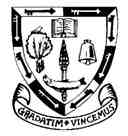
To spot the Glasgow University Union, look for a grand and historic building at the foot of University Avenue crowned with a dramatic Scots Baronial flair, often bustling with lively students. Welcome to the legendary Glasgow University Union-where history, laughter, and just a touch of “academic mischief” echo through the halls! Take a deep breath as you stand here on this lively spot, maybe catch the distant, and imagine the not-so-quiet beginnings way back in 1885. Picture ambitious students from debating, medical, and athletic societies scribbling plans by flickering gas lamps, determined to create a place to share ideas, stories, and the occasional pint. Their vision started with a fundraising splash, collecting £5,000 from a generous Englishman named John McIntyre-which was a bit like scoring the lottery at the time. By 1890, the first Union opened its doors in the John McIntyre Building, but it wasn’t long before Glasgow students needed even more space for their shenanigans, hearty debates, and club nights. So, in 1931, a brand new Union rose here-designed in proud Scottish baronial style, like a castle for students, where you’ll still find traces of those first wild ideas and even wilder parties. But don’t imagine it’s all history and no fun! The Union is famous for its events, including “Daft Friday”-a mysterious, wild black-tie ball where every nook turns magical. Imagine over 2,000 students swirling through extravagant decorations under secret themes, with everything from ceilidhs to swing bands to-believe it or not-laserquest! Local legends whisper that the very walls hum “gradatim vincemus” (“we win step by step”) from the Union crest, sometimes after a particularly tricky game of billiards or a late-night debate. Speaking of debates, the GUU is something of a champion-think Hogwarts’ Great Hall, but with more snappy comebacks and fewer spellbooks. It’s won the World Universities Debating Championship five times and holds a record sixteen wins in the John Smith Memorial Mace. The Debates Chamber on the first and second floors has hosted some legendary moments, fiery arguments, and, occasionally, the sound of a well-flung witty insult bouncing across the wood paneling. Now, let’s add a little drama: for most of its life, the GUU was stubbornly boys-only, while its “sister” building, the Queen Margaret Union, admitted only women. This all changed-very dramatically-in 1980, when after years of protest, sneaky “mixed” occupations, and a lot of shouting, the GUU finally opened its doors to everyone. The ghosts of spirited students past surely celebrated with a round or three in the beer bar. Union life is guided by a student-led board and no stuffy full-time officers-just a flock of elected students and alumni making sure there’s a packed calendar, from talent shows to quizzes, comedy nights, and the famous Hive nightclub. And let’s not forget the records tucked away: tales of famous alumni such as John Buchan, Menzies Campbell, Donald Dewar, and countless future politicians, writers, and world-changers, all who once queued at the bar and maybe dared to challenge the president to a round of pool. Of course, not all history is cloud-free. In recent years, the Union faced controversy and responded head-on, introducing new diversity and equality policies, stamping out old-fashioned ways, and pushing for modern inclusion. The GUU even became the first Scottish debating union to introduce diversity quotas in their events, making sure today’s members can put their own spin on the stories still echoing through the halls. So, as you stand here, look up at the storied windows, maybe hear a faint, and know you’re on the doorstep of a true Glasgow institution-a melting pot of debates, big dreams, wild nights, club legends, and the ever-persistent spirit that step by step, together, anything’s possible. Now, are you ready to join the story? Onward to our next stop! Intrigued by the services, daft friday or the debating? Explore further by joining me in the chat section below.
Open eigen pagina →
Toon 8 stops meerToon minder stopsexpand_moreexpand_less
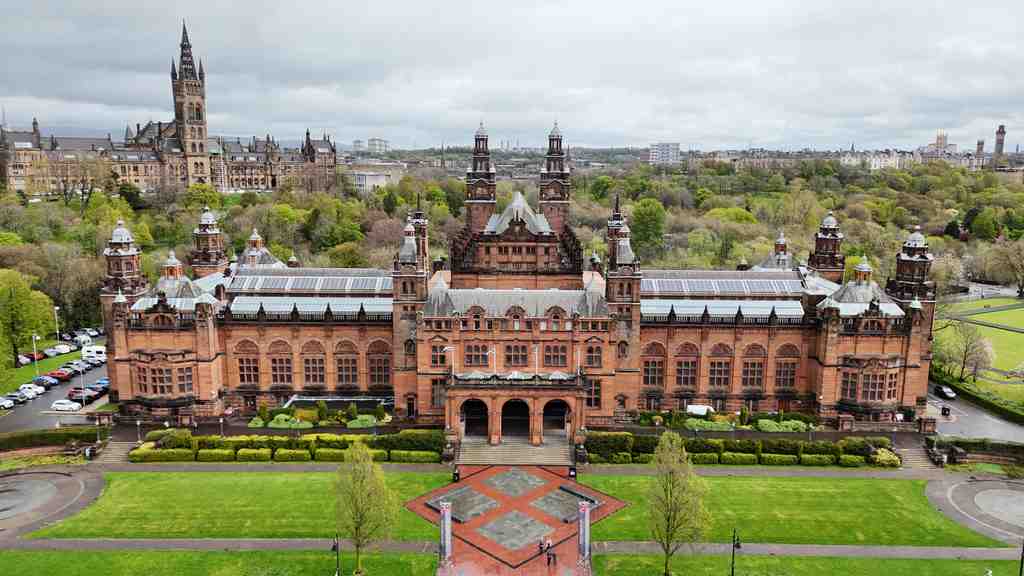
If you look straight ahead, you’ll spot the Kelvingrove Art Gallery and Museum-a grand, reddish sandstone palace with soaring towers and arches, standing proudly at the edge of…Meer lezenToon minder
If you look straight ahead, you’ll spot the Kelvingrove Art Gallery and Museum-a grand, reddish sandstone palace with soaring towers and arches, standing proudly at the edge of Kelvingrove Park like the fanciest wedding cake you’ve ever seen. Now, take a deep breath; you’re standing in front of one of Glasgow’s true treasures-a building that could make even the statues inside drop their jaws. Kelvingrove Art Gallery and Museum looks as if it leaped right out of a fairy tale, with its bold red walls and spectacular towers. When it first opened in 1901, it was the talk of the town, dazzling visitors with its Spanish Baroque style. They say the museum is made from Locharbriggs red sandstone to give it that fiery glow, and when the sun shines, the building practically sparkles against the green sweep of Kelvingrove Park. But if you listen closely, maybe you’ll hear echoes of the past-because this spot was once the home of Kelvingrove House, a grand old mansion built all the way back in 1783. That mansion hosted Glasgow’s first municipal museum inside its walls, where locals could come and marvel at the wonders of the world without ever leaving the city. By the end of the 1800s, so many curiosities had crowded in that they had to build something new, and so this mighty palace grew from the excitement pouring out of Glasgow’s own International Exhibitions. The Kelvingrove you see before you is the glorious result of a 13-year dream. The architects, Sir John W. Simpson and E.J. Milner Allen, pulled out all the stops-there are sculpted faces, elaborate carvings, and towers high enough to give any pigeon serious ambitions! The building opened its doors in grand style during the 1901 Glasgow International Exhibition, when visitors gasped at the new Palace of Fine Arts. Here’s a funny twist: there’s a Glasgow legend that says the museum was built back-to-front and the head architect was so devastated, he leapt from a tower. Luckily, that’s pure myth-the grand entrance was always meant to face into the glorious park. Step inside-or just imagine the buzz from where you’re standing-and you’ll discover a world split in two: the galleries of Life and of Expression. The Life galleries sweep you into ancient Egypt, medieval armories, and natural wonders. The Expression galleries are a riot of color, with masterpieces from Scotland and far beyond-try to picture Salvador Dalí’s Christ of St John of the Cross hanging in pride of place, paintings by French Impressionists glowing softly, and even the wild, swashbuckling art of the Glasgow Boys. Oh, and there’s a real jaw-dropper hanging over the Life gallery: a vintage Spitfire fighter plane hovers from the ceiling, looking as if it’s ready to burst into action at any moment. Every room you visit has a story to tell. You might meet Sir Roger the Asian elephant-a celebrity in his own right, having once taken a stroll right through the streets of Glasgow-or gaze up at the grand concert organ in the Centre Hall. This magnificent organ, installed in 1901 and rescued from the International Exhibition, still booms and sings during concerts, filling the entire museum with glorious sound. The treasures hidden in this museum are the result of years of passionate collecting. Here you’ll find dazzling arms and armor glinting behind glass, jewels donated by art lovers, and a gathering of European masterpieces-Rembrandt, Monet, Van Gogh, and Mary Cassatt, to name just a few. Even the museum’s refurbishment has its own drama: when Kelvingrove closed in 2003 for a sweeping three-year, £27 million restoration, Glaswegians waited with baited breath. When it finally reopened, it was so glorious the whole country turned up-more than 2 million people poured in during its first year, making it the UK’s most popular free attraction outside London! So, whether you fancy a splash of Impressionist color, a journey back in time with the pharaohs, or you just want to marvel at a giant flying Spitfire, Kelvingrove’s got you covered-and it’s all free! Next time you’re inside, maybe stand just a moment under that grand organ. If you’re lucky, you might even feel the music rumbling through your bones. Now, isn’t that a grand Glaswegian welcome? To expand your understanding of the original museum, creation (1888-1901) or the refurbishment (2003-2006), feel free to engage with me in the chat section below.
Open eigen pagina →You’ll spot the West Glasgow Ambulatory Care Hospital straight ahead-look for the modern, flat-roofed building with big glass windows rising up behind the old stone sign that…Meer lezenToon minder
You’ll spot the West Glasgow Ambulatory Care Hospital straight ahead-look for the modern, flat-roofed building with big glass windows rising up behind the old stone sign that still reads “Royal Hospital for Sick Children” at the entrance on your right. Alright, take a deep breath and imagine the flurry of footsteps and the gentle hum of hospital life that’s surrounded this place for over a century. Once upon a time, this wasn’t just any hospital-this was Yorkhill, or as locals fondly called it, “Sick Kids.” Family after family brought their newborns and children here in hope, worry, and sometimes relief. Right here, in December 2015, this building donned a new title: the West Glasgow Ambulatory Care Hospital. Now, instead of the pitter-patter of tiny feet racing to the toy corner, it’s the site for outpatient services and Glasgow’s ever-busy minor injury unit. Still important, just with a little less glitter glue and a lot fewer teddy bears. Picture this: the year is 1882, and the very first Hospital for Sick Children opens its doors, thanks to years of fundraising and a heated site debate with the University of Glasgow. The earliest hospital had just 58 beds-but it was a big deal, because before this, there wasn’t a specialist place for poorly kids in the city. Imagine Thomas Carlyle himself, the famous writer, swooping in to help out, turning his own house next door into an extension for even more beds. The air is thick with good intentions and a bit of disinfectant… By the early 1900s, the hospital was bursting at the seams. People from all over chipped in; it cost nearly £140,000 to get this bigger site at Yorkhill. That’s quite a lot of pennies and farthings! When the fancy new building opened in 1914, it was so grand it even caught Royal attention. Fast forward, and in the 1960s, the building was crumbling and had to be demolished. Kids and nurses packed up, and for a while, everyone worked out of a temporary hospital, just down the road-imagine the chaos of moving day! When the shiny, rebuilt Yorkhill hospital finally greeted families again in 1972, it was officially opened by the Queen herself. Generations of Glaswegians grew up knowing this place as the spot where doctors could fix just about anything ailing a child. But all good things move along: in 2015, little by little, beds rolled away and the laughter faded-services moved to the new Royal Hospital for Children on the south side. Today, this place remains a house of healing, a symbol of the city’s care. Whenever someone’s in need-whether they’re a worried mum with a child’s scraped knee, or just someone looking for a check-up-Yorkhill’s doors are still open in spirit.
Open eigen pagina →To spot the Cameronians War Memorial, just look ahead for a dramatic bronze statue with three larger-than-life soldiers-one crouched and firing a machine gun, another standing and…Meer lezenToon minder
To spot the Cameronians War Memorial, just look ahead for a dramatic bronze statue with three larger-than-life soldiers-one crouched and firing a machine gun, another standing and advancing bravely with rifle in hand, and a third, an officer, lying wounded-all set atop a chunky granite plinth, surrounded by hedges and a wrought iron fence. Now, let’s pause for a moment and let your imagination take you back to the muddy trenches and tense battles of a hundred years ago. Right in front of you, frozen in bronze, are three figures that capture the bravery, grit, and sacrifice of the Cameronians (Scottish Rifles) regiment during the world’s darkest wars. The soldier on the far right is gripping a Lewis machine gun, eyes narrowed, body low, intent on holding the line against an unseen enemy. Next to him, a sergeant-chest puffed out, rifle in hand-pushes forward, stepping into history, embodying victory and unstoppable spirit. Some say he was even modeled after a real live Pipe Major named Jimmy Sanderson, whose bagpipes must’ve been drowned out by all the gunfire, but never his courage. To the sergeant’s right, an officer lies wounded, a stark reminder of the price that was paid on these distant battlefields-sacrifice, pain, brothers in arms. If you listen closely, you can almost hear the distant echo of marching boots and shouted commands, or maybe just my stomach rumbling for a sandwich! This powerful memorial isn’t just a bit of military muscle flexing in Kelvingrove Park-it’s a story in metal and stone, designed by Philip Lindsey Clark, a man who had seen the trenches himself. Clark started the war as a private and ended up a decorated captain. He knew what it meant to be in the thick of it, and he poured that raw experience into every detail of these figures-a machine gunner, a determined sergeant, a fallen officer all slightly larger than life, just enough to make you feel like you’re standing in their shadow, tiptoeing through history. But wait-this monument hasn’t stood here, untouched, since the Great War. When it was first unveiled in 1924 by the mighty Field Marshal Sir Douglas Haig (talk about having friends in high places, eh?), it stood on a sandstone plinth. Scottish weather had other plans, and by the 1950s they had to swap it for granite-probably the only thing in Glasgow harder than the Cameronians’ resolve! Over the decades, as new wars came and went, more plaques were added to honor those lost in the Second World War and to mark the bittersweet moment in 1968 when the regiment’s long connection with Glasgow finally ended. Enclosed by sturdy hedges and an old iron fence, this memorial stands watch day and night, its bronze faces forever caught in the heat of battle, telling everyone who passes a story of liberty, justice, and heart. So, as you stand here, maybe take a breath and say thanks-if not out loud, then just in your mind-for those valiant hearts whose memory is still haled in the land they loved. And hey, don’t worry, the only “advance” you need to deal with today is towards the next stop-no mud, no bullets, just a stroll through the park.
Open eigen pagina →To spot Kelvingrove Park, look for the long stretch of green trees and thick foliage on both sides of the slow, winding River Kelvin, with a solid, arched stone bridge in the…Meer lezenToon minder
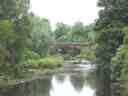
To spot Kelvingrove Park, look for the long stretch of green trees and thick foliage on both sides of the slow, winding River Kelvin, with a solid, arched stone bridge in the centre-just keep your eyes to the south side of the river. Alright friend, welcome to Kelvingrove Park! Imagine the busy sounds of Victorian Glasgow giving way to rustling leaves, laughter from joggers, and the echo of birdsong as you stand here today. This is no ordinary city park-think of it as Glasgow’s own emerald escape, right in the heart of the West End, buzzing with life then and now. Let’s roll the clock all the way back to 1852. Glasgow was expanding fast-factories were everywhere, and the city was getting crowded. Imagine the city leaders, top hats on and cigar smoke swirling, realizing their fancy new residents in the West End might just want a break from endless coal smoke and chimney sweeps. So, they shelled out nearly £100,000 (which would buy you a literal castle nowadays), bought up the Kelvingrove and Woodlands estates, and decided to build a park which would rival anything London or Paris could dream up. They called on Sir Joseph Paxton, the green-fingered genius behind the Crystal Palace, and teamed him with local experts Charles Wilson and Thomas Kyle. Their mission? Give Glasgow’s growing middle-class a slice of paradise-and maybe keep them out of trouble. Picture the excitement of 1888: the park swarmed with crowds for the first International Exhibition, gleaming pavilions popping up about the lawns, even a glamorous Indian pavilion and a Russian restaurant (no word on whether the borscht was any good). The excitement came again in 1901 and 1911, with more stunning buildings and fountains-though sadly most have since tiptoed quietly into the past. The grand Doulton Fountain you might have seen in old photos now watches over Glasgow Green, but echoes of the excitement still flutter through the park if you listen closely on breezy days. Modern Kelvingrove Park is 85 acres of pure “city lung.” It’s home to cheeky foxes, swooping kingfishers, and, of course, more determined joggers than you could shake a walking stick at. The park rolls along the River Kelvin, where you might even spot an otter sneaking a swim or a heron looking rather unimpressed by local dogs. On a summer’s day, the hills and winding paths fill up with students from the nearby university, commuters racing from the subway stations, and families armed with sandwiches and hope that Glasgow’s legendary rain will hold off. History isn’t just in the trees, though-the monuments tell their own stories. There’s the Stewart Memorial Fountain, looking every bit as noble as the man it honours, Lord Provost Robert Stewart, who made sure the city’s water ran clear and fresh from Loch Katrine. James Sellars designed it, and if you look closely, you’ll spot the marble, sandstone, and even images from Sir Walter Scott’s famous "Lady of the Lake," standing proudly on top. Nearby, statues of scientific legends like Lord Kelvin and Thomas Carlyle add a touch of brainpower to the landscape. And don’t forget, you’re wandering the same park where the founders of Rangers Football Club first kicked around their dreams in 1872-talk about scoring a goal for history! If you hear the distant call of music, you might be listening in on the famous Kelvingrove Bandstand. Built in 1924 by James Miller, it’s hosted everything from military bands to rock festivals, plus a steel band extravaganza that likely had the trees swaying in rhythm. Though it fell on hard times and suffered from a bit of graffiti “redesign” in the ‘90s, the Scottish Parliament swooped in, with cash and determination, to restore it. Now, summer festivals fill the air with music again-if you’re lucky enough to be here when Teenage Fanclub or Franz Ferdinand take the stage, you’re in for a treat. Hidden treasures? Oh, there are plenty! Keep an eye out for the Suffrage Oak, planted in 1918 to celebrate women finally winning the right to vote. It’s a prizewinner itself-named Scottish Tree of the Year in 2015, right before a storm trimmed its branches, but not its spirit. There’s a bit of something for everyone here-whether you’re following in the footsteps of poets, listening for echoes from all those grand exhibitions, or just watching the mallards paddle and thinking about what’s for tea. From high society elegance to wild nature and raucous music, Kelvingrove Park carries Glasgow’s stories on every breeze, inviting you to make your own. And as you soak it all in, imagine the sound of distant applause-maybe for a bandstand concert, or maybe just for you, taking a moment to enjoy this green Glasgow heart.
Open eigen pagina →

Veelgestelde vragen
Hoe begin ik de tour?
Download na aankoop de AudaTours-app en voer je inwisselcode in. De tour is direct klaar om te starten – tik gewoon op afspelen en volg de GPS-geleide route.
Heb ik internet nodig tijdens de tour?
Nee! Download de tour voordat je begint en geniet er volledig offline van. Alleen de chatfunctie vereist internet. We raden aan om te downloaden via wifi om mobiele data te besparen.
Is dit een groepsrondleiding met gids?
Nee - dit is een audiotour met eigen gids. Je verkent zelfstandig op je eigen tempo, met audiovertelling via je telefoon. Geen tourguide, geen groep, geen schema.
Hoe lang duurt de tour?
De meeste tours duren 60-90 minuten, maar jij bepaalt het tempo volledig. Pauzeer, sla stops over of neem pauzes wanneer je wilt.
Wat als ik de tour vandaag niet kan afmaken?
Geen probleem! Tours hebben levenslange toegang. Pauzeer en hervat wanneer je wilt – morgen, volgende week of volgend jaar. Je voortgang wordt opgeslagen.
Welke talen zijn beschikbaar?
Alle tours zijn beschikbaar in meer dan 50 talen. Selecteer je voorkeurstaal bij het inwisselen van je code. Let op: de taal kan niet worden gewijzigd na het genereren van de tour.
Waar vind ik de tour na aankoop?
Download de gratis AudaTours-app uit de App Store of Google Play. Voer je inwisselcode in (verzonden per e-mail) en de tour verschijnt in je bibliotheek, klaar om te downloaden en te starten.
Als je niet tevreden bent met de tour, betalen we je aankoop terug. Neem contact met ons op via [email protected]
Veilig afrekenen met 


