
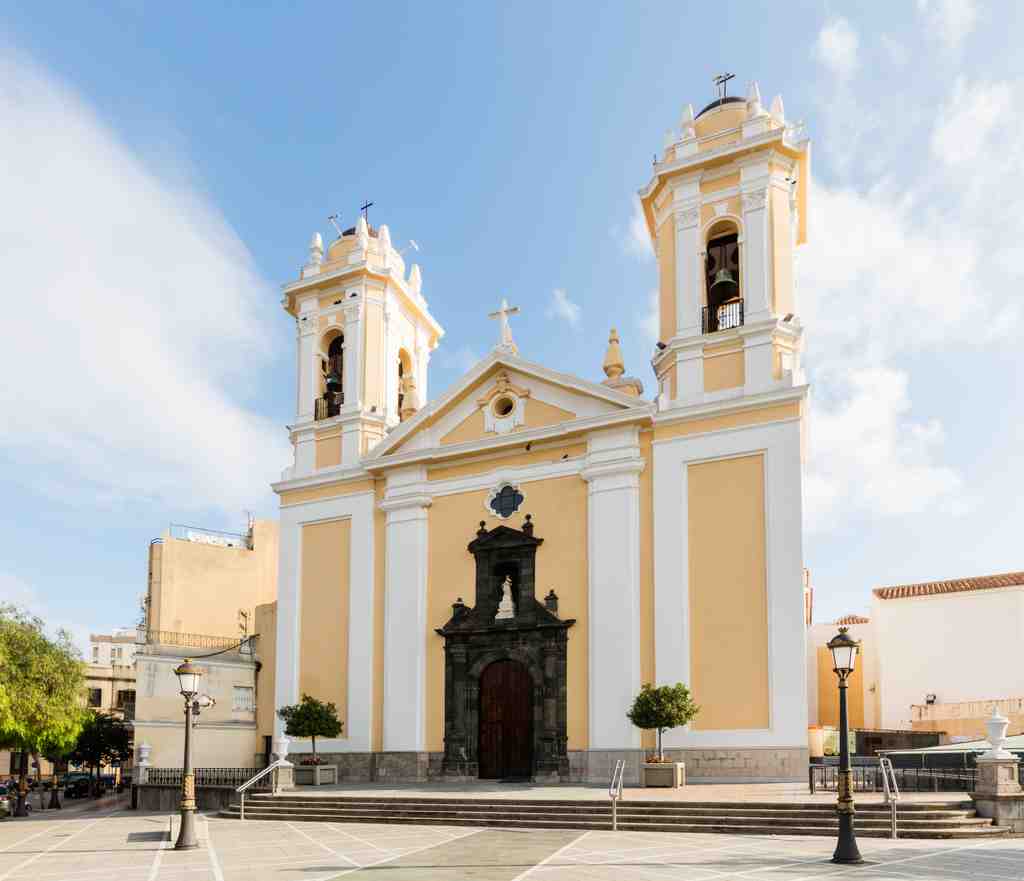
Ceuta Cathedral | Ciudad de Ceuta, Spain
Introduction to Ceuta Cathedral
Situated in the picturesque city of Ciudad de Ceuta on the northwest coast of Africa, the Cathedral of St Mary of the Assumption, or Catedral de Santa María de la Asunción, is a magnificent representation of the region's dynamic history. This exquisite structure stands as a testament to centuries of architectural evolution and cultural transformation, making it a notable historical landmark for travelers and history enthusiasts alike.
A Glimpse into History
Originally, a primitive Eastern Roman Christian church occupied the site, potentially built under the order of Emperor Justinian I in the 6th century. The remnants of this ancient church are largely overshadowed by the grandeur of the old Great Mosque of Ceuta that once adorned the location. Historical texts describe the mosque as a marvel of architecture, showcasing considerable wealth and grandeur.
Following the Portuguese conquest of the city in 1415, the Great Mosque underwent conversions to adapt to Christian worship, marking a significant cultural shift. Unfortunately, specifics of these alterations remain a mystery as the passage of time, along with various wars, left the building in ruins. Consequently, in the late 17th century, plans were laid to construct a new church designed by the acclaimed architect Juan de Ochoa.
The Architectural Marvel
The construction of the new cathedral began in 1686, but it encountered numerous obstacles, including the cataclysmic siege of Ceuta. It wasn't until 1726 that the cathedral was finally consecrated, dedicating it to the Assumption of Our Lady. This remarkable timeline emphasizes the cathedral’s resilience and enduring presence amidst various challenges.
The architecture of Ceuta Cathedral is a stunning showcase of Baroque styles, featuring distinct elements that reflect the intertwining cultures of its past. Among its myriad features, the Chapel of the Most Holy Trinity stands out, characterized by its rich Baroque altarpiece and beautiful frescoes painted by Miguel Bernardini.
Inside the Cathedral
Visitors to the cathedral are treated to an array of captivating sights, including:
- Chapel of the Most Holy Trinity: A focal point adorned with breathtaking artwork.
- Baroque Altarpiece: A demonstration of the intricate craftsmanship from the period.
- Frescoes by Miguel Bernardini: Impressively executed scenes that add vibrancy to the interior.
- 15th-Century Figure of the Great Virgin: An artifact of Portuguese origin that draws significance in the church's history.
The cathedral houses additional facilities that enhance its function as a religious center, including a vicariate, secretariat, diocesan archive, library, and museum. The bishop's palace, which encircles a quaint triangular courtyard, adds to the site's historical essence.
Cultural Significance
Ceuta Cathedral is not just a place of worship, but a shining example of cultural heritage that attracts numerous visitors each year. As one of the key tourist attractions in Ceuta, it offers a glimpse into Spain's rich past and the various influences that have shaped its identity.
For those exploring the city, a visit to the cathedral is essential to appreciate the intricate blend of religions and cultures, reflected beautifully in its architecture and community. The nearby historical sites also provide ample opportunities for city exploration and discovery of more city landmarks.
Experience Ceuta Cathedral with AudaTours
To fully immerse yourself in the splendid history and architectural magnificence of Ceuta Cathedral, consider opting for an audio tour through the AudaTours app. Our app provides self-guided tours that allow you to delve deep into the narratives and facts of this magnificent structure at your own pace, turning your adventure into a memorable journey.
Whether you are a history buff or a curious traveler, Ceuta Cathedral stands as a must-see attraction. Ready to explore? Download our app or check out more details about the Historical Pathways of Ceuta tour, and step into a world where history, culture, and architecture interlace beautifully.
Conclusion
Visiting Ceuta Cathedral provides an enriching experience that goes beyond simply viewing a famous building. It immerses you in history, allowing you to feel the weight of centuries past while marveling at its ongoing relevance. For travelers seeking meaningful cultural experiences, this cathedral stands tall among the treasures of Spain and is a remarkable monument to Europe's architectural and religious evolution.




