
윈체스터 오디오 투어: 전설과 랜드마크의 메아리
윈체스터의 고요한 벽돌 아래에는 법정에서 뜨거운 논쟁이 울려 퍼지고 스테인드글라스 뒤에 고대 비밀이 숨어 있는 도시가 있습니다. 이 셀프 가이드 오디오 투어는 신성한 홀과 유서 깊은 보도 사이를 오가며, 어떤 가이드북에서도 찾을 수 없는 숨겨진 장과 잃어버린 전설을 풀어냅니다. 벳 엘 회중의 엄숙한 아름다움에서 그리스도 성공회 교회의 낡은 의자까지 거닐며, 잊혀진 속삭임이 당신을 안내하게 하세요. 윈체스터의 좁은 거리에서 늦은 밤 대치 상황에서 누가 모든 것을 걸었을까요? 어떤 건국 인물의 스캔들이 영구적인 균열을 남겼고, 오늘날 법대에서도 여전히 느껴질까요? 어떤 특이한 물건이 교회 제단석 아래 영원히 봉인되어 있을까요—그리고 왜일까요? 반역자와 개혁가들의 발자취를 들어보세요. 모든 랜드마크가 드라마로 떨리는 수세기를 거닐어 보세요. 도시의 익숙한 풍경이 새로운 서스펜스와 가능성으로 불타오르는 것을 보세요. 재생 버튼을 누르고 윈체스터가 표면이 항상 숨기려 했던 것을 드러내도록 하세요.
투어 미리보기
이 투어에 대하여
- schedule소요 시간 40–60 mins나만의 속도로 이동
- straighten4.5 km 도보 경로안내 경로 따라가기
- location_on
- wifi_off오프라인 작동한 번 다운로드, 어디서든 사용
- all_inclusive평생 이용언제든지 다시 재생 가능
- location_on벳 엘 회중에서 시작
이 투어의 정류장
To spot the Beth El Congregation, look for a striking red-brick building with a large, white-trimmed gable and a beautiful glass Star of David right above the front entrance, set…더 보기간략히 보기
To spot the Beth El Congregation, look for a striking red-brick building with a large, white-trimmed gable and a beautiful glass Star of David right above the front entrance, set back from Fairmont Avenue with neat hedges and a welcoming walkway. Now, picture yourself here not just as a visitor, but as a time traveler! Let’s crank up the sensory time machine: imagine the fresh-cut grass under your feet and a gentle buzz of summer cicadas, because the story of Beth El Congregation is alive with community spirit and the sounds of determination. It all begins back in the late 1800s, when Winchester’s Jewish community was just a handful of merchants. They followed kosher laws so closely they’d send someone all the way to Baltimore for supplies-talk about dedication! There, on Fairmont Avenue, you’re standing where families like the Hables and the Klompuses once fueled their businesses and watched the town grow. Picture merchants bustling through old storefronts, occasionally arguing whether the best bagels came from Baltimore or their own kitchens. In 1908, something amazing happened right here-a moment thick with anticipation-the town’s first-ever Jewish High Holy Days. Imagine the quiet excitement, families freshly dressed and gathering to pray and connect, their voices echoing through rented halls because they didn’t yet have this lovely building. Two local leaders even trained as shochets, so no more sending chickens on a train ride to Baltimore! By the 1930s, Winchester’s Jewish population had grown, and Beth El was officially born. Life was lively on the third floor of the Odd Fellows Building, and the scent of Sunday school snacks must have drifted down the stairs thanks to Tessie Novick, who hosted Sunday School at her home. Not only were these families building a congregation, but their kids were helping open new businesses-including the first local movie theater. Imagine, young Patsy Cline even competed in their talent contests! The tide of history swept through here in the 1940s, as families began blending tradition with new Reform practices. Weekly services were sometimes led by traveling rabbis from Hebrew Union College, and by the 1950s, the dream of a real synagogue became a community rallying cry. The original architectural plans for Beth El were fancier than a wedding cake at a royal banquet-luckily, cooler heads prevailed, and a sensible, heartfelt building rose proudly just ahead of where you’re standing. Fast-forward to May 1956: dignitaries, local ministers, and proud families flooded the steps for Beth El’s dedication. It was a true interfaith celebration-the kind that makes you wish neighborhood cookouts were still this inclusive! Over $12,000 poured in from the wider Winchester community to help make the building a reality, a reminder that kindness doesn’t need a visa. After that, the sound of laughter and learning filled the hallways. The synagogue grew with marriages, Hanukkah parties, and a Sunday school wing packed with energetic kids. Along the way, a cantor, Lloyd Robb, became something of a local legend, leading song after song for 40 years. Rabbis came and went, each leaving their own mark-you could call it “Chairs of Beth El: Musical Edition.” Yet, Beth El isn’t just about worship. When Winchester’s non-Jewish doctors and nurses needed a Christmas off, the congregation covered hospital shifts, a tradition they call Operation Snowflake (because even volunteers deserve a flake-off now and then!). They host annual Migrant’s Lunches, help at the local shelter, and always reach out to those in need. Renovations in the twenty-first century made the building more accessible and secure, adapting as the congregation aged and the times shifted. After the horrific events in Pittsburgh in 2018, Beth El opened its doors wider than ever, drawing the Winchester community closer with shared meals, education, and hope. Even during the pandemic, when services were streamed online and groceries delivered to elders, Beth El’s spirit just wouldn’t quit. Their current rabbi, Aaron Stucker-Rozovsky, arrived mid-pandemic-with a National Guard rank and a sense of humor, helping guide this community through uncertainty. As you stand here, maybe you can feel the heartbeat of 95 families who still call Beth El their spiritual home. And who knows? If you listen closely, you might just hear a joyful cheer from an old Torah parade or a giggle from the annual Hanukkah dinner rising up among the summer leaves. Ready to step onto Winchester’s next page of history? Let’s keep moving-the past is only getting livelier!
전용 페이지 열기 →To spot Fair Mount, look straight ahead for a stately, bright white house with tall black shutters, a symmetrical front, and a front porch held up by classic columns-it stands…더 보기간략히 보기
To spot Fair Mount, look straight ahead for a stately, bright white house with tall black shutters, a symmetrical front, and a front porch held up by classic columns-it stands proudly behind a spacious lawn, framed by old trees and sturdy brick chimneys. Now, let your imagination travel back more than two centuries. The year is 1809, just after the thunder of the American Revolution has quieted and the streets of Winchester echo with the ambitions of new Americans. Here stands Fair Mount, built by Lewis Barnett for Joseph Tidball, who was a merchant with quite a nose for opportunity-and, I imagine, a great sense for a good location! You’d see elegant carriages rolling up this path, guests in their finest, and servants bustling about the stuccoed stone walls. Its Late Georgian style gives it a sense of dignity, like it's wearing a perfectly pressed old-fashioned suit, but take a closer look and the delicate Federal details peek out, adding a touch of flair. But Fair Mount wasn’t done reinventing itself-oh no! In 1929, while everyone else was dancing the Charleston, this house got a makeover, dressed up in Colonial Revival style, with formal gardens for showing off and a brand-new garage (horses, meet automobiles!). Today, Fair Mount is part of the Winchester Historic District and proudly listed on the National Register of Historic Places. If these walls could talk, you’d probably hear tales of formal dances, lively debates, and maybe a ghostly echo or two wondering where the carriages have gone. Welcome to a true Winchester treasure!
전용 페이지 열기 →Look for a grand white brick house with black shutters, a side-gable roof, and a stone retaining wall at the front-right behind the bushes just up the steps. Welcome to the…더 보기간략히 보기
Look for a grand white brick house with black shutters, a side-gable roof, and a stone retaining wall at the front-right behind the bushes just up the steps. Welcome to the Daniel Morgan House! As you stand here, imagine the clatter of boots and horses along this very street in the late 1700s. This stately home started with George Flowerdew Norton in 1786, but it’s General Daniel Morgan-the tough, legendary hero of the American Revolution-who really makes this place famous. Morgan made this house his own around 1800, adding a whole new wing; picture him with muddy boots, sword at his side, maybe even tracking in a bit of battlefield dirt! With its seven bays and seventeen rooms, it was almost big enough for his heroic stories. Morgan spent his last days right here-he actually died in this very house in 1802, surrounded by family and, I’d like to think, some pretty fantastic stories. As the house passed on to his daughter, it kept growing-there’s a kitchen from 1820, new sections added in 1885, 1890, and even a little upstairs room built in 1915! Outside, the stone wall beside you has silently watched over two centuries of laughter, love, and probably quite a few noisy dinner parties. Today, you’re standing in a piece of living history that was honored on the National Register of Historic Places in 2013-so don’t worry, nobody’s going to ask you to fight the British, but you might want to snap a photo just in case!
전용 페이지 열기 →
9개 정류장 더 보기정류장 적게 보기expand_moreexpand_less
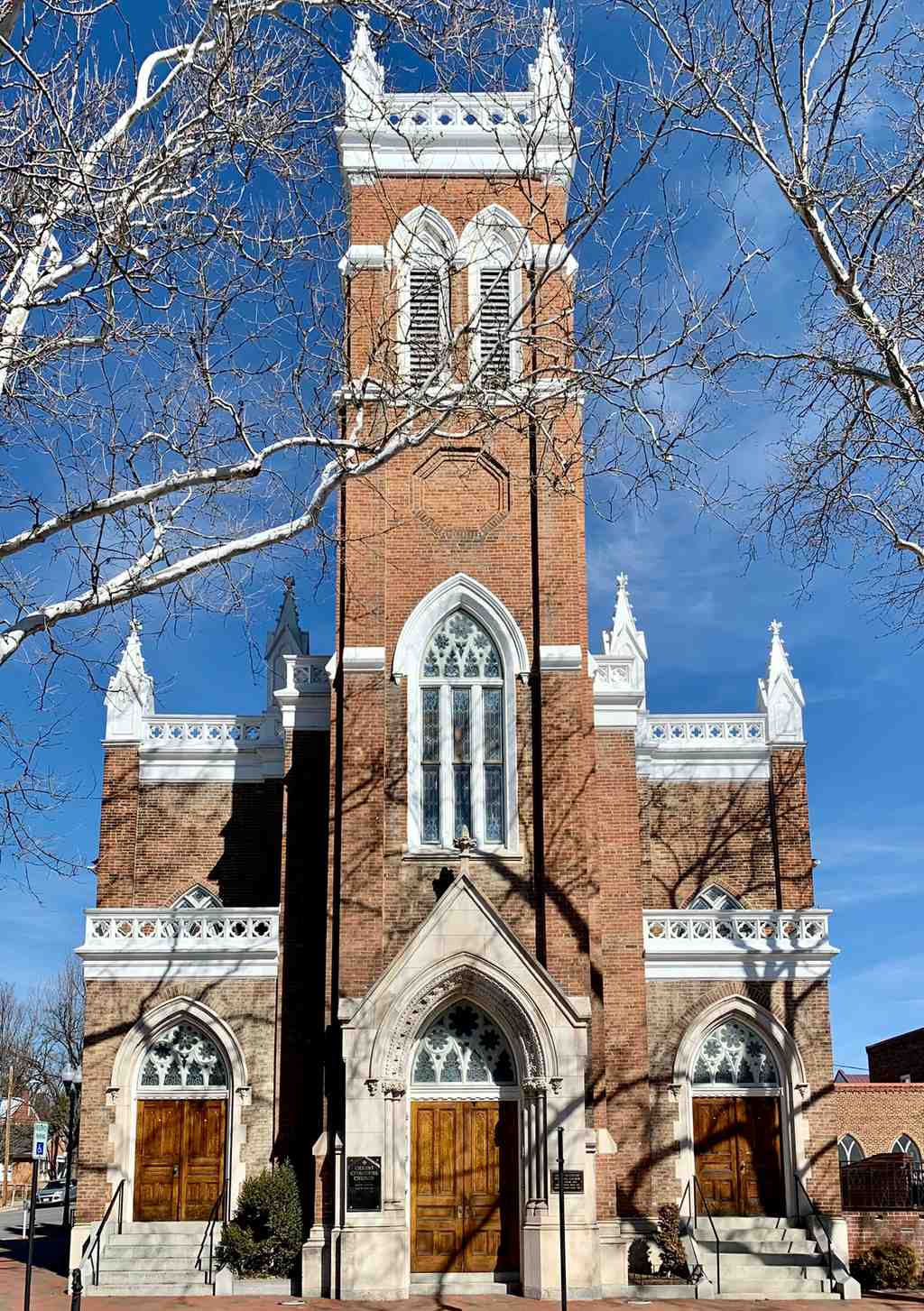
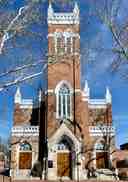
To spot Christ Episcopal Church, just look for the stunning brick building with a tall, central bell tower and beautiful pointed windows right in front of you, framed by white…더 보기간략히 보기
To spot Christ Episcopal Church, just look for the stunning brick building with a tall, central bell tower and beautiful pointed windows right in front of you, framed by white stone details and high Gothic spires. Now, take a step back and let yourself soak in the atmosphere-imagine you’re standing on the same ground where history has echoed for nearly three centuries. The story of Christ Episcopal Church stretches all the way back to 1738, when this was just a frontier outpost and a dream. The very first congregation was a mix of hopeful pioneers and sturdy settlers, setting up a wooden church right here, where the sounds of axes on timber were the heartbeat of the growing town. The church became the spiritual core of a wild and changing region-Frederick Parish once covered half the Shenandoah Valley! Picture early Winchester: Quakers from Maryland, German Lutherans, and Scots-Irish Presbyterians living side by side, each with their own dreams and songs. Anglican services here looked a little different from those across the border in Maryland, and at times, a bit of drama and controversy swirled around building chapels or paying the preacher-one vestryman even ran off with the church’s money, making for some lively vestry meetings! When war and hardship came, Christ Church became more than just a house of worship. During the French and Indian War, church horses were sent off to help the militia, and a young George Washington, yes, that George, camped right in town. Fast forward a few decades, and the church is right in the thick of the American Revolution. The rector, Charles Mynn Thruston, joined the fight, losing an arm but returning to farm just outside Winchester. Leaders from this very congregation shaped the new nation inside these walls. As you look up at the brickwork and Gothic stone, let your mind drift to the early 1800s, when the famous architect Robert Mills-yes, the one who designed the Washington Monument-created this striking third building, finished in 1828. The tall windows and pointed arches were the height of style. This church soon became a gathering place for some of the biggest moments in Winchester. Stormy times were never far away. During the Civil War, the building was almost like a main character in its own right. Winchester changed hands again and again-sometimes you might see Confederate soldiers kneeling in prayer, and just weeks later, Union generals like Sheridan and Custer enjoying Christmas service! Once, this church was even used as a jail for captured soldiers. Parishioners sometimes held their own private Sunday services to avoid the sight of their Union counterparts. Through it all, the stained glass windows sometimes shattered, but the spirit of the congregation never broke. After the war, tired but undaunted, the people returned. The women of the church ran dinners and sales to repair finances and care for the needy, and the church played a key role in helping to create the “Stonewall Cemetery” in the nearby Mount Hebron graveyard, a place for the many lost in battle. Winchester’s first girls’ school, Dunbar Seminary, and the Episcopal Female Institute were born from the dreams and determination of this parish. Look around and you can still see the living history in every careful detail-the addition of the bell tower, the stained glass glowing by day, the careful renovations that brought in electricity, and even a modern chapel tucked inside where the original organ once played. In the end, Christ Episcopal Church stands as one of the oldest continuously used religious buildings in the county, a place where echoes of old prayers mingle with laughter from today’s community. So as you stand outside these grand wooden doors, imagine all the footsteps that have passed across this threshold-soldiers and statesmen, preachers and schoolchildren, each with a story and a hope. And just think: if these stones could talk, what adventures would they whisper about next?
전용 페이지 열기 →In front of you, you’ll notice a grand brick building topped with a small clock tower and four massive white columns flanking its entrance-just look for the bold “1840” above the…더 보기간략히 보기
In front of you, you’ll notice a grand brick building topped with a small clock tower and four massive white columns flanking its entrance-just look for the bold “1840” above the portico to spot it. Welcome to the heart of the Winchester Historic District, a place where it feels like every brick could tell a story! Imagine the cobblestone streets bustling with horse-drawn carriages and neighbors tipping their hats as they pass. This district is no small fry-over 1,100 buildings crowd these streets, with styles ranging from the dreamy curves of Italianate to the detail-rich Late Victorian. Each building is a tiny time machine: you’ll find the sturdy Frederick County Courthouse (right here!), the stately Masonic Lodge, the joyful clap of the Friendship Fire Hall, and old banks waiting to be robbed-kidding, let’s keep it honest! You’re strolling where 18th-century settlers, 19th-century merchants, and 20th-century inventors all left a mark. Peek around and you might spot the graceful lines of the A.M.E Church or the quiet elegance of the First Presbyterian Church, each with their own secrets, celebrations, and even the odd scandal. With every step, you walk right alongside schoolchildren of John Kerr School and workers from the Lewis Jones Knitting Mill. Since 1980 (with new boundaries added a few times since), this district has been protected for its treasures. So, take a deep breath-maybe you’ll catch a whisper from the past carried on the breeze. Are you ready to keep exploring? There’s still so much Winchester magic ahead!
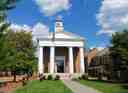
전용 페이지 열기 →To spot the Frederick County Courthouse, just look for the impressive brick building with tall white columns and a clock-topped cupola right in front of you, and you’ll also see a…더 보기간략히 보기
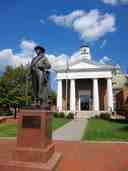
To spot the Frederick County Courthouse, just look for the impressive brick building with tall white columns and a clock-topped cupola right in front of you, and you’ll also see a statue of a soldier standing proudly in the brick-paved courtyard. As you stand here, picture yourself in 1840, when this grand Greek Revival courthouse first opened its doors. Its solid brick walls, strong Doric columns, and that classic gabled roof crowned with a cupola were the pride of Winchester-back then, the courthouse was practically the star of Main Street! Now take in the statue before you: a bronze Confederate soldier, dedicated in 1916, whose silent gaze has watched over countless footsteps and small-town dramas. Imagine echoes of boots and murmurs of heated debate from old court sessions. Inside, tales of the Civil War swirl through what’s now the Shenandoah Valley Civil War Museum-so if you feel a chilly draft, it might just be a history buff who stayed behind! And, little known fact: this courthouse, now on the National Register of Historic Places since 2001, also stood at the heart of the Winchester Historic District. Every day, the courthouse offers up layers of secrets; who knows, maybe if you listen closely, you’ll catch the faint tick-tock from that clock above, keeping time for generations of Winchester stories.
전용 페이지 열기 →You’re looking for a historic brick building on South Cameron Street, likely modest in size, with classic early 1800s architectural features; just look ahead for a structure that…더 보기간략히 보기
You’re looking for a historic brick building on South Cameron Street, likely modest in size, with classic early 1800s architectural features; just look ahead for a structure that seems rooted in another era. Alright, picture yourself stepping back to Winchester in the 1820s. The streets are quieter, the carriages clatter along the road, and the smell of old books and ink drifts from 37 South Cameron Street-this very spot! That’s where Henry St. George Tucker Sr., a man with a name as long as a lawyer’s closing argument, opened the Winchester Law School. Why? Well, in 1824, he’d left the Virginia State Senate and needed a new way to keep the candles burning at both ends. So, what did Tucker do? He dusted off his father’s legendary copies of Blackstone’s Commentaries, the ultimate law books of the time. Three days a week, students got a dose of wisdom peppered with quizzes-yes, even back then you couldn’t escape pop quizzes! Imagine an eager group of young men hustling inside, their boots scraping the wooden floors, anxious for the next legal puzzle. But it wasn’t just about English law. Tucker made it practical, rewriting the rules so they’d reflect American law-perfect for young students dreaming of justice, or maybe just a decent lunch. And every new session, the number of law hopefuls grew-starting with 11 and soon swelling to over 30. The man was a hit. Some students became governors, senators, even judges-names like Henry A. Wise and Robert M. T. Hunter-walking out these doors to shape the nation! All good things come to an end though. In 1831, Tucker was called up to Richmond for the state Court of Appeals. The law school had to close, but its legacy echoes every time someone argues for justice or cracks open a law book in Winchester. Now, as you stand here, you’re surrounded by echoes of debate and dreams-so if you feel a sudden urge to argue your case for an extra scoop of ice cream tonight, you’re just channeling the Winchester Law spirit!
전용 페이지 열기 →You’re looking for a small, rustic house right on the corner-notice the old wooden siding mixed with sturdy stone walls and a shingled roof that looks like it’s seen a few…더 보기간략히 보기
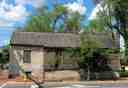
You’re looking for a small, rustic house right on the corner-notice the old wooden siding mixed with sturdy stone walls and a shingled roof that looks like it’s seen a few centuries of history. Now, take a deep breath and imagine yourself nearly 270 years ago-there’s no hustle and bustle of modern traffic, just the sound of boots on dirt and the whispers of plans that could change the fate of a colony. This humble little house standing before you is the Adam Kurtz House, but some folks know it as Washington’s Headquarters. Built around 1755, its sturdy hewn logs and thick stone walls would have offered warmth and shelter against chilly autumn nights and busy construction days. And it wasn’t just any construction-this is where a young George Washington himself mapped out the building of Fort Loudoun! If you listen closely, you might just hear the scratch of his quill and the quiet chatter of soldiers. The western room, with its extra-strong stone walls, was probably chosen by Washington for its security-after all, secrets and strategies were at home here. It’s amazing to think that the very same rocks and logs you see now once supported the weight of war plans and the dreams of a future president. And don’t worry, the biggest battle you’ll face here today might be deciding where to grab lunch afterward. Since 1976, the Adam Kurtz House has proudly stood as part of the Winchester Historic District, a testament to the fact that even the most extraordinary chapters of history can be written in the humblest of rooms.
전용 페이지 열기 →Look for a shiny, silver-walled building with a big red and white sign saying “TRIANGLE DINER” just above the front door, sitting right at the edge of the intersection across from…더 보기간략히 보기
Look for a shiny, silver-walled building with a big red and white sign saying “TRIANGLE DINER” just above the front door, sitting right at the edge of the intersection across from you. Now, you’ve landed in front of one of America’s most remarkable time machines-no, not a DeLorean, but the Triangle Diner! Imagine the year: 1948. The world’s changing fast, big band music is in the air, and here in Winchester, this brand new stainless steel diner has just arrived-by train, all the way from New Jersey. You heard right, the whole building, from the elaborate chrome crust outside to the sparkling terrazzo floor inside, rolled into town ready to serve up burgers, fries, and, I hope, jokes a bit better than mine. Step closer and you’ll see every gleaming detail: swooping metal trim, those classic rounded windows, and if the lights were on, a hidden glowing cove illuminating a ceiling built for golden-age laughter. Jerry O’Mahony’s diner company built over 2,000 of these wonders, but only a handful still stand today. Think of it as a living postcard from the postwar era, right down to the stools and booths waiting for stories to be swapped over milkshakes. Many folks say these diners look just like railroad cars that lost their wheels-and honestly, they’re not wrong! But the best treat? Patsy Cline-yes, the country superstar herself-once called this place her workplace. She handed out cups of hot coffee and slices of pie to pay the family bills, all while dreaming of the Opry stage. Though the doors are closed for restoration right now (restoring all that shiny steel takes elbow grease and a little patience), you’re standing in front of a slice of Americana so well preserved, the Department of the Interior slapped its name on their list of national treasures in 2010
전용 페이지 열기 →You’re looking for a simple, two-story white house with black shutters, a tin roof, and a cozy front porch-just glance ahead at 608 S. Kent Street and you’ll spot the landmark…더 보기간략히 보기
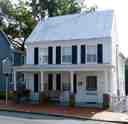
You’re looking for a simple, two-story white house with black shutters, a tin roof, and a cozy front porch-just glance ahead at 608 S. Kent Street and you’ll spot the landmark where a music legend once called home. Welcome to the Patsy Cline House, where the echoes of country music greatness still hang in the air. Picture it: Winchester in the late 1940s, a hardworking family squeezed into this small log cabin-barely 1,000 square feet-with just one bedroom upstairs. At night, four people bundled together under that tin roof, and during the day, the air humming with the sound of a sewing machine as Patsy’s mother, Hilda Hensley, stitched together not just stage costumes but also hope for a better life. After separating from her husband, Hilda led her three kids here, first as renters, and eventually, proud owners. Young Patsy-then Virginia Patterson Hensley-worked as a waitress, soda jerk, and anything else she could to support the family. She was just 16 when she left school, but this house became the springboard for her journey to stardom. Imagine the buzz and excitement as Sunday mornings rolled around and her big voice spilled out of the radio on Joltin’ Jim McCoy’s show at station WINC. Local gospel stars were amazed-the Oak Ridge Quartet’s leader, Wally Fowler, visited right here, hoping to turn her talent into something big. All the while, the logs of this old house-nearly hidden within plaster except for that tiny bit covered by Plexiglas at the door-held onto the secrets and songs that would shake up country music. Patsy married and left at 21, but she often returned, and her spirit never really left. Now lovingly restored and opened as a museum, the house still feels like Patsy could burst out the front door in a homemade costume, laughing and yodeling. This place has witnessed stories of hardship, hope, and unbreakable dreams. And who knows-maybe if you listen closely, you’ll catch a whisper of Patsy’s first notes drifting out onto Kent Street, just as so many did all those years ago.
전용 페이지 열기 →Keep an eye out for a tall, castle-like limestone building with a pointy turret and big arch right by the street-plus a black sign reading “Mount Hebron Cemetery” marks the…더 보기간략히 보기
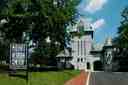
Keep an eye out for a tall, castle-like limestone building with a pointy turret and big arch right by the street-plus a black sign reading “Mount Hebron Cemetery” marks the entrance on your left. Now, take a deep breath and let’s step back in time together-standing here at Mount Hebron Cemetery and Gatehouse, you’re at the edge of Winchester’s most hallowed ground. This peaceful place stretches back to 1844, when it grew from two old churchyards, some of which belonged to Christ Episcopal, just up the road. Imagine the somber clatter of horse-drawn wagons bringing soldiers here during the Civil War; the cemetery became a final resting spot for hundreds of men from both sides, especially those who didn't make it out of Winchester's busy hospitals. After the fighting stopped, Union soldiers were mostly moved to the nearby Winchester National Cemetery, but over 2,500 Confederate soldiers still sleep on right here in their own section called Stonewall Confederate Cemetery, added in 1866. By 1891, an iron fence wrapped around the grounds, and in 1902, this very gatehouse was built-looking a bit like a fairytale castle, if you ask me! If you sense important history underfoot, you’re right: Founding Father Daniel Roberdeau and the daring Revolutionary War hero Daniel Morgan are both buried here. In 2009, the cemetery made it onto the National Register of Historic Places-proving that history never really rests here, even if its residents do. And don't worry, the only spirits about are the friendly, storytelling kind!
전용 페이지 열기 →Straight ahead, you’ll spot the Old Stone Church by its sturdy gray limestone walls, white shutters, and neat row of large windows-just look for the rugged old building that looks…더 보기간략히 보기
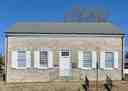
Straight ahead, you’ll spot the Old Stone Church by its sturdy gray limestone walls, white shutters, and neat row of large windows-just look for the rugged old building that looks like it could survive a stampede of history buffs! Take a moment here-close your eyes if you want-and imagine Winchester in 1788. Dusty roads, the sound of horses’ hooves, and the hum of small-town chatter. That’s when the townsfolk decided to haul and stack every stone you see in front of you, creating a gathering place where Presbyterians could worship and swap a few secrets. By 1800, this meeting house became the official Presbyterian Church in Winchester, and folks packed the pews on Sunday hoping the sermons wouldn’t run as long as planting season. Now, the story gets interesting: the church’s first pastor was Dr. William Hill-a man as full of wisdom as this building is of stones! He was actually the pastor and dear friend of Daniel Morgan, the Revolutionary War hero, and Hill gave Morgan’s funeral sermon right within these very walls. So, imagine the echoes of his booming voice, the creak of old benches beneath solemn mourners, and maybe, just maybe, the ghost of a Sunday napper from long ago. The Old Stone Church isn’t just old-it’s tough as, well, rock, earning its place on the National Register of Historic Places in 1977. So, next time your own house squeaks in the wind, remember: this stone beauty has weathered over two centuries of storms, sermons, and more than a few curious tourists just like you!
전용 페이지 열기 →

자주 묻는 질문
투어는 어떻게 시작하나요?
구매 후 AudaTours 앱을 다운로드하고 교환 코드를 입력하세요. 투어를 바로 시작할 수 있습니다 - 재생을 탭하고 GPS 안내 경로를 따라가시면 됩니다.
투어 중 인터넷이 필요한가요?
아닙니다! 시작 전에 투어를 다운로드하면 완전히 오프라인으로 즐길 수 있습니다. 채팅 기능만 인터넷이 필요합니다. 모바일 데이터 절약을 위해 WiFi에서 다운로드하시는 것을 권장합니다.
이것은 가이드가 안내하는 단체 투어인가요?
아닙니다 - 이것은 셀프 가이드 오디오 투어입니다. 폰을 통해 오디오 나레이션을 들으며 나만의 속도로 독립적으로 탐험합니다. 투어 가이드도, 단체도, 일정도 없습니다.
투어는 얼마나 걸리나요?
대부분의 투어는 60-90분이 소요되지만, 속도는 전적으로 본인이 조절합니다. 원할 때 언제든지 일시정지하거나, 정류장을 건너뛰거나, 휴식을 취하세요.
오늘 투어를 끝낼 수 없으면 어떻게 하나요?
괜찮습니다! 투어는 평생 이용이 가능합니다. 원할 때 언제든지 일시정지하고 다시 시작하세요 - 내일, 다음 주, 또는 내년에도. 진행 상황이 저장됩니다.
어떤 언어를 이용할 수 있나요?
모든 투어는 50개 이상의 언어로 이용 가능합니다. 코드를 교환할 때 원하는 언어를 선택하세요. 참고: 투어 생성 후에는 언어를 변경할 수 없습니다.
구매 후 투어는 어디에서 이용하나요?
App Store 또는 Google Play에서 무료 AudaTours 앱을 다운로드하세요. 교환 코드(이메일로 전송됨)를 입력하면 라이브러리에 투어가 나타나며, 다운로드하여 시작할 수 있습니다.
투어가 마음에 들지 않으시면 환불해 드립니다. 문의: [email protected]
안전한 결제 


