탬파 오디오 투어: 탬파의 역사 및 문화 오디세이 투어
시가 거물들이 한때 재산을 걸고 도박을 벌였던 강둑 위로 금빛 궁전이 솟아 있고, 비행기는 탬파의 푸른 하늘에 공포를 새겼습니다. 이 거리에는 야자수와 햇살 그 이상의 것이 담겨 있습니다. 이 셀프 가이드 오디오 투어는 눈에 보이는 곳에 묻혀 있는 이야기들을 풀어냅니다. 자신만의 속도로 움직이며 오랫동안 이곳에 살았던 현지인들도 놓치는 비밀들을 발견해보세요. 어떤 캠퍼스 산책로가 탬파를 영원히 바꾼 권력 투쟁을 목격했을까요? 헨리 B. 플랜트 박물관의 웅장한 홀에는 왜 숨겨진 방에 대한 속삭임이 떠돌까요? 번화한 도시 거리 위에서 훈련 비행이 혼란으로 끝난 원인은 무엇이었을까요? 솟아오른 첨탑 아래를 거닐고, 스캔들이 터졌던 곳에 서서, 품위 있는 사교계 무도회부터 헤드라인을 장식한 드라마까지의 길을 걸어보세요. 한 걸음 한 걸음이 탬파의 얽히고설킨 과거 속으로 당신을 더 깊이 끌어들일 것입니다. 도시의 상징적인 스카이라인 뒤에 숨겨진 그림자를 추적하고 다른 사람들이 간과하는 것을 들을 준비가 되셨나요? 재생 버튼을 누르고 탬파가 진정으로 숨기고 있는 것을 알아보세요.
투어 미리보기
이 투어에 대하여
- schedule소요 시간 40–60 mins나만의 속도로 이동
- straighten4.0 km 도보 경로안내 경로 따라가기
- location_on
- wifi_off오프라인 작동한 번 다운로드, 어디서든 사용
- all_inclusive평생 이용언제든지 다시 재생 가능
- location_on올드 유니언 디포 호텔에서 시작
이 투어의 정류장
To spot the Old Union Depot Hotel, look for a two-story, red-brick building with boarded-up windows and ivy creeping down one side, sitting right by the street corner across from…더 보기간략히 보기
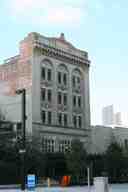
To spot the Old Union Depot Hotel, look for a two-story, red-brick building with boarded-up windows and ivy creeping down one side, sitting right by the street corner across from Tampa Union Station. Step right up and picture this: It's 1912, and the hustle and bustle of arriving trains fills the air. Imagine steam rolling in, porters calling out, and guests shuffling across the street with suitcases thumping against rolling wheels. Here at 858 East Zack Street, you would’ve seen the Union Depot Hotel-one of twelve brick storefronts shaped to fit an oddly angular corner, a six-sided outpost at the very edge of Tampa’s expanding downtown. Back when its doors first swung open, this place sparkled with hope. Guests fresh off the train would stop here, fill the lobby with chatter, maybe even order a hearty breakfast at the downstairs café. Its neighbors were tailor shops, diners, and travel agencies, all glued together by the rhythm of train arrivals. But being the last in a dozen is no easy feat. The surrounding buildings disappeared, but the Union Depot clung to life, even when the bustle faded and travelers stopped checking in. For years it sat silent, a relic with boarded windows, the laughter and gossip of old guests replaced by the whisper of wind slipping through broken brick-until one stormy day, the roof couldn’t take it anymore, and crashed in under its own weight. Tampa, with both a sigh and a shrug, called in the demolition crew. Here’s a twist: not everyone was welcome in this bit of Tampa’s history. Back in its prime, the hotel stood as a “whites only” lodge. Black travelers were sent a block over to the Jackson Rooming House-the next stop on our tour. Both buildings have their stories, bricks layered with struggle and hope. Although the Old Union Depot Hotel is gone now, stand here and imagine the steam, the streetcars, the voices, the sweet aroma of coffee brewing just over a century ago-just a hint of the life that once flowed through this corner of Tampa. And now, ready to walk in the footsteps of those travelers? Let’s head onward to the Jackson Rooming House.
전용 페이지 열기 →To spot the Jackson Rooming House, look for a two-story wooden building with lots of red trim and a covered porch in the front-it’s right across from a parking lot and partly…더 보기간략히 보기
To spot the Jackson Rooming House, look for a two-story wooden building with lots of red trim and a covered porch in the front-it’s right across from a parking lot and partly tucked behind a big palm tree. Welcome to the legendary Jackson Rooming House! Imagine Tampa in 1901, the air thick with humidity, trains chugging in from the north end of downtown, and an unlikely hero-this humble wooden house. Back in the days of segregation, when African-American travelers couldn’t get a hotel room downtown for all the oranges in Florida, the Jackson House opened its doors. Moses and Sarah Jackson started with a cozy six-room cottage, then, as more guests sought refuge, they kept building up and out, finally making a bustling 24-room safe haven where folks could catch their breath. But oh, the guests who passed through! Jazz legends like Count Basie, Cab Calloway, James Brown, Ella Fitzgerald, even Ray Charles may have sung their hearts out right here, before lighting up the nightclubs of Central Avenue, the beating heart of Tampa’s African-American business district. The house must’ve been filled with laughter, swinging tunes, and secrets whispered on the porch. The Jackson House was more than a place to sleep; it was a center of life, music, resilience, and community during tough times. As years rolled by, bulldozers swept away the neighborhood in the name of “urban renewal” in the 1970s, leaving this house standing almost like a stubborn old-timer who simply refuses to leave the party. In the 21st century, the Jackson House’s fate has been an emotional rollercoaster-a millionaire radio host nearly bought it, then backed out, donors pledged millions, and deals with neighbors turned into long negotiations. Even today, the future of this legendary building is tangled in city hall drama and real estate riddles. But as you stand here, you’re gazing at a place where the past still whispers, waiting for a fresh chorus to begin.
전용 페이지 열기 →Look for a bold red and gold emblem with a proud eagle perched on top and a sailing ship at the center-this striking badge will help you spot the Tampa Fire Rescue…더 보기간략히 보기
Look for a bold red and gold emblem with a proud eagle perched on top and a sailing ship at the center-this striking badge will help you spot the Tampa Fire Rescue Department. Welcome to the Tampa Fire Rescue Department, guardian angels of the city in red! Imagine the year is 1884-you might hear the distant clang of buckets as seven makeshift “bucket brigades” dash down the cobblestone streets to douse a fiery blaze. Fast forward to 1895, when the city council decided enough with buckets-let’s upgrade to a team of paid professionals! Back in those days, every fire call meant hitching up horses to heavy carriages, but by 1914, the horsepower changed from hay-fed beasts to big, rumbling engines. Time has only made the job wilder. Today, these firefighters wrangle everything from burning buildings to hazardous cargo at Port Tampa Bay-the busiest port for dangerous goods in Florida. At Tampa International Airport, they’re ready on the runways, and when there’s trouble at sea, their mighty fireboats and speedy inflatables splash out, engines revving, covering waters as far as Egmont Key. And with the roar of fans at Raymond James Stadium or millions passing through the airport, this department never sleeps. Even behind the scenes, the Fire Marshal is busy sniffing out mysteries, investigating fires, and keeping the city’s buildings safe. So tip your hat to these modern-day heroes-Tampa wouldn’t be the same without their courage and muscle!
전용 페이지 열기 →
12개 정류장 더 보기정류장 적게 보기expand_moreexpand_less
To spot the S. H. Kress and Co. Building, look for a tall, elegant four-story structure with a grand sign reading "KRESS" high above its richly decorated windows and arched…더 보기간략히 보기
To spot the S. H. Kress and Co. Building, look for a tall, elegant four-story structure with a grand sign reading "KRESS" high above its richly decorated windows and arched terra-cotta ornaments, sitting right between two smaller neighbors on Franklin Street. Welcome to the Kress, where history and mystery still echo behind those beautiful old windows. Take a good whiff-it might not smell like fresh popcorn or five-cent soda floats anymore, but imagine stepping back to 1928, when the place first opened. Shoppers in flapper dresses and newsboys in flat caps would stream through its doors, their shoes tapping across grand mosaic floors. This building once buzzed with the excitement of Tampa’s “five and dime” crowd, where you could scoop up everything from a new hat to a homemade fudge treat for just a few coins. G.E. Mackey, the original architect, made sure the building stood out, covering its face in ornate terra-cotta wreaths and a big, bronze marquee out front-basically “Bling Before Bling” was even a thing! By 1981, though, shopping had changed and our Kress closed, leaving its beautiful halls silent-except, maybe, for the occasional tap of a ghostly shopper looking for bargains. These walls still stand as one of Tampa’s last big commercial buildings before the Great Depression pressed the pause button on such grand projects. But don’t let that faded marquee fool you-a lot more happened here than just shopping. In the 1960s, the nearby Woolworth’s was the site of lunch-counter sit-ins, where brave civil rights protesters demanded equality, right in this very block. Today, there’s a plaque reminding us of their courage. The Kress building has survived wild plans and some hair-pulling over its fate: folks have dreamed up everything-a skyscraper with an atrium, a glitzy hotel, even secret Republican Convention parties. But every time, it somehow stays just as you see it, patiently waiting for its next act. The Wilson Company now holds the keys, promising to restore this Tampa treasure. So, will Kress become the city’s new hotspot? Or maybe the “best-dressed” building on the block-again? Stick around and watch history unfold!
전용 페이지 열기 →To spot this landmark, look for a grand brown-and-white building with massive columns and “United States of America” etched across the top, tucked behind palm trees and set right…더 보기간략히 보기
To spot this landmark, look for a grand brown-and-white building with massive columns and “United States of America” etched across the top, tucked behind palm trees and set right along the sidewalk. Alright, picture yourself a century ago, standing where you are now: the air is thick with the anticipation of justice and maybe a little bit of sweaty Florida humidity. This imposing building, completed in 1905, was designed by the legendary James Knox Taylor-he really knew how to make a statement with all those columns, didn’t he? Back when Tampa was still growing out of its wild west days, this was the stage for some very serious business: judges hammering gavels, mail carriers hustling in and out, and customs agents keeping a sharp eye on the city’s imports. For decades, this place was everything-post office, courthouse, even a custom house. If walls could talk, these would probably whisper secrets about notorious trials and the grand adventures of lost love letters. In 1974, it scored a spot on the National Register of Historic Places-it finally got the recognition it always wanted! And just when you think the story is over, plot twist: today, this stately old courthouse has swapped out the legal drama for plush pillows as a Le Méridien hotel. So next time you pass by, imagine the echoes of old courtroom showdowns mingling with the chime of hotel lobby bellhops. From verdicts to vacations-what a transformation!
전용 페이지 열기 →To spot St. Andrew's Episcopal Church, just look ahead for the creamy stucco building with striking orange tile roofs and a tall tower topped by a green cross, right at the corner…더 보기간략히 보기
To spot St. Andrew's Episcopal Church, just look ahead for the creamy stucco building with striking orange tile roofs and a tall tower topped by a green cross, right at the corner of Marion and Madison Streets. Imagine yourself standing here more than a hundred years ago. Picture Tampa with dusty roads, the hum of horses, and just a handful of bold souls dreaming big. That’s when, in 1871, this spot became the birthplace of Tampa’s very first Episcopal congregation. They didn’t start out in a building like this-oh no! In those pioneer days, church service was held in a simple hospital building at Fort Brooke. If you think about it, you could say church and healing have always gone hand in hand for St. Andrew’s! By 1883, they put up a humble wood-frame church, but as the city grew, so did the need for something grander. Now, take in the Mediterranean Revival style around you-these elegant rooflines and graceful arches were dreamed up in 1904 by two of Tampa’s architectural superstars, Francis J. Kennard and Michael J. Miller. You might notice something mysterious about the stained glass windows and communion rail: they’re actually survivors from that original wooden church. If only those windows could talk, right? They watched over Tampa as orange groves became skyscrapers and this sleepy neighborhood turned bustling. And if you want a dash of drama with your history: in 1929, right next door, the Art Deco Western Union Building rose up, humming with telegrams and typewriters. In 1996, St. Andrew’s adopted this building, as if to say, “Hey neighbor, let’s stick together!” Today, you’re standing at the crossroads of Tampa’s past and present. St. Andrew’s didn’t just shape the skyline; its parishioners helped establish other churches as the city flourished. Maybe if you listen closely, you’ll hear echoes of old hymns and whispered prayers floating through the air-a living legacy that stretches from those first bold steps in 1871, all the way to today.
전용 페이지 열기 →To spot Sacred Heart Catholic Church, look straight ahead for a striking stone building with a gigantic round stained-glass window framed by three wooden doors, standing in…더 보기간략히 보기
To spot Sacred Heart Catholic Church, look straight ahead for a striking stone building with a gigantic round stained-glass window framed by three wooden doors, standing in stunning white against the surrounding city buildings. Now, take a deep breath and let your eyes drift up from those massive oak doors to the beautiful marble and granite tower-the same spot where history has echoed for over a century. Imagine it’s 1905: Tampa is bustling and growing, and right here, you’d smell fresh-cut stone and hear the thud of hammers on marble as the grand Romanesque structure rises. But the story starts long before this building appeared. Back in 1860, the city’s first Catholic parish-a humble wooden church named St. Louis after a martyred missionary-sat right here. Life was tough; in 1888, the area faced a deadly yellow fever outbreak, and three beloved priests were lost, leaving the community searching for hope and guidance. The Jesuits arrived, took up the challenge, and didn’t just rebuild-they practically launched a faith mission for all of South Florida! Old St. Louis was bursting at the seams by 1897, so locals grabbed their shovels, and after much anticipation, Sacred Heart’s cornerstone was set in 1900. By 1905, the doors swung open, revealing not just any church, but a masterpiece by Nicholas J. Clayton of Texas: a soaring 135-foot dome, sturdy oak pews, and delicately painted porcelain tiles, all bathed in rainbow light from seventy hand-crafted stained glass windows shipped from Munich. Generations have celebrated weddings here-some families for six cycles of “I do”-and in 2010, a heritage marker was added to honor all that’s happened on this sacred ground. Even now, whether you hear a joyful couple stepping outside, the laughter of old-school reunions, or simply the church bells echoing across Florida Avenue, you’re standing at the heart of Tampa’s Catholic story.
전용 페이지 열기 →Look ahead for a stately tan and white building topped with a tall clock tower-Tampa City Hall stands right before you, peeking out from behind the trees and surrounded by much…더 보기간략히 보기
Look ahead for a stately tan and white building topped with a tall clock tower-Tampa City Hall stands right before you, peeking out from behind the trees and surrounded by much taller, shiny skyscrapers. Now, take a breath and imagine Tampa back in the early 1900s. Picture horses clopping on cobblestone and the sweet aroma of cigar smoke drifting through breezy streets as you stand before Tampa City Hall-a building with as much personality as a stand-up comedian! Designed by the team of Bonfoey & Elliott, this grand structure at 315 East John F. Kennedy Boulevard was Tampa’s pride and joy back in 1915. Its beautiful clock tower kept everyone on schedule (and probably scared off a few pigeons with its chimes). Over the years, this building has seen everything from wild political debates to grand parades rolling by, and it's soaked up decades of Tampa sunshine. But the real drama came in 2017 when City Hall got a $16 million makeover. Can you picture the scaffolding, the workers scrambling, maybe even the ghosts of mayors past arguing about paint swatches? The renovation gave it new life, making sure the city could keep its historic roots while stepping boldly into the future. In 1974, Tampa City Hall strutted onto the National Register of Historic Places-honestly, it’s about as close to being a celebrity as a building can get! So next time you check the clock, tip your hat to this Tampa legend.
전용 페이지 열기 →Look straight up-the building towering in front of you with white grid lines and teal-tinted windows stretching high into the sky is the Bank of America Plaza, standing out…더 보기간략히 보기
Look straight up-the building towering in front of you with white grid lines and teal-tinted windows stretching high into the sky is the Bank of America Plaza, standing out against Tampa’s blue sky with its sharp, modern lines. Now, imagine it’s 1986-big hair, shoulder pads, and this brand-new skyscraper climbs above Tampa, officially crowned the city’s tallest building for years! Locals used to call it Barnett Plaza, and inside, it holds more rentable office space than you’d need for a year’s worth of bowling leagues-over 780,000 square feet! With 42 stories, it has watched visitors, workers, and the change of the city’s skyline for decades. But hold onto your hat because things took a dramatic turn in 2002. Just four months after the world had reeled from September 11, a shockwave hit Tampa. A 15-year-old amateur pilot, Charles Bishop, stole a Cessna. On a quiet Saturday when the building was nearly empty, the plane crashed into this very tower. Miraculously, nobody else was hurt, but Tampa stood still with worry and disbelief. The story made headlines nationwide, as people wondered what had happened and why. The tragedy uncovered layers of mystery-questions about medicine, mental health, and a troubled note left behind. Today, the Bank of America Plaza stands tall and undaunted-a silent witness to both daily drama and history’s unexpected twists. It’s not just a tall building-it’s a keeper of Tampa’s secrets and stories, waiting for the next chapter!
전용 페이지 열기 →Look up at the Bank of America skyscraper and focus on the upper floors-you’ll spot a jagged, gaping hole surrounded by shattered glass and crumpled debris, marking the exact spot…더 보기간략히 보기
Look up at the Bank of America skyscraper and focus on the upper floors-you’ll spot a jagged, gaping hole surrounded by shattered glass and crumpled debris, marking the exact spot where the Cessna crashed in 2002. As you stand here, take a deep breath and listen to the city hum around you. But on January 5th, 2002, the rhythm of downtown Tampa was violently interrupted by a sound no one expected-an airplane engine roaring low and fast, out of place among the honks and hustle. Now, imagine this: It’s a chilly evening, and the sunlight glints off the glassy walls of the Bank of America Tower. Suddenly, a small Cessna 172-just the kind you might picture puttering over the bay-tears through the air, heading straight for one of Tampa’s tallest towers. The pilot isn’t a seasoned aviator, but a 15-year-old high school student, Charles J. Bishop, who took off alone from a local airport after his flight instructor left his side for just a moment. Bishop, in a split-second decision that would shake the city, climbs above the skyline and heads downtown. You can hear the gasps and shouts as people below look up, watching the plane ignore warnings from a Coast Guard helicopter swirling overhead. And then-with a shattering boom-the plane crashes into the building right above you, between the 28th and 29th floors. Shards of glass rain down, dust clouds up, and the world seems to pause as everyone wonders what just happened. The aftermath was as confusing as it was frightening. Remember, this took place just months after 9/11, and the memory of those tragedies was still raw in every American’s heart. Police and investigators rushed to the scene, combing through the debris, searching for answers. They found a chilling note from Bishop, claiming inspiration from Osama bin Laden and referencing the horrors of 9/11. For a moment, Tampa held its breath, fearing another wave of terror. But-as the days passed-it became clear that young Bishop acted alone. He had no real links to terrorist groups, no secret agents helping him plan. It was a one-person tragedy, wrapped in confusion and heartbreak. Investigators dug even deeper, seizing computers and hunting for evidence. Bishop’s mother even tried to sue the makers of his acne medication, claiming its side effects twisted his mind. But the suit was quietly dropped years later, leaving behind only mystery and grief. Nationwide, people questioned how someone so young could steal a plane, let alone fly it into a highly secure building. Security measures at airports changed overnight; underaged flight students faced tighter checks, and flight schools everywhere started locking doors and checking backgrounds. So, as you look up at that uneven scar in the elegant grid of the Bank of America Tower, remember: this is more than damage or broken glass. It’s a mark left by history, by fear, and by a desperate act in the heart of Tampa-a dramatic reminder of the fragile trust and deep responsibility that comes with life in a city that forever moves forward.
전용 페이지 열기 →Ahead of you, you’ll spot a big open green lawn gently sloping down toward the sparkling river, with playful fountains, a fun-filled playground, and lined by rows of palm…더 보기간략히 보기
Ahead of you, you’ll spot a big open green lawn gently sloping down toward the sparkling river, with playful fountains, a fun-filled playground, and lined by rows of palm trees-just look for the colorful playground and the water glimmering behind it. Alright, you’ve arrived at the lively heart of downtown Tampa! Your feet might feel the springy grass and your ears could catch the laughter of kids on the playground, but did you know you’re actually standing where rock concerts once shook the ground and wrestling matches drew roaring crowds? Back in the 1960s, this was the site of Curtis Hixon Hall, an arena that attracted everyone from Elvis impersonators (okay, sometimes the real deal too) to presidents and politicians. It was named for Mayor Curtis Hixon, beloved enough to have both a park and a hall with his name-even though he snuck off to city hall in the 1940s expecting a quiet career. Instead, he helped transform Tampa! But Curtis Hixon Hall met the classic fate of many old buildings: it was demolished in the early ‘90s, its echoes replaced by a small, sleepy park that almost nobody visited. Let’s face it-there wasn’t much around except an old art museum blocking the view and not a slice of pizza in sight. Downtown Tampa, as quiet as a Sunday morning, just couldn’t lure in the crowds. Then, everything started changing. Tampa dreamed up the Riverwalk-a project even more ambitious than finding parking during Gasparilla! The city erased the barriers, tore down that old museum and parking garage that pinched off the river, and brought in landscape magician Thomas Balsley to start fresh. What happened next? They rolled out grassy terraces like a lush welcome mat, built fountains for splashing, pavilions for picnicking, and a modern playground where you can unleash your inner monkey. Suddenly the waterfront opened up, and sweeping views connected Ashley Drive, the always-busy Riverwalk, and Plant Hall’s minarets shimmering across the river. Today, Curtis Hixon Waterfront Park isn’t just a patch of grass-it’s Tampa’s unofficial town square. You’ll catch food truck rallies, outdoor yoga, midnight movies, art festivals, concerts under the stars, and even a winter ice rink. If you listen closely, you might even hear the whispers of gold medal wrestling matches and the roar of roller derby wheels. Whether you come for a sunset, a festival, or just to watch the dogs frolic, this is a place that’s always changing, always alive, and always packed with stories from past and present. Welcome to Tampa’s favorite backyard!
전용 페이지 열기 →To spot Rivergate Tower, just look ahead for a towering, perfectly round skyscraper with a light stone exterior that looks a bit like a giant can standing tall overlooking the…더 보기간략히 보기
To spot Rivergate Tower, just look ahead for a towering, perfectly round skyscraper with a light stone exterior that looks a bit like a giant can standing tall overlooking the river. Welcome to the Rivergate Tower, Tampa’s famous “Beer Can Building!” Imagine standing here in 1988 as the limestone giant rose up, its shape meant to be a lighthouse, casting a guiding glow over the city’s skyline. The architect, Harry Wolf, built each tile and window just a little bigger than its neighbor, all following the magical Fibonacci sequence-nature’s favorite math trick! The building’s skin is made of limestone from France and Texas, making it one of the tallest limestone buildings on Earth. Once the grand headquarters for North Carolina National Bank, folks spent $150 million making sure it turned heads and, frankly, caused a few double-takes from riverwalk joggers every morning. Can you believe its parking garage holds 731 cars under your feet? But the fortunes of buildings change-fast forward to 2011, when it was snapped up for just $22 million in a foreclosure sale. Through it all, Rivergate Tower stood strong, bringing home a big shiny trophy-the 1993 National Honor Award from the American Institute of Architects. On a lighter note, people still giggle about its “Beer Can” nickname, but it’s got brains and beauty, having made the Florida Architecture: 100 Years. 100 Places list. If you peek around, you’ll see a cube-shaped neighbor, home to the Florida Museum of Photographic Arts, and just beyond, Curtis Hixon Park and the bustling Riverwalk. Now, who wouldn’t want to say their office is in a landmark famous for being both a mathematical marvel and possibly the world’s classiest beer can?
전용 페이지 열기 →Look up ahead for a spectacular red-brick building topped with a parade of shiny silver minarets that almost look like something out of a fairy tale-this is the Henry B. Plant…더 보기간략히 보기
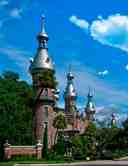
Look up ahead for a spectacular red-brick building topped with a parade of shiny silver minarets that almost look like something out of a fairy tale-this is the Henry B. Plant Museum, set right inside the grand old wing of the University of Tampa’s Plant Hall. So, you’ve landed at Tampa’s own “castle of dreams,” just imagine the sound of train whistles as guests first rolled up in the late 1800s, their luggage piled high, ready to step into a hotel that looked like a sultan’s palace by the river. This place wasn’t just luxury-it was the very definition of dazzling, built by railroad tycoon Henry B. Plant as the crown jewel of the Tampa Bay Hotel. Back in 1891, when this incredible palace opened, it was the finest of Plant’s eight hotels, meant to impress every guest coming off his rail line-especially if they liked a good bit of mystery with their sunshine! Now, take in all those Moorish towers and sparkling domes-six minarets, four cupolas, and three domes, all glinting in the Florida sun, trimmed with just enough Victorian gingerbread to make you wonder if Hansel and Gretel might come wandering by. Henry Plant wanted his hotel to stand out from anything else in America. And boy, did he succeed. Each of those minarets is like an exclamation mark saying, “You’re not in Kansas anymore!” This hotel was cutting-edge for its day. The first elevator in Florida was installed here and, believe it or not, you can still ride it today. Guests had rooms with electric lights, telephones, and-this’ll bowl you over-full-size bathtubs in most suites. For $5 to $15 a night (at a time when Tampa's average hotel room was $2 tops), you could live like royalty. While other travelers might find themselves fighting for hot water, here you’d be soaking in style, maybe after a round of golf, some bowling, a spin at the racetrack, or a swim in the state’s first heated indoor pool. But even all that wasn’t enough for Mr. Plant. He scoured Europe, loading train cars full of treasures-tapestries, bronzes, clocks, art, you name it-and filled the hotel until the walls nearly burst with glamour. Rumor has it, he brought in so many collectibles, an auction was needed just to unload the surplus. The Tampa Bay Hotel didn’t just pamper the average guest-presidents, queens, celebrities, and stars stayed here. Teddy Roosevelt and his Rough Riders even marched across these very grounds, plotting strategies for the Spanish-American War while enlisted men camped in every spare corner. Picture grand banquets with Winston Churchill, or young Babe Ruth in the dining hall, ready to sign his very first baseball contract. Even the Queen of the United Kingdom walked these halls! If only the walls could talk-they’d have stories of secret deals, daring battle plans, and maybe a few questionable dance moves during the Gatsby parties. When the Great Depression hit, tourism dried up and the big hotel closed its doors in 1930. But the adventure didn’t end there. In 1933, the building was reborn as part of a growing university-imagine students turning grand hotel suites into science labs! Still, the city wanted to preserve a slice of that golden age, and the south wing stayed as a museum, keeping the Gilded Age alive for all of us who like a view into the past. In 1974, it officially became the Henry B. Plant Museum, and it’s been delighting visitors ever since. Today, you can wander through restored rooms set up just as they were in the 1890s, run your hand over fancy imported vases, or peer into cases that hold wild artifacts collected by the Plants on whirlwind European shopping sprees. If you time it right, you might catch live classical music drifting through the halls, or join the Upstairs/Downstairs performances, where costumed actors bring the hotel’s quirkiest former residents to life. Outside, you’ll find Plant Park, once home to alligators and bears in its own mini-zoo-don’t worry, the only wild things now are squirrels. Two mighty cannons, once captured at Civil War Fort Brooke and later planted here by Mr. Plant himself, stand guard. And don’t miss the iconic bronze hounds-legend says they were modelled after Mr. Plant’s own favorite hunting dogs, ears perked as if waiting for him to return. So as you gaze up at these fantastical towers, remember, this museum isn’t just a building; it’s a time machine powered by stories, quirks, and adventure. And who knows? Maybe a little of that old Gilded Age magic will rub off on you. If you're keen on discovering more about the closing and renewal, recent or the plant park and hotel grounds, head down to the chat section and engage with me.
전용 페이지 열기 →To spot the Old School House, look for a charming, small white wooden building with a pitched roof, big windows, and a cozy porch sitting right in the middle of the University of…더 보기간략히 보기
To spot the Old School House, look for a charming, small white wooden building with a pitched roof, big windows, and a cozy porch sitting right in the middle of the University of Tampa campus green. Now, take a deep breath and let’s time travel together! Imagine it’s 1858-the Florida sun is just as hot, but there’s no shiny campus around you, only live oaks draped with Spanish moss and the gentle flow of the Hillsborough River nearby. This very building was humming with the chattering voices of girls at their lessons, the air filled with chalk dust and dreams, all thanks to General Jesse Carter who wanted something special for Tampa’s young ladies. But this little schoolhouse had some serious wanderlust! After nearly thirty years, railroad magnate Henry B. Plant swept in, bought the place, and decided it was too cute to be just a classroom. So, it became a handy workshop, a tool shed, and even a pharmacy for the Tampa Bay Hotel-talk about a career change! When the grand hotel closed in 1930, things looked gloomy for the humble schoolhouse, but the Daughters of the American Revolution came to the rescue, gently moving it to safer ground here in 1931. Imagine: this plucky little building has survived relocations, renovations, and rowdy history lovers. And if buildings could talk, you’d hear stories from every wooden plank-of schoolgirls, clever inventors, and determined locals keeping Tampa’s past alive. And remember, while it’s usually closed, on special days the doors swing open, inviting everyone to step inside and touch a piece of real, living history.
전용 페이지 열기 →The University of Tampa’s story begins in the thick of the Great Depression, 1931. Picture the city: Tampa was buzzing with the promise of progress, but also shadowed by hard…더 보기간략히 보기
The University of Tampa’s story begins in the thick of the Great Depression, 1931. Picture the city: Tampa was buzzing with the promise of progress, but also shadowed by hard times. Enter Frederic Henry Spaulding, a high school principal with a dream. He founded Tampa Junior College in-you guessed it-a high school building, evenings only. The tuition? I’m guessing cheaper than a cup of coffee today, even with extra whipped cream. By 1933, it needed more space and hope landed in the form of a grand, but empty, palace: the old Tampa Bay Hotel. Now, imagine you’re here in the 1930s. This wasn’t a typical “college move-in day.” The hotel was a marvel, built by railroad tycoon Henry B. Plant in 1891. It was enormous, with over 500 rooms, its own casino, a race track, indoor pool, and grounds so grand you’d expect peacocks to strut by. But after tough times and Plant’s passing, the place was as empty as a ghost story-except with more chandeliers. The city bought it, tried everything to keep it running, but by 1931, they gave in. Now, with Spaulding’s college moving in, the echoing halls found a new heartbeat. Suddenly, students found themselves learning history in rooms former presidents and celebrities once slept in. The smell of textbooks must have overlapped with the scent of old hotel carpets. The grandeur of the Moorish arches and those gleaming minarets became a symbol of the city-a kind of “Hey, look at us!” It almost makes you wish your college had minarets, right? But like every adventure, things weren’t always easy. Through the 20th century, the University of Tampa grew, but not without a fight. There were times when the money dried up, and trouble lurked heavier than Florida humidity. In 1974, they even had to fold the much-loved football program-imagine, no more roaring crowds or marching bands, just a quiet stadium and a lot of disappointed Spartans. With the arrival of an NFL team, the school felt they just couldn’t compete. But Tampa isn’t a city that gives up easily, and neither was the University. In the 1980s and 1990s, they turned things around the hard way: penny by penny, building by building, leader by leader. Fundraising became a superhero sport. Businessman Bruce Samson slashed the budget deficit, and President Ronald Vaughn’s “Take UT to the Top” campaign raised over $80 million. The Sykes family gave a whopping $38 million. It was like someone finally put the wind back in the Spartans’ sails. New dorms cropped up, the business school transformed, and the whole campus got a facelift. UT became the place to be, boasting more than 200 academic programs, a 17-to-1 student-faculty ratio, and palm trees and gardens that make the campus feel like a resort where learning comes with a side of sunshine. Student life here buzzes, day and night. About 11,000 students from every corner of the globe call UT home. International flair? Check. Fraternities, sororities, campus traditions? Absolutely. If you hear a bit of friendly competition in the air, that’s because the UT Spartans have taken home 27 national titles-baseball to volleyball, and everything in between. At this point, even the minarets probably dream of winning trophies. Walking these grounds, you might stumble across the “Anti-Gravity Rock”-seriously, it’s a thing-thanks to Roger Babson’s Gravity Research Foundation. You’ll also find the Henry B. Plant Museum, cannons from Tampa’s early days, and old oaks shading walkways where generations have wandered, possibly looking for their next class-or a decent cup of coffee. UT students get to dive into everything from marine science on Tampa Bay’s shores to international business, journalism, psychology, cybersecurity, and more. Want to see where Babe Ruth hit his longest home run? Legend says it happened right on these grounds, at the old state fair. Truth or myth, it certainly adds a bit of magic. So, as the sun gleams off those famous minarets and you stand where presidents, athletes, and dreamers have all crossed paths, remember: the University of Tampa is more than just a beautiful campus. It’s a living, breathing story-a little quirky, a little dramatic, and always ready for the next chapter. And hey, if you see that squirrel again, tell it class is in session! Wondering about the academics, campus or the students? Feel free to discuss it further in the chat section below.
전용 페이지 열기 →
자주 묻는 질문
투어는 어떻게 시작하나요?
구매 후 AudaTours 앱을 다운로드하고 교환 코드를 입력하세요. 투어를 바로 시작할 수 있습니다 - 재생을 탭하고 GPS 안내 경로를 따라가시면 됩니다.
투어 중 인터넷이 필요한가요?
아닙니다! 시작 전에 투어를 다운로드하면 완전히 오프라인으로 즐길 수 있습니다. 채팅 기능만 인터넷이 필요합니다. 모바일 데이터 절약을 위해 WiFi에서 다운로드하시는 것을 권장합니다.
이것은 가이드가 안내하는 단체 투어인가요?
아닙니다 - 이것은 셀프 가이드 오디오 투어입니다. 폰을 통해 오디오 나레이션을 들으며 나만의 속도로 독립적으로 탐험합니다. 투어 가이드도, 단체도, 일정도 없습니다.
투어는 얼마나 걸리나요?
대부분의 투어는 60-90분이 소요되지만, 속도는 전적으로 본인이 조절합니다. 원할 때 언제든지 일시정지하거나, 정류장을 건너뛰거나, 휴식을 취하세요.
오늘 투어를 끝낼 수 없으면 어떻게 하나요?
괜찮습니다! 투어는 평생 이용이 가능합니다. 원할 때 언제든지 일시정지하고 다시 시작하세요 - 내일, 다음 주, 또는 내년에도. 진행 상황이 저장됩니다.
어떤 언어를 이용할 수 있나요?
모든 투어는 50개 이상의 언어로 이용 가능합니다. 코드를 교환할 때 원하는 언어를 선택하세요. 참고: 투어 생성 후에는 언어를 변경할 수 없습니다.
구매 후 투어는 어디에서 이용하나요?
App Store 또는 Google Play에서 무료 AudaTours 앱을 다운로드하세요. 교환 코드(이메일로 전송됨)를 입력하면 라이브러리에 투어가 나타나며, 다운로드하여 시작할 수 있습니다.
투어가 마음에 들지 않으시면 환불해 드립니다. 문의: [email protected]
안전한 결제