시애틀 오디오 투어: 성스러운 스카이라인과 사파이어 바다표범 투어
시애틀의 숲이 우거진 스카이라인 아래에는 야망, 반란, 그리고 재창조의 미로가 놓여 있습니다. 자세히 들여다보면 성당 돌에 반사되는 햇빛조차도 알려지지 않은 비밀을 암시합니다. 이 셀프 가이드 오디오 투어는 신앙으로 가득 찬 대결, 급진적인 건축물, 그리고 도심에서 가장 대담한 녹색 오아시스를 따라 걷도록 여러분을 초대합니다. 웅장한 교회 탑 뒤와 도시 고속도로 위 비밀 정원에 숨겨진 전설과 전환점을 발견하세요. 어떤 성당 지붕이 신자들이 안에 있는 동안 눈보라 속에서 무너져 내렸을까요? 대교구의 어두운 복도를 한때 장악했던 미해결 권력 투쟁은 무엇이었을까요? 그리고 전 세계 파쿠르 챔피언들은 왜 프리웨이 공원의 거대한 콘크리트 구조물로 몰려들까요? 스캔들, 발명, 구조, 그리고 갱신의 이야기가 여러분을 한 블록씩 앞으로 이끌면서 엽서 너머로 나아가세요. 경건한 침묵, 도시의 소음, 경외감의 순간들—그리고 시애틀은 결코 멈추지 않는다는 느낌을 기대하세요. 이 우뚝 솟은 랜드마크를 통해 역사의 메아리를 쫓을 준비가 되셨나요? 비밀이 햇빛을 만나는 곳으로 들어서세요.
투어 미리보기
이 투어에 대하여
- schedule소요 시간 40–60 mins나만의 속도로 이동
- straighten4.4 km 도보 경로안내 경로 따라가기
- location_on
- wifi_off오프라인 작동한 번 다운로드, 어디서든 사용
- all_inclusive평생 이용언제든지 다시 재생 가능
- location_on시애틀 로마 가톨릭 대교구에서 시작
이 투어의 정류장
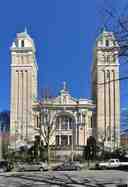
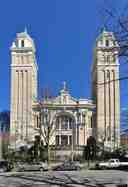
To spot the Roman Catholic Archdiocese of Seattle, look for the grand, towering church with twin tan brick towers tipped with green domes and a large cross above a stately front…더 보기간략히 보기
To spot the Roman Catholic Archdiocese of Seattle, look for the grand, towering church with twin tan brick towers tipped with green domes and a large cross above a stately front entrance-you’ll often see the sunlight glinting off its impressive stonework through the trees. Welcome, traveler! As you stand before the mighty facade of the Roman Catholic Archdiocese of Seattle, you’re gazing at a place steeped in tales of faith, rivalry, and resilience. Picture this: it’s the 1830s, and a pair of daring priests named François Blanchet and Modeste Demers make the long journey from distant Canada to bring Catholicism to the wilds of what was then Oregon Country. Imagine arriving here, only to find thick forests, unpredictable weather, and more cows than congregants! By 1850, Pope Pius IX had set his sights on the Northwest and officially created the Diocese of Nesqually, headquartered not in bustling Seattle, but in Vancouver, Washington. The first bishop, Augustin Blanchet-François’ equally headstrong brother-wasn’t thrilled to discover his “cathedral” was more glorified trading post than grand sanctuary. He tried to wrangle the independent-minded Oblate priests and even attempted to claim land gifted by Native Americans. This wasn’t the friendliest of clerical climates, mind you. Tensions ran high, and suspicion from local Protestants led to wild accusations and dramatic betrayals, especially after the tragic Whitman massacre in 1847. If you think your family reunions are awkward, you haven’t seen bishops fighting over missionary turf! By the 1860s, things were looking up. Catholic settlers started trickling into the Seattle area-though initially, the bishop thought the city was “too small to matter.” Lucky for us, Father Prefontaine disagreed, and through sheer grit and a bit of fund-raising magic, launched Seattle’s first Catholic church near Pioneer Square in 1869. The late 1800s saw the diocese blossom under Bishop Junger’s passionate rule. Suddenly, there were more nuns, more priests, and new churches popping up in Tacoma and Everett. Seattle itself was transforming from lumber-town to lively city-so much so that, in 1903, Bishop Edward O’Dea convinced the Vatican to move the seat of power up here, waving goodbye to Vancouver. This was no small feat; it’s like convincing your boss to move headquarters to your favorite coffee shop…and it worked. Soon after, epic construction of St. James Cathedral began-Seattle’s holy skyscraper, still the center of Catholic life today and the heart of the archdiocese’s 144 parishes west of the Cascade Mountains. Over time, parishes multiplied, schools were founded (including the little parish school that became Seattle University), and Catholic institutions started popping up like mushrooms after rain-not just churches, but hospitals, daycares, homes for the elderly, and more. Of course, history is never without shadows. Over the years, the archdiocese has tackled financial crises, devastating scandals, and even Vatican investigations into doctrine and leadership. In the 1980s, controversy boiled over when complaints from Rome led to a muddled juggling act of power, with bishops and auxiliary bishops butting heads over everything from tradition to modernity. The faithful here weathered their share of storms, not all of them spiritual-lawsuits, allegations, and reckonings with painful chapters of abuse rocked the community, leading to major reforms and ongoing efforts at healing. Yet, through it all, the church continued to evolve. It’s now a vibrant force for education, charity, and activism, with schools, universities, and outreach centers dotting Western Washington. Today’s archbishop, Paul D. Etienne, has even opted out of living in the palatial Connolly House, preferring to use church resources to help Seattle’s poor. So, as you stand outside this soaring landmark, you’re touching the pulse of nearly 200 years of Northwest Catholic history-a story mixing ambition, hardship, courage, and (occasionally) more drama than a Sunday soap opera. Next stop, perhaps a cathedral that more than one bishop could only dream about... To expand your understanding of the statistics, bishops or the education, feel free to engage with me in the chat section below.
전용 페이지 열기 →You’re looking for a grand stone building with two tall, square towers and a cross perched on top-look ahead and up; it’s impossible to miss St. James Cathedral’s impressive…더 보기간략히 보기
You’re looking for a grand stone building with two tall, square towers and a cross perched on top-look ahead and up; it’s impossible to miss St. James Cathedral’s impressive facade rising above the street! Alright, close your eyes for a moment (unless you’re crossing the street-safety first!) and picture Seattle in the early 1900s. The city is bustling, but something big is missing-a cathedral worthy of the growing community. Now, imagine the sound of thousands of people gathering, their voices blending together, as Bishop Edward O’Dea lays the foundation stone in 1905. This is no small church; it’s the very heart of Catholic life in Seattle, and by 1907, after a flurry of saws, hammers, and prayers, St. James Cathedral is finally complete, dedicated just in time for Christmas. But this story isn’t all smooth sailing. Because, not long after, Mother Nature decides to test the new cathedral’s roof-big time! In 1916, a huge snowstorm piles onto the cathedral’s original dome until, with a mighty crack, the dome crashes down into the building, sending a shiver through everyone inside. Did they give up? Not at all! The community rallied, and the cathedral was rebuilt-minus one very heavy, snow-attracting dome. Let’s not forget a bit of “glam” with those immense bronze doors added in 1999, telling epic stories in metal, and the stained glass that catches beams of Seattle sunlight and turns them into rainbows. There’s even a special display just above the door: a golden window with Christ reaching out, surrounded by local industries and a sneaky sketch of Mount Rainier. Clearly, this cathedral doesn’t just belong to heaven-it’s proudly Pacific Northwest! On the facade, look closely-three statues stand proudly: St. James himself, St. John Vianney (a French priest who makes you wonder if he ever tried Seattle coffee), and St. Frances Xavier Cabrini, who worshipped here while serving immigrants and became the first American citizen to be named a saint. So, when you wave at these stone figures, know you’re in the presence of real Seattle legends. Step inside, and you’ll find a floor mosaic declaring “House of God, Gate of Heaven.” The baptistery greets babies and adults alike, with its ancient Chi Rho inscription, while the walls commemorate all sorts of folks who helped restore the cathedral. You’ll also spot shrines and works of art that run the gamut from Renaissance masterpieces-one from 1456, straight out of Florence-to stained glass that transforms stories of hunger, thirst, and hope into luminous scenes. And here’s a fun twist: In 1994, when the cathedral was renovated, the altar moved from its old spot to dead-center, with a glass oculus overhead to let in the famous Seattle sky-the same sky, perhaps, that sent crashing snow down so many decades before. Things have a way of coming full circle here, but now, only light streams down. Below that altar lie relics of St. Frances Xavier Cabrini-she once walked these very aisles. The cathedral’s heart beats through its outreach to the poor and the marginalized, running kitchens, ministries, and assistance programs. It’s not just a building with grand windows and mighty organs (oh yes, the musical ones-they have several, and when they play, the whole place vibrates). So, when you stand here, you’re not outside a museum-it’s a living chapter of Seattle itself, marked by resilience, community, and a little brush with disaster. The next time you see snow clouds forming, just give a reassuring pat to St. James. He can handle a bit of weather! Intrigued by the exterior, interior or the chapel? Make your way to the chat section and I'll be happy to provide further details.
전용 페이지 열기 →Look for the large, tree-filled park right above the busy stretch of highway, nestled between the tall downtown buildings-it’s like a secret garden floating over the city…더 보기간략히 보기
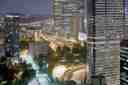
Look for the large, tree-filled park right above the busy stretch of highway, nestled between the tall downtown buildings-it’s like a secret garden floating over the city traffic. Welcome to Freeway Park! Right now, you’re standing in front of one of Seattle’s boldest experiments-a place that feels part science fiction, part urban fairy tale. Take a deep breath-can you smell that? Maybe a hint of pine needles mixed with city breeze? That’s because this park refuses to choose between city and nature. Imagine being in the heart of downtown, where concrete rules and cars roar beneath you. Then, suddenly, you step into this wild patchwork of rustling leaves, bold concrete shapes, and twisting walkways. It’s like the city decided to grow a forest right on top of a highway-literally! Back in the 1970s, when people were dreaming big (and maybe listening to a lot of disco), the city hired a team led by Lawrence Halprin and Angela Danadjieva to turn this noisy, gray space above the freeway into something beautiful-almost magical. They brought together brutalist concrete slabs (that’s a fancy word for giant, dramatic building blocks) and overflowing gardens, making Freeway Park look like a playground for giants and elves alike. When it opened on July 4th, 1976, it wasn’t just a park-it was an experiment in what cities could become. But it wasn’t all sunshine and squirrels. In the early 2000s, the park got a little too mysterious for comfort. There were some dark corners, tangled plants, and more pigeons than people. After a crime shook the park’s reputation, neighbors and the city banded together like superheroes armed with pruning shears and garden lights. Their solution? Not a total redo, but a thousand small acts of love: brighter lights, trimmed plants, friendly faces walking through. Turns out, a little attention and a lot of people were all Freeway Park needed to come alive-the crime rate dropped, the laughter increased, and the park got its groove back. Today, Freeway Park is famous not just for its looks, but for its influence-urban designers everywhere have taken notes. Oh, and if you see anyone leaping between the concrete walls, don’t panic! This place is world-famous with parkour enthusiasts, ranked second best on the planet for those who prefer walking on walls over sidewalks. So as you wander, listen for echoes of the past, keep your eyes peeled for jumpers, and imagine the city’s heartbeat slowing just a little-right here, above the rush and rumble, where nature and concrete share a dance. Now, shall we continue?
전용 페이지 열기 →
10개 정류장 더 보기정류장 적게 보기expand_moreexpand_less
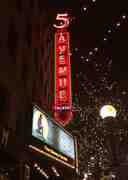
To spot the 5th Avenue Theatre, just look up for the dazzling, towering red vertical sign that blazes “5TH AVENUE THEATRE” in bright lights, hanging down from the Skinner Building…더 보기간략히 보기
To spot the 5th Avenue Theatre, just look up for the dazzling, towering red vertical sign that blazes “5TH AVENUE THEATRE” in bright lights, hanging down from the Skinner Building right above a classic marquee on the bustling sidewalk. Well, welcome to showbiz, Seattle-style! You’re standing beneath the glowing magic sign of the 5th Avenue Theatre-where for nearly a century, the ordinary street transforms each night into a stage glittering with possibility. If you walked by on its very first night, back in September 1926, you’d have thought you’d stumbled onto a movie set: flares shot into the sky,, spotlights roamed the stars, and the streets were so packed that even the streetcars had to find another route. They say somewhere between 50,000 and 100,000 excited Seattleites crowded these blocks, singing along as a live band led a citywide party that set the scene for a theatre destined to become-not to be dramatic-a national treasure. But it’s not just another theatre. Peer inside its entry and you’ll glimpse a world inspired by the grandeur of Beijing palaces, a swirling fusion of history and art. Architect Robert Reamer, perhaps better known for designing Yellowstone’s Old Faithful Inn, teamed up with artist Gustav Liljestrom to create an auditorium bursting with Imperial dragons, mythical phoenixes, and chrysanthemums in every corner. The ceiling features a jaw-dropping octagonal dome, from which a five-toed dragon bursts forth, tightly gripping a chandelier in its jaws like it just can’t let go of the spotlight. That dragon’s inspiration? The Hall of Supreme Harmony in the Forbidden City! Some even say the one here is twice the size of the original. Wherever you look, you’ll spot symbols from Chinese legend-clouds rolling across painted beams, guardian lions (who once watched the sidewalk now peer protectively from inside), and the golden hues of prosperity. There’s enough mythic energy here that you’d almost expect a lucky audience member to leave with the power to summon rain-or, at least, win the local pub quiz. The 5th Avenue Theatre didn’t just bring glamour on opening night. It weathered booms and busts: from vaudeville to movie palace and, in harder times, the threat of turning into anything from a restaurant to an office block. It even closed its doors for a spell, a sad chapter when the magic seemed to have faded. But Seattle wasn’t about to let that happen: in 1979, a league of business leaders, pouring their love for local arts into action, swooped in to save the theatre. They stripped floors, dusted every blue and gold dragon back to vibrancy, and opened the doors again with a grand gala-where stage legend Helen Hayes herself kissed the boards and called it a “national treasure.” And treasure it certainly is! Since its rebirth, the 5th has become the heartbeat of musical theatre in Seattle. It’s home to the largest theatre employer in the region and hosts everything from high-kicking Broadway tours to the very first test runs of future Broadway blockbusters. Heard of Hairspray, Jekyll & Hyde, or Memphis? They all took a Seattle test drive here before hitting the big time. Right now, over 600 people-actors, musicians, set painters, lighting techs, you name it-keep the wheels turning on stage and behind the scenes. As a nonprofit, its spirit relies on the generosity of the community, ticket sales, and a few lucky donors who just can’t resist the thrill of live theatre. But wait, there’s more! The 5th Avenue’s mission goes beyond big musical numbers and dazzling opening nights. Every year, thousands of students and teachers come through the doors for education programs and high school theatre awards-a veritable Tony Awards for tomorrow’s stars. The only thing more dazzling than the lights out here are the dreams being made inside. So next time you see that glowing red sign and hear the hum of the crowd outside, remember you’re standing on more than just a sidewalk-you’re at the threshold of Seattle’s own palace of possibilities, where dragons roar, history sings, and the curtain never truly falls. For further insights on the architecture, the 5th avenue musical theatre company or the productions by season, feel free to navigate to the chat section below and inquire.
전용 페이지 열기 →Look for a grand, cream-colored building with tall, ornate columns and rows of arched windows, right on the corner-with a large sign reading “ACT Theatre” along its left side;…더 보기간략히 보기
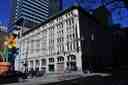
Look for a grand, cream-colored building with tall, ornate columns and rows of arched windows, right on the corner-with a large sign reading “ACT Theatre” along its left side; it’s hard to miss with its classic architectural flair among the glassy modern towers. Now, step right up and let me take you back in time to where this story begins-right here at what’s now the ACT Theatre, but once was the Eagles Auditorium, beating at the heart of Seattle’s creative soul. In the 1960s, Seattle’s theatre scene was good… but a bit like eating vanilla ice cream every day. That’s when Gregory A. Falls, a bold spirit with a taste for the avant-garde, decided the city needed something new-a “serious alternative to summer stock,” as they say. He founded ACT in 1965, planting a seed for risk-taking and fresh stories that’s grown taller than a curious bean sprout. Originally, ACT made its home in a more modest space, Queen Anne Hall (now On the Boards). But dreams, as we know, have a habit of outgrowing their pots. So, after a long search for a place big enough to hold their ambition (and audiences!), ACT moved here in 1996, into this historic Eagles Auditorium Building, now called Kreielsheimer Place. They share the structure today with Eagles Apartments, which means you could technically live above-or below-a world of drama and comedy. I hope they hand out free applause upstairs! The building is as storied as the performances inside. Imagine, just above your head, the grand Allen Theatre, once filled with gilded balconies, ornate ceilings, crystal chandeliers, and the buzz of excitement. Oh, and here’s a quirky twist of fate: the very stage where Martin Luther King Jr. inspired crowds and the Grateful Dead once jammed is still here-you can find it, now just a painted relic, in the background, like the cameo appearances of theatre history itself. It’s not just a theatre; it’s a living time capsule. And yet, there’s plenty of everyday drama too. In the late 1990s, ACT’s fortunes grew as stormy as a Seattle winter. A few misfires with productions, new leadership, and shaky critical reception meant ticket sales sank and debts piled higher than stage props after closing night. By the early 2000s, the theatre was teetering on the edge-will the curtain fall for good? Enter some generous folks, including Boeing’s chairman with half a million bucks, and an ambitious new artistic director, Kurt Beattie. With grit, luck, and a little theatre magic, ACT fought its way back from the brink, like a hero in the final act of a play. The renaissance meant bold new productions took the stage, from black comedies to locally written pieces that made their way to New York audiences. Big names like Julie Harris and Randy Newman walked through these doors. And ACT remains a creative hub-part of the city’s top trio of playhouses, together with the Cornish Playhouse and the Rep. Not bad for a theatre once on life support! In fact, in 2025, ACT merged with the Seattle Shakespeare Company, kicking off this new era with a run of Twelfth Night right in the Falls Theatre. Sure, there may have been some arguments about turning the old vaudeville-style auditorium into theatre-in-the-round, but isn’t a little drama just part of theatre’s charm? So as you gaze at all those ornate details and elegant arches, picture the echoes of applause, the rustle of scripts, and the wild, wonderful leaps of imagination ACT has set loose for over half a century. Whether you’re here for a world premiere or just passing by, you’re standing outside a genuine landmark of Pacific Northwest creativity-a place that’s seen triumphs, disasters, and more comebacks than an improv comedian. And trust me, this spot never gets stage fright.
전용 페이지 열기 →Take a look in front of you-Westlake station's entrance is tucked neatly below street level with a modern, Art Deco vibe: picture pale stone tiles, deep-set lighting, and…더 보기간략히 보기
Take a look in front of you-Westlake station's entrance is tucked neatly below street level with a modern, Art Deco vibe: picture pale stone tiles, deep-set lighting, and geometric lines leading you toward gleaming underground platforms, bustling with the rhythm of the city. Now, let’s dive into the story behind the pulsating heart of Downtown Seattle’s transit: Westlake station. Imagine you’re standing over Pine Street, where the city’s hustle and the department stores’ lights make you feel like you’re in the middle of an urban beehive. But hidden below, in a world apart from the rain and traffic, is a station that’s seen just about every twist and turn Seattle could throw at it-just with more escalators. It all started way back in the early 1900s. Back then, this area was a muddy hillside, freshly leveled as part of Seattle’s ambitious regrading project. City planners like Virgil Bogue looked at Pine Street and dreamed of subway lines converging here-a place where the future would hum beneath the streets, whisking people to all corners of the city. It was a daring vision, but unfortunately, Seattle voters of 1912 must have thought, “Not today!” So, the great underground became home to massive department stores like The Bon Marché and Nordstrom instead-places where the only thing traveling quickly was your paycheck. Fast forward to the 1960s and 70s, when Seattle again flirted with the idea of a subway, pushed by dreams of sleek trains beneath the shopping crowds. Despite two ballot tries, funding for subways fell just short, much to the disappointment of dreamers (and, I suspect, the local umbrella industry). Instead, Seattle built Metro Transit for buses, but the idea of an underground never faded away. The 1980s were when things really started heating up underground-literally and figuratively. The city approved the construction of the Downtown Seattle Transit Tunnel, and Westlake was to become the crown jewel. Picture Pine Street in the late ‘80s: blocked off, busy with construction workers sinking 400 pilings into the earth. Tunnel boring machines worked below, chewing earth and chewing time (and, at some point, after their job was done, their shells were left to become part of the tunnel walls-talk about becoming part of the city fabric). But wait-there was drama, too. Granite for the station turned out to come from apartheid South Africa. Whoops! The city, upholding a boycott, returned it all and the project leader resigned. Wrong tiles, sick workers from mystery bad air, and moments of crisis decorated construction, yet somehow, the Westlake station mezzanine opened in grand style in 1989. Local politicians praised its elegance, and it wasn’t long before the sleek escalators, shining terrazzo, and quotes inscribed in stone made this place more than just a way to catch a ride-it was a new underground living room for the city. Buses ruled here at first, gliding silently as they swapped diesel for electric power under the city (no gas-guzzling allowed down here, thank you very much!). But the 1990s brought a new player: Light Rail. Voters eventually gave the green light to Sound Transit, and Westlake got another multi-million-dollar remodeling. Escalators multiplied like rabbits. The tunnel was closed-again!-for renovation. Bus and rail would share the space for a while, before Westlake finally became all light rail, all the time in 2019 (don’t worry, bus fans, the surface streets are still yours). And if you think a station’s just platforms and trains, you’d be wrong. Westlake has giant murals-some with Marilyn Monroe, samurais, and Donald Duck mingling in a riot of color-showcasing Seattle’s wild, wonderful spirit. There are handmade terra cotta tiles shaped like leaves, and once there was even a huge granite question mark clock above (yes, a question mark clock-Seattle likes to keep things interesting). Today, trains rumble by every few minutes, carrying thousands toward markets, stadiums, and the airport-twenty hours a day, almost every day, like a heartbeat under downtown. If you listen closely, you might still hear the echoes of old department stores, the arguments of city planners, and the laughter of the first passengers-all blended together, right here beneath your feet. So next time you step inside Westlake station-remember-you’re not just catching a train. You’re diving straight into Seattle’s underground adventure.
전용 페이지 열기 →Look up and slightly to your right-you’ll spot the West Edge Tower, a sleek, glassy skyscraper standing tall above Pike Street, easy to recognize with its shimmering blue-green…더 보기간략히 보기
Look up and slightly to your right-you’ll spot the West Edge Tower, a sleek, glassy skyscraper standing tall above Pike Street, easy to recognize with its shimmering blue-green facade and sharp, modern lines. Alright, take a deep breath and let’s step back in time as we stand before this impressive 440-foot-tall giant. Imagine, just over half a century ago, you’d be standing at the busy entrance of MacDougall & Southwick department store, where shoppers hustled, display windows dazzled, and kids begged for candy from fancy counters-this corner was the heart of downtown’s action. But when the store shut down in 1966, the building stood empty, echoing with memories, until even those walls crumbled away in 1971. In its place? A humble surface parking lot, where engines hummed and car doors slammed--not quite the glamorous fate you’d expect for such a prime spot, right? Fast forward to the early 2000s, and the city buzzed with dreams of building upward. Enter Greg Smith of Urban Visions, a man with a vision big enough to challenge Seattle’s sky. Originally, he wanted a “mere” 27-story residential tower-even though the city’s rules capped buildings here at 11 stories! Talk about dreaming tall. The plans grew as Seattle’s city council rewrote the zoning code, and just when things looked settled, luxury hotel company Candela swooped in with grand promises of their flagship hotel plus posh condos. For a while, this was the Candela Hotel & Residences-a dazzling glass tower narrowing in the middle, with the top 13 floors dramatically jutting out as if the building had done too many bicep curls! But if you think construction projects are ever simple, let’s just say-this story has more plot twists than a detective novel. The Candela plan fizzled, luxury dreams morphed into apartments, and the city went on debating which design was just right. At one point, someone wanted a dramatic “tree tower,” complete with a viewing terrace facing Pike Place Market. Then, poof! That idea was dropped, replaced with the elegant, modern tower you see today-a sparkling stack of glass and steel, designed by the iconic Tom Kundig, brought to life with (finally!) a little help from deep-pocketed Japanese developer Mitsui Fudosan. When construction began in July 2015, traffic dodged orange cones, sidewalks buzzed with hard hats, and even a protected bike lane got replaced by a covered detour flanked by plastic water barriers. Little by little, the core shot up-floor after floor, until it finally “topped out” in August 2017, scraping the sky at 39 stories. March 2018-doors opened, and Seattle’s luxury apartment hunters had 339 stunning new homes to pick from, with shops below and even a Medical One clinic on the 8th floor (talk about a good address for your next checkup!). So whether you’re dreaming of a penthouse or just love big city drama, the West Edge Tower is proof that even a boring old parking lot can rise up and sparkle-if it gets the right story, and the right cast of characters.
전용 페이지 열기 →To spot the Seattle Art Museum, just look for an impressive red stone archway with art-deco tiles and bold black letters spelling out “SEATTLE ART MUSEUM” above the entrance-it's…더 보기간략히 보기
To spot the Seattle Art Museum, just look for an impressive red stone archway with art-deco tiles and bold black letters spelling out “SEATTLE ART MUSEUM” above the entrance-it's right at the corner of First Avenue and University Street, practically inviting you in. Okay, stand tall and take a deep breath-because you’re about to hear the story of where the world’s masterpieces and quirky Northwest spirit meet! Imagine it’s the early 1930s. Seattle is bustling with hope, but the Great Depression casts a shadow. Enter: Richard E. Fuller and his mother Margaret-no capes, but definitely superheroes for art lovers. With a donation of $250,000 (now that’s some piggy bank), the Fullers help open a new museum for Seattle, right in Volunteer Park, in a glorious Art Deco building. Imagine the sharp click of shoes echoing on terrazzo floors and the hush of people standing in awe of their very first look at Van Gogh or Asian ceramics. But fast forward-Seattle outgrows its cozy gallery, just like your favorite pair of jeans after too many art-inspired snacks. The collection balloons from just under 2,000 pieces in 1933 to a staggering 25,000 by 2008, making it nearly impossible to fit everything under one roof. So, in 1991, after an epic shuffle involving the J.C. Penney department store and some tricky real estate maneuvers, SAM moves here, to this soaring, landmark building in the heart of downtown. Designed by Robert Venturi, it’s got limestone, tile, colorful terra cotta-and if you look around, you’ll see touches of both modern flair and classic grandness. Now, here’s the twist: just outside the museum, there’s a huge steel Hammering Man sculpture, tirelessly “working” 24/7. Seattle’s own version of the Energizer Bunny, he hammers to honor the city’s laborers. There’s even a bit of drama in his past-he fell over during installation, had to go back to the foundry for some stainless steel first aid, and at one point, a group of renegade artists put a giant ball and chain on his foot. Apparently, even sculptures need a break on Labor Day. But SAM is more than just this downtown cathedral of creativity. There’s the Asian Art Museum shining on Capitol Hill, packed with treasures from China, Korea, India, and more-plus the Olympic Sculpture Park, nine acres of open-air art right on the waterfront, where you might just see an eagle by Alexander Calder swooping in the wind or Richard Serra’s colossal steel “Wake” making splash in the fog. SAM’s galleries brim with everything from Lucas Cranach’s Renaissance beauty The Judgment of Paris to a pink Mercedes-Benz coffin (and you thought your car was stylish). Mark Tobey’s glowing cityscapes, Da Vinci’s Codex Leicester once on loan, and Jacob Lawrence’s powerful portraits of American life-they’ve all found a home here at some point. And let’s not forget the time in 1997 when the museum made news by returning a looted Matisse to its rightful family, showing the art world how justice looks in oil paint and canvas. But what’s an art palace without some backstage drama? SAM’s staff have a voice of their own, forming a union, striking for better wages, and shaping the culture of this creative powerhouse. Even today, the echoes of negotiations and chants for fairness sometimes ripple through these halls. Think of all the sounds and scents inside: shoes squeaking on cool floors, the faint sound of voices marveling in different languages, pencils sketching, the coffee brewing in the museum café, and the click of cameras-every day, new stories are born here. The best part? SAM throws its doors open for everyone-can’t afford admission? No worries! On the first Thursday and Saturday of the month, anyone can wander in and feel the magic for free. So, whether you’re here for world-class masterpieces, a dash of scandal, or just a really cool souvenir from the gift shop, you’re now standing at a crossroads where new and old worlds collide-and the art, as always, is just getting started. Alright, art adventurer, what do you say we go see what other stories Seattle has in store? Wondering about the exhibitions, collection or the libraries? Feel free to discuss it further in the chat section below.
전용 페이지 열기 →To spot the Fairmont Olympic Hotel, just look ahead for a stately cream-colored building with an elegant “U” shape, tall rows of windows, and flags flying above the grand entrance…더 보기간략히 보기
To spot the Fairmont Olympic Hotel, just look ahead for a stately cream-colored building with an elegant “U” shape, tall rows of windows, and flags flying above the grand entrance behind trees along the street. Welcome to Seattle’s crown jewel of hospitality, the Fairmont Olympic Hotel-a place where history, luxury, and a little bit of local competition all come together! Imagine you’re standing here nearly a hundred years ago: there’s a chill in the December air, the hum of excitement on the streets is almost electric, and a sea of Seattleites, dressed in their Sunday best, lines up just to sneak a peek at this stunning new hotel. This hotel stands on pretty historic ground-the very same spot where the University of Washington first started out. That’s right, before students were sipping coffee at their current campus up by Portage Bay, they were learning right here on what was once called Denny’s Knoll, named after Arthur A. Denny, one of Seattle’s founding fathers. But by 1895, the university had moved north, and this four-block stretch of land sat waiting for a new story. Right after World War I, the city’s Chamber of Commerce put its thinking caps on, dreaming of a luxury hotel that would show the world Seattle was a city to be reckoned with. They picked this exact patch, and with the university’s Board of Regents on board, things started rolling! The Seattle Times even rallied the whole city, holding a contest to name the hotel. From nearly 4,000 entries, “The Olympic” was chosen-clearly, Seattle’s always loved a little friendly competition. The building itself is no ordinary pile of bricks: New York’s George B. Post & Son designed it in the elegant Italian Renaissance style. Think graceful arches, tall windows, sturdy columns, and the kind of sophisticated symmetry that says, “Yes, I am a fancy landmark.” Construction started in 1923 on April Fools’ Day (no joke!) and by the end of that year, steel beams shot into the sky. Furnishings alone cost as much as eight hundred thousand dollars-now that’s what I call high-class furniture! The grand opening in December 1924 was something right out of a movie. More than 2,000 people filled the new Olympic’s ballrooms, dancing and dining under sparkling chandeliers, while hundreds more huddled outside, curious to get a glimpse of the magic. Over the decades, the Olympic Hotel has seen quite the parade of change, mystery, and excitement. In the 1950s, Seattle’s beloved Metropolitan Theatre-once nestled right next door-took its final bow so the hotel could get a drive-in entrance, making guests feel a little bit like movie stars pulling up to a glamorous gala. By the 1980s, the Olympic was added to the National Register of Historic Places, its legacy assured but its age beginning to show. That’s when the Four Seasons swept in, saving the day (and the décor!) with a whopping renovation: hundreds of tiny rooms transformed into modern, spacious suites, merging luxury with Seattle tradition. A new era began again in 2003 when Fairmont took over and restored the name you see today-the Fairmont Olympic Hotel. If these walls could talk, imagine the stories of famous guests, business deals, and maybe even a couple of ghosts from Seattle’s early days, all under its roof. And through it all-from university beginnings to grand parties, dramatic renovations, and new owners in 2024-this hotel still stands tall, welcoming travelers with timeless grace. So take a deep breath and look up at those beautiful arches-the same arches that have witnessed a century of Seattle’s most remarkable moments.
전용 페이지 열기 →To spot the F5 Tower, look up and ahead for the shimmering blue glass skyscraper with sleek, angular lines crisscrossing its surface-it stands tall and sharp between two other…더 보기간략히 보기
To spot the F5 Tower, look up and ahead for the shimmering blue glass skyscraper with sleek, angular lines crisscrossing its surface-it stands tall and sharp between two other giants, looking almost like it’s been carefully carved out of the Seattle sky. Now, let’s step right up and have a little skyscraper story time! Imagine you’re gazing at this sparkling, 660-foot behemoth-the F5 Tower-so tall that it might just give necks in Seattle a permanent crick. Back when it was only a glint in the city’s eye, it went by a few names: The Mark, and before that, Fifth and Columbia Tower. But today, it’s the shiny home to tech giant F5 Networks and, inside, a luxury hotel fit for the most demanding business traveler or Instagram influencer. But don’t let that modern glass fool you-this tower’s roots are tangled with history. Right beneath its looming shadow sits the old First Methodist Episcopal Church, now reincarnated as Daniels Recital Hall. When builders broke ground here, they had to carefully slice away a piece of the church’s education wing, but the rest of the vintage stonework was lovingly preserved-so there’s a little bit of Old Seattle soul to watch over all this newness. Speaking of new, let’s talk design. The architects at ZGF had a bit of Hollywood inspiration-the outline of the building is actually modeled on the iconic silhouette of Audrey Hepburn from “Breakfast at Tiffany’s.” Next time you watch that film, just imagine Hepburn’s chic profile stretching 44 stories toward the clouds! And those shimmering glass panels all around you? They’re the exact same type used on One World Trade Center in New York, giving you a taste of the Big Apple right here in the Emerald City. But this beauty isn’t just for show-it’s clever, too! The glass is engineered to let in soft morning sunlight and send those harsh afternoon rays bouncing away, so you won’t roast like a Seattleite on the one sunny day of the year. Beneath your feet, rainwater gets captured and reused; look up and you’ll find solar panels grabbing every sunbeam they can. There’s even a living wall-yes, a whole chunk of the building where plants climb up the side like a green jacket. Could this place get more eco-chic? Now for a bit of drama: while construction crews were digging, they uncovered old shoring left over from the 1980s, a not-so-pleasant surprise that led to a legal squabble with the neighbors at Columbia Center. And in true “building a skyscraper is not for the faint of heart” fashion, an elevator once dropped several floors-thankfully, everyone survived, and the only thing that truly plummeted was probably someone’s trust in elevators. Today, F5 Tower isn’t just about height; it’s about connection, inside and out. There are 59 meeting rooms, nearly 300 collaboration spaces, and a cool, open staircase system that encourages you to skip the elevator like you're in a high-rise fitness challenge. And don’t forget the hotel: Lotte Hotel Seattle, which opened its doors in 2020, offers plush rooms and a slice of global luxury with a Pacific Northwest view. So, as you stand in the glassy blue shadow of F5 Tower, you’re really standing at the crossroads of old Seattle, new innovation, a sprinkle of Hollywood style, and just a dash of unexpected adventure. Not bad for a walk downtown, right? For further insights on the design, construction or the incidents, feel free to navigate to the chat section below and inquire.
전용 페이지 열기 →As you stand here, take a good look at the rather modest building in front of you. It might seem quiet on the outside, but inside, it’s been the headquarters of one of the most…더 보기간략히 보기
As you stand here, take a good look at the rather modest building in front of you. It might seem quiet on the outside, but inside, it’s been the headquarters of one of the most talked-about think tanks in America: the Discovery Institute. If walls could talk, I’m sure these would be whispering, or maybe even debating, about science, politics, and the nature of the universe! Let’s step back to Seattle in 1991. The city was booming-coffee shops popping up, grunge music in the air, tech starting to make a name for itself-but here, two men, Bruce Chapman and George Gilder, had a vision that had nothing to do with coffee or Kurt Cobain. In a move as Seattle as naming things after ships, they started a non-profit offshoot of the Hudson Institute and named it after the HMS Discovery, a ship that once explored these very waters with Captain George Vancouver in 1792. Instead of charting stormy seas, they set out to navigate stormy waters of science and culture. Now, what really made the Discovery Institute famous-or infamous, depending on whom you ask-wasn't just their political stances. They dove straight into the heart of one of America’s longest-running debates: how to explain life itself, especially in classrooms. The Institute promotes a concept called “Intelligent Design”-basically, the idea that life shows signs of having been designed by an intelligent cause. Picture scientists across America debating, eyebrows furrowed and glasses adjusted, over whether Darwin got it all right. The Discovery Institute argued that schools should “Teach the Controversy” about evolution. And oh boy, did that stir the scientific pot. Imagine the scene: passionate debates, crowded school board meetings, and courtrooms where the question wasn’t which animal wins in a fight, but whether Charles Darwin or a mysterious designer should get the credit for giraffes' long necks. While the Institute says there’s a real scientific controversy, most scientists say, “Nope, no controversy here, evolution is settled science.” In fact, in 2005, a federal judge and major scientific groups all agreed: intelligent design is more about faith than laboratory evidence. But the Discovery Institute wasn’t just focused on biology class. They built up a publishing arm called Discovery Institute Press. Maybe you haven’t seen their books on the bestseller table at the airport, but titles like "Deniable Darwin & Other Essays" and "The Myth of Junk DNA" have made their way into the hands of teachers and curious readers who love a good intellectual tussle. And then, there was the Physicians and Surgeons for Scientific Integrity. I know, it sounds like the name of a superhero team for doctors wearing lab coats instead of capes. This group-PSSI for short-assembled lists of doctors and medical professionals who weren’t convinced by Darwinism. They even had a “Doctors Doubting Darwin” rally with thousands showing up at the Sun Dome in Florida. Imagine hundreds of doctors chanting, but instead of medical advice, they're questioning Charles Darwin. Now that's commitment to a cause! But the Discovery Institute’s ambitions reach far beyond biology. Ever heard of the “Wedge Strategy”? Imagine a metal wedge splitting a log-that’s their metaphor for changing culture. Their Wedge Document set out a plan to challenge mainstream science and promote a more religious, conservative view of the world. Not just in science, but in ethics, the arts, and even public policy. Let’s just say, if they were playing chess, they’d be thinking five moves ahead. The Institute isn’t shy about other hot-button issues, either. They’ve criticized city approaches to homelessness-sometimes with such flair, a county agency ended up in a local scandal after one of their exposés went public. They've questioned climate science, and some of their fellows have even repeated false claims about presidential elections. So, whether you agree or not, the Institute has a knack for jumping into the biggest debates of the day. And don’t forget the Center for Science and Culture-a creative, if controversial, hub inside the Institute. They run blogs and publish news with a mission you could call “faith meets science in prime time.” No matter how stormy things get-whether in classrooms, city halls, or science labs-the Discovery Institute seems to thrive in the eye of the cultural hurricane. So, as you stand on the sidewalk, picture the flurry of meetings, the tap-tap of keyboards, and the passionate discussions happening behind these doors. Here, in the shadow of Seattle’s skyscrapers, is a think tank that has spent decades asking deep questions, lighting cultural fires, and keeping both scientists and philosophers on their toes. Not bad for a building that looks so peaceful from out here, right?
전용 페이지 열기 →Right in front of you, Pioneer Square station shows off its grand, arched white ceiling lined with ribs and hanging lights-just peek below street level near 3rd Avenue and James…더 보기간략히 보기
Right in front of you, Pioneer Square station shows off its grand, arched white ceiling lined with ribs and hanging lights-just peek below street level near 3rd Avenue and James Street, and you’ll catch trains and buses pulling up to its wide underground platforms. Now, let’s travel back in time-no ticket required. Imagine you’re standing here in Pioneer Square, where Seattle first planted its roots in the 1850s, surrounded by brick and stone buildings, the echo of old cable cars, and the faint scent of a city steeped in adventure. Under your feet, history stirs. This station isn’t just a stop-it’s an entryway into more than a century of wild plans and wild rides. In 1911, a civil engineer named Virgil Bogue wanted to dig a subway right here, beneath 3rd Avenue, to whisk people beneath the streets. But the idea flopped at the ballot box-twice in the roaring twenties! You could almost hear the collective groan of frustrated commuters back then. Fast forward to the late 1960s: Seattle dreams up the “Forward Thrust” plan. Picture city leaders with slide rules and wide ties rallying people to build a subway-again! It needed a supermajority vote, and both times, it just missed the cutoff. Instead of speeding trains, you’d have heard the rumble of city buses above ground for decades more. But Seattle’s spirit doesn’t quit. Through the 1970s and 80s, they planned a downtown bus tunnel-future-proof, designed to someday handle light rail trains. In 1983, with hopes high, a contract worth $44.1 million was handed out to dig the tunnel and build this station almost beneath your feet. The project faced drama worthy of a TV show: in 1987, a misjudged drill cut power lines, plunging city hall and safety headquarters into darkness. Imagine the chaos as downtown Seattle came to a screeching halt, coffee brewing forgotten, elevators frozen mid-trip. By 1990, Pioneer Square station was nearly ready-the construction workers had shaped these majestic vaults, designed to echo the neighborhood’s historic charm and give a nod to the steadfast stone found at the old courthouse. But even that wasn’t drama-free: imported materials sourced from South Africa during the apartheid era sparked outrage, apologies, and some very quick changes. If stations could talk, this one would have stories to make your hair stand up. When the bus tunnel opened in 1990, this station boasted the longest and steepest escalator west of the Mississippi. Picture the thrill-and fear-of riding down that first time. City workers soon discovered an 11-foot cable car flywheel from Seattle’s streetcar past, now proudly displayed in the south mezzanine as a relic of the city’s early days. Over the years, the station has transformed with Seattle itself. First, masses of buses ran through it, with dual-mode vehicles that switched from diesel to electric as they entered the tunnel. Leaks during its first rainy winter made things slippery and provided some unwanted indoor waterfalls-well, you could say it made for a more “immersive” transit experience! Then, in the early 2000s, at last, the rumble of trains rolled in. The tunnel was renovated, rails gleaming, platforms smoothed, and in 2009, the Link light rail glided through Pioneer Square station for the first time. Since 2019, trains run solo-no buses-twenty hours a day, whisking people from University of Washington to Sea-Tac Airport and beyond. If you look around, you’ll see handrails shaped like hitching posts, lamps inspired by the past, and clocks made from oddball construction leftovers-tools, cobblestones, old pipes. And somewhere above, the echoes of old cable cars, historic debates, and Seattle’s relentless hope for a faster-way-through. Stand here long enough, and you’ll feel the heartbeat of Seattle: a place that never gave up on moving forward, even if it had to try, and try again. And if you’re headed to Colman Dock or the Klondike Gold Rush Park, just remember-you’re walking in the footsteps of pioneers, dreamers, transit planners, and maybe a couple tired engineers who just wanted to get the lights back on.
전용 페이지 열기 →Right in front of you is the Smith Tower-a narrow, elegant skyscraper topped with a pointed pyramid and glowing dome; just look for the tall, white, old-fashioned building rising…더 보기간략히 보기
Right in front of you is the Smith Tower-a narrow, elegant skyscraper topped with a pointed pyramid and glowing dome; just look for the tall, white, old-fashioned building rising high above the historic brick of Pioneer Square. Now, take in the Smith Tower before you-Seattle’s original skyscraper, and once the tallest building on the entire West Coast! Imagine the year is 1914. Horses clop along cobblestone streets, steam whistles echo from the nearby port, and this brilliant, ivory giant is about to pierce the sky higher than any building west of the Mississippi. People gazed up in awe, jaws dropping so wide that I suspect a few rain drops snuck in. This tower began as Lyman Cornelius Smith’s dream. Smith was a New York tycoon with guns and typewriters in his pockets (not together-we don’t want any ink accidents), and a knack for seeing gold where others just saw, well, dirt. He bought this unusual bit of land-once called Bailey Corner-without much fuss, but his son, Burns, was the real skyscraper enthusiast. After talking his father into building higher, Smith Tower was set to steal Tacoma’s thunder and become a shimmering beacon of the New Northwest. Some brash locals called it the “L.C. Smith Building,” but in 1929 the name Smith Tower officially stuck. Construction was no dainty dance. Contractors arrived, blueprints rustling, laborers hauling, and 1,276 pilings were driven deep into the earth. Day and night, the clang and bang of steel rang out over Pioneer Square. The building’s skin began with granite-sturdy as a mountain-then rose in gleaming white terracotta that caught the sun like a lighthouse. Local firms, national powerhouses, and even marble from Vermont and onyx from Mexico all came together to build a monument that seemed to pour ambition itself into Seattle’s young air. Of course, no great story skips its share of drama! There were tenants refusing to move out, contracts delayed by the elder Smith’s death, a forgotten camera sacrificed to gravity from the 42nd floor, and a three-ton wooden derrick that fell from the skies-miraculously, without flattening a soul. But the American flag finally fluttered at the top in 1913, and all of Seattle marveled. When it opened on the Fourth of July, 1914, over 4,000 people crowded inside, eager to ride the city’s new high-speed elevators. For years, elevator operators whisked generations up and down, collar sharp, stories ready to share. Time marched on. The tower watched the city rise and change, ceding the tallest-in-town title to the Space Needle in 1962 but never giving up its proud profile. Rumor says the outside’s only had a proper wash once since it was built-talk about an old Seattle raincoat! Inside, the Chinese Room crowned the top with carved teak sent from the last Empress of China. Have a wish? Take a seat in the legendary Wishing Chair glimmering with dragon and phoenix carvings… some say if you’re unmarried, a year after you sit, wedding bells might ring. Just ask Smith’s daughter, who found both love and legend atop the city. Through booms, busts, and even Disney internet workers (seriously!), Smith Tower has changed hands more than a relay baton, always finding new life-sometimes half empty, sometimes bursting with new businesses. In recent years, it’s hosted a roaring Speakeasy up top, reimagined tours, and a dazzling glass dome that glows blue-unless it’s December, when green lights up the Seattle night. You can still spot the last elevator operators in Seattle’s history, replaced by glass-panel marvels, and if you listen hard enough while you ride up, you might just hear the whispers of a century’s worth of stories. Today, the Smith Tower keeps watch over Pioneer Square as both guardian and time capsule, challenging every new arrival to dream a little bigger and aim a little higher. And while the infamous Wishing Chair might help with romance, I can’t promise it’ll get your rent lowered in that penthouse suite! So, take one last look up-Seattle’s past, present, and future come together right here at the tip of this dazzling white rocket, a monument to bold dreams and sky-high hopes.
전용 페이지 열기 →
자주 묻는 질문
투어는 어떻게 시작하나요?
구매 후 AudaTours 앱을 다운로드하고 교환 코드를 입력하세요. 투어를 바로 시작할 수 있습니다 - 재생을 탭하고 GPS 안내 경로를 따라가시면 됩니다.
투어 중 인터넷이 필요한가요?
아닙니다! 시작 전에 투어를 다운로드하면 완전히 오프라인으로 즐길 수 있습니다. 채팅 기능만 인터넷이 필요합니다. 모바일 데이터 절약을 위해 WiFi에서 다운로드하시는 것을 권장합니다.
이것은 가이드가 안내하는 단체 투어인가요?
아닙니다 - 이것은 셀프 가이드 오디오 투어입니다. 폰을 통해 오디오 나레이션을 들으며 나만의 속도로 독립적으로 탐험합니다. 투어 가이드도, 단체도, 일정도 없습니다.
투어는 얼마나 걸리나요?
대부분의 투어는 60-90분이 소요되지만, 속도는 전적으로 본인이 조절합니다. 원할 때 언제든지 일시정지하거나, 정류장을 건너뛰거나, 휴식을 취하세요.
오늘 투어를 끝낼 수 없으면 어떻게 하나요?
괜찮습니다! 투어는 평생 이용이 가능합니다. 원할 때 언제든지 일시정지하고 다시 시작하세요 - 내일, 다음 주, 또는 내년에도. 진행 상황이 저장됩니다.
어떤 언어를 이용할 수 있나요?
모든 투어는 50개 이상의 언어로 이용 가능합니다. 코드를 교환할 때 원하는 언어를 선택하세요. 참고: 투어 생성 후에는 언어를 변경할 수 없습니다.
구매 후 투어는 어디에서 이용하나요?
App Store 또는 Google Play에서 무료 AudaTours 앱을 다운로드하세요. 교환 코드(이메일로 전송됨)를 입력하면 라이브러리에 투어가 나타나며, 다운로드하여 시작할 수 있습니다.
투어가 마음에 들지 않으시면 환불해 드립니다. 문의: [email protected]
안전한 결제