
샌디 오디오 투어: 웨스트 샌디의 숨겨진 보석 속 유산의 메아리
견고한 벽돌, 철제 난간, 속삭이는 전설들이 웨스트 샌디의 영혼을 형성합니다. 이곳의 모든 조용한 블록은 격동의 과거를 숨기고 있습니다. 이 셀프 가이드 오디오 투어를 통해 표면적인 이야기 너머로 반란, 거대한 변화, 그리고 도시의 기억에서 거의 지워진 오래된 비밀의 골목길을 탐험해 보세요. 왜 격렬한 정치적 싸움이 히스토릭 샌디 역의 플랫폼을 통해 퍼져나갔을까요? 샌디 십일조 사무실의 어떤 어두운 거래들이 여전히 그 방들을 맴돌고 있을까요? 도시의 가장 격동적인 겨울 동안 자정 무렵 젠슨-클라크 하우스를 드나드는 것이 목격된 신비한 인물은 누구였을까요? 걸음마다 잊혀진 드라마의 맥박을 느끼고, 변화하는 빛이 동맹, 배신, 그리고 대담한 새로운 시작의 조각들을 드러내게 하세요. 실시간으로 역사를 통해 움직이며 웨스트 샌디를 음모와 야망의 살아있는 거미줄로 재발견하세요. 익숙한 벽 뒤에 숨겨진 샌디의 진정한 얼굴을 밝힐 준비가 되셨나요? 지금 바로 여정을 시작하세요.
투어 미리보기
이 투어에 대하여
- schedule소요 시간 40–60 mins나만의 속도로 이동
- straighten4.8 km 도보 경로안내 경로 따라가기
- location_on
- wifi_off오프라인 작동한 번 다운로드, 어디서든 사용
- all_inclusive평생 이용언제든지 다시 재생 가능
- location_on메리 엘렌 파믈리 하우스에서 시작
이 투어의 정류장
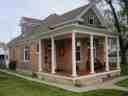
To spot the Mary Ellen Parmley House, just look for a charming red, one-story cottage with white trim and a pointy porch, nestled under big shady trees right by the…더 보기간략히 보기
To spot the Mary Ellen Parmley House, just look for a charming red, one-story cottage with white trim and a pointy porch, nestled under big shady trees right by the sidewalk. Now, as you stand here, imagine what life was like back in 1898. The crunch of gravel, the smell of fresh-cut wood, and the cheerful hammering of a new home rising up in Sandy’s open fields. The Mary Ellen Parmley House started off as a simple Hall-Parlor cottage-just two little rooms, cozy as a teapot. It hugged its spot here at what was once called 316 South 220 East (good for mail, bad for treasure maps). Then, over the years, as families grew and stories stacked up, additions sprouted off the west side like curious cat tails, and suddenly the cottage had a T-shaped crosswing form. Neighbors passing by would have seen Mary Ellen herself tending a garden or maybe chasing after a mischievous pet chicken (well, I can’t prove the chicken, but wouldn’t it be fun?). Today, this friendly house is honored on the National Register of Historic Places. It’s just waiting for you to imagine the laughter, secrets, and family dinners that once echoed through these red wooden walls.
전용 페이지 열기 →

11개 정류장 더 보기정류장 적게 보기expand_moreexpand_less
You’ll spot the Alfred C. and Annie L. Olsen Anderson House right in front of you-it’s a cozy, one-story buff-brick home with a chunky, pyramid-like red roof that seems to guard…더 보기간략히 보기
You’ll spot the Alfred C. and Annie L. Olsen Anderson House right in front of you-it’s a cozy, one-story buff-brick home with a chunky, pyramid-like red roof that seems to guard the small porch and wide windows. Now, imagine it’s around 1916: Sandy’s air is crisp, the streets are filled with the sounds of horse hooves and laughter, and this brand-new house rises from the ground like a beacon of changing times. Alfred, born near Oslo, Norway, and Annie, a Salt Lake City native, start their next chapter here. The house isn’t quite a Victorian cottage, not quite a bungalow-sort of like a hairstyle caught between fashionable eras, trying to please both grandma and the cool kids. That nearly pyramidal roof sits proudly, while details from the Craftsman movement sneak in, winking at passersby that new styles are coming to Sandy. This spot became part of the National Register of Historic Places in 1999, officially marking it as a scene-stealer among Sandy’s historic homes. Picture Alfred sharing stories of icy fjords while Annie bakes bread, their lives mingling as seamlessly as the architectural styles in this remarkable, transitional cottage.
전용 페이지 열기 →Look straight ahead and spot the small, open-air platforms and teal-green shelters along the tracks, right where the railway lines emerge through the trees and snow. Welcome to…더 보기간략히 보기
Look straight ahead and spot the small, open-air platforms and teal-green shelters along the tracks, right where the railway lines emerge through the trees and snow. Welcome to Historic Sandy station! Imagine the cold air buzzing with excitement in December 1999, when this stop first opened its teal-roofed shelters and the very first Blue Line train slid to a stop, ready to whisk passengers from this quiet neighborhood all the way to Downtown Salt Lake City and beyond. This isn’t just any rail stop-it's right in the heart of original Sandy, tucked into a street grid with blocks so small you'd blink and miss one. Here, the island platform even stretches over a mighty canal carrying water from the Jordan River-a little river-over-rail magic! That park you see? It's a little green escape, where bikers and walkers cruise alongside the tracks on the Porter Rockwell Trail. With free parking for over 315 daring commuters, this spot quickly became the neighborhood’s secret passage to the big city. So while you wait for a train, imagine the stories of countless travelers heading off to adventures, caught between the simple charm of Sandy and the energy of city life.
전용 페이지 열기 →Straight ahead, you’ll spot a one-story red brick house trimmed in white, nestled behind a cluster of slender trees and a white picket fence-just follow the path leading right up…더 보기간략히 보기
Straight ahead, you’ll spot a one-story red brick house trimmed in white, nestled behind a cluster of slender trees and a white picket fence-just follow the path leading right up to its welcoming porch. Now, take in the Hyrum and Selma Erickson Jacobson House, standing here since 1914-back when folks got around in wagons and a block of ice in the kitchen was your refrigerator! Imagine that porch bustling with stories, laughter, and maybe a squirrel or two scolding the gardener. Its red bricks, tucked firmly on ashlar granite blocks, weren’t always painted this way; over the years, brush after brush covered the bricks and even turned the mortar joints white, giving this place its cheery pop of color. Even though it’s modest in size, look closer and you’ll find fanciful Victorian Eclectic touches-like the delicate trim and the quirky attic vent watching you from above. This little house was special enough to get its own spot on the National Register in 1999. Picture chilly Sandy winters, candlelight flickering in the window, and Hyrum or Selma returning home after a long day, feet sore, hearts warm, not suspecting their home would someday be treasured by history buffs. Talk about a “brick” in the story of Sandy!
전용 페이지 열기 →To spot the Sandy Tithing Office, look for a small white brick building with a pyramid-shaped roof, a gabled entry porch, and a white picket fence right in front of you. Welcome…더 보기간략히 보기
To spot the Sandy Tithing Office, look for a small white brick building with a pyramid-shaped roof, a gabled entry porch, and a white picket fence right in front of you. Welcome to the Sandy Tithing Office, where, over a century ago, folks from all around Sandy would gather, clutching their tithes-maybe a sack of flour, some eggs, or even a chicken or two, hoping the chickens wouldn’t escape on the way. Picture it: the year is 1907. The air is filled with the sounds of horse hooves and wagons rolling up. Bishop William D. Kuhre, who led the local ward, watched over things here, although the architect and builder behind this charming little structure are still a mystery-almost like someone forgot to sign their masterpiece! With its Victorian Eclectic style, fancy brickwork, and pyramid roof, this building was more than just a place to drop off tithes; it was a hub for spiritual life and community chatter. So imagine folks crowding the porch for a friendly chat, with news and laughter blending into the crisp morning air. Today, this little building stands proud as a piece of Sandy’s living history, listed on the National Register of Historic Places since 1985-proof that even small places can have big stories!
전용 페이지 열기 →Look to your right for a sweet little gray house with simple white trim, two windows facing the street, and a sloping roof-if you spot a satellite dish and a tumble of grape vines…더 보기간략히 보기
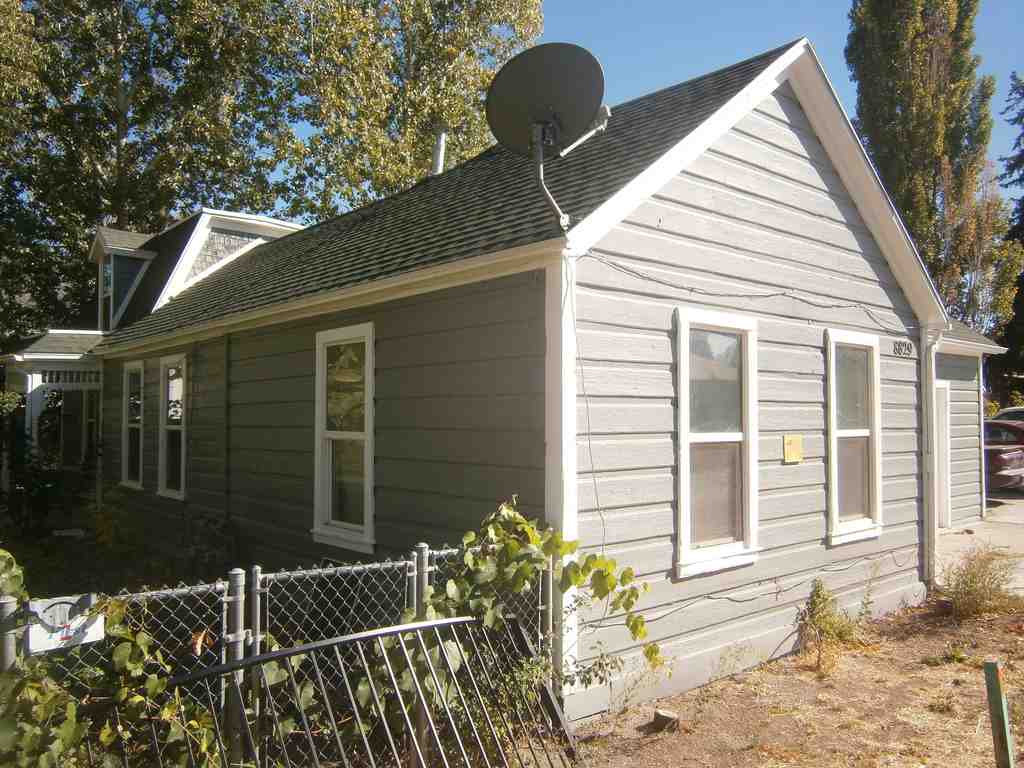
Look to your right for a sweet little gray house with simple white trim, two windows facing the street, and a sloping roof-if you spot a satellite dish and a tumble of grape vines along a low fence, you’re in the right place. Now, you’re standing in front of what was once the heart of a busy pioneer story: the Allsop-Jensen House, built over three different time periods starting way back in 1874. Imagine the sound of saws in Bell’s Canyon as the wood for the barn was cut, the air sharp with the buzz of hard work and echoing with the laughter of early settlers. But here’s the twist: the barn that was once on this property wasn’t born here-it was carefully dismantled in nearby Draper, its planks marked and fitted with metal rings, then dragged (yes, literally dragged!) across the land by a team of horses, with the roof off and hopes high. The journey was so legendary, folks couldn’t even agree whether it was dismantled and reassembled or pulled whole across the valley-the ultimate pioneer puzzle! The barn itself appears to be gone now, but the house and the land remember every stomp of boots, every crackle of hay, and every moment of neighborly laughter. You’re standing not just in front of a house, but in the midst of a living, breathing tale of ingenuity and old-fashioned determination.
전용 페이지 열기 →To spot the Joseph F. and Isabelle Jensen House, look for a light brick Victorian cottage with decorative woodwork, sitting behind a classic white picket fence right at the…더 보기간략히 보기
To spot the Joseph F. and Isabelle Jensen House, look for a light brick Victorian cottage with decorative woodwork, sitting behind a classic white picket fence right at the northeast corner-there’s even a big tree shading part of the porch. Right in front of you is the Jensen House, built around 1902-a cozy cottage that’s seen the world change from horse-drawn carriages all the way to smartphones and streaming shows! Imagine the jingling of harnesses and children’s laughter back when Joseph and Isabelle first settled here, with the scent of fresh bricks in the air as builders finished the detailed Queen Anne-style trim. This solid brick home was constructed in stretcher bond-a pattern as dependable as the Jensens themselves. For over a century, this house has stood proudly behind its white picket fence, watching seasons come and go and generations grow up. Now, as part of both the National Register of Historic Places and the Sandy Historic District, every brick and carved detail plays a part in the neighborhood’s story. Even today, folks pause along the corner, maybe to snap a photo or admire the craftsmanship-just try not to get tangled up in the fence like old Mr. Jensen’s sheep supposedly did once!
전용 페이지 열기 →To spot the Sandy City Bank, look for a cream-colored, square building with big arched windows trimmed in reddish-brown, sitting right on the corner ahead of you on Main…더 보기간략히 보기
To spot the Sandy City Bank, look for a cream-colored, square building with big arched windows trimmed in reddish-brown, sitting right on the corner ahead of you on Main Street. Imagine yourself in the year 1907: horse-drawn carriages roll by, folks in suits and hats bustle around, and the bank on this very corner-Sandy City Bank-shines like a financial fortress, its Italian Renaissance Revival arches showing off Sandy’s ambition to blend style with security. The sandstone walls are cool to the touch, and those grand windows promise both transparency and trust. As you walk closer, you can feel a hush in the air as people once filed in, clutching coins and paperwork, the faint metallic clink of change filling the lobby. This spot wasn’t just about dollars and cents; it was a place where dreams were stored in ledgers and hopes were locked up behind thick steel doors. Fast forward to 1997, and the old hustle is replaced by the cheerful giggles of children-no more bankers, but a daycare with crayon marks and a few stray toys hiding underfoot! The building’s sturdy bones and elegant arches still stand strong, guarding memories of both fortunes and finger paint. And hey, not many banks get listed on the National Register of Historic Places-talk about a lasting investment!
전용 페이지 열기 →To spot the John and Mary Mattson House, look for a cozy brick home with elegant white columns and a welcoming front porch right at 239 East Main Street-it’ll be just ahead of…더 보기간략히 보기
To spot the John and Mary Mattson House, look for a cozy brick home with elegant white columns and a welcoming front porch right at 239 East Main Street-it’ll be just ahead of you! Alright, picture yourself here around 1910. The air carries a metallic tang from the nearby smelters and the gentle mooing of cows. The Mattson House stands as a shining example of what serious craftsmanship could do, with its central block and projecting bays making it the house everyone else in Sandy wanted to copy-but let’s be honest, not everyone had the panache of Mr. Mattson’s brickwork or Mrs. Mattson's green thumb. People back then were living at the crossroads of mining, smelting, and farming-a tricky mix that meant a neighbor could show up at your porch to discuss either cattle prices or copper ore, depending on the day. Today, you’re seeing one of the best-preserved Victorian Eclectic homes, officially recognized by the National Register in the summer of 1996. Just imagine parties on this porch over a century ago, when folks wore their fanciest hats right here and swapped stories about the latest mining gossip. Even now, the house radiates that same charm, and it secretly knows it’s still the best-dressed building on the block.
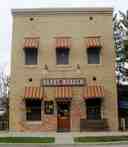
전용 페이지 열기 →Look straight ahead for a tall, yellow-brick building with a flat roof, striped red-and-yellow awnings, and a sign above the door that says "Sandy Museum." Welcome to the Sandy…더 보기간략히 보기
Look straight ahead for a tall, yellow-brick building with a flat roof, striped red-and-yellow awnings, and a sign above the door that says "Sandy Museum." Welcome to the Sandy Co-op Block! Imagine you’re standing here back in 1889-horses clop by on a dusty street, and the air buzzes with excitement over this brand-new two-story building. Once a bustling ZCMI shop, it sold everything from nails to ribbons to miners, smelters, and farmers, all busy shaping Sandy’s future. If these bricks could talk, they’d shout tales about the rumble of trains arriving just a block away-Sandy was linked by railroad in 1871, making this block a crossroads for all sorts of characters and goods. Don’t let the calm today fool you; this spot was the heart of the old commercial district, one of its busiest, surrounded by the clang of industry and the bustle of shoppers. Out of all the commercial buildings from those wild days, this is the only two-story survivor-a real historical heavyweight! So take a deep breath and imagine miners, merchants, and families all chattering as they hurry by. And if you feel the past tickle your ears, just blame it on the spirits of old Sandy, keeping an eye on their favorite haunt.
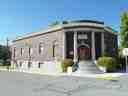
전용 페이지 열기 →To spot the Sandy Second Ward Chapel, just look for the building made of dark maroon brick set on a concrete base, with four sturdy granite-like columns welcoming you at the top…더 보기간략히 보기
To spot the Sandy Second Ward Chapel, just look for the building made of dark maroon brick set on a concrete base, with four sturdy granite-like columns welcoming you at the top of a broad flight of steps. Now, take a deep breath and imagine yourself way back in time-picture townsfolk, dressed in their Sunday best, bustling up these very stairs on a crisp morning. This chapel, designed by Don Carlos Young-the son of legendary Brigham Young-wasn’t just a church; it was a social heart for the community. Built of deep maroon bricks that look almost purple in the evening light, the building has an air of quiet strength, thanks to its squat, parapet-crowned roof and those massive, Tuscan columns out front. Over the years, as the chapel changed hands from the Church of Jesus Christ of Latter-day Saints to Baptist congregations, its walls absorbed laughter, prayers, and maybe a bit of nervous foot-tapping during those long sermons. Imagine the voices of generations-joyful, somber, hopeful-ricocheting off those solid bricks, with the smell of polished wood swirling in the air. It’s seen weddings, funerals, potlucks, and every kind of gathering in between. Even today, this landmark keeps its secrets behind those sturdy doors-a place where Sandy’s history is still very much alive.
전용 페이지 열기 →




자주 묻는 질문
투어는 어떻게 시작하나요?
구매 후 AudaTours 앱을 다운로드하고 교환 코드를 입력하세요. 투어를 바로 시작할 수 있습니다 - 재생을 탭하고 GPS 안내 경로를 따라가시면 됩니다.
투어 중 인터넷이 필요한가요?
아닙니다! 시작 전에 투어를 다운로드하면 완전히 오프라인으로 즐길 수 있습니다. 채팅 기능만 인터넷이 필요합니다. 모바일 데이터 절약을 위해 WiFi에서 다운로드하시는 것을 권장합니다.
이것은 가이드가 안내하는 단체 투어인가요?
아닙니다 - 이것은 셀프 가이드 오디오 투어입니다. 폰을 통해 오디오 나레이션을 들으며 나만의 속도로 독립적으로 탐험합니다. 투어 가이드도, 단체도, 일정도 없습니다.
투어는 얼마나 걸리나요?
대부분의 투어는 60-90분이 소요되지만, 속도는 전적으로 본인이 조절합니다. 원할 때 언제든지 일시정지하거나, 정류장을 건너뛰거나, 휴식을 취하세요.
오늘 투어를 끝낼 수 없으면 어떻게 하나요?
괜찮습니다! 투어는 평생 이용이 가능합니다. 원할 때 언제든지 일시정지하고 다시 시작하세요 - 내일, 다음 주, 또는 내년에도. 진행 상황이 저장됩니다.
어떤 언어를 이용할 수 있나요?
모든 투어는 50개 이상의 언어로 이용 가능합니다. 코드를 교환할 때 원하는 언어를 선택하세요. 참고: 투어 생성 후에는 언어를 변경할 수 없습니다.
구매 후 투어는 어디에서 이용하나요?
App Store 또는 Google Play에서 무료 AudaTours 앱을 다운로드하세요. 교환 코드(이메일로 전송됨)를 입력하면 라이브러리에 투어가 나타나며, 다운로드하여 시작할 수 있습니다.
투어가 마음에 들지 않으시면 환불해 드립니다. 문의: [email protected]
안전한 결제 


