AudaTours logoAudaTours

벤투라 오디오 투어: 어도비의 메아리, 미션 벨, 해안 전설

오디오 가이드11 정류장

벤투라의 야자수 그늘진 거리 아래에는 고대 종소리, 법정 반란, 그리고 알려지지 않은 이야기를 숨기고 있는 평범한 시장 등 비밀의 세계가 펼쳐져 있습니다. 이것은 평범한 산책이 아닙니다. 대부분의 방문객이 그냥 지나치는 이야기를 드러내며 도시의 숨겨진 구석구석을 여는 셀프 가이드 오디오 투어입니다. 벤투라 카운티 법원 계단에서 정의가 흔들렸을 때 무슨 일이 일어났을까요? 어둠 속 미션 산 부에나벤투라를 통해 누구의 신비한 발자국이 울려 퍼질까요? 피라노 시장의 평범한 식료품점이 왜 금지된 거래와 심야 회의에 대한 속삭임을 불러일으켰을까요? 성스러운 미션 정원에서 스캔들이 펼쳐졌던 번화한 거리 모퉁이에 이르기까지 햇빛과 그림자 속을 거닐어 보세요. 벤투라의 활기찬 심장을 형성하는 잃어버린 전설, 정치적 음모, 간과된 드라마를 발견하면서 오래된 경쟁의 긴장감을 느껴보세요. 벤투라의 비밀을 풀고 가장 흥미로운 인물들의 발자취를 따라 걸을 준비가 되셨나요? 여행을 시작하세요. 보이는 것보다 더 많은 것이 표면 아래에 있습니다.

투어 미리보기

map

이 투어에 대하여

  • schedule
    소요 시간 30–50 mins나만의 속도로 이동
  • straighten
    4.0 km 도보 경로안내 경로 따라가기
  • location_on
  • wifi_off
    오프라인 작동한 번 다운로드, 어디서든 사용
  • all_inclusive
    평생 이용언제든지 다시 재생 가능
  • location_on
    산 미겔 예배당 유적지에서 시작

이 투어의 정류장

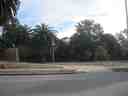
  1. To spot the San Miguel Chapel Site, look for an open, park-like area with palm trees and a lamp post right at the corner of Thompson Boulevard and Palm Street, where the land dips…더 보기간략히 보기

    To spot the San Miguel Chapel Site, look for an open, park-like area with palm trees and a lamp post right at the corner of Thompson Boulevard and Palm Street, where the land dips slightly and is surrounded by greenery. Welcome to the humble beginnings of Ventura! Right where you’re standing, surrounded by palms and the soft buzz of the city, history is hiding just beneath your feet. Imagine this spot over 200 years ago-it was the center of action, with the very first outpost built for Mission San Buenaventura. Workers, friars, Chumash people, and laborers bustled about, constructing adobe walls, bringing water through stone aqueducts, and creating what would become the heart of this growing community. The San Miguel Chapel itself stood just outside the mission’s walled garden, a simple structure that was alive with the sounds of prayer, conversation, and maybe the odd complaint about hard labor-everyone gets tired of carrying rocks, right? This land is more than a footnote; it’s a treasure chest for archeologists. In the 1970s, eager students from Moorpark College dug deep and discovered old rock foundations, a painted wall, and even the aqueduct that once slaked the thirst of mission builders. Every shovel of earth has yielded hints of Ventura’s past-from fancy shell beads, crafted long before Europeans arrived, to artifacts from the county’s very first courthouse, jail, and hospital. But wait, there’s more! Humans have wandered here for at least 10,000 years. Down the way, the Chumash village of Shisholop was once a busy hub full of those famous plank boats-Tomols-setting sail for the Channel Islands. And don’t miss the grand old Coast Live Oak at this corner-believe it or not, it’s nearly 200 years old! Here, by the mission bell marking El Camino Real, history feels very much alive. Take a deep breath. Picture yourself in a world where ocean breezes mixed with the clang of mission bells, and every stone told a story. You’re not just standing in a park-you’re walking on layers of adventure, mystery, and the building blocks of Ventura itself.

    전용 페이지 열기 →
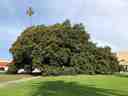
  2. Right in front of you, you’ll spot a giant, sprawling Moreton Bay fig tree that looks like nature’s idea of a massive umbrella-just look for the huge, shady green canopy low to…더 보기간략히 보기

    Right in front of you, you’ll spot a giant, sprawling Moreton Bay fig tree that looks like nature’s idea of a massive umbrella-just look for the huge, shady green canopy low to the ground, standing proudly on a carpet of grass. Welcome to Plaza Park, or as some old-timers call it, Cannon Park-a true living time machine right in downtown Ventura. Imagine stepping into 1869, when Ventura was just getting its wheels turning in California’s first big land boom. This very spot, now all green and peaceful, once echoed with the gentle munching of livestock-it was used more for grazing than for strolls or picnics. Can you picture it? Fast forward to 1874: someone plants this enormous Moreton Bay fig tree, not knowing it would become a local legend. By the 1990s, this gentle giant had stretched its leafy arms over 128 feet, soaring up to 70 feet high, earning its title as one of the oldest and largest fig specimens in all of California. If this tree could talk, wow, the stories it would spill-like the time President Theodore Roosevelt campaigned right here! The park’s paths crisscrossed with gravel, and there was even a grand, central fountain and a bandstand for toe-tapping tunes. In the early 1900s, a local beautification squad zipped in, planting more trees and making the place sparkle with new paved streets. The gazebo? That vanished before World War II, but echoes of celebrations and rallies still linger in the air. Ah, but the park’s real star of mystery is the famed bronze cannon-a forgotten treasure from the Philippines, bearing the name San Buenaventura. Forged in a Spanish church-run foundry, stationed in a Manila fortress, captured by Americans, then left in a scrap pile before a sharp-eyed Ventura official rescued it in 1902. By 1903, it was here for good, standing as a powerful memorial to veterans. Look around and you’ll see echoes of history in the grand Victorian homes of the Mitchell Block, the post office’s WPA mural, and recently a phoenix sculpture rising from a once-burned pine-reminders that Plaza Park is Ventura’s green heart, always growing new stories. And hey, if you can spot the cannon, just remember-it traveled thousands of miles to enjoy this shade with you!

    전용 페이지 열기 →
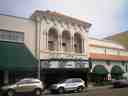
  3. Just ahead, you’ll spot the Ventura Theatre by its grand white façade, ornate arches, and the big marquee with “Ventura” gleaming above the entrance-just look to the building with…더 보기간략히 보기

    Just ahead, you’ll spot the Ventura Theatre by its grand white façade, ornate arches, and the big marquee with “Ventura” gleaming above the entrance-just look to the building with the red-tiled roof and eye-catching old Hollywood charm. Take a moment here on the sidewalk and let your mind wander back to 1928-Ventura’s streets were buzzing, oil boom riches shimmering in the salty air, and people in their finest lined up along this very curb to witness a true spectacle. The Ventura Theatre wasn’t just any cinema: it was the only luxury movie palace in Ventura County, built for pure opulence. Step inside in your imagination and you’ll see gilt and grandeur everywhere, from the dazzling chandeliers to the lavish balcony seats-all thanks to the creative minds at Robert E. Power Studios. This Spanish Colonial Revival gem was more than just pretty: when those doors first swung open, folks were treated to organ solos, side-splitting “Our Gang” comedies, a vaudeville act, and Hollywood’s latest flick, “Excess Baggage.” Back then, the whole downtown was springing to life, with elegant banks, bustling meat packing companies, fancy hotels, and secretive Masonic temples all popping up around it. The theater became the heart of Ventura nightlife-if walls could talk, these would probably burst out laughing with stories! Even today, the Ventura Theatre hosts live concerts in style. Declared a landmark in 1976 and honored on the National Register of Historic Places, this theater is the sparkling jewel of Main Street-and tonight, just imagine the echoes of applause still hanging in the air.

    전용 페이지 열기 →
8개 정류장 더 보기정류장 적게 보기expand_moreexpand_less
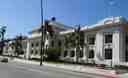
  1. To spot the Ventura County Courthouse, now known as Ventura City Hall, just look up the hill and find the grand, white building with tall columns, arched windows, and a shining…더 보기간략히 보기

    To spot the Ventura County Courthouse, now known as Ventura City Hall, just look up the hill and find the grand, white building with tall columns, arched windows, and a shining copper dome, standing proudly above California Street. Now, step closer and let’s travel through time together! Picture yourself in 1913, the scent of fresh paint and Italian marble in the air, as crowds gather for the courthouse’s grand opening. This wasn’t just any building-Ventura’s Neoclassical courthouse was the crown jewel of the town, gleaming with white terra cotta panels, shiny brass gates, and mischievous little faces of Franciscan friars peeking out from the walls. The whole city seemed to buzz with excitement. Imagine -the dedication celebration lasted two days, with parades, seamen from the USS South Dakota, a “Goddess of Liberty” float, and even a giant lima bean pod float (because nothing says Ventura like a good lima bean). Los Angeles architect Albert C. Martin wanted this place to look as grand as any palace in California. Thanks to him, it’s dressed up not just for business, but like a beautiful woman in a Paris gown, as folks wrote back in the 1920s. The broad fluted Doric columns reach up to a dazzling copper-sheathed dome, and if you squint, you can spot 24 quirky friar faces-like the building itself is eavesdropping on downtown gossip. Actually, this is not the original courthouse. The first one, built in 1873, sat closer to the Mission, but by the early 1900s, it was starting to lean like someone who’d partied a bit too hard at Ventura’s beach. The new site-with clear blue ocean behind and sweeping views over the city-was picked to show everyone Ventura’s ambition. Picture judges in heavy robes and lawyers bustling in and out, with Erle Stanley Gardner, the creator of Perry Mason, scribbling his detective tales just a block away. Through the decades, the courthouse played host to government business, legendary trials, and the kind of courtroom drama that would make any TV show jealous. The trial of Elizabeth Ann Duncan in 1958, with reporters packed wall-to-wall, captivated the nation with its tragedy and headlines. In the 1930s, a new annex was added-complete with jail cells. The most infamous guest? Charles Manson, who had a brief stay here before heading off to infamy. But the building wasn’t done facing danger. By the 1960s, earthquakes were shaking more than just nerves. After a rumble in 1968, judges flat-out refused to step inside. The stained-glass dome was beautiful, but no one wanted it crashing down mid-trial. Eventually, the county said, “enough!” and moved everyone out. The stately old building sat empty until the city decided to give it new life-which cost Ventura about $3.4 million and a lot of crossed fingers. Terra cotta tiles were replaced, the walls were braced with modern engineering magic, and the old courtroom became a sunlit city council chamber with views stretching all the way to the Channel Islands. Since 1974, this courthouse has served as Ventura’s City Hall, persisting through repairs, renovations, and more than a few movie crews. So next time you walk past, think of those friar faces grinning at you and all the stories this hilltop palace holds-more drama, mystery, and memorable moments than you can shake a lima bean at. And don’t forget to look out and savor the breeze, just like the building does, day after day.

    전용 페이지 열기 →
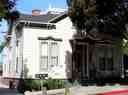
  2. To spot the Emmanuel Franz House, just look for a cream-colored Victorian home with tall, narrow windows, a small porch out front, and a fancy white railing topping its roof-right…더 보기간략히 보기

    To spot the Emmanuel Franz House, just look for a cream-colored Victorian home with tall, narrow windows, a small porch out front, and a fancy white railing topping its roof-right beside the tree! Now, picture yourself back in the late 1800s: the air smells of fresh-cut lumber and ocean breezes, and there’s the steady hum of Ventura’s early growth all around. Right before you stands the Emmanuel Franz House, an Italianate Victorian beauty born from wood and brick, taking shape between 1879 and 1891. For more than a decade, builders carefully constructed this place, maybe pausing now and then to joke about who would be brave enough to climb all the way up to the “widow’s watch” on the roof-rumor has it, folks believed you could spot ships returning to Ventura from up there, if you didn’t mind getting a little windblown! With its ornate stoop and elegant trim, this house witnessed so much: horse carriages, the shouts of street vendors, and the city slowly transforming around it. It’s got stories tucked in every corner-imagine the laughter that echoed through its halls or maybe even a grumpy old cat guarding the front step! In 1976, Ventura made sure this house wasn’t going anywhere, declaring it Historic Landmark Number 21, and in 1982 it earned a spot on the National Register of Historic Places. So take in the details and let your imagination roam; you’re standing in front of a true time traveler nestled right in downtown Ventura!

    전용 페이지 열기 →
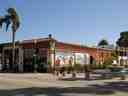
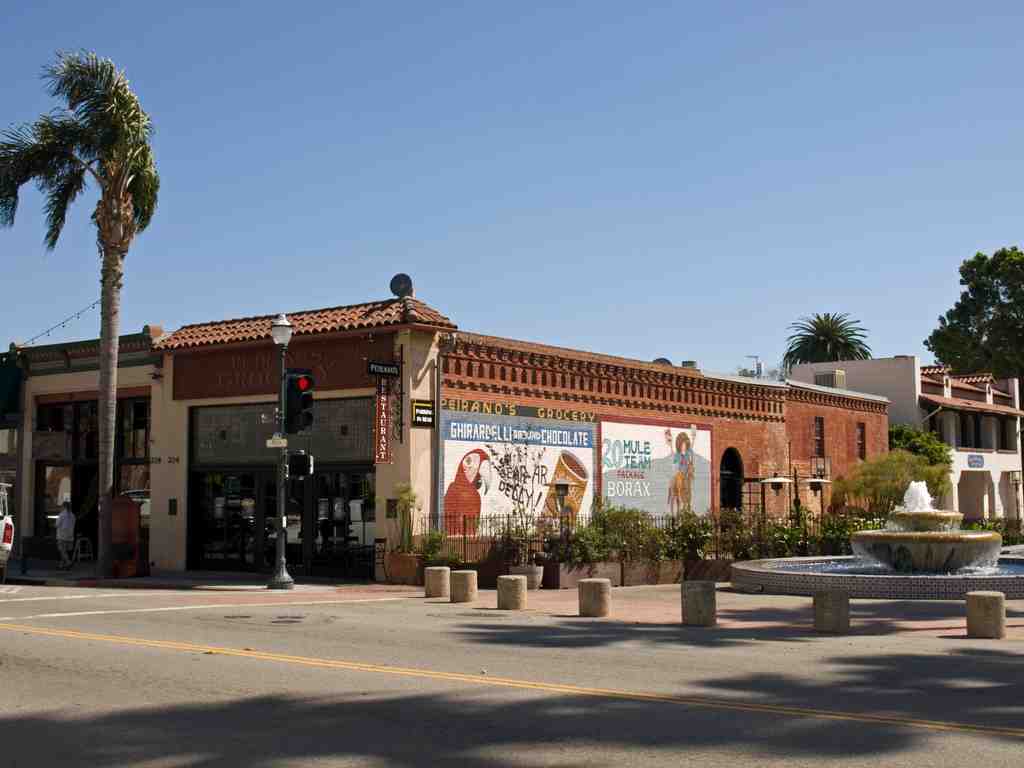
  3. To spot Peirano Market, look for a sturdy red-brick building with ornate brickwork and a distinctive Spanish-tile mansard roof, right across the street from Mission San…더 보기간략히 보기

    To spot Peirano Market, look for a sturdy red-brick building with ornate brickwork and a distinctive Spanish-tile mansard roof, right across the street from Mission San Buenaventura; it also sports colorful vintage murals for chocolate and borax on its west-facing wall. Alright, you’ve arrived at Peirano Market-take a whiff, and you might even imagine you’re catching a hint of cured salami or old-world pasta wafting through time! Picture it: It’s 1877, and the place in front of you doesn’t just sell groceries, it’s the heart of Ventura’s bustling main street. Built by J.J. Mahoney, who clearly believed that red brick should always look this good, the building welcomed Italian immigrant Alex Gandolfo as its very first tenant. Back then, the streets echoed with wagon wheels and excited chatter. Gandolfo ran a general store out of this very space, serving goods to a growing Italian American community. It wasn’t long before his nephew, Nicola “Nick Sr.” Peirano, sailed over from Genoa, Italy, and joined him. Nick Sr. started out as the world’s most convenient employee-he not only worked the store, but actually slept in a loft above it! That’s what you call a short commute. By the late 1880s, Nick Sr. had taken the reins, and this place became a family-run operation that would last more than a century. If you could step inside the market in those early days, you’d find shelves packed with farm tools, bailing wire, cigars, and enough black powder and shotgun shells to make any spaghetti western jealous. The Peirano family didn’t just sell food-they sold almost everything you could carry home. Nick Sr. and his wife Clara, also Italian-born, raised their six children just a short stroll away in their finely decorated Queen Anne house down the street. Fast forward to the early 1930s: Nick Jr. and Victor, his sons, took over. That’s when Peirano’s shifted its focus fully to groceries, leaning into their Italian roots-pastas, salami, cheeses, olives, and don’t forget those famous Petri cigars. Their Italian goodies drew shoppers from three counties over. Seriously, the line for fresh fava beans would’ve made Disneyland jealous. And if you were lucky, you’d catch sight of some old relics inside: sacks of beans, a glass counter overflowing with pasta, and a grandfather clock earned as a tobacco-purchasing prize! Now, this place is more than a grocery-it’s nostalgia bottled up, with original sugar-pine floors, turn-of-the-century wallpaper, and quirky heirlooms like a Model T lantern and an ancient fire nozzle. One local paper wrote that Peirano's was a world of “nostalgia and Italian delicacies”-and you could see why. Nick Jr. himself became a bit of a living legend; the city even made the building and their old family home official historic landmarks. And in classic fashion, Nick wasn’t thrilled about all the historic-preservation red tape. He just wanted to sell groceries, not navigate city bylaws! But time rolls on, and in 1986, Nick Jr. retired, turning the page on nearly 100 years of Peirano hustle. The building endured a stretch of bad luck: debates about whether it should be saved, suspicions of fire, and growing vacancies. At one point, “Save Peirano’s!” became the rallying cry for locals who didn’t want Ventura to lose its connection to the past. And here’s a twist-during a renovation in 1991, workers discovered something incredible beneath your feet: the remains of the Mission Lavanderia, an old Chumash laundry for the nearby mission gardens! Archaeologists unearthed a treasure trove of artifacts underneath-European ceramics, Mexican glassware, even Chinese opium pipes! The city argued over which bit of history to preserve more: the laundry or the market above. Still, Peirano Market stubbornly survived, switching between vacant years, artsy campaigns, and multiple restaurant owners. At last, in 2022, Peirano’s Market & Delicatessen reopened again, breathing new life into these storied walls. So as you stand here, give a nod to the ghosts of grocers past-Italian newcomers, hard-working families, and every shopper who came for a taste of home. Maybe you’ve felt a shiver of history here, or maybe that’s just the anticipation of your next sandwich. Either way, Peirano Market isn’t just a building; it’s Ventura’s memory, brick by brick, and bite by bite.

    전용 페이지 열기 →
  4. You’ll spot the statue right ahead-it’s a tall bronze figure over nine feet high, showing a man in a long Franciscan robe, clutching a book and a staff, with his head turned to…더 보기간략히 보기

    You’ll spot the statue right ahead-it’s a tall bronze figure over nine feet high, showing a man in a long Franciscan robe, clutching a book and a staff, with his head turned to the left as if he’s watching history unroll on the street below. Okay, now park yourself in front of Father Junípero Serra, but don’t worry-he’s not grading your walking skills! Imagine it’s 1935: Ventura’s buzzing with the hum of the Works Progress Administration, people clanging hammers, the air thick with the scent of wet cement. That’s when the city decided to honor the founder of Mission San Buenaventura, and awarded sculptor Uno John Palo Kangas the challenge of a lifetime. He started with a massive block and a mountain of clay, right at his Los Angeles studio, shaping every fold, every line into Serra’s Franciscan robe and serious face. He even ventured to the Santa Barbara and Ventura missions to get every tiny detail of Serra’s look and dress just right. Picture Kangas, mud up to his elbows, hunched over a chicken wire frame as the California sun mixes with the earthy smell of clay. He even recruited a local from Meiners Oaks as a face model-talk about starring in unexpected places! After four months of intense creativity, he built a weirdly modern version of Serra from wood, chicken wire, and layers of sculpted clay. Then came the next act: out came the plaster of Paris, creating a breakaway mold he wheeled out to the courthouse park, with neighbors peeking over fences and children watching spellbound. Sand and gravel from the Ventura River glugged into the mold like making the world’s biggest mudpie. In 1936, the statue was unveiled to great fanfare-a who’s who of officials and locals gathered as Governor Frank Merriam gave a speech about Serra’s “noble, brave, and holy” nature. The statue watched over the city for decades, but even legends get a little weathered. Ventura’s salty sea air and the occasional splash of rain pooled around Serra’s robe and, well, let’s just say he wasn’t waterproof. Acts of vandalism and a city attempt to blast grim graffiti off his surface left him looking more ancient than historic. Eventually, city workers had to remove this concrete figure before he crumbled entirely! But Ventura wasn’t done with Serra. Local engineer Russell Burns rallied the town-there were posters, hats, and shirts boasting “I Support the Serra Statue,” and enough funds were scraped together for a new plan. Enter the carvers-sixteen artists and a massive 1,200-pound block of basswood, glued and stacked like a giant domino set. Kids, seniors, curious tourists-they all strolled by to watch the wooden version take shape. It took 14 months of carving, sanding, and measuring (they say 1,782 points of reference were tracked!) until a perfect double stood ready for its close-up in the city hall atrium. That wooden replica? It became the mold for a glittering bronze cast made by student artists in Palm Desert. In 1989, with more than 500 people clapping and cheering, the new Serra-shiny, proud, and impervious to the weather-stood on a polished base of black granite from the Andes, overlooking the city and the Pacific. It was a statue’s rebirth, but not the end of the story. Father Serra’s image came under heated debate, especially from the Chumash people and their advocates who pointed to the suffering and forced labor that marked the mission era. Sometimes peaceful protests, sometimes more direct paint attacks-red, orange, blue-the bronze statue became the focus of deep emotions and difficult conversations. In 2020, after decades of controversy, city officials, mission leaders, and Native representatives joined voices, deciding it was time for Serra to step out of the limelight. One early July morning, crews arrived and quietly removed him, sparks from tools and chattering onlookers rising with the day. You’re standing at a site layered with stories: artistry, conflict, faith, protest, and the ongoing search for community memory. Whether you see Serra as a builder or a symbol of pain, here in Ventura, he’s witnessed celebrations, storms, and some of the noisiest city council meetings on record. His bronze figure now rests in the Mission San Buenaventura garden, a reminder that history is always being recast-sometimes in metal, and always in memory. Now, on to the next stop-we promise, it’s far less dramatic! Intrigued by the description, reactions and disposition or the widespread protests? Make your way to the chat section and I'll be happy to provide further details.

    전용 페이지 열기 →
  5. To spot Mission San Buenaventura, look for a simple cream-colored church with a red-tiled roof, a bell tower topping the right side, and a sparkling tiled fountain bubbling right…더 보기간략히 보기

    To spot Mission San Buenaventura, look for a simple cream-colored church with a red-tiled roof, a bell tower topping the right side, and a sparkling tiled fountain bubbling right out front-just past the Main Street crosswalk. Now, take a deep breath and imagine standing here over two centuries ago. The air would be thick with the salty scent of the nearby ocean, the songs of distant Chumash villages mixing with the calls of cattle and, most importantly, the ringing of the mission bells. This was the ninth-and last-mission founded by the legendary Junípero Serra, who was probably the first Californian known for both travel and chronic foot pain! Serra raised the cross here on a breezy Easter morning in 1782, having planned for it to be the third mission, but-you know how schedules are when you wait on military escorts. Hey, at least he beat notorious California traffic. Named for St. Bonaventure, a 13th-century Franciscan renowned for wisdom, the mission was built by the hands of the Chumash people under Friar Cambon. Imagine the monumental effort: from 1805 to 1815, they carved out a seven-mile aqueduct system out of ditches and stone, bringing fresh water from the Ventura River all the way to the mission’s thirsty gardens. That water fueled some of California’s finest orchards-orange and fig scents mingling in the garden as English explorer George Vancouver once admired. Of course, the mission’s first church didn’t have the best luck. In 1793, it burned to the ground (maybe someone left a candle burning-always blow out your candles, friends!). The second attempt was halted when “the door gave way”-I guess it just wasn’t open to the idea! It wasn’t until 1812 that a more permanent church was completed, just in time to face new disasters: a series of earthquakes that same year sent friars and Chumash alike running for higher ground, while a few years later, they had to evacuate again due to a daring coastal attack by the Argentine pirate Hippolyte de Bouchard. You didn’t think Ventura was this action-packed, did you? Through Spain, Mexico, and the United States, the story of San Buenaventura never slows. Mexico’s secularization orders in the 1830s stripped friars of their authority and, as California became American, the land itself bounced from hand to hand. When President Abraham Lincoln returned the mission grounds to the Catholic Church in 1862, he probably wasn’t thinking about the mission’s thriving herds-but once upon a time, there were more than 35,000 cattle, as well as horses, sheep, goats, and donkeys roaming these very fields. The mission lands fed people for miles-a staggering 12,000 bushels of grain were harvested in the golden days of 1818. Be sure to listen closely: mission bells were the heartbeat of daily life. San Buenaventura had five, each one with a tale to tell. The most famous came from Mission Santa Barbara (which, technically, was supposed to give them right back, but…finders keepers?). Today, the largest bell rings out for Mass, inscribed with a blessing from 1825: “Ave Maria Most Pure. Mary of Zapopan Year of 1825.” Wood and bronze, big and small-the bells told villagers when to pray, work, and eat. The mission’s walls and floor you see today have been rebuilt, retiled, and repainted more times than most vintage cars. Its roof was swapped out after the 1857 Fort Tejon earthquake, and by the late 1800s, a well-meaning priest “modernized” the interior, painting over centuries-old art and lengthening the windows. In the mid-20th century, careful restoration work peeled away some of those changes, trying to bring back the original beauty-so if you spot a patch of unfamiliar paint or tile, you might just be glimpsing a secret layer of history underneath. Today, Mission San Buenaventura remains a living church-worshippers still gather within these walls, and the gardens still bloom out back. The air here hums with the echoes of everything that came before: Spanish friars, Chumash builders, cattle ranchers, pirates, politicians, and thousands of families who called this place home over the centuries. So take a moment as you stand before the fountain: let your imagination roam the mission’s echoing halls, tap your foot to the rhythm of ages-old bells, and picture a California where wild cattle grazed and orange groves tangled beneath the sun. In Ventura, the past lives right alongside the present-and that, my friend, is truly something worth ringing the bells for. Wondering about the description, other historic designations or the mission industries? Feel free to discuss it further in the chat section below.

    전용 페이지 열기 →
  6. Look to the corner where Main Street meets Ventura Avenue and spot a sturdy, low brick building, cream-colored with dark trim and “1903” proudly displayed across the top-if you…더 보기간략히 보기

    Look to the corner where Main Street meets Ventura Avenue and spot a sturdy, low brick building, cream-colored with dark trim and “1903” proudly displayed across the top-if you see Paddy’s Bar & Lounge or some green and white paint, you’ve arrived! Ah, you found it! Now go ahead and imagine yourself standing outside this solid brick store while the sound of distant trains rolls in on Ventura’s fresh coastal air. It’s 1903, and the Second Land Boom is bubbling-people, goods, even a stray horse or two are clopping past while Jules Feraud, a sharply dressed Frenchman with a heart full of dreams (and flour!), is opening up shop. His brand-new building is the toast of town: groceries stacked high, fresh loaves wafting their warm scent out the door, and neighbors stopping to swap news and, let’s be honest, probably a bit of gossip. Jules’ bakery and general store quickly became more than a place to buy bread or beans-it was like Ventura’s own community “chat room.” Folks would come for hay, feed, or just a smile from Jules behind the counter. With his sons hard at work, the Feraud store thrived for decades; the family’s knack for business-and perhaps their secret recipes-kept it humming until the 1940s. But the Feraud story doesn’t stop when the bread runs out. The building reinvented itself faster than you can say “Artisan Soap”-serving as an auto center, then a beloved neighborhood barbershop. That’s where “Phil the Barber”-yes, that Phil, the local legend-snipped and shaped Venturan hair for 63 years. Imagine the stories those walls could tell… secrets trimmed and tangled into every conversation! Today, you’ll still catch a flicker of the past here: vintage photos of Phil Marquez on display, the echoes of old Main Street commerce, and the weight of history in those sturdy 1903 bricks. So stand tall, my friend-you’re not just visiting a shop, but a living timeline, right in the heart of Ventura.

    전용 페이지 열기 →
  7. Picture it-gentle ocean breezes, the salty tang in the air, and families in their Sunday best unfolding checkered picnic blankets. The Fosters’ generosity gave Ventura its…더 보기간략히 보기

    Picture it-gentle ocean breezes, the salty tang in the air, and families in their Sunday best unfolding checkered picnic blankets. The Fosters’ generosity gave Ventura its beautiful gateway to the beach. Not only could you picnic, but you could play tennis, stroll under shady trees, and if you really squinted, maybe even catch a miniature train chugging along. And that’s not just a daydream! Around 1901, John J. Coit installed a real miniature railway here with a locomotive he designed himself. That engine chugged along tracks barely wider than your shoe, filling the air with laughter and a very respectable amount of steam. Fast forward a few decades, and Seaside Park wasn’t just for scenic strolls. Nope! The open grounds became home to Babe Ruth Field, where baseball teams like the Ventura Braves and Ventura Oilers played ball. Imagine the crack of the bat and the cheer of the crowds filling the air. Film crews even rolled in from Hollywood-picture a young Red Grange racing around the fairground track in the movie Racing Romeo, or the thunder of horse hooves thundering down the track for The Pride of Palomar, all under the watchful eye-and wallet-of William Randolph Hearst. These days, the sounds you’ll hear are a little different but just as exciting. The Ventura County Fair transforms the grounds into a whirl of lights, confections, and laughter every summer. The fair is home to everything from livestock shows to funnel cakes to live concerts-plus a few over-caffeinated kids who just tried the world’s largest corn dog. Throughout the year, the fairgrounds aren’t just for fairs-you might stumble on a concert, a trade show, an equestrian spectacle in the huge 110,000 square foot arena-and, until recently, a horse race or two for the Derby Club crowd. If you’re a fan of wheels, you might have caught the latest X Games right here in 2023! Sound barriers trembled as skateboarders, BMX riders, and Moto X daredevils flew through the air, sometimes into a perfectly good hot tub. Even skateboarding legend Tony Hawk returned, while Ventura’s own Curren Caples wowed his hometown fans. For a few wild days, the park echoed with the roar of engines, the scrape of boards, and the thunderous applause of fans. Of course, the waves out at Surfers’ Point are another attraction entirely-drawing surfers from all over with their legendary point break. In the 2010s, fierce debates crashed just as hard as those waves: Should they build a seawall to protect the bike path from the hungry ocean, or let nature take its course? Surfers, environmentalists, and city planners all had their say, and Ventura made history with California’s first “managed retreat”-moving the beloved bike and pedestrian path inland and letting dunes and cobble buffer the sea. When storms hammered the coast a decade later, those dunes stood strong, giving everyone a sigh of relief and maybe a surfboard high five. Along the edge runs the Omer Rains Bike Trail-think of it as Ventura’s own Pacific Coast Highway for bikers. It connects San Buenaventura and Emma Wood State Beaches, serving as part of the grand California Coastal Trail and offering access to sweet surf and waterfront sunsets all year. Today, as you stand here, can you hear the echoes of old baseball cheers, the rumble of fair rides, the hum of skateboard wheels, and maybe, if you listen carefully, a faint whistle from a miniature steam train gone by? This is Seaside Park-a place born from vision, built with community, and alive with memories new and old. Now that’s what I call a fair deal!

    전용 페이지 열기 →
  8. Look for a small, rustic one-story house with thick, golden adobe walls and a weathered red-tile roof-it's tucked beneath shade trees and its wooden porch faces toward you right…더 보기간략히 보기

    Look for a small, rustic one-story house with thick, golden adobe walls and a weathered red-tile roof-it's tucked beneath shade trees and its wooden porch faces toward you right off Main Street. Alright, traveler, welcome to the legendary Ortega Adobe-the last survivor of what used to be a whole row of adobe homes on Ventura’s Main Street. Take a deep breath and imagine you’ve stepped back to 1857. The air is warm and smells faintly of earth and clay, and the only sound is the shuffle of your boots in the dust. This humble adobe once bustled with the laughter and chatter of the Ortega family, who filled it with thirteen children, crackling firewood, and, believe it or not, the beginnings of California’s famous chile business. Let’s start with how it was built. The land it sits on once belonged to Mission San Buenaventura, and Emigdio Ortega, the proud grandson of a Spanish explorer, set about making a home here. Now, building an adobe in old Ventura wasn’t for the faint-hearted. Wood was so scarce Emigdio had to scavenge massive beams and rafters from an abandoned adobe forty miles away-imagine the scene: a caravan of heavy oxcarts lumbering across the wild, rattling over rocks and creaking under their load for four long days. Those old beams above your head might have heard priests murmuring at the mission, and-if you believe the local legends-even survived a Mojave raid that sent the whole ranch running. When Emigdio finally finished this house, the adobe was topped with roof tiles borrowed from the Mission-tiles famously freed by the 1857 Fort Tejon earthquake, a reminder that California has always liked to keep its residents on their toes! Inside, there were three rooms, just like you see today: a kitchen for roasting chiles, a bright, simple bedroom, and a cozy living room where the family could gather and tell stories after a long day. Life here was never dull, especially in the wild days of 1866, when a furious storm sent the Ventura River on a rampage. The Ortegas were warned in time and hurriedly fled to a nearby frame house, sheep and all. But as the muddy water rose, half the adobe crumbled, and their new refuge-with all their clothes and pets-was swept out to sea. The surviving half of this adobe became a symbol of pure, stubborn survival. But don’t leave yet-the best part of the story is still in the kitchen. In the late 1800s, the Ortegas became chile pioneers, roasting and canning chiles right here, filling the air with spicy, mouthwatering scents. Emilio Ortega, their eleventh child, began the Ortega Chile Packing Company in the shed right next door, eventually canning over 55,000 tins a year and sending them across California. Their label even featured an image of this very adobe, so anyone snapping up Ortega chiles could picture this warm, sun-baked house. The adobe has done more than house families-over the years, it became a restaurant run by a Chinese immigrant, the offices for Shell Oil, a Veterans of Foreign Wars hall, even a boys’ club, a police station, a speakeasy (don’t worry, I won’t tell if you find a hidden flask), and-one of my favorites-a potter’s workshop, echoing with the. By the late 1960s, the old place had seen better days, sagging and cracked. That’s when Ventura’s residents rallied together, restoring it with love, elbow grease, and a few questionable choices-like slathering those historic adobe bricks in cement, not knowing it would make the walls slowly crumble in protest. But hard work paid off, and in 1974, it was declared Ventura’s Historic Landmark No. 2, opening its creaky front door to visitors from near and far. Today, wander inside and you’ll find three rooms set up just like Emigdio’s family would have had them-simple, homely, and full of stories. The old ridge beam is still there, holding up the roof after more than a century of floods, earthquakes, and storms. So, as you stand here, hear the distant mumble of children, the sizzle of roasting chiles, and maybe, just maybe, catch a whiff of that old California magic. Congratulations, explorer! You’ve finished the tour-unless you want to stick around and see if you can spot a ghost or two hiding in the rafters.

    전용 페이지 열기 →

자주 묻는 질문

투어는 어떻게 시작하나요?

구매 후 AudaTours 앱을 다운로드하고 교환 코드를 입력하세요. 투어를 바로 시작할 수 있습니다 - 재생을 탭하고 GPS 안내 경로를 따라가시면 됩니다.

투어 중 인터넷이 필요한가요?

아닙니다! 시작 전에 투어를 다운로드하면 완전히 오프라인으로 즐길 수 있습니다. 채팅 기능만 인터넷이 필요합니다. 모바일 데이터 절약을 위해 WiFi에서 다운로드하시는 것을 권장합니다.

이것은 가이드가 안내하는 단체 투어인가요?

아닙니다 - 이것은 셀프 가이드 오디오 투어입니다. 폰을 통해 오디오 나레이션을 들으며 나만의 속도로 독립적으로 탐험합니다. 투어 가이드도, 단체도, 일정도 없습니다.

투어는 얼마나 걸리나요?

대부분의 투어는 60-90분이 소요되지만, 속도는 전적으로 본인이 조절합니다. 원할 때 언제든지 일시정지하거나, 정류장을 건너뛰거나, 휴식을 취하세요.

오늘 투어를 끝낼 수 없으면 어떻게 하나요?

괜찮습니다! 투어는 평생 이용이 가능합니다. 원할 때 언제든지 일시정지하고 다시 시작하세요 - 내일, 다음 주, 또는 내년에도. 진행 상황이 저장됩니다.

어떤 언어를 이용할 수 있나요?

모든 투어는 50개 이상의 언어로 이용 가능합니다. 코드를 교환할 때 원하는 언어를 선택하세요. 참고: 투어 생성 후에는 언어를 변경할 수 없습니다.

구매 후 투어는 어디에서 이용하나요?

App Store 또는 Google Play에서 무료 AudaTours 앱을 다운로드하세요. 교환 코드(이메일로 전송됨)를 입력하면 라이브러리에 투어가 나타나며, 다운로드하여 시작할 수 있습니다.

verified_user
만족 보장

투어가 마음에 들지 않으시면 환불해 드립니다. 문의: [email protected]

안전한 결제

Apple PayGoogle PayVisaMastercardPayPal

AudaTours: 오디오 투어

재미있고, 경제적이고, 자유로운 셀프 가이드 워킹 투어

앱 체험하기 arrow_forward

전 세계 여행자들에게 사랑받고 있습니다

format_quote 이 투어는 도시를 보는 정말 좋은 방법이었습니다. 이야기들이 너무 대본처럼 느껴지지 않으면서도 흥미로웠고, 나만의 속도로 탐험할 수 있어서 좋았습니다.
Jess
Jess
starstarstarstarstar
Tbilisi 투어 arrow_forward
format_quote 관광객처럼 느끼지 않으면서 Brighton을 알아가는 훌륭한 방법이었습니다. 내레이션에 깊이와 맥락이 있었지만 과하지 않았습니다.
Christoph
Christoph
starstarstarstarstar
Brighton 투어 arrow_forward
format_quote 크루아상을 한 손에 들고 아무 기대 없이 시작했습니다. 앱이 그냥 자연스럽게 함께해 주는 느낌이에요, 부담도 없고, 그냥 나와 이어폰과 멋진 이야기들.
John
John
starstarstarstarstar
Marseille 투어 arrow_forward

무제한 오디오 투어

전 세계 모든 투어의 잠금을 해제하세요

0 투어·0 도시·0 국가
all_inclusive 무제한 탐험