

포트로더데일 오디오 투어: 타임캡슐과 현대적 경이로움
햇살 가득한 포트로더데일의 하늘 아래, 가장 오래된 주택들의 그늘진 복도와 번화한 대로변에는 비밀스러운 속삭임이 남아 있습니다. 이 셀프 가이드 오디오 투어는 역사의 층을 벗겨내어, 현지인들조차 놓치는 이야기와 장소로 여러분을 안내합니다. 폭풍우 치던 여름밤, 라스 올라스 대로변의 평화를 깨뜨린 스캔들은 무엇이었을까요? 한 세기 이상 전, 스트라나한 하우스의 벽은 왜 한밤중의 다급한 발걸음 소리로 울려 퍼졌을까요? 그리고 브라이언 빌딩의 연기 자욱한 응접실 안에서 격렬한 논쟁을 불러일으킨 사라진 문서는 무엇이었을까요? 개척자, 반역자, 그리고 선구자들의 발자취를 따라가 보세요. 모든 모퉁이를 돌며 늪지대 변방에서 도시의 불빛까지 그림자가 드리워지는 것을 지켜보세요. 각 랜드마크는 포트로더데일을 영원히 다르게 보게 할 메아리—때로는 비밀—를 간직하고 있습니다. 비밀들이 부르고 있습니다. 도시의 고요한 표면 아래로 뛰어들어 여정을 시작하세요.
투어 미리보기
이 투어에 대하여
- schedule소요 시간 30–50 mins나만의 속도로 이동
- straighten3.4 km 도보 경로안내 경로 따라가기
- location_on
- wifi_off오프라인 작동한 번 다운로드, 어디서든 사용
- all_inclusive평생 이용언제든지 다시 재생 가능
- location_on포트로더데일 역에서 시작
이 투어의 정류장
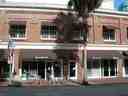
To spot the Bryan Building, look straight ahead at the solid, two-story rectangle with deep red brickwork, large striped awnings, and rows of big windows-set apart from its…더 보기간략히 보기
To spot the Bryan Building, look straight ahead at the solid, two-story rectangle with deep red brickwork, large striped awnings, and rows of big windows-set apart from its neighbors by its unusual brick columns and classic, old-school charm. Now, you’re standing in front of a building with more lives than a cat in a hat! This is the Bryan Building, but don’t be fooled-it’s gone by a few names: the Shepherd Building, the DeSoto Hotel, and probably “that snazzy brick building” to locals after a long night out. Built in 1912 by Thomas Bryan after a big downtown fire, this building became the tough survivor among its neighbors-think of it as Fort Lauderdale’s historic heavyweight champion. While most South Florida buildings were made from poured concrete or hollow tiles, ol’ Bryan here donned a rare brick suit, making it a real standout. Imagine the early days, just after that 1912 fire-ashes smolder, and hammers ring out as Thomas, whose dad helped build Henry Flagler’s railroad, decides to help shape the city’s future. Picture the sidewalk, humming with folks popping in to mail a letter or cash a check. From 1914 to 1925, this spot was the Post Office, and not long after, the Fort Lauderdale Bank moved in-talk about having money and mail under one roof! The Bryan Building wasn’t just a hub for business though. The upper floor spent more than half a century moonlighting as a hotel-sometimes as the stately Hotel DeSoto, the Lee Hotel, or the rowdy, cowboy-themed Dorsey Hotel, where, trust me, you wouldn’t want to challenge anyone to a duel in the lobby. Beneath those upper windows, lawyers, real estate agents, beef sellers, dry goods merchants, and insurance offices came and went. For years, there was even a popular dry goods store where locals would pick out fabric for sewing new clothes, sharing neighborhood stories along the way. By the 1960s, business started drifting away to the suburbs. But instead of fading into the background, the Bryan Building got a fresh makeover in 1998, with careful care to keep its quirky historic flair. How’s that for sticking to your roots? And if you think this building looks proud of its past, you’re not wrong: it got its place on the National Register of Historic Places in 1997-just in time to remind everyone that Fort Lauderdale’s first downtown was full of grit and personality. So, while you stand here among the brick columns and the shade of striped awnings, remember: you’re looking at a survivor-a building that’s seen bank deals, wild cowboys, postal dramas, and generations of dreams. Not bad for a spot that once rose from the ashes!
전용 페이지 열기 →
8개 정류장 더 보기정류장 적게 보기expand_moreexpand_less
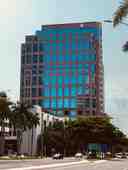
To spot the PNC Center, just look up and ahead for a tall, pinkish skyscraper with striking blue-tinted windows and a big “PNC” sign at the top, towering above the palm trees…더 보기간략히 보기
To spot the PNC Center, just look up and ahead for a tall, pinkish skyscraper with striking blue-tinted windows and a big “PNC” sign at the top, towering above the palm trees along the street. Now, picture yourself here in downtown Fort Lauderdale in the early 1990s-a warm breeze swirls as you gaze at this glassy giant, freshly unveiled and gleaming with promise. Back then, it wasn’t called the PNC Center at all-you’d be looking at the proud “First Union Center,” a beacon for the city’s go-getters. Imagine the buzz as business folks hustled in and out, probably hoping they’d get a corner office with all that Florida sunshine beaming through those windows! As the years rolled on, change swept through these halls like a surprise visit from your mother-in-law-First Union became Wachovia, and the building got a shiny new name: Wachovia Center. Each name change was like a new costume for this skyscraper, matching whichever bank happened to call the shots. Now under the PNC banner, this building has seen decades of deals, dreams, and downtown drama. So, as you stand here, feel the energy of Fort Lauderdale’s ever-evolving skyline-it’s not just an office building, it’s a living timeline wearing a business suit and sunglasses!
전용 페이지 열기 →You’re looking straight at One Financial Plaza-a tall, sleek skyscraper with vertical bands running up its sides and a modern grid of dark windows; just gaze up to see it towering…더 보기간략히 보기
You’re looking straight at One Financial Plaza-a tall, sleek skyscraper with vertical bands running up its sides and a modern grid of dark windows; just gaze up to see it towering above nearby buildings. Back when polyester suits were in style and disco was king, this building burst onto the scene in 1972 as the tallest champion of Fort Lauderdale, stealing the show at 28 stories high. Back then, it was known as the Landmark Bank Building, carrying the hopes (and money) of Landmark Bank inside its walls. Over the years, the building played musical chairs with names-after Landmark Bank joined the big league via mergers, the tower soon wore banners for Union Planters Bank, then Regions. This giant even has a twin of sorts: it’s said to resemble the Chase Tower in Amarillo, Texas, almost like siblings born just a year apart. The real drama hit in 2005, when Hurricane Wilma plowed through, leaving a huge scar from the 14th to 19th floors-a little like a skyscraper’s version of a really bad hair day. But thanks to sturdy new storm-grade walls and some architectural TLC from RLC Architects, it’s back in business, a modernized icon still standing proud as Fort Lauderdale’s sixth tallest after all these years. Looking up at it, who knew a building could live such an action-packed life?
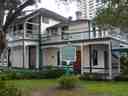
전용 페이지 열기 →To spot the Stranahan House, look for a striking two-story white wooden building with dark green trim and a wraparound porch, nestled under shady trees, right next to a tall…더 보기간략히 보기
To spot the Stranahan House, look for a striking two-story white wooden building with dark green trim and a wraparound porch, nestled under shady trees, right next to a tall modern hotel-its classic design jumps out amid the cityscape. Alright, time to step back in time! Picture yourself standing here by the river over a century ago. The air is heavy with the smell of damp earth and the chatter of early settlers and Seminole families-some even arriving by dugout canoe, goods in tow. That very activity brought Frank Stranahan to this exact spot in the late 1890s. He was hardly your average guy: by age 27, he was the face of frontier trade, running a camp and ferry for travelers at Tarpon Bend. Frank wasn't just swapping goods; he was building trust with the Seminole people and, soon enough, the heart of Fort Lauderdale itself. Folks came here for supplies, for mail-heck, Frank even became the postmaster. But every pioneer tale deserves a bit of romance, doesn't it? In 1899, the tiny riverside settlement needed a teacher. In came Ivy Cromartie, a sharp, 18-year-old from Lemon City, to educate the handful of local children (she earned $48 a month-a fortune in those days, unless you wanted to buy literally anything else). When Ivy traded Miami for the wilds up here, she never imagined she’d fall for Frank. But in true frontier fashion, they married-and Ivy, by the custom of those times, gave up her teaching job, but she didn’t stop caring. Instead, she drew in Seminole children for informal lessons right here, beneath these trees, using patience and respect to win over even the most skeptical elders. You wouldn’t want to argue with Ivy, trust me! Now, take a good look at the house in front of you. Frank built it in 1901, the bottom serving as a bustling trading post and the top as a lively community hall. Imagine neighbors gathering on rickety chairs upstairs, discussing plans for their fledgling town or, more likely, arguing over who made the best pie. By 1906, the house grew into the Stranahans’ true home-now that’s some ambitious home improvement. Life moved in lockstep with this house: Frank built new businesses closer to the new railroad, Ivy dove even deeper into community work, founding associations, and fighting for everything from suffrage to better living in Fort Lauderdale. Ivy probably had more meetings than a modern-day politician! Their name became woven into every corner of the city’s history. But life wasn’t all moonlight and magnolias. The land boom of the 1920s went bust, hurricanes battered the town, and Frank faced devastating financial ruin-a heartbreak you can almost feel in the heavy Florida air. In May 1929, overwhelmed and ill, Frank took his own life just steps from where you’re standing, into the New River. Ivy stayed strong. She rented out rooms, ran the household, and returned to activism-founding everything from the Red Cross chapter to the Friends of the Seminoles. She lived here until her passing at the grand age of 90. After Ivy’s death in 1971, the house changed hands, even became a restaurant for a while, and was eventually saved and restored as Broward’s oldest house. Today, it stands as a museum, creaky floors and all, sharing its secrets with visitors like you-so if you hear a faint giggle or feel a breeze sneak through the windows, well, maybe that’s just Frank and Ivy keeping an eye on things. If you want to walk in their footsteps, check out the tours, usually running at 1, 2, or 3 p.m. Tuesday through Friday. Or maybe, if you listen really closely right now, you might just catch the soft laughter of the past on the warm Florida breeze.
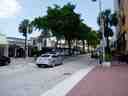
전용 페이지 열기 →Straight ahead of you, Las Olas Boulevard stretches out like a palm-shaded corridor, lined on both sides with low and mid-rise shops, restaurants, and colorful storefronts that…더 보기간략히 보기
Straight ahead of you, Las Olas Boulevard stretches out like a palm-shaded corridor, lined on both sides with low and mid-rise shops, restaurants, and colorful storefronts that make spotting it a breeze-just look for the bustling street framed by tall green trees and lively boutique windows. Welcome to Las Olas Boulevard, “The Waves,” and I promise, this place is anything but ordinary! Can you hear it? That's not just traffic, it’s decades of stories floating on the breeze. In the early 1900s, when Las Olas was nothing but a rough dirt road running through swampy wetlands, only the boldest explorers and maybe the most adventurous mosquitos would dare cross from the city to the glittering barrier island. Picture horse-drawn carriages where those shiny cars are now and mud as thick as pudding after a Florida rainstorm! Soon after, the 1920s arrived, bringing with them dredges and shovels that carved out the famous Las Olas Isles, turning swampy wilds into luxury waterfront lots. The world was changing, and so was Fort Lauderdale. The boulevard began to bustle after World War II-artists, shopkeepers, and restaurant dreamers all settled in, giving Las Olas its lively, colorful commercial heart. Imagine post-war families strolling the sidewalks, neon signs promising laughter, and couples twirling into dance halls beneath the stars. By the 1980s, the city decided the old homes must make way for bigger dreams-if you bought land here, you needed to build something grand! The stakes were high, the land even higher in value, and the transformation continued. These days, Las Olas is a playground not only for locals but also for celebrities-yes, Johnny Weissmuller (Tarzan himself) swung through, Connie Francis sang beneath the lights, Sonny and Cher may have whispered sweet nothings over ice cream, and even Lucille Ball and Desi Arnaz enjoyed the local charm. The Stranahan House, right nearby, belonged to the first settlers, Frank and Ivy Stranahan, whose vision shaped much of what you see today. And, if you want to spy a yacht or two, join a waterway tour-those mansions on the isles? They just might belong to someone famous! Today, at the beach end, the Oceanside Park welcomes you with farmer’s markets and music. Whether you’re here for the art, the food, or just a sunny stroll, Las Olas has always been about reinvention, laughter, and a splash of drama-just like the waves it was named after.
전용 페이지 열기 →To spot St. Anthony School, look for a cream-colored, two-story building with red-tiled roofs, arched walkways, and a cross at the top front, just ahead of you. Now, let’s let…더 보기간략히 보기
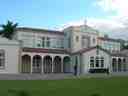
To spot St. Anthony School, look for a cream-colored, two-story building with red-tiled roofs, arched walkways, and a cross at the top front, just ahead of you. Now, let’s let the imagination run wild! Picture the year 1926: the Florida sun blazing, palm trees swaying, and a brand new school rising up from this very spot, designed by Francis Abreu and built by John Olsson. The sound of children laughing and footsteps echoing through the tiled arches - that’s how St. Anthony Catholic School opened its doors, ready to welcome generations of Broward County students. Over the decades, the school saw all sorts of future legends: tennis champs Chris and Jeanne Evert practicing their serves on recess breaks, Brian Piccolo dreaming of football glory, and author Michael Connelly perhaps daydreaming about mysteries while gazing out those big windows. Through hurricanes, celebrations, and graduations, the spirit of learning grew strong here. In 1997, all those memories became official history when this school joined the National Register of Historic Places. Even today, you’ll find the same lively energy (and maybe a future Olympian practicing nearby), as the school continues on its nearly 100-year adventure.
전용 페이지 열기 →Right in front of you, you'll spot a modest, single-story white house with a low, gray roof, shiny metal-paneled walls, a carport on the right, and a cozy garden full of palms and…더 보기간략히 보기
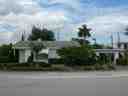
Right in front of you, you'll spot a modest, single-story white house with a low, gray roof, shiny metal-paneled walls, a carport on the right, and a cozy garden full of palms and shrubs-just across the street. Standing here, let your imagination travel back to 1950, when this house first arrived, not on a moving truck, but in 3,000 separate pieces-a real-life puzzle worthy of a Saturday afternoon gone wild. Alfred and Olive Thorpe were the lucky ones to call this “Westchester Deluxe Model 2” their home, buying it from the Lustron distributor after World War II. Unlike your regular house, the walls, ceilings, and even the bathtub were made of baked enamel steel. Dishwasher safe? Almost! You can picture the couple marveling as metal panels snapped into place, glittering in the Florida sun, a symbol of a fresh start in postwar America. Now fancy this: families back then dreamed of futuristic homes, and the Lustron was the answer to speedy, affordable housing. People couldn’t get enough of that “gleaming toaster” look. The house has endured hurricanes, fashion trends, and more than one confused neighbor, finally earning a spot on the National Register of Historic Places in 2007-proof that being different sometimes pays off in the long run!
전용 페이지 열기 →

자주 묻는 질문
투어는 어떻게 시작하나요?
구매 후 AudaTours 앱을 다운로드하고 교환 코드를 입력하세요. 투어를 바로 시작할 수 있습니다 - 재생을 탭하고 GPS 안내 경로를 따라가시면 됩니다.
투어 중 인터넷이 필요한가요?
아닙니다! 시작 전에 투어를 다운로드하면 완전히 오프라인으로 즐길 수 있습니다. 채팅 기능만 인터넷이 필요합니다. 모바일 데이터 절약을 위해 WiFi에서 다운로드하시는 것을 권장합니다.
이것은 가이드가 안내하는 단체 투어인가요?
아닙니다 - 이것은 셀프 가이드 오디오 투어입니다. 폰을 통해 오디오 나레이션을 들으며 나만의 속도로 독립적으로 탐험합니다. 투어 가이드도, 단체도, 일정도 없습니다.
투어는 얼마나 걸리나요?
대부분의 투어는 60-90분이 소요되지만, 속도는 전적으로 본인이 조절합니다. 원할 때 언제든지 일시정지하거나, 정류장을 건너뛰거나, 휴식을 취하세요.
오늘 투어를 끝낼 수 없으면 어떻게 하나요?
괜찮습니다! 투어는 평생 이용이 가능합니다. 원할 때 언제든지 일시정지하고 다시 시작하세요 - 내일, 다음 주, 또는 내년에도. 진행 상황이 저장됩니다.
어떤 언어를 이용할 수 있나요?
모든 투어는 50개 이상의 언어로 이용 가능합니다. 코드를 교환할 때 원하는 언어를 선택하세요. 참고: 투어 생성 후에는 언어를 변경할 수 없습니다.
구매 후 투어는 어디에서 이용하나요?
App Store 또는 Google Play에서 무료 AudaTours 앱을 다운로드하세요. 교환 코드(이메일로 전송됨)를 입력하면 라이브러리에 투어가 나타나며, 다운로드하여 시작할 수 있습니다.
투어가 마음에 들지 않으시면 환불해 드립니다. 문의: [email protected]
안전한 결제 


