호보켄 오디오 투어: 아이콘, 전설, 그리고 시나트라 도시의 감미로운 소리
호보켄의 벽돌 외관과 번화한 거리 아래에는 도시뿐만 아니라 그 너머의 세상을 형성한 이야기들이 숨겨져 있습니다. 이 셀프 가이드 오디오 투어는 대부분의 방문객들이 그냥 지나치는 비밀스러운 역사와 놀라운 실화를 그 사건이 일어난 바로 그 장소에서 발견할 수 있는 열쇠입니다. 한때 경찰 사이렌을 울리게 했던 맥스웰에서의 한밤중 블록 파티는 무엇 때문에 시작되었을까요? 어떤 악명 높은 백만장자가 옐로우 플랫에서 세금 징수원을 피하기 위해 자신의 개에게 가명을 주었을까요? 이제 고급 주택으로 변모한 교회의 오래된 붉은 벽돌 뒤에는 무엇이 숨겨져 있을까요? 록 반항아들의 유령이 울려 퍼지는 전설적인 음악 명소에서부터 운명, 스캔들, 그리고 재창조가 조용히 펼쳐졌던 복도까지 이동해 보세요. 모든 모퉁이에서 미스터리와 드라마를 걸어보세요. 잊혀진 전설들이 살아나면서 호보켄은 당신의 발밑에서 변화할 것입니다. 도시는 탐험가들을 부르고 있습니다. 지금 바로 들어보세요—그리고 소수의 사람들만이 경험하는 방식으로 호보켄을 볼 준비를 하세요.
투어 미리보기
이 투어에 대하여
- schedule소요 시간 60–80 mins나만의 속도로 이동
- straighten5.6 km 도보 경로안내 경로 따라가기
- location_on
- wifi_off오프라인 작동한 번 다운로드, 어디서든 사용
- all_inclusive평생 이용언제든지 다시 재생 가능
- location_on맥스웰스에서 시작
이 투어의 정류장
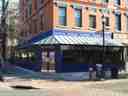
To spot Maxwell’s, look for a bright, brick corner building with deep blue paneling around the ground floor and giant windows stretching along the street side, its name…더 보기간략히 보기
To spot Maxwell’s, look for a bright, brick corner building with deep blue paneling around the ground floor and giant windows stretching along the street side, its name “MAXWELL’S” written big and bold above the doors and windows. Alright, you're standing in front of one of Hoboken's most legendary crossroads-where great music, wild nights, and the scent of Sunday brunch once mingled and drifted out to the street. Let’s time travel back to August 1978. Picture Steve Fallon, maybe a bit nervous but definitely excited, unlocking the doors for the first time as the Fallon family transformed this corner bar once meant for Maxwell House Coffee factory workers-just a block away-into their dream restaurant. But Hoboken had other plans, or maybe the city just had rhythm in its bones. Very quickly, they realized that serving up burgers in a working-class bar wasn’t quite enough: this place was hungry for live music. Steve started inviting bands to play in the back room-just a humble, dark little space hugging the street-but word of mouth spread and musicians from far and wide came flooding in for a chance to play at Maxwell’s. Back then, Hoboken didn’t exactly have the reputation of an artsy outpost. It was gritty, blue-collar, and your shoes might’ve come away with a bit more sidewalk than you bargained for. But Maxwell’s turned that tough little city on its head and made it cool before cool was even on the menu. Suddenly, artists and musicians followed, giving birth to the first wave of the city’s gentrification. If you visited in those early days, you might’ve caught the Mazzolas rolling out what people say could’ve been Hoboken’s first proper Sunday brunch-music and eggs, anyone? Success swelled. Imagine the block pulsing hot with people flocking to Maxwell’s, maybe snatching up records at Pier Platters around the corner, all propelled by Steve Fallon’s wild ideas-including founding his own label, Coyote Records. And those freewheeling days found their way onto TV when the “Hoboken Sound” became the star of its own special in New York City. But Maxwell’s wasn’t always smooth sailing. Ownership changed hands to William “Silverback” Sutton, who tried to turn the place into a brewpub-less rock, more hops. It was a short-lived experiment; turns out, what Hoboken wanted was music that rattled the walls! The rescue team-Todd Abramson, Steve Shelley from Sonic Youth, and Dave Post of Swingadelic-brought Maxwell’s howling back to life in 1998, keeping the musical torch burning. Think of the bands that sweated under those lights: R.E.M., Nirvana, Hüsker Dü, the Replacements, and, yes, the unforgettable Feelies-whose reunion shows every July became a local tradition. Maxwell’s was so legendary, it even made “Glory Days”-literally, when Bruce Springsteen filmed parts of his music video here, the bar shaking with laughter and the clatter of plates. Did you know? Nirvana’s 1989 gig here came right before they blew up, and a very young Kurt Cobain walked these Hoboken streets, immortalized in photos before millions of eyes ever knew his name. The New Yorker called Maxwell’s “the best club in New York-even though it’s in New Jersey.” The New York Times joked it was “so New York that it’s in New Jersey.” I don’t know about you, but that’s enough to make a Jersey bar blush! The sound was loud, the room was dark, and if there was ever a lull, someone might start up a spontaneous street dance-sometimes to the neighbors’ chagrin, who weren’t always thrilled about the “noise” (or as I like to call it, the beat of history being made). Maxwell’s held a mere 200 people, but the electricity inside could light up a stadium. From Yo La Tengo’s famous Hanukkah residencies to big Rolling Stone honors (third best club in America!), it was the kind of place that left your ears ringing and your soul just a little bit happier. But even legends face tough times. Maxwell’s closed its doors in 2013 with one last block party, then briefly reopened under various new guises as bar, restaurant, pizzeria, then back to music, but never quite recaptured the magic. After spinning through decades of musical highs and lows, Maxwell’s finally closed in 2018, but listen closely-you might still hear echoes of glory days in the bricks. Ready for our next adventure? There’s so much more Hoboken history to explore! If you're curious about the bands, live albums or the criticism, the chat section below is the perfect place to seek clarification.
전용 페이지 열기 →Right in front of you, you’ll see a grand stretch of red-brick buildings with detailed cornices on top and rows of tall windows-look along the west side of Washington Street,…더 보기간략히 보기
Right in front of you, you’ll see a grand stretch of red-brick buildings with detailed cornices on top and rows of tall windows-look along the west side of Washington Street, covering almost an entire city block between 12th and 13th Streets. Let me take you back to the 1890s, right here on bustling Washington Street, when these striking buildings-called the Yellow Flats or El Dorado Apartments-first rose from the sidewalks, all thanks to the Hoboken Land and Improvement Company and architect Charles Fall. Imagine horses clip-clopping down the street, market carts creaking by, and neighbors greeting each other as fresh bread and hot gossip drift out from shopfronts below. This block-length beauty isn’t just a place for shopping and grabbing a bite-it’s been home to over 170 families, wrapped around the corners like a red-brick hug from 12th to 13th. But what really makes these buildings special are the curious characters who called them home-like Hetty Green, famously known as the “Witch of Wall Street.” Now, don’t let her spooky name fool you! Hetty was one of the richest women in America, with a knack for turning dimes into dollars. Yet, she lived simply here, renting a tiny three-room apartment for less than twenty bucks a month. Ever the mysterious millionaire, Hetty used a clever trick to avoid the taxman: She’d change her address often, and here, she even put a buzzer listing for “C. Dewey”-her pet dog! Just picture some poor messenger asking to speak to Dewey and a little Skye terrier poking out around the door. And don’t forget the famous Blind Tom Wiggins, a piano prodigy who performed for presidents and wowed Mark Twain himself. As his musical journeys ended, Wiggins found solace in these walls, where music may have drifted down the halls, lighting up the evenings for neighbors. In 2008, a fierce fire threatened to turn these grand apartments into memories, but Hoboken’s spirit prevailed, and the Yellow Flats were beautifully restored. When you look up now, let your imagination wander through time-peek into the world of millionaires hiding behind modest doors, legendary musicians at their pianos, bustling families, and old Hoboken charm that still lingers here.
전용 페이지 열기 →To spot the First Baptist Church, look for a large, reddish-brick building with a tall, pointed tower topped in green, standing proudly at the corner of Bloomfield…더 보기간략히 보기
To spot the First Baptist Church, look for a large, reddish-brick building with a tall, pointed tower topped in green, standing proudly at the corner of Bloomfield Street. Imagine it’s the late 1800s, and you’re standing in front of this grand new church, the scent of fresh brick in the air and the sound of workers finishing the last touches echoing down the street. Designed by French, Dixon & DeSaldern all the way from New York, this church opened its doors in 1890, ready to welcome the tight-knit Hoboken community. Inside, sunlight streamed through tall windows, and you could almost hear the lively buzz and laughter of families gathering for Sunday service. Over the years, the church became a neighborhood anchor, sheltering joyful celebrations and heartfelt prayers. But time is an unpredictable storyteller-by 2014 the church had to close, its mighty doors swinging shut with a creak that seemed to echo for days. Yet, just when its story seemed over, a new mystery unfolded! As you stand here, the former church is being transformed into unique condominiums. So next time you walk by, just imagine: someone’s future living room may be right beneath that soaring tower. Talk about heavenly real estate!
전용 페이지 열기 →
17개 정류장 더 보기정류장 적게 보기expand_moreexpand_less
Stop right there and take a deep breath-can you feel that electric energy? That’s not just the hustle and bustle of Washington Street; you’re standing right at the heart of the…더 보기간략히 보기
Stop right there and take a deep breath-can you feel that electric energy? That’s not just the hustle and bustle of Washington Street; you’re standing right at the heart of the Hoboken Arts and Music Festival! Picture this: it’s 1994, flannel shirts are in fashion, and a handful of local artists and musicians have a wild idea-let’s turn a couple blocks into a creative playground. The very first festival spread across just 2 or 3 blocks, with 80 or so vendors hawking everything from paintings to pottery. But you know how the best parties always end up with way more guests than you planned for? That’s exactly what happened here. This festival grew fast-now, every spring and fall, it stretches 10 blocks, boasts more than 400 vendor spaces, three stages packed with live performances, and a special kids’ zone. You can almost hear the music bouncing between the brownstones, can’t you? And with crowds up to 50,000, it’s more people than showed up to my last birthday party… by about 49,970. The festival has drawn some pretty big names. Imagine Patti Smith belting out powerful lyrics, or Dr. John and Ronnie Spector getting the crowd grooving. There’s even been rock legends like the New York Dolls, Joan Jett, Fountains of Wayne, and Yo La Tengo. Jazz, punk, mambo, indie rock-you name it, someone’s played it here. One year, Donovan himself flew all the way from across the Atlantic, only to get rained out. Did he turn back? Nope! Hoboken wouldn’t let a little bad weather steal the show-a last-minute concert popped up just for him at DeBaun Auditorium. Don’t forget the local legends, either. Kids laugh as they get their faces painted, neighbors chat over handmade jewelry and mouthwatering street food, and everyone, for just one weekend, is carried away by the pulse of art and music. So, if you feel your foot starting to tap-go with it! This isn’t just a festival. It’s a Hoboken tradition that turns the whole town into a stage, and right now, you’re standing in the spotlight.
전용 페이지 열기 →Look to the corner, where you’ll see a stately red-brick building with big red garage doors and an old stone facade marked “Engine No. 6” above the entrance-it’s right on the…더 보기간략히 보기
Look to the corner, where you’ll see a stately red-brick building with big red garage doors and an old stone facade marked “Engine No. 6” above the entrance-it’s right on the corner intersection, with a bold American flag waving above. Now that you’re standing in front of Engine Company No. 6, take a deep breath and imagine the clanging bells and hurried footsteps from over a century ago, right here in Hoboken. This firehouse was built in 1907, a time when firemen wore heavy wool uniforms and the streets echoed with the rattle of horse-drawn wagons. Picture the original firefighters bursting through those big red doors, steam billowing and horses whinnying, racing to save the day-because fires waited for no one, not even for someone’s afternoon nap! But don’t let that classic look fool you. This landmark has kept up with the times. In 2008, it got a $650,000 makeover, including a shiny new kitchen and a physical training room-because let’s face it, even heroes need a good meal and a workout! Today, Engine Company 3 and Rescue Company 1 call this place home, ready to roar out at any moment. So, as you look at the proud face of Engine No. 6, picture all the excitement and drama that’s pulsed through these walls. And hey, it’s been standing here so long, if you listen closely, you might just hear echoes of those old fire bells ringing in the Hoboken air!
전용 페이지 열기 →To spot Engine Company No. 5, look for a tall, narrow brick building with a bright green sloped roof and bold lettering above its big garage door that says "ENGINE No.…더 보기간략히 보기
To spot Engine Company No. 5, look for a tall, narrow brick building with a bright green sloped roof and bold lettering above its big garage door that says "ENGINE No. 5." Alright, here we are in front of one of Hoboken’s oldest firehouses-Engine Company No. 5! Imagine it’s the late 1800s: the streets around you are filled with horse-drawn wagons, people in hats are bustling by, and suddenly, a bell clangs as the firefighters come charging out of this very station. Built in 1898, this firehouse was designed by the team Fall & Maxson, who probably had no idea their creation would still stand out more than a century later-especially with that unmistakable green roof. If you ever hear someone refer to this place as “historic,” they’re not kidding... it’s even on the National Register of Historic Places as of 1984! Picture the original firefighters waiting inside, boots at the ready, all ears for the next shout of “Fire!” The sturdy brick walls were here to protect both Hoboken’s bravest and the heavy, horse-drawn engines they used to roll down these streets. Over the years, countless emergencies have come and gone, but this building has seen them all. Standing here, you might feel the echoes of those high-stakes moments-no pressure though, you’re just here for the tour, not to slide down a fireman’s pole!
전용 페이지 열기 →To spot the Keuffel and Esser Manufacturing Complex, look for the sturdy concrete building with rows of large windows and a tall, four-sided clock tower rising above the…더 보기간략히 보기
To spot the Keuffel and Esser Manufacturing Complex, look for the sturdy concrete building with rows of large windows and a tall, four-sided clock tower rising above the roofline-it's the one that looks like time is always watching you! Now, picture yourself in front of this impressive building over a hundred years ago. The air is filled with the clatter and clink of tools, and there’s a steady hum of workers inside, drafting the world’s maps, buildings, and blueprints using top-notch instruments. But in 1905, disaster struck-flames ripped through the original factory, sending smoke billowing into the Hoboken sky. Yet, within just two years, out of the ashes rose this brand new, clock-topped building, stronger and grander than before. From 1907 to 1968, Keuffel and Esser’s engineers and draftsmen worked away here, creating the rulers and slide rules that shaped cities and inventions. The west building, where you’re standing now, is called the Clock Towers-no wonder with that giant clock looming overhead! And the east side-once gritty with draftsmen and blueprints-was transformed into Grand Adams Apartments in the 1980s. Now, instead of the buzz of industry, there’s the hum of neighbors coming home for dinner. But if you listen closely, maybe you’ll hear an echo of pencils scratching paper or the ghost of a lost sock from a rushing draftsman! Quite the upgrade from ashes to apartment keys, wouldn’t you say?
전용 페이지 열기 →Look ahead for a modern, tall brick building on the corner with "CarePoint Health Hoboken University Medical Center" proudly displayed high up, and you’ll see the glass-walled…더 보기간략히 보기
Look ahead for a modern, tall brick building on the corner with "CarePoint Health Hoboken University Medical Center" proudly displayed high up, and you’ll see the glass-walled entrance to the ER right by the corner of Fourth and Willow Streets. Alright, you’ve made it to the beating heart of Hoboken’s healthcare scene! Take a deep breath-just not too deep, because this hospital has been patching people up since Abraham Lincoln was president, and you might catch a whiff of history if you inhale too sharply! Picture this: it’s 1863, the country is torn by civil war, and a group of determined nuns known as the Poor Sisters of St. Francis are hustling through snowy, muddy Hoboken streets. With coins and warm hopes, they buy five lots right here and start what was then called St. Mary Hospital. In its earliest, humblest days, this place must have echoed with bootsteps and anxious whispers as wounded soldiers hauled themselves in for treatment. They must’ve been relieved to make it-after all, this wasn’t just any hospital; it was the second one ever founded in New Jersey. Fast-forward to the 1900s, when even New York City’s bigwigs were drawn to ‘St. Mary’s’ in their hour of need. Imagine standing here in August 1910, just as Mayor William Jay Gaynor is rushed through the doors, bleeding from an assassin’s bullet at the Hoboken piers! While newspapers rattled off updates, the hospital staff quietly saved his life-Gaynor would walk out the doors three weeks later, still mayor, but with a bullet lodged near his spine. And, get this: back then, the Sisters still served meals from their soup kitchen, so maybe the mayor was the lucky recipient of both care and a hearty bowl of soup. The Sisters’ kitchen, in fact, dished out meals to 200 or 300 struggling Hoboken residents twice every single day during the Great Depression. Now that’s what I call “comfort food.” History doesn’t slow down for anyone, and neither does this hospital. During World War I, the Federal Government took over and transformed St. Mary’s into “Embarkation Hospital Number One.” Hoboken was the greatest gateway for troops heading overseas, so imagine the constant rumble of ambulances, the hurried shuffle of medics, and the anxious hopes of families watching from the street. After the war, the hospital didn’t just return to its Sisters; it opened one of New Jersey’s very first TB clinics, fighting a disease that once terrified the world. But here’s a twist: over nearly 160 years, the hospital changed hands-and names! When the Franciscan Sisters finally handed over the keys after 140 years, a new era began under Bon Secours, then the City of Hoboken, and finally CarePoint Health. Surviving financial scrapes, new management, and a tornado of health policy changes, the hospital weathered every storm. In fact, CarePoint Health even announced they’d move toward non-profit status after years of challenges, and despite some headline-grabbing moments-like the 2022 arrest of a physician for drug offenses-the hospital’s commitment to community care never wavered. Now, as an affiliate of New York Medical College, this is the training ground for the next generation of healers. About 44 bright-eyed interns and residents bustle through the corridors each year, learning everything from emergency care to robotic surgery. The hospital has racked up awards, like the Joint Commission’s Gold Seal of Approval, and even boasts some of the lowest infection rates in the country. United under the leadership of Dr. Achintya Moulick, it continues to deliver everything from oncology and orthopedics to sleep therapy and stroke care. And even now, when you walk by the modern glass atrium, you might not realize that you’re tracing the footsteps of soldiers, nuns, mayors, and thousands of grateful patients. It’s been a place of tension, drama, relief, and sometimes, real triumph for the human spirit. So, as emergency room lights flash echoingly across Fourth Street, remember: hospitals like this are more than bricks and beds-they’re living, breathing stories that won’t fit in any prescription bottle, no matter how big. Alright, onwards and upwards to the next stop! But first, don’t forget to wave-with a hospital this old, you never know which famous ghost might wave back! Seeking more information about the clinical services, awards and recognition or the acquisition by bon secours? Ask away in the chat section and I'll fill you in.
전용 페이지 열기 →To spot the Church of Our Lady of Grace, look to the corner where Fourth and Willow Streets meet-you can't miss the striking red brick building with its tall, pointed spires,…더 보기간략히 보기
To spot the Church of Our Lady of Grace, look to the corner where Fourth and Willow Streets meet-you can't miss the striking red brick building with its tall, pointed spires, green copper roof, and a grand arched window right above the main entrance. Now imagine you’re stepping back into the 1870s-horses are clopping down the road, and everywhere you turn, workers are bustling about, building this very church right before your eyes. The smell of fresh-cut stone and tang of wet mortar fills the air as Francis G. Himpler and William J. Whyte, the architects, argue over just how tall those spires should reach. “Higher! Touch the heavens!” one says. And wow, did they! Completed in 1876, this Gothic masterpiece towers over the block, its sharp arches and stained glass catching the morning sun like a cathedral straight out of a storybook. But shhh-this church once held a little Hollywood secret. In 1954, Marlon Brando and the crew of "On the Waterfront" brought movie magic right to these steps. Imagine the suspense as cameras rolled, extras pretended not to gawk, and locals whispered, “That’s my church!” Today, as you stand here, the rush of old Hoboken wraps around you, stories echoing off the stone. And don’t worry-if you suddenly feel like singing, you’re not the first one; I’m told these walls love a good “Ave Maria.”
전용 페이지 열기 →To spot the Church of the Holy Innocents, just look for the striking, dark stone building with a castle-like square bell tower and pointed windows right ahead on the corner-its…더 보기간략히 보기
To spot the Church of the Holy Innocents, just look for the striking, dark stone building with a castle-like square bell tower and pointed windows right ahead on the corner-its medieval style and fairytale turret make it stand out from everything around it. Picture the year 1885: carriages rumble by, little kids in bonnets play nearby, and the air buzzes with excitement as a brand new church rises from the ground-thanks to the creative minds of architects Edward Tuckerman Potter and Henry Vaughan. This isn’t just any church; its stone walls and soaring windows beckon you closer, promising stories hidden within the echoing halls. Over time, they added a choir section so voices could soar even higher in 1913, and a fancy baptistery in 1932 where families gathered for joyful, and sometimes squirmy, ceremonies. Can you hear the distant sound of a pipe organ, or imagine the sunlight streaming in through colored glass, painting rainbows on old wooden benches? The congregation here began in 1872, and for over a century, the church was alive with song, laughter, and maybe even a secret or two whispered during long services. Though it’s no longer used for worship, the building’s gothic charm hasn’t faded; in fact, it got its own spot on the National Register of Historic Places in 1977! So if you feel like the walls are watching, don’t worry-it’s just the church soaking up a few new stories from visitors like you.
전용 페이지 열기 →To spot the Firemen’s Monument, just look up toward the tall granite pedestal above the trees-you’ll see a heroic mustached firefighter holding a small child in one arm and a…더 보기간략히 보기
To spot the Firemen’s Monument, just look up toward the tall granite pedestal above the trees-you’ll see a heroic mustached firefighter holding a small child in one arm and a lantern in the other. Here you are, standing in the west end of Church Square Park, and before you rises Hoboken’s brave sentinel: the Firemen’s Monument! At 28 feet tall, it sure isn’t trying to hide; almost like it’s ready to call out, “Hey, kid, don’t play with matches!” Picture this moment: It’s 1891, the air smells of burning wood stoves, horse hooves clop on the cobbles, and the city is buzzing-because today, the townspeople gather to honor their local heroes, the volunteer firemen, whose wild dashes and daring rescues are the stuff of legend. Suddenly, the crowd quiets down to unveil this statue. Sculpted by Caspar Buberl, who had a knack for turning ordinary zinc and bronze into stories, this monument was meant to do something huge: commemorate the end of Hoboken’s volunteer firefighters, as firefighting became a paid profession that very year. Imagine the mixed feelings-a little sadness, a little pride, and a whole lot of mustache envy. The pedestal below holds the tools of the trade: a ladder, poles, hose-just in case the statue needed to rush off at a moment’s notice! Take a closer look at our firefighter’s pose-lantern out, child safe in his arm, mustache sturdier than a firepole. Some say this statue was modeled after the comforting pose of the Virgin Mary holding baby Jesus, only with a helmet and, of course, a “ready-for-anything” look. Did you notice the inscription? “Erected by the citizens of Hoboken, N.J., in honor of the Volunteer Fire Dept. May 30th, 1891.” This statue has watched generations wander by, and every year, guides start their historic Hoboken tours here. After September 11th, with the heroism of firefighters in everyone’s heart, people gave these monuments a whole new kind of respect. So take a moment-maybe salute back. This is where Hoboken’s courage stands tall!
전용 페이지 열기 →To spot the Hoboken Public Library, just look for the grand brick building crowned with a dark domed roof right in front of you-it’s an elegant, three-story structure standing…더 보기간략히 보기
To spot the Hoboken Public Library, just look for the grand brick building crowned with a dark domed roof right in front of you-it’s an elegant, three-story structure standing proudly at the corner of Park Avenue and Fifth Street. Imagine the year is 1897, and the air is alive with the excitement of dreams taking shape. All around you, the streets of Hoboken are buzzing, but right here, something magical is happening: a new home for knowledge is rising, brick by brick. The architect Albert Beyer has just put the final touches on this Italian Renaissance Revival masterpiece. Gaze up at the impressive dome-it’s almost as if the building is wearing a scholar’s cap, promising stories and wisdom within! But let’s give a big round of applause to Martha Bayard Stevens; if this library had a fairy godmother, she’d be it. Thanks to her generosity, anyone in Hoboken-rich or poor, young or old-could enter those doors and discover a whole world of imagination and learning. Kids in the early days might have tiptoed up those marble steps, hearts pounding with both hope and a bit of mischief, ready to sneak into the mysteries waiting behind the thick wooden doors. Over a century later, this very building is not just a library, but a treasured piece of Hoboken’s soul, added to the National Register of Historic Places because, honestly, when you look this good and do this much good, you deserve a little recognition! So, step closer and breathe in the atmosphere-if you listen closely, maybe you’ll hear a whisper from a librarian of the past reminding you: “Please, no talking… and always return your books on time!”
전용 페이지 열기 →To spot Edwin A. Stevens Hall, look for a large, stone building with a steep, pointed tower in the center and lots of arched windows-it's just ahead, rising above the trees and…더 보기간략히 보기
To spot Edwin A. Stevens Hall, look for a large, stone building with a steep, pointed tower in the center and lots of arched windows-it's just ahead, rising above the trees and parked cars. Imagine yourself standing here in 1870, when the freshly built Edwin A. Stevens Hall towered over Hoboken like a castle from an inventor’s dream. This isn’t just any old stone building-inside, you’d have found students hurrying down echo-filled halls and the clink of tools spilling from engineering labs. Designed by Richard Upjohn, it was named after Edwin Augustus Stevens, a man who loved machines so much he helped found the Stevens Institute of Technology right here! Generations of bright minds have flocked to these halls, hoping some of Stevens' genius would rub off on them. And wait-over a hundred years ago, the DeBaun Auditorium opened its doors in this very building, lighting up countless faces with music, performances, and maybe a few dramatic gasps when actors forgot their lines. Today, it’s home to the Charles V. Schaefer, Jr. School of Engineering and Science, but the energy of discovery and invention is still crackling in the air. So if you listen closely, you might just hear the faint sound of applause, whispers of lively debates, and maybe even an old ghostly professor asking, “Did you finish your homework?”
전용 페이지 열기 →Step right up and let’s meet a true legend-Ol’ Blue Eyes himself! You’re looking at the stunning 6-foot tall bronze statue of Frank Sinatra, right here in the heart of his beloved…더 보기간략히 보기
Step right up and let’s meet a true legend-Ol’ Blue Eyes himself! You’re looking at the stunning 6-foot tall bronze statue of Frank Sinatra, right here in the heart of his beloved Hoboken. Take a good look at Frankie as he tips his hat, leaning coolly against a lamppost. Picture him at 45, sharp as ever-probably hearing a tune playing somewhere in the distance. Created by Carolyn D. Palmer, the statue was unveiled on December 12, 2021, which also happens to be Sinatra’s birthday. Now, talk about a birthday surprise-most folks get cake, Frank gets an immortal bronze portrait! But Hoboken and Sinatra go way back. This city watched Frank grow up, chase his dreams, and-let’s be honest-probably get into a little mischief. In 1947, he got the Key to the City, and in 2003, they even named the main post office after him. You’ll find other tributes nearby: a bronze plaque marks the spot where he was born, and the Hoboken Historical Museum keeps his spirit alive with tours and memorabilia. So why all this Sinatra love? For Hoboken, Frank isn’t just a famous singer-he’s family. Let’s just say, in this town, you can do it your way… as long as it’s Sinatra’s way!
전용 페이지 열기 →To spot the Association of Exempt Firemen Building, look for a purple-gray brick facade squeezed between two taller buildings, with bold signs above the red garage door that read…더 보기간략히 보기
To spot the Association of Exempt Firemen Building, look for a purple-gray brick facade squeezed between two taller buildings, with bold signs above the red garage door that read "ASS'N. OF EXEMPT FIREMEN" and "FIRE DEPARTMENT MUSEUM," plus an American flag waving above the entry. Alright, take a deep breath in-can you smell the lingering hint of smoke from old firehouse days? You’re standing in front of a true Hoboken hero: built back in 1870 by the talented architect Francis G. Himpler, this building wasn’t just designed to look impressive (though, let’s be honest, it’s rocking that look), it was made to honor the courage of Hoboken’s exempt firemen-firefighters who’d served long enough to earn special recognition. Imagine old engine bells clanging and boots stomping as crews rushed down this very street. For over a hundred years, this spot has doubled as a union hall where stories-some filled with laughter, some with a little soot-were swapped late into the night. Walk inside today, and you’ll find the Hoboken Fire Department Museum, stuffed with relics, gleaming helmets, and tales of close calls (and daring rescues involving the occasional cat stuck in a tree). It’s no wonder the building landed on the National Register of Historic Places in 1984; here, every brick holds a memory, and every echo on the old floors reminds you that in the history of firefighting, the real heat is in the stories!
전용 페이지 열기 →As you walk down Washington Street, look for a two-story building with elegant script initials above a bunch of golden grapes-standing proudly at 135 Washington Street, that’s the…더 보기간략히 보기
As you walk down Washington Street, look for a two-story building with elegant script initials above a bunch of golden grapes-standing proudly at 135 Washington Street, that’s the Brass Rail. Alright, take a deep breath, because you’re about to hear a story that could only happen in a place like Hoboken! The Brass Rail has been serving hungry locals and curious visitors for over a hundred years-imagine the clink of glasses and the cozy hum of conversation stretching all the way back to the 1900s. Step a little closer and imagine you’re hearing the gentle fizz of raspberry beer being poured at the bar, something the Brass Rail has been famous for since before selfies were a thing! Back in the wild days of the late seventies and into the eighties, this was the secret den for poets. They’d meet right here, filling notebooks, sipping drinks, and arguing about whether rhyme was back in style. It’s possible that if you listen carefully, you might just hear the ghostly whisper of a poem floating down the staircase. But not all was smooth sailing-one night, a careless smoker left something smoldering and, whoosh, the fire nearly took it all. The owner at the time, Michael Peters, had to sell up and chase new dreams across the Atlantic in Ireland. Yet Hoboken wasn’t done with its beloved Brass Rail. By 1989, the place rose from the ashes, lavish and inviting again-with etched-glass doors, red velvet banquettes, and cherubs watching from the ceiling as if saying, “Don’t try smoking in here again!” Head inside now and you’ll find the pub downstairs, a graceful French-style dining room up top, and on the wall-a mural swirling with Hoboken’s history. There’s even a wooden spiral staircase hugging the wall, like the world’s fanciest licorice twist. The New York Times called it “very good”-but honestly, that’s like calling Sinatra a “decent singer.” So raise a glass to The Brass Rail, where every meal comes with a helping of local legend!
전용 페이지 열기 →To spot Carlo’s Bake Shop, just look for the red brick building with the eye-catching striped maroon-and-white awning, big glass windows, and a classic sign above that reads…더 보기간략히 보기
To spot Carlo’s Bake Shop, just look for the red brick building with the eye-catching striped maroon-and-white awning, big glass windows, and a classic sign above that reads “Carlo’s Bake Shop” in fancy gold lettering. Alright, take a breath-because you’re standing right in front of the sweetest spot in Hoboken! Welcome to Carlo’s Bake Shop, the legendary bakery where sugar, flour, and family drama mix perfectly-just like a good cannoli filling. Now, imagine walking by this storefront back in 1910, when it all began. Picture the early morning hustle on this street, and let’s add a little flavor to your imagination:. The air here would have been filled with the scent of warm pastries as Carlo Guastaferro, an Italian pastry chef, opened his humble doors, never guessing he’d set the stage for cake history. Fast forward to 1964-flip the calendar, change the music-a new wave of excitement rolls in. Bartolo “Buddy” Valastro Sr., a man with flour on his hands and big dreams, bought the bakery. Now, Buddy Sr. wasn’t alone for long. His son, also named Buddy (because, hey, in this family you never run out of Buddys), would soon start shaping the shop’s destiny along with his four sisters, three brothers-in-law (imagine those family dinners!), and a cast of cousins, friends, and legendary bakers like Sal Picinich-who might as well have had icing running through his veins after working here nearly half a century. Of course, if you’re standing here thinking, “Wow, this place looks familiar…” you’re probably a fan of the TV hit Cake Boss! That’s right: since 2009, this unassuming corner bakery became a worldwide sensation as cameras captured every towering cake, heated debate, and sprinkle explosion. Suddenly, Hoboken had crowds lining the sidewalk, all hoping for a glimpse of Buddy Valastro decorating a cake fit for a queen-or a New Jersey license plate. The shop became so popular, they had to open a whole new factory in Jersey City, just to keep up with orders and ship their sugary masterpieces far and wide. Don’t let the reality show fame fool you: every inch of this bakery is steeped in family tradition, resilience, and a hunger for the next chapter. Cake Boss didn’t just make this a stop for tourists; it turned the shop into a key piece of Hoboken’s identity. After the shop’s sweet-as-sugar rise, the Valastro family expanded-opening “Cake Boss Café” in New York’s Times Square, and baking dreams everywhere from Las Vegas to São Paulo, Brazil. Yet through the years-leases changed, new shops opened and closed, and trends came and went-but this original spot is where grandfathers took their grandsons, and where a simple Italian bakery became an international icon. So, as you stand outside, look through the window-behind those cakes dripping in frosting, you’ll see a story of immigrants, family, and a little luck; not to mention a whole lot of butter. And maybe if you listen hard enough, you can hear the swirl of old-time rolling pins, the tap of a baker’s hand, and the distant applause of fans from around the world. Now, who’s craving dessert?
전용 페이지 열기 →To spot Hoboken City Hall, look straight ahead for a grand, cream-colored building with a red roof, two large eagle statues perched high above the entrance, and an old-fashioned…더 보기간략히 보기
To spot Hoboken City Hall, look straight ahead for a grand, cream-colored building with a red roof, two large eagle statues perched high above the entrance, and an old-fashioned clock standing proudly in front. As you stand here, imagine it’s 1883-the air filled with the sounds of hammers and saws as the mighty Hoboken City Hall is being built. Picture the architect, Francis G. Himpler, pacing around in a fine hat, dreaming up what would become the city’s crown jewel. This building didn’t always have such a regal look. It started as a classic Second Empire style, but it got a makeover and now sits in style with its bold Beaux Art touches. If you listen closely, you might almost hear the footsteps of officials striding up those stately stone steps on their way to make decisions that would shape the city! City Hall has seen it all-joyous celebrations, passionate protests, and maybe even a bit of government drama (I promise not every council meeting is snooze-worthy). And if the walls could talk, they’d have 140 years of secrets to spill since joining the National Register of Historic Places in 1976. So take a moment and marvel at those proud eagles-after all, they’ve watched over Hoboken longer than any of us!
전용 페이지 열기 →To spot the United Synagogue of Hoboken, look straight ahead for a tall, yellow-brick building with large arched stained-glass windows and two onion-shaped domes topped by Stars…더 보기간략히 보기
To spot the United Synagogue of Hoboken, look straight ahead for a tall, yellow-brick building with large arched stained-glass windows and two onion-shaped domes topped by Stars of David. Alright, you’ve found it-the United Synagogue of Hoboken! Imagine yourself here in 1915, as sunlight pours through those bright stained-glass windows, casting colorful patterns on the sidewalk outside. This building has seen its share of excitement. In 1946, two separate synagogues-the Hoboken Jewish Center and the Star of Israel Synagogue-merged to form one united community. Trust me, it was almost a trio, but when Moses Montefiore Synagogue heard there’d be mixed seating, they said, “Oy vey, not for us!” and left the party. But this stunning house of worship almost fell silent. For two decades it sat closed, its halls quiet, waiting for laughter and singing to return. Then in 1989, the doors swung open once again, and in 2009, after a bit of love and a generous restoration grant, the outside regained its golden glow. Hear that? That’s history being dusted off! Today, this treasure is listed on both the New Jersey and National Registers of Historic Places. Not just a synagogue-this is a story of resilience, community, and maybe a little bit of stubbornness sprinkled in like salt on a bagel. Shall we keep exploring?
전용 페이지 열기 →Look straight ahead for a grand, sturdy building of pale stone with tall columns, big windows, and a classic old clock above the entrance-if you spot those, you’ve found the…더 보기간략히 보기
Look straight ahead for a grand, sturdy building of pale stone with tall columns, big windows, and a classic old clock above the entrance-if you spot those, you’ve found the Jefferson Trust Company! Now imagine it’s 1912: you’re standing before this mighty fortress of granite and brick, its doors promising fortunes (or maybe just a safe place for your lunch money). Bankers in crisp suits rush by, and that magnificent clock above the doorway tells everyone in town that time-and money-matter here. But times weren’t always kind: when the Great Depression hit, the hum of bank business came to a screeching halt. The original Trust Company couldn’t weather the storm, and the building shuffled between owners like a hot potato at a family reunion. Despite all this, much of the old plaster trim and grand interior details inside managed to hang on, quietly whispering tales of boom and bust. Fast-forward to the 2000s and-plot twist!-the building itself gets a glow-up, transformed into luxury condos. So, next time you walk past, picture elegant parties where there used to be rows of vaults, and wonder just how many secret dreams (and maybe a few lost fortunes) are tucked into those historic walls. Isn’t it funny how buildings, like people, can reinvent themselves over and over without ever really leaving their past behind?
전용 페이지 열기 →
자주 묻는 질문
투어는 어떻게 시작하나요?
구매 후 AudaTours 앱을 다운로드하고 교환 코드를 입력하세요. 투어를 바로 시작할 수 있습니다 - 재생을 탭하고 GPS 안내 경로를 따라가시면 됩니다.
투어 중 인터넷이 필요한가요?
아닙니다! 시작 전에 투어를 다운로드하면 완전히 오프라인으로 즐길 수 있습니다. 채팅 기능만 인터넷이 필요합니다. 모바일 데이터 절약을 위해 WiFi에서 다운로드하시는 것을 권장합니다.
이것은 가이드가 안내하는 단체 투어인가요?
아닙니다 - 이것은 셀프 가이드 오디오 투어입니다. 폰을 통해 오디오 나레이션을 들으며 나만의 속도로 독립적으로 탐험합니다. 투어 가이드도, 단체도, 일정도 없습니다.
투어는 얼마나 걸리나요?
대부분의 투어는 60-90분이 소요되지만, 속도는 전적으로 본인이 조절합니다. 원할 때 언제든지 일시정지하거나, 정류장을 건너뛰거나, 휴식을 취하세요.
오늘 투어를 끝낼 수 없으면 어떻게 하나요?
괜찮습니다! 투어는 평생 이용이 가능합니다. 원할 때 언제든지 일시정지하고 다시 시작하세요 - 내일, 다음 주, 또는 내년에도. 진행 상황이 저장됩니다.
어떤 언어를 이용할 수 있나요?
모든 투어는 50개 이상의 언어로 이용 가능합니다. 코드를 교환할 때 원하는 언어를 선택하세요. 참고: 투어 생성 후에는 언어를 변경할 수 없습니다.
구매 후 투어는 어디에서 이용하나요?
App Store 또는 Google Play에서 무료 AudaTours 앱을 다운로드하세요. 교환 코드(이메일로 전송됨)를 입력하면 라이브러리에 투어가 나타나며, 다운로드하여 시작할 수 있습니다.
투어가 마음에 들지 않으시면 환불해 드립니다. 문의: [email protected]
안전한 결제 



