
투아르 오디오 투어: 상트르 앙시앙-페르트볼트-미세의 전설과 유산
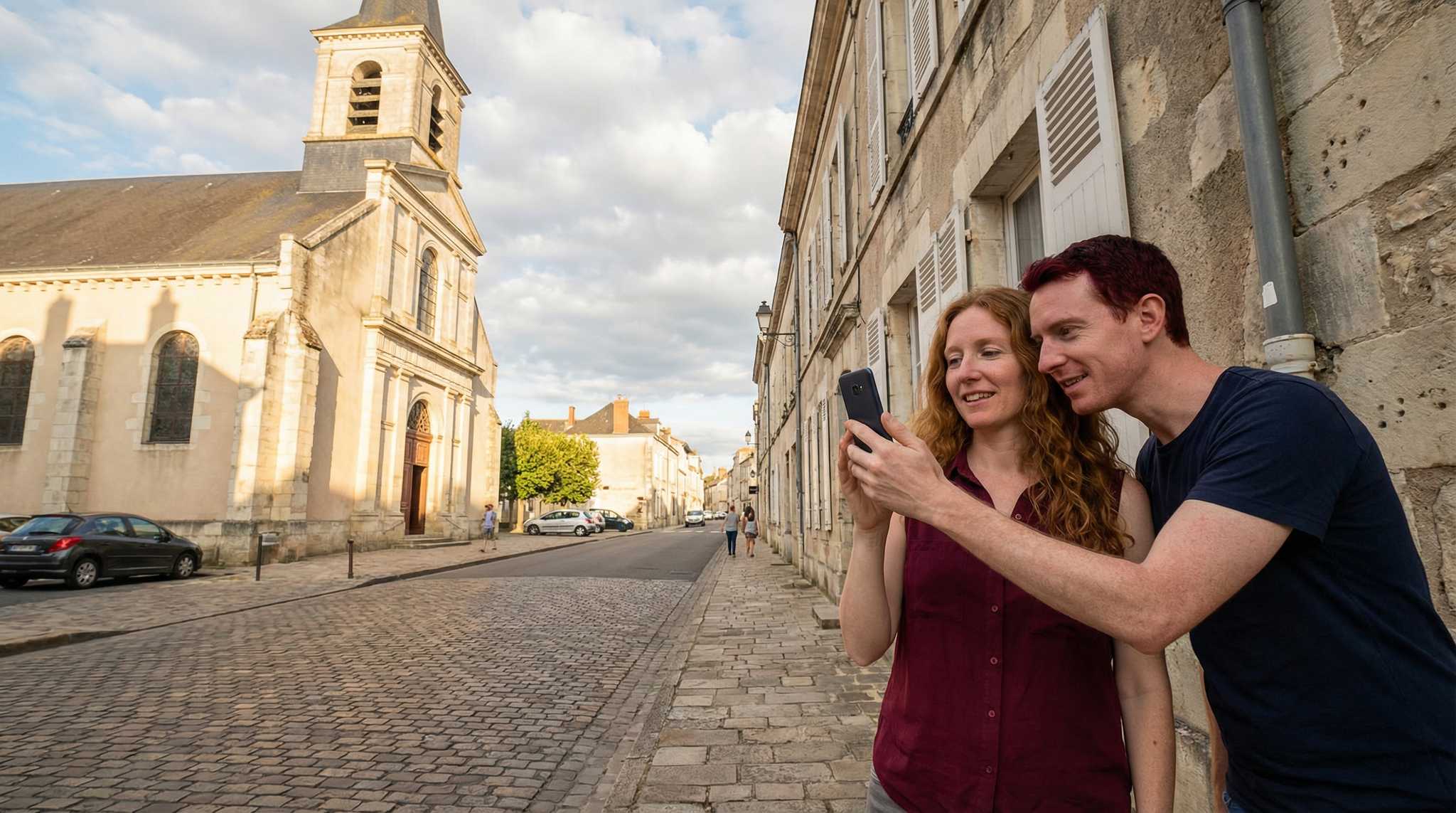
투아르의 심장부에서는 고대 돌들이 여전히 공작의 음모와 숨겨진 반란의 속삭임을 울리고, 모든 그림자는 알려지지 않은 비밀을 암시합니다. 이 셀프 가이드 오디오 투어를 시작하여 도시의 웅장한 외관 아래 숨겨진 층들을 밝혀내세요. 구불구불한 거리와 고요한 안뜰을 거닐며 어떤 가이드북에서도 찾아보기 힘든 이야기들을 발견하세요. 왜 라이벌 파벌들은 트레모이유 공작 성의 금지된 벽 안에서 모든 것을 걸었을까요? 투아르 성모 대학 교회의 솟아오른 아치 아래에는 어떤 비밀이 묻혀 있을까요? 시장 광장에서 누가 사라져 암호 같은 편지 흔적만 남겼을까요? 정치적 야망, 잃어버린 신념, 그리고 신비로운 실종이 발걸음마다 생생하게 살아나는 시간 여행을 떠나세요. 수 세기에 걸친 음모와 잊혀진 영광 속에서 당신의 길을 개척하며 투아르를 극적으로 새로운 시각으로 바라보세요. 이야기 속으로 걸어 들어갈 용기를 내세요. 투어를 시작하고 도시가 가장 잘 숨겨온 진실을 밝혀내세요.
투어 미리보기
이 투어에 대하여
- schedule소요 시간 30–50 mins나만의 속도로 이동
- straighten2.7 km 도보 경로안내 경로 따라가기
- location_on
- wifi_off오프라인 작동한 번 다운로드, 어디서든 사용
- all_inclusive평생 이용언제든지 다시 재생 가능
- location_on프레보스트의 투어 착용자에서 시작
이 투어의 정류장
To spot the Tour wearer at the Prévost, look for a mighty stone gate rising above the cobbled street, with two round towers flanking a strong central archway-its weathered walls…더 보기간략히 보기
To spot the Tour wearer at the Prévost, look for a mighty stone gate rising above the cobbled street, with two round towers flanking a strong central archway-its weathered walls stand tall right beside the pale townhouses on rue du Guesclin. Now, let’s imagine you’re standing here nearly a thousand years ago, as knights patrol the ramparts and townsfolk shuffle nervously by. This impressive gate, the Tour du Prévôt, is one of just two main entrances guarding the town of Thouars-a city that, back in the 1100s, was always on the lookout for invaders aiming to stroll in uninvited! Don’t let its sleepy modern look fool you; this fortress was built for drama. First came a sturdy square tower to block out trouble, and a century later, those English-inspired round towers popped up like a medieval fashion statement. With murder holes, thick arrow slits, hefty drawbridges, and even secret trapdoors above (for dropping things far less pleasant than confetti on attackers), getting in wasn’t exactly a walk in the park. If you’d been here on a chilly November day in 1372, you’d have watched the forces of Bertrand du Guesclin-famous for his battle skills and maybe his questionable haircuts-march straight through this gate, seizing the city for the French king while the defenders, loyal to England, scrambled for cover. No one’s sure if Bertrand himself showed up, but his fame certainly did. Over the years, after the cannons quieted, the old tower switched jobs: prison, shop storage, and, at its lowest point, the unlucky neighbor whose missing roof led to more leaks than a medieval bathhouse. Still, fate had a twist or two left. Declared a historic monument in 1889, it was patched and propped up in the 1960s and now, while its stone heart is closed to visitors, it stands tall as a reminder that every city gate has a tale-or two thousand-hidden in its shadows.
전용 페이지 열기 →Just ahead, you’ll spot the Joan of Arc Chapel by its dramatic pointed Neo-Gothic façade and its large, intricate rose window, standing just behind the sparkling fountain in the…더 보기간략히 보기
Just ahead, you’ll spot the Joan of Arc Chapel by its dramatic pointed Neo-Gothic façade and its large, intricate rose window, standing just behind the sparkling fountain in the square. Alright! Picture yourself here in Thouars, back in the late 19th century. The Joan of Arc Chapel rose up in 1889, dressed in sharp towers and delicate stonework, looking every bit the fairy-tale version of a medieval dream. This wasn’t just a chapel-it was the center of a lively Catholic school run by the sisters of La Retraite. By 1941, imagine the echo of 135 students bustling about, maybe sneaking peeks at the grand stained glass or whispering stories about Joan of Arc herself. But like all great tales, the calm didn’t last. In the late 1970s, the place was almost left to the weeds, the chatter of students traded for the silence of empty halls. The town swept in and saved the chapel, giving everything else over to the wild world of parking lots! But oh, the plot thickens! Since 2010, this dramatic old chapel has had a new beat as a contemporary art center. The stone arches and stained glass soak in bold colors and strange shapes, shaking hands with art from today’s brightest talents-Daniel Buren, Pascale Gadon, Elsa Sahal… quite the guest list. By now, 5,000 to 10,000 visitors wander in each year, craning necks, feeling inspired-or a little puzzled-by what they see. Since 2023, Martial Déflacieux is the new ringmaster, ensuring the creative energy stays fresh. So from sacred lessons and whispered prayers to wild sculpture and bold new visions, this old chapel proves it’s not about what you were-it’s what you can become!
전용 페이지 열기 →
6개 정류장 더 보기정류장 적게 보기expand_moreexpand_less
Look for a large, creamy yellow stone church with a tall, square bell tower topped by a pointed slate roof, right next to the city hall and fenced gardens on your right. Welcome…더 보기간략히 보기
Look for a large, creamy yellow stone church with a tall, square bell tower topped by a pointed slate roof, right next to the city hall and fenced gardens on your right. Welcome to the Church of Saint-Laon! Take a deep breath and imagine you’re standing at this very spot nearly a thousand years ago. The year is 1021, the air smells of fresh-cut stone, and the town is just a small patchwork of houses. Right in front of you, Achard, the mighty local lord, is founding a modest abbey for a handful of canons-just four, so you can picture their dinner parties were never crowded. The church becomes a treasure chest almost from the start, with a rather unusual relic: the mummified arm of Saint Laon himself. Yes, you heard that right! If you thought your family kept some strange heirlooms, well, these guys were keeping actual saintly body parts in the church. Now, fast forward a few centuries. Picture the 1400s, a time when noblewomen made grand gestures. Marguerite of Scotland, a true VIP for the area, decided to have a chapel built here-just for her future grave. She got a bit sidetracked, though, since after her death she was buried somewhere else and only later brought back here. That’s dedication-some people have elaborate travel plans even after they’re gone. As you gaze up at the church’s tower, notice how its lower parts have that sturdy Romanesque style from the 1100s-round arches, little windows, and walls so thick they could survive a siege. But then, as centuries rolled on, Thouars’s rulers wanted to impress the neighbors. They called in stone masons, who got a bit ambitious, adding soaring vaults and even more windows, poking extra holes in the ancient walls for heavenly light. If these stones could talk, they’d complain about all the drafts. But it wasn’t all peace and hymn-singing. In the stormy 1700s, a massive hurricane swept through, toppling the spire with a crash that echoed through town. Tragically, it even claimed a life. Imagine the townsfolk rushing out in the howling wind and rain, staring at the fallen steeple, muttering, “Well, that’s going to be expensive.” And it didn’t stop there-the church suffered more bruises from storms in the 1800s, a true test of architectural stamina. The Revolution turned everything upside down. The abbey disappeared, the monks left, and the church became a regular parish, its old companions-monks’ houses and stone cloisters-soon replaced by schools and then the city hall, which you see to your right. But Saint-Laon’s story has always been a mix of faith, fortune, and just a touch of chaos. Even restoration work in the 1800s accidentally stripped it of its historic title-like getting a new haircut and losing your ID! So as you stand here, listen for the wind whistling between ancient stones, and imagine all those generations: monks mumbling Latin, noblewomen planning dramatic funerals, and townsfolk ducking for cover from surprise storms. You, my friend, are part of this church’s ever-growing story-no relics required!
전용 페이지 열기 →In front of you, you'll spot a massive, pale stone wall with chunky towers looming off to the left-look for the steep staircase beside a bunch of pink flowers to be sure you're at…더 보기간략히 보기
In front of you, you'll spot a massive, pale stone wall with chunky towers looming off to the left-look for the steep staircase beside a bunch of pink flowers to be sure you're at the right spot. Imagine, it’s the end of the 12th century and these ramparts are rising up, stone by heavy stone, to shield Thouars and its noble castle. With up to 58 mighty towers poking out like a crown, these walls were the town’s superhero cape! Picture lookouts peering from the Porte au Prévost in the north or the Prince-of-Wales tower to the south, while the wide, 25-meter moat below yawns massively-imagine trying to leap that with medieval shoes! Out to the west, the river Thouet adds a slippery layer of defense, while an arched bridge, later renamed Chouan Bridge, connects you daringly to Saint-Jean-de-Thouars. These stones saw action too, especially during the wild days of the Vendée armies in 1793. Fast forward to today, and archaeologists are still uncovering secrets-like the remains discovered near the ancient hospice in 2018. So as you stand here, just think: these walls faced centuries of sieges, mystery, and more than a few grumpy invaders.
전용 페이지 열기 →Right in front of you is the Church of Saint-Médard, an impressive stone building with a tall square bell tower and pointed Gothic windows-just look across the open square for its…더 보기간략히 보기
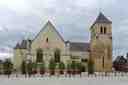
Right in front of you is the Church of Saint-Médard, an impressive stone building with a tall square bell tower and pointed Gothic windows-just look across the open square for its pale yellow and weathered walls rising above the trees. Imagine you’re standing here on Place Saint-Médard, the year is 988, and this very spot has just received its first recorded mention-thanks to a generous donation from Countess Aldegarde of Angoulême. But even before that, treasure hunters unearthed coins from the reign of Louis the Pious, buried in ancient stone coffins beneath these grounds. Just don’t go digging-those mysteries have already been uncovered! Now, picture local villagers from tiny rural hamlets trudging through wildflower-filled fields on a misty morning, seeking sanctuary at Saint-Médard-des-Champs, as it was nicknamed because it stood beyond the city’s earliest walls. Life must have been lively, with priests like Pereginus and Thibaut sharing news and stories under the care of the distant Abbey of Saint-Jean de Bonneval. But here’s where things get truly dramatic-in 1158, the city was swept up in fierce battles and the church all but crumbled when Henry II Plantagenet’s forces stormed through. The English king, whether out of guilt or generosity, actually helped rebuild it! Imagine scaffolding, the smell of fresh mortar, and builders arguing about the placement of the carved apostles over the decorated west portal. Fast forward a few centuries, and Saint-Médard gets a bit of a makeover in the late Middle Ages: the three naves become one enormous open space, rose windows bloom in the stone, and chapels appear along the north side. By the 1500s, new shops-yes, actual butcher and fishmonger stalls-hug the porch. If you’d been here, you could have bought fish, said a quick prayer, and maybe got splashed by an overexcited vendor. These stalls stuck around until 1866, though their less-than-holy activities left some damage. Through wars, neglect, and even bombings in 1944 that shattered its stained glass, the church survived. Its main arms were restored in the 1800s, and no, the planned spire never made it-so the bell tower looks just a bit squarish, like it’s perpetually ready for a game of architectural Tetris. Today, shining contemporary stained glass from Limoges brightens the southern wall, a nod to the future layered right onto those thousand years of stories.
전용 페이지 열기 →To spot the Collegiate Church of Our Lady of Thouars, look right ahead for a tall, pale stone church with an ornate pointed facade, grand arched doorway, and a delicate spire…더 보기간략히 보기
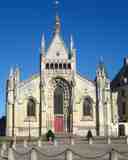
To spot the Collegiate Church of Our Lady of Thouars, look right ahead for a tall, pale stone church with an ornate pointed facade, grand arched doorway, and a delicate spire reaching into the sky-like the local castle’s fancy neighbor that just had a glow-up. Now, step closer and let’s take a journey back in time-no time machines required, only a little imagination. Picture the year 1500. The Lords and Ladies of Thouars, the impressive house of La Trémoille, have just returned from Paris, maybe with some fresh fashion and a dream... not for a new wardrobe, but for a brand-new chapel. Sounds simple, right? Except the old parish church standing here was so run-down that even the pope (well, a few years later) declared it needed a serious makeover. So, the La Trémoille family, especially the formidable Gabrielle de Bourbon, decided to build not just any chapel, but one that would make the neighbors' porches pale in comparison. Imagine the whirl of hammers and shouts of masons as stone after stone was lifted, the walls growing taller by the day. Payments flew around, debates with the local clergy filled the air-some thought, “Patch the old church!” but Gabrielle insisted, “No way, let’s go big!” And big they went. The finishing touches weren’t done until 1515, but by 1512, locals could already step inside, marveling at the bright colored windows-installed in 1509-and the sheer scale of this three-level marvel. It wasn’t just a simple church. The upper chapel linked straight into the castle-imagine the local lords sneaking in for midnight prayers without getting their feet muddy! There was even a “seigneur’s door,” which I imagine was perfect for a dramatic entrance. Below, parishioners found their place in the lower chapel, and deep underneath, a crypt held members of the La Trémoille family. Their tombs would later be lost to the chaos of the French Revolution, when the chapel’s windows were shattered and treasures stolen. Through the centuries, this building saw many makeovers-it was a war hospital, a prison camp shelter, and even a student bike garage (you heard that right-if those ancient walls could talk, they might complain about all the flat tires). Yet time and history couldn’t wipe away its beauty. In 1840, facing the wrecking ball, it was saved by its new title: a listed historic monument. And let’s be honest, French paperwork has saved quite a few beautiful places! But what you’re standing before is a masterpiece of late Gothic style with Renaissance flair. Notice how the grand facade pulls your eyes straight up to that pointy gable-no transept here, just three vast naves and a truly unique window-portal combination that soars toward the sky. And hey, behind that beautiful window is a loggia-think of it as Thouars’ fanciest balcony-looking out over the valley below. Stone from nearby quarries was carved into every detail, from soaring arches to statues gazing down at centuries of visitors just like you. The stained glass you see up high is a relatively recent addition, completed in 1957 after two previous sets were destroyed-one by revolutionaries, another by bombing in 1944. The two southern bays? They stay dark because the castle wall hugs close, as if trying to keep the church’s secrets safe. Today, it’s a private chapel, yet open for visits, echoing with both old stories and new footsteps. So, whether you’re marveling at the architectural genius, tracing the lords and ladies’ intrigue, or just picturing a hundred bicycles squeezed inside, this church has a story for everyone. Now, take in that view-imagine the bells ringing high above and let yourself drift for just a moment across six centuries of history. Eager to learn more about the historical, architecture and organization or the historiography? Simply drop your inquiries in the chat section and I'll provide the details you need.
전용 페이지 열기 →Look ahead and you’ll spot a sturdy stone bridge stretching across the calm river, its two arches mirrored in the water, framed by trees and the sweeping view of Thouars’ old town…더 보기간략히 보기
Look ahead and you’ll spot a sturdy stone bridge stretching across the calm river, its two arches mirrored in the water, framed by trees and the sweeping view of Thouars’ old town above. Welcome to the Chouan Bridge-though, be warned, this crossing has more names than a secret agent! Built back in the 1200s to link Thouars and Saint-Jean-de-Bonneval, it was crafted to outdo its predecessor, making travel from east to west much less splashy. By the 1400s, things got a tad more dramatic: defenses were added and a mighty gatehouse, the porte Maillot, rose smack in the middle. I can only imagine the toll collectors liked to think of themselves as bridge trolls. Fast-forward to May 1793-the smell of musket smoke and clamor of battle fills the air! The Vendée armies surge over the bridge during fierce fighting in Thouars, and overnight, the old bridge sheds its former names to become the “Chouan Bridge.” Then, in a twist worthy of a thriller, German forces blast it in August 1944 during World War II. If you look closely, you can almost picture the chaos and the resilience it has seen. But worry not, modern magic restored it in 1984 and again in 2022, with fresh railings and new decking. Notice the triangular ‘beaks’ on those piers-these help break up the river’s current, smart engineering from medieval times! Standing here, you’re part of a long chain of travelers-foot soldiers and families, rebels and residents-who relied on these stones. And, since 1938, the bridge has even had the fancy status of a historical monument. Not bad for a bridge with so many identities, eh?
전용 페이지 열기 →Right in front of you is a massive, stately cream-colored stone building with a striking symmetrical façade, tall arched windows, and a great slate roof crowned by a central…더 보기간략히 보기
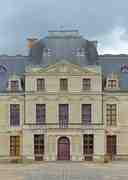
Right in front of you is a massive, stately cream-colored stone building with a striking symmetrical façade, tall arched windows, and a great slate roof crowned by a central dome-just follow the cobblestones, look for the grand entrance, and you can’t miss it! Ah, welcome to the grand finale: the Castle of the Dukes of the Trémoille! Pause and let your imagination run wild for a moment. You're now standing where history piled up like the bricks in these sturdy walls, overlooking the winding Thouet river from a natural promontory. Picture the scene centuries ago: the sound of hooves on stone, the rush of banners flapping in the wind, and the ever-watchful eyes of guards peering down. The story of this castle could fill a thousand storybooks, but let’s start way back-like, REALLY back-in the year 762. The first fortress here was stomped out by none other than Pepin the Short, father of Charlemagne. Over the years, a fortified castle took its place, acting as the strong shield of Thouars during the skirmishes and sieges of the Hundred Years’ War. The legendary knight Bertrand du Guesclin even stormed the place in 1372. Bet he made a grand entrance-no need for a reservation in those days! For a time, this land shuttled between royal hands and noble families, until it ultimately landed with the mighty La Trémoille family. The kings of France held their noses up high when bestowing little gifts, and Charles IX turned the local viscounty into a full-fledged duchy. That’s how important Thouars became: crown on, pinky out. But enough knightly tales-let’s sneak into the golden age of the 1600s. Here’s where the drama really heats up. Imagine it’s winter. The castle is drafty and icy, and the grand duchess, Marie de La Tour d’Auvergne, is NOT having it. She gave her husband an ultimatum: either build me a comfy, beautiful mansion, or I’m gone! Not one to risk sleeping on the medieval couch, the duke and their clever architect, Jacques Lemercier, demolished the old fortress. They reused the ancient stones to erect the elegant palace that stands before you now, blending strength with grace and stretching over 110 meters wide-enough to fit quite a few of Marie’s friends (and a few frenemies, too). You might notice the sober lines and lack of showy decoration. The duchess preferred a clean, Protestant style-no fluff, just beauty and balance. The main building is flanked by two taller pavilions, and a grand dome in the center shelters a marble staircase fit for sweeping swoops down to dinner-if you like to make an entrance, this is your kind of place! There’s even more to this castle than meets the eye. Attached is a double chapel built in the 1500s, commissioned by Gabrielle de Bourbon for ceremonies and a parish displaced by ruined churches. The orangerie, once abuzz with sweet fruit and gossip, is said to have inspired the one at Versailles. Imagine gardeners hustling past, Le Nôtre himself grumbling about pruning. Of course, history rarely sits still. After being “liberated” and looted during the French Revolution, the castle became everything from a prefecture to a barracks, a school, and-get this-a prison for rebellious Parisians after 1871. Imagine the echoing clang of cell doors where ducal parties used to echo! These days, students fill the halls and artists haunt the former stables with their paints and ideas, carrying the old stories forward. So, as you gaze up at these dignified stones, think of all the feet that have hurried across these cobbles: fierce knights, exasperated duchesses, unlucky prisoners, and everyday townsfolk-a parade through centuries, all under this very roof. Not bad for a house with such a long memory, right? For a more comprehensive understanding of the historical, architecture or the castle chapel (16th century), engage with me in the chat section below.
전용 페이지 열기 →


자주 묻는 질문
투어는 어떻게 시작하나요?
구매 후 AudaTours 앱을 다운로드하고 교환 코드를 입력하세요. 투어를 바로 시작할 수 있습니다 - 재생을 탭하고 GPS 안내 경로를 따라가시면 됩니다.
투어 중 인터넷이 필요한가요?
아닙니다! 시작 전에 투어를 다운로드하면 완전히 오프라인으로 즐길 수 있습니다. 채팅 기능만 인터넷이 필요합니다. 모바일 데이터 절약을 위해 WiFi에서 다운로드하시는 것을 권장합니다.
이것은 가이드가 안내하는 단체 투어인가요?
아닙니다 - 이것은 셀프 가이드 오디오 투어입니다. 폰을 통해 오디오 나레이션을 들으며 나만의 속도로 독립적으로 탐험합니다. 투어 가이드도, 단체도, 일정도 없습니다.
투어는 얼마나 걸리나요?
대부분의 투어는 60-90분이 소요되지만, 속도는 전적으로 본인이 조절합니다. 원할 때 언제든지 일시정지하거나, 정류장을 건너뛰거나, 휴식을 취하세요.
오늘 투어를 끝낼 수 없으면 어떻게 하나요?
괜찮습니다! 투어는 평생 이용이 가능합니다. 원할 때 언제든지 일시정지하고 다시 시작하세요 - 내일, 다음 주, 또는 내년에도. 진행 상황이 저장됩니다.
어떤 언어를 이용할 수 있나요?
모든 투어는 50개 이상의 언어로 이용 가능합니다. 코드를 교환할 때 원하는 언어를 선택하세요. 참고: 투어 생성 후에는 언어를 변경할 수 없습니다.
구매 후 투어는 어디에서 이용하나요?
App Store 또는 Google Play에서 무료 AudaTours 앱을 다운로드하세요. 교환 코드(이메일로 전송됨)를 입력하면 라이브러리에 투어가 나타나며, 다운로드하여 시작할 수 있습니다.
투어가 마음에 들지 않으시면 환불해 드립니다. 문의: [email protected]
안전한 결제 


