AudaTours logoAudaTours

ポートランドオーディオツアー:ポートランドダウンタウンの歴史的見どころ

オーディオガイド15 か所

無印のドアと光る縦長の看板には、何十年にもわたるポートランドの秘密が隠されています。このセルフガイドオーディオツアーは、ダウンタウンの壮麗なファサード、豊かな広場、そして悪名高いクラブルームを巡り、長年の住民でさえ見過ごしがちな、街の活気ある中心部に隠された物語を解き明かします。アーリントンクラブ内でスキャンダルを仕組んで、その扉を新時代に開かせたのは誰でしょうか?落ちてくる石の下で、アーリーン・シュニッツァー・コンサートホールをほとんど沈黙させた奇妙な運命とは何だったのでしょうか?そして、ディレクターパークがそもそも存在するのか、それとも熱いコンクリートとクレープの煙の塊のままでいるのかをめぐる激しい戦いを引き起こしたのは何だったのでしょうか?きらめくマーキーと影の路地の間を移動しながら、ライバル関係、忘れ去られた反逆者、そして大胆な再発明が、あなたの足元でポートランドの語られざる歴史を生き生きとさせます。これらのランドマークの背後にある層を解き明かす準備はできていますか?再生ボタンを押して、ポートランドの鼓動に飛び込みましょう。この街は、見た目以上に多くのものが表面下に隠されています。

ツアーのプレビュー

map

このツアーについて

  • schedule
    所要時間 40–60 mins自分のペースで進める
  • straighten
    ウォーキングルート 1.8kmガイド付きパスに沿って進む
  • location_on
  • wifi_off
    オフライン対応一度のダウンロードでどこでも使える
  • all_inclusive
    無期限アクセスいつでも、ずっと再生可能
  • location_on
    アーリントンクラブから開始

このツアーのスポット

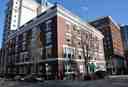
  1. To spot the Arlington Club, look for a stately four-story brick building with white trim and a row of classic square windows on each floor, standing proudly on the corner with an…もっと読む折りたたむ

    To spot the Arlington Club, look for a stately four-story brick building with white trim and a row of classic square windows on each floor, standing proudly on the corner with an American flag flying atop its flat roof. Welcome to the Arlington Club, Portland’s answer to the classic gentlemen’s club-minus the Sherlock Holmes pipe, but full of fascinating history and maybe even a little intrigue. If you close your eyes for just a second and take in the sounds of the city--you might just feel the echoes of powerful whispers and laughter that once filled these very streets. The Arlington Club started way back in 1867. Picture this: a handful of well-to-do businessmen-hoping for a little R&R after plotting the future of Portland-decided they needed a place to fraternize, kick back, and, let’s be honest, probably complain about taxes. They called it the Social Club at first, and the idea caught on faster than the latest TikTok dance, with the city’s movers and shakers all wanting in on the action. Founders like Simeon Reed, John C. Ainsworth, and William S. Ladd were the type of folks who owned banks, steamships, and enough real estate to get any Monopoly player drooling. These club members were local, state, and even federal VIPs. The kind of people who would debate the fate of Portland’s business deals over a plate of roast beef-while wearing surprisingly uncomfortable shoes. Historian E. Kimbark MacColl once pointed out that the club’s members could hardly tell where their own interests ended and the city’s began: if it was good for them, it was good for Portland, or so they thought! Now, the Arlington Club wasn’t always as welcoming as the smell of fresh coffee in the morning. For 100 years, they kept the door closed to Jews and other minorities, no matter how important or dazzling their business cards were. And women? Well, for a whopping 123 years, the only way a lady could get inside was to deliver a package. It took until 1990-after some serious public pressure and a city council resolution hot enough to melt an ice cube-that the club finally opened its doors to women with a vote that just barely hit the supermajority needed. After that, restrooms and lounges magically appeared, making way for a whole new crowd. But back to this very spot-you’re standing outside the third and most impressive clubhouse. The first meetings happened in hotels and random dining rooms, but as the club grew, so did their real estate ambitions. They finally settled into this grand brick-and-terra cotta building in 1910. Built by architects Whidden and Lewis, it’s a four-story showstopper in neo-classical style, standing just across from the lovely South Park Blocks. If you happened to walk inside, you’d see echoes of Portland’s history in every plush armchair and ornate cornice. Portland’s social scene started to branch out in the late 1800s, with clubs like the Multnomah Athletic Club, the Waverly Golf Club, and the University Club springing up. But for many years, memberships overlapped-a sort of Venn diagram where everyone wore top hats and argued over who had the better mustache. As the decades rolled on, the Arlington Club’s guestbook filled with names that would get any historian’s heart racing: U.S. Presidents like Taft, Hayes, and Grant strolled these halls, along with luminaries from the arts, sciences, and military. Someone was always making a toast-sometimes even to progress! Of course, the club faced rocky times, including scandals like their president’s very public resignation in 2015. But perhaps the greatest tension lay in how slowly progress moved-one tiny step at a time. Today, while the Arlington Club still gathers here, it’s a sharper, more inclusive crowd. The walls are still echoing with conversations about Portland’s next big leap-just with a bigger guest list and, hopefully, better snacks. So as you look up at this dignified brick façade, imagine the layers of history inside-a place where fortunes were made, secrets whispered, and eventually, doors finally flung open for all of Portland’s future leaders. Onward to the next stop!

    専用ページを開く →
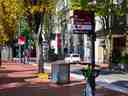
  2. To spot the Arlene Schnitzer Concert Hall, just look for the giant, glowing vertical sign that reads “PORTLAND” rising up on the corner of Broadway and Main Streets-it’s…もっと読む折りたたむ

    To spot the Arlene Schnitzer Concert Hall, just look for the giant, glowing vertical sign that reads “PORTLAND” rising up on the corner of Broadway and Main Streets-it’s impossible to miss, shining like a beacon above the beautifully lit marquee. Now, as you’re standing here on the sidewalk, let me take you back to a time when this whole stretch of Broadway was sparkling with grand theaters and the Schnitzer-locally nicknamed “The Schnitz”-was the unrivaled jewel of them all. Imagine it’s 1928, and this building, then known as the Portland Publix Theatre, had just opened. Picture men in top hats and women in feathered headbands, lining up below this very marquee, ready for an evening of vaudeville, jazz, or maybe a big Hollywood movie. The flashing bulbs above your head? There are almost 6,000 theatrical lights, so many that they’d probably need their own power plant. Architects from the famous Rapp and Rapp firm outdid themselves with an Italian Renaissance style so lavish that, unbelievably, the lobby’s candy counter was once called “the longest candy counter in the West.” The velvet-draped windows and marble-covered walls looked straight out of a glamorous Parisian palace; a chandelier the size of a car hung overhead, weighing in at over 1,700 pounds and twinkling with hundreds of bulbs. Staff brought in furniture from French museums, draped everything in rich carpets, and even installed an ivory-and-gold self-playing grand piano that serenaded guests as they climbed the stairs. You could almost smell the faint perfume and excitement as patrons checked their coats before heading in. During its first chapter, the Schnitz was both a theater and a movie house-inviting Portlanders in with promises of “an acre of seats.” Rumor had it you could get lost between the 2,776 seats across the grand orchestra level and the balcony that soared six stories up. The men’s and women’s lounges upstairs weren’t your average washrooms; these had fireplaces, radios, mirrors, and attendants ready to help primp before your big night out. But it wasn’t always smooth sailing beneath the glimmering lights. One night in 1928, the audience was buzzing as a movie called “Wheel of Chance” played on the screen. Meanwhile, a man in the lobby-after spotting two theater employees carrying the day’s ticket receipts-decided the real drama would happen offscreen. He pulled off a daring robbery, making away with $1,176. Spoiler alert: when they caught him days later, he only had $1.50 left. The rest? Gone to bootleggers and parties. By the time the Great Depression rolled in, times got tough, tickets dropped to 50 cents, and creative theater managers hired roving musicians and even a psychic to entertain crowds before the show. But years of neglect took their toll: pieces of the ornate cast iron balcony and even giant masonry blocks literally crashed down onto the sidewalk in the 1960s and ’70s. Chunks of history, right at your feet! Yet even in its most rundown days, “The Schnitz” hung on-defiant and dramatic, just like any seasoned stage actor. As TV took over America’s living rooms and movie audiences shrank, the grand movie palace faded and the venue switched to concerts-from classical to rock, and even some wild parties back in the ’70s. Stories are told of concerts where you could see Heart, Tom Petty, or Elvis Costello for as little as 92 cents-cheaper than an overpriced stadium pretzel today. Finally, in the 1980s, the building was rescued and lovingly restored. Much of its fabulousness was brought back, from the gilded chandeliers to the plush seats, only now with modern safety and comfort. The enormous “PORTLAND” sign that lights up the city wasn’t always here-it was once swapped for “PARAMOUNT” before returning to its original glory in 1984, symbolic of Portland itself. Many legends have tread the boards here, and somewhere in the lobby, there’s still a statue called “Surprise,” saved by a fundraising hat passed quickly around a theater packed with Portlanders who refused to let their treasures slip away. Today, you’re standing outside not just a concert hall but a living, breathing piece of Portland’s artistic heart-a space that’s survived drama, disaster, and disco, and now shines brighter than ever. So, next time you see the “PORTLAND” sign glowing above, remember: it’s not just a landmark. It’s the city’s grand, glittering story-one standing ovation at a time.

    専用ページを開く →
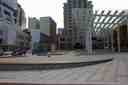
  3. To spot Director Park, just look ahead for a large, open granite plaza with striking white pillars supporting a modern glass canopy and a sunken stone surface-it stands out in the…もっと読む折りたたむ

    To spot Director Park, just look ahead for a large, open granite plaza with striking white pillars supporting a modern glass canopy and a sunken stone surface-it stands out in the middle of Downtown, surrounded by tall city buildings. Alright, you’re standing in front of Director Park-a place that proves Portland can turn even a plain old parking lot into an urban adventure! Imagine: before this elegant granite square and gleaming glass canopy existed, this was just a typical city block, used for parking cars and, for a while, serving tasty crêpes out of a food cart called the Snow White House. Today, it’s a bold statement in the very heart of Portland, and you’re about to find out just how much drama and ambition went into creating it. It all starts with a grand plan-decades ago, dreamers hoped to stitch downtown Portland together with a beautiful green corridor running from the North Park Blocks to the South Park Blocks. As it happens with all great city projects, that dream hit a few speed bumps, or, shall we say, a few parking lots and stubborn developers. In the 1970s, as if the city itself was plotting for an urban oasis, site battles began. Visionaries like developer Tom Moyer eyed this block, refusing to let it become just another 12-story parking tower (which, as one critic famously jabbed, would be "like putting lipstick on a dead corpse"-ouch, parking garage lovers!). Even Neil Goldschmidt and Bill Naito, local legends, rallied to keep this patch alive for something better. Fast-forward a couple of decades and you have heated city meetings, rival developers squabbling, and public votes about what exactly should rise above this spot. Should it be a commercial block? Should it become a full park? The answer, after years of negotiation and a hefty bit of fundraising, was: “Yes, and yes!” By the early 2000s, the idea of a reconnecting corridor had fizzled out, mostly due to political shakeups and-let’s just say-developers getting tired of swimming upstream. Enter Tom Moyer, a man determined to put his mark above and below ground (literally). He proposed a park that sat atop a massive 700-space parking garage, linking up with the Fox Tower and the new Park Avenue West Tower. Moyer gave up the surface for evolving Portlanders to play, sip coffee, or nap on a sunny day, while underneath, folks could park their cars in grand, hidden fashion. Naturally, being a businessman, he made sure 30% of the park would be available for commercial activity-because even oases need to serve a good sandwich. Now, naming the park is where things get extra Portland-quirky. First, Moyer wanted to call it Marilyn Moyer Park, in memory of his late wife. But when it came time to raise the last big slice of funding, Jordan Schnitzer stepped in with a $1.97 million donation, asking to name the park after his grandparents, Simon and Helen Director-a love story that started back in 1916, when Simon and Helen met in Portland after journeys all the way from Russia and Poland. Cue the romantic music! And so, Simon and Helen Director Park was born, with the whole community contributing nearly $9.5 million. That’s a lot of lattes and Lincoln coins. Designer Laurie Olin, who helped reinvent New York’s Bryant Park, collaborated with ZGF Architects to give Portland a space that is curbless on two sides-making it easy for strollers, events, parades, and the occasional hopscotcher. There’s a bubbly fountain, engaging art, places to sit, and a café. Speaking of which, if you get a waft of coffee or pastry, that’s no accident-first it was Violetta, and now Elephants Delicatessen keeps the snacks and sandwiches coming. Of course, no slice of Portland ever escapes a little hiccup. The grand glass canopy, capped with wood beams, was found to have a lumber problem, so the city swapped out the wood for sturdier steel (part of the hazards of making a park in rainy Portland-wood can only handle so much soggy weather). Today, you’re standing in one of the finalists for the Urban Land Institute’s open space awards. As you look around, picture the transformation: from plain parking lot to a buzzing, modern square where the city’s stories, new and old, cross paths every day. You can almost hear old Portlanders sighing-“finally, something special for everyone.” And if you listen closely, you might even hear the echo of that old Snow White crêperie, dreaming about the days when its customers ordered dessert right where you’re now soaking up city life.

    専用ページを開く →
さらに12件のスポットを表示表示するスポットを減らすexpand_moreexpand_less
  1. Right in front of you, look for the tall cream-colored columns with gold details rising from the brick sidewalks-these are flanked by glass shelters and light rail tracks, and…もっと読む折りたたむ

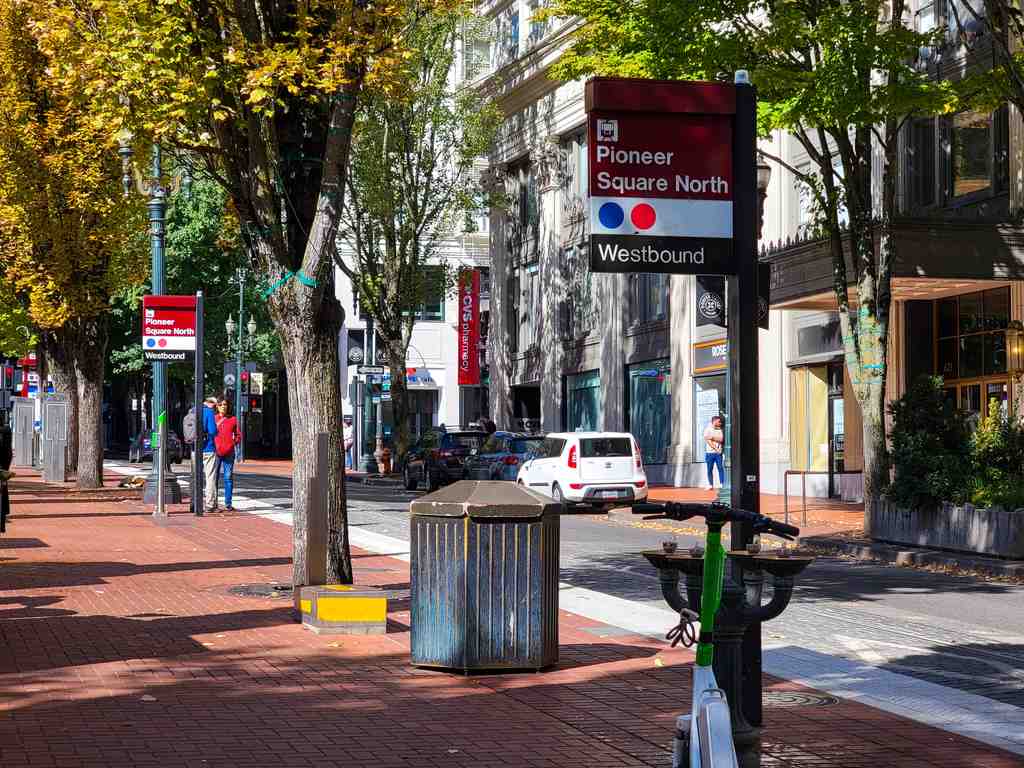
    Right in front of you, look for the tall cream-colored columns with gold details rising from the brick sidewalks-these are flanked by glass shelters and light rail tracks, and you’ll spot them along both sides of the square near the busy intersection. Welcome, traveler, to a place that’s so busy, rumor has it even the pigeons have weekly train passes! You're now standing at the heart of downtown Portland, at the Pioneer Square South and Pioneer Square North stations. Take a deep breath-the city’s energy is almost electric here. These stations are more than just stops on a map; they are woven tightly into the city’s changing story, right here at what locals fondly call “Portland's Living Room.” Picture it: years ago, this very block was a jigsaw puzzle of Portland history. It once buzzed with the voices of schoolchildren at the city’s first public school, echoed posh conversations from inside the grand Portland Hotel, and even hummed with the low grumble of car engines in a two-story parking garage. In 1969, things got tense-a big department store, Meier & Frank, wanted to plop down an 800-car garage here. The city, however, said “not so fast!” after a series of heated public hearings that had the whole town talking. What a drama! This led Portlanders to envision something better: a big, open public space where anyone could join in the city’s rhythm. After some wrangling and bargaining, the city bought up the land. In 1980, they called on dreamers far and wide with a national design contest for what would soon be named Pioneer Courthouse Square. Work on the square sped forward, but another project was taking shape as well-one that would transform the way Portlanders crossed their city: the Banfield Light Rail Project. Imagine the excitement: it’s 1983 and construction crews are hard at work, starting in Gresham and moving west toward downtown. The city bustled with anticipation. By April 6, 1984, Pioneer Courthouse Square opened with a splash of celebration, while the rumble and clatter of construction for the new light rail system echoed in the background. In 1986, it all came together; on September 5th, thousands of people packed the square for a grand party like no other, cheering as the very first MAX train from Gresham pulled in at 11:45 am. That’s not every day you see a city throw a party for a train! Now, look at the platforms on either side of the square-MAX trains hum by, their doors whooshing open and closed. One side serves trains heading east, the other for those going west. Together, these platforms are gateways connecting Portland’s neighborhoods, from Cleveland Avenue in Gresham to the very edges of Hillsboro and Portland’s airport. If you’re lucky, you might catch a train to the airport and be whisked away just moments after snapping a selfie with the Weather Machine sculpture or grabbing a coffee from Oregon’s first-ever Starbucks-yes, it’s right there on the northwest corner. These stations aren’t just convenient-they’re unique. Step onto the platform and you’re standing at the only place in the whole MAX system where all five light rail lines can be accessed with a quick transfer. Need to get across the city fast? Riders here can switch from the Blue to the Red, then hop across 6th Avenue for the Green or Yellow line, or pop a block over for the Orange. No superhero cape required! In a day, more than 5,000 people stream through these stations. The area pulses with the sounds of footsteps, conversations, and the rhythmic ding-ding of incoming trains. Think of this spot as Portland’s transit headquarters, with lines fanning out like rays on a star. Even buses and future high-speed lines are part of the hubbub. It’s not just a place to wait, either; it’s alive with art and activity. While you’re here, look around for the playful Waterfall Fountain, or the lifelike “Allow Me” statue-bet you can’t resist imitating its umbrella pose! On the east, glance across the street at the American Bank Building’s stately frame; to the west, Nordstrom invites shoppers with its windows aglow. So whether you’re commuting, sightseeing, or people-watching, you’re part of the living, beating heart of Portland every time you pause at the Pioneer Square South and North stations. Hop on board or just hang out-after all, in Portland’s Living Room, everyone’s always welcome!

    専用ページを開く →
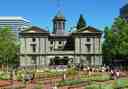
  2. Look straight ahead for a stately, gray stone building with a dome right in the center, flanked by two wings and framed by clipped hedges and flowers in the plaza out…もっと読む折りたたむ

    Look straight ahead for a stately, gray stone building with a dome right in the center, flanked by two wings and framed by clipped hedges and flowers in the plaza out front. Alright, deep breath-now imagine the year is 1869. You’re standing on a patch of muddy frontier town, and before you rises the Pioneer Courthouse, its fresh stone glinting under the overcast Portland sky. This is no ordinary building; it’s actually the oldest federal building in the entire Pacific Northwest and, believe it or not, the second-oldest west of the mighty Mississippi! Back in the day, it wasn’t just home to fancy judges and weary litigants-it was called the United States Building, bursting with anticipation for all the history it would witness. Picture the bustling life around the old courthouse long before Pioneer Square became Portland’s living room. You’d have heard the steady clack of carriage wheels and the snap of horse reins right outside. Inside, judicial robes swished down the halls as Judge Matthew Deady, the very first to call the building home, presided over cases that shaped the west. Through rain, shine, and more than a few attempts to tear the place down, the courthouse survived as a proud backbone in this rapidly growing city. Over the years, the building almost met its doom more than once. There was a particularly tense moment in the 1930s when city leaders wanted to tear it down to build a parking garage-“Because nothing says progress like more parking!” But Portland’s people, architects, and the Colonial Dames (yes, that’s a real group) fought tooth and nail, their voices ringing through council halls trying to save this icon. Imagine the passionate debates, the rustle of newspaper pages carrying heated editorials, and the persistent echo of a stubborn community refusing to lose its heritage. Not just a courthouse, it became the bustling hub for downtown mail at the Pioneer Post Office. Until 2005, you could pick up your stamps at the same desk where postcard greetings mingled with the secrets of federal law! From notorious scandals-like the Oregon land fraud trials in 1904, full of intrigue and characters you couldn’t invent-to fierce political spats about parking spaces, this courthouse has truly seen it all. So here it stands-unmoved and unbroken-watching Portland change all around it. And if you listen closely, you might just hear the whispers of its storied past on the wind.

    専用ページを開く →
  3. To spot the Meier & Frank Building, look up at the large, gleaming white, fifteen-story building with ornate details and rows of tall windows-stretching an entire city block just…もっと読む折りたたむ

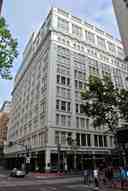
    To spot the Meier & Frank Building, look up at the large, gleaming white, fifteen-story building with ornate details and rows of tall windows-stretching an entire city block just across from the northeast corner of Pioneer Courthouse Square. Alright, let’s step into a little time machine right here! You stand before one of Portland’s giants-the Meier & Frank Building. It’s not just big… it’s full-block-big, with handsomely glazed terra cotta wrapping every corner, a crown of windows gleaming against the sky. If you ever wondered where Portlanders went for everything from wedding dresses to parakeets, this was once the heart of it all. Picture it-back in 1909, the street bustled beneath horse-drawn wagons and skipping children. The building sprang up with grand ambitions, thanks to architect A. E. Doyle. But it nearly took a wild Chicago twist! Doyle and the store’s co-founder, Sigmund Frank, trekked over to Chicago to see the latest in department store dazzle. Sigmund was thrilled, plotting a grandiose new palace of shopping. Sadly, Sigmund’s passing meant the dream was built in chunks, which led to a slightly quirky setup-some elevators reached certain floors, others didn’t, and I imagine many confused shoppers searching for that one missing escalator. By the 1920s, Meier & Frank was so much more than a store: it was a city within a city. At its peak, you could find a pharmacy, a pet shop (yes, really!), delis, and even a suit-wearing Clark Gable working the tie counter in 1922. You might’ve even stumbled upon the company’s own radio station, KFEC, humming out from the 5th floor, its transmitter towers sparking above. Imagine the crackle of radio static and employees bustling through the halls, sending messages zooming through pneumatic tubes-think: an old-school version of texting, but with little metal canisters rocketing through the walls! If you’d come at Christmas, you couldn’t miss a family tradition: Santaland on the 10th floor. It was a magical holiday kingdom, unchanged for decades. Kids’ laughter, parents snapping photos, the smell of pine and peppermint, all beneath a ceiling-sized “kiddie monorail” that zipped around the room since 1959. I have to tell you-more than a few Portland kids dreamed of riding that monorail one day. The place was so itself that when Portland got its very first escalator, it was here! If you grew up in the city, riding that moving staircase was a rite of passage. Still, behind the scenes, not everything was so modern. The old hand-operated elevators kept carrying boxes and mannequins in secret, while the main crowd swept upstairs on swanky new lifts. But even pillars of retail face storms. Downtown competition and new shopping trends turned the tide: by the 1980s, the building shifted its focus to clothes and housewares, slowly closing off unused floors-sometimes turning them into chilly storage. The Meier & Frank store-eventually scooped up by Macy’s in 2006-got a $100 million makeover. In a city as rainy as Portland, that’s a lot of umbrellas! The bottom five floors hosted Macy’s. Then came a twist: the top floors transformed into the luxury hotel, The Nines. Imagine: from bargain hunting to breakfast in bed, all in the same spot. Macy’s finally closed up shop in 2017, and the lower levels were reborn as office space. Oh, and the latest newcomer: a big, beautiful Muji store, serving minimalist style right in the heart of classic Portland. This building has seen over a century of holidays, innovations, strange coincidences, and new beginnings. It’s a place that wears its age with style, and if you listen closely, you might hear echoes of elevator chimes, a monorail above, or a distant “Ho-ho-ho!” in the corridors. Here’s to the Meier & Frank Building-where Portland’s past meets its future, one story (and floor) at a time.

    専用ページを開く →
  4. Imagine it: it’s 1975, the air smells like leaded gasoline and bell bottoms are all the rage. The city’s downtown is hurting for parking spaces and worried about pollution.…もっと読む折りたたむ

    Imagine it: it’s 1975, the air smells like leaded gasoline and bell bottoms are all the rage. The city’s downtown is hurting for parking spaces and worried about pollution. Then-bam-Portland comes up with a wild plan: make all public transit rides free right here in downtown. No tickets, no stress. Just step on and go. Suddenly, everyone from sleepy students to bustling businesspeople, even your grandma's grumpy cat if she were allowed, could zip around without paying a cent. But here’s the kicker-it was only supposed to be “square.” Its borders hugged the area from Hoyt to Market, and from the Willamette River to the mighty I-405. Over time, though, the square started acting less like a square and more like a blob at a dance party, growing with every shuffle. First, it stretched south to the Marquam Bridge, then snuck north to Union Station. All aboard! Whispers throughout the 1990s-like someone spreading a juicy secret at a streetcar stop-begged for more trains and more places. And in 2001, Fareless Square broke through the river barrier, extending its free-fare powers into the Lloyd District, forming a shape that was more “panhandle” than “square.” True to Portland's style, though, everyone pretended not to notice that “square” was now just a suggestion. The best part? You could experience the city’s quirks just by riding around for nothing-MAX trains humming by, bus doors whooshing open for people clutching coffee and doughnuts. People became experts at catching quick rides, sometimes for a single stop-much to the dramatic groaning of the bus drivers. As the legend goes, some passengers would try to sneakily ride all the way out of the zone, crossing invisible lines with a grin, hoping nobody would notice their missing fare. The bus drivers could request payment if you ventured out, but couldn’t drag that dollar out of your pocket. It wasn’t just a free ride, though; it was an experiment-a living, moving solution against smog and crowded parking. During its biggest days, Fareless Square covered about 1.35 square miles, enveloping the city’s busiest and brightest spots. And if you’d been here then, you might’ve joined the debate: some folks cheered for its friendly spirit and boost to downtown life, while others worried about fare dodgers and lost revenue, or claimed (sometimes with a hint of melodrama) that it let troublemakers slip through unchallenged. Flash ahead to 2009: things are tightening up. TriMet’s piggy bank isn’t just low-it’s singing the blues. They trim the free bus rides, keeping the MAX and Streetcar in the “Free Rail Zone.” It’s still generous, but you can practically hear bus drivers breathe a sigh of relief. Now, a whopping 93% of all local trips could still be made for free on the rails, so the spirit of Fareless Square lingered. Seniors and folks with disabilities were offered special passes so the city’s heart kept beating for everyone. But every parade must end, and so did Fareless Square. In August 2012, after years of free rides, stirring debates, rowdy city council meetings, and epic rides from Market Street to the Lloyd Center Mall, the last train rumbled away without its free passengers. The city, facing a big budget hole, pressed pause on the Fareless dream. And still, when you stand here-surrounded by the hum of modern city life-you can almost sense the ghostly echo of tires on rails and passengers giggling in disbelief at their complimentary journey. Sometimes, I like to imagine a time-traveling Portlander will one day hop off a bus right here, checking their pockets for fare, only to realize-again-this was once a place where the ride was always on the house. That’s Portland: a city always willing to try something new, even if it means nobody can agree on the shape of a square. Ready for our next adventure?

    専用ページを開く →
  5. To spot the Commonwealth Building, look for the sleek, sea-green glass tower with silvery aluminum frames-a shiny, distinctly modern rectangle rising fourteen stories above the…もっと読む折りたたむ

    To spot the Commonwealth Building, look for the sleek, sea-green glass tower with silvery aluminum frames-a shiny, distinctly modern rectangle rising fourteen stories above the corner of SW 6th Avenue, right between Washington and Harvey Milk Streets. Alright, superhero-pause right here and stretch your neck upwards, because you’re about to meet a true pioneer of Portland! This isn’t just any shiny office tower; back in 1948, the Commonwealth Building (known at birth as the Equitable Building) dazzled the city in a way that made nearby brick buildings do a double-take. Imagine it’s the late 1940s: jazz is bouncing out of radios, hats and overcoats rule the sidewalks, and suddenly-bam!-this glass-and-aluminum structure shoots up out of the ground like something from a future nobody’s even dreamed up yet. Even the clouds must have gathered to gossip, reflected in those new shining panes. Designed by the legendary Pietro Belluschi, this glass box kicked off a revolution-think of it as Portland’s version of breaking the internet. Instead of bricks and heavy concrete, Belluschi chose shimmering sea-green glass and aluminum for the exterior, and double-glazed windows that made it feel like you were working inside a cool, sealed spaceship rather than a stuffy old office. And get this: it was the very first tall commercial building in America with a fully air-conditioned, sealed system. Imagine the surprise of anyone poking inside on a humid summer day, expecting stuffy air, and instead getting a whoosh of coolness-people probably considered moving in just for the climate control. It was intended to stop at twelve stories, but ambition had other ideas, so it grew to fourteen stories tall. The innovations didn’t stop at the glass-this building was the first in the country to use heat pumps for heating and cooling, an invention so clever it made engineers everywhere want to give it a standing ovation (and they did-eventually, the American Society of Mechanical Engineers gave it a landmark award). The Commonwealth Building changed hands a few times over the years, its price tag shooting up faster than a Portland rainstorm-from $1.9 million in 1993 to $69 million in 2016! As you stand next to those reflective panels, think about all the eyes that once gawked up in awe, the engineers who peered curiously at the pipes and pumps, and the office workers who got to brag, “Yep, my building’s famous!” Not bad for a place that started as a headquarters for a savings and loan association! So before you stroll on, maybe wink at the windows-the Commonwealth Building still loves showing off its pioneering spirit. On to our next stop-the Bank of California Building!

    専用ページを開く →
  6. Look for a stately three-story building right on the corner, covered in pale, blocky terracotta tiles, with five gigantic arched windows stretching almost the full height of the…もっと読む折りたたむ

    Look for a stately three-story building right on the corner, covered in pale, blocky terracotta tiles, with five gigantic arched windows stretching almost the full height of the ground floor-just gaze across the street and you can’t miss those towering, elegant arches facing 6th Avenue. Now picture yourself here back in the roaring 1920s, when jazz melodies floated on the breeze and Portlanders wore their finest hats just to run errands. Standing before you is the Bank of California Building, once the crown jewel of downtown banking and now a survivor of change, time, and more than a few sign swaps. Imagine the excitement as this Italianate palazzo-style beauty-designed by none other than the famous A. E. Doyle-rose from the ground in 1925. Doyle, with help from his globe-trotting chief designer Charles K. Greene, channelled the grandeur of ancient Greco-Roman palaces into a Portland block, giving the city a dash of Renaissance flair. Originally, this address was hopping as a bank since 1882, and after a few mergers, the Bank of California set up shop here, replacing its old digs at Third and Stark. As you stand under those 28-foot arched windows, notice the ornate bronze lamps flanking the entrance-think of them as Portland’s fanciest porch lights, waiting to welcome bankers, businessfolk, and maybe even a few secretive types carrying sacks of cash. The doors are framed with bronze, heavy and gleaming, as if daring you to try lifting that vault door inside. Step back and scan up to the roof: those red clay tiles and the cast terracotta cornices almost make you want to shout “Ciao!” and break out a Vespa. The third floor hides behind a hipped roof, windowless and mysterious, once reserved for possible future expansion. In the heart of this marble-clad palace, you’d find a jaw-dropping, two-story banking hall with a ceiling soaring 36 feet above your head. The marble counter, now long gone, once gleamed underneath beams decorated to dazzle customers with every deposit or withdrawal. Here’s a fun twist: the building never really stood still, constantly donning new “hats” (or at least new signs). With every change of owner-from Bank of California to Security Bank of Oregon, Durham & Bates insurance, and even a stock brokerage-fresh lettering graced the façade out front. You might say this building has had more name tags than a conference networking table. Let’s talk about neighbors. At first, the northern wall butted right up against the old Fenton Building. When the Fenton came down in 1971, our bank’s plain north wall was suddenly blushing in public! Fortunately, it got a stylish terracotta makeover. Imagine the clatter of construction as the northern wall was spruced up. For a while, there was even a drive-up window-banking, fast-food style-until it disappeared along with the last bank tellers in the 1970s. Outside, you’re at the pulse of the city. Buses and, since 2009, the MAX light rail, hum and flash past the grand arches. Picture the sidewalk before you, at one point just plain cement, later bricked and shaded by street trees. An impressive bronze sculpture, Talos No. 2, has now staked out the corner, watching commuters and visitors alike. During its lifetime, the building saw plenty of high drama-moving from marble floors to boardrooms, from echoing banking halls to modern offices. Even as its owners changed, its mighty doors and historic aura stayed firm. After a big renovation in 2000 by Bidwell & Company, and a quick stint as a brokerage headquarters, this landmark was reborn yet again. By 2008, it was recognized as the Three Kings Building, its latest royal reincarnation. And, oh, if these old marble floors could talk, they’d whisper about vaults filled with fortunes, nervous hopefuls clenching loan papers, and the relentless march of progress outside these storied arches. So, as you stand here, let your imagination leap through time-from hatted bankers of the Jazz Age to the quick-stepping commuters of today-because this building has seen it all, and keeps watching, five giant windows at a time. Fascinated by the establishment and original use, description or the post-1960s owners or primary tenants? Let's chat about it

    専用ページを開く →
  7. Look for the building with massive Corinthian columns rising four stories high and a richly decorated frieze along the top edge, standing proudly at the corner with grand bronze…もっと読む折りたたむ

    Look for the building with massive Corinthian columns rising four stories high and a richly decorated frieze along the top edge, standing proudly at the corner with grand bronze doors and intricate terracotta details-the United States National Bank Building will be in front of you. Now, get ready to step into a place where history and grand style collide! If you take a look at these towering columns, you might just feel like you’ve teleported from the streets of Portland to ancient Rome-now that’s the magic of the United States National Bank Building. Designed by A.E. Doyle, one of Portland’s architectural wizards, this stone giant first opened its doors back in 1917, starting out life as the home of the United States National Bank of Portland. The eastern face, right here on Sixth Avenue, was the first to greet customers, crowned by a stately portico lined with Corinthian columns, each standing at a majestic 54 feet tall. The details don’t stop there-look closely and you’ll see lions and palmettes watching over you from above, and bronze doors covered in dazzling bas reliefs that tell tales of American bravery and ideals. But let’s wind the clocks back even further, to the turn of the last century, when the United States National Bank of Portland had just started making waves. This bank wasn’t shy about growing, swallowing up its rivals and coming out stronger through wild times like the Panic of 1893-a financial storm that blew away many competitors. By the 1910s, the bank had gobbled up so many adversaries and grown so big, they were literally bursting at the seams. So the hunt was on for a new home, and in 1916, they picked this very spot, ready to make a statement in classical stone and terracotta. It took just one year for A.E. Doyle’s vision to leap off the drawing board and into the real world, opening to the public in the summer of 1917. Back then, all this grandeur only stretched halfway to Broadway, but still-just imagine the awe of folks stepping through those bronze doors, surrounded by echoes of history and the soft rumble of streetcars rolling by outside. But you know what banks are like... they always want more room for their money! By the 1920s, it was time to expand again. The neighboring Elks moved out, and instead of going sky-high with a planned 24-story skyscraper, the bank stuck with its original style, doubling the building’s size and giving it a matching twin entrance on Broadway in 1925. Doyle again oversaw the project, making sure the old and new sides blended like two halves of a Roman coin. By now, the building was gobbling up half the city block, and the bank itself was the largest institution of its kind between San Francisco and Minneapolis. Talk about building an empire! Take a few steps along Stark Street, and you’ll spot a parade of 14 pilasters running down the southern side, each one decorated with proud capitals and cast-iron frames around the windows. And as you circle around to the western end, look for a slightly more intimate portico-a cozy cousin to the grand party on Sixth Avenue, but still flashing bronze lanterns and bas relief panels depicting wild tales from the Columbia Basin. Now, let me invite you inside with your imagination-can you picture the sunlight gleaming on polished marble columns, each topped with an eagle motif, soaring towards a ceiling thirty feet above the grand lobby floor? There’s marble everywhere, elegant patterns underfoot, and marble pillars dividing the teller windows. And tucked away upstairs, there’s a board room with a marble fireplace, stained glass windows, and dark walnut walls-perfect for those cigar-chomping bankers making the big decisions. Don’t miss the chandelier overhead, ready for a dramatic Capra-esque bank meeting at a moment’s notice. From the roar of the streetcars out front to the hustle of Portlanders coming and going, the United States National Bank Building has watched it all. Through decades of expansion, the rise of neighboring towers, and the steady beat of commerce, this “jewel of a banking property” still stands proud-one of the city’s most well-preserved treasures. Today, U.S. Bank still calls it home, a living monument to Portland’s ambition, resilience, and love of sweeping columns. Keep your eyes peeled; you never know what secrets those bronze doors might be keeping!

    専用ページを開く →
  8. To spot the Benson Hotel, look for the grand corner building with a striking green mansard roof, tall rows of windows, and ornate white-and-brick architecture standing proudly…もっと読む折りたたむ

    To spot the Benson Hotel, look for the grand corner building with a striking green mansard roof, tall rows of windows, and ornate white-and-brick architecture standing proudly along Southwest Broadway. Take a good look at the Benson Hotel and let your imagination travel back in time-this place isn’t just another fancy building, it’s practically Portland royalty. Behind those elegant windows and the striking French-style roof, stories swirl like champagne bubbles at a gala. It all started more than a century ago, when this corner plot first hosted the Hotel Oregon. Now, picture this: it’s the early 1900s, streetcars rattle by, and the city is buzzing with excitement over the 1905 Lewis and Clark Centennial Exposition. The original building wasn’t even meant to be a hotel-Chinese entrepreneurs Moy Back Yin and Goon Dip started it as an office building, but smelling opportunity, the Wright-Dickinson Company swooped in, finished it as a hotel, and opened the doors just in time for the crowds. Apparently, “build it and they will come” should be the city motto! Business boomed, and soon the Hotel Oregon had an annex sprouting out back. Then, in 1911, as the city’s population soared, enter Simon Benson: timber baron, philanthropist, and a guy with a nose for opportunity (and perhaps for strong cocktails, since he also gave Portland its iconic Benson Bubblers). Teaming up with Wright-Dickinson, Benson set out to build a modern luxury wing on the northern edge of the block. The architectural firm of Doyle, Patterson & Beach designed it with chic French Second Empire flair-think Portland with a dash of Parisian pizzazz. Their inspiration? The Blackstone Hotel in Chicago, giving Portland a taste of the big city. When the new wing opened in 1913, they timed it down to the minute-a telegram from Washington, D.C., signaled they should fling open the doors at the exact moment Woodrow Wilson took his oath of office as President. Imagine tuxedoed staff watching pocket watches and opening the halls with a flourish. For the next year and a half, the two hotels-old and new-operated together, the block positively humming with visitors, laughter, and the clink of glasses. Then Simon Benson took over completely and, in a move worthy of his own brand, separated the New Oregon Hotel into its own entity, proudly naming it after himself. The legacy stuck. By the Roaring Twenties, it’d survived Prohibition, economic jolts, and multiple ownership changes. The original Hotel Oregon building closed for a while, only to rise again in the 1930s. Come 1957, Western Hotels doubled the Benson’s size with a swanky new annex (including the legendary Trader Vic’s tiki bar on the ground floor, where local imaginations no doubt traveled even further than this tour). As you stand here, remember: the Benson Hotel has seen the Beatles, presidents, and even a rock legend’s final moments-Jimi Hendrix Experience drummer Mitch Mitchell passed away here in 2008, a somber note in a building with no shortage of drama and celebration. Today, it’s Coast Hotels & Resorts at the helm, now with the Hilton Curio Collection badge of honor. All these years later, the Benson still draws guests with a promise: that every night here, you’ll sleep among stories. So maybe check under your pillow for a little piece of history-or at least a very fancy mint.

    専用ページを開く →
  9. Look up ahead for a tall, white rectangular tower with long, narrow windows, and striking slate panels running down its sides-the Union Bank Tower stands boldly on the corner,…もっと読む折りたたむ

    Look up ahead for a tall, white rectangular tower with long, narrow windows, and striking slate panels running down its sides-the Union Bank Tower stands boldly on the corner, impossible to miss! Welcome to the Union Bank Tower! Now, before you ask, yes-it’s wearing its International Style like a well-tied necktie, crisp and confident. Back when this building first pierced the Portland skyline in 1969, it was the city’s tallest for-wait for it-about the lifespan of a good sandwich. Not long after, the Georgia-Pacific Building outgrew it, but for a brief, shining moment, this was Portland’s king of the clouds. Picture the late 1960s: the Beatles are on the radio, bell-bottoms are taking over the sidewalks, and downtown Portland is itching for something bold. The Bank of California, having outgrown its earlier home just a block east, decides to shoot for the stars-or at least, 15 stories higher. The full block where the tower now sits used to be a lively spot, with the charming Rosenblatt Building and two theaters, the United Artists and the Liberty. Imagine the clatter of demolition in 1967, the theaters going dark, the old buildings making way for something modern and utterly different: a place not just to stash your cash, but to look the future straight in the eye. Designed by San Francisco’s Anshen and Allen, the Union Bank Tower oozes International Style flair. My favorite little architectural secret? The exposed service cores-those towers-within-the-tower that you see on the south and west faces. They’re covered in light gray slate stone that’s got a hint of green, and rumor has it, this slate was quarried from the very hills in Wales that once sent stones all the way to Stonehenge. That’s right-this bank isn’t just holding Portland’s money, it’s practically holding ancient treasures too! Now, step inside, and you’d be greeted by another bit of big-city imagination. The interiors were the work of Maria Bergson from New York, whose taste helped make it a stylish home for Portland’s power suits and secretaries. When the tower opened its doors in December 1969, the sense of ambition must have felt electric-after all, this wasn’t just another boxy office building. It was the new home of banking in the Northwest. The Bank of California ran the show until the early ‘70s, when the celebrated developer Harry Mittleman snapped up the building. For years, the bank and Mittleman’s business danced side by side. The bank’s name changed a few times-first merging with Union Bank in 1996, eventually joining the banking world’s own Game of Thrones, becoming part of the giant MUFG Union Bank. Through mergers and rebrands, one thing is certain: this tower has weathered decades of financial storms, learned new names, and still stands steadfast on Broadway. Nowadays, the building is co-owned by Melvin Mark Companies and Downtown Development Group, and it even boasts four levels of underground parking-a far cry from the days when carriages parked outside the old Rosenblatt Building. So as you gaze up at those endless windows and elegant white lines, imagine all the stories inside-deals struck, careers made, secrets whispered in the elevator-and maybe, just maybe, a banker or two trying to spot Stonehenge magic in those slate walls.

    専用ページを開く →
  10. Look to your right for a cozy little square framed by brick planters, benches under sprawling trees, and a green and yellow sign that still hints at its old name-right where the…もっと読む折りたたむ

    Look to your right for a cozy little square framed by brick planters, benches under sprawling trees, and a green and yellow sign that still hints at its old name-right where the sidewalk meets the tucked-away park entrance. Alright, superstar, you’ve just strutted up to Darcelle XV Plaza-though you might spot signs still calling it O’Bryant Square. This humble patch of bricks and scattered trees at the corner of Southwest Park Avenue and Harvey Milk Street is packed tighter with stories than a sequin dress before showtime. Picture it: the year is 1971, and what used to be just a parking lot and a small building suddenly becomes a gift to Portland from Mr. and Mrs. William E. Roberts. The city’s dream? Not another sea of cars, but a little oasis in downtown’s concrete heart. Development of the park was a blockbuster, clocking in at $1.25 million with federal aid-think of it as Portland’s version of “Extreme Makeover: Plaza Edition.” And the star? A shimmering bronze fountain, lovingly called the Fountain to a Rose, surrounded by 250 rose bushes. Its message, “May you find peace in this garden,” was whispered by petals and water drops alike. This was more than décor-it was a nod to Donald Card Sloan, a Royal Rosarians prime minister whose generosity brought the fountain to life. In 1973, the square and fountain officially blossomed as O’Bryant Square, named after Portland’s very first mayor. Imagine business people and city planners mingling here, the area buzzing like bees in rose bushes, and in 1976, the place even bagged a national design award for its charm. Quite the glow-up! But hold your applause! As years marched on, this “relic of 1970s urban design” turned into a bit of a downtown wild card. Locals began calling it “Paranoid Park,” “Needle Park,” and, most suspenseful of all, “Crack Park.” The city grew a little nervous: the square struggled with safety issues and attracted a rough crowd. Laurie Olin, a go-to park designer, once called it a “real ugly duckling.” By 2018, long-term structural problems with the underground garage forced the park to close. Picture the sound as city officials chain the gates and lock them shut-an era ending. Fast-forward to 2023, when everything changed in a swirl of wigs and rhinestones. The old fountain was removed, and the park was renamed to honor Darcelle XV-the legendary drag queen who wowed Portland and won a Guinness World Record as the oldest performing drag queen in 2016. Portland decided it was time to celebrate community, color, and genuine fabulousness right here where you’re standing. The new Darcelle XV Plaza-opening soon-will feature a live stage, dog park, a big shade sail, public art, and Portland’s very first wall of LGBTQ fame. There’ll even be a spot to honor Darcelle’s wit and sparkle. Local businessowner Steve Lien calls it “a place for everyone,” hoping it will shine as brightly as Darcelle herself, while Randy Gragg from the Parks Foundation wants the park to match Darcelle’s humor and zest for life. There’s a tiny bit of scandal too: some folks grumble that plans don’t allow food carts, out of fear they’d compete with the fancy eats at the nearby Ritz Carlton. And guess what? This will be Portland’s first city park with a fence-not everyone’s thrilled, but hey, every star needs a little mystery! So the next time you pass by, imagine roses blooming, wigs swirling, and crowds cheering. Darcelle XV Plaza isn’t just a park-it’s a promise of joy, transformation, and sparkle in the heart of downtown Portland.

    専用ページを開く →
  11. Look for a seven-story building with tan brick walls and a bold, green mansard roof just ahead of you on the corner-if you spot that fancy rooftop trim and big windows above a…もっと読む折りたたむ

    Look for a seven-story building with tan brick walls and a bold, green mansard roof just ahead of you on the corner-if you spot that fancy rooftop trim and big windows above a ground-floor storefront, you’ve found the Cornelius Hotel. Alright, time to bring this grand old dame back to life! Picture it: Portland, 1908. The air is thick with the sound of trolley bells and the clip-clop of horsedrawn carts; everyone’s excited about the swanky new Cornelius Hotel, the pride of Dr. Charles Cornelius-a man who wore enough hats for an entire wardrobe: doctor, businessman, and Multnomah County’s first coroner. I guess it’s fitting he named this place after his own family, who rolled into Oregon along the Oregon Trail. Talk about arriving in style! Now, imagine stepping through the doors back then. Above you, a dramatic coffered ceiling glimmers in the lobby, and everywhere your eyes land, there’s ornate wood paneling and elegant trim. There’s even a special “Ladies Reception Hall” at street level where women in feather hats chat about the latest Paris fashions, while below, an opulent café hums with laughter and the clink of glasses. You’d never worry about a draft with those thick masonry walls or the elaborate French sheet metal roof overhead-a real architectural show-off! But you know what they say, time marches on (and sometimes it forgets to pick up after itself). By the 1950s, the old hotel rooms gradually turned into long-term apartments, each one filling with the stories and echoes of Portland’s ever-changing residents. The Cornelius even played host to a lively gay bathhouse in the 1960s and ‘70s, long before Portland had rainbow crosswalks and Pride parades. Try not to blush-this place has seen it all! But every drama has its dark turn. In 1985, a fire swept through, wrecking the top three floors and bringing life in the upper stories to a smoky halt. Only the second, third, and fourth floors remained habitable, like survivors of a storm clinging to the middle of a ship. Over the next years, the building grew lonely and empty; by the 1990s, not even an adventurous trespasser would dare call it home for long. It sat vacant for over twenty years-a grand shell haunted by chandeliers and memories, waiting for rescue. Every good comeback story needs a twist, and this one’s got a Hollywood ending. While plans for a full renovation in the late 2000s stopped cold thanks to a certain world financial meltdown, hope wasn’t lost. In 2015, a group of dreamers saw the potential in these battered old bricks. They decided to weld the Cornelius to the neighboring Woodlark Building and pour in a whopping $30 million. That’s a lot of coins in the wishing well! Construction crews brought the lobbies to life, brushed off the ornate plaster details, and crowned the whole thing as the high-style Woodlark Hotel by December 2018. So next time you look up at that bold green roof and the proud old stone outside, just imagine the laughter, the whispers, the music echoing through the generations. The Cornelius may have paused between acts for a few decades, but now-thanks to a little elbow grease and a lot of imagination-it’s once again the belle of the Portland ball.

    専用ページを開く →
  12. To spot the Olds, Wortman & King building, look for a grand, bright white, five-story structure that hugs the corner with rows of wide windows and a proud “Galleria” sign over an…もっと読む折りたたむ

    To spot the Olds, Wortman & King building, look for a grand, bright white, five-story structure that hugs the corner with rows of wide windows and a proud “Galleria” sign over an entrance - right across the street from the crossroads of SW 10th and Morrison. Alright, let’s travel back in time together as we stand at the threshold of a Portland legend, now known as The Galleria but once the bustling Olds, Wortman & King department store. Take a deep breath and picture the corner you’re on - over a century ago, this very spot was buzzing with excitement on opening day, July 30, 1910. I bet the pavement crackled with anticipation as an estimated 25,000 people poured in, eager to explore what was not only Portland’s first store to take up an entire city block but also its most dazzling temple to shopping. But let’s rewind even further. Originating as a humble shop back in 1851, this business changed hands and locations nearly as often as Portland’s weather. At first, it was the city’s original general store, delivering everything from sugar to hat pins for trapper, timberman, or city slicker. Each move saw it step closer to fame, from the muddy banks of Front Street to the heart of the city on Morrison. By 1878, the stars aligned: William Parker Olds and Samuel King snatched up the store, and soon after, John Wortman swept onto the scene, adding his name and ambition to the letterhead. And ambition it was - by 1910, they were ready to build something Portland had never dreamed of: a department store as grand as any east of the Rockies. Where you’re standing was once the site of a governor’s mansion, giant and stately - but when Olds, Wortman & King arrived, they ushered in a whole new era. Imagine the first shoppers stepping inside, lifting their chins at the five floors before them, the elegant exterior catching the sunlight, the rusticated columns lining street level, and at each roof corner, a tall flagpole waving stubbornly in the Portland breeze. Inside, it was a marvel: a skylit atrium 53 by 33 feet wide, glass display cases glowing with “hidden electric lights,” and six glassy elevators with ironwork cages gliding up and down like shiny insects. There was even a telephone-based credit system, which must have seemed absolutely magical compared to ledger books and IOUs. They spared no expense imagining every customer’s needs. Tired from shopping? Rest your feet in the mahogany and velvet tea room. Kids getting rowdy? Drop them at the nursery or the playroom and finish your errands in peace. And if you were lucky enough to visit on a sunny day, perhaps you’d stroll the rooftop garden, high above the city’s dusty streets. The floors beneath cracked under foot traffic every day - until a 1926 remodel swapped the wood for smooth, cool marble. Rumor has it, the marble was so slick that more than one window-shopper landed in the hat department by accident! For half a century, Olds, Wortman & King was a giant in Portland, employing 1,200 people and drawing crowds for miles around. The company changed hands - sold to the B.F. Schlesinger Company, then Western Department Stores. Its name changed, too: from Olds, Wortman & King to just Olds & King, then Rhodes in 1960, as trends and times spun on. They opened a second location in a shiny new suburban mall - thinking Portland’s heart had moved, not realizing downtown’s spirit would always remain. When this flagship closed in 1974, silence filled the grand halls - but only for a short while. In 1976, the building reinvented itself as The Galleria. The Naito brothers, legendary Portland developers, reopened the airy atrium that had been covered up and created the city’s very first downtown shopping mall. There were dozens of shops and restaurants tucked under one skylit roof, and the Oregonian called it “the most exciting development in downtown merchandising in several decades.” It quickly filled with 48 merchants and bustled with laughter, music, the click-clack of heels on marble. Of course, fortunes rise and fall. By the 1990s, Pioneer Place came along, pulling the crowds to a new shiny mall. The Galleria’s retail days faded, but the building was never empty for long. Colleges and clothing stores came and went, including a Target store - a department store just like the old days, but with a modern twist. And no matter what, this place kept its grand looks and a sense of Portland’s history alive. Look up at those four flagpoles, the broad white facade, the rhythm of windows and terra cotta. You’re gazing at more than a building - it’s a patchwork of memories, shopping bags, lost gloves, tea parties, laughter, and echoes of a city always growing, changing, but ever Portland. Congratulations - you’ve reached the end of our tour, but the stories of this place go on every day.

    専用ページを開く →

よくある質問

ツアーはどうやって始めますか?

購入後、AudaToursアプリをダウンロードして引き換えコードを入力してください。ツアーはすぐに開始できます。再生ボタンをタップして、GPSガイド付きルートに従うだけです。

ツアー中にインターネットは必要ですか?

いいえ!開始前にツアーをダウンロードしておけば、完全にオフラインで楽しめます。チャット機能のみインターネットが必要です。モバイルデータを節約するため、WiFi環境でのダウンロードをお勧めします。

これは団体ツアーですか?

いいえ、これはセルフガイド式のオーディオツアーです。ガイドや団体、決まったスケジュールに縛られることなく、スマホから流れるナレーションを聴きながら自分のペースで自由に探索できます。

ツアーの所要時間は?

ほとんどのツアーは60〜90分で完了しますが、ペースは完全に自由です。好きな時に一時停止したり、スポットを飛ばしたり、休憩を取ったりできます。

今日中にツアーを終えられない場合は?

問題ありません!ツアーには無期限でアクセスできます。明日、来週、あるいは来年でも、好きな時に再開できます。進行状況は保存されます。

どの言語が利用可能ですか?

すべてのツアーが50以上の言語に対応しています。コードを引き換える際にお好みの言語を選択してください。注意:ツアー生成後に言語を変更することはできません。

購入後、どこからツアーにアクセスできますか?

App StoreまたはGoogle Playから無料のAudaToursアプリをダウンロードしてください。メールで届いた引き換えコードを入力すると、ライブラリにツアーが表示され、ダウンロードして開始できるようになります。

verified_user
満足保証

もしツアーを楽しめなかった場合は、返金いたします。お問い合わせ先: [email protected]

以下の決済で安全にチェックアウト

Apple PayGoogle PayVisaMastercardPayPal

AudaTours: オーディオツアー

楽しくて手頃なセルフガイド式ウォーキングツアー

アプリを試す arrow_forward

世界中の旅行者に愛されています

format_quote このツアーは街を見るのに本当に良い方法でした。ストーリーは作り込まれすぎず面白くて、自分のペースで探索できるのが良かったです。
format_quote 観光客気分になりすぎず、ブライトンを知るためのしっかりとした方法でした。ナレーションには深みと文脈がありました。
Christoph
Christoph
starstarstarstarstar
ブライトン・ツアー arrow_forward
format_quote 片手にクロワッサンを持ち、期待ゼロで始めました。アプリはただ一緒にいてくれる感じで、プレッシャーもなく、クールな物語を楽しめました。

オーディオツアー使い放題

世界中のすべてのツアーをアンロック

0 ツアー·0 都市·0 国
all_inclusive アンリミテッドを探索