

オーランド オーディオツアー:ダウンタウンの象徴、忠実な基盤、そして隠された歴史
オーランドのスカイラインには明るいネオンが輝いていますが、そのきらめきの裏には一世紀以上も埋もれていた秘密が潜んでいます。 象徴的な場所や隠れた一角を巡るセルフガイドのオーディオジャーニーに参加しましょう。活気ある街の表面の下に隠された伝説や失われた物語を発見してください。ほとんどの訪問者は知らずに通り過ぎますが、このツアーではほとんど誰も聞いたことのない物語を明らかにします。 チャーチストリート駅での熱い対決が、どのようにして市全体の抗議を引き起こしたのでしょうか?キアセンター内での謎の賭けで、誰がすべてを危険にさらしたのでしょうか?オーランド教区にある小さな遺物が、なぜ奇妙に具体的な裏切りの手がかりを握っているのでしょうか? 政治的野心、宗教的対立、スキャンダルのささやきに導かれながら、オーランドの時を経た大通りやそびえ立つ新しいランドマークを巡りましょう。神聖な石と電光石火のスタジアムの間で反乱の鼓動が響き渡るのを感じてください。 さあ、今すぐ出発して、新たな目でオーランドの心髄を見てみましょう。街の最もよく守られた秘密が、脚光の下と影の中にあなたを待っています。
ツアーのプレビュー
このツアーについて
- schedule所要時間 40–60 mins自分のペースで進める
- straightenウォーキングルート 2.6kmガイド付きパスに沿って進む
- location_on
- wifi_offオフライン対応一度のダウンロードでどこでも使える
- all_inclusive無期限アクセスいつでも、ずっと再生可能
- location_onキア・センターから開始
このツアーのスポット
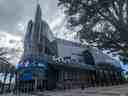
If you’re looking for the Kia Center, just glance towards the gleaming glass tower topped by a tall, metallic fin-its futuristic walls and flashing LED screens make it hard to…もっと読む折りたたむ
If you’re looking for the Kia Center, just glance towards the gleaming glass tower topped by a tall, metallic fin-its futuristic walls and flashing LED screens make it hard to miss on Church Street. Now, here you are, standing at the feet of one of Orlando’s most electrifying giants-not a robot, but the Kia Center, home of the thundering Orlando Magic, the high-flying Solar Bears, and the ever-rowdy Predators. Before these dazzling LED boards lit up the Orlando sky, and long before crowds ever cheered inside, there was an ongoing struggle: the city’s old arena, with creaky bones from 1989, just couldn’t keep up with the fast-paced drumbeat of modern entertainment. The Magic’s billionaire owner, Richard DeVos, pushed the city for years until, after many late-night huddles, handshakes, and local government scrimmages, a “Triple Crown for Downtown” was born. This very spot became part of a billion-dollar vision to refresh and reenergize downtown Orlando. Let’s sprinkle a bit of imagination-picture 2010: a ribbon fluttering in the morning breeze, Mayor Buddy Dyer in a suit that’s probably just a little too warm for Florida, and the crowd buzzing with excitement. The first event, a Vicente Fernández concert, rolled in like a mariachi parade, but it’s the Orlando Magic’s opening that echoes loudest, crushing the New Orleans Hornets by a jaw-dropping 54 points. That wasn’t just a basketball win-that was Orlando flexing its muscles and blowing the lid off its brand-new arena. Fun fact: When you look up and see the enormous video towers and the sea of glass, you’re also seeing one of the world’s most advanced sporting venues. Inside, there’s a centerhung installation so tall it could give your neck a workout, and more digital screens than you’ll find at an electronics store-2,100 feet of digital ribbons wrapping the bowl! On the outside, 5,000 LED sticks make sure passing motorists on I-4 always know when something big is happening-a beacon for the city, and maybe just a little envy for other towns. But this place isn’t just about sports-it’s a stage for the world. The Kia Center’s hosted glitzy NBA All-Star Games, gravity-defying wrestling spectacles like the Royal Rumble, and WWE’s “ThunderDome”-yep, during the pandemic, while the world was quiet around it, the arena glowed from within, broadcasting behind closed doors to millions around the globe. For a while, this was the place where the roar was virtual, but the drama felt just as real. Music? Oh, you bet. Legends like Elton John, Lady Gaga, The Eagles, and Taylor Swift have all rattled these walls-sometimes on the same stage where, just days before, a graduating student from down the street or a wrestling superstar had taken a bow. Some Florida favorites tore up the stage too: Shinedown, the Backstreet Boys, Pitbull, Jimmy Buffett-even the late Tom Petty has sent his songs soaring between these glittering walls. And let’s not forget the nuts and bolts: This $480 million arena was a tightrope act of financing, with the city owning the building, the Magic controlling the planning, and everybody from tourists to taxpayers pitching in. The grand bargain: the team got a futuristic home, but the city got its name in lights-and a share of the glitz from every non-basketball ticket sold. The architecture itself? A bit of a shape-shifter. Designers made sure the center wouldn’t get lost next to the nearby freeway, so they built that shining feature tower-bathed at night in a rainbow of LED light-as a lighthouse for entertainment. Step close, and you might catch your own reflection in its glass. There’s even art everywhere: over 340 works, many from Central Florida artists, turning the walls themselves into a gallery that rivals any museum visit. So as you stand out front, where palm trees frame the glinting facade and music often drifts from that plaza, know that you’re not just by an arena-you’re standing where a city’s dreams, slam dunks, and high notes come to party. Just remember to duck if you see a basketball flying your way; you never know when the Magic might be practicing! Let’s get ready for the next stop-there’s plenty more Orlando magic ahead.
専用ページを開く →Look for a sleek and official-looking modern building straight ahead, and spot the Orlando Police Department by its distinct police badge and the bold word “POLICE” displayed…もっと読む折りたたむ
Look for a sleek and official-looking modern building straight ahead, and spot the Orlando Police Department by its distinct police badge and the bold word “POLICE” displayed outside-just follow the badges to find the law! Now, as you stand on this very spot outside the Orlando Police Department, you’re not just gazing at a building-you’re peering into the pulse of a city that’s kept on its toes by over 1,000 officers in blue and more than 150 dedicated civilians. Imagine the mixture of energy and nerves here, with radios crackling and an ever-present whiff of coffee drifting from inside. These men and women keep Orlando running smoothly, or at least, mostly smoothly-because there’s never a dull day at the OPD. Take a trip back in time to the swinging 1960s. While others were twisting to the Beatles, the OPD was arming Orlando’s women with firearms training, a bold plan to fight rising crime and empower women. Flash forward a few decades, and the badge here changes hands-Jerry Demings blazes a trail as the first African-American chief in 1998. His wife, Val Demings, later smashes another ceiling as the first female chief in 2007. Talk about a power couple! One ran the police, the other became sheriff. You can almost sense the echoes of strategizing and the occasional dinner-table debate on law and order! Yet, it hasn’t all been badges and medals. The OPD’s history is full of drama: there was the time in 2007 when a man walked in, not with a box of donuts, but what looked like a rocket launcher! The world went wild-turns out, it was just an empty carrying case for a missile launcher. Never say police work is boring. But there’ve also been moments that made the city hold its breath. In 2016, after the tragic Pulse nightclub shooting, OPD officers were among those racing to save lives and bring calm to chaos. Alongside heart-thumping chases and daring rescues, the department’s seen its share of stormy headlines and tough questions about force and fairness. Like any big city police force, they’ve had controversies-stories of rough arrests, viral videos, and bold reforms. You may remember the case of Daniel Daley, a World War II veteran thrown to the ground, which sent shockwaves across the country and resulted in a hefty jury payout. Here at OPD, the responsibilities don’t stop at traffic tickets. Meet the cavalry-literally, Mounted Patrol; the Bike Unit pedaling past you; sleek canine teams ready at a bark; Marine Patrol keeping lakes in check and SWAT teams prepped for high-stakes scenes. They even have airport officers keeping the skies friendly-and the airport lines moving! Through it all, the OPD tries to adapt and modernize. New recruits train with Valencia College, hoping to make a difference-maybe without needing a rocket launcher in the evidence room this time. As you catch your breath here, imagine the steady heartbeat of Orlando passing through these doors every hour-sometimes tense, sometimes triumphant, always unforgettable. Well, at least now you know who to call if your duck gets stolen or a rocket launcher shows up in your garden shed!
専用ページを開く →

さらに10件のスポットを表示表示するスポットを減らすexpand_moreexpand_less
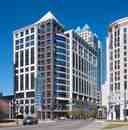
To spot Lincoln Plaza at SunTrust Center, look ahead for a tall, modern building with striking white window frames and lots of shimmering glass panels, standing boldly at the…もっと読む折りたたむ
To spot Lincoln Plaza at SunTrust Center, look ahead for a tall, modern building with striking white window frames and lots of shimmering glass panels, standing boldly at the corner with a unique glass sculpture outside its main entrance. Imagine yourself in downtown Orlando in the late 1990s. The air buzzes with excitement as construction begins for this gleaming giant. By 2000, after nearly a year of hammering, welding, and the relentless Florida sun beating down, the Lincoln Plaza at SunTrust Center finally reaches for the clouds, costing a cool $43 million. It’s a place where big deals are made and dreams can literally climb 16 stories high! Now, not every story in the city is a happy one. During construction, tragedy struck: a construction worker lost his life in a freak accident when a heavy piece of lumber plummeted from the eighth floor. It’s a somber reminder that for every tower that scrapes the sky, someone risked everything on the ground. Still, the city lights never dimmed on Lincoln Plaza’s future. Just after opening, people rushed to snap up office space-though, true to Florida’s laid-back reputation, only about 45% moved in at first. At $26.50 per square foot, you might say the view came with a little sticker shock! The real twist? In 2010, this place became the first existing building in Orlando to earn LEED certification for its green and energy-smart features. So, whether you’re gazing at the sleek exterior or imagining the bustling boardrooms inside, just remember: every inch of Lincoln Plaza tells a story of ambition, risk, a touch of mishap, and a leap into a cleaner, greener future-Orlando style!
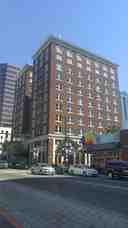
専用ページを開く →Look for a tall, classic red-brick building with white trim and rows of evenly spaced windows towering above the street-if you see a stately structure standing proudly on the…もっと読む折りたたむ
Look for a tall, classic red-brick building with white trim and rows of evenly spaced windows towering above the street-if you see a stately structure standing proudly on the corner and you’re near Wall Street, that’s the Angebilt Building! Now, let’s step back in time together to the early 1920s, when Orlando’s downtown was alive with the buzz of new beginnings and a dash of rivalry fit for a soap opera. Imagine the air thick with the scent of fresh-cut timber and the clang of steel, as architect Murray S. King’s grand vision took shape for a hotel so luxurious it would dazzle the city. Joseph Fenner Ange, the man behind it all, had big dreams and deep pockets-he declared he’d build a million-dollar hotel right here. In fact, the prestigious Rosalind Club, formerly on this spot, packed its bags for Lake Eola to make way for Ange’s bold ambition. The construction site was a hive of activity, but the drama didn’t stop there. Across the street, the owners of the San Juan Hotel, feeling the heat, scrambled to slap on an 8-story addition just to keep their reputation as top dog in Orlando. But Ange wasn’t phased-he opened the doors to the Angebilt Hotel in March 1923 with 250 sparkling rooms spread over 11 stories. The ribbon-cutting must have smelled of fresh paint and coffee, and maybe just a sprinkle of competitive spirit wafting over from across the street. The excitement reached new heights-literally-when Harry Gardiner, a daredevil called “The Human Fly,” scaled the building to raise money for charity. Crowds cheered, necks craned, and Ange smiled-at least for a moment, until bankruptcy knocked just two months later. The hotel closed, then re-opened after a public auction, the first of many twists in its tale. Life at the Angebilt was more than high-society dinners and jazz; it survived the Great Depression when others stumbled, and hosted banquets where folks belted out “Yes, Sir, That’s My Baby” long into the night. By the 1960s, the glamour faded, and shadows crept in-transients, broken fire alarms, even a rooftop ballroom turned storage closet. The fire of 1983 brought even more drama. Flames licked the top two floors, smoke billowed, firefighters battled stubborn embers for hours-it was like a scene straight out of a suspense film. Eventually, the building rose from the ashes, transformed into offices, with lively shops and restaurants lining the ground floor. Today, the Angebilt stands as a living patchwork of resilience, reinvention, and a little old Orlando mischief-so next time you pass by, just think: behind those red bricks are nearly a hundred years of scandal, spectacle, and the unbreakable spirit of a city that loves a good comeback story!
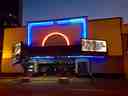
専用ページを開く →Directly ahead, you’ll spot a boxy building with a simple beige facade, but don’t miss the neon blue and orange glow outlining a broad half-circle above the entrance-plus two…もっと読む折りたたむ
Directly ahead, you’ll spot a boxy building with a simple beige facade, but don’t miss the neon blue and orange glow outlining a broad half-circle above the entrance-plus two classic marquee signs announcing upcoming shows. Alright, step right up! You’re standing in front of the legendary Beacham Theatre, 46 North Orange Avenue-though the outside might seem a bit plain, what happened inside these walls could fill a blockbuster trilogy. Built in 1921 by Braxton Beacham Sr., who was not only a theatre enthusiast but also Orlando’s mayor, this spot traded in a county jail and even some local ghost stories for a slice of arts and entertainment history. The Beacham’s foundations stretch over old jail grounds, with tunnels once running to nearby hotels-maybe for sneaky vaudeville stars or maybe for sneaking in a little 'prohibition refreshment.' If you ever feel a chill here, it might just be the local folklore saying hello. Now, imagine the city almost a century ago: the hottest ticket in town was right here, with everyone dressed in their best, lined up for vaudeville acts and silent movies accompanied by the theater’s own glitzy pipe organ-played by both Mr. Herman Stuart and Mrs. Roberta Beacham herself. The auditorium, with its feathered columns and elegant high ceiling, drew crowds who oohed and aahed over ornate plasterwork and the unique ‘Midas Gold’ film screen. The Beacham was ahead of its time with a flashy electric marquee and a ticket machine that must have seemed like magic back then! The bright lights and laughter weren’t all for show-famous acts from the Ziegfeld Follies to the legendary W.C. Fields graced its stage. Hey, rumor has it Fields even left his signature in a dressing room upstairs. Over the years, through the 1920s and 1930s, the Beacham was a social hub. Imagine summer promos with slogans like “Beat the heat in a Beacham seat!” and folks lining up for prizes or a shot at winning a shiny new roadster. The times-and the sounds-changed. The theater was the neighborhood’s first to move from silent films into “talkies,” and folks marveled as newsreels and Hollywood dreams flickered onto the big screen. The Great Depression didn’t keep Orlando down for long; even after a legal tussle closed its doors briefly, the Beacham bounced back, staying independent, resilient, and beloved. Through the mid-1900s, the Beacham kept evolving: witness to local film productions, radio broadcasts, and protestors during the Civil Rights era bravely demanding equality when only balcony seats were open for Black patrons. In fact, the struggle, the picket lines, and the eventual quiet integration in 1963 turned this unassuming building into a stage for social change. By the 1970s, downtown Orlando’s sparkle had faded. The city’s rush to the suburbs hit local businesses hard, and the Beacham began showing B-movies before finally closing as a full-time cinema in 1975. But here’s where the real party starts: owners with big dreams brought dazzling murals, neon lights, and transformed the stage into The Great Southern Music Hall and then a wild ride of laser light shows, cabaret, and even dinner theater. But maybe most legendary were the all-night dance parties of the late ‘80s and early ‘90s-if you listen closely, you might still catch a ghostly echo of the electronic beats from the famous Aahz nightclub, where DJs spun everything from acid house to trance until sunrise and beyond. This was the heart of Orlando’s Summer of Love: pulsating music, newfound freedom, and a scene that helped shape the rise of electronic dance music in the US. Some say the vibe was so electric, the walls themselves still buzz with memories. The Beacham survived close calls with demolition thanks to its cultural legacy-think of it as Orlando’s own comeback kid. Every crack in the wall, every neon flicker, tells a story: from gala movie premieres to underground raves, from haunted tunnels to red velvet curtains, here stands a piece of living, breathing, ever-dancing city history. So next time you hear a beat thumping late at night, ask yourself-is it from a concert…or maybe, just maybe, one of those famous Beacham ghosts refusing to miss the party?
専用ページを開く →Look straight ahead for a large, light stone church with a tall, pointed steeple, gothic-style windows, and a big cross on its roof right on the corner by the street…もっと読む折りたたむ
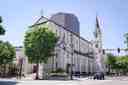
Look straight ahead for a large, light stone church with a tall, pointed steeple, gothic-style windows, and a big cross on its roof right on the corner by the street intersection. Now, let’s step back in time together and imagine a Florida where Orlando was not full of bright lights and roller coasters, but wild orange groves, dirt roads, and a handful of hopeful settlers with a dream. Right where you’re standing, a group of families-the Eppes, Shine, Summerlin, Westcott, and Greetham clans-gathered under the warm southern sun in the late 1800s, led by Francis Eppes, a grandson of Thomas Jefferson who’d moved here from Virginia, looking for new beginnings. No big buildings or modern traffic back then-just wide skies and the promise of community. This faithful group soon grew into St. Luke's Mission in 1881, finally becoming a full parish by 1884. They didn’t meet in a grand stone cathedral, but probably in simple rooms, maybe even Francis’s living room-imagine the humble clatter of teacups and the voices of neighbors rising together in prayer. Fast forward to the early 1900s, and the Episcopal Church was growing with Florida. St. Luke’s was chosen to be the cathedral-the mother church-for all of South Florida in 1902, when Bishop William Crane Gray moved right here to Orlando. Over the years, dreams got bigger: in 1922, they literally moved the old church out of the way to make space for this grand new cathedral you see before you, designed by the same architects as the Washington National Cathedral in D.C. That’s some serious architectural pedigree-makes you look twice at those elegant gothic windows and that stretching, hopeful spire, doesn’t it? But here’s where the story gets dramatic: In the Roaring Twenties, just as they were building this masterpiece, Florida’s economy crashed, and suddenly the funds dried up. The cathedral had a temporary wall for decades-a “Cathedral… with a surprise ending,” you might say! Only in 1987 was it finally finished, complete with its beautiful apse, ambulatory, lofty bell tower, and the St. Mary Chapel. Inside, you’d hear the powerful sound of the mighty pipe organ, the last and grandest ever made by the Tellers Organ Company-its 88 ranks can fill the space with music so grand, it once shook the rafters during the very first dedicatory recital. Oh, and if you’ve ever heard heavenly voices echoing downtown, it might have been the Orlando Deanery Boychoir and Girls Choir. They train here, sometimes traveling the world as musical ambassadors, even singing at the White House! So as you stand outside, listen for hidden songs-because this cathedral is layered with hope, history, and a never-ending chorus that began with just a handful of neighbors sharing dreams in a frontier town.
専用ページを開く →To spot the Diocese of Orlando, look for a cream-colored building with a beautiful circular stained-glass window above heavy wooden doors, surrounded by tall palm trees and set…もっと読む折りたたむ
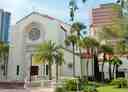
To spot the Diocese of Orlando, look for a cream-colored building with a beautiful circular stained-glass window above heavy wooden doors, surrounded by tall palm trees and set against the city’s modern towers. As you stand here, take a deep breath and picture the sun warming these stone steps, the gentle “thwack” of palm fronds, and perhaps the faint echoes of laughter and conversation from decades past. The Diocese of Orlando is more than just a headquarters; it’s the beating heart of Catholic life across Central Florida, stretching over 9,600 square miles-yes, big enough to include everything from bustling Disney World to rocket launches at Kennedy Space Center. At the center of this vast web is St. James Cathedral, this striking building before you. But did you know that the roots of Catholicism in Florida run deeper than any Space Mountain drop? Back in the early 1700s, Spanish Franciscans were trekking through swamps and forests, building nearly 40 missions. Imagine that: the air thick with humidity, the songs of unfamiliar birds, and British raiders lurking on the horizon. It wasn’t an easy job, and history took wild turns-after Spain lost Florida to Britain, nearly all the Catholics packed up and sailed to Cuba to escape anti-Catholic laws. Florida changed flags as often as a tourist changes shirts. The Vatican kept shifting Catholic jurisdiction: from Havana’s bishop, to New Orleans, to Mobile, Alabama, and finally, to St. Augustine. Parishes slowly took hold as small wooden churches popped up-like St. Paul’s in Daytona Beach, dedicated in 1898, and St. Joseph in Brevard County in 1914. Picture the early worshippers battling mosquitoes and thunderstorms to hear Mass! Orlando wouldn’t get its own diocese until 1968, carved from old boundaries like a giant ecclesiastical pizza slice. The first bishop, William Borders, was a bit of a joker-after Apollo 11 blasted off from the Kennedy Space Center, he wrote to the Pope and said, “Does that make me bishop of the moon, too?” Just imagine the paperwork for a lunar parish! The diocese has grown with Orlando itself. When Disney World arrived and tourists poured in like monsoon rains, Bishop Grady founded a parish especially for visitors and built the shimmering Shrine of Mary near the resorts. Fires, like the one that destroyed St. Charles Borromeo Church in 1976, gave way to new growth, with St. James becoming the cathedral. Ministers reached out to vacationers, migrant workers, the sick, and the poor-sometimes you imagine the air filled with prayers in Spanish, English, and a dozen other tongues. Throughout the years, the Diocese kept evolving: more schools, more parishes, more outreach. Many leaders left their mark, from launching radio stations for new immigrants to constructing homes for people with disabilities. Of course, the journey wasn’t always stained glass and sunshine. The diocese faced real storms-like the tragic revelations of clergy abuse that brought pain to many communities, and forever changed church policies. But against those storms, there have been celebrations and resilience. The Diocese’s education system is legendary-by 2025, it boasts dozens of Blue Ribbon schools, five high schools, campus ministry at big universities, even a health care network and charitable work extending as far as the Dominican Republic. Its influence stretches from Daytona’s sandy beaches to the retirees in The Villages, from the Space Coast down to the orange groves. And driving it all is a sense of welcome-an open door, just like the one before you, inviting locals and travelers, dreamers and doubters, to be a part of the story. Today, Bishop John Noonan keeps the flame alive (without setting off any more cathedrals, we hope!). The Diocese holds memorials for tragedies like the Pulse nightclub shooting, reminding us that faith is there for people in their hardest and brightest hours. So as you stand here, surrounded by the rustle of palm leaves and the distant hum of the city, remember this isn’t just a chapter of local history. This site is a living crossroads of change, hope, and humanity. And who knows-if you can spot the moon through the branches, maybe you really are standing at the edge of a diocese big enough for dreams both earthly and heavenly. If you're curious about the statistics, bishops or the present administration, the chat section below is the perfect place to seek clarification.
専用ページを開く →
よくある質問
ツアーはどうやって始めますか?
購入後、AudaToursアプリをダウンロードして引き換えコードを入力してください。ツアーはすぐに開始できます。再生ボタンをタップして、GPSガイド付きルートに従うだけです。
ツアー中にインターネットは必要ですか?
いいえ!開始前にツアーをダウンロードしておけば、完全にオフラインで楽しめます。チャット機能のみインターネットが必要です。モバイルデータを節約するため、WiFi環境でのダウンロードをお勧めします。
これは団体ツアーですか?
いいえ、これはセルフガイド式のオーディオツアーです。ガイドや団体、決まったスケジュールに縛られることなく、スマホから流れるナレーションを聴きながら自分のペースで自由に探索できます。
ツアーの所要時間は?
ほとんどのツアーは60〜90分で完了しますが、ペースは完全に自由です。好きな時に一時停止したり、スポットを飛ばしたり、休憩を取ったりできます。
今日中にツアーを終えられない場合は?
問題ありません!ツアーには無期限でアクセスできます。明日、来週、あるいは来年でも、好きな時に再開できます。進行状況は保存されます。
どの言語が利用可能ですか?
すべてのツアーが50以上の言語に対応しています。コードを引き換える際にお好みの言語を選択してください。注意:ツアー生成後に言語を変更することはできません。
購入後、どこからツアーにアクセスできますか?
App StoreまたはGoogle Playから無料のAudaToursアプリをダウンロードしてください。メールで届いた引き換えコードを入力すると、ライブラリにツアーが表示され、ダウンロードして開始できるようになります。
もしツアーを楽しめなかった場合は、返金いたします。お問い合わせ先: [email protected]
以下の決済で安全にチェックアウト 


