
ニューヨークシティオーディオツアー:金融街のタワー、追悼、そして勝利
鋼鉄の巨人が長い影を落とし、富が築かれ、歴史の悲しみが輝くガラスの下で響き渡る場所。ここニューヨークの金融街では、一歩ごとに秘密があり、角ごとに表面を打ち破るのを待つ物語が隠されています。 このセルフガイドオーディオツアーは、観光ルートからあなたを外し、リバティタワーに織り込まれた伝説、9月11日国立追悼博物館での感動的な追悼、そして野心と混沌が交錯した見過ごされがちな路地を明らかにします。新たな視点が明らかになるにつれて、街の骨格とその傷跡を体験してください。 歴史が永遠に変わる直前、まさにここで誰が謎めいた警告を送ったのか?あのツインタワーの足跡の下には、どんな失われた遺物がまだ潜んでいるのか?そして、ウォール街はなぜたった一つの予期せぬ一撃で崩壊寸前になったのか? 回復力と再発明の道をたどり、ガラスと悲しみの峡谷を通り抜け、街の生の鼓動を発見してください。 マンハッタンの隠された物語を掘り起こす準備はできていますか?今すぐ始めましょう。
ツアーのプレビュー
このツアーについて
- schedule所要時間 30–50 mins自分のペースで進める
- straightenウォーキングルート 0.5kmガイド付きパスに沿って進む
- location_on
- wifi_offオフライン対応一度のダウンロードでどこでも使える
- all_inclusive無期限アクセスいつでも、ずっと再生可能
- location_onリバティタワー(マンハッタン)から開始
このツアーのスポット
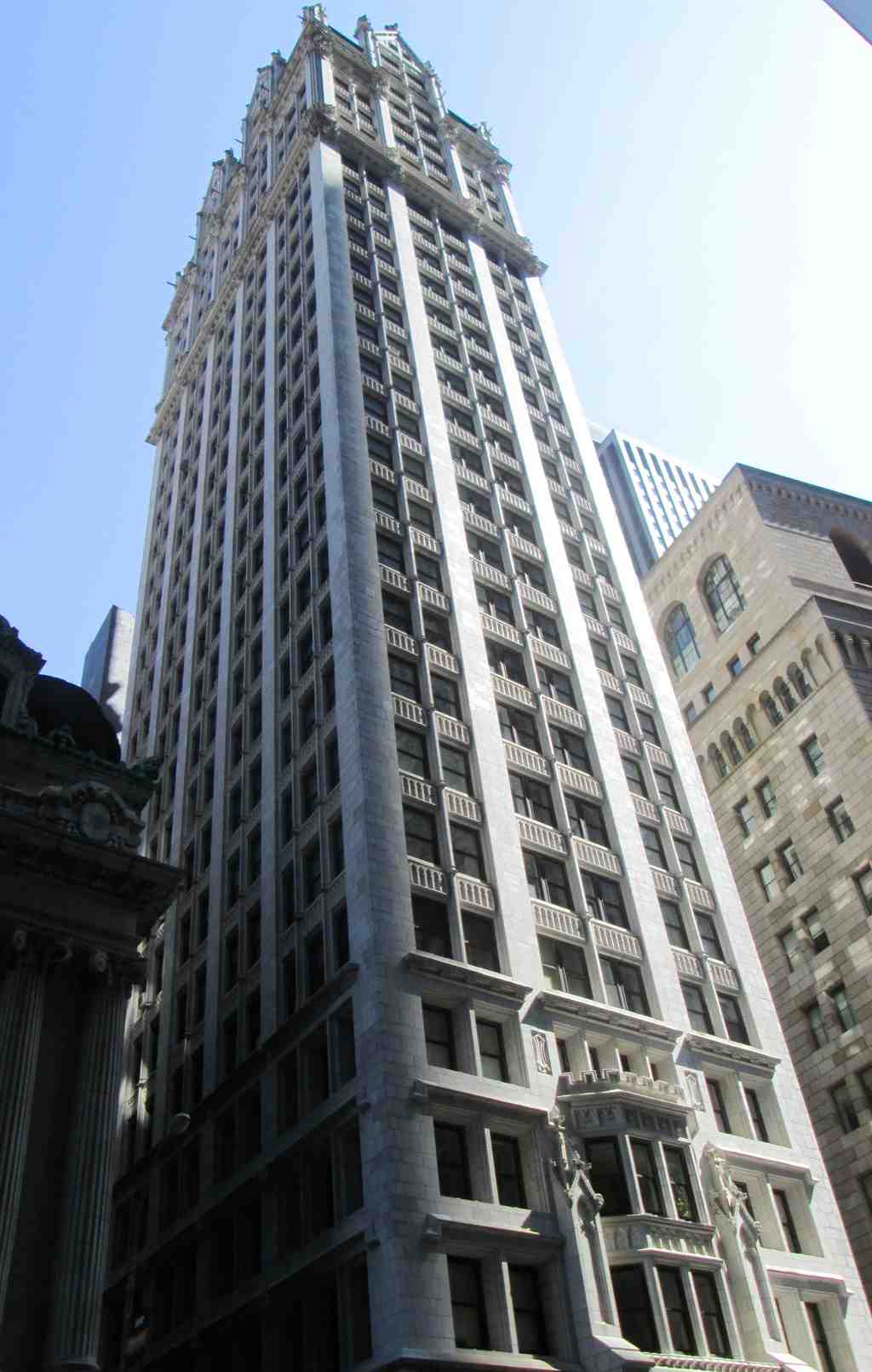
Look to your left as you walk along Liberty Street, and you’ll spot a tall, narrow building clad in gleaming white stone and crowned with turret-like details and pointed arches…もっと読む折りたたむ
Look to your left as you walk along Liberty Street, and you’ll spot a tall, narrow building clad in gleaming white stone and crowned with turret-like details and pointed arches standing sharply at the corner-a striking Gothic tower soaring between its neighbors. Here you are, right beneath Liberty Tower, a soaring exclamation point pressed into the twisting canyon of lower Manhattan. Imagine it’s the spring of 1910: New York is in the midst of its skyscraper race, shoving steel, ambition, and raw optimism further into the sky every year. Where you now stand, workmen are clearing away the remnants of the old Bryant Building-once home to the editor William Cullen Bryant and his newspaper, The New York Evening Post. Trucks clatter past on uneven cobbles, and from time to time, you catch the sharp clang of steel on stone as deep, risky caissons are lowered-94 feet down to bedrock-to support what will soon be the narrowest, tallest tower in the city. There’s a sense of giddy improbability about the place, because no one expects this tiny footprint to give rise to something so slender and extravagant. Henry Ives Cobb, an architect with a taste for drama and inspired by Gothic cathedrals and the new steel skeletons of Chicago, has made sure this building is no wallflower among its blocky neighbors. Run your eyes up the facade set with dazzling white terracotta-every nook bristling with fanciful creatures, birds, alligators, even a few watchful gargoyles glaring down the street as if daring any rival to question their perch. Even after a century, these details haven’t dulled; they catch the sunlight and seem to shimmer, more fairytale than finance. Liberty Tower’s base is grand but solid, holding tight to the earth, but as your gaze creeps higher, it grows lighter, sprouting rails and fluted details, climbing for 33 stories to a delicate copper roof. When the doors first swung open in 1910, not every office was finished-some floors were little more than echoing, raw spaces. Yet, soon enough the rooms filled with life and purpose. If you had stepped inside back then, you might have glimpsed a young Franklin Delano Roosevelt, future president, poring over legal briefs in his office on the second floor, completely unaware of the presidency awaiting him. One floor above him, perhaps, rival businessmen plotted strategies, while deep down, the foundations-a marvel themselves-kept the whole structure tethered to Manhattan bedrock, even as the city seethed with ambition above. You’d be forgiven for picturing more intrigue-because there was plenty. In the tense days leading up to America's entry into World War I, German spies worked from offices inside Liberty Tower, spinning plots and intercepted telegrams that reached all the way to the highest levels of government. One notorious episode involved the Zimmermann Telegram, which, when exposed, helped tip the country into war. Imagine the whispered conversations, the shuffles of paper-history tumbling out from behind nearly every office door. For a time, Sinclair Oil took over, and deals brokered here would ripple all the way to Washington, feeding the Great Teapot Dome scandal that would tear through the 1920s. Later, as newer corporate palaces rose uptown, even the mighty Sinclair Oil moved on, and Liberty Tower changed hands again and again-its rent rolls swelling and shrinking with the fortunes of Wall Street. By the 1970s, the future of the building seemed as narrow as its shape-nearly two-thirds empty, unwanted. But then, in a daring move scarcely anyone believed would work, architect Joseph Pell Lombardi bought the building and began turning it into residential apartments, a bold first in this part of Manhattan. The city below was quiet, but in Liberty Tower, new life took root-each apartment unique, each window framing the changing city below. The story doesn’t stop there. The building has survived both scandal and disaster. When the World Trade Center fell in 2001, Liberty Tower took a heavy blow-its delicate terracotta cracked, its inner steel rusted by water from shattered mains. But, as always, it was stubborn. Residents and experts came together and poured millions of dollars into repair, restoring not just a building but a piece of New York’s shrugging resilience. And above it all, those whimsical gargoyles, alligators, and birds still perch, their gazes fixed on the city’s next chapter. So as you gaze up now, let yourself imagine the swirl of lives, secrets, and fortunes that this elegant, improbable pencil of a tower has seen-rising above the Financial District, narrow, bright, and indelibly unique. Intrigued by the site, architecture or the critical reception? Make your way to the chat section and I'll be happy to provide further details.
専用ページを開く →
よくある質問
ツアーはどうやって始めますか?
購入後、AudaToursアプリをダウンロードして引き換えコードを入力してください。ツアーはすぐに開始できます。再生ボタンをタップして、GPSガイド付きルートに従うだけです。
ツアー中にインターネットは必要ですか?
いいえ!開始前にツアーをダウンロードしておけば、完全にオフラインで楽しめます。チャット機能のみインターネットが必要です。モバイルデータを節約するため、WiFi環境でのダウンロードをお勧めします。
これは団体ツアーですか?
いいえ、これはセルフガイド式のオーディオツアーです。ガイドや団体、決まったスケジュールに縛られることなく、スマホから流れるナレーションを聴きながら自分のペースで自由に探索できます。
ツアーの所要時間は?
ほとんどのツアーは60〜90分で完了しますが、ペースは完全に自由です。好きな時に一時停止したり、スポットを飛ばしたり、休憩を取ったりできます。
今日中にツアーを終えられない場合は?
問題ありません!ツアーには無期限でアクセスできます。明日、来週、あるいは来年でも、好きな時に再開できます。進行状況は保存されます。
どの言語が利用可能ですか?
すべてのツアーが50以上の言語に対応しています。コードを引き換える際にお好みの言語を選択してください。注意:ツアー生成後に言語を変更することはできません。
購入後、どこからツアーにアクセスできますか?
App StoreまたはGoogle Playから無料のAudaToursアプリをダウンロードしてください。メールで届いた引き換えコードを入力すると、ライブラリにツアーが表示され、ダウンロードして開始できるようになります。
もしツアーを楽しめなかった場合は、返金いたします。お問い合わせ先: [email protected]
以下の決済で安全にチェックアウト 


