
ニューヨーク市オーディオツアー:金融街の英雄たち、希望、そして高層ビル
財産が築かれ、かつては塔が崩れ落ち、歴史が常にその姿を変え続けるこれらの鋼鉄の峡谷を、何千もの物語が駆け抜けます。ニューヨークの金融街には、株価表示板や急ぎ足の足音以上のものが隠されています。ここでは、どのブロックも発見する価値のある秘密を守っています。 このセルフガイドオーディオツアーでは、語られざる物語の力を解き放ち、ほとんどの訪問者が見過ごす裏通りへと足を踏み入れましょう。マンハッタンの真の鼓動を、層ごとに見つけ出してください。 ある辛い朝、ウォール街を完全な混乱に陥れたものは何だったのでしょうか?リバティタワーに刻まれたどのシンボルが、未解決の謎への手がかりを握っているのでしょうか?なぜ毎月、9/11メモリアルの隣の同じ場所に花が不思議と現れるのでしょうか? 建築に偽装された政治的戦いを辿り、反乱の影を追い、水辺で世紀が衝突する様を目撃してください。一歩ごとに、この地域のドラマ、隠された悲劇、そして希望を体験してください。 ニューヨークが決して完全に明かさない秘密の中を歩く準備はできていますか?あなたの物語は今、始まります。
ツアーのプレビュー
このツアーについて
- schedule所要時間 30–50 mins自分のペースで進める
- straightenウォーキングルート 0.5kmガイド付きパスに沿って進む
- location_on
- wifi_offオフライン対応一度のダウンロードでどこでも使える
- all_inclusive無期限アクセスいつでも、ずっと再生可能
- location_onリバティタワー(マンハッタン)から開始
このツアーのスポット
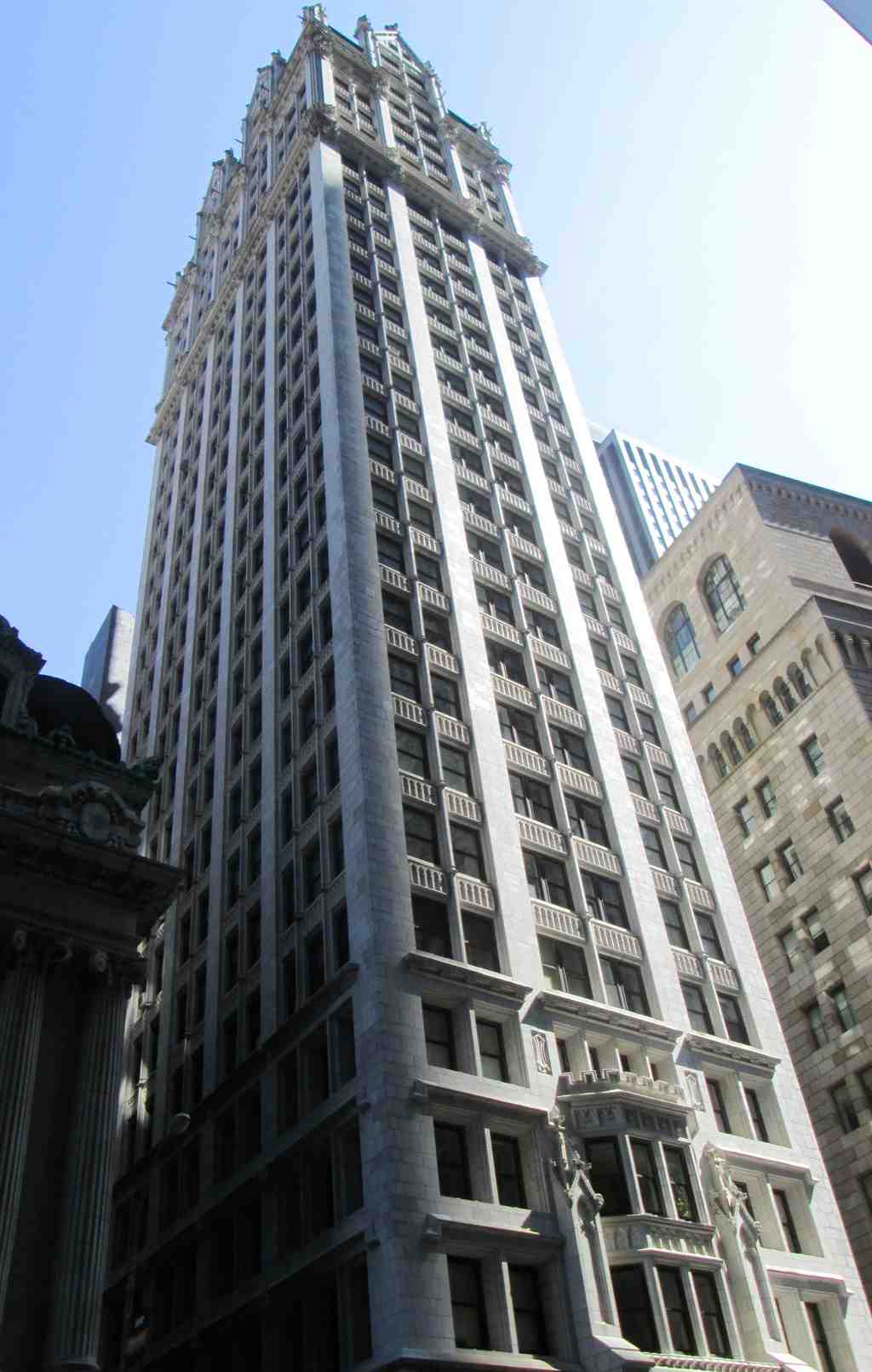
Rising above the narrow streets at 55 Liberty Street, the Liberty Tower is easy to spot by its striking white terracotta facade, completely adorned with whimsical creatures and…もっと読む折りたたむ
Rising above the narrow streets at 55 Liberty Street, the Liberty Tower is easy to spot by its striking white terracotta facade, completely adorned with whimsical creatures and capped by a soaring, castle-like top-just look up for a narrow, 33-story skyscraper that gleams differently from the neighboring stone buildings. Standing here, you’re right at the foot of a legend-a tower that, when it first opened its doors in 1910, was declared the world’s tallest building with such a slender footprint, like a sword thrusting into the Manhattan sky. Imagine the early 1900s, noisy with construction all around and the city’s skyline changing before your eyes. This tower, designed by Henry Ives Cobb, was both a feat of engineering and artistry. Not only did it rise with a steel skeleton-the latest modern marvel-but Cobb decided to dress it entirely in white terracotta, giving the building a dazzling, almost fairy-tale appearance, covered in birds, alligators, gargoyles, and fantastical ornament. Even now, if you glance along the upper walls, you can sometimes catch a glint of sunlight off a dragon or an eagle perched in the masonry. Back when the building was brand new, one of its very first tenants was a young Franklin Delano Roosevelt, whose law office sat on the second floor-before he ever dreamed of the presidency. But behind those storied doors, intrigue simmered. In 1917, as World War I brewed, this building hosted German spies using a rented office as a cover while they plotted to draw the United States into a war with Mexico and Japan. The scheme unraveled with the dramatic revelation of the Zimmermann Telegram, changing the course of world history right from these very corridors. Within a decade, the entire skyscraper was snapped up by the Sinclair Oil Company. Imagine the flurry of business in the smoky boardrooms, where deals for oil rights made here would echo all the way to Washington D.C. and erupt into the infamous Teapot Dome Scandal-a tale of bribery and political intrigue that rocked the 1920s. And when the financial power shifted Midtown and companies like Sinclair moved north, the Liberty Tower changed hands again and again, sometimes bustling with over a hundred busy tenants. But by the late 1970s, as Wall Street’s fortunes flickered, the glory days of the Liberty Tower seemed to flicker with them. At one point, the building stood two-thirds empty, abandoned, and hardly anyone believed it could revive. Enter architect Joseph Pell Lombardi, who saw possibility where others saw decay. He bought the tower for under a million dollars, launching one of the city’s first office-to-residential transformations. Picture the dusty, echoing offices ripped out and reborn as New York’s tallest co-ops south of Canal Street-the start of a whole new way to live downtown. Take a step back and look up-the base, shaft, and castle-like crown rise in perfect columns, each section with its own details. Try to pick out the vertical piers, or the rows of small windows as the stories climb higher. At the very top, green copper roofs recall the turrets of a storybook castle. Below your feet, the tower is anchored with foundations drilled nearly a hundred feet to bedrock, overcoming quicksand and hardpan. Special caissons had to be sunk just to hold this tall, slender marvel aloft in a city eager for height. Through every transformation, Liberty Tower has clung fiercely to its identity. Its restoration in the 1990s and again after September 11th-a day the tower sustained heavy damage just steps from Ground Zero-became a monumental challenge of its own, as residents worked together to save the storybook creatures clinging to the walls. Now, not only does it look as fantastical as it did over a century ago, it’s officially recognized as a New York City Landmark and part of the Wall Street Historic District. Here you are, at the crossroads of money, mystery, scandal, and resilience-where a slender, white terracotta tower once crowned the skyline, and still stands guard over Liberty Street, whispering stories through every gargoyle and bird set in stone. Yearning to grasp further insights on the site, architecture or the critical reception? Dive into the chat section below and ask away.
専用ページを開く →
よくある質問
ツアーはどうやって始めますか?
購入後、AudaToursアプリをダウンロードして引き換えコードを入力してください。ツアーはすぐに開始できます。再生ボタンをタップして、GPSガイド付きルートに従うだけです。
ツアー中にインターネットは必要ですか?
いいえ!開始前にツアーをダウンロードしておけば、完全にオフラインで楽しめます。チャット機能のみインターネットが必要です。モバイルデータを節約するため、WiFi環境でのダウンロードをお勧めします。
これは団体ツアーですか?
いいえ、これはセルフガイド式のオーディオツアーです。ガイドや団体、決まったスケジュールに縛られることなく、スマホから流れるナレーションを聴きながら自分のペースで自由に探索できます。
ツアーの所要時間は?
ほとんどのツアーは60〜90分で完了しますが、ペースは完全に自由です。好きな時に一時停止したり、スポットを飛ばしたり、休憩を取ったりできます。
今日中にツアーを終えられない場合は?
問題ありません!ツアーには無期限でアクセスできます。明日、来週、あるいは来年でも、好きな時に再開できます。進行状況は保存されます。
どの言語が利用可能ですか?
すべてのツアーが50以上の言語に対応しています。コードを引き換える際にお好みの言語を選択してください。注意:ツアー生成後に言語を変更することはできません。
購入後、どこからツアーにアクセスできますか?
App StoreまたはGoogle Playから無料のAudaToursアプリをダウンロードしてください。メールで届いた引き換えコードを入力すると、ライブラリにツアーが表示され、ダウンロードして開始できるようになります。
もしツアーを楽しめなかった場合は、返金いたします。お問い合わせ先: [email protected]
以下の決済で安全にチェックアウト 


