AudaTours logoAudaTours

ウェイマス・オーディオツアー:桟橋から庭園へのオデッセイ

オーディオガイド14 か所

かつて密輸業者のトンネルがウェイマスの黄金の砂の下を蛇行し、今もなお影があらゆる角に潜んでいます。 この没入型セルフガイド・オーディオツアーで、隠されたスキャンダルや忘れ去られた偉業を解き明かし、見慣れた通りの層を剥がして、ほとんどの人が通り過ぎてしまう秘密の物語を明らかにしましょう。 ある嵐の夜、ウェイマス・ビーチを町の人々が駆け抜けた緊急の警告とは何だったのでしょうか?1800年代の反乱中に、ブルワーズ・キーの近くで幽霊のような姿を見せた奇妙な人物とは?キングス・スタチューが、時が経ちほとんど埋もれてしまった王室のスキャンダルに関する静かな手がかりを握っているのはなぜでしょうか? 古い倉庫の響く石から、海辺の遊歩道の明るい賑わいまで、あらゆる曲がり角が新たな興味を誘う歴史の中を歩きましょう。過去の政治的戦い、囁かれる謎、そして陽光に満ちた驚きが、すべて視界の外で待っており、ウェイマスに対するあなたの見方を永遠に変える準備ができています。 秘密が常に打ち寄せられてきた場所から散歩を始めましょう。耳を傾け、砂が何を覚えているのかを解き明かしてください。

ツアーのプレビュー

map

このツアーについて

  • schedule
    所要時間 40–60 mins自分のペースで進める
  • straighten
    ウォーキングルート 3.4kmガイド付きパスに沿って進む
  • location_on
  • wifi_off
    オフライン対応一度のダウンロードでどこでも使える
  • all_inclusive
    無期限アクセスいつでも、ずっと再生可能
  • location_on
    クライストチャーチ、ウェイマスから開始

このツアーのスポット

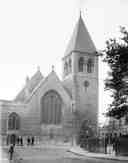
  1. To spot Christ Church, just look for a tall, light-colored stone building with a pointed slate-roofed tower rising above its big arched windows and entrance-right at the corner,…もっと読む折りたたむ

    To spot Christ Church, just look for a tall, light-colored stone building with a pointed slate-roofed tower rising above its big arched windows and entrance-right at the corner, proudly watching over where Park and King Streets meet. Imagine yourself standing here back in 1874, hearing the lively sounds of horse hooves and bustling townsfolk who’d gather outside this very stone church, the smell of salty sea air blowing from the harbour. The walls, made of sturdy Portland stone and decorated with smooth Doulting stone, must have sparkled in the morning sun. Inside, red bricks peeked out from under the grey arches, and the air was sharp with the scent of polished pine and cool stone. But why was Christ Church built here? Well, here’s a bit of drama: In the heart of Weymouth, as the town burst with new residents and summer visitors packed every pew, the old parish churches simply ran out of space for everyone-especially the working-class folks who needed free seats. In 1866, Reverend Talbot Greaves was determined to find a solution, forming a fundraising committee and inspiring all sorts of creative ideas: one local school even let them borrow a big upstairs hall for temporary services, cramming 300 people inside, noses pressed together like sardines! They needed a permanent home, so after some haggling with a Colonel-yes, who said church-building was dull?-they secured this prime spot, right opposite the train station. Reverend Greaves even chipped in £600 of his own money-not bad for a vicar! Designs were drawn, pounds were pinched, and local builder Thomas Dodson got the job. By 1873, the whole town watched as the spire soared up, with foundations so deep and strong you’d think they were preparing for an earthquake, not just Sunday sermons. On a festive day in September, the grand chancel window stone was officially set in place by the Earl of Shaftesbury. When the church was finally finished-with seating for 800, half of which were free-everyone from the richest holidaymaker to the poorest fisherman could squeeze in. Even the belfry got a bit of drama, being stuffed with ten shiny bells -the very first full peal in Weymouth. Before that, the most excitement the other churches could offer was a lonely single bell, so you can imagine the thrill when machinery, funded by a jolly bazaar, chimed all ten at the stroke of midnight to welcome in 1875. Of course, a church is nothing without its music, and to start with, Christ Church made do with a good old harmonium, until years later they scored a snazzy secondhand organ from a church up in Holloway. It was restored, delivered, and played for the first time in 1890-probably shaking the walls with its deep, rumbling notes. But time marches on-and so did the congregation. As the 1930s rolled in, the grand stone church mostly echoed with silence and the sound of footsteps on the cold stone floor. The dynamic vicar thought he’d turn things around by proposing a “Children’s Church”-imagine, little ones running the whole show, reading, ushering, maybe even collecting pennies in tiny hats! Sadly, as clever as that idea was, the outbreak of World War II put it all to a stop before it even got started. With war looming, the church closed its doors as a place of worship (too many windows to block out the blackout, apparently-a little like trying to hide a lighthouse with a lampshade). But the building still had a role to play: through the Blitz, its grand nave became the “Welcome Club” for evacuees-and, with a truly British twist, was even nicknamed a “Cookery Nook” where people could enjoy a hot meal when food was scarce. By the 1950s, this once-glorious church had seen its last amen. It was finally demolished-though it put up a good fight-and in its place now stands modern Garnet Court, home to local residents and a few shops. If you step inside St. Mary’s one day, you might even spot some lovely painted panels from this very church, saved as a reminder of all those bustling Sundays and midnight bell-ringing surprises. So, next time you pass this unassuming spot, just picture the grand tower, the echoing bells, and hundreds of people squeezing through those doors. Who’d have thought such an epic tale could hide behind a block of flats and a couple of shop windows? Onward to our next stop, Jubilee Clock Tower-where time really does fly!

    専用ページを開く →
  2. To spot the Jubilee Clock Tower, just look straight ahead on the Esplanade for a tall, boldly coloured red and gold clock tower standing proudly on a stone base-it’s hard to miss…もっと読む折りたたむ

    To spot the Jubilee Clock Tower, just look straight ahead on the Esplanade for a tall, boldly coloured red and gold clock tower standing proudly on a stone base-it’s hard to miss against the backdrop of the beach! Now, as you stand here, picture the year 1887. The sea air is buzzing with excitement, bunting flaps wildly, and a joyful crowd gathers right here on Weymouth’s Esplanade. All around you, the townsfolk are celebrating the Jubilee of Queen Victoria-fifty years on the throne! It’s the sort of day when you’d expect the seagulls to sing “God Save the Queen,” if only they knew the words. People passed hats, cheered, and managed to raise a tidy £100-quite a sum in those days-dreaming of a magnificent clock tower to mark this grand occasion. But, in true dramatic fashion, they came up short for the clock itself. That’s when Sir Henry Edwards-a man with a flair for timing-stepped in and donated the actual clock. To make it even brighter at night, the gas company generously offered to keep it lit for free, forever. Free gas in Britain? Now that’s rarer than a sunny bank holiday! The unveiling day in October 1888 must have been a spectacle-imagine the proud, colourful tower (not unlike a giant birthday candle for Queen Victoria herself) gleaming beside the golden sands. And guess what? The clock was so popular they even had to reshape the seafront around it in the 1920s to give beachgoers more room, but they never dared move it, not even an inch! Painted in bold, eye-catching colours and firmly rooted on its Portland stone base, the Jubilee Clock Tower remains a ‘florid’ symbol of Weymouth’s love for celebration, community spirit, and the occasional royal party. So next time you check the time here, think of Victorian crowds, seaside cheers, and maybe give a little tip of the hat to Sir Henry for making sure no one in Weymouth was ever late again!

    専用ページを開く →
  3. Looking straight ahead, you'll spot the Royal Hotel by its striking red brick and pale stone trim, with two tall turrets at either end and the proud words “Royal Hotel” above the…もっと読む折りたたむ

    Looking straight ahead, you'll spot the Royal Hotel by its striking red brick and pale stone trim, with two tall turrets at either end and the proud words “Royal Hotel” above the arched main entrance, standing right opposite the beach and seafront. As you stand here, imagine the salty sea air swirling around you just as it did over a hundred years ago, and picture carriages rolling up to those grand doors, delivering guests in their finest hats and coats, all eager to see and be seen at Weymouth’s grandest hotel. But the Royal Hotel you see today isn’t the very first on this spot. No, the story of this place goes right back to the 1770s! Back then, Weymouth was transforming from a sleepy coastal town into the “place to be” for anyone wishing to take a dip in the chilly English Channel - yes, even before heated swimming pools were a thing! It was King George III and his royal entourage who put Weymouth on the map as a top seaside resort. Suddenly, everyone wanted to rub shoulders with royalty, and the town needed somewhere special for all these posh folks to stay. That’s when Stacie’s Hotel opened its doors in 1773. Stacie’s was the talk of the town - so grand it even had its own assembly room (think ballroom but with a lot more gossip!). The hotel’s popularity soared, and before long it was renamed the Royal Hotel, thanks to the royal seal of approval. Picture this: in 1805, a glittering dinner was held here for Princess Amelia’s birthday. Music drifted through the air, laughter filled the halls, and if you listened carefully, you might just catch a snippet of royal secrets! But like all good stories, change was in the air. The original hotel was torn down in 1891, and work began on the building standing before you - with red bricks and grand Portland stone, built to impress even the fussiest guests. Since 1899, this “forceful” creation has looked out over Weymouth Bay, offering a warm bed to everyone from high society to tired travelers. Now, here’s a twist: during World War II, the Royal Hotel wasn’t filled with holidaymakers; instead, it was buzzing with American military officers, plotting and planning for the D-Day landings. Imagine the tense conversations, the rattling of teacups and typed orders! After the war, with the town celebrating peace, the old hotel welcomed its guests back once more. From royal balls to liberation strategies and holiday sunseekers, this hotel has seen it all. Next time you glance up at those turrets, just think - if these walls could talk, they’d definitely have some tales to tell...and perhaps share a secret or two from under those grand chandeliers!

    専用ページを開く →
さらに11件のスポットを表示表示するスポットを減らすexpand_moreexpand_less
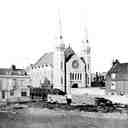
  1. If you’re looking ahead, you’ll spot two striking spires rising above the rooftops, framing a grand stone archway with a round window overhead-right in the middle of Gloucester…もっと読む折りたたむ

    If you’re looking ahead, you’ll spot two striking spires rising above the rooftops, framing a grand stone archway with a round window overhead-right in the middle of Gloucester Street, that’s where the old Congregational Church once stood. Now, close your eyes for a moment and imagine you’re traveling back to the 1860s, standing right here on Gloucester Street. Picture the sound of hammers and saws echoing as local builders haul stone and timber to give life to a dream-a place for a growing congregation, right here in the heart of busy, Victorian Weymouth. This ambitious church, made from local Ridgeway stone with elegant Bath stone touches, towers above you with its two octagonal spires, each one soaring up to 96 feet-tall enough to tickle the clouds on a misty Dorset morning! Let’s rewind a bit further, to the flickering candlelit gatherings of the 1600s. Imagine your shoes crunching on gravel as you sneak down shadowy lanes, joining Rev. George Thorne and his faithful followers meeting in secret, dodging the authorities just for choosing to worship their own way. It all began with one brave man refusing to obey the strict Act of Uniformity in 1662. His congregation tiptoed from house to house for safety-every knock on the door could mean danger. You can almost hear the whispered prayers and the swish of skirts in nervous anticipation, determined not to let harsh laws quash their beliefs. By the time the Toleration Act rolled in with its sense of relief, worshippers could finally step out of the shadows. They pooled their savings and transformed three humble cottages in St. Nicholas Street into a bustling chapel by 1705! Time ticked on, Weymouth’s population ballooned, and little by little, the original chapel became much too snug. The arrival of the railway brought even more people-some, no doubt, keen for a seaside sermon or two. The town’s compass shifted, its bridge moved with the times, and suddenly, the spiritual heart of the community needed more space…and a better postcode. So, in the 1860s, the congregation, now bursting at the seams, picked this plot on Gloucester Street. Not exactly the showiest spot, but you can’t have everything! The plans were drawn, a few disagreements about builders settled with dramatic Victorian flair, and the church rose like a beacon. By June 1864, celebrations filled the air: sermons, tea by the barrel, and laughter swirling through its Norman-style archway. If you were here that day, you’d see locals in their Sunday best, raising funds through bazaars and shaking baskets-turns out, the women of the congregation were legendary when it came to fundraising! Step inside this mighty church in your mind and you’d marvel at the detailed circular window, sunlight streaming onto tesselated floor tiles, and find yourself climbing one of the twin spiral staircases to the upper galleries-no need to crane your neck to see the preacher here! Imagine the pulpit: a gentle swirl of Caen stone and marble, perched on a Portland stone base, with arches that almost look like they’re dancing. On Sundays, the air would vibrate with music, the old organ wheezing its deep notes-originally crafted back in 1859, long before rock and roll was a thing. Yet, even the finest buildings get tired. By the 1960s, the poor church was groaning-cracks creeping up the walls, the floor hinting at the secrets beneath-after all, this was reclaimed land, and the foundation was not up to the indignities of Weymouth’s soggy subsoil. Repair wasn’t cheap-try finding a spare £1 million down the back of the church pews! With heavy hearts, the congregation closed the doors in 1971 and moved to Hope Chapel down the road. What stood as a proud symbol of courage and community was quietly taken down in 1980, replaced with a retirement home-George Thorne House, named after the very man whose boldness had first sparked all those centuries of stories. Today, as you stand here, you won’t find stained glass or winding staircases, but you are stepping on the memories of daring secret meetings, thunderous Sunday hymns, and a community tenacious enough to carve out space for faith-and a bit of afternoon tea-no matter how many obstacles the centuries threw in their way. So next time you pass by, listen carefully-you might almost hear the echo of a door creaking open, or the distant peal of laughter from tea time. And remember: sometimes, it takes a leap of faith-and a really good builder-to change the world.

    専用ページを開く →
  2. You can spot the King’s Statue by looking for a grand, stone pedestal in the middle of the road, topped with a colourful figure of King George III dressed in royal robes, flanked…もっと読む折りたたむ

    You can spot the King’s Statue by looking for a grand, stone pedestal in the middle of the road, topped with a colourful figure of King George III dressed in royal robes, flanked by a proud golden lion and a majestic white unicorn. Right from where you’re standing, it’s not hard to imagine the excitement buzzing through Weymouth back in 1809. Picture yourself amid the crush of townsfolk, all eagerly craning their necks up to see the freshly installed, almost comically high statue of King George III-glittering, ostentatious, and, some said, a rather bold reminder not to miss his royal presence! The king is up there in his Garter robes, holding a stately sceptre, with a crown perched on a cushion by his side, and flags sprawling behind him. If you look closely, you’ll see all sorts of royal treasures at his feet: a shield, a stack of books, even the Union Jack. His lion and unicorn bodyguards-one golden, one white-look ready to leap into action, though fortunately for passing cars, they haven’t moved an inch in over 200 years. Now, King George III wasn’t just the guest of honour in Weymouth-he was practically their favorite summer tourist! Over fourteen holidays here, starting in 1789, he transformed this little seaside town into the destination it is today. Royalty has a way of making things fashionable, and all of a sudden, Georgian architecture was popping up along the seafront, as if the buildings themselves wanted a piece of royal attention. I imagine the newspapers then were having a field day-“King Takes Sea-Bath, Town Swoons!” If you listen hard, you might almost hear the whispers of the court strolling along behind him, gossiping about the good king’s curious health remedies. Weymouth owes much of its look and feel to those royal visits. But the statue’s story doesn’t end with its grand unveiling. The plan, believe it or not, was to put the statue lower down, against a building-ideal for admiring all its fine detail. But somewhere along the way, someone decided, “Let’s put George up high! Give him a view!” The poor king went from seaside sunshine to a lofty perch on a traffic island at the crossroads of St. Mary and St. Thomas Street, where, to this day, he presides over honking horns and holiday crowds. The monument endured more drama through the years-at one time, locals even schemed to get it removed, calling it everything from “hideous monstrosity” to “eyesore.” It’s truly Weymouth’s own royal soap opera! But even amid complaints, King George remained looming over Weymouth, basking in the seaside weather, the odd seagull, and plenty of public gatherings below. There’s even a touch of mystery: it took four years from delivery until the statue found its final spot! By the 1950s, the statue became an island of its own, surrounded by traffic rather than admirers. Over time, sea air and spirited locals (and maybe a seagull or two) weren’t kind to the monument-layers upon layers of paint, dirt, and a pinch of vandalism did their work. Finally, in 2007, restoration experts arrived with brushes, scaffolds, and perhaps a cup of strong tea, stripping off 20 coats of paint to uncover the true glory beneath. Today, the King’s Statue shines once again, those golden and white guardians sparkling in the sun, a defiant centerpiece, and a vivid reminder of how one king’s holiday changed a whole town. So next time you see Weymouth’s proud Georgian facades or catch a glint from the statue, you’ll know it’s not just old stone-it’s the heart and spirit of royal seaside history, standing tall above the rest.

    専用ページを開く →
  3. Weymouth Beach is a wide, golden stretch of sand curving along the seafront, with rows of seaside buildings behind-just look straight ahead and you can’t miss the sparkling blue…もっと読む折りたたむ

    Weymouth Beach is a wide, golden stretch of sand curving along the seafront, with rows of seaside buildings behind-just look straight ahead and you can’t miss the sparkling blue water and families playing by the shore. Alright, time to kick off your shoes and wiggle your toes in the golden sand, because what you’re standing on isn’t just any beach-this is the legendary Weymouth Beach! Imagine the year is 1789: King George III himself comes down here, feeling quite rough after a bout of illness, and his physician tells him, “Sire, you need a swim!” So, splash he does-right in these very waves! Suddenly, sea bathing becomes the hottest trend, and Weymouth is crowned the “first resort” of the king. Ever since, this wide sandy bay has been a place for all sorts of fun. In the summer, kids bounce on trampolines, try sandcastle masterpieces, laugh at the classic Punch and Judy puppet show, or wobble along on donkey rides. Let’s not forget the daring souls zipping past in motocross or the cheers from a lively beach volleyball game! Just up the promenade, you might spot the playful “Upturned Boats”-modern spots to connect with the sand. You’re at the number one beach in the UK for 2023, so take a deep breath of the salty air and enjoy a spot that’s been putting smiles on faces for centuries. With shallow waters, gentle waves, and endless possibilities for fun, Weymouth Beach is truly the royal treatment!

    専用ページを開く →
  4. Look to your right and you’ll see the old Weymouth Quay railway station-a spot where train tracks run right up to a platform alongside a large white ferry, and you might imagine…もっと読む折りたたむ

    Look to your right and you’ll see the old Weymouth Quay railway station-a spot where train tracks run right up to a platform alongside a large white ferry, and you might imagine crowds and staff bustling between train and ship. Right where you’re standing, the past buzzes beneath your feet. Imagine, just a few decades ago, the air filled with the sound of train whistles, the clanking of old carriage wheels echoing around the harbour, and the shouts of bustling travelers. This isn’t just any station; Weymouth Quay was once the heartbeat of seaside adventures, where London trains met bobbing ferries ready to whisk you away to the Channel Islands. The funny thing about this place? These weren’t your usual train tracks-they ran straight along the streets! If you lived here back then, you might have had to hop off the pavement to let a locomotive whizz by on your way to the shops. Talk about traffic jams with a twist! Until September 1987, this platform was packed with holidaymakers and decked-out families starting their journeys. The train would roll slowly down the street-imagine the faces pressed to the glass, the steam and diesel mixing with salty air, and the excitement of ferries waiting just metres away. Even after regular boat trains stopped, the station saw the occasional adventurous charter coming through, like the grand finale with Pathfinder Tours in 1999. But as the years rolled on, journeys faded. Even the ferries eventually swapped their sails for other ports, and the old station switched from greeting voyagers to quietly serving as offices for Condor Ferries, almost as if it wanted to keep one eye on the ships. The tracks sat unused, gathering dust and whispers until, finally, the line was officially closed in 2017 and the tracks lifted for good not long after. There were even talks of reviving the tram route as a tourist attraction-imagine trundling along the harbour once more!-but for now, the romance and rattle of the Quay station have become legend. Stand here for a moment, close your eyes, and you might just hear the distant sound of a train whistle or the splash of waves against the hull-a little echo from a time when Weymouth Quay was the gateway to adventure.

    専用ページを開く →
  5. Look to your left for a large red-brick ruin with striking arched windows and a grand stone entrance - the Maiden Street Methodist Church stands boldly on the corner, surrounded…もっと読む折りたたむ

    Look to your left for a large red-brick ruin with striking arched windows and a grand stone entrance - the Maiden Street Methodist Church stands boldly on the corner, surrounded by scaffolding and plenty of historic charm. Now, catch your breath and take in this impressive shell - a real heavyweight of Weymouth’s history! Imagine it’s 1866, and you’re standing in front of a bustling construction site. Instead of cars and scaffolding, you’d see builders hauling blocks of Portland and Bath stone, the sound of hammers and saws filling the air, and the foundation stone being lowered carefully into place by William Dingley, a local bigwig from Sherborne with a rather serious top hat. Back then, this spot was chosen for a towering new Wesleyan-Methodist chapel, replacing the old King’s Head Inn. The architects, Foster and Wood from Bristol, dreamed up a building fit for a thousand worshippers, with stylish brickwork (very trendy for the time), elegant arcades, and - get this - plans for a grand turret with a spire! (Spoiler: the spire was never built. Maybe the pigeons were too demanding about the rent.) For £3,700, you got a rose window at each end, fat stone columns, a basement for Sunday school and meetings, and a pulpit and communion fittings made from the finest stained oak. For many years, laughter, hymns, and sermons echoed through the aisles. Fast-forward to the 20th century and things were still busy: there were upgrades in the 1950s, a huge restoration at the turn of the millennium, and then- tragedy struck. In January 2002, a fire broke out, crackling and roaring through the night, leaving only the charred walls and broken windows you see today. No one knew for sure how it started, but the cost of repairing it was almost as towering as the original dream, so the community eventually opened a brand-new church nearby - Weymouth Bay Methodist - in 2009. After the fire, teams swept in to clear and stabilize the ruin, putting up layers of scaffolding to keep it safe (and making it the most expensive “open-air church” in Dorset). Over the years, many developers dreamed up daring new futures for this place: restaurants, apartments, and promises to restore the grand old minister’s house. Planning permission came and went, but work never began. In 2020, with the sound of hopeful sighs and a few grumbles, it was put up for sale yet again. So here stands the Maiden Street Methodist Church: a Grade II* listed building, part skeleton, part legend, and all atmosphere. If you listen closely, you might just imagine the faint notes of an old organ rising over the empty pews, or hear the Sunday school chatter drifting out through the broken arches. While it waits for its next chapter, it’s a powerful reminder of how places can echo with the past - holding their stories close like secrets in the stone. So take a moment to soak it in, and don’t worry: on this tour, you definitely don’t have to sing a hymn unless you really want to!

    専用ページを開く →
  6. To help you spot St Mary’s Church, just look for a grand, pale stone building with a striking clock tower on top-right here on the corner, proudly set between the street’s busy…もっと読む折りたたむ

    To help you spot St Mary’s Church, just look for a grand, pale stone building with a striking clock tower on top-right here on the corner, proudly set between the street’s busy shops, it’s hard to miss with its Portland stone walls and arched windows shining in the light. Now, let me whisk you back through centuries, right here on the very steps where townsfolk have hurried past, hands full and hearts busy! Imagine it: the year is 1299, and you’re standing on the site of a Chantry chapel, a humble stone structure echoing with the mumble of prayers and candlelight flickering against cold, ancient walls. Fast forward to 1605, and you’d be swept up in a flurry of excitement as workers laid the stones for a new church-because believe it or not, the original parish church at Radipole was so inconveniently placed that it was easier to start fresh right here, in the bustling heart of Melcombe Regis. Now, here’s where the story picks up speed. Picture this: the town elders are not just worried about too few seats for Sunday worship-they’re downright anxious about enemy ships sneaking up the harbor while everyone’s distracted by the sermon! It’s not every day that military strategy makes its way into a church-tale, but that’s Weymouth for you. As centuries turned, the little church here became dear to the townsfolk-and even to King George III, who made it part of his royal visits between 1789 and 1805. You can almost hear the crowd murmuring and the bells pealing as a royal carriage rattles down the street! But by the early 1800s, the old church was falling apart, and let’s be honest, just a bit embarrassing for a booming seaside resort. In 1815, with a dash of drama, fundraising began-imagine speeches urging everyone to pitch in, not just for holy reasons but for Weymouth’s reputation! They were determined to build big; a church for 2,000 souls, with free seats so even the poorest or the passing beach visitor could come in from the rain-or the sea breeze. And so it happened: a grand, austere church, cut from dazzling Portland stone, went up under the steady eye of architect James Hamilton. The Bishop himself came down, set the first stone, and two years later, the Archdeacon threw open the doors for everyone to see. Even today, if you listen closely, you might just hear echoes of centuries of whispered prayers and seaside gossip in the pale, sunlit stone-all part of St Mary’s remarkable story.

    専用ページを開く →
  7. To spot Holy Trinity Church, just look across the street for a grand stone building with tall arched windows and a staircase leading up to a pair of heavy doors-it’s hard to miss…もっと読む折りたたむ

    To spot Holy Trinity Church, just look across the street for a grand stone building with tall arched windows and a staircase leading up to a pair of heavy doors-it’s hard to miss with its striking Portland stone standing proudly by the road. Now, welcome to Holy Trinity Church, a place that’s witnessed nearly two centuries of Weymouth’s stories, secrets, and spirited Sunday services! Imagine the year is 1834. The salty breeze from the harbour carries the chatter of townsfolk-a growing crowd packed into tiny homes, their footsteps echoing along the cobbled streets. Back then, Weymouth’s only real church was a good trek away, out at All Saints in Wyke Regis, and trust me, nobody liked walking miles for a sermon, especially in the rain! So in steps Reverend George Chamberlaine, a man with a vision…and perhaps a deep desire for shorter Sunday strolls. He isn’t just any rector-he’s so invested in this community that he funds the entire project himself. Picture his wife, in hoop skirts and bonnet, her hand steady as she lays the church’s foundation stone amid a gathering of onlookers. The plans were drawn up by Philip Wyatt, an architect keen on making this a church to remember. Sadly, poor Wyatt didn’t get to see the dream finished, and so his nephew, Matthew Wyatt, picked up the plans and carried them on to completion. In 1836, the Bishop of Winchester arrives to consecrate this brand-new church-it’s grand, luminous, and finally, belongs to its own parish, separate from Wyke Regis. But there’s a twist! Weymouth’s population booms in the 19th century: more families, more voices, and suddenly, Holy Trinity’s bursting at the seams. The dilemma? Find new land for another church or expand the existing one. No good land is found, so the decision is made-bigger, better, bolder! Picture dusty builders and architects all abuzz in 1886, under the guidance of Messrs. Crickmay and Son. Arthur Clarke from Weymouth is the main man hammering away, while scaffolding climbs high and the old church groans as its insides are completely re-shaped. They turn everything inside out-literally! The altar is moved from the north to the south, narrow pews are swapped for broader benches, arcades appear on both sides of the nave, and beautiful, colored glass gleams in freshly glazed windows. If you stand close and squint, you might just hear the old chancel sigh in relief as it’s opened up into a double transept and organ chamber-music soon swirling on Sunday mornings. And just in case you think Holy Trinity likes to hog the spotlight, its parish once stretched to two more chapels of ease-St Nicholas on Buxton Road, built entirely in iron (very modern for its day until 1964), and St Martin’s, now a block of houses. But still, Holy Trinity remains, occupying that proud spot by the Town Bridge, built of resilient Portland stone, a patchwork of centuries etched in every block. Imagine the laughter, the solemn vows, the joyful hymns echoing out the doors and down into Weymouth, even as cars and buses rumble by today.

    専用ページを開く →
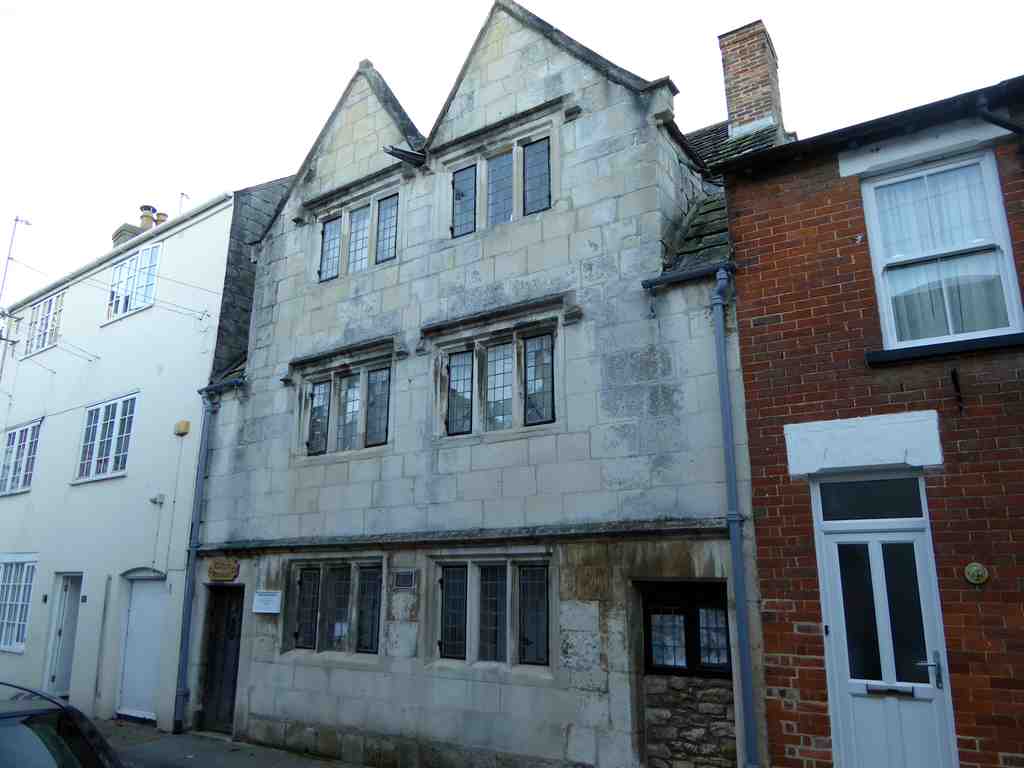
  8. To spot the Tudor House Museum, look for a pale-grey, three-story stone house with two tall, pointy gables, small leaded windows, and a sturdy old wooden door squeezed between its…もっと読む折りたたむ

    To spot the Tudor House Museum, look for a pale-grey, three-story stone house with two tall, pointy gables, small leaded windows, and a sturdy old wooden door squeezed between its neighboring buildings. Welcome to the Tudor House Museum! Imagine yourself stepping back over four hundred years, when Weymouth’s harbor was bustling just outside this very building, and the salty smell of the sea drifted in through those small, leaded windows. Picture a busy Elizabethan merchant, pacing those stone floors, peeking through a window to see if his ship had just arrived with a fresh cargo of cloth, wine, or maybe even a stash of questionable cheese… I’m not judging his taste! This house was built right around 1600, probably between 1603 and 1610, and at that time, the front door practically opened right onto the water’s edge. A small, sheltered inlet-known as ‘The Cove’-came straight from the harbor, so the merchant who built this place could tie up his boat just outside. Imagine unloading barrels of goods straight into your living room. That would certainly beat carrying shopping bags from the car, wouldn’t it? The house itself is made of striking Portland stone-just run your hand across the cool, weathered surface and you’ll be touching history that’s survived fire, war, and even the odd enthusiastic local pigeon. The home’s original use faded away after the late 1700s, when The Cove was filled in and turned into a street. Over the years, the grand old house was split into smaller homes, then even threatened with demolition in the 1930s. It was bombed during the Second World War and stood empty, sad and battered, just waiting for someone to love it again. Enter Walmsley Lewis, a passionate local architect, who couldn’t bear to see this piece of history crumble. He rescued the house, restored it into a single grand home, and scoured both the UK and Europe to fill it with genuine Tudor and Stuart treasures-everything from crackling old furniture to delightfully odd candle molds. It’s thanks to him that we can still walk beneath its beams and imagine life here in the hum and clatter of centuries gone by. Today, run by the Weymouth Civic Society, this house lets you peek into the life of a well-to-do family at the height of Weymouth’s trading power. Listen close and you might just catch the clinking of tankards, the crackle of a candle, or the welcome thud of dinner being served after a long day’s trading. Now, that’s what I call a house with stories to tell-and if you hear mysterious creaks, just remember: it’s probably just history whispering, not a ghost looking for its lost cheese!

    専用ページを開く →
  9. To spot Brewers Quay, look straight ahead for a grand, red-brick Victorian building with a bold sign reading "BREWERS QUAY" above the entrance, sitting proudly along the edge of…もっと読む折りたたむ

    To spot Brewers Quay, look straight ahead for a grand, red-brick Victorian building with a bold sign reading "BREWERS QUAY" above the entrance, sitting proudly along the edge of the lively Hope Square. Now, let me invite you into one of Weymouth’s most storied buildings-a place where the scent of hops once danced through the square and the clatter of barrels rolling over cobbles was just part of everyday life. Close your eyes for a second and imagine the year is 1904. You’re standing exactly where generations of Weymouth residents and visitors before you have stood, outside the newly-built Hope Brewery, commissioned by the ambitious John Groves & Sons. The air is thick with the yeasty, earthy aroma wafting from within, and there’s no mistaking the hustle and bustle. But don’t let the sharp, elegant lines and the bright red bricks fool you-this isn’t just any old industrial relic. Brewing on this very spot goes back to the Middle Ages! In fact, folks have been making beer here since at least 1252, thanks to the crystal-clear spring water bubbling down from Chapelhay and the fragrant barley fields of Radipole. Back in those days, beer was as essential as water-maybe more so, given how dodgy the water could get. Imagine the chorus of activity: brewers shouting orders, the happy chatter of drinkers, and-if you listen close-the friendly arguments over who made the better pint. Every pocket of Hope Square seemed to buzz with energy. By the 18th century, brewing here was a family affair, with three separate breweries run by the Flew family, William Devenish, and the Davis clan. Eventually, through clever deals (and maybe a little friendly rivalry), those breweries merged into something bigger. In 1960, Devenish took over this spot and brewed up a storm until 1985, when the last frothy pint was poured, and the doors finally closed on Weymouth’s grand brewing tradition. But wait! The story doesn’t end with a whimper. As the last drops of beer dried inside, brewing giants Devenish and the council rolled up their sleeves, determined to breathe new life into this proud building. Over £4.5 million later-a sum that would buy you quite a few rounds, even today-Brewers Quay opened in 1990 as a stunning shopping and visitor attraction, instantly nicknamed “the Covent Garden of Dorset.” Crowds flocked in, their footsteps echoing through the halls as they browsed over twenty charming specialty shops and explored dazzling exhibitions. The cheerful ring of register tills mixed with children’s laughter as they marveled at the interactive science centre called Discovery. Here’s a fun fact for you: in its heyday, Brewers Quay drew over three-quarters of a million visitors a year! The quirky Timewalk exhibition whisked guests through 600 years of history in a matter of minutes-and for many, it was a place to discover something new with every visit. Even the Queen might have raised a glass to that. Yet, all good things must change. With each new owner, Brewers Quay faced new dreams-and new hurdles. There were big plans for posh apartments, boutique hotels, and lush cultural spaces, but for two decades it seemed fate had the building playing a game of Monopoly, changing hands every few years. Repairs mounted, ideas fizzled, and for a while the future of the building looked as cloudy as a pint of unfinished ale. But wait-here comes a plot twist! The Olympics arrived in London, and Brewers Quay hosted a lively pop-up bar, filling the square with laughter, clinking glasses, and maybe a few cheers for team GB. Then, in 2013, the doors swung open once more-this time as an antiques emporium, packed with treasures and oddities from fifty traders. It was a building where you could lose yourself in stories, whether sifting through old maps, vintage buttons, or a bit of local gossip served up in the Italian restaurant on site. Always at the heart, Weymouth Museum kept the town’s memories safe through every change. Now, as you stand here, you’re part of the next chapter. Look around at the cafes and bistros of Hope Square-once bustling with thirsty workers, now alive with locals and visitors enjoying a sunny day out. The future is on the horizon: major redevelopment has started, and Brewers Quay is preparing for yet another transformation by 2026. If these walls could talk, they’d spill tales of ambition, hardship, celebration, and community. So as the square gently hums with life, you’re sharing in centuries of Weymouth stories. Cheers to you, for keeping the story going. Now, who fancies a cuppa or a pint while we soak in the atmosphere? Intrigued by the brewery and conversion into tourist attraction, redevelopment attempts (1990s-2012) or the use as an antiques emporium and new redevelopment plans (2013-17)? Make your way to the chat section and I'll be happy to provide further details.

    専用ページを開く →
  10. You’ll spot Weymouth Pier stretching out ahead of you like a long arm between the embrace of the harbour and the sandy beach, with the bold Pavilion sign and the theatre’s green…もっと読む折りたたむ

    You’ll spot Weymouth Pier stretching out ahead of you like a long arm between the embrace of the harbour and the sandy beach, with the bold Pavilion sign and the theatre’s green roof catching your eye right by the water’s edge-just look straight towards the peninsula that juts between the sea and the marina. Now, take a breath of that salty sea air and let me whisk you back in time! Imagine, if you will, the early 1800s: the area is windswept, fishermen haul up their catch with aching arms, and there’s just the faintest trace of a pier-its true beginnings are a bit of a mystery, as if it almost washed up here with the tide. Fast forward to 1840, when things start to shift. They dump loads of Portland stone and shingle to build a sturdy pile-pier, and soon after, the structure grows longer, stronger, and ready for the bustling dreams of a growing seaside town. By the 1930s, Weymouth is buzzing with energy. The town wants something special, something big-no more rickety old timbers! For a whopping £120,000 (which, believe me, could buy a mountain of fish and chips back then), workers pour in reinforced concrete until the new Weymouth Pier stands proud at 400 metres long. The Prince of Wales himself pops by for the grand opening in 1933. Must have been a royal spectacle; I imagine someone in the crowd dropped their ice cream from excitement. But what made this pier so unique? It was neatly split in two! The southern side was the beating heart of industry: cargo ships being loaded with electric cranes and capstans, the rattle of trains running right out onto the pier. It could juggle a passenger vessel, cargo ships, even pleasure steamers-all at the same time. Meanwhile, the northern side was pure sweet pleasure-think strolls with a loved one, sea breezes in your hair, the sound of laughter and music, bathing huts, a diving stage for the brave, and the whole promenade twinkling with lights after sunset. In the years since, the pier’s become a true survivor: fires claimed the old Ritz Theatre, storms battered its bones, but the Pavilion and its spirit always rose again. When the Olympics came to town in 2012, Weymouth Pier was polished and spruced, with new attractions like the spinning Sea Life Tower. And today, as you look around, you’re standing on the threshold of centuries of stories-some lost to the waves, some still echoing in the laughter from the theatre and the calls of the seagulls overhead. Now, shall we explore what’s next, or do you fancy a quick dance along the promenade?

    専用ページを開く →
  11. You’re looking for a lush, leafy park with winding paths and big, shady trees all around-just look ahead for a gentle hill covered in greenery and benches, right where the trees…もっと読む折りたたむ

    You’re looking for a lush, leafy park with winding paths and big, shady trees all around-just look ahead for a gentle hill covered in greenery and benches, right where the trees start to open up and the sunlight dappled ground invites you in. Welcome to Nothe Gardens! Take a deep breath-the fresh, salty sea air mixes with the scent of cut grass and flowering shrubs here, and if you listen carefully, you might hear children laughing on the breeze or a chorus of birds celebrating your arrival. These gardens, perched on the proud Nothe Peninsula, are like the crowning jewel of Weymouth, with sweeping views of two harbors and the mighty Nothe Fort keeping watch over Portland and Weymouth below. But don’t be fooled by the peaceful scene; this tranquil patch of green has stories tucked under every root and hidden in every corner. Imagine, if you will, soldiers drilling right where you stand-because before this was “the loveliest place to lounge in town,” it was a bustling military encampment. Back in 1872, Nothe Fort was built to guard the harbor from foes, its thick stone walls now making a perfect perch for exploring kids… or maybe the occasional squirrel who thinks he’s a general. Flash forward to World War II. The gardens transformed again-suddenly, you would’ve heard the thunderous boom of anti-aircraft guns on the flat ground here, defending against enemy planes. Four big, bristling Vickers Armstrong guns sat on alert, their barrels waving like giant metallic fingers pointed at the sky. And hidden further down, right by the sea, a massive searchlight waited to flick on and catch enemy ships sneaking into the harbor at night. The original searchlight was lost to a landslip in 1988, but never fear-history lovers of Weymouth rebuilt a replica just inside the old fort, if you’re curious to take a peek! Once the war ended, things started to relax again, and by the 1970s, the only things booming were summer picnics and the laughter of children running down grassy slopes. The old gun battery was swapped out for a car park, the searchlight replaced with floral beds, and the spirit of the place became all about wildlife. Keep your eyes peeled for flitting bats at dusk, foxes on nighttime prowl, or a very bold squirrel eyeing your sandwich. Deer, badgers, hedgehogs, even secretive slow worms-Nothe Gardens is a green city where animals are your fuzzy, feathery neighbors. And here, the “Friends of Nothe Gardens” patrol not with swords, but spades and smiles. This heroic crew of locals protect, plant, promote, and generally fuss over their beloved green haven, determined to keep it Weymouth’s sparkling “jewel” for generations. Oh, and did you know Nothe Gardens even played a small role in the 2012 Olympics? For a few wild weeks, the lawns were fenced off and transformed into a grandstand for sailing events. Tickets cost up to £50 a day, and while the locals grumbled (“Oi, I used to feed squirrels here for free!”), 4,600 spectators packed into the gardens daily, cheering for champions with the English Channel sparkling in the sun. So whether you’re on the lookout for military ghosts, furry wildlife, or just searching for the perfect picnic spot, Nothe Gardens wraps it all into one leafy, sun-dappled, history-soaked package. And hey-if you see a squirrel marching in line or a fox saluting, don’t say I didn’t warn you!

    専用ページを開く →

よくある質問

ツアーはどうやって始めますか?

購入後、AudaToursアプリをダウンロードして引き換えコードを入力してください。ツアーはすぐに開始できます。再生ボタンをタップして、GPSガイド付きルートに従うだけです。

ツアー中にインターネットは必要ですか?

いいえ!開始前にツアーをダウンロードしておけば、完全にオフラインで楽しめます。チャット機能のみインターネットが必要です。モバイルデータを節約するため、WiFi環境でのダウンロードをお勧めします。

これは団体ツアーですか?

いいえ、これはセルフガイド式のオーディオツアーです。ガイドや団体、決まったスケジュールに縛られることなく、スマホから流れるナレーションを聴きながら自分のペースで自由に探索できます。

ツアーの所要時間は?

ほとんどのツアーは60〜90分で完了しますが、ペースは完全に自由です。好きな時に一時停止したり、スポットを飛ばしたり、休憩を取ったりできます。

今日中にツアーを終えられない場合は?

問題ありません!ツアーには無期限でアクセスできます。明日、来週、あるいは来年でも、好きな時に再開できます。進行状況は保存されます。

どの言語が利用可能ですか?

すべてのツアーが50以上の言語に対応しています。コードを引き換える際にお好みの言語を選択してください。注意:ツアー生成後に言語を変更することはできません。

購入後、どこからツアーにアクセスできますか?

App StoreまたはGoogle Playから無料のAudaToursアプリをダウンロードしてください。メールで届いた引き換えコードを入力すると、ライブラリにツアーが表示され、ダウンロードして開始できるようになります。

verified_user
満足保証

もしツアーを楽しめなかった場合は、返金いたします。お問い合わせ先: [email protected]

以下の決済で安全にチェックアウト

Apple PayGoogle PayVisaMastercardPayPal

AudaTours: オーディオツアー

楽しくて手頃なセルフガイド式ウォーキングツアー

アプリを試す arrow_forward

世界中の旅行者に愛されています

format_quote このツアーは街を見るのに本当に良い方法でした。ストーリーは作り込まれすぎず面白くて、自分のペースで探索できるのが良かったです。
format_quote 観光客気分になりすぎず、ブライトンを知るためのしっかりとした方法でした。ナレーションには深みと文脈がありました。
Christoph
Christoph
starstarstarstarstar
ブライトン・ツアー arrow_forward
format_quote 片手にクロワッサンを持ち、期待ゼロで始めました。アプリはただ一緒にいてくれる感じで、プレッシャーもなく、クールな物語を楽しめました。

オーディオツアー使い放題

世界中のすべてのツアーをアンロック

0 ツアー·0 都市·0 国
all_inclusive アンリミテッドを探索