AudaTours logoAudaTours

クロイドン・オーディオツアー:路面電車の響き、宮殿、そして市場の物語

オーディオガイド15 か所

クロイドンは、賑やかな路面電車やきらめく店先の裏に王室の秘密を隠しています。そこは、大司教たちが宴を催し、ショッピング革命が起こり、スキャンダルの残響が今も風に残る場所です。 セントラーレの輝くモールを抜け、都市のエネルギーで賑わう路面電車の線路に沿って、数世紀の歴史を持つクロイドン宮殿の石造りの建物へと続くセルフガイド・オーディオツアーに出かけましょう。日常の訪問者が見過ごしてしまうような場所や物語を発見してください。 どの忘れ去られた支配者が嫌悪感から宮殿を破壊しようとしたのでしょうか?セントラーレのショッピング天国という夢は、なぜ始まる前にほとんど消え去ってしまったのでしょうか?そして、ドラモンド・センターが最終的に静まり返ったとき、何が残されたのでしょうか? きらめくガラスと古代のレンガの間を軽快に歩きましょう。失われた財産、ライバル関係、反乱、そして秘密が、動き続けるクロイドンをあなたを惹きつけます。現代の光の中にちらつく古い影に目を凝らしてください。 さあ、最初の一歩を踏み出しましょう。クロイドンの隠された深みが、次の角の向こうであなたを待っています。

ツアーのプレビュー

map

このツアーについて

  • schedule
    所要時間 40–60 mins自分のペースで進める
  • straighten
    ウォーキングルート 3.6kmガイド付きパスに沿って進む
  • location_on
  • wifi_off
    オフライン対応一度のダウンロードでどこでも使える
  • all_inclusive
    無期限アクセスいつでも、ずっと再生可能
  • location_on
    セントラーレ、クロイドンから開始

このツアーのスポット

  1. To spot Centrale, Croydon, look for a bold, modern building with angular blue-tinted windows and large glass panels above wide entrances right on North End-there’s a big…もっと読む折りたたむ

    To spot Centrale, Croydon, look for a bold, modern building with angular blue-tinted windows and large glass panels above wide entrances right on North End-there’s a big “CENTRALE” sign above the main doors, just across from the Whitgift Centre. Now that you’re standing by Centrale’s lively entrance, let me transport you back-though, don’t worry, no time machine required! Imagine the sound of footsteps echoing on polished floors, mixed with the low murmur of shoppers. Centrale might look like the cool, slick cousin of Croydon's shopping world now, but its roots are actually humble. Before this enormous glassy structure took its place, this site was home to the Drummond Centre-think less “shopping paradise” and more “struggling sibling.” The Drummond Centre always lived in the shadow of its bigger competitor, the Whitgift Centre across the street. Even at its best, many of the Drummond’s shop units were dark and empty, quietly waiting for customers who mostly chose the glitzier option next door. Picture lonely mannequins gathering dust, hoping someone would give them a second glance! But then, in 2004, transformation swept through! With the wave of a developer’s wand-well, more like a demolition crew and endless blueprints-the Drummond and an old C&A store next door were rebuilt to create what you see now: Centrale. Suddenly, Croydon didn’t just have a shopping centre; it had one of the biggest retail spaces in all of London-820,000 square feet! That’s enough space for a football pitch… or 80, but who’s counting? Stroll inside, and you’ll find big names lining the wide corridors: House of Fraser reigns as anchor, with Next, H&M, Zara, and more. There was even a massive Debenhams once, though-like a plot twist in a soap opera-it closed its doors for good during the chaos of the 2020 lockdowns. Next promptly moved in, keeping the retail spirit alive. But Centrale wasn’t just about fashion; it aimed to tantalize taste buds too! When it first opened, it boasted Croydon’s ONLY indoor food court-the Food Gallery. With 200 seats, it dreamed of becoming Croydon’s culinary hub. You could grab a burger at McDonald’s, a swirl of pretzel from Auntie Anne’s, sushi from Yo! Sushi, or even treat yourself to world cuisine all under one roof. These days, the seats are empty and the units are mostly boarded up, but every now and then, the scent of a fresh pretzel from Auntie Anne’s or a strong coffee from House of Fraser’s Cafe Nero still drifts around, tempting passersby. There’s more than just food and fashion-Centrale even found space for a Mecca Bingo hall, meaning you could hunt for bargains and bingo at the same time. If only there were a prize for “shopping centre with the most varied floorplan.” Speaking of floorplans, Centrale skips numbering its levels, opting instead for creative names: you can wander from Keeley Road & Tamworth Road (the lower basement), into the Lower Mall, ascend to the Ground Floor Mall, and then make your way up to the Upper Mall. While new and shiny, parts of the older Drummond Centre remain-you can almost feel the history under your feet as you cross from one area to the next. And here’s a fun fact for eco-enthusiasts: if you could fly up to the rooftop, you’d spot rows of solar panels soaking up the British sun (yes, it shows up sometimes) as part of Croydon’s greener ambitions. Centrale helped reinvigorate the area, and in fact, it was so influential they even built a Tramlink stop named after it right outside. It works like a bustling transport interchange, linking trams and buses, making it easy to jump straight from shopping to your next adventure. At one point, there were big dreams to join Centrale up with Whitgift in a huge “Westfield Croydon,” a shopping paradise to rival London’s finest. But as 2024 rolls in, those plans are still as mysterious as the contents of an unopened Christmas cracker-no surprises just yet. For now, Centrale stands proud, facing Whitgift with its sparkling windows, a living chapter of Croydon’s ongoing story. So before you head inside, take one last look around: right here is where Croydon’s past, present, and future in retail all meet-you might just spot a bargain, a bingo win, or a hidden echo of the Drummond days! Intrigued by the retail area, transport or the drummond centre? Explore further by joining me in the chat section below.

    専用ページを開く →
  2. To spot the Centrale tram stop, look straight ahead for a sleek, modern glass building with a curved front and the clearly marked “centrale” sign above the entrance, right next to…もっと読む折りたたむ

    To spot the Centrale tram stop, look straight ahead for a sleek, modern glass building with a curved front and the clearly marked “centrale” sign above the entrance, right next to the tram tracks. Welcome to Centrale tram stop, Croydon’s shiny transport star! You’re standing right in front of a place where the past and the present meet-trams zipping by on one side, buses bustling on the other, all next to Centrale shopping centre’s futuristic glass walls. Imagine, not too long ago, this was just a dream: a bold shopping centre opened its doors in April 2004, bringing a thousand-car parking space and a whole lot of buzz to Croydon. But something was missing. How would all those eager shoppers arrive in style? Cue a flurry of activity, blueprint plans, and a flurry of council decisions. Finally, with a clang and a whoosh, on December 10th, 2005, the Centrale tram stop officially opened! Since then, it’s been a lifeline-buses like the 157, 264, 407 and 410 glide in while trams hum along their tracks, ferrying folks eastbound to places like Wimbledon, Beckenham Junction, Elmers End and New Addington. Picture yourself here back at the grand opening, with new Bombardier CR4000 and Stadler trams sparkling in the morning sun. Even today, the stop is always alive: shoes tapping on platforms, voices chatting, the thrill of a 21st-century commute in the heart of Croydon

    専用ページを開く →
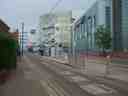
  3. Look to your right and you’ll spot Croydon Palace by its red-brick walls, tall chimneys, and elegant white sash windows, nestled behind a softer garden hedge-its partly timbered…もっと読む折りたたむ

    Look to your right and you’ll spot Croydon Palace by its red-brick walls, tall chimneys, and elegant white sash windows, nestled behind a softer garden hedge-its partly timbered section makes it a real stand-out from its surroundings. Alright, imagine yourself for a moment stepping into a place where archbishops brushed their sleeves against royal velvet and even the walls seem to whisper secrets. You’re standing outside Croydon Palace-though you might hear some locals call it Old Palace these days! For over 500 years, this spot was the summer getaway for the Archbishop of Canterbury. Yes, you heard that right: the guy in charge of Canterbury Cathedral used to kick back right here. Royals like Henry III and Queen Elizabeth I graced these halls, possibly grumbling about the weather (or secretly eyeing the dessert table, who knows). Travel back in your mind to the late Saxon period. The manor here has been around since before 960-yes, before most of our favorite fantasy novels even start. No one’s quite sure where the very first manor stood, but it grew into the palace you’re looking at, getting bigger and grander every time another archbishop and his crowd rolled in. Picture long processions, elegant hats, and a few servants probably tripping over their own feet in excitement. The palace wasn’t just a luxury pad. It was the perfect pit stop between glitzy Canterbury and Lambeth Palace, with all sorts of “must-have” medieval features-great halls echoing with laughter, archways, and timber beams so rich you could practically smell history in the wood. The Great Hall nearby is a real jewel, believed to have been installed by Archbishop Stafford back in the 1400s. With its dramatic roof beams and windows in the late Gothic style, imagine candlelight flickering against the stone while banquets buzzed below. But it wasn’t all ballgowns and feasts; the palace was an “aggregate of buildings of different castes and ages.” In other words, a bit lopsided and quirky, just like the best kind of historic home. You’d have seen stables here, a porter's lodge, and servants’ quarters that wrapped around an old courtyard-some walls even climbed with winding external staircases and the elaborate kitchens bustling away. Skip to the 17th century, and the place gets a makeover. Archbishops Laud and Juxon decided stale was out, so they remodeled the Great Hall and rebuilt the chapel. In those state apartments, you’d find the Guard Room, now transformed into a library for Old Palace School girls. The ceilings soar with carved stone supports and oriel windows-enough to dazzle even the fussiest archbishop or the sleepiest modern historian. The chapel inside waits quietly, lined with old wooden stalls and a fancy gallery, while the exterior mixes stone, red brick, and striking Georgian sash windows that practically wink in the sunlight. Here’s a fun twist: the palace’s reputation was as mixed as the weather. Archbishop Whitgift, who first called it a “palace,” adored Croydon for what he called “the sweetness of the place.” But not everyone was so fond-a certain Henry VIII declared the low-lying site “rheumatick,” a place that brought on sniffles and sneezes. Sir Francis Bacon found it “an obscure and darke place,” surrounded by thick woodland that might make you wonder if you’d wandered into an early horror film. As time slipped by into the 1700s, the palace wasn’t so posh anymore. It became run-down and a bit grim. In fact, Archbishop Wake wanted to tear it all down-but instead, he patched up the Long Gallery, and work went on. By 1780, things looked bad: the palace was abandoned for twenty years and Parliament decided, “Let’s build a new one!” Croydon Palace was sold, and the archbishops made for Addington Palace nearby. From then on, this grand old place was passed from hand to hand. It became a laundry, a calico-printing house, and all sorts of odd uses you wouldn’t expect for a palace. Some parts were demolished, some chopped up by a railway line, and at one point, a brandy merchant called Abraham Pitches even owned it (no word on whether he kept any hidden barrels here). Remarkably, in 1889 the palace found a new life when the Sisters of the Church restored it-turning it into the Old Palace School that lives on today. That’s why you might just hear students’ laughter drifting from these rooms instead of royal banquets or medieval intrigue. And Croydon still tips its hat to the palace’s legacy: local streets honor the archbishops with their names, and if you look at Croydon’s coat of arms, you’ll see a nod to those centuries of religious and royal odd-couple cohabitation. So, as you gaze up at these bricks, imagine the crunch of carriage wheels outside, laughter echoing off the wood, and maybe even an archbishop dashing past in a bit of a hurry-palace life was never dull!

    専用ページを開く →
さらに12件のスポットを表示表示するスポットを減らすexpand_moreexpand_less
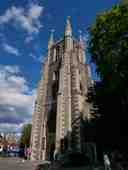
  1. To spot Croydon Minster, just look ahead for a tall stone tower with four pointy spires on top, grey flint walls with pale stone corners, and a big arched entrance-it's hard to…もっと読む折りたたむ

    To spot Croydon Minster, just look ahead for a tall stone tower with four pointy spires on top, grey flint walls with pale stone corners, and a big arched entrance-it's hard to miss against the blue sky. Alright! Welcome, my fellow explorer, to Croydon Minster-the grandest church in Croydon’s skyline, and truly one of Britain's great survivors. You’re standing in front of a building whose towering presence isn’t just about height, but about a thousand years of fascinating history, royal drama, utter disaster, and, of course, a dash of British humour. Don’t just gaze upwards in awe-let me take you on a time-travel tour through the tales hidden in these old stones. Imagine the scene over a thousand years ago, when this land was just a patchwork of Saxon villages and dense, misty forests. Croydon Minster started life in the middle Saxon period, as a “minster”-a place where clergy lived together and looked after the spiritual needs of the growing local population. In fact, it was once so important that medieval kings made special mention of it. Picture King Coenwulf of Mercia, issuing charters and running councils right where we’re standing now, with priests bustling around in rough woven robes, probably more concerned with the weather than with Wi-Fi signals. The earliest priest we know by name is Elfsies-now there’s a name you don’t hear every day-who turns up in a will from around 960. By the time of the Domesday Book in 1086-England’s first great survey-the church was already an old local fixture. And by the 14th century, a charitable fishmonger named John de Croydon left money to “the church of S. John de Croydon”, telling us it was dedicated to St John the Baptist, just like today. Imagine generations of Croydon families bustling into the shadowy, echoing medieval church, decorated in the beautiful “Perpendicular” style-the pointed arches and tall windows you see echoing in today’s structure. Crest-shields on the walls still bear the colourful arms of archbishops who poured their wealth and hopes into its construction. But here’s where Croydon Minster’s history heats up-almost literally! Fast forward to the Victorian era: after some restoration work in the mid-1800s, the church was set ablaze on a frosty January evening in 1867. They think it was a rather enthusiastic set of Gurney stoves that overheated and set the flues-and then, the whole building-on fire. By morning, Croydon’s cherished church was a shell, blackened and gutted. The town was in shock… but like any good British community, they muddled through. Services carried on in a temporary “iron church”-yes, really, basically a huge old shed holding 700 people, just down the road on Scarbrook. Now, if you take a deep breath here, you might almost catch a whiff of soot and steam from those frantic rebuilding years! The great Victorian architect George Gilbert Scott swooped in, drawing up plans that would rise from the ashes. In just under three years, from 1867 to 1869, masons and carpenters worked furiously, weaving in what survived of the old-especially this proud west tower and the elegant south porch-while making it bigger, brighter, and even more majestic. On January 5th, 1870, exactly three years after the terrible fire, the new church was reconsecrated, packed with townsfolk who must have felt hope burning in their chests. Throughout it all, Croydon Minster has been more than just a church. Six Archbishops of Canterbury are buried here, sleeping quietly under your very feet-Edmund Grindal, John Whitgift, Gilbert Sheldon, William Wake, John Potter, and Thomas Herring-each one a big deal in church history. It's practically the Westminster Abbey of Croydon! Today, Croydon Minster is not only the heart of local worship, but also Whitgift School’s chapel and is linked to the Minster Schools. The church’s musical tradition is alive and well, roaring forth from a powerful four-manual pipe organ dating all the way back to 1869-so if you hear a thunderous sound, don’t panic, it’s not another fire, just the organist flexing their musical muscles! Speaking of noise, those 12 ringing bells up above? Cast in 1936, they rang out for the coronation of King George VI and Queen Elizabeth, and their peals have marked everything from royal events to local celebrations ever since. Don’t forget to peek round the south side, too-you’ll find St John’s Memorial Garden. Once a cemetery, now a tranquil space of remembrance and reflection. Croydon Minster has weathered fires, forgotten centuries, and all the ups and downs of local life, standing tall, full of secrets, laughter, music, and a sprinkle of holy mischief. Quite a spot for a selfie, if you ask me! If you're curious about the organ, bells or the st john’s memorial garden, the chat section below is the perfect place to seek clarification.

    専用ページを開く →
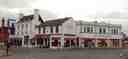
  2. As you approach House of Reeves, look to your right-you’ll see a long stretch of white-painted buildings with large red SALE signs in the windows and the name “House of Reeves”…もっと読む折りたたむ

    As you approach House of Reeves, look to your right-you’ll see a long stretch of white-painted buildings with large red SALE signs in the windows and the name “House of Reeves” proudly displayed above the storefront, right on the corner where several roads meet. Now, as you stand here at Croydon’s famous Reeves Corner, let me take you on a trip both through time and imagination-hold onto your hat, or maybe your armchair, since this is one of Britain’s most legendary furniture stores! Picture the year: 1867. The world smells of coal, horse manure, and the spirit of invention, and here at this very spot, Edwin Reeves, a barrel-maker by trade, sets up shop selling not only barrels, but trinkets and curiosities-you never know what you might find! Maybe a pot, a lock, or even some old bone-handled cutlery. Croydon was a little bit sleepy back then, but it had big dreams. Over years, Edwin started dealing in ironmongery, then more and more in furniture-the wooden backbones of every good living room. Edwin’s shop was where neighbours popped round for a chat as much as a table. By 1913, the store passed from “Father Reeves” to William, who didn’t just sit back polishing armoires-he expanded, snapping up neighbouring properties faster than a Victorian could queue for a penny bun. He turned the Old Victory Coffee Tavern into auction rooms upstairs and showrooms below. People flocked here to bid on sofas and wardrobes-imagine the thrilling auctioneer's patter echoing out through the street! But Croydon’s heart beats fast, always in danger of being rebuilt or rerouted. In the 1960s, this whole corner almost fell under the bulldozer, only surviving thanks to local uproar: “Save Reeves!” they cried. And so the family business grew, spreading across four streets, a patchwork of different buildings-a three-storey beauty from the 1700s at number 120, and the old Dome cinema next door. Just for good measure, William Sr. even inspired his brother to start a second shop back in their hometown of Sherborne. It’s no wonder that over time, people stopped calling this area by its old long-forgotten names and simply called it “Reeves Corner.” Even Croydon’s tram stop took on the name. Reeves became so woven into the town’s fabric that there was once a plaque on the wall marking the spot of Croydon’s ancient “Hand Cross”-one of four medieval crosses marking the town boundary. If you lived inside them, you had all sorts of privileges. Maybe even the right to a good bargain on a chaise lounge! But, my friend, it wasn’t all sunny afternoons and sale signs. The 21st century brought dark clouds. During the infamous riots of 2011, fire tore through the old Edwardian building across the road-a blaze so fierce its flames danced over news screens across the country. Firefighters couldn’t reach it in time; police, overwhelmed, could only watch. That night, the House of Reeves became a symbol-of chaos, of loss, of a community in shock. Yet even as smoke curled into the Croydon sky, owner Trevor Reeves stood up and declared: “We will trade again.” And they did, rising from ash and heartbreak like a very determined phoenix with a delivery van. The community rallied around-a spot of kindness among those dark days. Donations rolled in, volunteers offered help, and the remaining southern building, the one you see before you, was lovingly refurbished. The arsonist was tracked down and jailed, later apologizing to the Reeves family face to face. If ever there was a moment for a stiff cup of tea, that was it. And so, if you listen carefully over the traffic, you might just hear the echo of past auctions, the chatter of Croydonians, and the sturdy, persistent creak of history. The Reeves family still run the show-fifth generation now!-and the story of this place is still being written, every time someone buys a bed or a wardrobe, or just pops in for a natter. So next time you’re shopping for a sofa, you might just be sitting on Croydon history. Now, who’s in the mood for a spot of antique shopping-or perhaps a little ghost hunt for those missing historic plaques? Curious about the premises, reeves corner or the arson attack? Don't hesitate to reach out in the chat section for additional details.

    専用ページを開く →
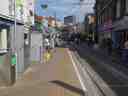
  3. To spot the Church Street tram stop, look for a modern glass shelter with ticket machines and signs right alongside the tram tracks running down the busy street filled with shops…もっと読む折りたたむ

    To spot the Church Street tram stop, look for a modern glass shelter with ticket machines and signs right alongside the tram tracks running down the busy street filled with shops and people on both sides. Welcome to Church Street tram stop-Croydon’s secret westbound gateway where the city’s pulse never skips a beat! If you listen closely, you might almost hear the quiet hum of electricity above, as a Bombardier CR4000 or Stadler Variobahn tram glides through, carrying people toward Wimbledon, Therapia Lane, and adventures unknown. This isn’t just a place to catch a ride-it’s where Croydon life uninterruptedly flows, like trams around the legendary Croydon Loop. Imagine the scene: people checking their phones, a gentle jingle as someone taps their Oyster card, buskers sometimes serenading the crowd, and the delicious scent of takeaway drifting from the high street. With trams running westward almost every few minutes, and local buses like the 157, 264, 407, and 410 swinging by, it’s practically a transport wizard’s dream-complete with Hopper Fare for free magical transfers if you’re quick on your feet. But beware! If you start daydreaming and miss your stop, you might just find yourself circling Croydon forever-like a ghost of commuters past. So, whether you’re headed for Wimbledon, a market adventure, or just hopping the loop, pause for a second and enjoy this slice of Croydon energy where everyone’s journey meets, if only for a moment.

    専用ページを開く →
  4. To spot Surrey Street Market, just look ahead for a lively, bustling street lined with colourful fruit and vegetable stalls on both sides, stretching the whole length of the…もっと読む折りたたむ

    To spot Surrey Street Market, just look ahead for a lively, bustling street lined with colourful fruit and vegetable stalls on both sides, stretching the whole length of the road-there’s no way to miss the vibrant action! Now, as you stand here, take a deep breath. Smell that? The sweetness of oranges mixes with the earthy scent of potatoes, and somewhere there’s a shout from a stallholder selling ripe bananas two for a pound-“Cheaper than the supermarkets, love!” Welcome to one of London’s oldest markets, the Surrey Street Market, where you’re not just walking down a street-you’re walking straight through history. The story of this place goes back over 700 years. We’re talking a time before Big Ben, before Croydon had trams, maybe even before someone decided that sheep would look better without their winter coats. The market’s first official record pops up in 1236, but rumor has it, villagers might have been swapping chickens for bread here way back in Anglo-Saxon times. That’s like the medieval version of your local WhatsApp group-except you could end up carrying home a goose. Things really heated up in 1276 when Archbishop Robert Kilwardby granted Croydon the power to hold a weekly market. Back then, the triangle of High Street, Surrey Street, and Crown Hill became the place to buy everything from a loaf of fresh-baked bread to a suspiciously energetic chicken. The traders were clever-they set up the corn stalls on the high, dry side of the triangle and all the meaty, muddy livestock action on the lower, well, let’s politely call it “aromatic” end. You can imagine the gossip-“Did you hear old Henry’s cow tried to eat a turnip AND a hat last week?” As the centuries ticked by, Croydon’s market adapted and survived fires, floods, and some questionable haircuts. Medieval market houses rose up-first for corn, then for butter, with the grand “Butter Market” holding a prime spot from 1708 right through to Victorian times. Meanwhile, the Dog & Bull, a legendary local inn, doubled as the neighbourhood’s lost-and-found for stray animals. Picture it-rowdy cattle, a few moody donkeys, and some rather confused chickens milling about, right where you’re standing now. Saturdays were the big market day, with traders setting up as early as sunrise. The market would buzz with energy: the cries of hawkers, the jingle of coins, the drama of mothers haggling for the freshest apples. Even in the Victorian era, when everything else seemed to change, Croydon’s Saturday market stayed strong-though a few stubborn traders insisted on a Thursday corn market well into the late 1800s, just to keep things interesting. By the time Croydon Corporation took charge in 1922, the market was officially running six days a week, dodging everything from World War II rationing to the arrival of supermarkets and reality TV. Saturday is still the star of the show, but from Monday to Saturday, you’ll find all sorts: barrels of apples, bunches of coriander, vendors vying for the title of “funniest banter on the block”-and maybe even a film crew, since Surrey Street has starred in more than one TV ad. So as the sounds of Croydon’s oldest market swirl around you, know you’re part of a tradition that’s survived centuries. Who knows-maybe one day, people will talk about that time in 2024 when a future legend (that’s you!) bought the juiciest strawberries on Surrey Street. Now, go on-don’t just listen-explore, taste, and maybe, just maybe, haggle for a bargain.

    専用ページを開く →
  5. Look for a quirky building with golden-brown bricks and purple trim on Middle Street, right next to a bright retro barbershop-if you spot the bold “BEANOS” signs, you’ve found the…もっと読む折りたたむ

    Look for a quirky building with golden-brown bricks and purple trim on Middle Street, right next to a bright retro barbershop-if you spot the bold “BEANOS” signs, you’ve found the spot! Alright, music lovers and treasure hunters, welcome to the legendary Beanos! Imagine it’s the 1990s and the air here is alive with the hum of vinyl enthusiasts digging through endless rows of records-because once upon a time, behind these purple-framed windows, you could uncover anything from toe-tapping jazz to thunderous punk, sometimes even the sound of someone discovering a long-lost Beatles single and gasping out loud. Founded by the ever-hopeful musician David Lashmar back in 1975, Beanos quickly outgrew its first home, getting bigger and bolder-until it filled this old printing works, with more than a million records stacked high inside. If you listen hard enough, you might just imagine the rhythm of footsteps echoing on creaky floorboards as collectors and casual browsers explored three full floors! Of course, legends face storms, and Beanos was no exception. In the early 2000s, music was changing-people swapped records for CDs, and CDs for downloads, and suddenly, even rock legends couldn’t save a second-hand shop from fierce online competition. But like a band playing an encore, Beanos gave it everything-closing off two upper floors, focusing on rare vinyl, and holding out hope. Even as the empty crates piled up and the days grew quieter, the shop pulled off one last trick: it provided a whopping 8,000 records for the film The Boat That Rocked, leaving this street echoing with rock ‘n’ roll magic! When the curtain finally dropped in 2009, David tried a new act-a quirky treasure trove called STUFF, and then Beanies, a playful café buzzing with kids’ laughter. Now, these old walls hold Project B, a venue for private parties. But if you close your eyes, you might hear the scratch of a needle on vinyl, the stories of collectors, the laughter and hope that gave Beanos its beat. So, standing here, you’re not just at a building-you’re in the heart of Croydon’s wild musical past. Rock on!

    専用ページを開く →
  6. To spot Allders, look ahead for a grand cream-and-stone building crowned with tall blue banners displaying the name “Allders;” it’s right along the main high street, with large…もっと読む折りたたむ

    To spot Allders, look ahead for a grand cream-and-stone building crowned with tall blue banners displaying the name “Allders;” it’s right along the main high street, with large windows and a classic department store entrance. Alright, time for a little stroll through history! Picture yourself standing outside this impressive, stone-fronted building-facing a true Croydon icon that once buzzed with all the life and drama of a period drama crossed with an epic shopping spree. Imagine silk dresses fluttering in display windows and the clatter of horse-drawn carts outside as Joshua Allder, a sharp-eyed shopkeeper from Walworth, first opened his doors here in 1862. Back then, he sold linen, silk, and haberdashery to Croydon’s growing crowd, with special offers that drew in everyone from the thrifty penny-pincher to the high-fashion lady. He even had a whole section for morning dresses, because, as everyone knows, you can’t wear an evening gown to a brunch-unless you’re making quite the statement. Allder was ambitious. His shop spread out like jam on toast, swallowing up more and more of North End. By 1870, he’d expanded into several neighboring buildings, though he had to wait 20 years to get his hands on that pesky No. 105, held up by a stubborn bakery. With his fortune growing, Allder made waves not just in fashion, but in local politics and worker’s rights. In fact, thanks to him, Croydon’s shop workers got a half-day off on Wednesdays-a local dream come true. Allders became a family business with serious hustle, but in 1908, it was bought by two more retail titans with their own department store empires. Over the next decades, the shop seemed to balloon to fit Croydon’s unstoppable growth. In 1926, that iconic North End façade you see now was built, tying together what had become a sprawling labyrinth of departments-a shopper’s paradise, or nightmare if you didn’t like walking. Speaking of labyrinths, did you know in the 1930s they built an arcade running from North End all the way to George Street? It quickly became the place to be, rain or shine, for Croydon’s fashion-forward and the “just-here-for-a-cup-of-tea” crowd. Even the damage from World War II couldn’t close Allders’ doors. Imagine the noise and chaos as glass was replaced and bricks were mended-but Croydon residents still poured in for their knickknacks and cakes. By the 1960s and 1970s, Allders had become absolutely gigantic-third biggest department store in the whole of the UK, trailing only behind giants like Harrods and Selfridges. At its zenith, it boasted 1,700 staff, over 500,000 square feet of retail space, and the largest carpet department in Europe. Bet your feet would get tired just hearing about it! And if you wanted to lose your mum, this was the place to do it. Allders weathered the storm of fierce competition. Debenhams next door used to be a rival called Kennards, but slowly, Croydon’s retail world was swallowed up by bigger, snazzier groups. In the late twentieth century, Allders became part of several corporate adventures, spreading its brand across England and Wales, with the famous brown, cream, and orange colours giving way to glossy blues and golds. It opened new stores, new departments, and even a Fourth Floor on the roof, with restaurants and a brand-new audio and TV department. Allders was on fire-well, not literally, thankfully. But then came the twist in our tale: the crash. By the late 1990s and early 2000s, competition was fierce, plans for massive new shopping centres loomed, and the shop’s fortunes became tangled in corporate buyouts and complicated leases. By 2005, Allders as a chain was in administration, stores were closed or sold, but Croydon’s flagship held on-like the last one standing at a conga line. The store even managed to make a profit for a while, but with the retail world changing and costs piling up, it finally closed for good in 2012. After more than 150 years, the building that outlasted blitz bombs, bad fashion, and even worse business decisions finally fell silent. So as you stand here, imagine the cheerful hubbub and dazzling displays that once filled these halls-and maybe raise an imaginary glass to Allders, “all that a great store should be.” Keep your eyes open-maybe, just maybe, you’ll spot a ghostly shop assistant still wondering where she put the buttons aisle. Now, onward, let’s discover Croydon’s next story! Seeking more information about the joshua allder, growth or the decline? Ask away in the chat section and I'll fill you in.

    専用ページを開く →
  7. To spot Park Place, look straight ahead for an eye-catching cluster of tall modern buildings behind a broad plaza with green trees and open spaces, topped off with glassy…もっと読む折りたたむ

    To spot Park Place, look straight ahead for an eye-catching cluster of tall modern buildings behind a broad plaza with green trees and open spaces, topped off with glassy structures and a bold, urban feel. Now, as you’re standing here, let’s take you back in time-not to a grand palace or ancient relic, but to a place that nearly was. Imagine, if you will, the excited buzz of shoppers and the steady hum of city buses weaving through this very spot. The year is around the turn of the millennium, and Croydon is dreaming big. Park Place wasn’t just a scheme: it was meant to be the beating heart of a new Croydon, a shopping and leisure paradise stretching over one million square feet, complete with sleek office spaces, a shiny new bus station, and famous shops like Gap, Borders, Habitat, even a possible Apple Store. John Lewis was supposed to be the crown jewel anchoring the south. Picture that: bargain hunters, coffee-sippers, and tech fans flocking in and out, the plaza alive with chatter and footsteps. It all began with grand ambitions-Minerva, the developer, drew up vast plans, and in 2000, Croydon Council gave a nod of approval. Even the Government Office for London decided not to call in the application in 2003, despite the usual grumbling about traffic and retail impact. A big part of the plan was to mix the old with the new-retaining those gorgeous Grade II listed frontages on George Street, keeping the historic faces while building a modern backbone. Allders-famous, beloved, and grand-was meant to stand proud at the edge of it. But as bricks were meant to be laid, the ground began to tremble-not from construction, but from controversy. In 2006, an entirely different sort of drama emerged: the “Cash for Peerages” scandal. Can you imagine the tension in the air? In the news, two of Minerva’s former and current chairs, David Garrard and Andrew Rosenfeld, were under the spotlight after making hefty loans to the Labour Party, just before Deputy Prime Minister John Prescott waved the plans through. Prescott denied any wrongdoing, but the smell of political intrigue hung thicker than Croydon fog. Still, developers pressed on, and retailers lined up for their place-at least, for a time. Slowly, cracks started to show. Westfield London opened in White City, and Bluewater in Kent was drawing in the crowds-was Croydon’s dream too ambitious? John Lewis pulled out. Funding wobbled. Lendlease, a key backer, withdrew support. The plans shrank, delayed, and finally, in 2009, Croydon Council called time-ending their agreement with Minerva and watching as this grand vision dissolved. Now, you stand where there should have been endless shops, packed restaurants, and high street sparkle. What you see is an echo, a “what-if?” in Croydon’s story. It’s a little mysterious, isn’t it? This place is a monument not just to hope, but to the way cities dream and falter-shady politics, wild ambitions, dazzling possibilities and quiet, unbuilt spaces. You can almost hear those imagined footsteps that never trod these paved stones. Welcome to Park Place: the shopping centre that Croydon dreamed of, but never got.

    専用ページを開く →
  8. To spot the County Borough of Croydon, look straight ahead for the grand red-brick building with a central clock tower topped by a spire and rows of gabled windows-it's the most…もっと読む折りたたむ

    To spot the County Borough of Croydon, look straight ahead for the grand red-brick building with a central clock tower topped by a spire and rows of gabled windows-it's the most stately structure across the gardens, with its ornate Victorian details standing high above the greenery. Now, as you stand before this remarkable building, imagine we’re stepping back in time-let’s say 1889. The air would buzz with the clatter of boots on cobbles and the faint clanging of horse-drawn trams rolling past. This very spot marks the heart of Croydon’s transformation from a modest parish into a bustling local powerhouse, one bold enough to have its own government, law courts, and even a bit of a rivalry with London itself. It all began with a local board of health in 1849, when Croydon St John the Baptist parish was just finding its civic feet-back then, the biggest excitement was probably a new water pump. Fast-forward to 1883, when Croydon won its charter and got promoted to a municipal borough-a sort of “we’ve made it” moment. Suddenly, the town had aldermen in snazzy robes, and a mayor who probably relished every opportunity to parade about with the civic regalia. And just when folks were getting used to the new status, in swoops the Local Government Act of 1888. Boom! Croydon becomes an autonomous county borough. That’s the town flexing its newfound independence: running its own trams, running its own fire brigade, even running its own ambulance service. Now let’s spice things up a little. Throughout the early 1900s, political intrigue buzzed through these very corridors-think of parties with names like the Coalition Party or the Ratepayers Association, dueling over rates and services. The Conservatives and Liberals played a game of musical chairs here, rarely bothering to run candidates against each other. They must’ve spent more time debating who’d get the biggest biscuit at council meetings. With the borough expanding, ward boundaries crept and shuffled like chess pieces-Central, East, South Norwood, West, Upper Norwood, and so on. Democracy was lively, with councillors, aldermen, and a mayor-all eager to shape the Croydon of tomorrow. The borough even grew in 1925, swallowing up the parish of Addington. The only thing they couldn’t manage, funny enough, was annexing the rural lands next door-the one thing Croydon’s over-eager committees had to leave for another day. Through all this, Croydon wasn’t just about rules and bylaws. By the 1930s, the council’s trams had left tracks all over town-though these would eventually become the concern of the London Passenger Transport Board. The fire brigade and ambulance, too, eventually joined the larger London family, but for decades Croydon prided itself on running its own show. Who wouldn’t want to drive a shiny red fire engine with “County Borough of Croydon” painted on the side? Let’s not forget the grandest bit of civic flair: the coat of arms. Picture a shield quartered and bristling with history-a trio of choughs borrowed from Thomas Becket, cross crosslets from Canterbury, a golden crozier nodding to Croydon’s archbishops, and a ferocious-looking tilting spear from the military seminary at Addiscombe. Talk about packing a lot into one crest! The borough’s proud motto, in Latin, urged “May we grow in health”-a fitting message, especially considering how the council really did try to irrigate everything (even a sewage farm in Beddington). You might still spot traces of that old coat of arms in town, like a hidden relic at Mitcham Road Cemetery. But Croydon always had ambition-so much so, that in 1954 it asked the Queen to grant it city status. Alas, Her Majesty politely declined (maybe she couldn’t find Croydon on the map?). And then, like all good squabbles, it ended in compromise: in 1965, the proud County Borough of Croydon was swept up into the mighty metropolis of Greater London, joining Coulsdon and Purley to create the modern London Borough of Croydon. So, as you admire the sturdy clock tower and fancy brickwork, imagine all the deals done, parades cheered, and civic dreams chased right here. Who says local government is boring? Just listen-it’s the sound of Croydon’s past whispering through the gardens.

    専用ページを開く →
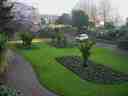
  9. To spot Queen's Gardens, just look for a wide, open space of bright green lawns with neat pathways curling around flower beds and small palm trees, right in the heart of…もっと読む折りたたむ

    To spot Queen's Gardens, just look for a wide, open space of bright green lawns with neat pathways curling around flower beds and small palm trees, right in the heart of Croydon. As you stand here, take a deep breath and listen - you might just catch the gentle splash of water from the central fountain. The Queen’s Gardens may look calm and peaceful now, but if you step back in time, it was a very different picture. Over a hundred years ago, this spot wasn’t green at all - it was the site of a railway spur leading to the old Croydon Central station. Imagine the rumble and clatter of chugging trains passing through what is now a sunken garden and the soft hum of nature. In the 1890s, as the railway fell silent, the Town Hall Gardens were laid out here, bringing a touch of tranquility to what used to be a very noisy place. Later, the police station arrived, no doubt making it a spot for gossip and maybe a little nervous glancing over your shoulder! But in 1983, something magical happened: Queen Elizabeth II herself opened the gardens as you see them today, fountain and all. You could say, they had the royal seal of approval. Now, there’s always a little extra adventure lurking under your feet - a cool subway runs right beneath you, linking the gardens to the Fairfield Halls across the road. In fact, if you've ever wondered why the flower beds are sunken, it’s because they cleverly use the old railway track bed and walls. You’re walking on history… just with fewer trains and, hopefully, more wedding photos! Keep your eyes peeled for couples grinning for the camera, the odd council worker on a quick shortcut, and plenty of Croydonians soaking up the sun or shade. Queen’s Gardens almost got swept up in grand plans for an ice rink and performances, but thankfully, it remains a leafy escape - part history, part public park, and always a lovely place to pause on your journey.

    専用ページを開く →
  10. To spot Fairfield Halls, look straight ahead for a large, bold concrete building with big glass panel windows and a massive “Fairfield” sign perched above a colourful theatre…もっと読む折りたたむ

    To spot Fairfield Halls, look straight ahead for a large, bold concrete building with big glass panel windows and a massive “Fairfield” sign perched above a colourful theatre poster right at its centre. Welcome to the famous Fairfield Halls-Croydon’s own palace of performance and the heartbeat of local entertainment for over half a century! You’re standing where some of the world’s greatest acts have taken the stage, and where echoes of laughter, music, and applause still seem to linger in the air. Imagine, if you will, the year is 1962. The doors swing open to this gleaming new beacon on what was once simply Croydon’s “Fair Field”-not fields of wheat or hay, but grounds where fairs once bustled with showmen, food stalls, and the hum of excitement, right up until the 1860s. Skip forward, past its days as a humble car park and even its time housing wartime air raid shelters. That spot beneath your feet might once have sheltered Croydonians during the Blitz! When the Halls first opened, they were something of a dream for a town on the up-three grand spaces inside: the main concert hall, the Ashcroft Theatre, and the Arnhem Gallery-ready to welcome everyone from school choirs testing their lungs to world-class musicians testing their speakers. Fancy watching Croydon’s biggest cinema screen? This is where you’ll find it, tucked inside the concert hall, where the popcorn’s always fresh, and the sound is upgraded to surround you in Dolby digital glory. Speaking of surround sound, the BBC fell in love with the place for their recordings, from orchestra to radio, sometimes causing a rush for good seats on Fridays. Rumour has it, if you listen very closely, you can still hear the leftover laughter from a stand-up comedy night or the echoes of Bowie’s electric guitar. Now, over the years, Fairfield Halls has survived quite a few plot twists. Take its spectacular closure in 2016 for a jaw-dropping £30 million redevelopment-let’s just say Croydon’s planners probably needed some of that theatre popcorn by the end of it! After a Charlie Chaplin-worthy shuffle of budgets and blueprints, its grand reopening came in 2019, a confetti moment with the Talawa Theatre Company moving in, jazzing up the halls with their own brand of brilliance. Not long after, the whole place pivoted in truly dramatic fashion to become a mass vaccination centre during the COVID-19 pandemic. Just imagine: needles instead of trumpets, and applause for the NHS rather than the actors! Music lovers, this is your shrine. Elton John, the Beatles, Stevie Wonder, Queen, Pink Floyd-these walls have vibrated with their tunes. In fact, Bowie and Morrissey once sat backstage here. But if you’re more into flying elbows than flying notes, guess what? Fairfield Halls was also London’s wrestling hotspot! Stages would descend mechanically, transforming in minutes for wrestling rings-imagine Croydon’s toughest grapplers tumbling just metres from where you stand. Not to mention, some acts started here before they made it big. Captain Sensible, before he became a punk icon, used to clean the toilets at Fairfield Halls and was inspired to chase stardom after watching T. Rex perform. That’s what you call a bathroom break with a destiny twist! From glitzy stage shows to schoolkids shyly belting out their first solos, this venue has always kept its doors open to the Croydon community. It’s where grandparents remember their first classical concert, and where kids dream of starring in the spotlight. The walls are bursting with stories-a birthday concert for its 50th anniversary, attended by royalty, and a massive online archive with 2,000 images preserving its colorful legacy. And movie fans, here’s a little trivia for your next pub quiz: the concert hall features in The Da Vinci Code. So, as you stand here, gaze up at those bright signs and big windows and imagine all that energy-one building, but endless stories. Enjoy the moment, and maybe, if you’re feeling brave, belt out a show tune or two! Just don’t worry about your singing voice. After all, with so many legends echoing in the halls, Croydon could probably use another… even if it’s you!

    専用ページを開く →
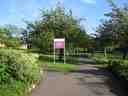
  11. To spot Park Hill Recreation Ground, look for the wide curving pathway lined with well-kept green bushes, leafy trees, and a large maroon-and-white sign that welcomes you right at…もっと読む折りたたむ

    To spot Park Hill Recreation Ground, look for the wide curving pathway lined with well-kept green bushes, leafy trees, and a large maroon-and-white sign that welcomes you right at the entrance-just ahead and slightly to your left. Welcome to Park Hill Recreation Ground! It's not just a patch of grass in Croydon-oh no, this is fifteen acres of living history, a hillside playground with secrets tucked under every tree and bush. Close your eyes for a second and picture this land in its wilder days: back in the 14th century, this whole area belonged to the Archbishop of Canterbury and stretched for more acres than you can count on your fingers and toes. Wild deer may have grazed where you'll see people picnicking today, and in 1382 a certain Sir William Walworth-whose claim to fame was probably not the world's best archery aim-was appointed the keeper of this enormous park. But nothing stays the same forever, and by the 1800s, these rolling fields were chopped into farms and even barley. Fast forward to November 1850, and here comes another twist-right beneath your feet, a massive brick reservoir was built, like a secret swimming pool for Croydon's water supply, covered with so much earth you'd never guess what was lurking below. The opening ceremony was quite an event: imagine a crowd led by the 71-year-old Archbishop of Canterbury, bravely climbing down into the dark, echoing reservoir, guided only by the glow of candlelight. Cheers erupted as the first water whooshed in, promising fresh supply for thirsty families all around Croydon. Of course, water’s a tricky thing to keep, and people used so much that by 1866, the poor old reservoir-though able to hold 900,000 gallons-was running low, barely managing to reach the highest houses. They had to impose rationing; only certain times a day did water flow! As with all things, another reservoir eventually took over, and this one became redundant-though during World War II, its leaky depths were kept filled, just in case the fire brigade needed emergency reserves. And that big mound you might spot near the trees? It hides what’s left of that enormous underground tank. The roof became unsafe and had to be demolished in the 1970s, but it’s all still waiting there under the earth, holding its own mysteries. Now, have you noticed the odd, castle-like tower poking up from the middle of the park? That's Croydon's Water Tower, built in 1867 in a dramatic Norman style with red and brown bricks. Its job was to pump water up to the highest points in Croydon, with a remarkable 40,000-gallon wrought iron tank at the top that could make even the biggest water bottle jealous. In the late 1800s, you could pay a penny and climb for a view that probably made hearts pound-that is, if the stairs didn’t get you first! Sadly, the tank and the old steam engine that powered it are gone, and though the tower is Grade II listed, it’s closed to the public. Legend says if you listen quietly, you can almost hear the clang of the old machinery and the laughter of visitors who braved the steps on a summer day. All of this grassy land became your recreation ground after some serious council arm-wrestling in the 1880s. Croydon Council bought eight acres and set strict rules: the park had to be open to the public forever and well looked after. By July 1888-mark that date-they held the grand opening, and soon everyone was coming here for walks, picnics, football, and fresh air. There’s even a tale that a bandstand was donated in 1889, so if you listen very quietly, who knows-maybe you’ll catch a distant brass note or the echo of children’s laughter swirling around the trees. If that’s not enough, the grounds of Coombe Cliff, once home to the famous Horniman Tea family, were added in 1930, making the park even bigger. And if you wander all the way to the top, you can peer down a winding drive to Coombe Road, spotting the old gatehouse-a grade II listed building now used as a private home. People have always loved this park: writer Malcolm Muggeridge remembered deciding the fate of the world (or at least of tea and politics) with his father here. The next time you relax on the grass or wander through the gardens, just imagine all the footsteps-famous or not-echoing before yours. So take a stroll, enjoy the fresh air, and remember: every hill, tree, and even the strange lump under the ground has a story hidden inside it, waiting for someone with a little curiosity-like you-to listen.

    専用ページを開く →
  12. Fairfield is really the town centre of Croydon, cradling all the shopping, office life, and lively events you can imagine. At the last census, over sixteen thousand residents…もっと読む折りたたむ

    Fairfield is really the town centre of Croydon, cradling all the shopping, office life, and lively events you can imagine. At the last census, over sixteen thousand residents called this area home. That’s a lot of opinions about where to get the best fish and chips! Every four years, the locals pick three councillors to guide their patch-so imagine the friendly, and sometimes not-so-friendly, debates in these bustling streets. Up until 2018, Fairfield stretched further east, but with the birth of the Park Hill and Whitgift ward, Fairfield had to, well, mind its boundaries. Nowadays, its personality is shaped by spots like Ruskin House-you might catch a whiff of campaign coffee brewing before an election-and, of course, those world-class concerts at Fairfield Halls, just a stone’s throw away. If you listen closely, you might even hear the crunch of footsteps from walkers on the Vanguard Way sliding along the Fairfield Path. Quite fitting for this crossroads of Croydon life where stories meet, blend, and carry on-much like your journey today. So, congratulations on making it to the finish line! Just remember: in Fairfield, the journey is as important as the destination.

    専用ページを開く →

よくある質問

ツアーはどうやって始めますか?

購入後、AudaToursアプリをダウンロードして引き換えコードを入力してください。ツアーはすぐに開始できます。再生ボタンをタップして、GPSガイド付きルートに従うだけです。

ツアー中にインターネットは必要ですか?

いいえ!開始前にツアーをダウンロードしておけば、完全にオフラインで楽しめます。チャット機能のみインターネットが必要です。モバイルデータを節約するため、WiFi環境でのダウンロードをお勧めします。

これは団体ツアーですか?

いいえ、これはセルフガイド式のオーディオツアーです。ガイドや団体、決まったスケジュールに縛られることなく、スマホから流れるナレーションを聴きながら自分のペースで自由に探索できます。

ツアーの所要時間は?

ほとんどのツアーは60〜90分で完了しますが、ペースは完全に自由です。好きな時に一時停止したり、スポットを飛ばしたり、休憩を取ったりできます。

今日中にツアーを終えられない場合は?

問題ありません!ツアーには無期限でアクセスできます。明日、来週、あるいは来年でも、好きな時に再開できます。進行状況は保存されます。

どの言語が利用可能ですか?

すべてのツアーが50以上の言語に対応しています。コードを引き換える際にお好みの言語を選択してください。注意:ツアー生成後に言語を変更することはできません。

購入後、どこからツアーにアクセスできますか?

App StoreまたはGoogle Playから無料のAudaToursアプリをダウンロードしてください。メールで届いた引き換えコードを入力すると、ライブラリにツアーが表示され、ダウンロードして開始できるようになります。

verified_user
満足保証

もしツアーを楽しめなかった場合は、返金いたします。お問い合わせ先: [email protected]

以下の決済で安全にチェックアウト

Apple PayGoogle PayVisaMastercardPayPal

AudaTours: オーディオツアー

楽しくて手頃なセルフガイド式ウォーキングツアー

アプリを試す arrow_forward

世界中の旅行者に愛されています

format_quote このツアーは街を見るのに本当に良い方法でした。ストーリーは作り込まれすぎず面白くて、自分のペースで探索できるのが良かったです。
format_quote 観光客気分になりすぎず、ブライトンを知るためのしっかりとした方法でした。ナレーションには深みと文脈がありました。
Christoph
Christoph
starstarstarstarstar
ブライトン・ツアー arrow_forward
format_quote 片手にクロワッサンを持ち、期待ゼロで始めました。アプリはただ一緒にいてくれる感じで、プレッシャーもなく、クールな物語を楽しめました。

オーディオツアー使い放題

世界中のすべてのツアーをアンロック

0 ツアー·0 都市·0 国
all_inclusive アンリミテッドを探索