
50以上の言語

 オルデンブルク · ドイツ
 オルデンブルクのオーディオツアー
セルフガイド式オーディオウォーキングツアーでオルデンブルクを発見
headphones
4 ツアー
pin_drop
20 ランドマーク
translate
主要ランドマーク
みんなが知っているオルデンブルク。
ガイドブックに載っているランドマークと、ガイドブックには書いていないことを教えてくれるツアー。
オルデンブルクについて少し
A market town that has been growing steadily since 1108.
Oldenburg was first documented in 1108, when Count Elimar I held a ford on the Hunte River and the settlement that grew around it took his name. The counts of Oldenburg became kings of Denmark, then Norway, then Sweden, then Greece, across various dynastic complications over six centuries. The town itself, meanwhile, grew into a compact capital of a small state and accumulated the civic buildings that role requires: the Schloss, now a regional museum with a particularly good art collection, and the Staatstheater on Theaterwall, operating since 1833.
The Kramermarkt, the city's annual autumn fair, dates to the seventeenth century and runs for ten days in October.
The Schlossgarten, the formal garden behind the palace, is open year-round and is used by locals with a frequency that suggests they think of it as their own garden, which in some sense it is. St Lamberti Church, its tower visible from across the low flat country that surrounds Oldenburg, is the seat of the regional Lutheran church. The surrounding landscape is dairy country: eighty percent grassland, flat, and producing milk that goes into the northern German butter and cheese supply.
オルデンブルク
オルデンブルク FAQ
Before you walk.
オルデンブルクのすべてのツアーを、あなたの言語で。
50以上の言語すべて、すべての予約に込み。
🇬🇧 English🇫🇷 Français🇪🇸 Español🇩🇪 Deutsch🇮🇹 Italiano🇯🇵 日本語🇨🇳 中文🇰🇷 한국어+ 41言語
star AudaTours Unlimited
複数の都市を訪問しますか? サブスクしましょう。
オルデンブルクのすべてのツアーをアンロック — さらに世界中の何千ものツアーも。いつでもキャンセル可能。
$4.99/週 · いつでもキャンセル





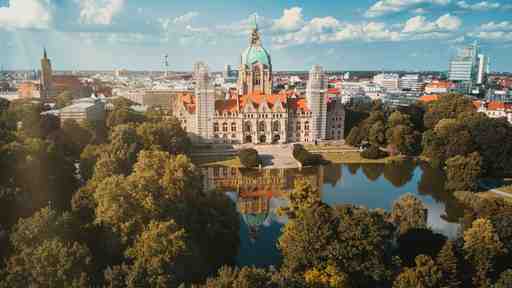
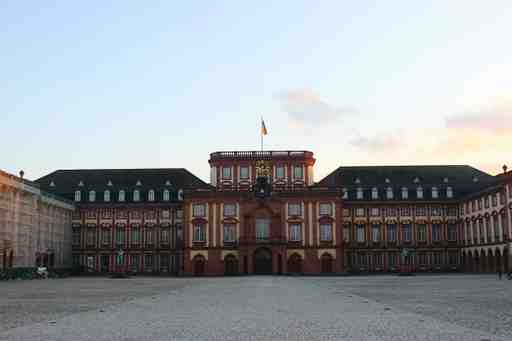
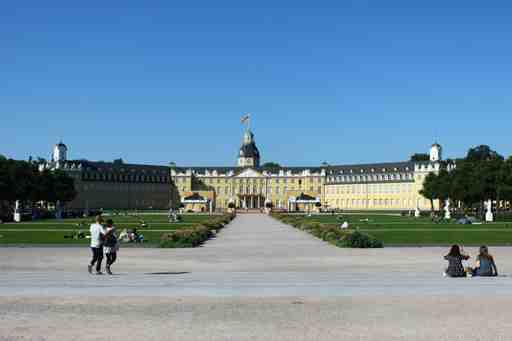
世界中の旅行者に愛されています数千のツアーが始まった。
数千のツアーが始まった。
みんなの感想。
App StoreとGoogle Playで総合4.8。何度も読み返したくなるレビューを集めました。


download アプリを入手 ヘッドフォンを付けて。


ヘッドフォンを付けて。
外へ出よう。
ダウンロード無料。世界中の都市でツアー体験。60秒で開始 — アカウント不要、カード不要。

headphones
約4分 最初のツアーが始まるまで
public
1,000+ 世界中の都市
all_inclusive
AudaTours
Unlimited
すべてのツアー。すべての都市。 ひとつのサブスク。
3096 ツアー2272 都市138 国50+ 言語
$39 /年
all_inclusive アンリミテッドを探索