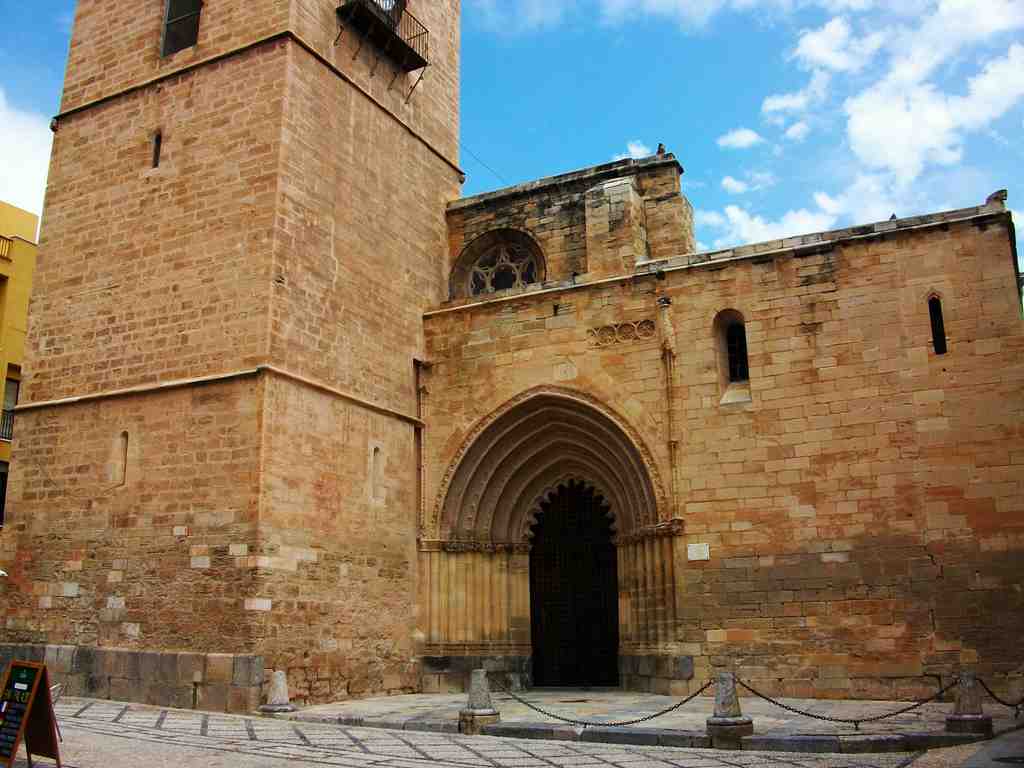
Orihuela Cathedral | Orihuela, Spain
Introduction to Orihuela Cathedral
Situated in the heart of Orihuela, Orihuela Cathedral (Catedral de Orihuela) stands as a testament to the region's rich cultural heritage. This magnificent cathedral is not just a religious site; it is also one of the most important historical landmarks in southern Spain. It offers a unique glimpse into the architectural prowess of the past while housing a myriad of artistic treasures.
A Journey Through History
The origins of Orihuela Cathedral trace back to a simple parish church built over a pre-existing Muslim mosque. In 1281, following a royal decree from King Alfonso X of Castile, the church underwent a significant transformation. Its elevation to a collegiate church in 1413 by Pope Benedict XIII marked an important milestone, eventually becoming a cathedral in 1510. This rich historical background is what makes Orihuela Cathedral one of the most fascinating cultural sites to explore.
The Architecture of Orihuela Cathedral
Construction began in the late 13th century, showcasing the exquisite Valencian Gothic style. The cathedral is designed in the shape of a Latin cross, which includes a main nave, two aisles, an ambulatory, and chapels nestled within buttresses. One cannot miss the late-Gothic great chapel and the remarkable ambulatory, added in the early 16th century, designed by the talented architect Pere Compte.
The interior of the cathedral is characterized by its dim lighting, a feature attributed to the small size of its windows, creating a somber yet awe-inspiring atmosphere. Visitors will encounter three stunning entrances:
- Puerta de las Cadenas (Portal of the Chains, 14th century): This entrance showcases Islamic influence.
- Puerta de Loreto (mid-15th century): A stunning example of Gothic architecture.
- Gate of the Annunciation (north façade, built in 1588): Displaying Renaissance-style characteristics in a triumphal arch shape.
Artistic Treasures Within the Cathedral
Alongside the cathedral itself is a museum of Sacred Art, a cultural monument that houses remarkable art pieces. Here are some highlights of the collection:
- Temptation of St. Thomas by Diego Velázquez
- Works by Vicente López Portaña and José de Ribera
- San Juan Bautista by Juan de Juanes
- Exquisite sculptures by Francisco Salzillo
One of the most stunning features inside the cathedral is the grand organ, a product of Baroque renovation completed in 1733 by Valencian craftsmen, which adds to the cathedralâs enchanting aura.
Visiting Orihuela Cathedral Today
To fully appreciate this magnificent structure, consider taking advantage of self-guided tours through AllTours. With high-quality audio narration, these tours allow you to explore the cathedral and other historical sites in Orihuela at your own pace. Discover the stories behind the architectural details and art pieces while immersing yourself in the rich heritage of this remarkable city.
"Orihuela Cathedral is not just a place of worship; it's a window into the past, offering insights into the historical layers of Spanish culture and architecture."
The Importance of Orihuela Cathedral
Orihuela Cathedral is more than just one of the prominent tourist attractions in Orihuela; it reflects the city's rich history and showcases the architectural evolution from the Gothic period through to the Renaissance. Its status as a heritage site makes it a must-visit for anyone passionate about city exploration and discovering hidden gems.
Conclusion: Explore with AllTours
As you plan your visit to this stunning historical site, be sure to include Orihuela Cathedral in your itinerary. For the best experience, consider booking one of the Unveiling Bigastro: A Harmonious Journey Through History and Culture tours available on AllTours. This guided experience promises to enrich your understanding of Orihuelaâs cultural heritage and architectural beauty. Donât miss out on the opportunity to discover this remarkable cathedral firsthand while exploring one of the most captivating city landmarks in southern Spain!



