
Tour Audio di New York City: Resilienza e Riflessione nel Distretto Finanziario
Sotto l'imponente guglia della Liberty Tower e le silenziose vasche del Memoriale dell'11 settembre, il Distretto Finanziario di Manhattan nasconde storie di lotte di potere, accordi segreti e coraggio sbalorditivo che hanno plasmato il mondo. Questo tour audio autoguidato svela le strade che la maggior parte dei viaggiatori vede ma non conosce mai veramente, offrendo racconti da insider e angoli poco noti al tuo ritmo. Quale messaggio in codice paralizzò Wall Street in un solo pomeriggio? Quale punto di riferimento scomparso scatenò un'insurrezione in tutta la città in pochi minuti? Chi portava il foglio di carta più prezioso mai perso tra questi grattacieli? Passa dalle ombre della tragedia alle vette dell'ambizione, ripercorrendo storie di perdita, sopravvivenza e trasformazione. Ogni passo scopre strati sotto l'acciaio e la pietra della città, rivelando il cuore di Manhattan in movimento attraverso dramma, lealtà e speranza. Inizia il tuo viaggio ora e scopri cosa nasconde la storia proprio dietro l'angolo.
Anteprima del tour
Informazioni su questo tour
- scheduleDurata 30–50 minsVai al tuo ritmo
- straighten0.5 km di percorso a piediSegui il percorso guidato
- location_onPosizioneNew York, Stati Uniti
- wifi_offFunziona offlineScarica una volta, usa ovunque
- all_inclusiveAccesso a vitaRiascolta quando vuoi, per sempre
- location_onParte da Liberty Tower
Tappe di questo tour
To spot Liberty Tower, look for a tall, slender white building with ornate, castle-like decoration and pointed roof features, rising sharply above the narrow streets at the corner…Leggi di piùMostra meno
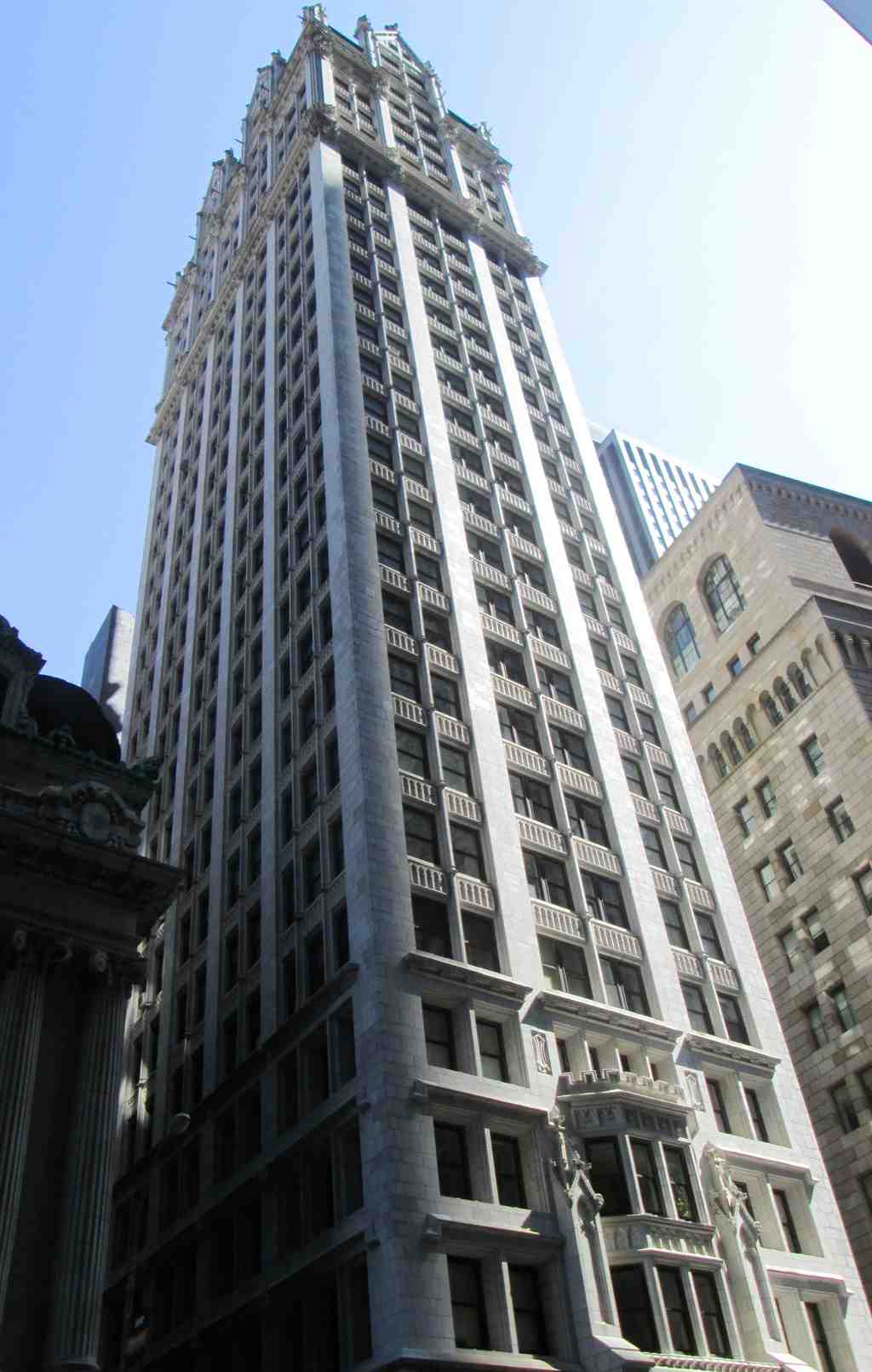
To spot Liberty Tower, look for a tall, slender white building with ornate, castle-like decoration and pointed roof features, rising sharply above the narrow streets at the corner of Liberty Street and Nassau Street. As you stand here outside the Liberty Tower, you can almost feel the layers of history pressing in from all sides. The narrow streets of Manhattan’s Financial District are dwarfed by this 33-story giant, once known as the Sinclair Oil Building, now gleaming with a white terracotta facade that’s richly decorated with fanciful creatures. If you look closely, you may spot gargoyles, birds, and even alligators peering down at the city below-remnants of a time when architects loved to surprise and delight, and when the skyline was more about artistry than sheer height. It’s 1909. Horse-drawn carts still rattle along Liberty Street. Men in fedoras shout the latest headlines from street corners. Into this bustling world, Henry Ives Cobb, a determined architect familiar with Gothic grandeur and the new steel skeletons of skyscrapers, brings his vision to life. The Liberty Tower grows on an odd-shaped plot where the influential New York Evening Post once stood, its very ground whispering stories of journalists, editors, and the city’s daily drama. Cobb’s design is ambitious: three distinct sections-like the column of an ancient temple-rise from a solid stone base through a tall, elegant shaft to an ornate crown. When finished, it’s the slimmest tower in the world, with an almost unbelievable floor area ratio of 30 to 1. People flock here just to marvel at how this narrow pillar doesn’t topple. To anchor the building, workers sink caissons so deep-94 feet into the earth-that, at the time, only one building in New York goes deeper. Early tenants sense the building’s promise. In a small law office on the second floor sits a young Franklin Delano Roosevelt, future president of the United States, dreaming of what’s possible. Other floors bustle with insurance agents, lawyers, and the hum of America’s growing economy. But behind the scenes, developers struggle-defaults, foreclosures, transfers of ownership follow each other in rapid succession, the whole thing teetering on the edge like the city itself during these turbulent years. The Roaring Twenties arrive, and so do bigger players. Sinclair Oil buys up the whole building, splashes its name across the doors, and soon the tower’s offices are the backdrop to secrets and scandals. Here, deals are struck that tie into the infamous Teapot Dome affair, one of the greatest political scandals of its age. Even spies operate here for a time; in 1917, German agents use an office in this tower as they hatch plots to shape the world outside, their activities lurking in the shadows just above the crowded sidewalks. Decades roll by. Oil barons and real estate magnates come and go. After World War II, the Sinclair name fades, and the tower quietly waits for its next chapter. By the late 1970s, the Financial District is changing, emptying out at night, and suddenly an architect named Joseph Pell Lombardi sees potential where others see only problems. He transforms its offices into apartments-the first big office-to-residence conversion south of Canal Street-and breathes new life into Liberty Tower just as the city’s fortunes wane and rise again. This building has survived more than a century of change, from newspaper presses to presidential ambitions, from wartime spies to scandal, and even the shattering events of September 11, 2001, when damage threatened its bones but not its spirit. Today, as you look up at its lace-like terracotta and copper roof, know that you are gazing at a survivor-one that continues to adapt and endure, just like New York itself. Ready to delve deeper into the site, architecture or the critical reception? Join me in the chat section for an enriching discussion.
Apri pagina dedicata →

Domande frequenti
Come inizio il tour?
Dopo l'acquisto, scarica l'app AudaTours e inserisci il tuo codice di riscatto. Il tour sarà pronto per partire immediatamente – tocca play e segui il percorso guidato dal GPS.
Ho bisogno di internet durante il tour?
No! Scarica il tour prima di iniziare e goditelo completamente offline. Solo la funzione chat richiede internet. Ti consigliamo di scaricare tramite WiFi per risparmiare dati mobili.
È un tour guidato di gruppo?
No – è un tour audio autoguidato. Esplori in autonomia al tuo ritmo, con la narrazione audio riprodotta dal tuo telefono. Nessuna guida, nessun gruppo, nessun orario.
Quanto dura il tour?
La maggior parte dei tour richiede 60–90 minuti, ma sei tu a controllare il ritmo. Metti in pausa, salta le tappe o fai pause quando vuoi.
E se non riesco a finire il tour oggi?
Nessun problema! I tour hanno accesso a vita. Metti in pausa e riprendi quando vuoi – domani, la prossima settimana o il prossimo anno. I tuoi progressi vengono salvati.
Quali lingue sono disponibili?
Tutti i tour sono disponibili in oltre 50 lingue. Seleziona la lingua preferita quando riscatti il codice. Nota: la lingua non può essere cambiata dopo la generazione del tour.
Dove accedo al tour dopo l'acquisto?
Scarica l'app gratuita AudaTours dall'App Store o Google Play. Inserisci il codice di riscatto (inviato via email) e il tour apparirà nella tua libreria, pronto per essere scaricato e avviato.
Se il tour non ti piace, ti rimborseremo l'acquisto. Contattaci a [email protected]
Pagamento sicuro con 


