
Tour audio di New York: Torri, Tributo e Trionfo nel FiDi
Giganti d'acciaio proiettano lunghe ombre dove fortune sono sorte e i dolori della storia echeggiano sotto vetri scintillanti. Qui, nel Financial District di New York, ogni passo custodisce un segreto, ogni angolo nasconde una storia in attesa di infrangere la superficie. Questo tour audio autoguidato ti porta fuori dai sentieri battuti per scoprire le leggende intessute nella Liberty Tower, i commoventi tributi al National September 11 Memorial, e i vicoli trascurati dove ambizione e caos si sono incontrati. Vivi la spina dorsale della città e le sue cicatrici mentre nuove prospettive vengono rivelate. Chi ha inviato un avvertimento criptico momenti prima che la storia cambiasse per sempre proprio qui? Quale reliquia perduta si nasconde ancora sotto le impronte di quelle torri gemelle? E perché Wall Street è quasi crollata per un singolo, inaspettato colpo? Traccia un percorso attraverso resilienza e reinvenzione, muoviti attraverso canyon di vetro e dolore, e scopri il battito crudo di una città. Sei pronto a svelare le storie nascoste di Manhattan? Inizia ora.
Anteprima del tour
Informazioni su questo tour
- scheduleDurata 30–50 minsVai al tuo ritmo
- straighten0.5 km di percorso a piediSegui il percorso guidato
- location_onPosizioneNew York, Stati Uniti
- wifi_offFunziona offlineScarica una volta, usa ovunque
- all_inclusiveAccesso a vitaRiascolta quando vuoi, per sempre
- location_onParte da Liberty Tower
Tappe di questo tour
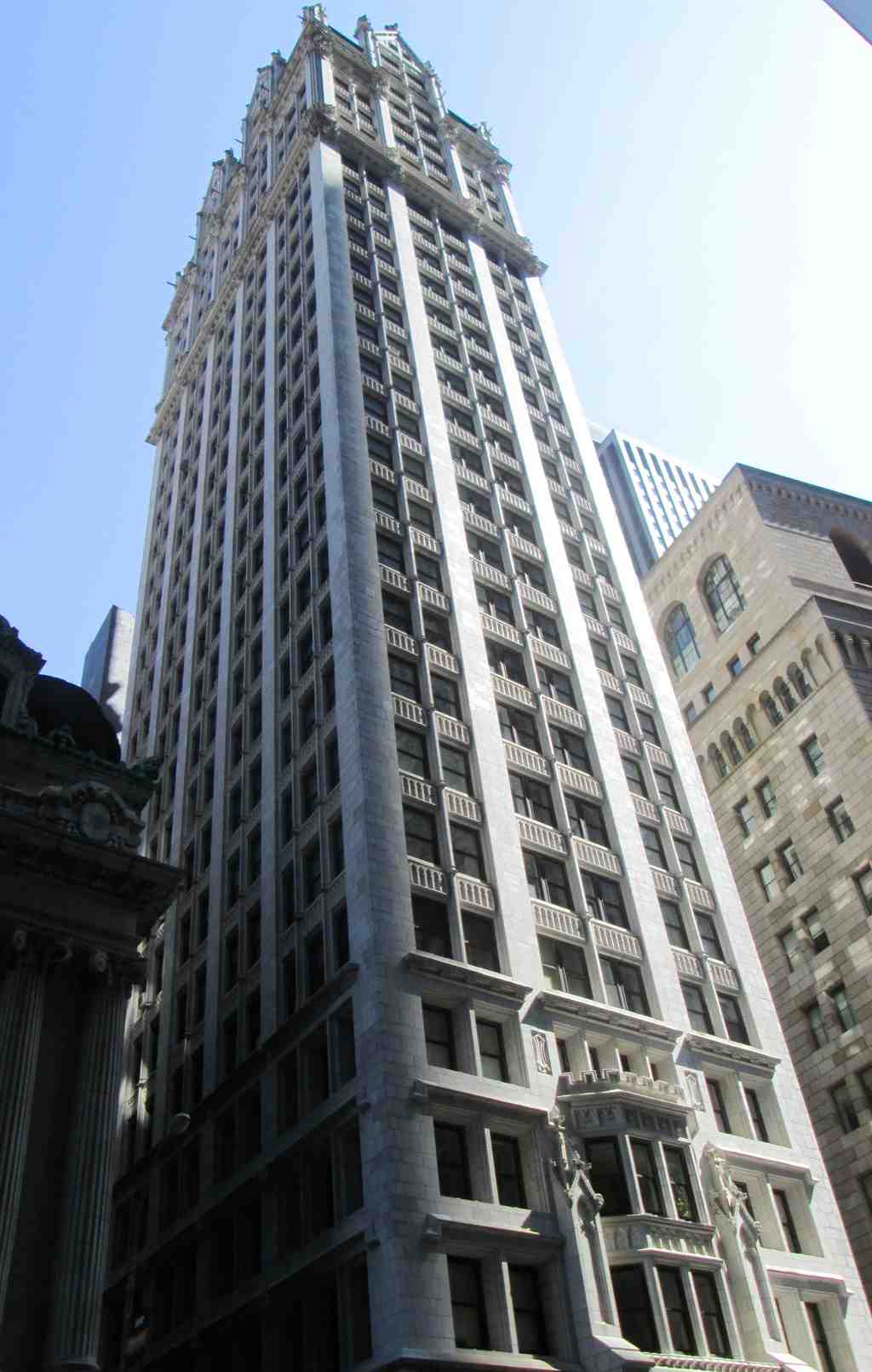
Look to your left as you walk along Liberty Street, and you’ll spot a tall, narrow building clad in gleaming white stone and crowned with turret-like details and pointed arches…Leggi di piùMostra meno
Look to your left as you walk along Liberty Street, and you’ll spot a tall, narrow building clad in gleaming white stone and crowned with turret-like details and pointed arches standing sharply at the corner-a striking Gothic tower soaring between its neighbors. Here you are, right beneath Liberty Tower, a soaring exclamation point pressed into the twisting canyon of lower Manhattan. Imagine it’s the spring of 1910: New York is in the midst of its skyscraper race, shoving steel, ambition, and raw optimism further into the sky every year. Where you now stand, workmen are clearing away the remnants of the old Bryant Building-once home to the editor William Cullen Bryant and his newspaper, The New York Evening Post. Trucks clatter past on uneven cobbles, and from time to time, you catch the sharp clang of steel on stone as deep, risky caissons are lowered-94 feet down to bedrock-to support what will soon be the narrowest, tallest tower in the city. There’s a sense of giddy improbability about the place, because no one expects this tiny footprint to give rise to something so slender and extravagant. Henry Ives Cobb, an architect with a taste for drama and inspired by Gothic cathedrals and the new steel skeletons of Chicago, has made sure this building is no wallflower among its blocky neighbors. Run your eyes up the facade set with dazzling white terracotta-every nook bristling with fanciful creatures, birds, alligators, even a few watchful gargoyles glaring down the street as if daring any rival to question their perch. Even after a century, these details haven’t dulled; they catch the sunlight and seem to shimmer, more fairytale than finance. Liberty Tower’s base is grand but solid, holding tight to the earth, but as your gaze creeps higher, it grows lighter, sprouting rails and fluted details, climbing for 33 stories to a delicate copper roof. When the doors first swung open in 1910, not every office was finished-some floors were little more than echoing, raw spaces. Yet, soon enough the rooms filled with life and purpose. If you had stepped inside back then, you might have glimpsed a young Franklin Delano Roosevelt, future president, poring over legal briefs in his office on the second floor, completely unaware of the presidency awaiting him. One floor above him, perhaps, rival businessmen plotted strategies, while deep down, the foundations-a marvel themselves-kept the whole structure tethered to Manhattan bedrock, even as the city seethed with ambition above. You’d be forgiven for picturing more intrigue-because there was plenty. In the tense days leading up to America's entry into World War I, German spies worked from offices inside Liberty Tower, spinning plots and intercepted telegrams that reached all the way to the highest levels of government. One notorious episode involved the Zimmermann Telegram, which, when exposed, helped tip the country into war. Imagine the whispered conversations, the shuffles of paper-history tumbling out from behind nearly every office door. For a time, Sinclair Oil took over, and deals brokered here would ripple all the way to Washington, feeding the Great Teapot Dome scandal that would tear through the 1920s. Later, as newer corporate palaces rose uptown, even the mighty Sinclair Oil moved on, and Liberty Tower changed hands again and again-its rent rolls swelling and shrinking with the fortunes of Wall Street. By the 1970s, the future of the building seemed as narrow as its shape-nearly two-thirds empty, unwanted. But then, in a daring move scarcely anyone believed would work, architect Joseph Pell Lombardi bought the building and began turning it into residential apartments, a bold first in this part of Manhattan. The city below was quiet, but in Liberty Tower, new life took root-each apartment unique, each window framing the changing city below. The story doesn’t stop there. The building has survived both scandal and disaster. When the World Trade Center fell in 2001, Liberty Tower took a heavy blow-its delicate terracotta cracked, its inner steel rusted by water from shattered mains. But, as always, it was stubborn. Residents and experts came together and poured millions of dollars into repair, restoring not just a building but a piece of New York’s shrugging resilience. And above it all, those whimsical gargoyles, alligators, and birds still perch, their gazes fixed on the city’s next chapter. So as you gaze up now, let yourself imagine the swirl of lives, secrets, and fortunes that this elegant, improbable pencil of a tower has seen-rising above the Financial District, narrow, bright, and indelibly unique. Intrigued by the site, architecture or the critical reception? Make your way to the chat section and I'll be happy to provide further details.
Apri pagina dedicata →
Domande frequenti
Come inizio il tour?
Dopo l'acquisto, scarica l'app AudaTours e inserisci il tuo codice di riscatto. Il tour sarà pronto per partire immediatamente – tocca play e segui il percorso guidato dal GPS.
Ho bisogno di internet durante il tour?
No! Scarica il tour prima di iniziare e goditelo completamente offline. Solo la funzione chat richiede internet. Ti consigliamo di scaricare tramite WiFi per risparmiare dati mobili.
È un tour guidato di gruppo?
No – è un tour audio autoguidato. Esplori in autonomia al tuo ritmo, con la narrazione audio riprodotta dal tuo telefono. Nessuna guida, nessun gruppo, nessun orario.
Quanto dura il tour?
La maggior parte dei tour richiede 60–90 minuti, ma sei tu a controllare il ritmo. Metti in pausa, salta le tappe o fai pause quando vuoi.
E se non riesco a finire il tour oggi?
Nessun problema! I tour hanno accesso a vita. Metti in pausa e riprendi quando vuoi – domani, la prossima settimana o il prossimo anno. I tuoi progressi vengono salvati.
Quali lingue sono disponibili?
Tutti i tour sono disponibili in oltre 50 lingue. Seleziona la lingua preferita quando riscatti il codice. Nota: la lingua non può essere cambiata dopo la generazione del tour.
Dove accedo al tour dopo l'acquisto?
Scarica l'app gratuita AudaTours dall'App Store o Google Play. Inserisci il codice di riscatto (inviato via email) e il tour apparirà nella tua libreria, pronto per essere scaricato e avviato.
Se il tour non ti piace, ti rimborseremo l'acquisto. Contattaci a [email protected]
Pagamento sicuro con 


