
Tour Audio di North Little Rock: Ville, Visioni e il Fascino di Park Hill
Un singolo isolato a Park Hill può custodire un secolo di segreti sotto la sua calma alberata. Percorri i viali storici in questo tour audio autoguidato per intravedere le vite e gli scandali che hanno plasmato il passato di Little Rock. Scopri case dove la fortuna è passata di mano in una notte, battaglie infuriavano nei municipi e misteriosi sussurri echeggiano ancora in salotti silenziosi. Perché una corsa in carrozza a mezzanotte alla Kleiber House ha alterato il destino della città? Quale strano evento alla Matthews-Bryan House ha costretto una famiglia al silenzio per generazioni? E chi ha lasciato un baule inspiegabile nella soffitta della Owings House, sigillato per oltre cinquant'anni? Lascia che ogni passo ti porti più vicino a ribellioni dimenticate, manovre politiche e misteri intriganti nascosti appena oltre la vista ordinaria. Scopri l'anima vibrante di Little Rock mentre voci di ogni epoca si levano da dietro facciate imponenti. Pronto a svelare i segreti meglio custoditi di Park Hill? Premi play e inizia il viaggio.
Anteprima del tour
Informazioni su questo tour
- scheduleDurata 40–60 minsVai al tuo ritmo
- straighten1.8 km di percorso a piediSegui il percorso guidato
- location_onPosizioneLittle Rock, Stati Uniti
- wifi_offFunziona offlineScarica una volta, usa ovunque
- all_inclusiveAccesso a vitaRiascolta quando vuoi, per sempre
- location_onParte da Crestview Park
Tappe di questo tour
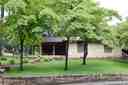
You’ll spot Crestview Park by looking for a wide grassy hillside dotted with tall trees, a simple wooden park sign by the sidewalk, and a rustic shelter nestled just inside the…Leggi di piùMostra meno
You’ll spot Crestview Park by looking for a wide grassy hillside dotted with tall trees, a simple wooden park sign by the sidewalk, and a rustic shelter nestled just inside the park. Welcome to Crestview Park, North Little Rock’s treasure chest of greenery, where nature meets a touch of artistic mystery. Standing here, you might notice that the land tilts steeply upwards, almost challenging you to guess what’s hidden at the top. Even though the park is small and pretty quiet-no playgrounds or big fountains-you’re right in the middle of a spot that’s been making locals smile since the 1930s. Tucked among these leafy giants are two incredible sculptures by Dionicio Rodriguez, an artist who just might have been part wizard. One is a footbridge that tricks the eye, made to look exactly like a fallen tree. Go ahead, sneak a closer peek! The other is a shelter that's so unique, some folks wonder if elves use it on stormy nights. These artworks earned their place on the National Register of Historic Places in 1986, so you’re not just strolling through a park-you’re exploring living history and a little bit of art magic.
Apri pagina dedicata →To spot the Duffy House, just look for the striking two-story white building with smooth stucco walls and a red-tiled roof, plus a cozy porch and a garage set to the…Leggi di piùMostra meno
To spot the Duffy House, just look for the striking two-story white building with smooth stucco walls and a red-tiled roof, plus a cozy porch and a garage set to the right. You’re standing in front of the lovely Duffy House, where Spanish Colonial flair meets Arkansas charm. Imagine it’s 1929: Justin Stewart has just finished building this beauty, its cleverly curved tiles shining in the morning sun. Picture the scent of new stucco in the air and the hope of a booming neighborhood. But wait-suddenly the Great Depression arrives like an unexpected thunderstorm. The house, this dazzling Spanish-style dream, stands grand and a little lonely, empty for years as “for sale” signs wave in the wind. Most folks admired from afar, unable to make it their home, and the quiet was broken only by the creak of the tiny iron balcony or perhaps footsteps of a hopeful maid in her quarters by the garage. At last, time caught up, and the Duffy House became a symbol: a survivor from just before the stock market crash, reminding us how fortunes can turn overnight. In 2014, it finally earned the recognition it deserved, officially joining the National Register of Historic Places. So as you stand here, take a moment to feel the echoes of ambition, worry, and stubborn hope swirling in the Arkansas breeze.
Apri pagina dedicata →To spot the Matthews-Godt House, look for a cozy brick house with a screened porch on the left and steep, shaded gables, all nestled under large leafy trees. Step up to the…Leggi di piùMostra meno
To spot the Matthews-Godt House, look for a cozy brick house with a screened porch on the left and steep, shaded gables, all nestled under large leafy trees. Step up to the Matthews-Godt House and you’re stepping back to 1928-imagine the roar of a sleek car as Justin Matthews himself inspects this brand new home, showing off the split-level design before it was considered “cool.” With its English Revival flair and brick veneer, this house was practically a trendsetter, strutting its stuff long before the 1950s split-level boom hit the rest of America. You can almost hear the hum of conversation between Matthews and his architect, Frank Carmean, as they plotted to give Park Hill its elegant Edgemont look-“Frank, make it classy but make it homey!” Designed to be a showpiece for a modern neighborhood, this house became a hidden treasure, as if the past was carefully tucked under the shadows of these gigantic oak trees. Generations have admired the clever mix of old-world charm and 20th-century innovation here, and the National Register of Historic Places finally said, “Alright, you’re on the list!” in 1992. Who knows what new stories these brick walls will hear next -maybe yours?
Apri pagina dedicata →
Mostra altre 10 tappeMostra meno tappeexpand_moreexpand_less
You’ll spot the Bailey Allinder House just behind these leafy trees-it’s a cozy, single-story sandstone house with an L-shape and a sturdy stone retaining wall in front. Now,…Leggi di piùMostra meno
You’ll spot the Bailey Allinder House just behind these leafy trees-it’s a cozy, single-story sandstone house with an L-shape and a sturdy stone retaining wall in front. Now, imagine the year is about 1948, and the air smells fresh after a summer rain. Park Hill is changing, and right in front of you, the Bailey Allinder House stands out with its warm sandstone and fieldstone walls, somewhere between the “let’s keep it simple” Minimal Traditional style of earlier years and the breezy, low-slung Ranch homes starting to pop up. Look closely at its stonework and you can almost sense the influence of Frank Lloyd Wright-think natural materials blending with the landscape. Built just after World War II, this house became a home thanks to Bailey Allinder, a hardworking auto mechanic, and his wife, a talented piano teacher. It’s as if there was always a gentle tug of the everyday here: the sound of jazz melodies drifting from a piano, the smell of engine oil, and maybe, the odd slip on the stone walk when Bailey’s hands were greasy. Since 2002, this clever mix of styles and stories has been recognized on the National Register of Historic Places-because who says only castles or mansions get all the credit?
Apri pagina dedicata →Look to your right-you’ll spot a grand, cream-colored two-story house with a red tile roof, arched windows, and a fancy wrought iron balcony, standing high above the street behind…Leggi di piùMostra meno
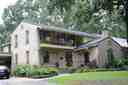
Look to your right-you’ll spot a grand, cream-colored two-story house with a red tile roof, arched windows, and a fancy wrought iron balcony, standing high above the street behind a lawn shaded by big old trees. Welcome to the Justin Matthews Jr. House, a place where Mediterranean dreams found a home in Arkansas! Picture it: the year is 1928, and developer Justin Matthews is determined to make Park Hill the toast of the town. He has this stunning mansion built for his son, right here on Skyline Drive, hiring the talented Max F. Meyer to design something no one could miss. You’d see workers bustling around, clay tiles clanking as they finish the signature red roof. The smooth stucco walls shine under the sun-something you’d expect to see in Spain or Italy, not North Little Rock! There’s a sense of excitement: neighbors stop to marvel at the elegant arched doorways, imagining glamorous gatherings inside. And here’s a fun detail-those wrought iron railings on the balcony? They were the talk of the neighborhood and gave the house a bit of dramatic flair, as if someone might step outside with a grand announcement. This house isn’t just stylish, it’s historic; the national experts made it official in 1990 by putting it on the National Register of Historic Places. So take a moment, enjoy the view, and if you suddenly feel like adopting a Mediterranean accent, don’t worry-you wouldn’t be the first!
Apri pagina dedicata →To spot the Cherry House, look ahead for a crisp white two-and-a-half-story home with charming dormer windows, a grand semicircular portico at the door, and a sweeping lawn framed…Leggi di piùMostra meno
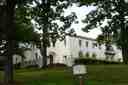
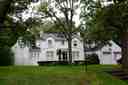
To spot the Cherry House, look ahead for a crisp white two-and-a-half-story home with charming dormer windows, a grand semicircular portico at the door, and a sweeping lawn framed by shady trees. Now, let’s imagine it’s 1930, and this stately house is just finishing construction, its crisp brick veneer gleaming beneath the Arkansas sun. The Cherry House stands out as the pride of Edgemont, considered by many to be the best Colonial Revival-style home in the neighborhood. If homes had egos, this one would definitely strut around! Just picture lively weekend gatherings in the early days, the sound of laughter drifting out as neighbors strolled by, admiring the fresh paint and elegant Georgian details. The main block of the house, flanked by single-story wings, practically stretches out for a welcoming hug-or maybe it’s just showing off the two-story wing to the left and a very stylish garage to the right. People whispered that Cherry House set the standard in Edgemont, watching its timeless portico as a symbol of status. In 1992, this house got a new claim to fame: a spot on the National Register of Historic Places. Today, the Cherry House still looks ready to host another century of stories-just make sure not to trip on those distinguished front steps!
Apri pagina dedicata →To spot the Matthews-MacFadyen House, look for a charming two-story brick home with a unique, steeply angled roof, a quirky projecting window on the front, and a tall, vine-clad…Leggi di piùMostra meno
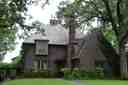
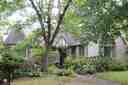
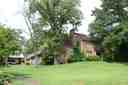
To spot the Matthews-MacFadyen House, look for a charming two-story brick home with a unique, steeply angled roof, a quirky projecting window on the front, and a tall, vine-clad chimney off to the right-nestled under sprawling oak branches. Alright, you’re standing right in front of what could easily be mistaken for a cottage straight out of an English fairy tale. Let your mind wander back to 1930… Imagine the clink of bricklayers at work as ambitious developer Justin Matthews dreams up this whole neighborhood called Edgemont, wanting to give North Little Rock a stylish upgrade. With his architect Frank Carmean, he designs this masterpiece-a two-story brick house with surprising little details: check out the corbelled chimneys like castle turrets and the oriel window that looks perfect for watching mysterious visitors arrive. If these walls could talk, I bet they’d whisper about neighborhood picnics and secret plans for parties during the roaring ‘30s, all under that sturdy gable-on-hip roof. And when the wind rustles the ivy growing up the side, you could almost hear it trading gossip from one brick to the next. Touch of Hogwarts, pinch of Southern charm… and officially recognized when it made the National Register of Historic Places in 1992, just to seal its legendary status!
Apri pagina dedicata →Look to your right and spot the two-and-a-half-story brick house with a sharply sloped roof that stretches right over a cozy little porch-plus, those chimneys set snugly on the…Leggi di piùMostra meno
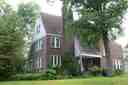
Look to your right and spot the two-and-a-half-story brick house with a sharply sloped roof that stretches right over a cozy little porch-plus, those chimneys set snugly on the left side are hard to miss. Now that you’ve found the Matthews-Dillon House, let’s travel back to 1928. Close your eyes for a second-well, maybe not both, we don’t want you bumping into any bushes-and imagine the sounds of hammers and laughter as workers scurry around, laying bricks with care. This was no ordinary build; they were cooking up something that looked like it belonged in colonial New England, not Arkansas! Frank Carmean, architect for the Justin Matthews Company, designed this charming home by blending colonial style with a splash of medieval English flair-like a slice of Boston dropped right into Park Hill. The roof hooks right over the porch like a sheltering hat, maybe to help the owner hide from nosy neighbors or rainstorms. And if those thick brick walls could talk, they might whisper about the city’s growth in the Roaring Twenties, when dreams soared as high as these gables. Now, this house is so special, it earned a spot on the National Register of Historic Places in 1992. So take a deep breath-smell the garden, feel the history, and listen for echoes of old laughter under those steep, storybook eaves.
Apri pagina dedicata →Look to your left for a unique two-story house covered in buff brick, with an elegant, wrought-iron balcony and a sweeping brick wall curving up to support its roof-it's hard to…Leggi di piùMostra meno
Look to your left for a unique two-story house covered in buff brick, with an elegant, wrought-iron balcony and a sweeping brick wall curving up to support its roof-it's hard to miss! Welcome to the Kleiber House, where drama and style mix together like a classic Hollywood movie scene. Built in 1929, this stunner was part of developer Justin Mathews’ big dream for the Edgement neighborhood. It wasn’t made for anyone special at first-just waiting for someone with ambition and a good dose of luck to call it home. The first man to try, Victor Kleiber, must have felt on top of the world until the Great Depression hit, turning champagne dreams into a foreclosure notice. Imagine the tension in those tough years: new brick, fresh paint, and yet the threat of losing everything was always right around the corner. But through all that, the Kleiber House held onto its flair. With its curving brick wall, two-story porch, and those eye-catching wrought iron railings, it stands out like a movie star on a red carpet-no other house in the neighborhood has quite this look. In 1992, its one-of-a-kind style finally got its moment of glory: a spot on the National Register of Historic Places. This house has seen times of hope, hardship, and, at last, celebration!
Apri pagina dedicata →Spot the Matthews-Bryan House by looking for a charming, storybook-like stone and brick cottage with a steep, pointy roof and a decorative arched entryway-right at the end of the…Leggi di piùMostra meno
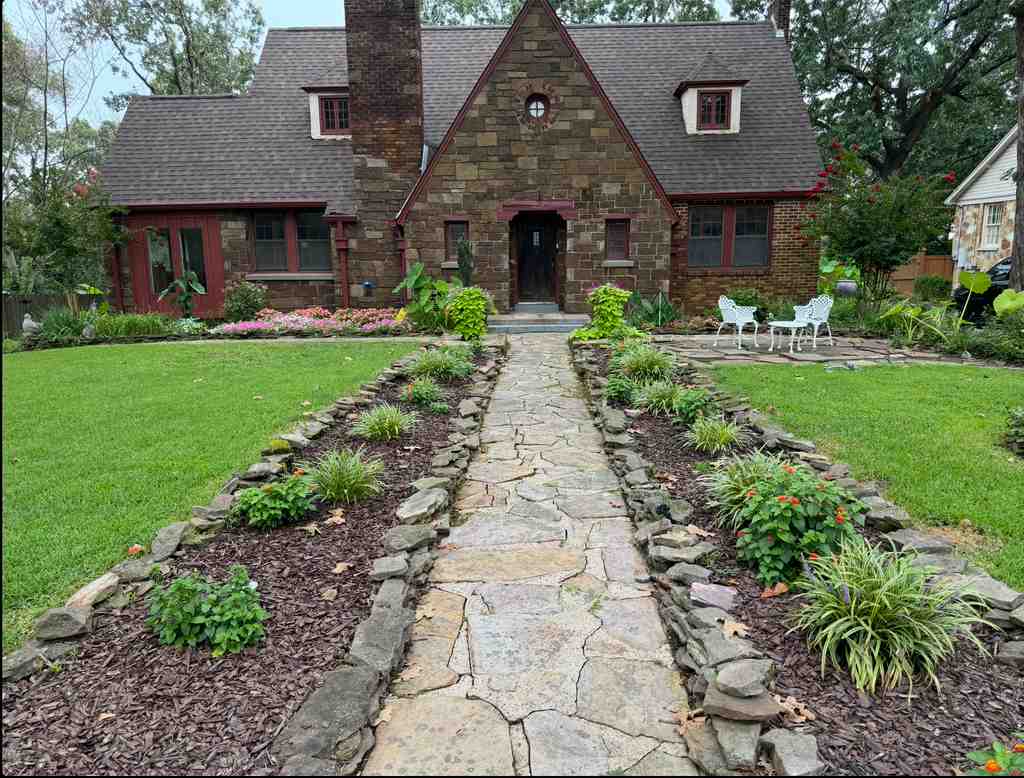
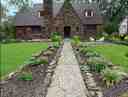
Spot the Matthews-Bryan House by looking for a charming, storybook-like stone and brick cottage with a steep, pointy roof and a decorative arched entryway-right at the end of the stone path straight ahead. Now, picture yourself in 1930s Park Hill. Cars were boxy, jazz tunes floated through open windows, and Justin Matthews and his architect, Frank Carmean, were on a mission to fill the neighborhood with English Revival masterpieces like this very house. The Matthews-Bryan House stands out with its fairy-tale steep roof and those playful little gables-it’s almost as if it’s winking at you. Matthews built this home just before the Great Depression hit, so it’s got a sense of bravery about it: stately arches throughout the inside and even a full guest house tucked in the back for parties, uninvited in-laws, or maybe a ghost or two (don’t worry, they’re friendly!). Can you imagine the builders laying down these stones, not knowing that life was about to change dramatically? Through seasons of change, the Matthews-Bryan House hasn’t lost its touch of grandeur, and by 1992, it found itself added to the National Register of Historic Places. So as you stand here, you’re face-to-face with a survivor-one that still manages to look like it stepped right out of a storybook, or perhaps walked over from merry old England.
Apri pagina dedicata →Look for a two-story brick house with a red tile roof and tall, arched windows framed by iron railings-the Owings House stands right ahead, easy to spot with its unique,…Leggi di piùMostra meno
Look for a two-story brick house with a red tile roof and tall, arched windows framed by iron railings-the Owings House stands right ahead, easy to spot with its unique, unstuccoed brickwork among the trees. Now, let’s step back to 1927. Imagine fresh bricks stacked high, roof tiles shining like rubies under the Arkansas sun, and the whole neighborhood buzzing with excitement-this was the very first house finished here in Justin Matthews’ Edgemont development! The Owings House was a trendsetter, showing off that Spanish Revival style with its swooping arches and iron grillwork. But here’s the twist: unlike most houses of its kind, the brick on this beauty was left naked-no stucco coat! It was like the house was proud to show its true colors. If you listen closely, maybe you’ll hear echoes of parties and laughter from the Roaring Twenties drifting from those grand windows. But life wasn’t all jazz and roses: when the Great Depression hit, the Owings House was lost to foreclosure. The dreams built within these walls faded, but the house stood strong, a silent sentinel through storms, stories, and decades of change. Today, it’s a star on the National Register of Historic Places-a survivor, still dazzling on Skyline Drive. Maybe don’t try a Charleston in front, but you can give it a little wave of admiration!
Apri pagina dedicata →Right in front of you, the Matthews-Bradshaw House peeks out from behind the trees with its storybook cone-shaped turret in one corner, diamond-patterned windows, and a gabled…Leggi di piùMostra meno
Right in front of you, the Matthews-Bradshaw House peeks out from behind the trees with its storybook cone-shaped turret in one corner, diamond-patterned windows, and a gabled entrance decorated with half-timbered stucco-just keep an eye out for a house that looks like it might have jumped out of a French fairy tale! Picture it: the year is 1929, flapper dresses are in style, and the smell of fresh brick and stone fills the air as Justin Matthews Company sets out to create something truly special for Park Hill-a home unlike any other in the neighborhood. The Matthews-Bradshaw House is a rare bird, the only French Eclectic house that Matthews built in the whole area, and it’s got more charm than a bakery full of croissants! Frank Carmean, the architect behind the whimsical design, must’ve had fun with this one-just imagine him adding that conical turret, maybe daydreaming of castles in the French countryside while wiping dust from his plans. Through the years, generations have looked out from those diamond-pane windows, rain tapping on the brick and stone as families came and went. Whether passersby thought it was a secret hideout or a witch’s cottage, one thing was always certain: nobody forgot the house with the quirky turret on Skyline Drive. In 1992, its uniqueness was officially sealed by making it onto the National Register of Historic Places. Not bad for a house that could easily double as a movie set, right?
Apri pagina dedicata →You’re looking for a grand, two-and-a-half-story house covered in a patchwork of tan and brown fieldstones, with a broad, sloping yard and two symmetrical single-story wings…Leggi di piùMostra meno
You’re looking for a grand, two-and-a-half-story house covered in a patchwork of tan and brown fieldstones, with a broad, sloping yard and two symmetrical single-story wings stretching out to each side-just beyond the old trees in front of you. Here you are, gazing at the Jeffries House, standing like a storybook manor on its gentle hill. Picture it’s 1931: the world feels unpredictable, tension is everywhere, yet here an almost magical new house rises from stone and timber, its symmetry as perfect as a ruler’s edge. The Justin Matthews Company built this beauty, finishing the very last home in the Edgemont subdivision just before the harsh grip of the Great Depression put a hard stop on the dreams of big neighborhoods. Each block of stone on this Colonial Revival home holds a bit of drama-Matthews tried something unusual here, giving the classic American style a rugged Arkansas twist with stone instead of smooth clapboard. Imagine parties shimmering through these windows while rumors swirled about what would come next for the country, and for Park Hill. As years rolled by, the Jeffries House stood tall, a reminder of ambitions built just before hard times hit. Listed on the National Register of Historic Places in 1992, it’s still a place where stories gather and memories stick like ivy to those sturdy old stones.
Apri pagina dedicata →

Domande frequenti
Come inizio il tour?
Dopo l'acquisto, scarica l'app AudaTours e inserisci il tuo codice di riscatto. Il tour sarà pronto per partire immediatamente – tocca play e segui il percorso guidato dal GPS.
Ho bisogno di internet durante il tour?
No! Scarica il tour prima di iniziare e goditelo completamente offline. Solo la funzione chat richiede internet. Ti consigliamo di scaricare tramite WiFi per risparmiare dati mobili.
È un tour guidato di gruppo?
No – è un tour audio autoguidato. Esplori in autonomia al tuo ritmo, con la narrazione audio riprodotta dal tuo telefono. Nessuna guida, nessun gruppo, nessun orario.
Quanto dura il tour?
La maggior parte dei tour richiede 60–90 minuti, ma sei tu a controllare il ritmo. Metti in pausa, salta le tappe o fai pause quando vuoi.
E se non riesco a finire il tour oggi?
Nessun problema! I tour hanno accesso a vita. Metti in pausa e riprendi quando vuoi – domani, la prossima settimana o il prossimo anno. I tuoi progressi vengono salvati.
Quali lingue sono disponibili?
Tutti i tour sono disponibili in oltre 50 lingue. Seleziona la lingua preferita quando riscatti il codice. Nota: la lingua non può essere cambiata dopo la generazione del tour.
Dove accedo al tour dopo l'acquisto?
Scarica l'app gratuita AudaTours dall'App Store o Google Play. Inserisci il codice di riscatto (inviato via email) e il tour apparirà nella tua libreria, pronto per essere scaricato e avviato.
Se il tour non ti piace, ti rimborseremo l'acquisto. Contattaci a [email protected]
Pagamento sicuro con 


