Tour Audio di Huntsville: Echi e Architettura nel Cuore del Centro
Sotto i razzi scintillanti e le strade animate del centro di Huntsville si cela un labirinto di segreti raramente visti. Ogni statua, mattone e riflesso nel Big Spring Park ha assistito a momenti che hanno plasmato destini e innescato trame nascoste. Questo tour audio autoguidato ti porta oltre le viste da cartolina nella storia inedita della città. Passeggia davanti al Von Braun Center dove un tempo infuriavano dibattiti globali, visita il Tempio B’nai Sholom e ascolta sussurri di resilienza e speranza, e scopri gli angoli trascurati che la maggior parte dei viaggiatori perde. Cosa accadde quando uno sconosciuto misterioso interruppe un evento importante al Von Braun Center? Perché le acque tranquille del Big Spring Park nascondono il ricordo di una fuga di mezzanotte? Quale capsula del tempo scomparsa di un leader di Huntsville fa ancora speculare la gente del posto oggi? Traccia il polso di lotte e celebrazioni passate mentre vaghi per strade vivaci, passaggi ombrosi e monumenti storici. Vedi Huntsville trasformata davanti ai tuoi occhi. Pronto a immergerti sotto la superficie? Inizia il tuo viaggio ora.
Anteprima del tour
Informazioni su questo tour
- scheduleDurata 40–60 minsVai al tuo ritmo
- straighten3.1 km di percorso a piediSegui il percorso guidato
- location_onPosizioneHuntsville, Stati Uniti
- wifi_offFunziona offlineScarica una volta, usa ovunque
- all_inclusiveAccesso a vitaRiascolta quando vuoi, per sempre
- location_onParte da Von Braun Center
Tappe di questo tour

Standing here in front of the Von Braun Center, you’re gazing at more than just glass and concrete-you're at the crossroads of rocket science, rock concerts, and a story that…Leggi di piùMostra meno
Standing here in front of the Von Braun Center, you’re gazing at more than just glass and concrete-you're at the crossroads of rocket science, rock concerts, and a story that stretches all the way to outer space. Let's rewind to the 1970s. Disco balls were spinning, platform shoes were tripping folks up, and Huntsville wanted a world-class entertainment complex. They picked a name that’d definitely launch your expectations sky high: Wernher von Braun, the legendary rocket scientist who took humanity from V-2s in World War II Germany to the Saturn V rockets that took Neil Armstrong to the moon. Talk about a guy with his head in the clouds-literally! Planning for this place kicked off in 1965, a time when astronauts were still figuring out how to eat tang in zero gravity, and the dreams of a bustling metropolis in Huntsville were starting to ignite. The doors swung open in 1975 as the Von Braun Civic Center. Imagine the buzz as thousands of folks streamed into an 8,000-seat arena, with brand-new scoreboards blipping, the refrigerated floor shimmering for ice shows, and orchestras warming up in the brand-spanking-new concert hall. The symphony and Broadway shows found a home here, as did cult classics like Theatre Huntsville and the Fantasy Playhouse for children. Expansion fever hit fast. By 1980, West Hall doubled the event space, and by 1987, North Hall brought luxury to a whole new level: plush carpeting (the kind you can definitely lose a phone in), dazzling lights, hidden salons, and a gallery space that could open or close like a magician’s top hat trick. And just when you thought it couldn’t get fancier, South Hall stormed onto the scene in 1997-thanks, partially, to a city bid to host a six-month Bowling Congress! That meant more parties, conventions, even a secret lair below courtesy of the new underground parking garage. South Hall is now the superstar, boasting more than 100,000 square feet. All the expansions eventually dropped the “Civic” from the name, so now it’s just the Von Braun Center-or VBC, if you’re in the know. Of course, you can’t talk about this place without mentioning entertainment royalty. In 1975, Elvis Presley graced the stage here for five-count them-five straight shows. That was a big deal: no other place besides Las Vegas or Stateline, Nevada, got that many hunka-hunka-burnin’ loves in a row. Later, big acts from Kansas (the band, not the state-no wheat fields involved) shot music videos here, and you better believe they cranked those amps. The VBC’s not just about music, though-this place is the heartbeat of Huntsville sports. Huntsville Havoc hockey? Check. Indoor football? Absolutely. Pro wrestling chaos? All Elite Wrestling and WWE have both brought the ring here, along with a memorable night when Toby Keith (yes, THAT Toby Keith) body-slammed country music into wrestling history. In 2007, the arena thundered with 7,083 screaming fans watching the Havoc beat the Ice Bears 7-6, smashing the attendance record for a sporting event. If those weren’t enough, the VBC now hosts Conference USA men’s and women’s basketball tournaments. But it’s not all raucous applause and face paint. This is a cultural nerve center, too. The Broadway Theater League stages musicals, while the Huntsville Symphony Orchestra delivers soaring performances in the concert hall. Community events, kids’ plays, and annual celebrations like Panoply of the Arts fill the calendar. Originally, the complex even housed the Huntsville Museum of Art before it moved out in 1998. You can feel the layers of growth and reinvention as you stroll past. From 2006’s hotel skywalk to the Mars Music Hall and chic rooftop vibes of Rhythm on Monroe added in 2020, the VBC keeps evolving. And in 2023, the lush North Hall got even more dazzling. So, whether you're here for robots battling it out at the Rocket City Regional, grooving to some live music, or catching an epic hockey game, remember: this isn’t just a place for events-it’s Huntsville’s launchpad for fun, fandom, and history. Ready to ride the rocket to our next stop? If you're curious about the elvis presley, entertainment and culture or the expansion, the chat section below is the perfect place to seek clarification.
Apri pagina dedicata →To spot the Alabama Constitution Village, look for a large two-story white wooden building with black shutters, a central brick chimney, and a sign in front that reads…Leggi di piùMostra meno
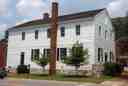
To spot the Alabama Constitution Village, look for a large two-story white wooden building with black shutters, a central brick chimney, and a sign in front that reads "Constitution Village" right by the sidewalk. Alright, time to step into a living slice of 1819-welcome to Alabama Constitution Village! Imagine the creak of your boots on the wooden porch as you approach a place frozen in time, where every building feels ready for action. Back in July of 1819, forty-four hope-filled delegates packed themselves into a simple cabinetmaker’s shop right here, the air thick with sweat and excitement as Alabama prepared to become America’s 22nd state. Picture the scent of sawdust swirling from the shop, the gentle click of type from the print shop, and the heated discussions echoing through the law office. Here, history didn’t just happen-it was hammered, printed, inked, and loudly debated! The village isn’t all politics, though. With its land surveyor’s tools and whiffs of fresh-baked bread, it’s also a working tribute to Huntsville’s early life. Nowadays, this village transforms once a year to become Santa’s Village, earning the title Alabama Event of the Year-imagine the snowy laughter echoing off log walls as kids scurry to spot jolly old St. Nick. Whether you’re here for lawmaking legends or yuletide magic, every corner of the Constitution Village buzzes with stories itching to be told!
Apri pagina dedicata →As you stand here, take a deep breath and imagine the sound of water gently bubbling up from the earth just a few steps away. This is Big Spring Park-Huntsville’s very heartbeat,…Leggi di piùMostra meno
As you stand here, take a deep breath and imagine the sound of water gently bubbling up from the earth just a few steps away. This is Big Spring Park-Huntsville’s very heartbeat, the reason this whole city even exists. Picture it: long before skyscrapers or double-tall lattes on every corner, there was only forest, wild game, and this massive, hidden spring, pulsing beneath limestone and moss. It was this very spring that caught the attention of John Hunt, for whom the city is named. In 1805, Hunt clambered up from the wild, likely swatting at mosquitoes and keeping an eye open for bears-because, fun fact, Isaac and Joseph Criner came before him but thought, “No thanks! Bears and bugs aren’t great neighbors,” and headed off to New Market instead. Hunt stuck around, settling on the bluff above the spring, which was the smartest real estate move since buying Bitcoin in 2011. The water here was so abundant-between 7 and 20 million gallons a day-it became the city’s lifeline. I mean, if John Hunt were pitching this to modern-day builders, he’d probably call it “premium aquatic access.” In the 1800s, this spring did more than just quench thirst-it helped link Huntsville to the entire region. Imagine the hustle of traders and wagons, the sounds of goods being loaded onto boats. There was an actual canal here, built in the 1820s by the Indian Creek Navigation Company and local legend Dr. Thomas Fearn. Boats floated up from the Tennessee River, connecting Huntsville to the outside world, dodging a costly and muddy eleven-mile wagon trip. That is, until railroads rolled in and made canals old news. Now, back to waterworks: In the 1830s, the city built its first pump house below the bluff. Water was pushed up through long cedar pipes-a bit like nature’s super-soaker but less fun at pool parties. It sounds impressive, but apparently someone forgot about gravity and, more importantly, sanitation. Colonel Hiram Chittenden from the Army Corps of Engineers discovered that waste from horses up in the courthouse square was seeping into the water supply. Yes, the local drinking water was getting a little “extra flavor.” Chittenden wasn’t having it-he tore down the old pump house, put in a fancy fountain, and lined the canal, making the park a cleaner, happier place for all. Over the years, the park spread out, expanding across Church Street, then Monroe Street, picking up new features, fountains, and a canal beside the Von Braun Center. Today you see not just trees and water, but little pieces of the world: a Norwegian fog bell, a lighthouse beacon, a sundial from Germany, a British bench, and the beloved cherry trees and Japanese bridge-a gift from Major General Mikio Kimata, who loved the city so much during his missile school days he made it a permanent symbol of international friendship. He even funded a major renovation of the bridge in 1998, giving it that gentler, graceful arc you’d expect to see in a painting. Keep an eye out for the marble lion sitting proudly near the fountain. It’s had a rough ride: a victim of vandalism in the 1960s, it ended up underwater until some good folks hauled it out and restored it in 1995. And if you feel the urge to snap a dramatic sunset selfie, just know you’re standing on hallowed ground-a filming location for the movie Constellation, and a gathering place for major city events, including arts festivals, music jams, and recently, moments of protest and passion. So, whether you’re here for the cherry blossoms or just to feed the ducks, remember-the story under your feet is as rich and deep as the Big Spring itself. And whatever you do, don’t blame the fish if your shoes get a little wet. The spring’s been doing its job for over 200 years!
Apri pagina dedicata →
Mostra altre 10 tappeMostra meno tappeexpand_moreexpand_less
To spot the Humphreys-Rodgers House, look for a stately two-story red brick home with elegant columns and a large front porch just ahead, set back behind some lush green…Leggi di piùMostra meno
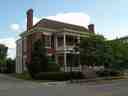
To spot the Humphreys-Rodgers House, look for a stately two-story red brick home with elegant columns and a large front porch just ahead, set back behind some lush green trees. Now, while you’re standing here, let’s step into the shoes-and maybe the squeaky boots-of its first owner, David Campbell Humphreys, all the way back in 1848. Picture the quiet streets of old Huntsville-with horses’ hooves clopping past and the smell of fireplaces drifting in the air. The Humphreys-Rodgers House started as a modest two-story home with a classic hall and parlor layout and a simple gable roof. But, if houses could talk, this one would have plenty to brag-and maybe grumble-about! Just before the Civil War, Mr. Humphreys added a new room for extra space, then decked out the inside with stylish Greek Revival details, hoping perhaps a little marble-inspired flair would help him make important decisions. Now, imagine the clatter and hammering as the house got its biggest makeover in 1886, after Augustus D. Rodgers moved in: new rooms, a grand hipped roof, and that impressive portico out front-suddenly, the house had a dash of Colonial Revival flair. But this house hasn't had it easy! By the 1970s, it stood vacant and crumbling, its rooms echoing with memories as bulldozers from a Coca-Cola bottling plant edged ever closer. Twice, the home narrowly avoided demolition; once, it was even picked up and moved a block down the road! With a little luck, a lot of local love, and maybe some caffeine-fueled discussions, the Humphreys-Rodgers House came back to life as an office and a Coca-Cola museum before making its way to safety. Today, you’re seeing a house that’s survived everything from Victorian fashion trends to soda wars-now home to international connections and lively events. If walls could talk, this place might just spill more secrets than a judge at a family reunion!
Apri pagina dedicata →Look for a stately, pale brick house with two stories, tall windows framed by dark shutters, and a grand arched doorway right in the center-it’s impossible to miss on this…Leggi di piùMostra meno
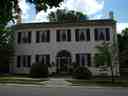
Look for a stately, pale brick house with two stories, tall windows framed by dark shutters, and a grand arched doorway right in the center-it’s impossible to miss on this peaceful street. Now, picture yourself living here back in 1819, when Henry C. Bradford first built the place, and the aroma of magnolias floated through the open windows. The Weeden House was so impressive that even John McKinley, a future Supreme Court Justice, once owned it-imagine the grand debates echoing through these rooms. The real drama arrived during the Civil War, when Union soldiers marched in and the Weeden family had to pack up and move to Tuskegee. When the Weedens finally returned after the war, their daughter Maria Howard Weeden created her delicate poetry and painted vivid portraits, infusing the home with creativity. After over a century, change swept in: the house briefly became apartments-yes, imagine historic charm trying to hold its own against shag carpet! Luckily, Huntsville’s preservation heroes swooped in and restored the place. By 1981, the home was reborn as a museum. Through each era-famous owners, wartime upheaval, artistic inspiration-this gracious house has weathered it all with the quiet dignity of a true Southern survivor.
Apri pagina dedicata →Right in front of you, you'll see a striking brick church topped with a soaring, pointed spire and shimmering metal roof-just look for the tallest, slender tower along the corner…Leggi di piùMostra meno
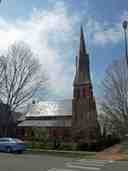
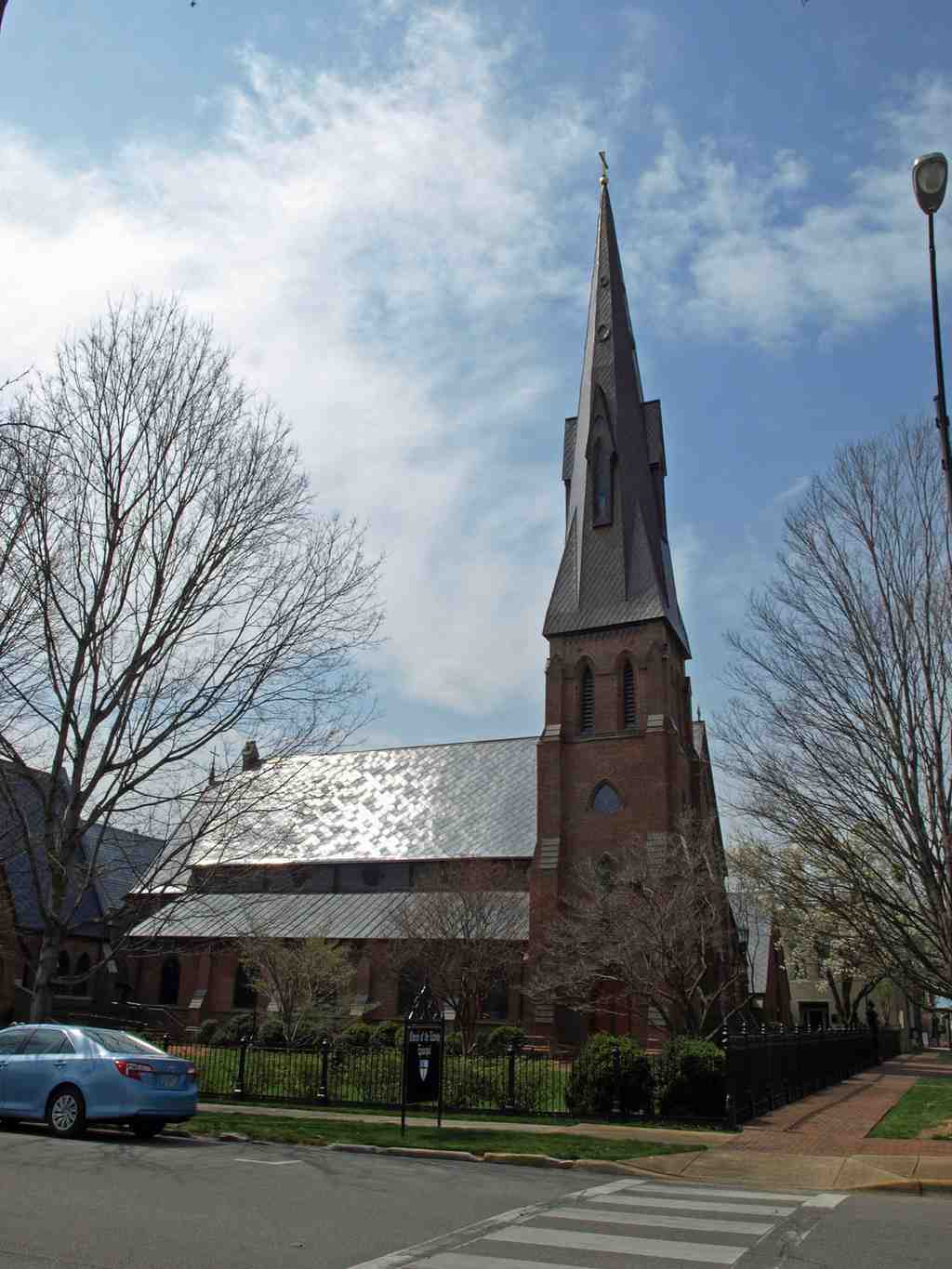
Right in front of you, you'll see a striking brick church topped with a soaring, pointed spire and shimmering metal roof-just look for the tallest, slender tower along the corner of Eustis Avenue and Green Street. Now, imagine the year is 1856. There’s a lot of bustle here, with church leaders huddling together, peeking at blueprints and worrying about how to fit a growing congregation into a bigger sanctuary. Reverend Henry Lay, after a visit to Mobile, can barely stop talking about his dream Gothic church with tall windows and pointed arches. Picture him leafing through letters, squinting at the firm name “Frank Wills & Henry Dudley.” Lucky for us, he convinced everyone to hire the same legendary architects. The journey wasn’t simple, though-picture fundraising meetings that probably ran longer than a winter sermon. By 1858, the sound of hammers and carts filled the air as brick and wood rose beneath supervisor Mr. Mason’s watchful eye. But then, a twist! Architect Frank Wills suddenly passed away. Talk about a plot twist. Yet, his partner Dudley bravely took up the plans, and the crew pressed on. Imagine how it all came together: walls climbing upward, buttresses standing strong, and that bell tower, reaching 151 feet into the sky, daring you to look up until your neck aches. On the eve of Easter in 1859, candles flickered inside this very space as people gathered for their first service. If you squint, can you picture the awe on everyone’s face as light shimmered through tracery windows-pairs of trefoil-arched lancets, brilliant stained glass painting stories on the floor? Inside, sturdy wooden doors lead to heart pine floors and soaring timbered ceilings, forming gentle arches overhead. At the far end, a semi-octagonal apse glows from original glass windows, each one a kaleidoscope of color and history. Decades later, the church needed some TLC. So in 2011, after a winning grant and a lot of sweat, skilled hands added more than 22,000 custom copper shingles. That restoration even scored an architecture award, thanks to a design that copies the church’s medieval flair but with fancy modern touches. Think of it-today, you’re standing in front of one of America’s best-preserved examples of Gothic Revival, a monument that’s survived centuries, mishaps, and the odd architectural headache. It’s more than a church; it’s a living storybook of Huntsville!
Apri pagina dedicata →In front of you, you’ll spot a row of charming two-story brick buildings with tall, arched windows and elegant decorative trim lining the tops-just look for the reddish-brick…Leggi di piùMostra meno
In front of you, you’ll spot a row of charming two-story brick buildings with tall, arched windows and elegant decorative trim lining the tops-just look for the reddish-brick façade with large glass storefronts and a touch of vintage style. Welcome to 104-128 South Side Square, a strip of buildings that has seen Huntsville’s wild and wonderful story unfold right along this sidewalk. Back in the 1800s, this was known as Commercial Row-imagine shopkeepers hawking their wares, kids dodging horse-drawn carts, and rumors swirling faster than sweet tea in July. The oldest of this bunch, numbers 108 and 110, actually started as a store for the Bell Factory textile mill before the Civil War! And don’t be fooled by their modern faces-both have had makeovers more dramatic than a reality TV show. Now, if you’re wondering which one is the most stylish, that’d be the Italianate beauties built in the 1880s. But number 118 had quite the close call, catching fire in 1901 and coming back a bit plainer but definitely tougher. And tucked into 124 and 126 is the Harrison Brothers hardware store-so old-school it’s practically historical fiction, first opening in 1897 and run now by the Historic Huntsville Foundation. Restored, remodeled, and carefully preserved, this is a patchwork quilt of Huntsville’s downtown spirit-where each brick tells a bit more of the tale. Now, who’s ready for a hardware store with more history than most families?
Apri pagina dedicata →To spot the W. T. Hutchens Building, look to your left for a two-story red-brick structure on the corner with big windows filling the ground floor and a decorative band of creamy…Leggi di piùMostra meno
To spot the W. T. Hutchens Building, look to your left for a two-story red-brick structure on the corner with big windows filling the ground floor and a decorative band of creamy terra cotta stretching between the first and second floors. Now, take a moment and imagine the year is 1916: cars rumble by, shopkeepers sweep the sidewalk, and you can smell fresh bread from a bakery on the breeze. The W. T. Hutchens Building rose up right here with its strong, sturdy bricks and huge display windows, showing off everything from hats to hardware to curious passersby. Unlike its tall, fancy Gothic neighbor across Clinton Avenue, this building was designed to celebrate the new and modern-shorter windows, horizontal lines, and not a frill in sight! Locals would gawk at the shimmering Luxfer prism glass above the corner store’s windows, which bent sunlight into rainbow patterns on the floor. Upstairs lived a mix of tenants-imagine someone tugging on the sash windows to shout a hello to someone arriving home below. Over time, the building grew, got a fresh bay in 1921, and even new storefront windows, but still clung to that original sense of purpose and community. Today, it’s a listed landmark, a silent witness to a century of Huntsville hustle and change. And just think: it’s seen more holiday parades than anyone else on the block-now that’s real staying power!
Apri pagina dedicata →To spot the United States Courthouse and Post Office, look straight ahead for a solid, three-story building made of buff-colored brick with a bold, central limestone entrance…Leggi di piùMostra meno
To spot the United States Courthouse and Post Office, look straight ahead for a solid, three-story building made of buff-colored brick with a bold, central limestone entrance framed by four flat columns and topped with an American flag waving proudly. Imagine the year is 1932, Huntsville’s streets see everything from Model A Fords to well-dressed men and women briskly mailing letters. Rising up before you is the brand-new U.S. Courthouse and Post Office, a symbol of importance with its Neo-Classical Revival style-one of only two in downtown. Designed by the local architect Edgar Lee Love and a team from Birmingham, but with Uncle Sam’s own Supervising Architect Louis A. Simon keeping a watchful eye on every detail, the building feels serious but welcoming, as if it knows a lot of secrets. Walk closer, and you’ll see buff brick walls softened by sun, the strong lines of limestone pilasters, and an impressive entablature that wraps all the way around, keeping everything neat and tidy like a judge with a sharp suit. The entrance-framed by columns with simple Tuscan caps-invites people in for their day in court or to collect an eagerly awaited package. This building was multipurpose from the start. Inside, during its early days, postal workers sorted mail, while judges in crisp black robes oversaw justice in the second-floor courtroom. Picture the bustling lobby-once the post office, now transformed-but listen closely because the echoes of shuffling feet and clipped conversations still linger. In fact, this place was a star player in Huntsville’s big architectural makeover, thanks to the Public Buildings Act of 1926, which gave towns across America updated federal buildings. Though today the post office has moved on, its presence remains in the details-eight of the original 18 restrooms still survive almost untouched, classic tiles gleaming, and beneath your feet, the basement hums with mechanical and storage routines, the silent workhorses of the building. Now, here’s where history gets colorful. In the main courtroom on the second floor, sunlight spills in through a small light court, setting off the deep wood paneling and decorative pilasters. But the real showstopper? Above the judge’s seat is a grand mural by Xavier Gonzales, unveiled in 1937. He painted five figures to capture the spirit of Huntsville-youth, artistic dreams, motherhood, work, and even high-tech farming. That mural, made on Belgian linen and painted with rich earth tones, gives the whole room a sense of drama, as if the city’s entire story is being watched over while the judge hammers that gavel. The building has had its share of changes over the years-spaces adapted for new judges, new kinds of offices, even a U.S. Marshall’s suite with its own detention cell. Some corners have secret jury rooms and a few original restrooms that seem ready for a ‘30s detective to pop out, hat tipped over his brow. So whether you’re a fan of fancy facades or just enjoy a good legal drama-minus the lawyers yelling “Objection!”-this building has stories in its stones and a legacy that still shapes Huntsville’s downtown today.
Apri pagina dedicata →To spot the Yarbrough Hotel, just look for the big, four-story red brick building right on the corner, with neat rows of windows and a flashy metal awning above the entrance on…Leggi di piùMostra meno
To spot the Yarbrough Hotel, just look for the big, four-story red brick building right on the corner, with neat rows of windows and a flashy metal awning above the entrance on Holmes Avenue. Now, let's step back to 1922-imagine the scent of cigar smoke wafting from the lobby and the sound of polished shoes echoing across a shiny floor. This place was never about ballrooms or glitzy galas-no sir, the Yarbrough Hotel was custom-built for serious businessfolk, people who cared more about a good night’s sleep than a dance floor. Picture seventy-five rooms stacked above you, with hopeful travelers and out-of-towners coming and going. Down at street level, the steady hum of shopkeepers and clerks filled the spaces where storefronts hugged the walls. The hotel bravely faced stiff competition just a block away, with rival hotels doing their best to lure away guests, but the Yarbrough held strong until the late 1950s-like the last player at the poker table. Fast forward to the 1980s: the creaky old place got a facelift, trading its residential roots for a new lease on life. And today, if you listen closely, you might hear more legal lingo than suitcase wheels-since it now houses a Huntsville law firm. Who says you can’t teach an old hotel new tricks?
Apri pagina dedicata →You’ll spot the Belk Hudson Lofts right on the corner, with its bold red brickwork and rows of big, black-trimmed windows rising up several stories-just look for a modern building…Leggi di piùMostra meno
You’ll spot the Belk Hudson Lofts right on the corner, with its bold red brickwork and rows of big, black-trimmed windows rising up several stories-just look for a modern building with a historic twist at the intersection. Let your imagination take you back to the 1930s: crowds of shoppers hurry along Washington Street, their footsteps echoing as they head toward Fowler’s Department Store. This corner was the place to be-bright window displays promised new fashions, and right next door, a farm supply shop kept local growers equipped with all the seeds and feed they could carry. Now, if these stores had store loyalty cards, they’d have been stamped through every era! When Fowler’s went bust, the building didn’t miss a beat. By the 1940s, Belk Hudson moved in, and pretty soon, the place buzzed with everything from hats and suits to bits and bobs each season. They eventually joined both buildings, creating a super-store of sorts. But the story doesn’t stop with shopping sprees: after Belk Hudson left, the vibe shifted to offices, and at one point, the scent of hops and barley wafted out when a brewery set up shop. Then came a fire that might have ended things, but the corner building was lovingly rebuilt. Today, the Belk Hudson Lofts offer modern living while letting those proud brick walls hold on to nearly a century of stories.
Apri pagina dedicata →To spot Temple B'nai Sholom, look for the grand, red-brick building with a tall, castle-like tower topped by white spires, right on the corner across from the traffic…Leggi di piùMostra meno
To spot Temple B'nai Sholom, look for the grand, red-brick building with a tall, castle-like tower topped by white spires, right on the corner across from the traffic light. Alright, time for a little journey through Huntsville’s Jewish history! Imagine standing here on Lincoln Street back in 1899-horses clip-clopping down the road, the new brick synagogue glowing in the afternoon light. The Temple B'nai Sholom, whose name means "Children of Peace," was the talk of the town. But things weren’t always so grand. Let’s rewind to 1876, where the first members scurried to furnish a tiny rented room just in time for the High Holidays. If you were late with your dues, your name might end up in the national paper-talk about old-school social media embarrassment! As the years ticked by, the congregation faced their share of ups and downs; their first full-time rabbis came in the 1890s, but from 1913 all the way to 1963, they had no resident rabbi at all. Yet, the spirit of this community refused to dim. When the Space Age landed in Huntsville during the 1950s, the city filled up with NASA engineers and Army families. Suddenly, Temple B'nai Sholom’s pews were packed, and the synagogue was buzzing with new life and voices. Architect R.H. Hunt gave this building its striking Romanesque Revival look-see those rounded arches and sturdy towers? It was lovingly renovated in 1994 and today holds a spot on the Alabama Register of Landmarks and inside the Old Town Historic District. Step inside now, and you’ll find the Jewish Heritage Center, sharing stories and treasures from this congregation’s 140 years of history. From humble beginnings to space-age revival, Temple B’nai Sholom blends mystery, tradition, and a touch of cosmic flair-proof you don’t have to launch a rocket to make history right here in Huntsville.
Apri pagina dedicata →To spot the Old Town Historic District, just look ahead at the colorful row of charming, early 20th-century homes lining the peaceful street, shaded by tall trees and highlighted…Leggi di piùMostra meno
To spot the Old Town Historic District, just look ahead at the colorful row of charming, early 20th-century homes lining the peaceful street, shaded by tall trees and highlighted by their distinctive Victorian, American Craftsman, and Queen Anne details. Welcome to your final stop, a neighborhood that’s basically Huntsville’s own history museum, but with way more porches. Imagine it’s the late 1820s-horses clip-clopping, the scent of blooming crepe myrtles drifting in the air, and these stately houses just making their debut. Over the decades, architects and homeowners showed off their flair with Greek columns, ornate trims, and stylish rooftops, turning this area into a patchwork quilt of American architecture. But by the 1970s, this history was nearly lost, until Harvie Jones suggested the idea of saving these beauties. Enter Charles and Frances Rice-who became the dynamic duo of preservation, wrangling signatures and legal documents with almost heroic determination. The Rices won allies from city hall to the senate, earning a small park in their honor and even helping Temple B’nai Sholom secure its place in the area. Today, every painted gable and cozy porch has a story, and somewhere out here, the past and present have a stand-off-spoiler alert, they both win.
Apri pagina dedicata →
Domande frequenti
Come inizio il tour?
Dopo l'acquisto, scarica l'app AudaTours e inserisci il tuo codice di riscatto. Il tour sarà pronto per partire immediatamente – tocca play e segui il percorso guidato dal GPS.
Ho bisogno di internet durante il tour?
No! Scarica il tour prima di iniziare e goditelo completamente offline. Solo la funzione chat richiede internet. Ti consigliamo di scaricare tramite WiFi per risparmiare dati mobili.
È un tour guidato di gruppo?
No – è un tour audio autoguidato. Esplori in autonomia al tuo ritmo, con la narrazione audio riprodotta dal tuo telefono. Nessuna guida, nessun gruppo, nessun orario.
Quanto dura il tour?
La maggior parte dei tour richiede 60–90 minuti, ma sei tu a controllare il ritmo. Metti in pausa, salta le tappe o fai pause quando vuoi.
E se non riesco a finire il tour oggi?
Nessun problema! I tour hanno accesso a vita. Metti in pausa e riprendi quando vuoi – domani, la prossima settimana o il prossimo anno. I tuoi progressi vengono salvati.
Quali lingue sono disponibili?
Tutti i tour sono disponibili in oltre 50 lingue. Seleziona la lingua preferita quando riscatti il codice. Nota: la lingua non può essere cambiata dopo la generazione del tour.
Dove accedo al tour dopo l'acquisto?
Scarica l'app gratuita AudaTours dall'App Store o Google Play. Inserisci il codice di riscatto (inviato via email) e il tour apparirà nella tua libreria, pronto per essere scaricato e avviato.
Se il tour non ti piace, ti rimborseremo l'acquisto. Contattaci a [email protected]
Pagamento sicuro con