
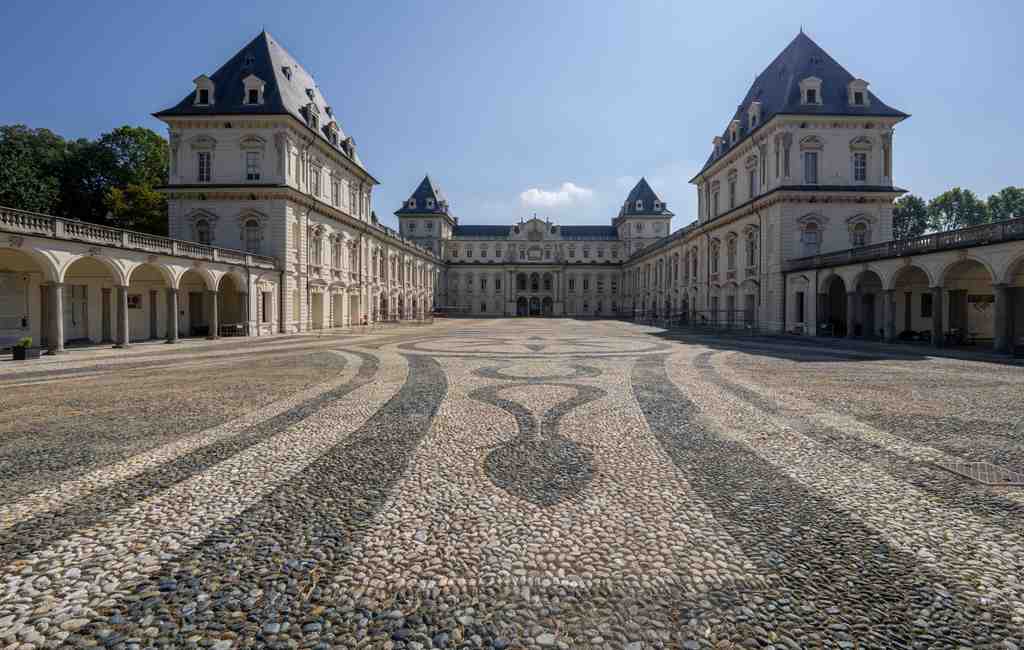
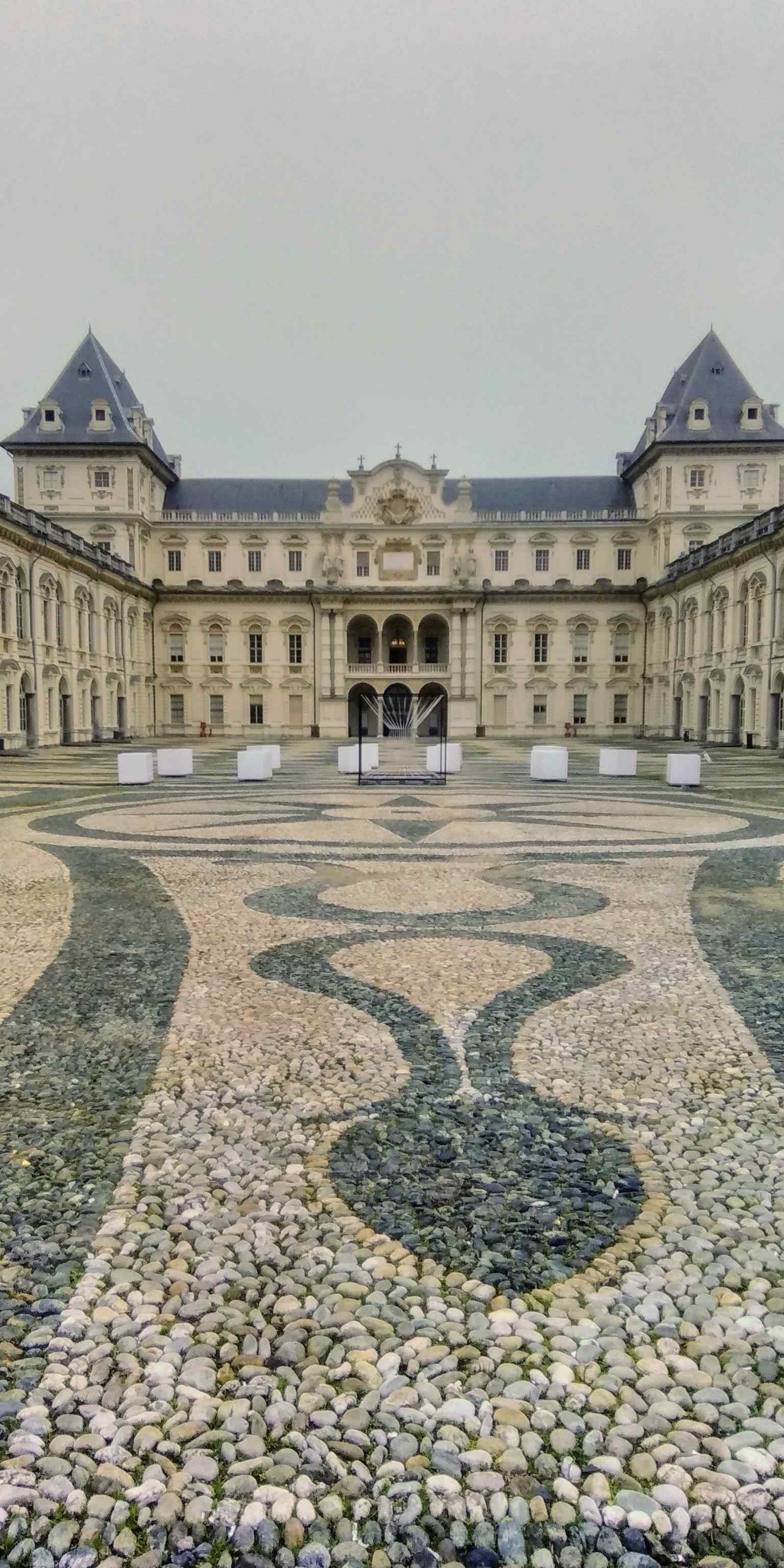
Quali che siano le sue vere origini, questo luogo divenne presto il fiore all'occhiello della presenza della famiglia reale nella zona. Nel XVII secolo, una principessa francese di nome Maria Cristina di Borbone sposò un membro della famiglia e ricevette questa tenuta come regalo di nozze. Quando divenne una giovane vedova e Reggente del Ducato, mise tutta se stessa nel trasformare l'edificio in un magnifico palazzo di piacere lungo il fiume.
Sentiva la mancanza dell'architettura della sua terra natale, così richiese quei ripidi tetti in ardesia in stile francese che vedete sopra di voi. Erano così totalmente estranei ai costruttori italiani locali che dovettero inventare un astuto trucco architettonico, costruendo un falso spazio sottotetto sotto la linea del tetto solo per rendere gli angoli acuti armoniosi agli occhi piemontesi.
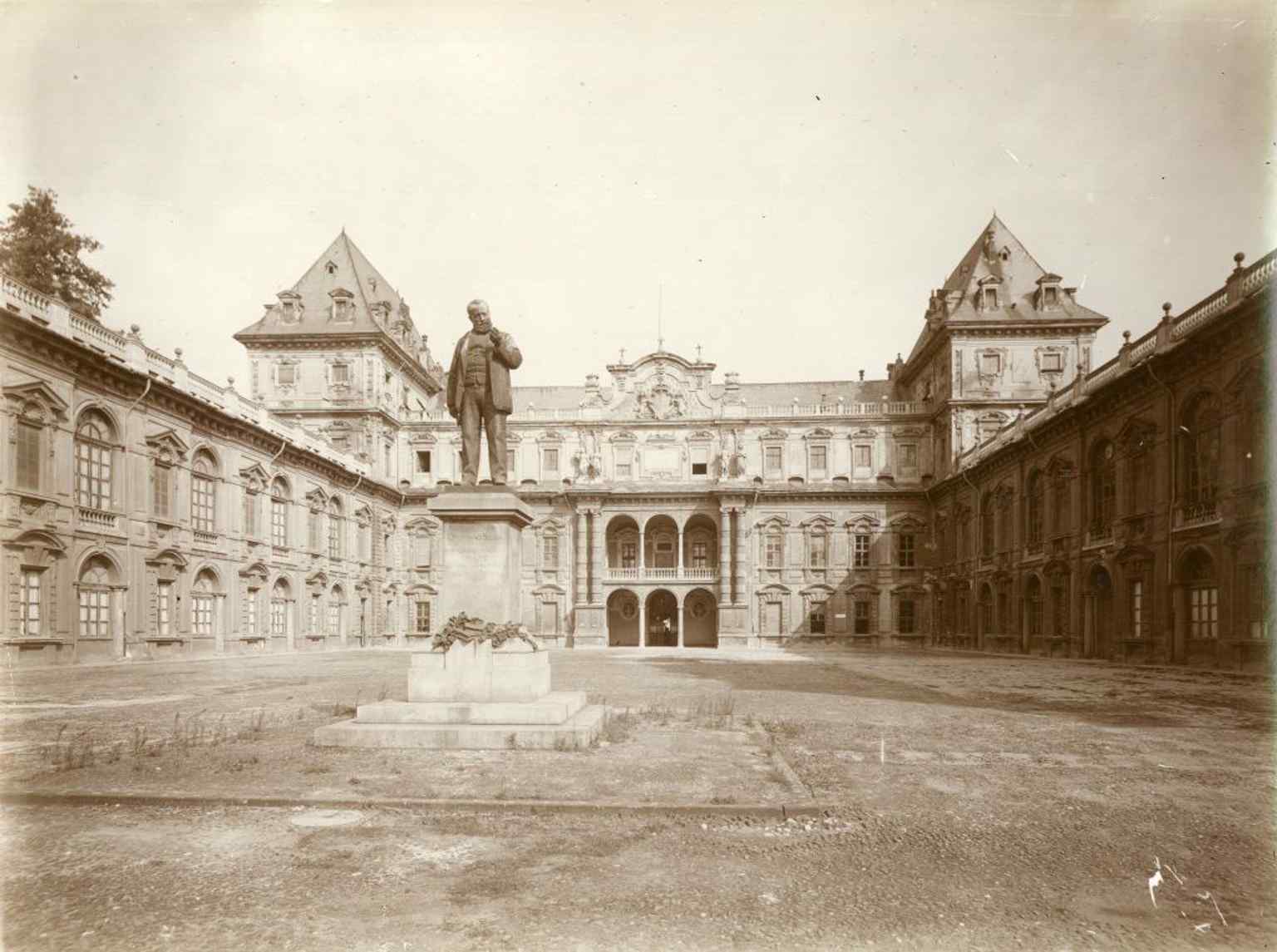
Con il passare dei secoli, questa tenuta regale si è evoluta, riflettendo il profondo cambiamento della città stessa, passando da esclusiva fortezza di re e regine a centro dinamico e aperto di apprendimento, scienza e vita pubblica. Nel XIX secolo ha ospitato reggimenti militari e, più tardi, laboratori idraulici avanzati per lo studio della meccanica dei fluidi. Fu proprio all'interno di queste mura, nel 1863, che un gruppo di alpinisti fondò il prestigioso Club Alpino Italiano.
Il castello ha sofferto profondamente durante la Seconda Guerra Mondiale, quando i bombardamenti hanno fatto crollare ampie sezioni del tetto. Eppure, da quella tragedia è emersa una scoperta mozzafiato. Le esplosioni e i successivi restauri hanno portato alla luce ritratti originali del XVII secolo che raffigurano Madama Cristina e suo marito, dipinti che erano stati sigillati sotto strati di intonaco per centinaia di anni.
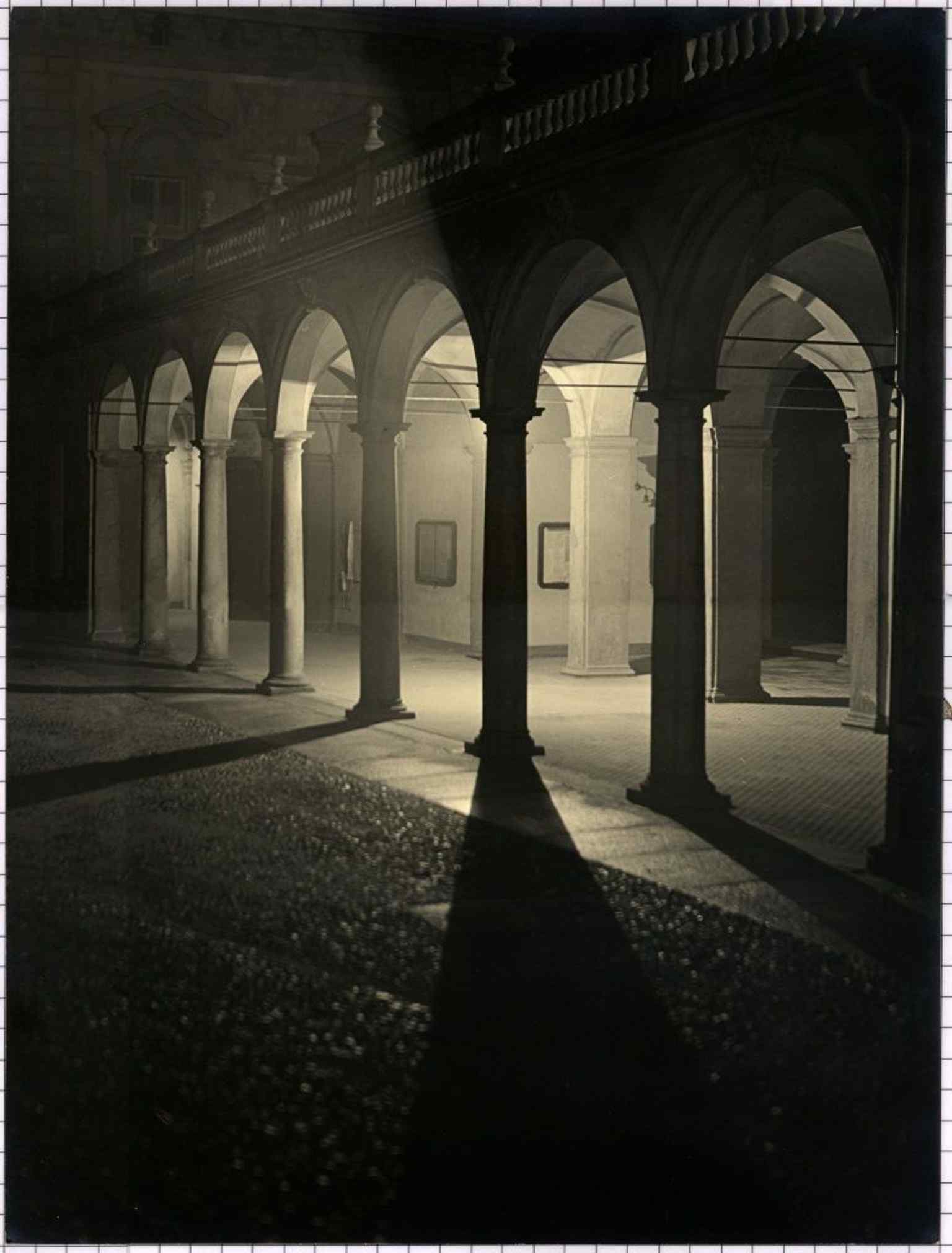
But a dark, lingering mystery surrounds Madama Cristina. Rumors whispered that she used the palace for secret trysts, disposing of her unfortunate lovers by tossing them into the nearby Po River, or even down a hidden well lined with sharp blades. Though historians dismiss these tales, they birthed a persistent legend that her ghost still haunts these halls, sometimes appearing as a veiled lady or simply as a sudden, unexplained scent of floral perfume in an empty room.
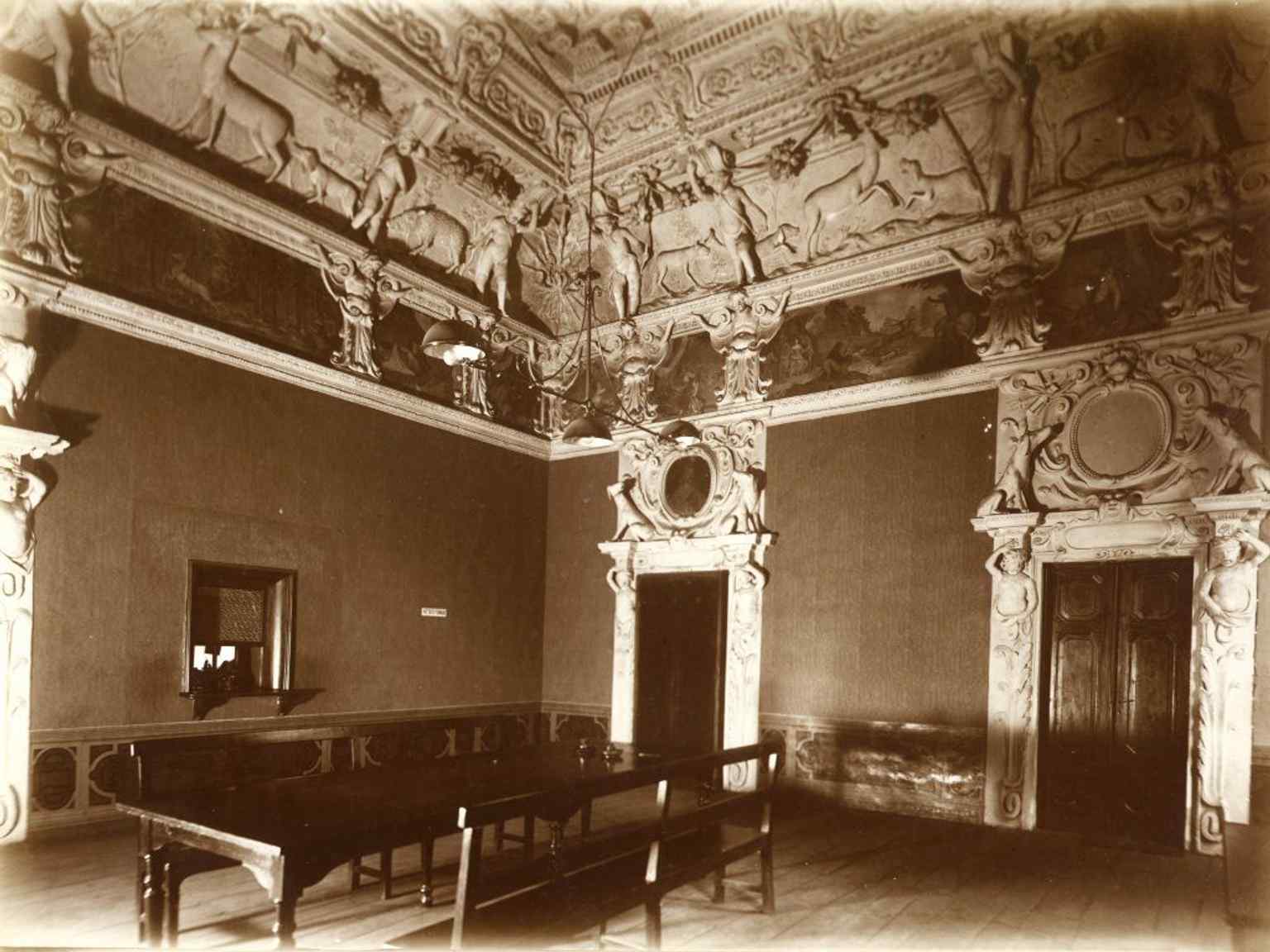
As the centuries passed, this regal estate evolved, mirroring the profound shift in the city itself, moving away from an exclusive fortress of kings and queens into a dynamic, open hub of learning, science, and public life. In the nineteenth century, it housed military regiments, and later, advanced hydraulic laboratories for the study of fluid mechanics. It was even inside these very walls, in 1863, that a group of mountaineers founded the prestigious Italian Alpine Club.
The castle suffered deeply during the Second World War when bombings collapsed large sections of the roof. Yet, out of that tragedy came a breathtaking discovery. The blasts and subsequent restorations uncovered original seventeenth century fresco portraits of Madama Cristina and her husband, paintings that had been sealed under layers of plaster for hundreds of years.
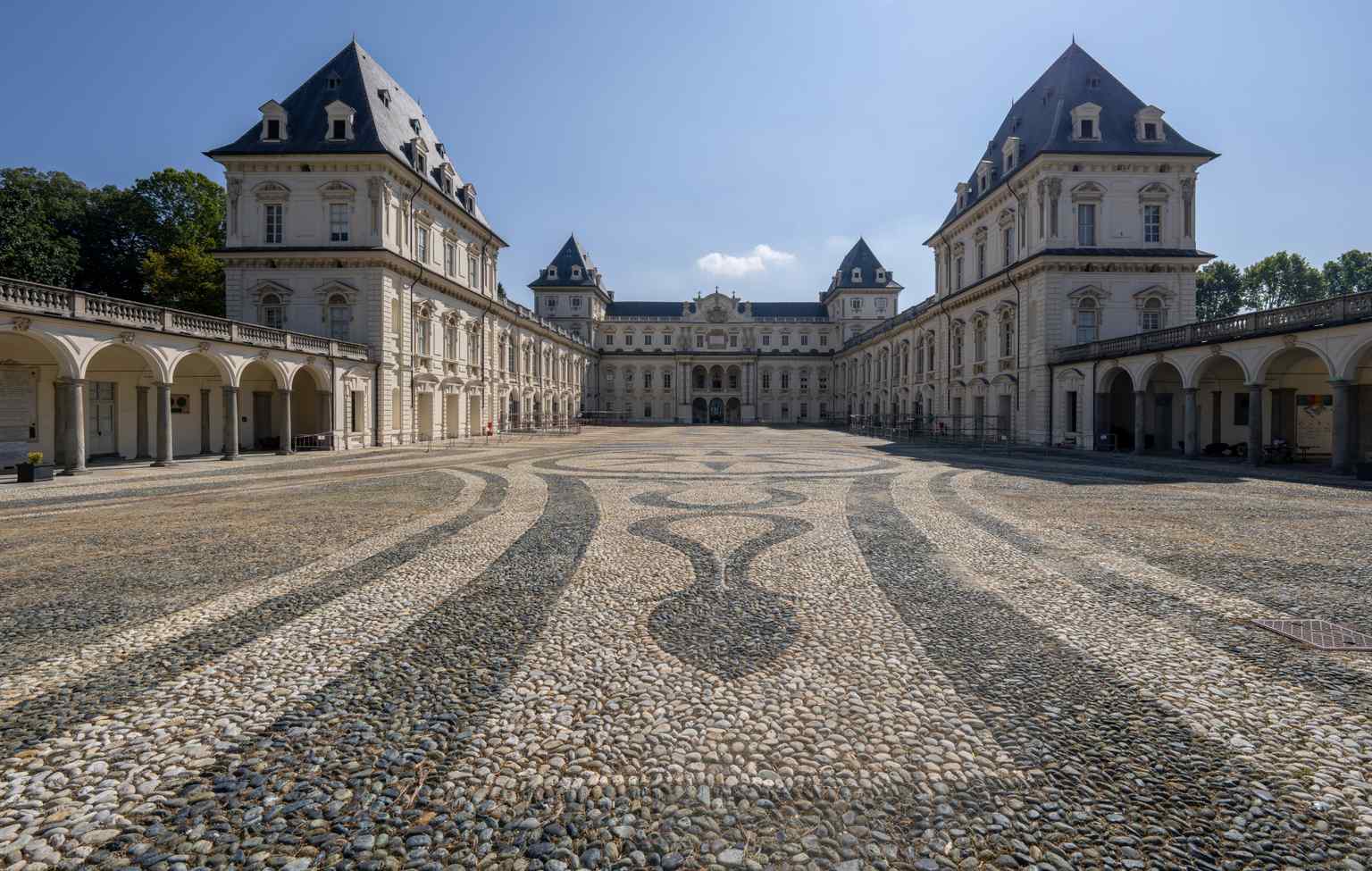
Today, it is a protected heritage site and a bustling home for university architecture students, open to visitors from 7:30 AM to 9:00 PM on weekdays, and 8:00 AM to 4:00 PM on Saturdays, though it is closed on Sundays. Let us continue our walk now, stepping just two minutes away into the wider green embrace of Valentino Park.






._Torino-_Castello_Del_Valentino%2C_Vista_Generale_Del_Cortile_Col_Moumento_053B10.jpg)


