AudaTours logoAudaTours

सिएटल ऑडियो टूर: लिटिल साइगॉन के विरासत स्थलों में एक सैर

ऑडियो गाइड15 स्टॉप

एक बौद्ध मंदिर की छत के ऊपर उठने वाला धुआँ केवल अगरबत्ती से कहीं अधिक का संकेत देता है - यह सिएटल की बारिश से भीगी सड़कों के नीचे धड़कती अनकही लचीलेपन की ओर इशारा करता है। यह स्व-निर्देशित ऑडियो टूर शहर के दिल को खोलता है, शांत अभयारण्यों में बुने रहस्यों को उजागर करता है, छिपी हुई प्रसिद्धि से भरे डेली काउंटरों को, और सुगंधित रसोईघरों को जो पड़ोस में क्रांतियों को जन्म देते हैं। सिएटल बेत्सुइन बौद्ध मंदिर में दशकों की विरासत को मिटाने की धमकी देने वाली आग की रात क्या हुआ था? साइगॉन डेली एक पंथ का अनुसरण क्यों आकर्षित करता है, साधारण सैंडविच से दोपहर के भोजन के किंवदंतियों का निर्माण करता है? हुओंग बिन्ह वियतनामी व्यंजन में सतह के नीचे कौन से अजीब पारिवारिक झगड़े पनपते रहते हैं - और सूअर के कान का सूप ऑर्डर करने की हिम्मत कौन करता है? बदलती छायाओं और चमकदार स्टोरफ्रंटों से गुजरें क्योंकि खोए हुए वास्तुकारों, भूमिगत समुदायों और पाक प्रतिद्वंद्विता की कहानियाँ हर कोने पर सामने आती हैं। देखें कि हर कदम के साथ साधारण शहर के ब्लॉक नाटक और अस्तित्व के रोमांचक दृश्यों में कैसे बदल जाते हैं। इन परतों को अभी अनलॉक करें - अपना साहसिक कार्य शुरू करें जहाँ धुआँ, मसाला और भावना सिएटल के सबसे अविस्मरणीय क्षणों को आकार देते हैं।

टूर पूर्वावलोकन

map

इस टूर के बारे में

  • schedule
    अवधि 40–60 minsअपनी गति से चलें
  • straighten
    3.3 किमी पैदल मार्गगाइडेड पथ का पालन करें
  • location_on
  • wifi_off
    ऑफ़लाइन काम करता हैएक बार डाउनलोड करें, कहीं भी उपयोग करें
  • all_inclusive
    लाइफ़टाइम एक्सेसकभी भी, हमेशा के लिए फिर सुनें
  • location_on
    सिएटल बेत्सुइन बौद्ध मंदिर से शुरू होता है

इस टूर के स्टॉप

  1. Look for a striking brick building with a wide, sloping gray roof and tall wooden doors, right at the corner-if you see a bold blend of Japanese and American style, you’ve found…और पढ़ेंकम दिखाएँ

    Look for a striking brick building with a wide, sloping gray roof and tall wooden doors, right at the corner-if you see a bold blend of Japanese and American style, you’ve found the Seattle Betsuin Buddhist Temple! Imagine you’re standing here in the early 1940s, with the air buzzing as families in kimonos and suits gather under the vine-snaked eaves, drawn by the soft gong echoing through the streets. This place is more than just a temple; it’s a haven, built by Seattle’s Japanese American community and designed by Kichio Allen Arai-a creative mind with big dreams, but back then, there was one hitch: he didn’t have his license yet! So, his name isn’t on the papers, even though his design stands proudly in brick and timber. The original temple, built just a few blocks away, was torn down for the Yesler Terrace project, sparking a scramble to build this new sanctuary just in time. Now, take a deep breath and picture the hum of old community gatherings, the scent of incense mixing with fresh rain. But not all stories end calmly; on a cold New Year’s Eve in 2023, a sudden blaze shattered the darkness, flames crackling as cherished archives and an altar were lost to fire. And yet, community hearts remain unbroken-because this landmark isn’t just bricks and beams, it’s the spirit of hope, resilience, and a really beautiful roof. You might say it’s had more plot twists than your favorite mystery show!

    समर्पित पेज खोलें →
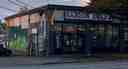
  2. To spot Saigon Deli, look right ahead for a no-frills building with a bold red sign that says “SAIGON DELI” and a glowing neon “OPEN” sign in the window-plus a splash of green…और पढ़ेंकम दिखाएँ

    To spot Saigon Deli, look right ahead for a no-frills building with a bold red sign that says “SAIGON DELI” and a glowing neon “OPEN” sign in the window-plus a splash of green mural art along the side. Welcome to Saigon Deli, where flavor explodes out of this little storefront faster than a bánh mì disappears on a hungry afternoon! Let’s soak up the scene out here for a moment-imagine the bustle of traffic, the spicy scent of grilled meats and pickled veggies sneaking out every time the door swings open, and that gentle hum of anticipation as folks line up for their lunch treasures. Saigon Deli isn’t much for fancy décor; in fact, its industrial, utilitarian look practically dares you to judge a bun by its cover. There isn’t any seating inside. Instead, people grab their delicious loot and scatter-some to benches, some back to office desks, some just to enjoy it right out on the curb. Think of it as the “secret handshake” for those in the know. This little gem is famous for bánh mì-crunchy baguette, savory meats, crisp veggies, all layered with creamy spread and signature tang. If you’ve never had a barbecue pork bánh mì from here, you’re in for “the best $5 you can spend in the city,” or so claims one happy foodie. But that’s not all: behind the glass, you’ll see trays piled with coconut chicken, catfish, pork meatballs, and even stuffed bitter melon if you’re feeling adventurous. There’s an air of local fame around this spot, like you’ve tapped into a tried-and-true current that’s run through Seattle’s Vietnamese community for years. Every guide, from Eater to The Stranger, seems to have a soft spot for Saigon Deli. Legend has it that the most mysterious thing about Saigon Deli is how quickly it turns visitors into regulars. Maybe it’s the thrill of squeezing between shelves of snacks and stacks of soda cans, or maybe it’s the smell of fresh herbs that makes you forget the outside world. Whatever it is, you’re now part of the legend-welcome to the club!

    समर्पित पेज खोलें →
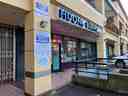
  3. Look to your right for a tan building with bold blue letters spelling out "Huong Binh" above large windows and a glowing "OPEN" sign-nestled right in the Ding How Center strip…और पढ़ेंकम दिखाएँ

    Look to your right for a tan building with bold blue letters spelling out "Huong Binh" above large windows and a glowing "OPEN" sign-nestled right in the Ding How Center strip mall. Let me take you back to 1993. Imagine the buzz of Seattle’s Chinatown-International District-honking cars, the scent of fresh herbs, and sizzling meats wafting from shops tucked beneath neon lights. That’s when Lien Dang opened Huong Binh, a cozy little spot where the flavors of Vietnam’s central region would come alive. She built it from scratch, probably sweating a little from both the kitchen heat and the pressure of bringing her homeland’s recipes to a brand-new city. Now, here we are, all these years later, standing among the echoes of laughter, clinking chopsticks, and the “slurp” of brothy noodles. Picture bowls piled high with silky duck noodle soup, steaming congee speckled with the rich flavors of blood sausage, pork tongue, liver, and-if you’re brave enough-pork ear! And let’s not forget the crepe-like bánh bèo, gently dusted with shrimp flakes, or the springy dumplings and the legendary bún bò Huế, with beef so tender it almost tells you its own story. There’s a feeling here-you can almost sense aunties in the kitchen, arguing over who makes the best jellied pancakes. Lien Dang passed the torch in 2019, but Huong Binh’s spirit stays alive, filling hungry bellies and curious hearts, one fragrant spoonful at a time. Hungry yet?

    समर्पित पेज खोलें →
12 और स्टॉप दिखाएँकम स्टॉप दिखाएँexpand_moreexpand_less
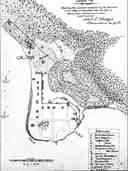
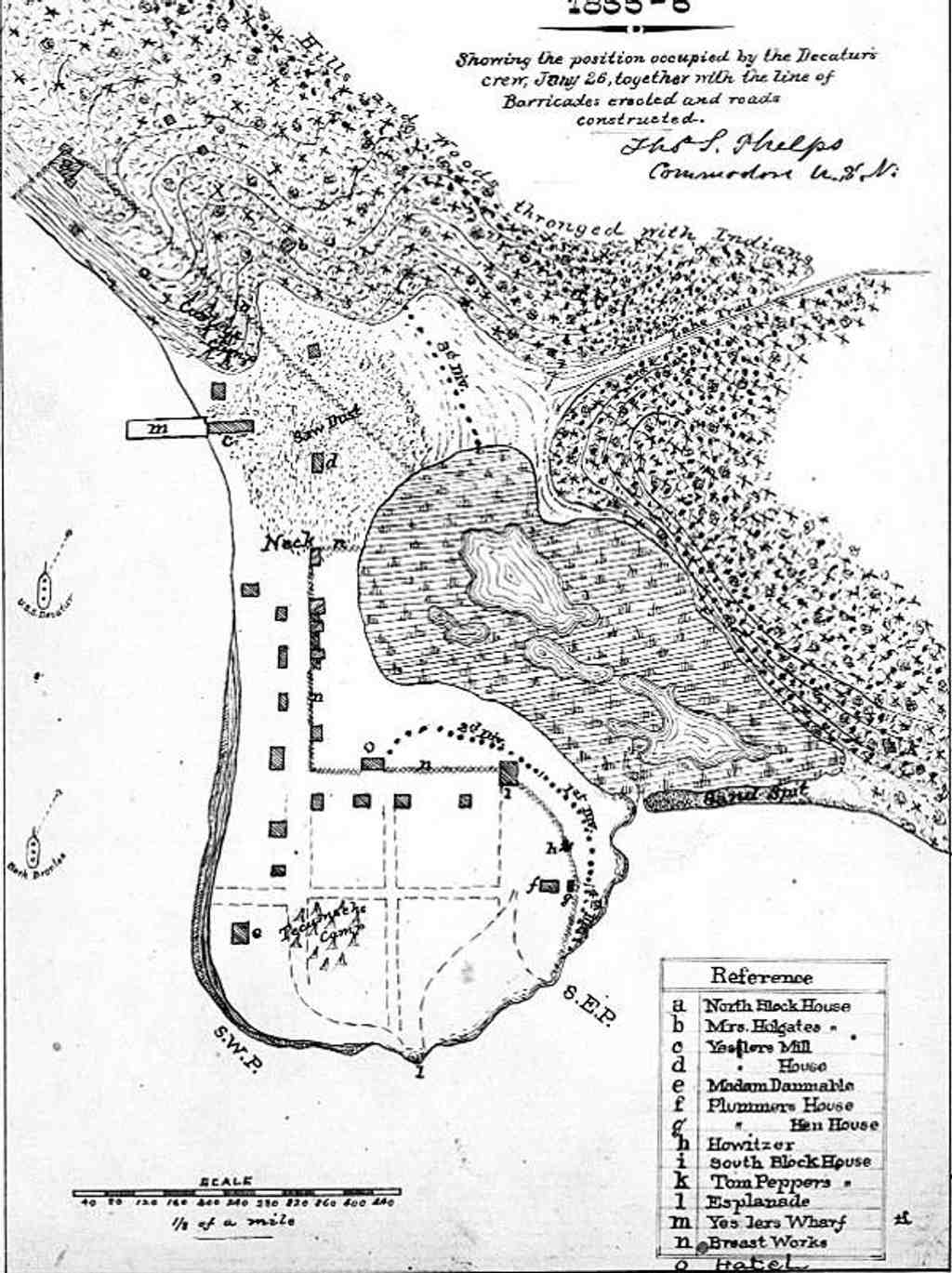
  1. To help you spot the site of the Battle of Seattle, look for an illustrated old map surrounded by city life-you're standing near Seattle’s historic Pioneer Square, where the…और पढ़ेंकम दिखाएँ

    To help you spot the site of the Battle of Seattle, look for an illustrated old map surrounded by city life-you're standing near Seattle’s historic Pioneer Square, where the peninsula’s edges meet and the old forested ridges once rose over marshland and bay. Alright, time to step back in time-imagine standing here January 26, 1856, when Seattle was just a tiny, rugged settlement, only four years old, huddled on this bit of land between the wilds and the waters of what we now call Elliott Bay. The settlement was so new, they’d only just named it after the respected Chief Seattle, leader of the Suquamish and Duwamish peoples. There were only a handful of wooden buildings, a scattering of muddy streets, and everywhere, the dense scent of the surrounding forest. Tensions had been simmering for months as Native American tribes resisted treaties that shrank their homelands, while settlers nervously guarded their new lives. The governor had even declared a “war of extermination”-as if a day in the Pacific Northwest wasn’t interesting enough already! Add in the U.S. Navy sloop Decatur sitting in the bay, a handful of cannons, and about a hundred settlers worried about losing their breakfast-history was about to get dramatic. The night before the battle, the settlers took their posts. Picture them: some clutching homemade rifles, others probably wondering why their parents had ever left Ohio. They’d strung together a shaky defensive line through marshes, up over mounds, and all the way to a brand new blockhouse made from lumber meant for sunny California. But wait, it gets more interesting! Two local chiefs, Owhi and Lushi, crept through the settlement, cleverly disguised as friends. They tricked a sentry with a convincing story, scouting out the town’s defenses. And here's a twist-some chiefs were playing both sides, one even asking if his friend Henry Yesler could be spared in the chaos. Like a historical soap opera, alliances shifted with every hour. When the morning sun burned off the fog, the air suddenly crackled-rumors and warnings finally proved true! A small decoy force of warriors drew defenders out toward First Hill, while the women and children scrambled onto ships in the harbor for safety. “Ready the cannons!” someone shouted aboard the Decatur as they spotted movement in the trees. The first howitzer shell arched out over the roofs and exploded near Tom Pepper’s house. That was the signal: the battle had begun. For seven hours, muskets rattled, bullets zipped through the raw air, and the defenders were caught in what one historian called “an almost uninterrupted storm of bullets.” Settler families darted between blockhouses, seeking cover, while the marines manned their posts. Sometimes, the language of battle was, quite literally, Chinook jargon-a trade language both sides could understand, so orders and even jokes could be overheard. Humor was in short supply as courage and confusion tangled together. Young Milton Holgate, just fifteen, accidentally shot Jack Drew-a member of the Decatur’s crew, mistaking him for an attacker trying to climb through a cabin window. Tragic and accidental, like so many parts of chaotic history. Elsewhere, a thirsty settler ducked for water and fell to enemy fire-another reminder that even a drink could turn deadly in those tense hours. Though the sound of gunfire and yelling filled the clearing, casualties were miraculously few among the settlers: just a handful dead, despite the odds. The native losses were never clearly known-some said twenty-eight, others guessed higher-but their leaders quietly withdrew, unable to break through the defenders’ lines or the Decatur’s roaring cannons. The next day, Governor Stevens finally rushed back, admitting he just might have underestimated that “looming threat.” The people of early Seattle, no strangers to hard work, quickly built new palisades, dug ditches, and built a second blockhouse, just in case someone got adventurous with “home defense.” For weeks, nerves remained high. My favorite tale is of the future fire chief digging in his yard, finding an old Decatur shell, tossing it into a stump fire-BOOM!-nearly making himself the last casualty of the Battle of Seattle. While the battle put an end to open fighting here, it was only one part of a much larger story of broken treaties and shifting alliances. Today, all that remains are echoes beneath your feet, but, if you listen closely, you might just hear the rumble of a cannon-or maybe it’s your stomach waiting for the next food stop!

    समर्पित पेज खोलें →
  2. To spot Tamarind Tree, look for a subtle sign with the restaurant's name in bold lettering, accompanied by a small green-and-white logo of tamarind leaves-it's tucked behind a…और पढ़ेंकम दिखाएँ

    To spot Tamarind Tree, look for a subtle sign with the restaurant's name in bold lettering, accompanied by a small green-and-white logo of tamarind leaves-it's tucked behind a parking lot, so keep your eyes peeled for a slightly hidden entrance near another eatery. Alright, take in a deep breath-you might catch the faint scent of lemongrass or sizzling scallion oil drifting through the air. Tamarind Tree may not shout its presence on the street, but this Vietnamese gem has been the talk of food lovers across Seattle since the doors first swung open in late 2004. Picture this: you cross a nondescript parking lot, maybe wondering if you’ve made a wrong turn, and suddenly a secret world of warmth and energy opens up. Inside, the clatter of bowls, laughter of hungry diners, and maybe a little friendly competition for the best table fills the air. The menu overflows with treats like grilled squid stuffed with ground pork, delicate steamed baguettes, spring rolls packed with crispy tofu, shredded jicama, peanuts, and coconut-it’s a symphony of textures and flavors. You might even spot a green mango salad so fresh and tangy it could give your taste buds a high-five. And don’t even get me started on the banana cake and coconut milk that round out your meal. The man behind this mouthwatering magic is Tam Nguyen. He traveled a long road to get here-leaving a Malaysian refugee camp, crossing oceans, and arriving in America in 1980, carrying hope and a dream, along with perhaps a secret recipe or two. Less than twenty-five years later, he opened Tamarind Tree, and before long it was a local legend. People came from all over Seattle to grab a table-sometimes facing legendary waits, even when they had the smarts to reserve in advance. But Tamarind Tree has had its share of drama, too. In January 2023, an outbreak of Shigellosis hit the headlines, and for a moment, the place fell silent-no clinking of glasses, no sizzling from the kitchen, just the hum of deep cleaning and disinfecting as workers made sure every surface sparkled. The restaurant returned, shining and renewed, ready to serve up joys once more. Food writers often argue about the best in town, but time and time again, Tamarind Tree lands on those “must-visit” lists. So while she may look humble from the street, step inside-or maybe just sniff the air-and you’ll find a dining adventure beloved by all who treasure Vietnamese flavors. And hey, if you hear a stomach rumble right about now, don’t worry-yours isn’t the only one!

    समर्पित पेज खोलें →
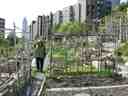
  3. Look up the hillside to spot a patchwork of garden plots lined with wooden frames and trellises, green plants, and fruit trees, all set against a backdrop of city apartments and…और पढ़ेंकम दिखाएँ

    Look up the hillside to spot a patchwork of garden plots lined with wooden frames and trellises, green plants, and fruit trees, all set against a backdrop of city apartments and the pointed Smith Tower peeking above the skyline. Welcome to the Danny Woo International District Community Garden, a true gem tucked into this sunny hillside, where the city’s hum fades just a bit and the scent of fresh earth and ripening fruit fills the air. Imagine this: it’s 1975, and all you would have seen here is a wild tangle of six-foot-tall blackberry brambles. Tough to walk through and even harder to garden in-unless you’re a blackberry, of course! But then, thanks to a generous gift by landowner and restaurateur Danny Woo, and the sweat and laughter of thousands of volunteers, this patch of jungle was transformed into the green oasis you see today. You’re standing at the edge of the largest green space in Seattle’s South Downtown: 1.5 acres of terraced land bursting with 101 garden plots and 77 handsome fruit trees-apples, plums, cherries, and, fittingly, Asian pears. These terraces have been carefully carved out, with the help of students from the University of Washington, into a peaceful, Asian-inspired landscape-notice how bamboo structures and handcrafted trellises give the space a rustic elegance. Look around, and you might see an elderly gardener in a wide-brimmed hat, patiently tending to vegetables you won’t always find at your average supermarket-bok choy, fuzzy melon, bitter melon, and more. Most of the gardeners here are over 65, many well into their 70s and 80s, and nearly all are residents of the International District-some barely speak English, but speak volumes in the language of green thumbs and shared smiles. You might even spot someone in their 90s, bent over a tender sprout, whispering secrets of the soil. Here, the average age is 76, and every plot is a tribute to hard work, memories from back home, and the timeless joy of growing your own food. Years ago, the construction of the Kingdome and the I-5 freeway left this neighborhood with its fair share of problems-lost homes, lost businesses, and a sense of being overlooked. This very garden, planted on donated land and expanded by the city, became a living symbol that things could and would get better. It’s more than a collection of vegetable beds; it’s a living, breathing reminder of what community can build together-one seed at a time. But, hey, don’t think for a second this is a “senior citizens only” affair! Off to the side, you’ll find the Children’s Garden, where more than 250 kids each year dig their hands into the dirt through Inter*Im’s Seed-to-Plate program. Imagine a flurry of tiny hands pulling up carrots, giggling as they discover an earthworm, learning how to grow and cook food from the ground up. Not only do these young gardeners grow beans and berries, but they also learn how compost works, why bees are our buddies, and how delicious a homegrown tomato can be. And if you’re wondering how it all keeps running, the answer is a whole lot of community spirit. Over 300 volunteers keep this garden vital, and more than 1,000 visitors wander its paths every year-some for the view (which is spectacular, by the way; from here you can gaze out to Elliott Bay, the Port of Seattle, the Olympics in the distance, and all of Beacon Hill), and some for the chance to see how urban farming brings people together across languages and generations. Not too long ago, the garden added a kitchen for community members and their Seed-to-Plate adventures, and improvements continue-new pathways, lights at night, and even accessible gardens for those who can’t kneel or stoop but still want to taste the joy of growing something green. Here’s a fun fact: some gardeners only have Single Room Occupancy spaces-tiny, kitchen-less dwellings, just a bed and four walls. For them, the Danny Woo Garden is more than a pastime-it’s their home under the sun, a lifeline to friendship, fresh air, and good food. So take a stroll along the plots, breathe in the scents of earth and fresh green shoots, and maybe, just maybe, you’ll catch a gardener sharing a story, a recipe, or even a handful of fresh-picked sugar snap peas. It’s proof that even in the bustling heart of Seattle, life can bloom where you least expect it!

    समर्पित पेज खोलें →
  4. To spot the Panama Hotel, look for a charming brick building with large windows and a sign announcing “Panama Hotel Tea & Coffee” above its ground-floor café-stand right by the…और पढ़ेंकम दिखाएँ

    To spot the Panama Hotel, look for a charming brick building with large windows and a sign announcing “Panama Hotel Tea & Coffee” above its ground-floor café-stand right by the entrance where the welcoming glow spills onto the sidewalk. Take a deep breath-can you smell the aroma of fresh tea and coffee wafting out from the Panama Hotel’s cozy cafe? Now, let’s travel back in time, because the air here is thick with secrets, old stories, and a little bit of steam! The Panama Hotel was built in 1910, and it was designed by Sabro Ozasa, Seattle’s very first Japanese-American architect. Imagine the city over a hundred years ago: horse hooves on snowy streets, lanterns glowing in every window, and people bustling into Japantown for a warm, communal bath at the sento downstairs. This hotel was truly the heart of the Japanese community. It wasn’t just a place to sleep-it was a hub with restaurants, shops, and the famous Hashidate-Yu bathhouse, the last remaining Japanese public bathhouse, or sento, in the entire United States! Picture hardy workers and travelers, women and children, all coming together to relax and gossip in the soothing steam-because in early 1900s Japantown, most folks didn’t have bathtubs at home. These bathhouses were the original social networks-without weird algorithms or cat videos. But not all the stories here are light and warm as a cup of tea. In 1942, when Executive Order 9066 forced Japanese residents into internment camps, families had to leave everything behind. Many handed their most precious belongings to the Panama Hotel for safekeeping, tucking away trunks, kimonos, and memories in the basement, hoping they’d return soon. Sadly, for many, that day never came, and their suitcases are still waiting in the dark downstairs. Today, you can actually peek through a glass panel in the floor to see those untouched belongings, like a time capsule of hope and heartbreak. After the war, the Panama Hotel stood as a quiet guardian of these lost treasures, while Seattle’s Japantown shifted and changed. In 1985, Jan Johnson took over and lovingly restored the building, honoring its original spirit. The hotel has become a symbol-a witness to resilience, community, and the bittersweet stories of Japantown. There’s a bit of literary magic here, too! Ever hear of the novel “Hotel on the Corner of Bitter and Sweet” by Jamie Ford? This very place inspired those pages, bringing its rich history to readers everywhere. Don’t be surprised if you see film crews someday-the upcoming documentary, “The Panama Hotel Legacy,” will shine a spotlight on these endless layers of memory and history. And in 2006, the hotel was named a National Historic Landmark; by 2015, it became one of only 60 places in the U.S. recognized as a National Treasure by the National Trust for Historic Preservation. To top it off, in 2020, the Japanese government awarded the Panama Hotel for promoting friendship between Japan and America. So as you stand outside or perhaps inside the warmly lit café, savor a sip and look around-the Panama Hotel isn’t just a building; it’s a living story, woven from the laughter, secrets, and silences of everyone who’s ever crossed its threshold. And let’s be honest-these walls have probably heard so many stories, they could use a bath of their own! Interested in knowing more about the seattle's "japantown" (nihonmachi), japanese bathhouses (sento) or the film

    समर्पित पेज खोलें →
  5. You’re looking for a vibrant pavilion with red pillars and an ornately tiled golden roof-just ahead in the open brick plaza, framed by city buildings and a hint of skyline, that’s…और पढ़ेंकम दिखाएँ

    You’re looking for a vibrant pavilion with red pillars and an ornately tiled golden roof-just ahead in the open brick plaza, framed by city buildings and a hint of skyline, that’s Hing Hay Park! Welcome to Hing Hay Park, truly a jewel box tucked into the heartbeat of Seattle’s Chinatown-International District! As you stand here, right on the north side of South King Street between 6th and Maynard avenues, take a deep breath and listen: this little corner is full of stories, celebrations, and, if you’re lucky, maybe even the sound of a dice game or two in the pavilion. Back in the 1960s, Seattle was brimming with grand plans-one of which came to life when the community, with a boost from the Forward Thrust bond initiative, decided that this was the perfect spot for a park. Before that, can you imagine this area filled with the offices of the Specie Bank of Seattle, built in 1911? But by the ‘70s, those buildings were long condemned and ripe for a new beginning. The original park opened in 1973, taking up just a quarter of this block, right at the corner where Maynard meets King. And it wasn’t just any old park-the landscape was designed by S.K. Sakuma and his firm, blending local spirit with elements straight from an old-world Chinese village square. The star of the show? You guessed it: this ornate pavilion in the center, crafted with care, every detail echoing authentic East Asian architecture. But get this-these beautiful bricks and that elegant pavilion didn’t just appear by magic or city funds. Picture Ruby Chow, a trailblazing King County Council member at the time, pitching the idea to the Mayor of Taipei, who was in Seattle on a visit. She explained they had the land, but the city had no money to keep things fancy-she needed something sturdy, beautiful, and easy to maintain. The mayor didn’t hesitate: he reached into his own pocket and sent funding, bricks, even a team of skilled workers all the way from Taipei. By 1975, the pavilion you see was standing proud, a gift from across the Pacific. Take a look around and notice the clever touches-those chess tables and benches that always seem to draw in eager players, and a curious little bulletin board with its own tiny tiled roof in the southeast corner. Here’s a neat bit of mystery: its placement follows feng shui principles, set at an angle instead of neatly parallel with the street. They say it’s to allow the flow of qi-the good energy-between the park and the businesses across King Street. Don’t want to block the good vibes, right? Now, if you walk a little, you’ll spot a massive mural splashed across the neighboring Bush-Asia Center’s wall. A dragon-bold and coiling-watches over railroad workers, scenes from old Seattle, and the iconic King Street Station clock tower. It was painted in 1977 by John Woo, and it serves as a colorful reminder of the immigrant journeys and hard work that built this district. Hing Hay Park isn’t just for show-feel the echoes of Memorial Day each spring, when American Legion Cathay Post No. 186 gathers at the cenotaph here, honoring ten Chinese American veterans lost in World War II. On quieter days, you might stumble upon tai chi classes, locals gliding quietly in the morning mist, or catch a burst of free music filling the air in summer. And then came the expansion! In 2007, the city picked up the old post office lot next door, and by 2017, nearly doubled the park’s size. The “wow” feature? That impressive red gateway on the southwest corner, looking like something straight out of a storybook-it looms 20 feet high and 70 feet long, all in gleaming perforated metal, a new beacon for the district. Today, everything-from the stone furniture to the terraced rice-paddy-inspired landscaping-invites gatherings and festivals, with Dragon Fest turning Hing Hay into Chinatown’s own celebration epicenter. And if someone starts humming the Blue Scholars’ “Talk Story,” well, you’re not imagining things-the park even gets a shoutout in their music! So while this spot might not rival Seattle’s old skyscrapers for height, Hing Hay Park stands tall when it comes to heart. It’s a stage for history, culture, and community-a place where an ordinary stroll turns suddenly magical, with a story hiding behind every bench, pillar, and painted dragon scale.

    समर्पित पेज खोलें →
  6. To spot the site of the Wah Mee massacre, look for a set of heavy, weathered double doors tucked into a shadowy alcove beneath a faded, greenish wall; the entryway sits just off…और पढ़ेंकम दिखाएँ

    To spot the site of the Wah Mee massacre, look for a set of heavy, weathered double doors tucked into a shadowy alcove beneath a faded, greenish wall; the entryway sits just off the narrow sidewalk and glows with a little air of forgotten secrets. Alright, hold tight, because the story behind these doors is as dramatic and chilling as any noir film-but sadly, this one was all too real. Imagine yourself here in the heart of Seattle’s Chinatown, back in the days when the Louisa Hotel’s basement pulsed with the secret sounds of high-stakes gambling and late-night laughter. If you close your eyes, you might almost hear the murmur of voices, the clatter of dice, and the faint jazz drifting out from underground clubs. But everything changed on one winter night in February 1983, when these doors became the entryway to a crime that would haunt the city for decades. The Wah Mee Club was a hidden den, accessible only after passing through not one, but two sets of locked doors, guarded by a small security window-a bit like entering a speakeasy, only the stakes were much higher. Back in the day, this place was famous for attracting wealthy patrons, many of them prominent restaurant owners or members of Chinatown’s old societies. But on February 18th, 1983, as midnight approached, a different kind of night was about to unfold. Three men-Kwan Fai “Willie” Mak, Keung Kin “Benjamin” Ng, and Tony Ng (no relation!)-entered the Wah Mee. They weren’t just here to play cards. Because they were regulars, the guards let them in without a second thought, a decision with terrible consequences. The doors closed behind them, and, in a few swift, chilling minutes, the calm was shattered. Within the dimly lit club, Willie, Benjamin, and Tony pulled out guns and ordered everyone down. They tied up the staff and patrons, one by one, searching through wallets and pockets for cash as the tension rose in the smoky air. But what makes this story truly harrowing isn’t just the robbery-it’s what happened next. With all witnesses bound and facedown, the robbers opened fire. Thirty-two shots rang out in the gloom, and by the end, thirteen lives had been stolen, each one connected to the neighborhood and its history. Only one man, Wai Yok Chin, managed to survive. In a feat of quiet heroism, wounded and dazed, he loosened his ropes and staggered out into the alley, bringing word of the massacre into the night. The aftermath was a mix of horror and heartbreak. The Wah Mee doors were padlocked forever, and police poured over the scene, trying to untangle what had happened. The club never reopened, but soon, the story of what happened here was on everyone’s lips-haunted tour buses even made regular stops, and local legends grew. The police tracked down the killers quickly. Willie Mak turned himself in, Benjamin Ng was found hiding at his girlfriend’s house, and Tony Ng went on the run, eventually landing on the FBI’s Ten Most Wanted list before Canadian police caught up with him in Calgary. Their trials sounded like something out of a crime show. Life sentences, courtroom drama, even hypnosis-yes, real hypnosis!-to change a witness’ account. In the end, none of the perpetrators would taste freedom in Seattle again. But that’s not all this old building witnessed. The Louisa Hotel, with its colorful past, held on for a few more decades, slowly falling into disrepair until a Christmas Eve fire in 2013 gutted much of its shell. The Woo family, still the owners, made the tough choice to tear down the damaged parts, but they kept the bones of the building, honoring its place in the Chinatown Historic District. With a blessing by Buddhist monks, the hotel rose from the ashes, reopening in 2019 with new apartments above and fresh faces below. So, here you stand-outside a quiet set of doors, in an alley that once rang with the sounds of risk, joy, and unspeakable tragedy. It’s a reminder that even the most ordinary places can carry remarkable, sometimes harrowing secrets. And while the Wah Mee massacre remains Washington’s deadliest crime, the resilience of this neighborhood means its history, both dark and bright, will never be forgotten. Keep your eyes-and your heart-open, because every block in this city has a story waiting to be discovered. For a more comprehensive understanding of the background, massacre or the victims, engage with me in the chat section below.

    समर्पित पेज खोलें →
  7. To spot the Wing Luke Museum, look for a large, three-story red brick building on the corner, its wide windows stretching across the first floor and dark trim lining the rows of…और पढ़ेंकम दिखाएँ

    To spot the Wing Luke Museum, look for a large, three-story red brick building on the corner, its wide windows stretching across the first floor and dark trim lining the rows of upper windows. Welcome to the Wing Luke Museum, where stories from across the Pacific seem to snuggle right up against Seattle’s rainy sidewalks! Close your eyes for a moment and imagine stepping into a busy tangle of history and community spirit. The scent of old paper and polished wood drifts from within, as if memories are waiting just behind the doors. This museum, right here in the heart of the Chinatown-International District, isn’t your average collection of musty relics. It’s the only museum in the whole country that brings together the experiences and creative sparks of Asian Pacific Americans-think of it as a kaleidoscope where over 26 cultures twist together, each angle revealing new colors and stories. The building you’re standing in front of-the East Kong Yick Building-was raised back in 1910 by 170 Chinese immigrants, each of them betting on a new future. It used to shelter not just stores but the Freeman Hotel upstairs, a place where newly arrived Chinese, Japanese, and Filipino immigrants could put down a suitcase and rest, hearts pounding with both nerves and hope. The museum was born from vision and heartbreak. Wing Luke, the city council member it’s named after, was the first Asian American elected to public office in the Pacific Northwest. Inspired by the rapid changes sweeping through his neighborhood in the 1960s, Luke hoped to preserve these stories before they were lost. When he died unexpectedly in a plane crash, friends and neighbors chipped in, determined to bring his idea to life. The Wing Luke Memorial Museum started small, with only a storefront, a few humble shelves, and a handful of folk art pieces. But boy, did it grow fast! By the 1980s, the museum was buzzing with the work of local artists and volunteers, knocking down social fences one exhibit at a time. And here’s a fun twist-every time an exhibit goes up, it’s built from the ground up with the community’s fingerprints all over it. If a new show is on Bruce Lee, for example, the museum doesn't just hang some posters and call it a day. Nah, they call up grandmothers, invite community leaders, and form a wild thing called a Community Advisory Committee, or CAC. These folks dig deep-tucking into photo albums, dusting off letters, and gathering oral histories. Sometimes they even argue about what the exhibit should look like, but that’s part of the magic. The process can take more than a year, turning raw memories into living, breathing stories, from civil rights struggles to mouthwatering food traditions. Inside these walls, you’ll find over 18,000 pieces: faded photographs, children’s toys, ticklish memories whispered into microphones, and the entire contents of a long-gone general store called Yick Fung Co.-all donated by the owner, as if he just stepped outside to grab a coffee. Want to hear how people in Seattle celebrated the Lunar New Year 50 years ago, or what life was like in crowded hotel rooms above Chinatown streets? The museum’s oral history lab is the place, humming with voices from the past and the present. Of course, the journey hasn’t been all smooth sailing. In 2023, the museum’s windows along Canton Alley were shattered in a racially motivated attack. Instead of staying quiet, the community turned pain into beauty, replacing the glass with bright, hopeful murals. Just recently, controversy stirred again with passionate protests over an exhibit about confronting hate, showing the museum is still very much a living, breathing place where fierce discussions happen. So, as you stand here, imagine echoes of those first immigrants climbing these stairs, their dreams and worries crowding the halls. The Wing is more than a museum-it’s a guardian of stories, a stubborn memory that won’t fade, and a lively gathering place for the next great chapter of Asian Pacific American experience in Seattle. Waves of voices, colors, and history await inside-are you ready to join them?

    समर्पित पेज खोलें →
  8. To spot the Chinatown-International District, just look ahead for a grand, colorful gate with traditional Chinese architectural details and a red-tiled roof stretching above King…और पढ़ेंकम दिखाएँ

    To spot the Chinatown-International District, just look ahead for a grand, colorful gate with traditional Chinese architectural details and a red-tiled roof stretching above King Street-a magnificent archway that stands out among the low-rise buildings and nearby dragon sculpture winding up a lamppost. Welcome to the beating heart of Seattle’s Chinatown-International District, or as locals like to call it, the CID! If you listen closely, you might even hear the faint clatter of mahjong tiles, the sizzle of hot woks, or laughter from families gathering for a holiday celebration-because this isn’t just a neighborhood, it’s the living storybook of Seattle’s Asian American community. Close your eyes for a second-or, well, maybe don’t if you’re crossing the street-but just imagine: Over 150 years ago, Chinese immigrants first arrived in Seattle, drawn by dreams of opportunity out West. It was the gold rush, timber, and railroads that called to them, and soon these newcomers set up their first homes near the old Yesler Mill on the city’s rough-and-tumble waterfront. But this early "Chinatown" would not be their last. As the city grew, the community was pushed from place to place-a rough journey shaped by prejudice, the Exclusion Act, and even the aftermath of the Great Seattle Fire. Still, with every move-from the muddy hills to the busy blocks here near King Street-they rebuilt, reconnecting, and creating something even stronger. By the time you’re standing beneath the colorful gate, you’re actually at the entrance to what became the third Chinatown-what a third time! They say the third time’s the charm, after all. Here’s where history, resilience, and flavor all meet. The neighborhood soon became a patchwork, a home not just for Chinese immigrants, but also Japanese families, Filipino workers, and later, Vietnamese newcomers, each adding a new spice to the CID’s simmering pot. Imagine late nights in the 1920s, when Japantown bustled with restaurants, shops, and even jazz music, played by African American musicians who’d come north in search of brighter days. But life was never easy here. During World War II, the CID’s Japantown was nearly emptied as its residents were suddenly taken away to internment camps. Shops closed, apartments emptied, and the music faded, only for new voices to arrive in their place-Vietnamese immigrants after the Vietnam War, Filipino workers, and new waves of Chinese families. Every wave left something behind; every struggle wove another thread in the fabric of this place. Yet the battles weren't only those of the past. When the hulking Interstate 5 was built through the neighborhood in the 1960s, many historic businesses were bulldozed, and the community faced-and survived-one disruption after another, including the construction of the Kingdome stadium just next door a decade later. If you hear a distant echo, maybe it’s the shouts from one of the many protests that sprang up along these streets: residents demanding a voice in their own future, business owners rallying to keep their doors open, or neighbors united to preserve Lane Street from private development. Despite challenges, the CID’s spirit never faded. The 45-foot-tall gate right in front of you-a glorious splash of red, teal, and gold-was unveiled in 2008. It wasn’t just built for looks; it’s a symbol of pride, a welcome mat not just for tourists, but for everyone whose story has ever begun here. Today, walk these streets and you’ll see Vietnamese markets bursting with bright vegetables and fragrant herbs, Japanese bakeries with rainbow-colored sweets in the windows, and murals and dragon sculptures that make you feel like you just wandered into another world. On festival days, the air is alive with the crackle of firecrackers and the swirl of dragon dancers. At Lunar New Year, the whole district comes alive; in summer, Dragon Fest draws crowds from across Seattle for music, food, and martial arts. Behind all this fun, though, there are scars. The neighborhood has wrestled with gentrification, homelessness, and loss-the threat of old businesses closing, families moving away, and the relentless pace of change. In fact, the Chinatown-International District was recently named one of America’s 11 Most Endangered Historic Places, a sobering honor reminding us all to treasure every cobblestone, every storefront, and every story that’s still unfolding here. So whether you’re here for dim sum, heritage, or a bit of both, let your senses soak it in, and remember: this isn’t just a neighborhood. It’s a living record of struggle, celebration, and the rich diversity that keeps the city’s heart beating strong. Soaking up all these stories? You, my friend, are officially part of the CID’s living history! Yearning to grasp further insights on the location, culture or the transportation? Dive into the chat section below and ask away.

    समर्पित पेज खोलें →
  9. To spot Phin, look for a small, stylish storefront tucked into the Thai Binh apartment building on South Jackson Street, featuring a welcoming sign that proudly announces “PHIN…और पढ़ेंकम दिखाएँ

    To spot Phin, look for a small, stylish storefront tucked into the Thai Binh apartment building on South Jackson Street, featuring a welcoming sign that proudly announces “PHIN little saigon cafe.” Now, take a deep breath and let your senses sharpen-because Phin is all about transporting you, not just across the city, but across the world to the bustling cafés of Vietnam with just one step through its doors. Picture it: a cozy little space, just 620 square feet, but bursting with personality. The vibe is tranquil and inviting, almost as though time slows down once you cross the threshold. If you peek inside, you’ll spot a faux balcony in one corner, painted a rich, nostalgic red and surrounded by muted, stylish colors that evoke the charm of old Saigon. Phin’s story starts with Bao Nguyen, who opened this haven for Vietnamese coffee lovers back in October of 2020-smack in the middle of the pandemic. Now, opening a coffee shop during that time? That takes guts, a little caffeine, and maybe a pinch of magical thinking! But Bao, along with Hanh Hoang, had already won hearts by selling their signature pandan waffles at the Chinatown-International District Night Market, so launching Phin felt like the next delicious step. They source their coffee from Austin’s Phin Coffee Club, piling layer upon layer of flavor into every steaming cup. The menu here is as creative as it is comforting. There’s cà phê sữa chua-Vietnamese coffee with house-made yogurt and condensed milk-that’ll wake you up faster than a rooster with a megaphone. Then there’s the coconut slushie coffee, black sesame coffee, and the delightfully green pandan latte. Of course, you can’t miss the pandan waffles, crisp on the outside, fragrant and chewy inside, featured in Seattle’s own guide to the best eats. Desserts like flan with shaved coffee ice sing with sweetness and nostalgia. Standing here, you’re right where old traditions and new dreams meet, and you might just find your next craving waiting to be brewed. Ready for a taste of adventure-and maybe a waffle or three?

    समर्पित पेज खोलें →
  10. To spot the Chinese Baptist Church, look for a sturdy dark brown brick building with lots of tall, pointed-arch windows and a big white cross sitting proudly on top, right on the…और पढ़ेंकम दिखाएँ

    To spot the Chinese Baptist Church, look for a sturdy dark brown brick building with lots of tall, pointed-arch windows and a big white cross sitting proudly on top, right on the corner of King Street. Now, get ready to step into a world where history hums through the bricks! Picture Seattle in the late 1800s: the air filled with the chatter of newcomers, railroad whistles, and the aroma of chop suey drifting from cookhouses. In those early days, life for Chinese immigrants wasn’t exactly a walk in the park-unless the park was full of suspicious looks and hard labor! But here’s where the weirdest superhero team-up happened: the First Baptist Church swooped in, determined to look after all the new folks. They set up “mission churches” for every group-Swedes, Japanese, and yes, Chinese, too! At first, the Chinese Baptist congregation met wherever they could: a little house at 5th and Yesler (so cozy, they probably bumped elbows during hymns), then a larger spot in the bustling heart of Chinatown. By 1902, with pockets a little less empty and spirits high, the community built their very own church at Washington and Maynard. Can you imagine the excitement? No more “renting”-they had a home! The current building, right in front of you, opened with pride in 1922. Stroll by and you’ll notice those graceful Gothic windows-sunlight streaming through, just like hope after a rainy Seattle day. This wasn’t just a church; it was the beating heart of the Chinese American community: weddings, banquets, heartfelt prayers, and wild laughter echoing off those stone walls. In 1977, the main congregation moved to roomy Beacon Hill, but these walls still welcome worship as the Chinese Southern Baptist Church. So, as you stand here, imagine kids chasing each other out front, aunties gossiping on the steps, and a community weaving its thread into the fabric of Seattle. Not bad for a place that started with nothing but faith, kindness, and a little help from their friends!

    समर्पित पेज खोलें →
  11. To spot Hello Em, look for a modern sign displaying a stylish black-and-gold logo with the words “hello em” next to a golden half sun-right in front of you on Weller Street in…और पढ़ेंकम दिखाएँ

    To spot Hello Em, look for a modern sign displaying a stylish black-and-gold logo with the words “hello em” next to a golden half sun-right in front of you on Weller Street in Seattle’s Little Saigon. Alright, take a deep breath and let the aroma of coffee and toasted sugar drift your way. You’re standing in front of Hello Em, a gem in Seattle’s coffee crown and the city’s very first Vietnamese coffee roastery. The moment you walk in-don’t worry, you’re welcome to drool a little-the atmosphere buzzes with the sound of beans tumbling through a roaring air roaster. Right inside the entrance, you’ll see those beautiful beans transform, from pale green to a shimmering, chocolate brown. It’s like watching a magic trick, only the reward is much more delicious. Hello Em takes its name from a friendly greeting often exchanged in Vietnam-a simple “Hello, you!” that makes everyone feel at home. And you’ll see, it’s not just a coffee shop. It’s a gathering spot, an art gallery, a little library, and a pulse point for the Vietnamese community, all rolled into one space they share with Friends of Little Sài Gòn. The wall inside even offers a timeline of Little Saigon’s story, full of fascinating historical tidbits-just in case you want to sip and learn. Now, let’s talk about the menu. This isn’t your run-of-the-mill coffee stop. How about a cà phê brûlée with an egg cream crowned by torched sugar? Or try the cà phê chuoi-a wild ride of caramelized banana, coconut, salted peanuts, and banana chips that’s more dessert than drink. There’s a coconut-cloud iced coffee, too, dusted with pandan and loaded with sesame seeds. And if you like something to bite: bánh mì sandwiches, pastries, cloud mochi with fruit and cookies, even a Seattle hot dog reimagined the Vietnamese way. You’ll need to bring your sense of adventure, and probably an empty stomach. Launched in 2021 by Nghia Bui and Yenvy Pham-who also co-owns the famous Phở Bắc-Hello Em quickly made its mark. It’s been celebrated all over Seattle for innovative drinks and photogenic bites. Critics, travel guides, and foodies call it a destination coffee shop. And with all its accolades, it still focuses on community: from personal safety trainings for staff to partnerships benefitting Little Saigon’s many residents. So, if you fancy sipping a bit of modern Vietnamese culture while watching coffee beans dance in the roaster, Hello Em is ready to say, well, hello to you. Don’t be surprised if you leave with a little more bounce in your step… and possibly a new favorite obsession.

    समर्पित पेज खोलें →
  12. To spot the Jose Rizal Bridge, look straight ahead and up-you’ll see its big green steel arches stretching high above the road, cutting across the sky like a giant gateway between…और पढ़ेंकम दिखाएँ

    To spot the Jose Rizal Bridge, look straight ahead and up-you’ll see its big green steel arches stretching high above the road, cutting across the sky like a giant gateway between neighborhoods. Now, let your imagination travel back in time for a second. It’s 1911. Seattle’s got muddy streets, horses clatter on cobblestones, and suddenly-bam!-the city builds this massive steel bridge, one of its very first. Picture the clang of hammers and the shouts of workers over the roar of steam engines. This bridge was called the Dearborn Street Bridge back then, but in 1974, it got a new name to honor José Rizal-a Filipino hero who fought with words and courage for freedom. The funny bit? Most Seattleites still call it the 12th Avenue Bridge anyway! Over the decades it’s seen it all-love stories, lost dogs, daring bike commuters, and even a touch of mystery. In 2002, the area under the bridge held secrets that kept the city’s detectives awake at night. And thanks to a mayor with dreams of a sparkly city, it’s now lit up in glowing floodlights for everyone to see. Imagine the hum of traffic below and bikes zipping through their new lanes after 2021. This old bridge doesn't just carry cars and bikes; it carries the memories-and a good share of Seattle stubbornness-right across the city.

    समर्पित पेज खोलें →

अक्सर पूछे जाने वाले प्रश्न

मैं टूर कैसे शुरू करूँ?

ख़रीदारी के बाद, AudaTours ऐप डाउनलोड करें और अपना रिडेम्पशन कोड दर्ज करें। टूर तुरंत शुरू करने के लिए तैयार होगा - बस प्ले टैप करें और GPS-गाइडेड रूट का पालन करें।

क्या टूर के दौरान मुझे इंटरनेट चाहिए?

नहीं! शुरू करने से पहले टूर डाउनलोड करें और पूरी तरह ऑफ़लाइन इसका आनंद लें। केवल चैट फ़ीचर को इंटरनेट की ज़रूरत है। मोबाइल डेटा बचाने के लिए WiFi पर डाउनलोड करने की सिफ़ारिश है।

क्या यह एक गाइडेड ग्रुप टूर है?

नहीं - यह एक सेल्फ-गाइडेड ऑडियो टूर है। आप अपनी गति से स्वतंत्र रूप से खोजते हैं, आपके फ़ोन से ऑडियो कथन बजता है। कोई टूर गाइड नहीं, कोई ग्रुप नहीं, कोई शेड्यूल नहीं।

टूर में कितना समय लगता है?

अधिकांश टूर पूरा करने में 60-90 मिनट लगते हैं, लेकिन गति पूरी तरह आपके नियंत्रण में है। जब चाहें रुकें, स्टॉप छोड़ें, या ब्रेक लें।

अगर मैं आज टूर पूरा नहीं कर सकता/सकती तो?

कोई समस्या नहीं! टूर की लाइफ़टाइम एक्सेस है। जब चाहें रोकें और फिर शुरू करें - कल, अगले हफ़्ते, या अगले साल। आपकी प्रगति सेव रहती है।

कौन सी भाषाएँ उपलब्ध हैं?

सभी टूर 50+ भाषाओं में उपलब्ध हैं। अपना कोड रिडीम करते समय अपनी पसंदीदा भाषा चुनें। नोट: टूर जेनरेट होने के बाद भाषा बदली नहीं जा सकती।

ख़रीदारी के बाद मैं टूर कहाँ एक्सेस करूँ?

App Store या Google Play से मुफ़्त AudaTours ऐप डाउनलोड करें। अपना रिडेम्पशन कोड (ईमेल द्वारा भेजा गया) दर्ज करें और टूर आपकी लाइब्रेरी में दिखेगा, डाउनलोड और शुरू करने के लिए तैयार।

verified_user
संतुष्टि गारंटी

अगर आपको टूर पसंद नहीं आया, तो हम आपकी ख़रीदारी वापस करेंगे। हमसे संपर्क करें [email protected]

सुरक्षित चेकआउट

Apple PayGoogle PayVisaMastercardPayPal

AudaTours: ऑडियो टूर

मनोरंजक, किफ़ायती, सेल्फ-गाइडेड वॉकिंग टूर

ऐप आज़माएँ arrow_forward

दुनिया भर के यात्रियों द्वारा पसंद

format_quote शहर को देखने का यह बहुत अच्छा तरीका था। कहानियाँ रोचक थीं बिना ज़्यादा स्क्रिप्टेड लगे, और मुझे अपनी गति से खोजने का बहुत मज़ा आया।
Jess
Jess
starstarstarstarstar
Tbilisi टूर arrow_forward
format_quote बिना पर्यटक जैसा महसूस किए Brighton को जानने का यह एक शानदार तरीका था। कथन में गहराई और संदर्भ था, लेकिन ज़रूरत से ज़्यादा नहीं।
Christoph
Christoph
starstarstarstarstar
Brighton टूर arrow_forward
format_quote इस टूर की शुरुआत एक हाथ में क्रोसॉन्ट और शून्य उम्मीदों के साथ की। ऐप बस आपके साथ बहता है, कोई दबाव नहीं, बस आप, आपके हेडफ़ोन, और कुछ बढ़िया कहानियाँ।
John
John
starstarstarstarstar
Marseille टूर arrow_forward

अनलिमिटेड ऑडियो टूर

दुनिया भर के हर टूर तक पहुँच अनलॉक करें

0 टूर·0 शहर·0 देश
all_inclusive अनलिमिटेड खोजें