
50+ langues

 Bradford · Royaume-Uni
 Audioguides Bradford
Découvrez Bradford avec des tours à pied audioguidés en autonomie
headphones
1 tours
pin_drop
20 monuments
translate
Monuments incontournables
Le Bradford que tout le monde connaît.
Les monuments de tous les guides — et les tours qui te racontent ce que les guides taisent.
Quelques mots sur Bradford
The wool capital of the world, and the world's first UNESCO City of Film
Bradford was producing around two-thirds of the United Kingdom's woollen textiles by the mid-19th century, a fact so improbable it requires context. In 1800 it was a small market town. By 1850 it had 70 mills and 100,000 inhabitants, having transformed itself faster than almost any city in Britain through access to local coal, soft water, and the ambitions of the mill owners who built the Wool Exchange on Market Street in 1867. The Wool Exchange, now occupied by a Waterstones bookshop, is one of the finest Victorian commercial buildings in the north of England, with an interior that still reads clearly as a space designed for serious trade.
Little Germany, a neighborhood of streets between Hall Ings and East Parade, takes its name from the German-Jewish merchants who arrived in the 1850s to deal in Bradford's textiles.
They built more than 50 warehouses and commercial buildings in Italianate and Flemish Revival styles that together form one of the most architecturally coherent Victorian commercial quarters in England. The whole area is listed, largely intact, and largely overlooked by visitors who have not been told to look for it.
Bradford
Bradford FAQ
Before you walk.
Tous les tours de Bradford, dans ta langue.
50+ langues, incluses avec chaque réservation.
🇬🇧 English🇫🇷 Français🇪🇸 Español🇩🇪 Deutsch🇮🇹 Italiano🇯🇵 日本語🇨🇳 中文🇰🇷 한국어+ 41 autres
star AudaTours Unlimited
Tu visites plus d'une ville ? Abonne-toi.
Débloque tous les tours de Bradford — et des milliers d'autres partout dans le monde. Annule quand tu veux.
$4.99/semaine · Annule quand tu veux

Encore en Royaume-Uni
Explorer Royaume-Uni arrow_forwardD'autres villes à parcourir en Royaume-Uni.
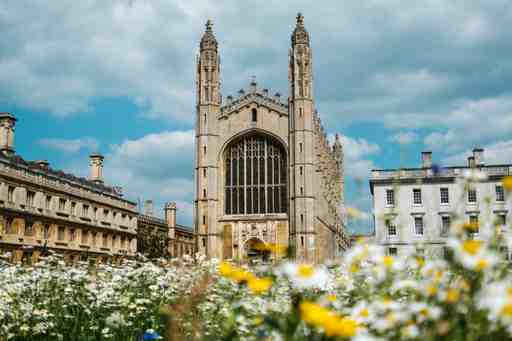

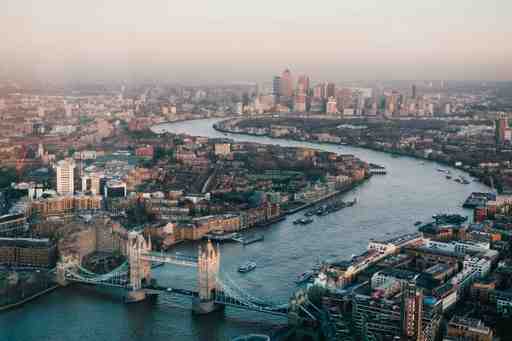
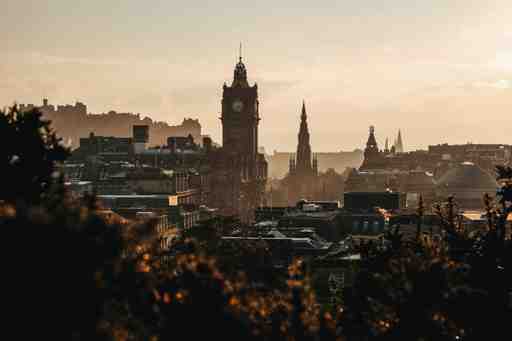
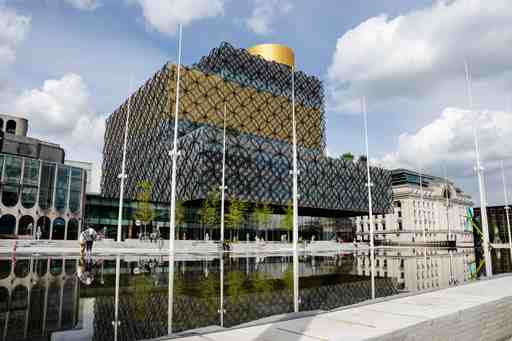
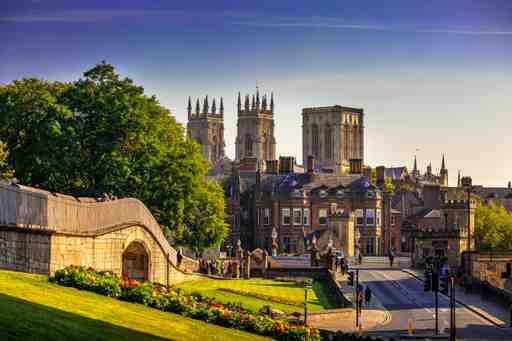
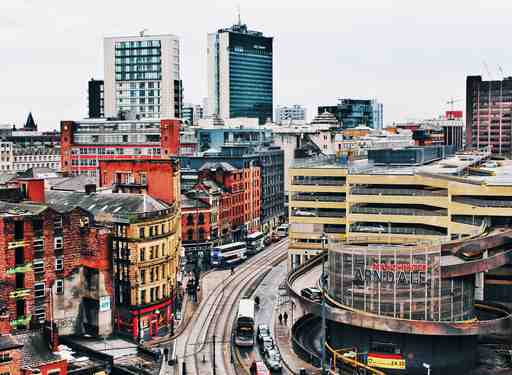
Adoré par les voyageurs du monde entierDes milliers de tours commencés.
Des milliers de tours commencés.
Plein d'avis.
4,8 sur l'App Store et Google Play. En voici quelques-uns qu'on adore relire.
starstarstarstarstar
Ce tour était un excellent moyen de voir la ville. Les histoires étaient intéressantes sans paraître trop scénarisées, et j'ai adoré pouvoir explorer à mon propre rythme.

Jess
Tour de Tbilissistarstarstarstarstar
C'était un bon moyen de découvrir Brighton sans se sentir comme un touriste. La narration était profonde et contextuelle, sans en faire trop.

Christoph
Tour de Brightonstarstarstarstarstar
J'ai commencé ce tour avec un croissant dans une main et zéro attente. L'application vibre tout simplement avec vous, pas de pression, juste vous, vos écouteurs et quelques histoires sympas.

download Télécharger l'appli Mets tes écouteurs.


Mets tes écouteurs.
Sors te promener.
Gratuit à télécharger. Des tours dans chaque ville. Commence en 60 secondes — sans compte, sans carte.

headphones
~ 4 min avant ton premier tour
public
1 000+ villes dans le monde
all_inclusive
AudaTours
Unlimited
Chaque visite. Chaque ville. Un abonnement.
3096 tours2272 villes138 pays50+ langues